Baselayers

Baselayers decide whether you finish a dive warm or shivering. Oyster Diving stocks the Fourth Element baselayer range in full: J2 for lightweight, fast-wicking comfort next to the skin, Xerotherm for insulation that keeps working when wet, and the X-Core vest for extra warmth where your body needs it most. Tops, leggings and shorts, in men's and women's cuts. Our team dive UK water year round, and we layer the same way.

  • Expert diving advice
  • UK delivery
  • Multi-award-winning PADI dive centre
  • Secure checkout
15 products
Read the full buying guide

What a baselayer actually does

A baselayer is not your insulation. Its job is to move sweat off your skin and hold a stable layer against you, so that the undersuit or wetsuit above it can get on with the warming. Get this layer wrong and you spend the dive in damp fabric that pulls heat out of you all the way through the safety stop.

That is why everything on this page is a technical synthetic with flat seams and all-way stretch. Flat seams matter more than most divers expect: under the squeeze of a drysuit and a harness, a raised seam becomes a pressure point you will still be thinking about an hour later.

The Fourth Element ranges in this collection

Every baselayer here is Fourth Element. That is a deliberate choice rather than a gap in our buying: they design baselayers specifically for diving instead of adapting hillwalking kit, and the three ranges we stock genuinely do different jobs.

J2

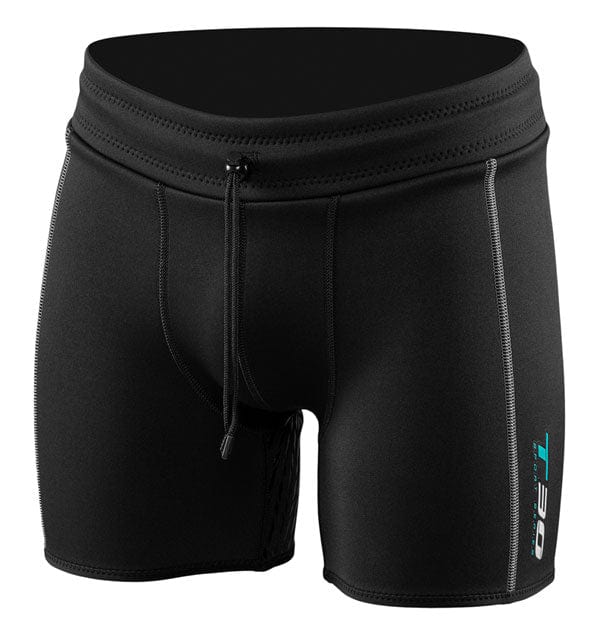
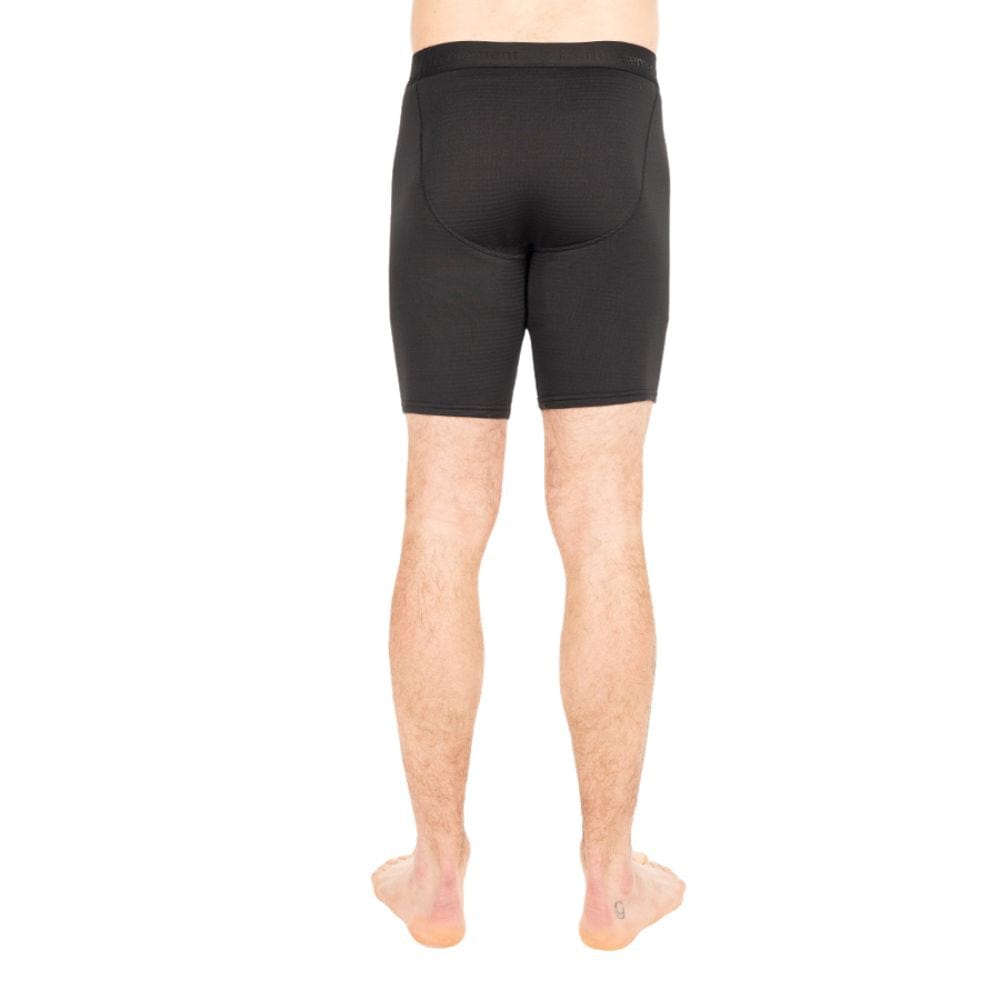
J2 is the lightweight end of the range. It was developed for a caving expedition, which tells you what it was built to survive: continuous wear, for days, without turning against the person inside it. A silver ion treatment in the fabric keeps odour down, it wicks fast, and it packs small enough to be the obvious choice when luggage allowance is tight. J2 is the broadest line here, covering long sleeve and short sleeve tops, leggings, shorts and a bra top, in men's and women's cuts.

Xerotherm

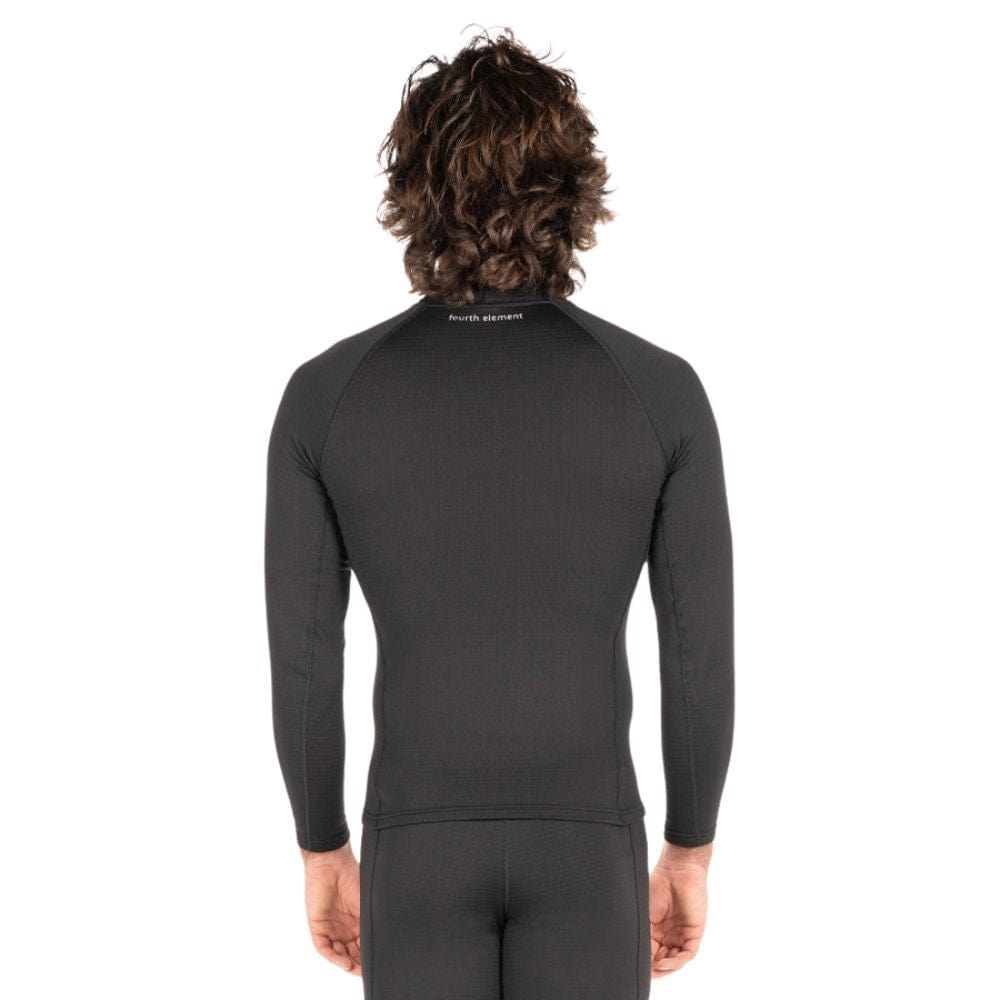
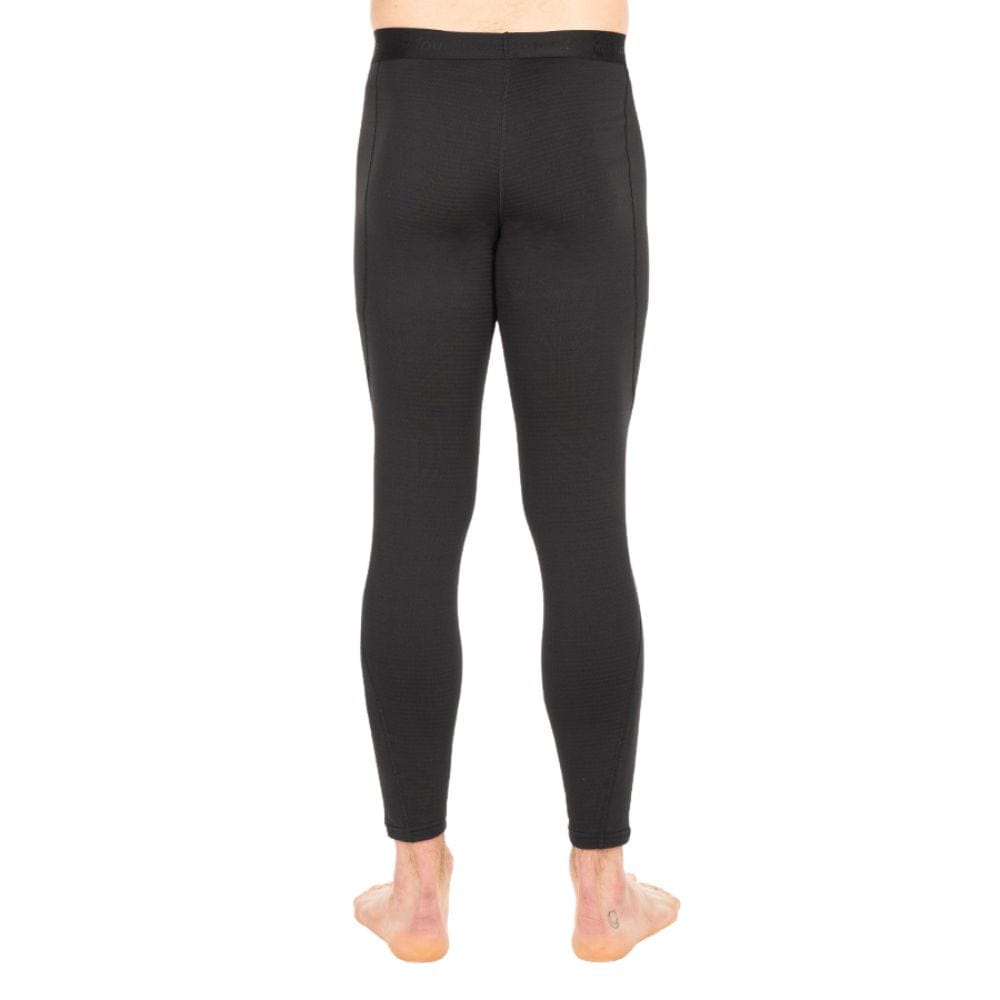
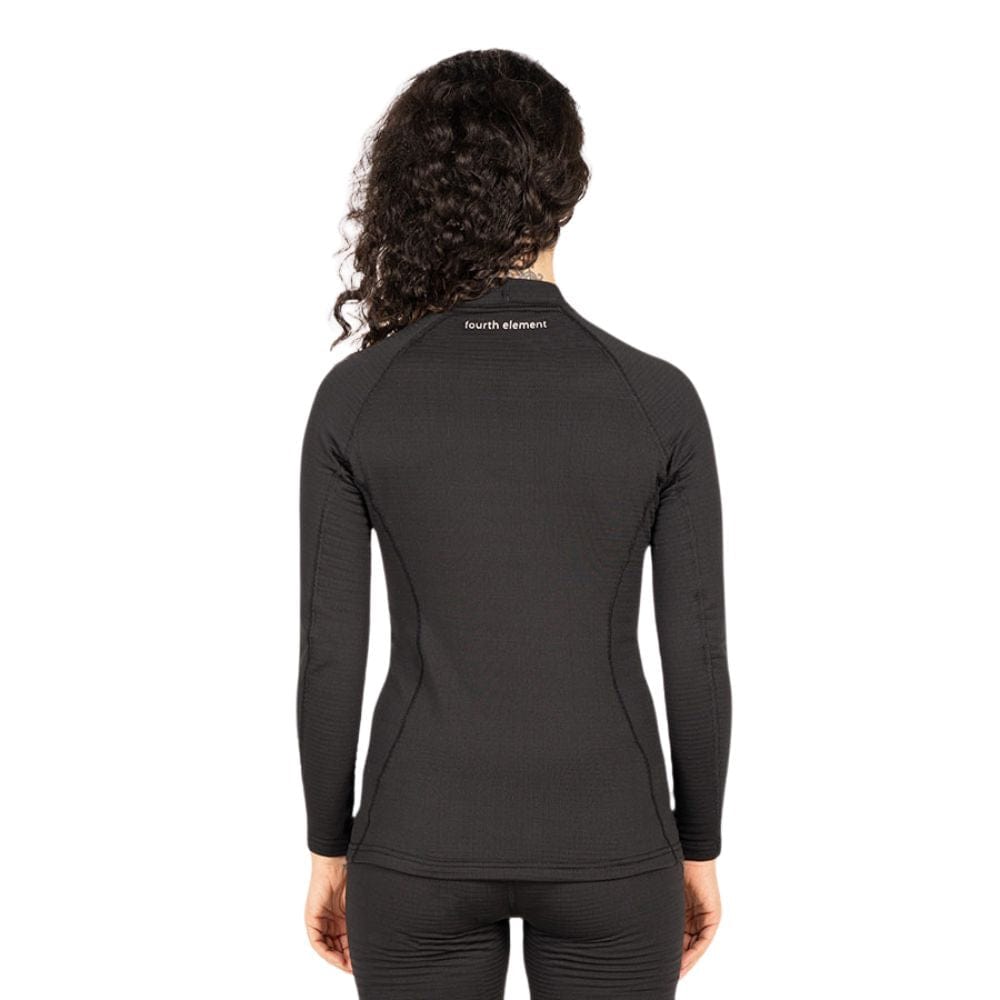
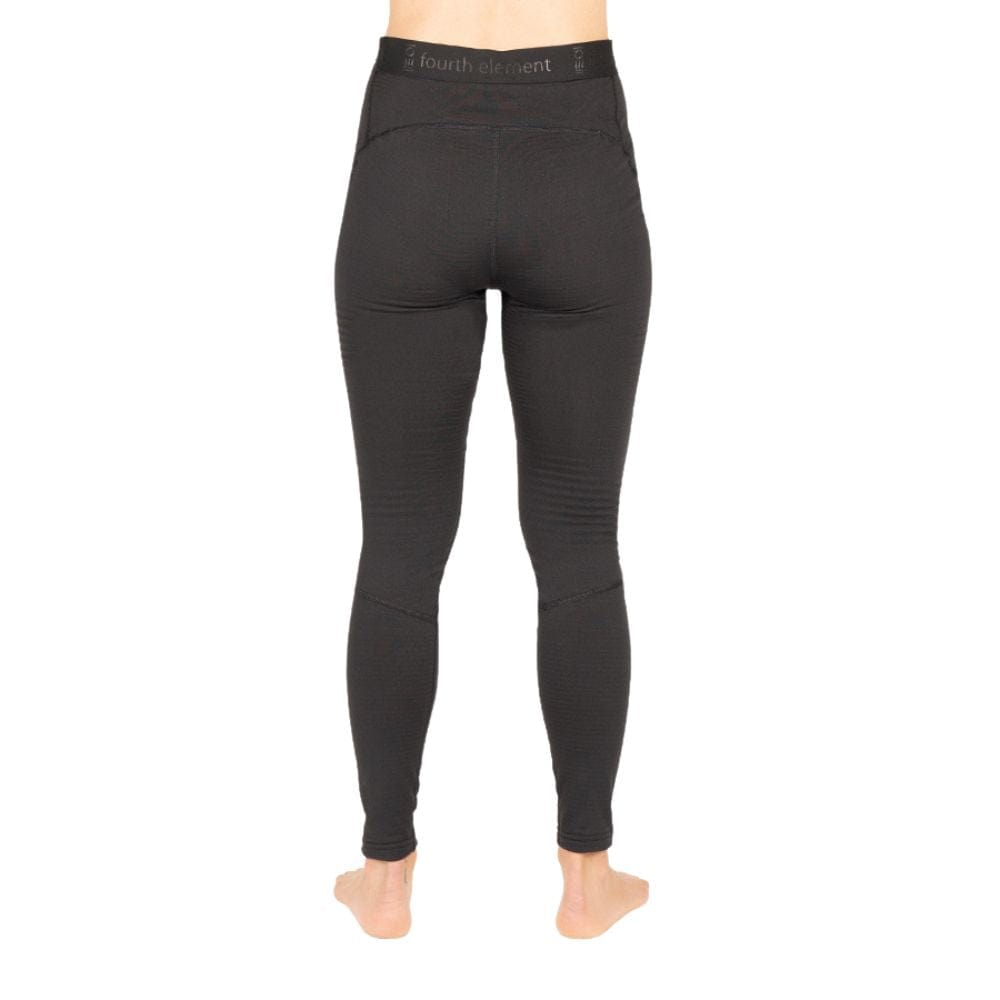
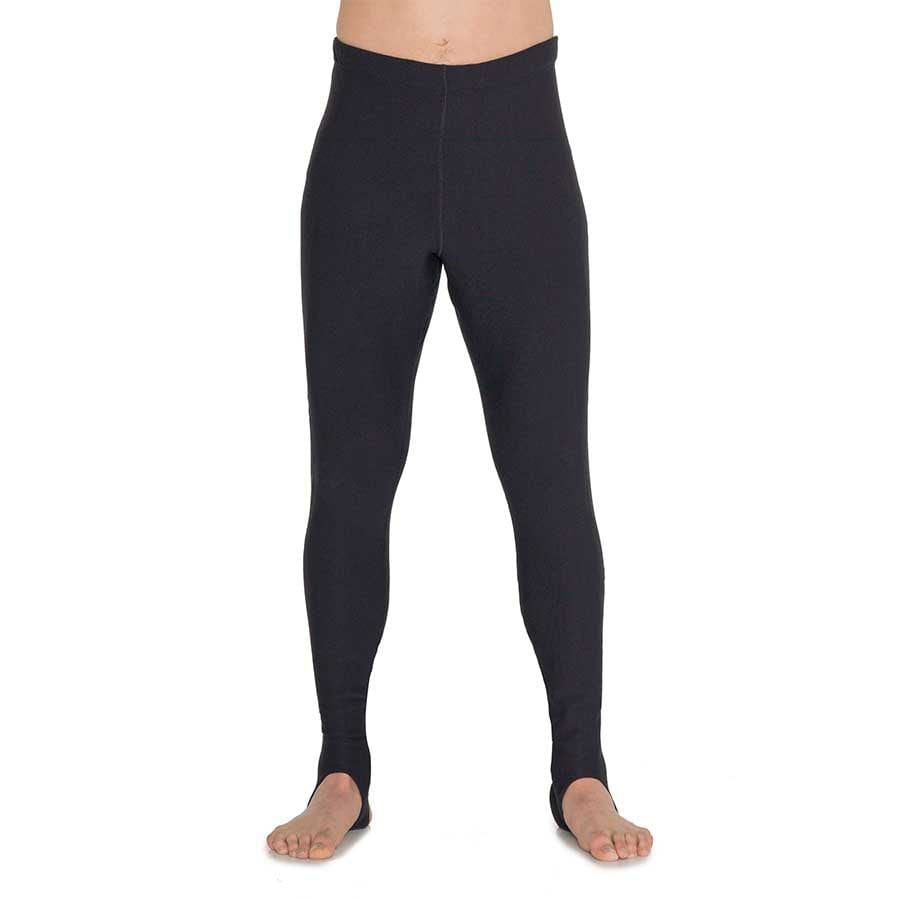
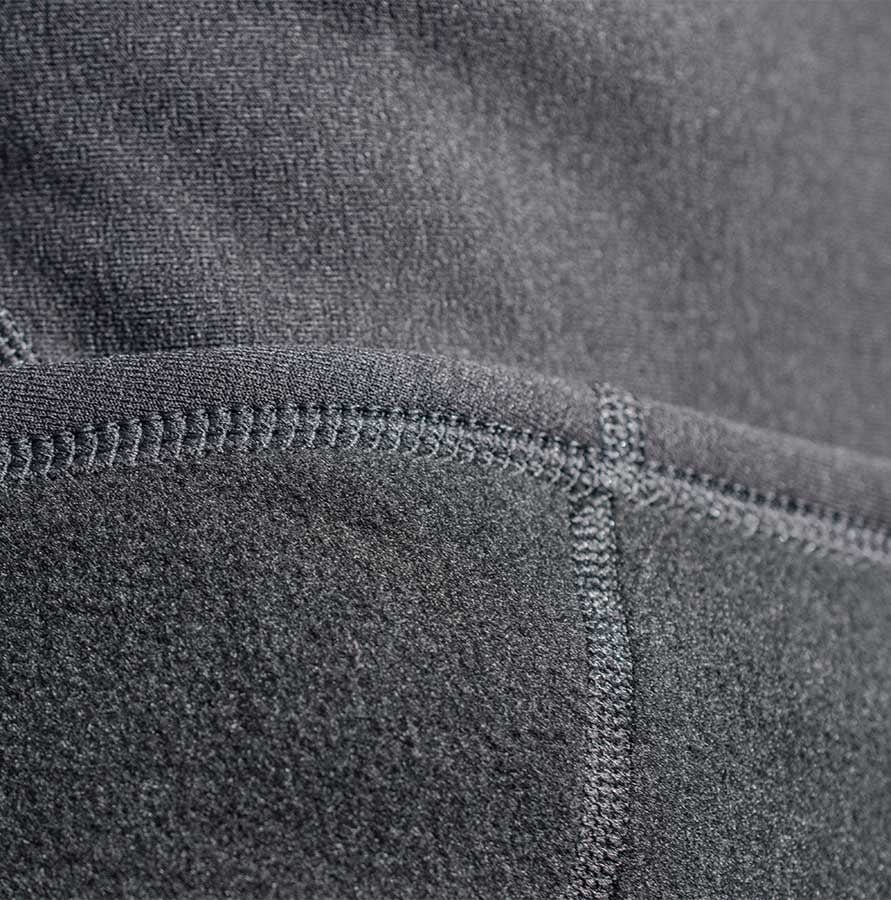
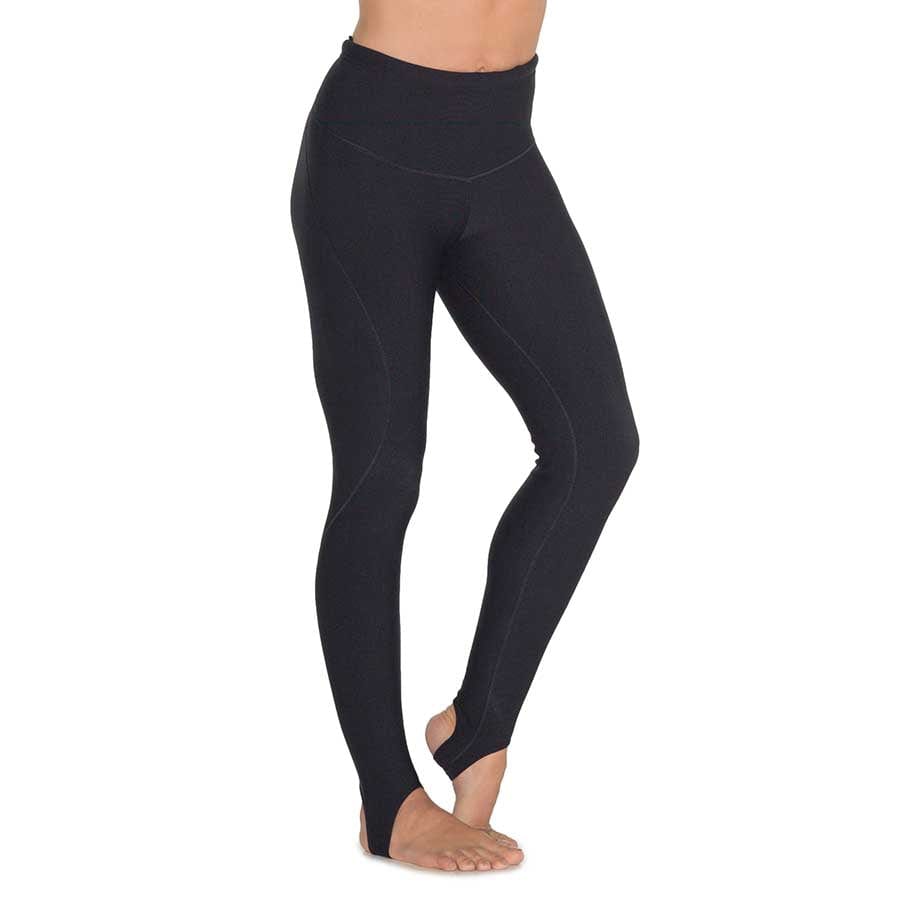
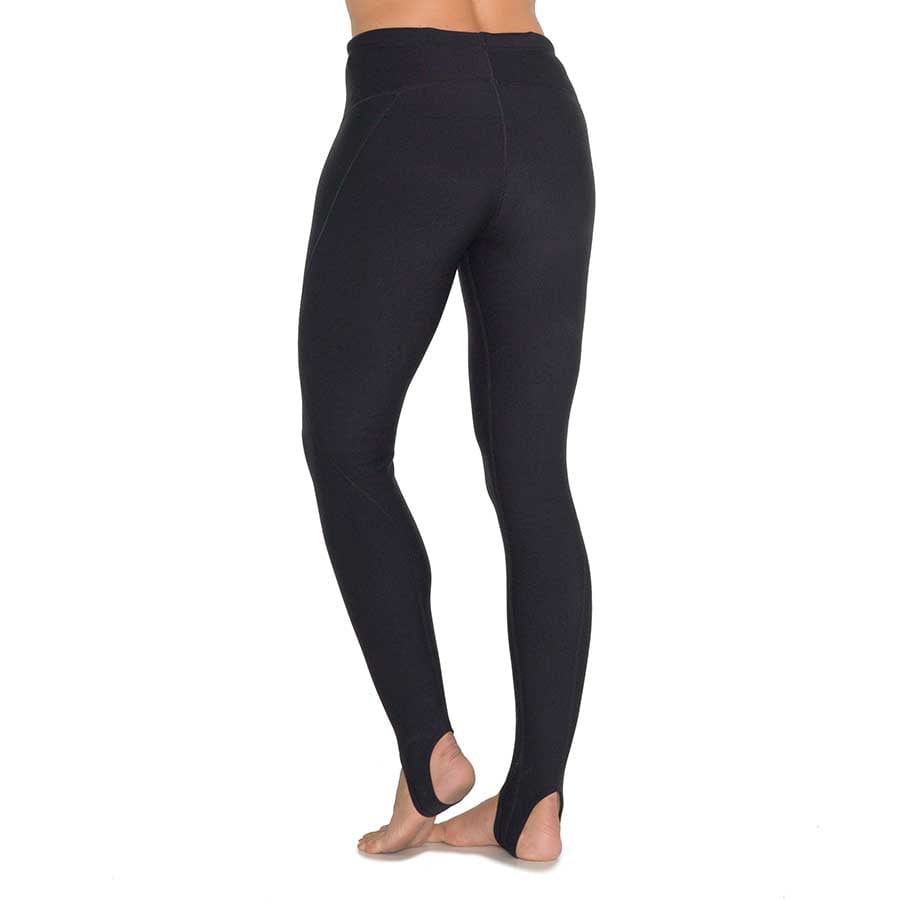
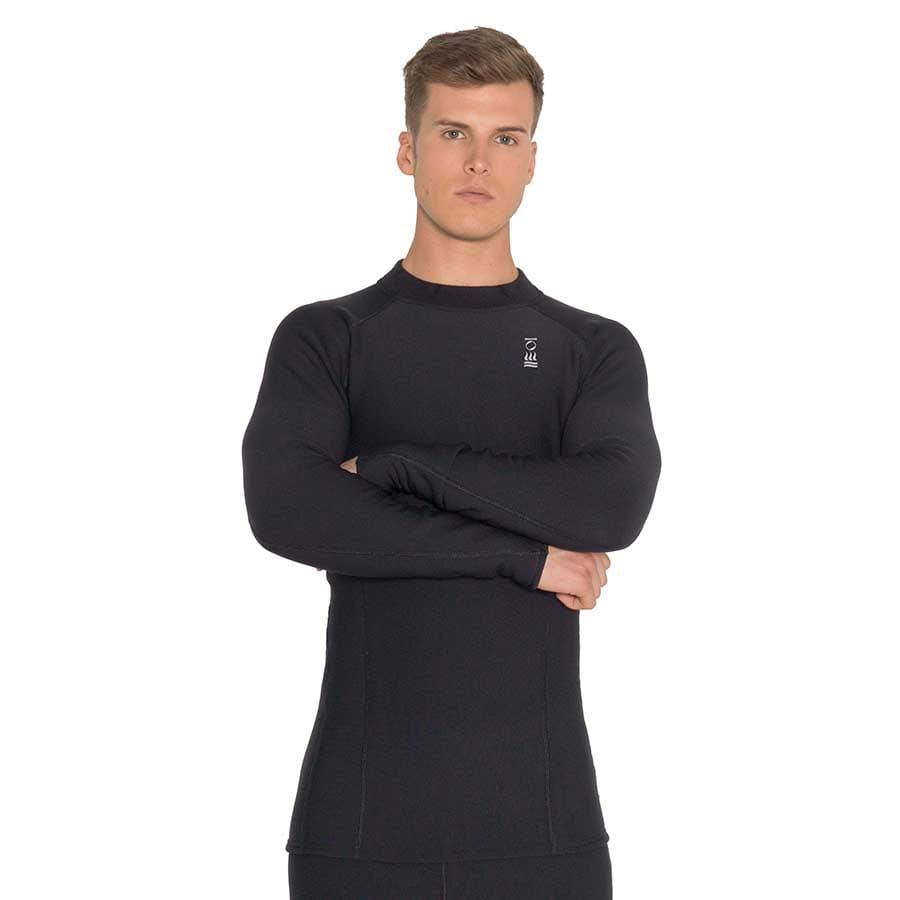
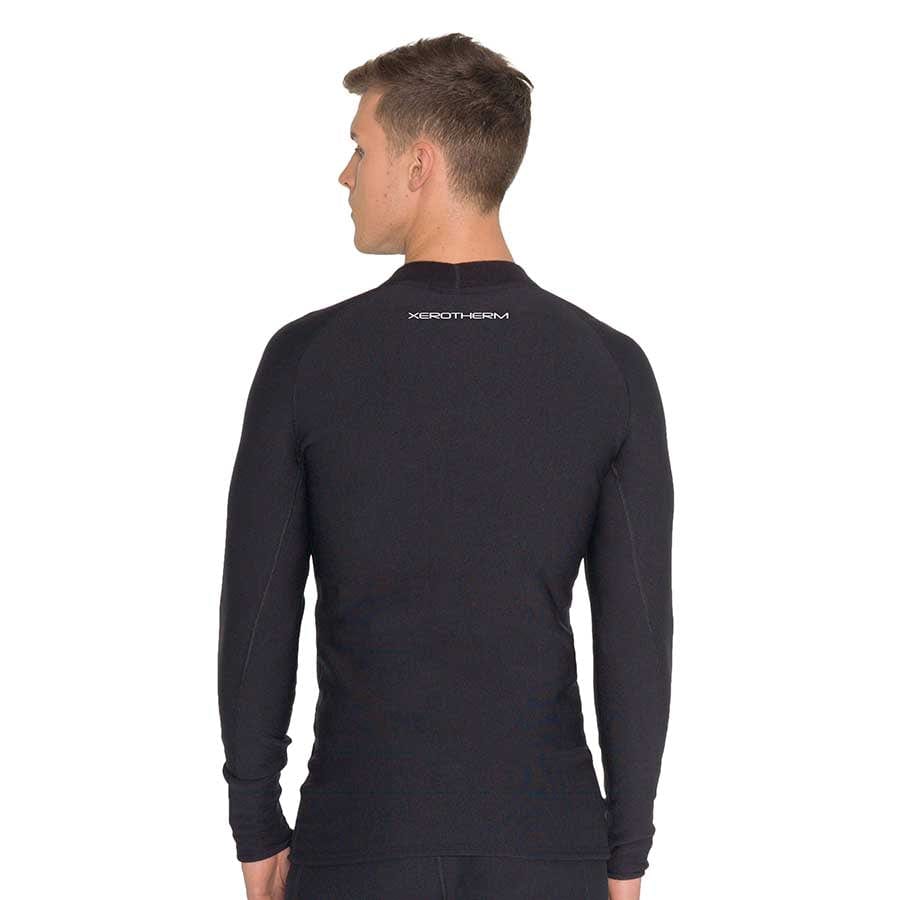
Xerotherm is the warmer option, and the one most UK drysuit divers settle on. It is a stretch fleece knit that traps a layer of air against the skin, and, crucially, it carries on insulating when it is wet. It stays low in bulk, so it is not adding air you then have to manage on the buoyancy side. The long-body tops and thumb loops are small details with a real purpose: they stop the top riding up and leaving a cold gap while you wrestle into the drysuit. Tops and leggings, men's and women's.

X-Core

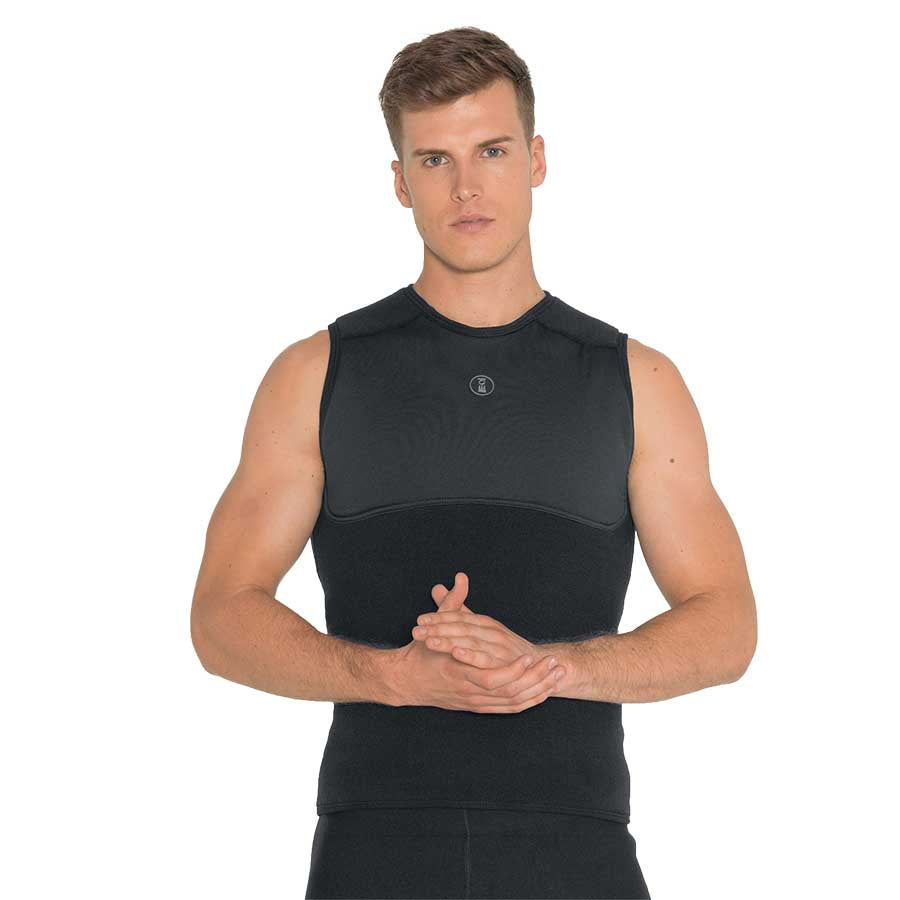
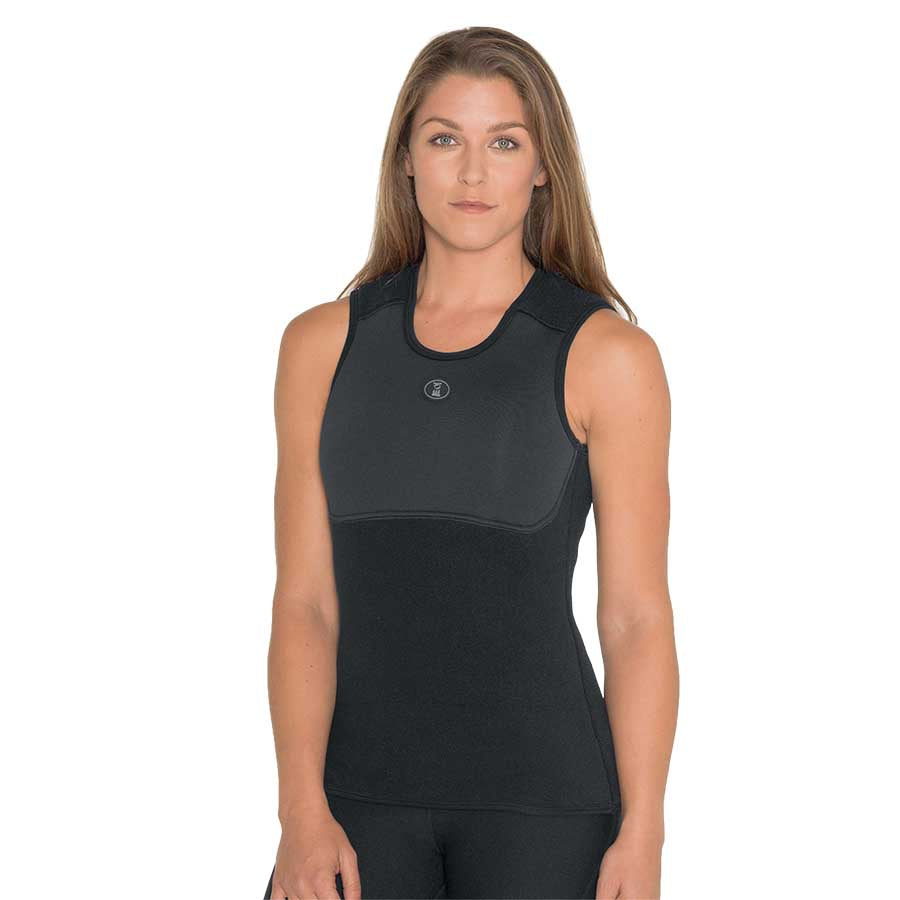
The X-Core vest is a different tool entirely. As you cool, your body reduces blood flow to your hands and feet in order to look after the core, so adding insulation at the core is the most efficient warmth you can carry. X-Core is a heavyweight stretch fleece cut as a sleeveless vest, worn next to the skin or, better, over a J2 or Xerotherm layer and under your drysuit undergarment. It is what to reach for when you are diving cold and would rather not go down the electrically heated route.

Layering under a drysuit or a wetsuit

Under a drysuit

The order is baselayer, then undersuit, then suit. The baselayer wicks and keeps you comfortable; the undersuit does the insulating. If you are coming up cold, changing the baselayer is usually the cheaper and less disruptive fix, and adding an X-Core vest under the undersuit is the most warmth you can buy for the least bulk.

Under a wetsuit

A thin layer such as J2 makes a damp wetsuit far easier to pull on, cuts the rubbing at the neck and shoulders that ruins a second dive, and takes the edge off a windy surface interval. The gain here is comfort and easier donning rather than a large jump in warmth: for genuine warmth in a wetsuit, the thickness and the fit of the suit itself are what matter.

Sizing, fit and care

Baselayers need to be close-fitting. A loose one cannot wick, because wicking depends on contact with your skin. If you are between sizes and it is going under a drysuit, take the closer fit. Buy the top and the leggings as a matched pair, too, so there is no gap opening at the waist every time you reach for a valve.

Care is simple and worth getting right. Machine wash cool, line dry, and keep fabric softener well away: softener coats the fibres and destroys the wicking you paid for. Everything in this collection is machine washable and needs nothing more specialist than that.

Frequently asked questions

Which baselayer brands does Oyster Diving stock?

Fourth Element. Every baselayer in this collection is Fourth Element, across three ranges: J2, Xerotherm and the X-Core vest, in men's and women's cuts. We have kept the range focused rather than broad, because Fourth Element design their baselayers specifically for diving rather than adapting outdoor kit, and these are the ones our own instructors dive in.

What is the difference between J2 and Xerotherm?

J2 is the lightweight, fast-wicking layer. It packs small, resists odour thanks to a silver ion treatment in the fabric, and is the better choice for warm-water trips or as a thin layer under a wetsuit.

Xerotherm is the warmer of the two. It is a stretch fleece knit that traps air against the skin and carries on insulating when it is wet, which is why most UK drysuit divers end up in it. If you dive cold water year round, start with Xerotherm. If you are mainly travelling somewhere warm, start with J2.

What does the X-Core vest do, and do I need one?

X-Core is a sleeveless vest that concentrates warmth at your core. When you start to get cold, your body reduces blood flow to your hands and feet to protect the core, so adding insulation there is the most efficient warmth you can carry.

Wear it over a J2 or Xerotherm layer and under your drysuit undergarment. It is worth having if you dive cold water, do long dives, or you are usually the first person back on the boat feeling it.

Do I still need a baselayer if I already have a drysuit undersuit?

Yes, and it is the layer divers most often skip. The undersuit provides the insulation, but it only works properly over something that pulls sweat off your skin. Without a baselayer you end up damp inside a warm undersuit, which is exactly how a dive turns cold.

A baselayer also makes the undersuit more comfortable against the skin and makes getting in and out of the suit considerably easier.

How should a diving baselayer fit, and how do I wash it?

Close-fitting. A loose baselayer cannot wick, because it needs contact with your skin to move moisture away from it. If you are between sizes and it is going under a drysuit, take the closer fit. Buying the top and leggings as a matched pair stops the gap opening at your waist when you stretch.

For care: machine wash cool, line dry, and never use fabric softener. Softener coats the fibres and ruins the wicking you paid for. Everything in this collection is machine washable.