Regular price
£159.00 GBP
Sale price
£159.00 GBP
Regular price



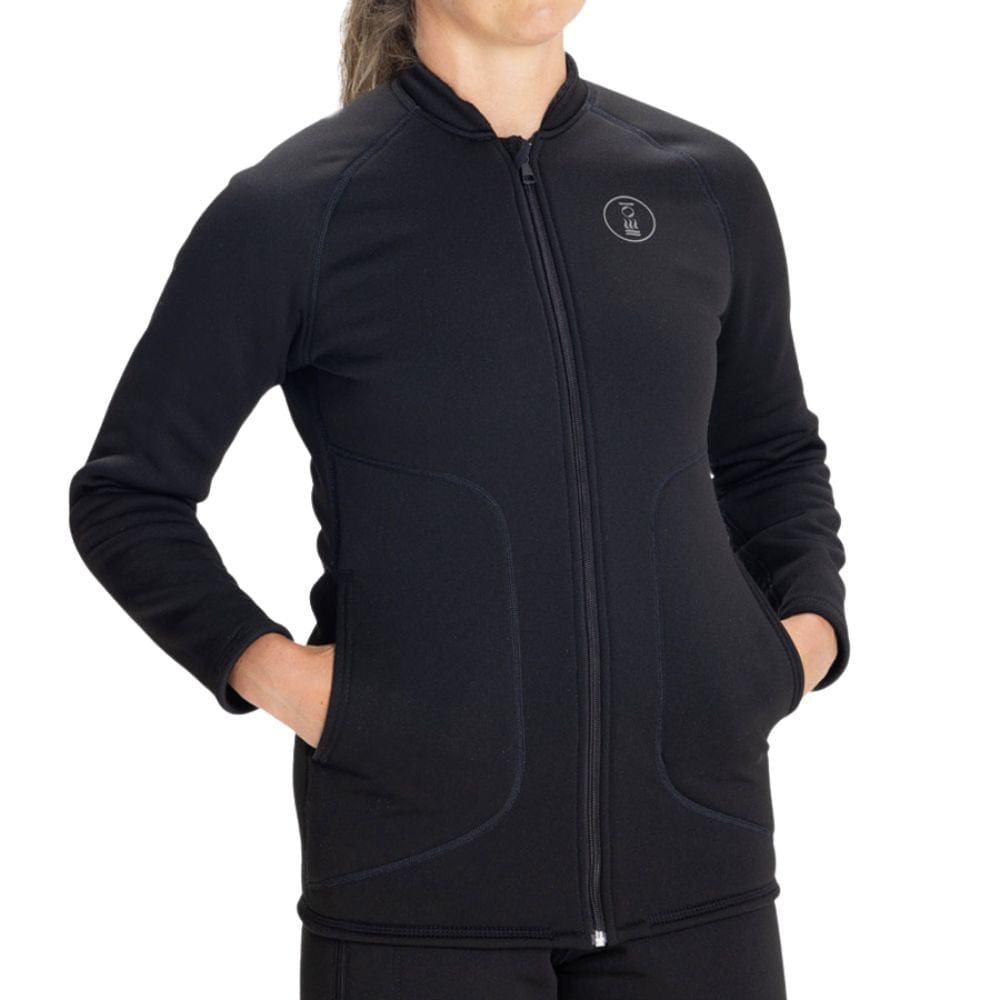

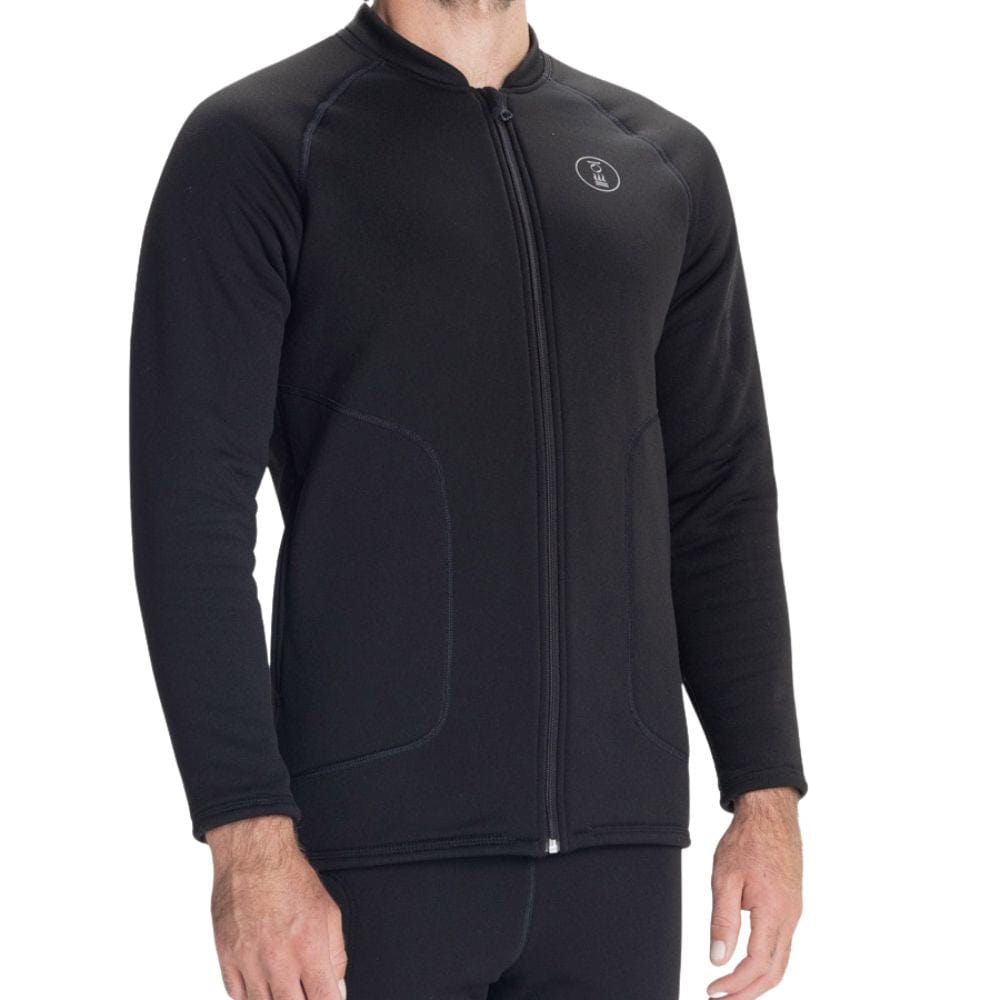

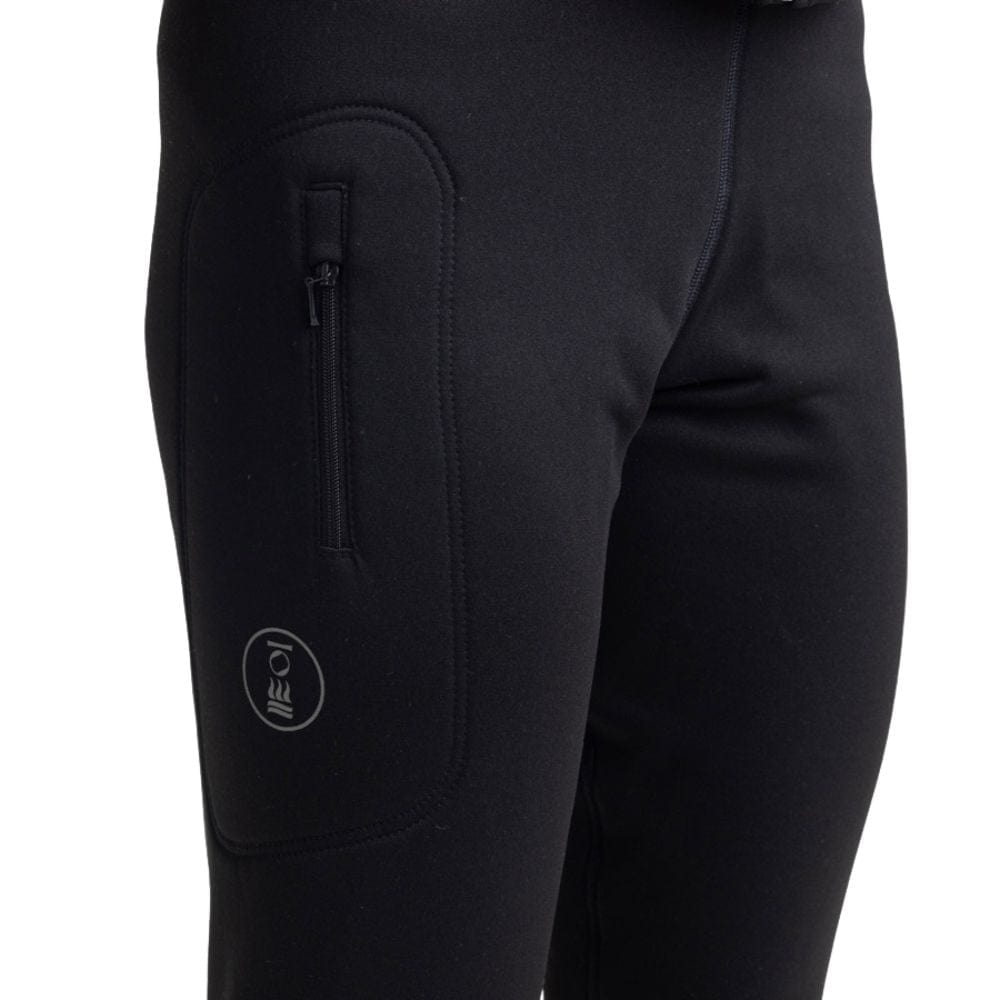

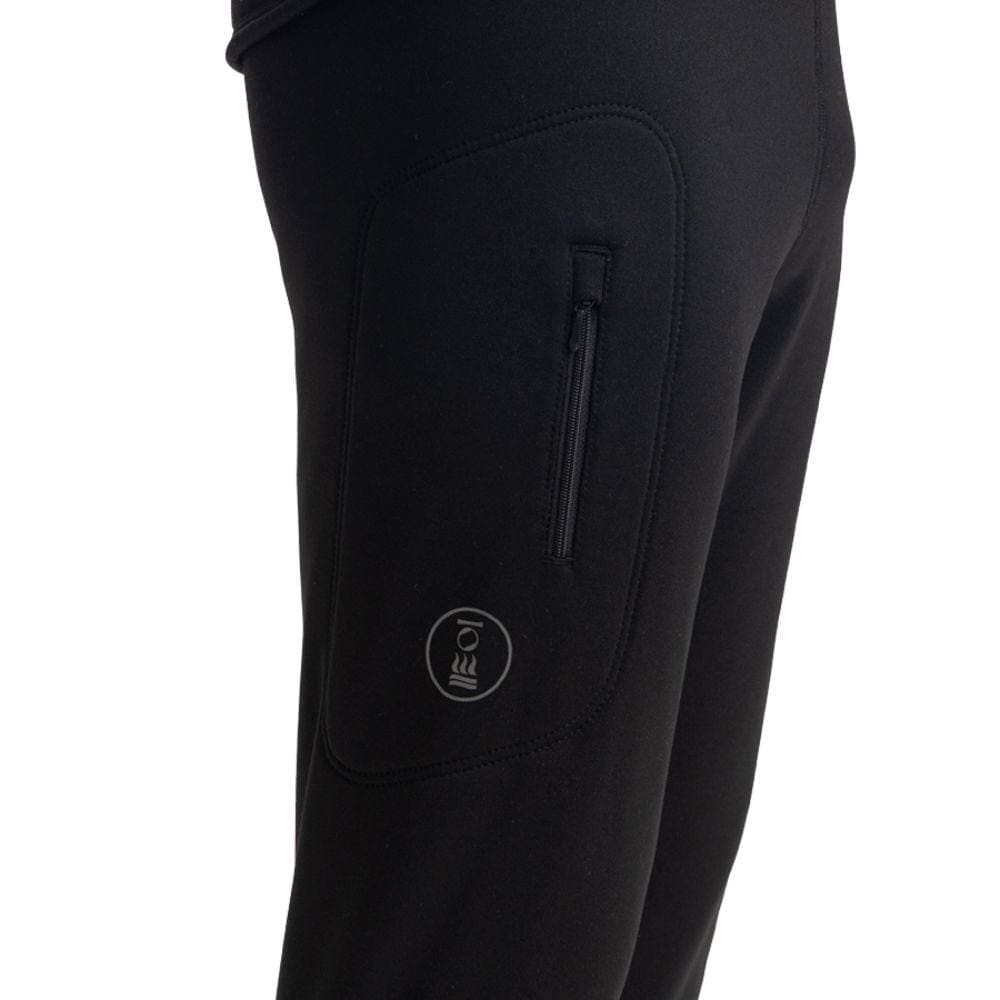

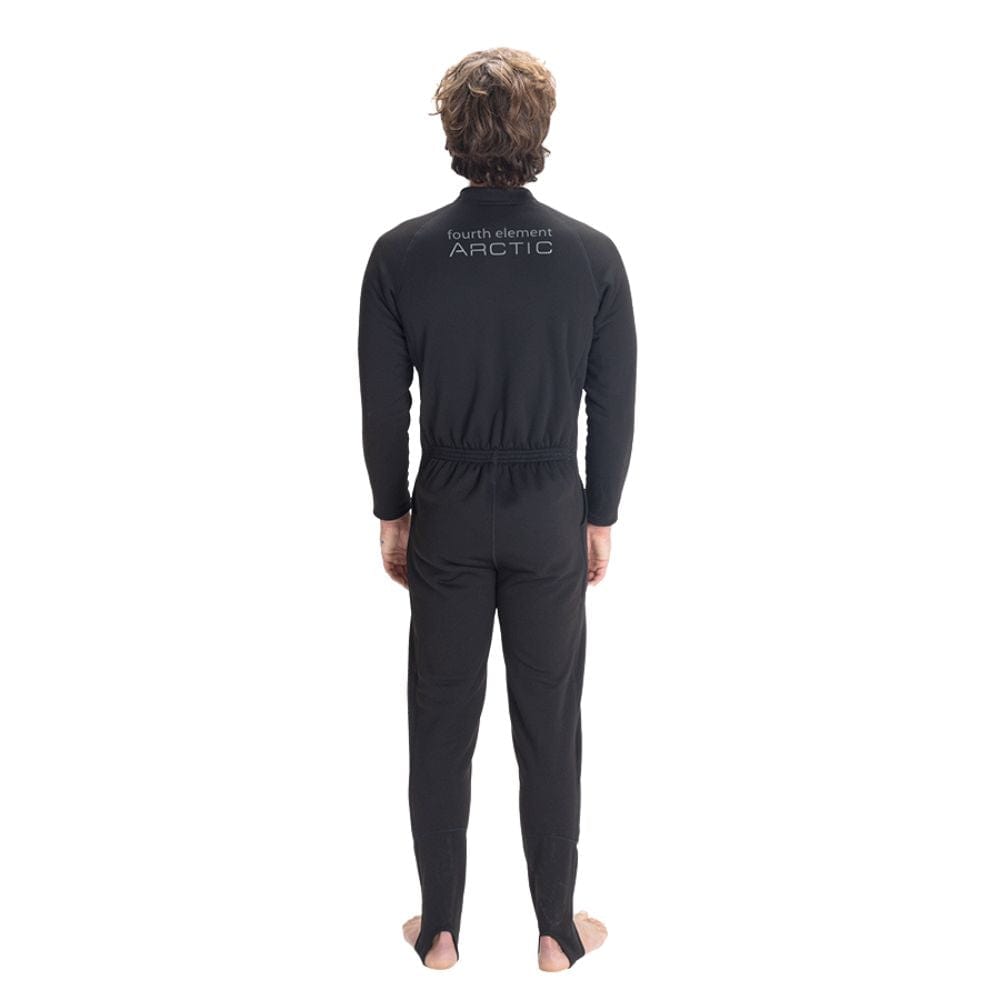
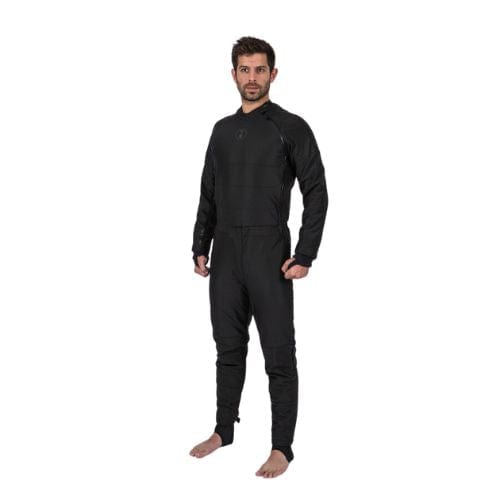
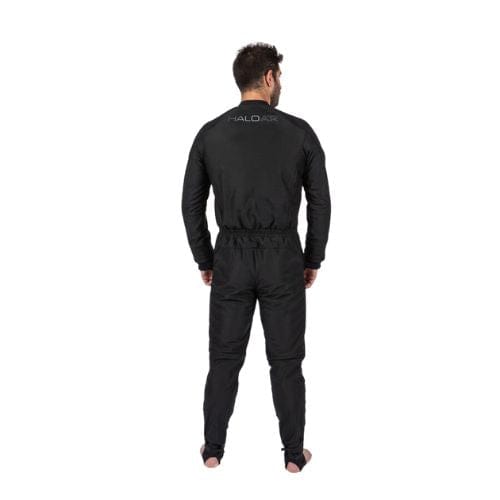
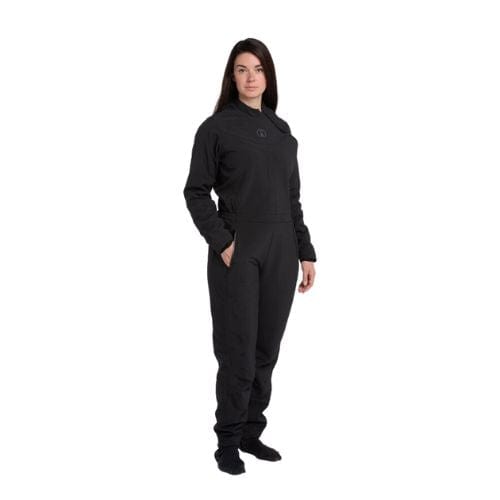
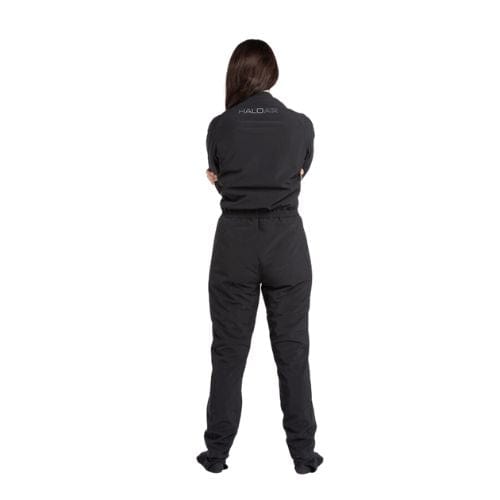
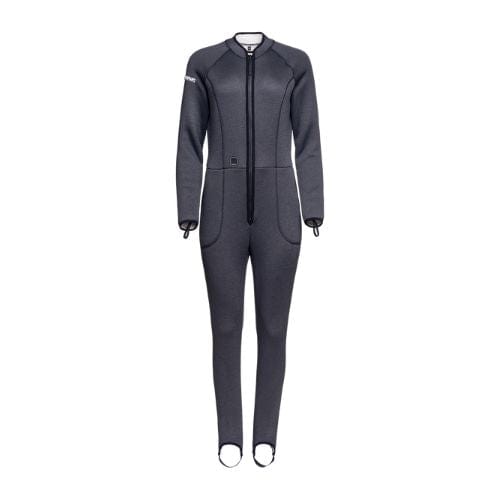
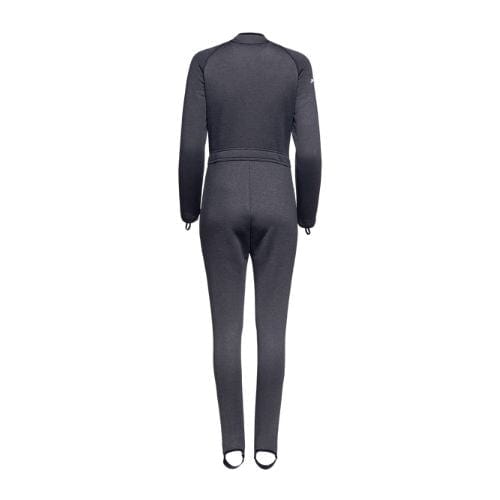
Match it to the water, then to the drysuit
Start with the diving you actually do, not the coldest dive you might one day do. Fleece suits like the Avatar Undersuit 901 or the Fourth Element Arctic range handle most UK summer and inland diving comfortably. For winter, deeper work and long decompression, the Santi BZ420X and the Fourth Element Halo A°R pack more insulation into the same bulk. Then check the drysuit itself: a thicker undersuit needs room inside the suit and a little more lead to sink the extra air, so try the combination together before you commit. Plan the baselayer at the same time — Xerotherm or J2 underneath keeps you drier, and staying dry is most of staying warm. If you use dry gloves, look for the thumb loops and airflow ribbons on the Santi suits. Not sure? Ring us or come into the shop; we dive this kit ourselves.
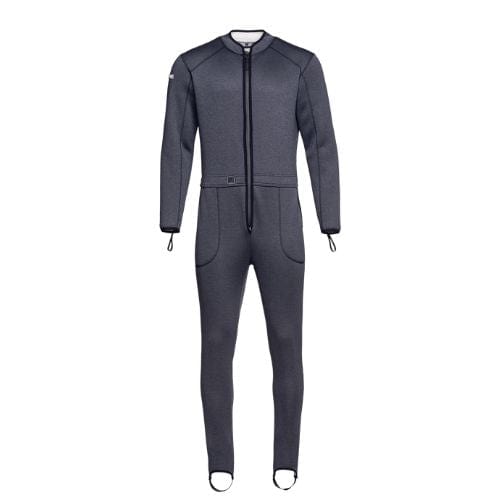
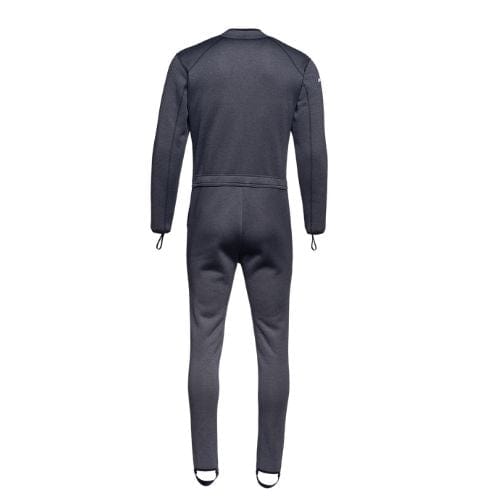
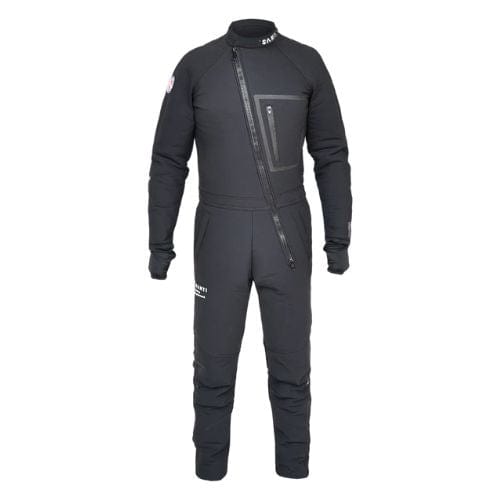
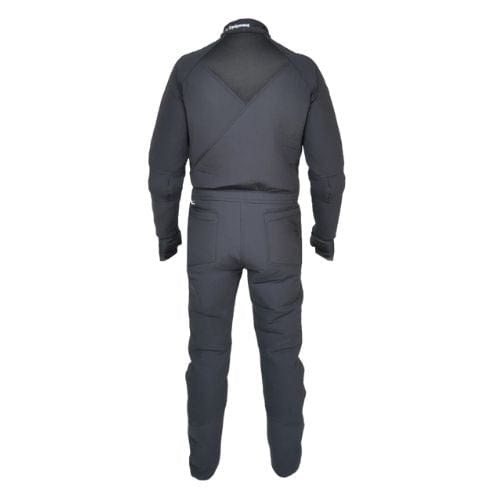
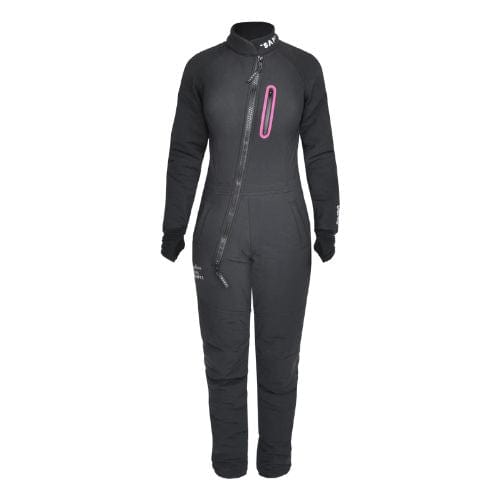
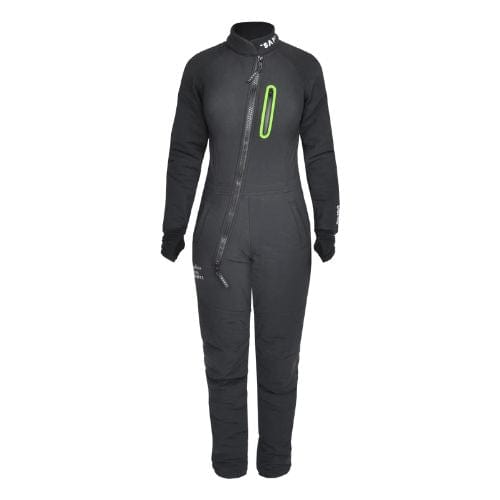
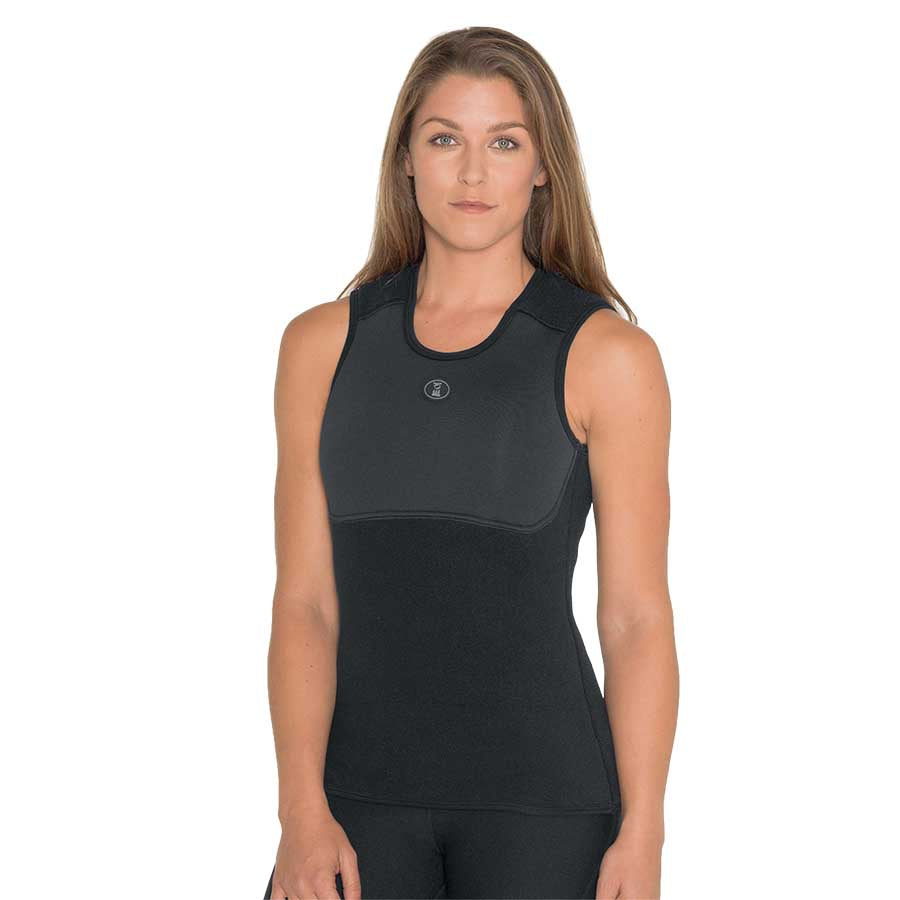
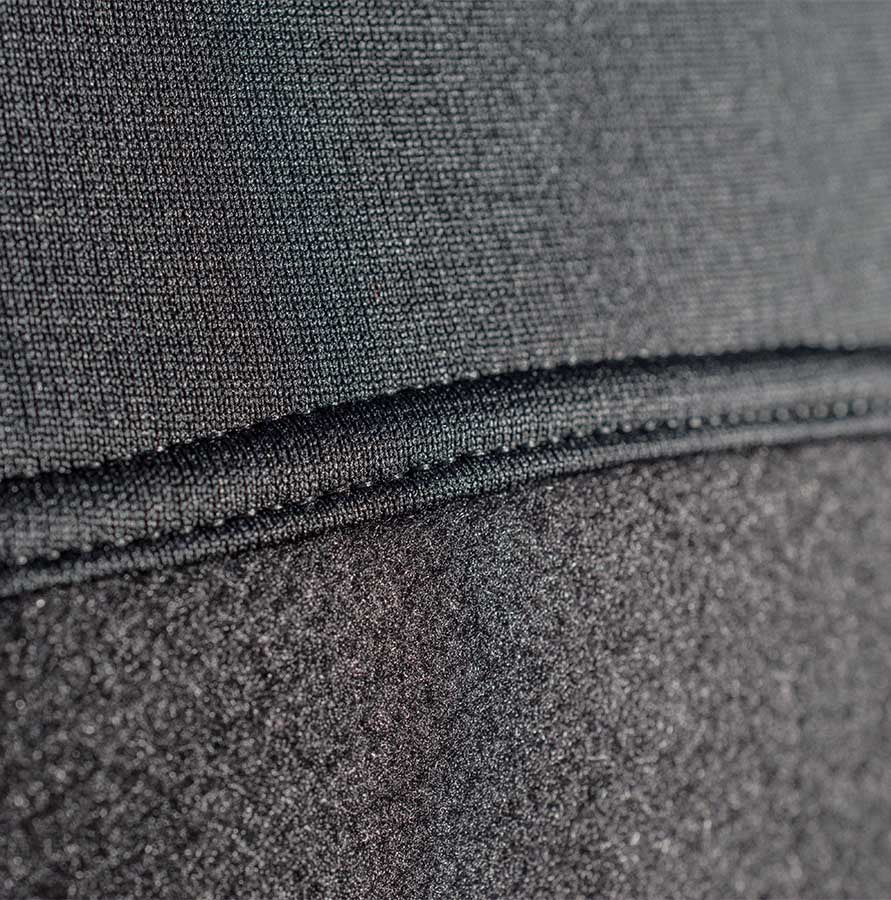
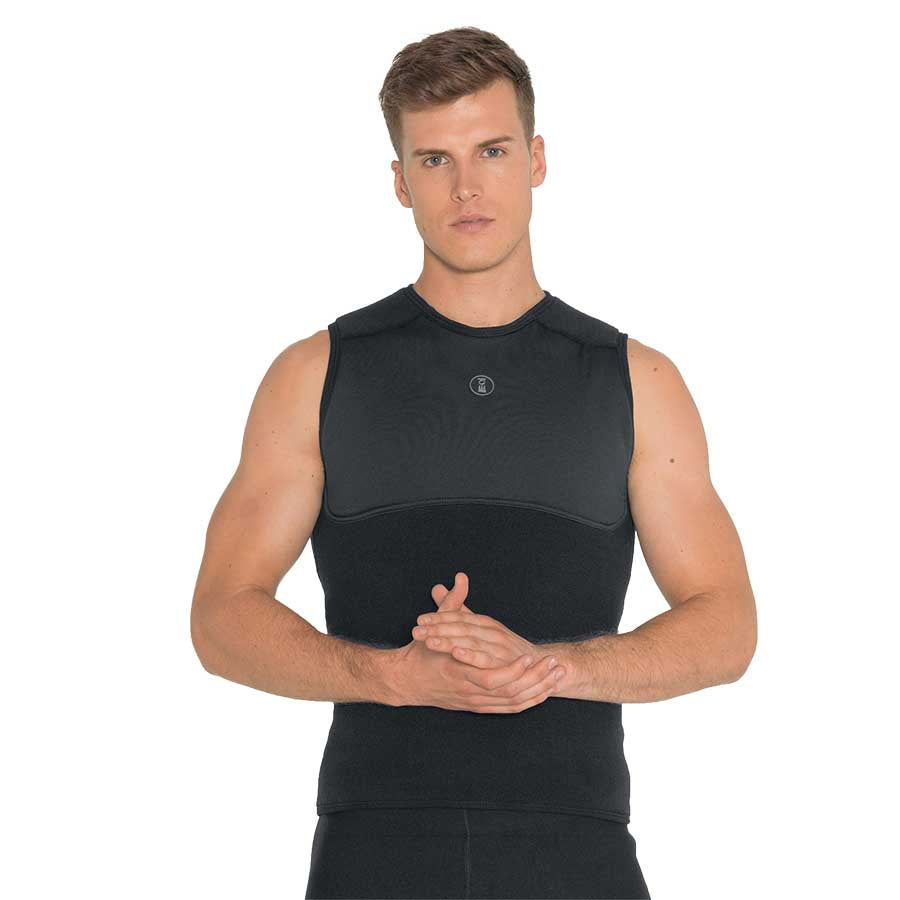
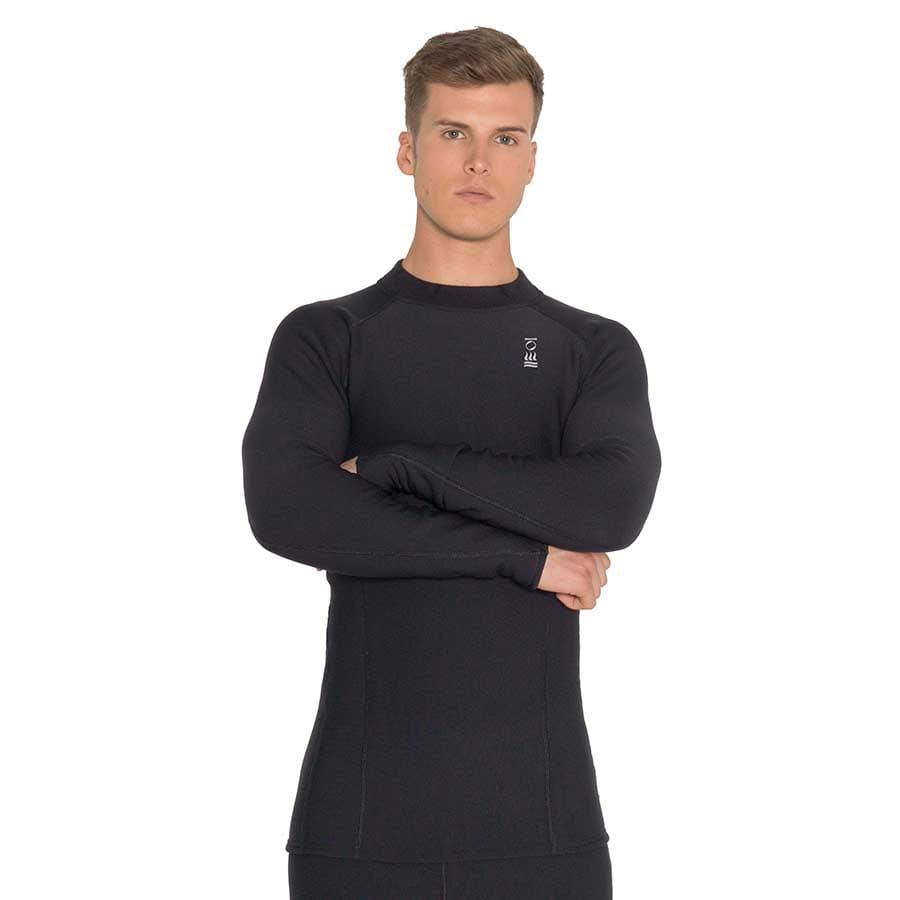
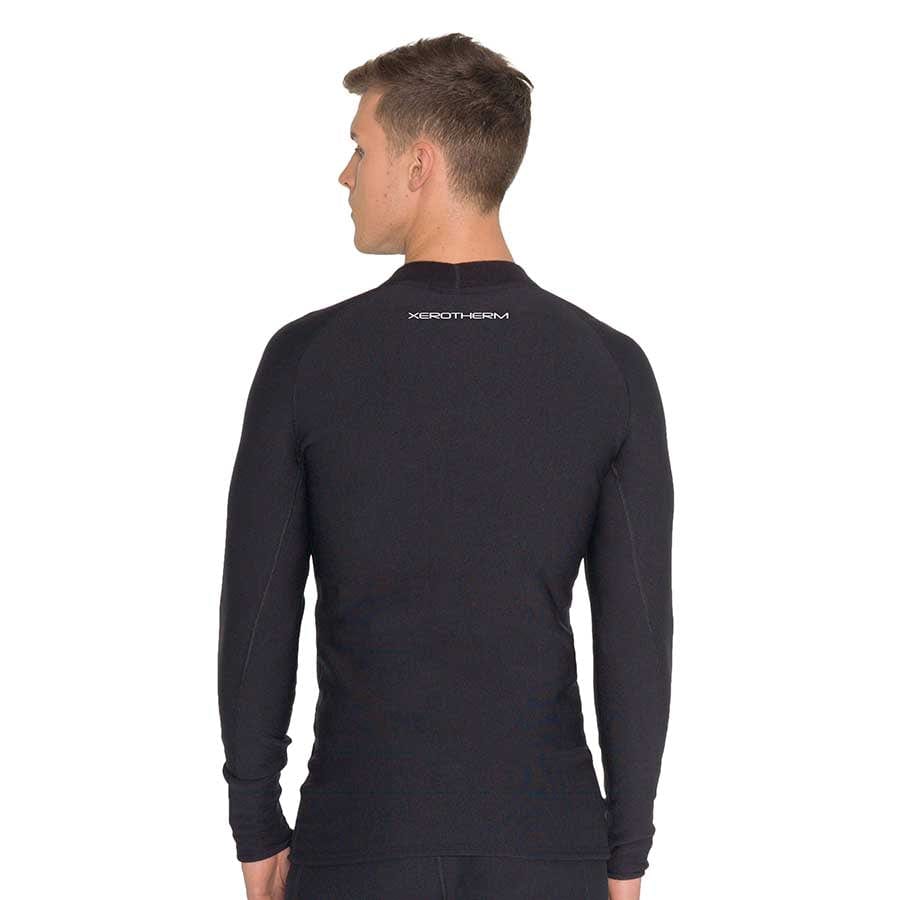
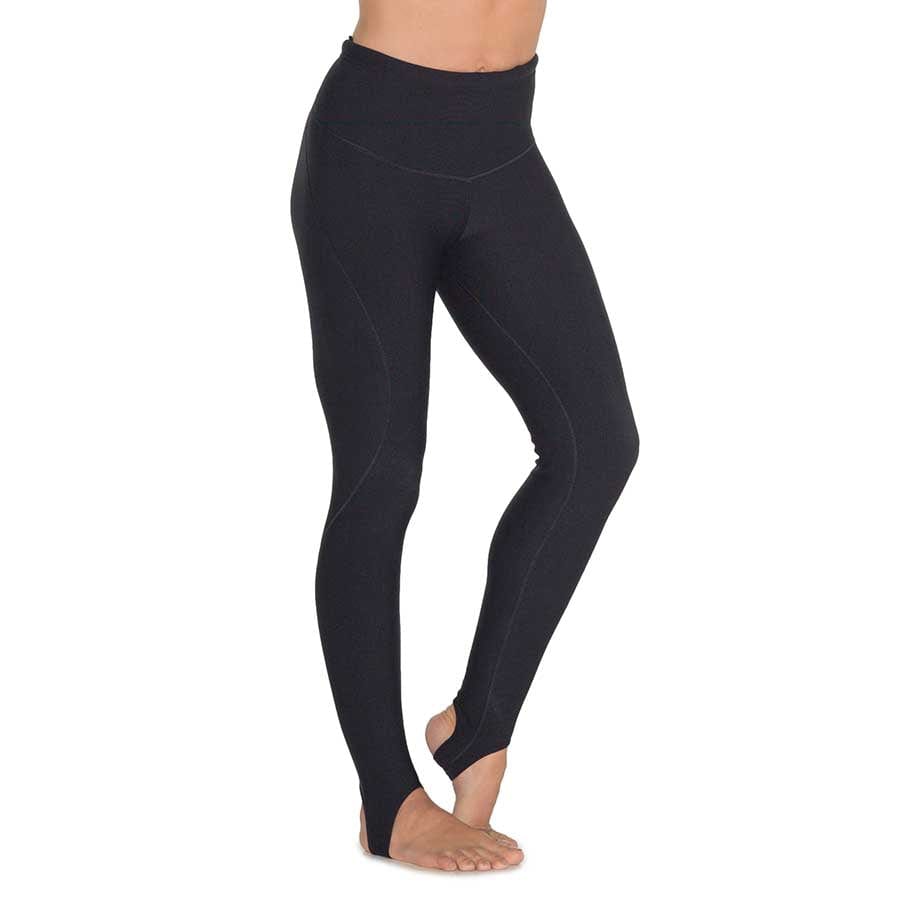
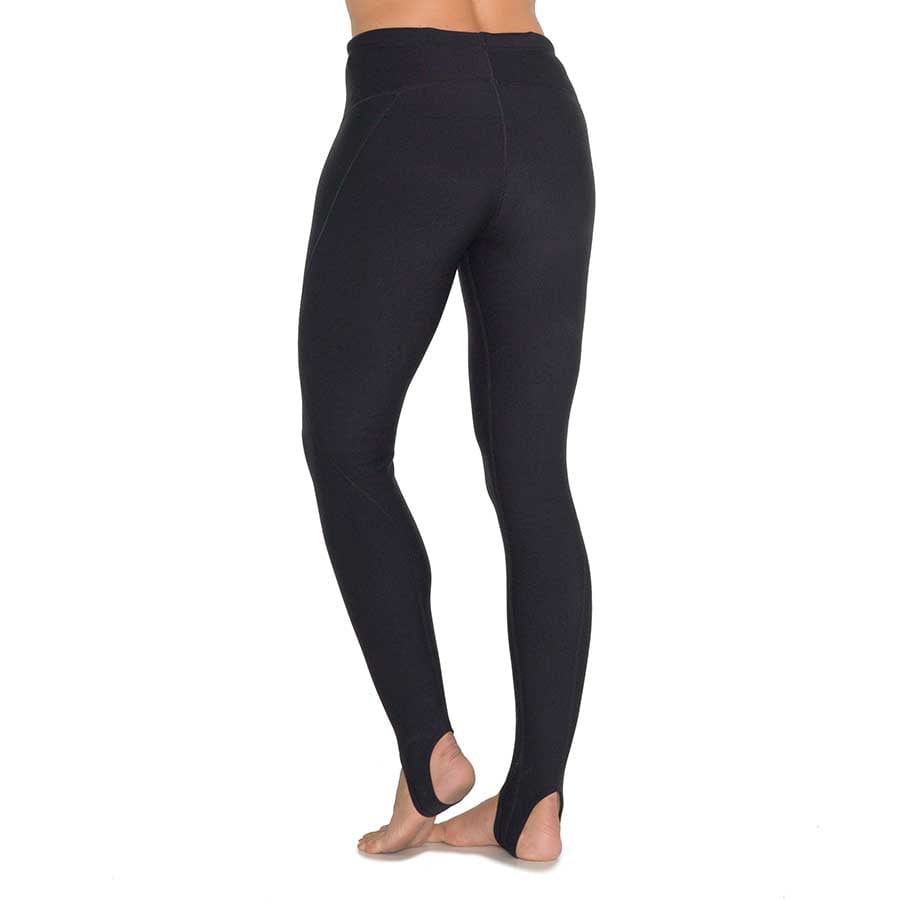
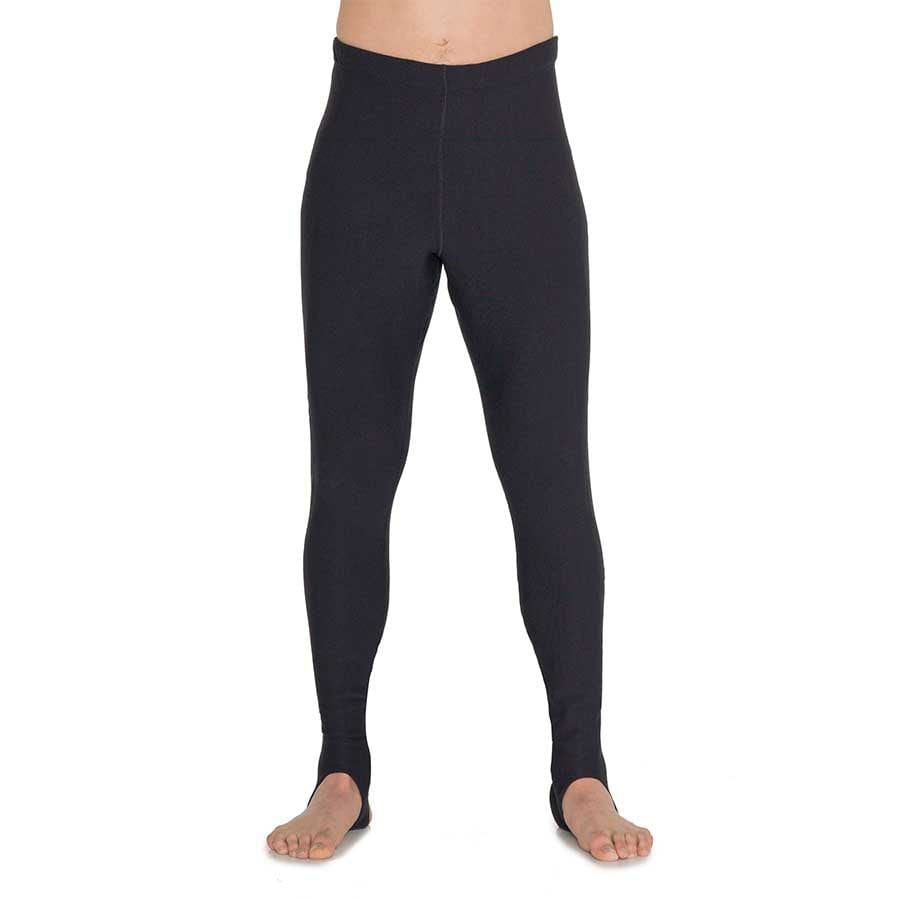
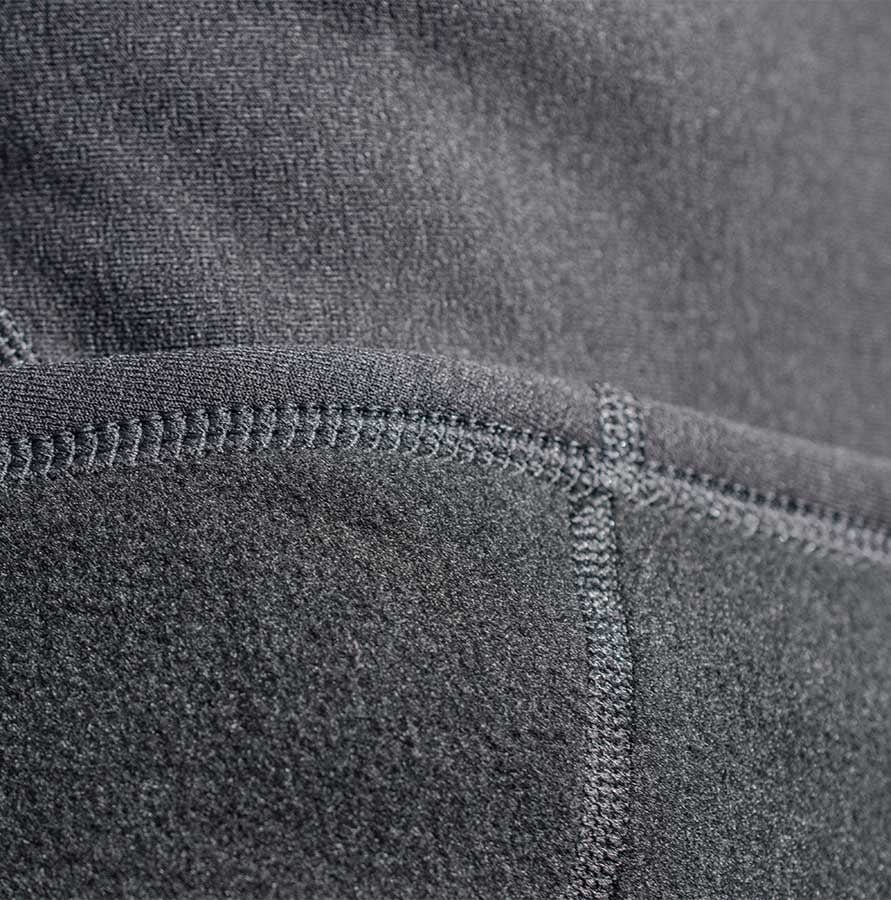

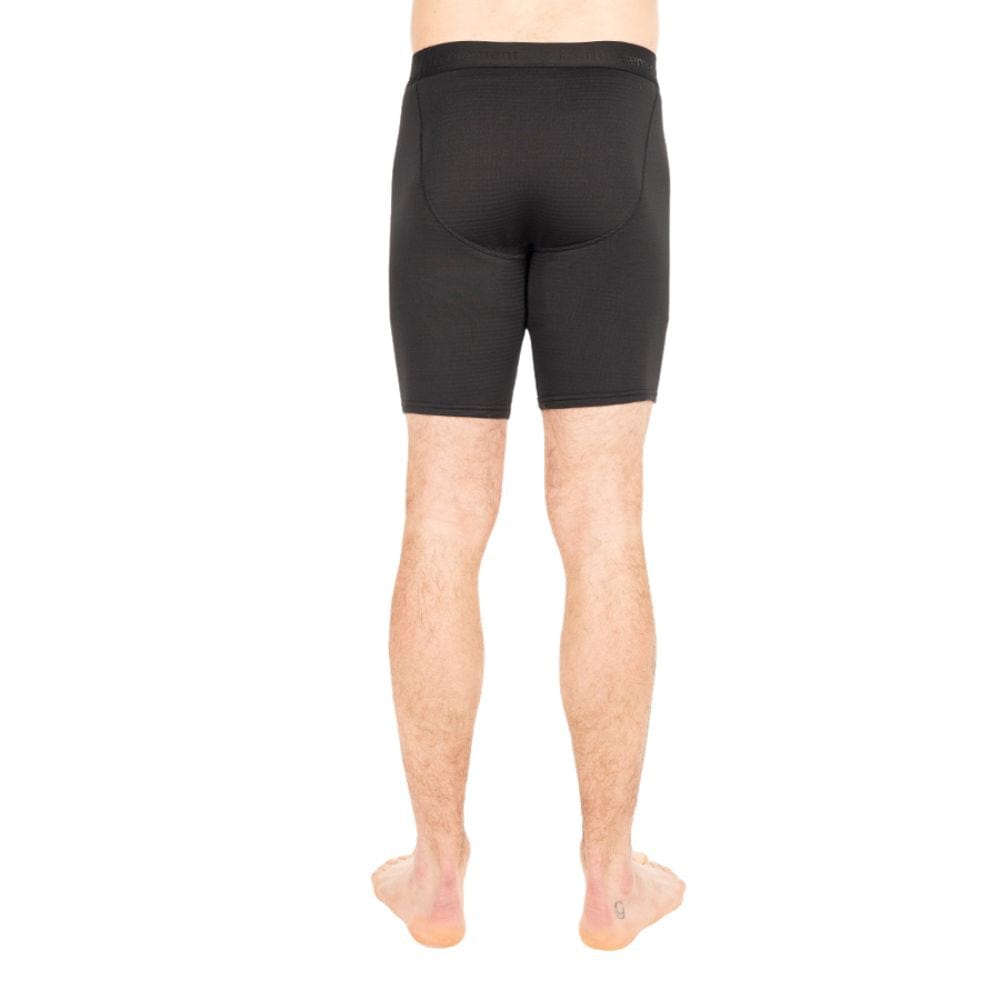

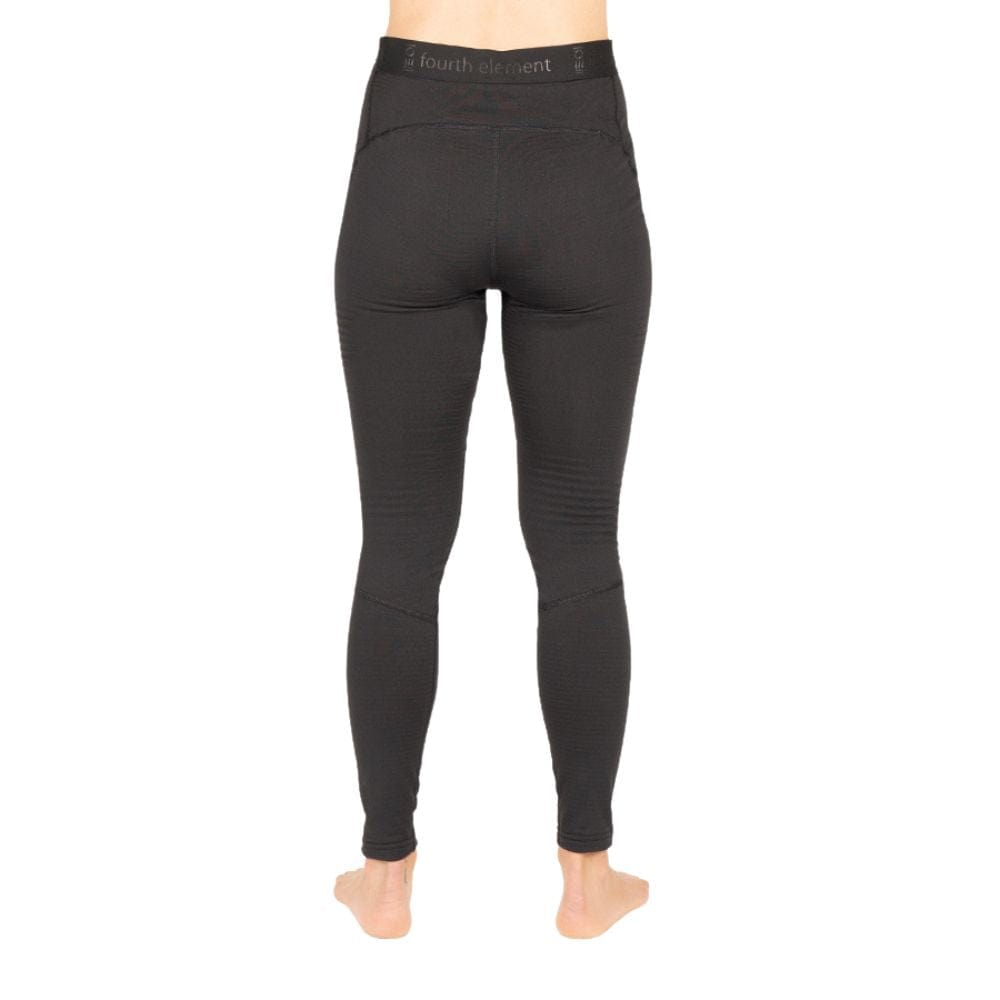

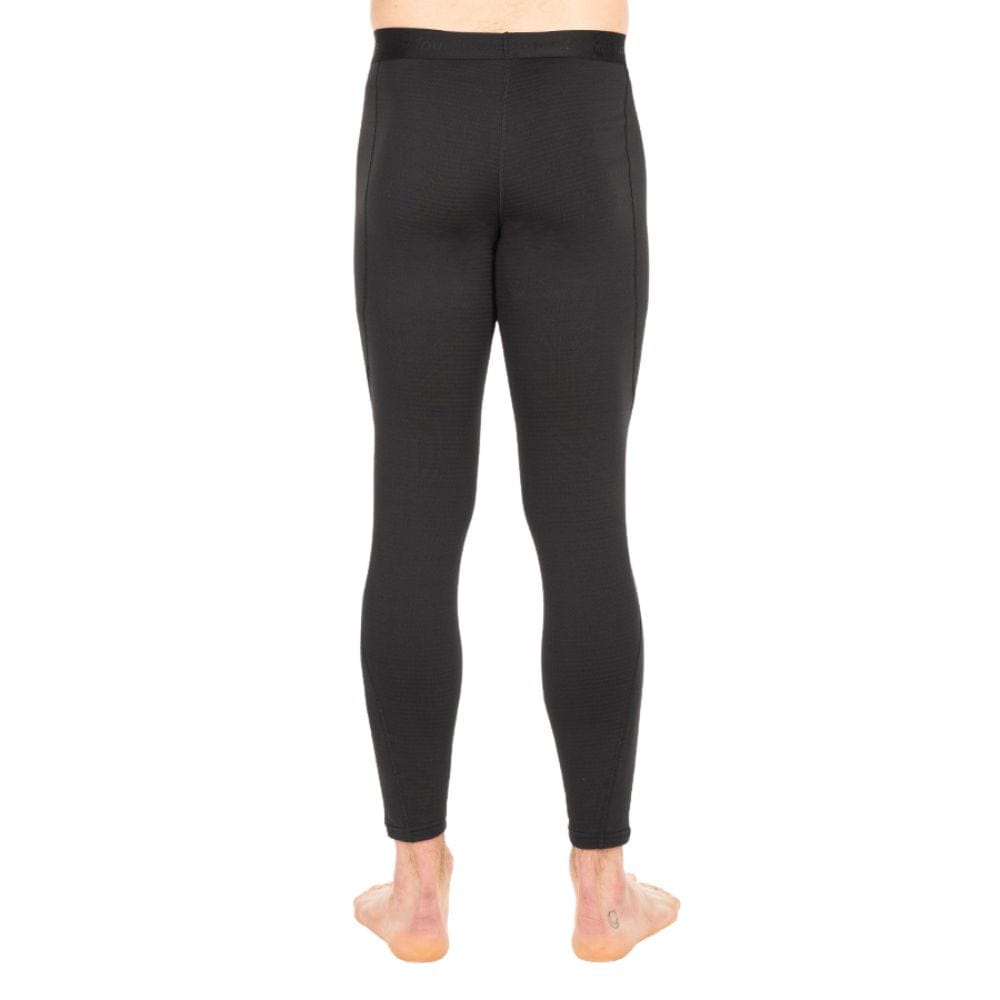

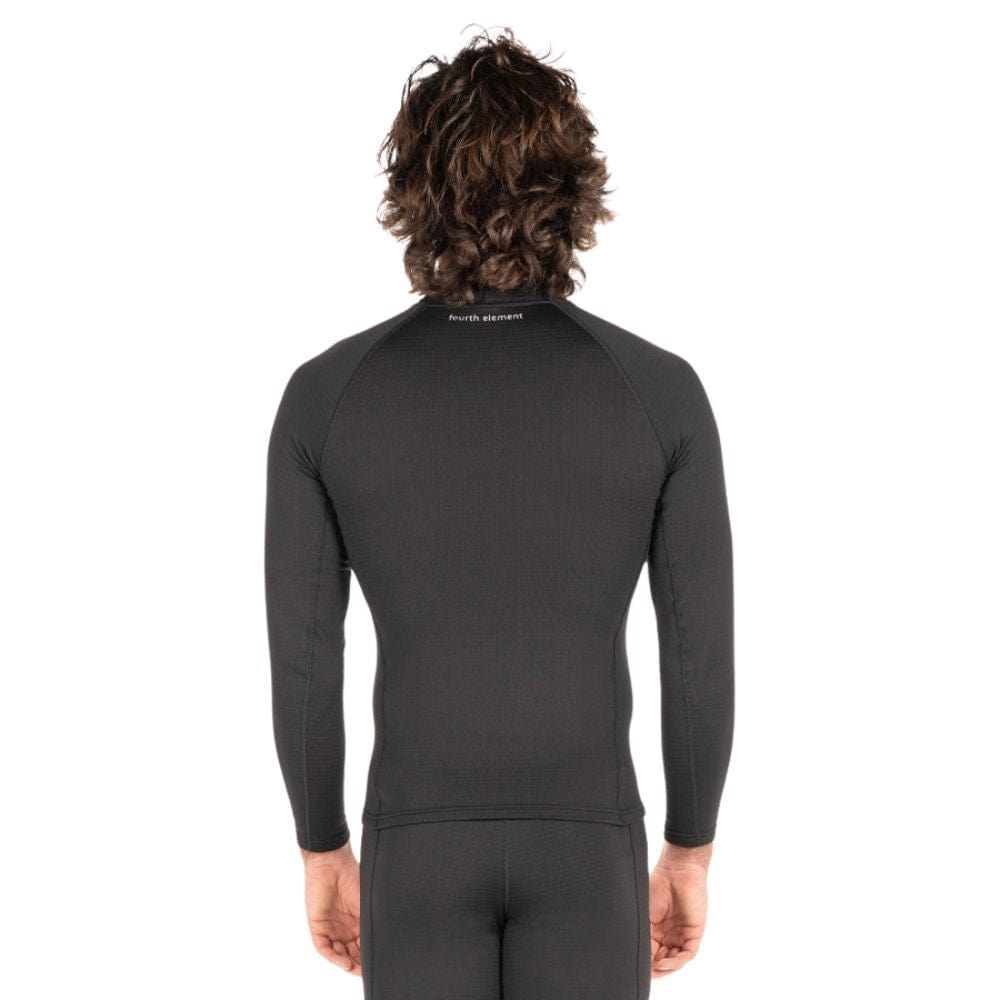

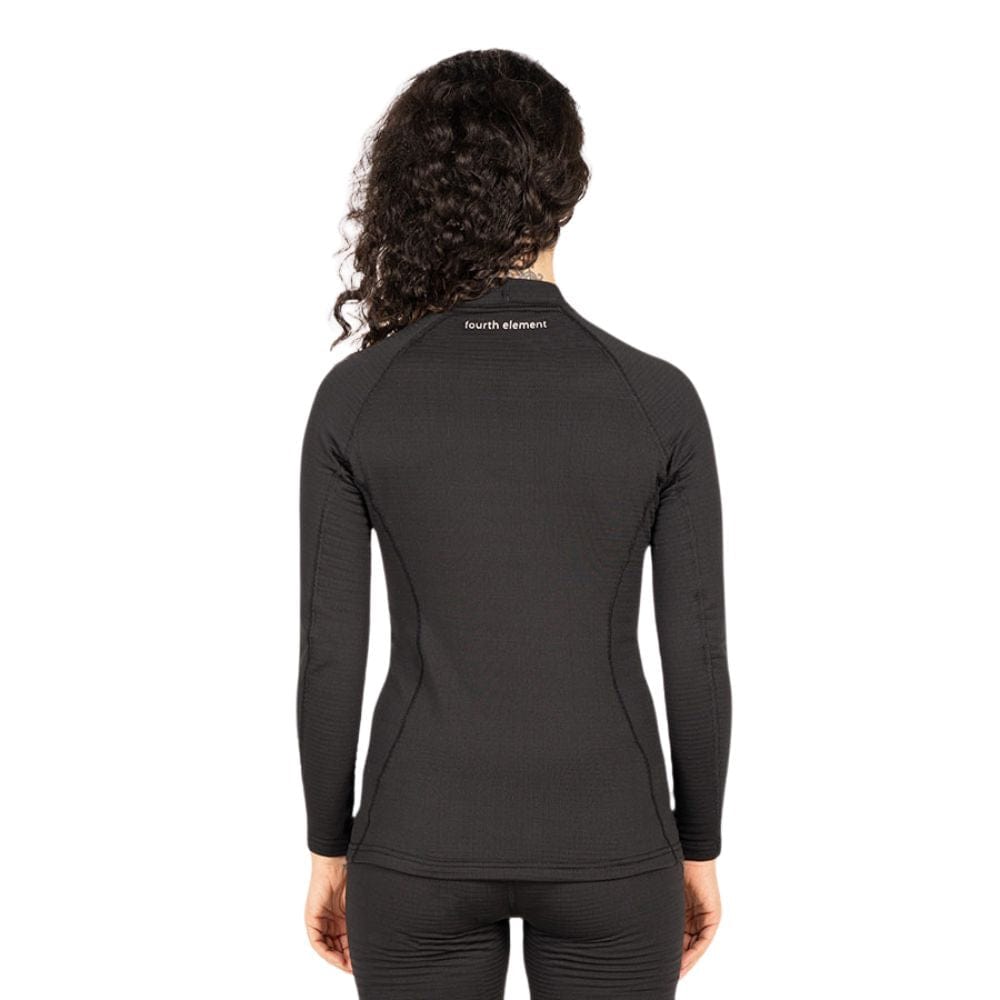

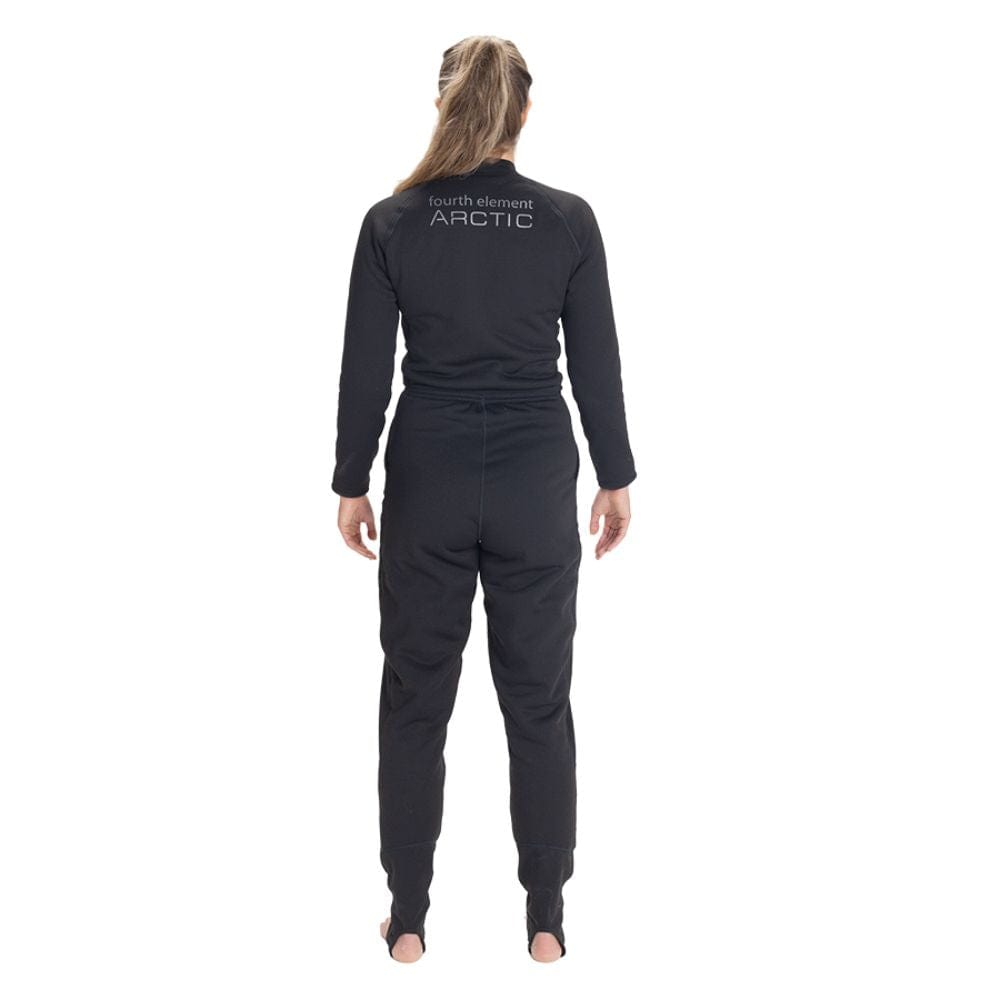


An undersuit is the main insulating garment you wear inside your drysuit — the Fourth Element Arctic range, the Santi Flex 190, the Avatar Undersuit 901. A baselayer is the thin layer that goes next to your skin underneath it, such as Fourth Element Xerotherm or J2. The baselayer moves sweat away from your skin; the undersuit does the insulating. Most people diving British water wear both, and you will find both in this collection.
Three: Fourth Element, Santi and Avatar. Fourth Element spans the widest range here, from the Xerotherm and J2 baselayers and the X-Core Vest through to the Arctic undersuits and the Halo A°R. Santi covers the technical and cold-water end with the Flex 190, the Kango, the BZ420X, the Ladies First suits and the Flex 2.0 heated undersuit. Avatar sits alongside them with the Undersuit 901, made from SHERPA fleece spun from recycled plastic bottles.
Both work, and the choice is mostly about how varied your diving is. A one piece — the Fourth Element Arctic One Piece, or any of the Santi suits — has no gap at the waist and is quicker to get into. A two piece, such as the Arctic Top with matching Arctic Leggings, lets you dress for the day: leggings and a baselayer when it is mild, both halves when it is not. You can also wash and dry the two parts separately, which matters if you are diving on consecutive days.
Snug, but never tight. Try it over the baselayer you actually dive in, then kneel, reach overhead and find your valves — if the suit pulls anywhere, size up. Thumb loops at the cuffs and wide elastic ankle bands, which you get across the Santi and Avatar suits, stop sleeves and legs riding up as you climb into the drysuit. Women's-specific cuts are made for most of what we stock, including the Fourth Element Arctic and Halo A°R and the Santi Ladies First suits. Santi also offer made-to-measure — ring the shop and we will arrange a fitting.
Only if passive insulation has stopped being enough — winter diving, long decompression, or several dives in a day where you never really warm up in between. The Santi Flex 2.0 Heated undersuit and the Santi Heated vest Flex 2.0 both run from a battery, which is bought separately along with the drysuit valve that carries the cable through. Plenty of the suits here are heat-ready without being heated: the Santi Flex 190, the BZ420X and the Avatar Undersuit 901 all have an opening for a heating cable. If you are undecided, start passive and add heat later.
Your cart is empty