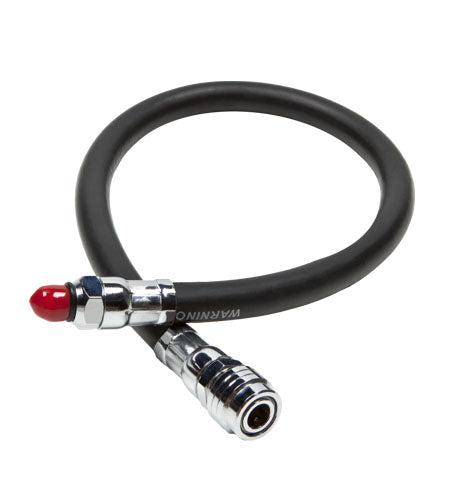
Hoses

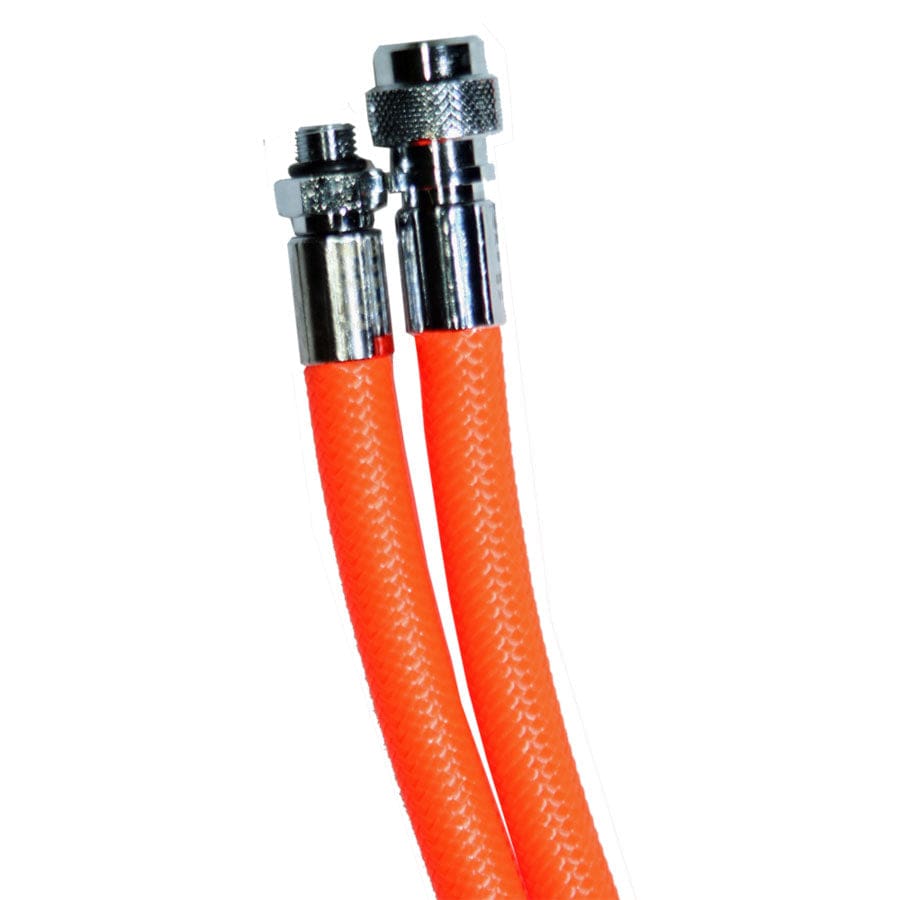
Hoses are the part of a regulator set most divers only think about when one starts to weep. We stock low pressure regulator and inflation hoses, high pressure gauge hoses and quick-release inflators from Miflex, Nautilus and XDEEP, in conventional rubber and in braided flexible. If you are unsure which fitting or length you need, bring the old hose in or call us. We service regulators here.

  • Expert diving advice
  • UK delivery
  • Multi-award-winning PADI dive centre
  • Secure checkout
13 products
Read the full buying guide

Which hose does what

A standard regulator set carries three kinds of hose, and they are not interchangeable. Working out which one you are replacing is most of the job.

Low pressure regulator hoses

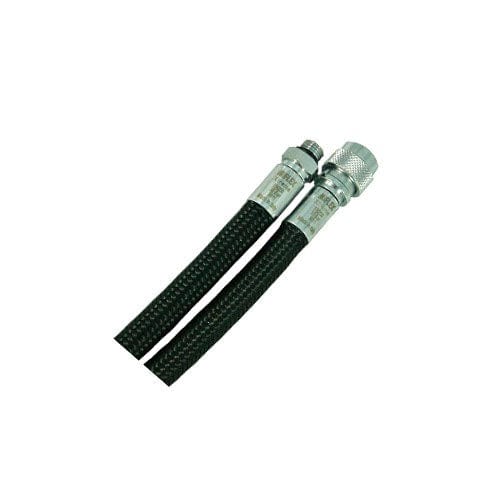
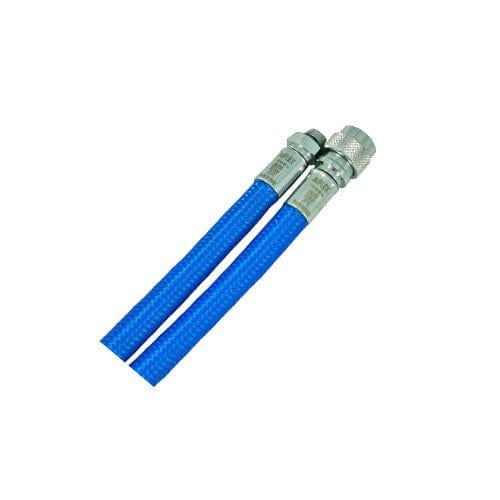
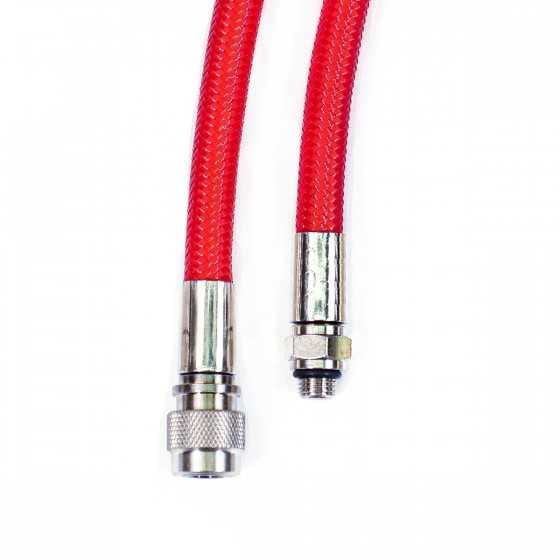
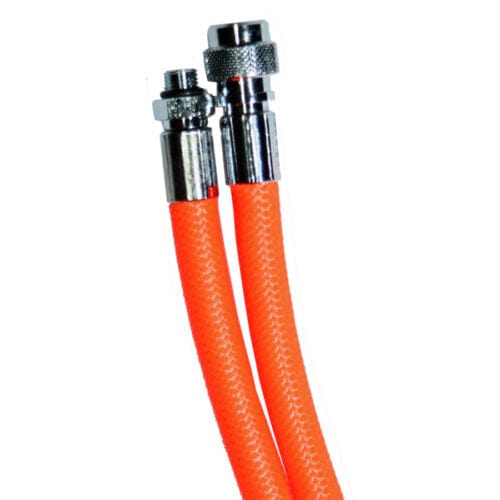
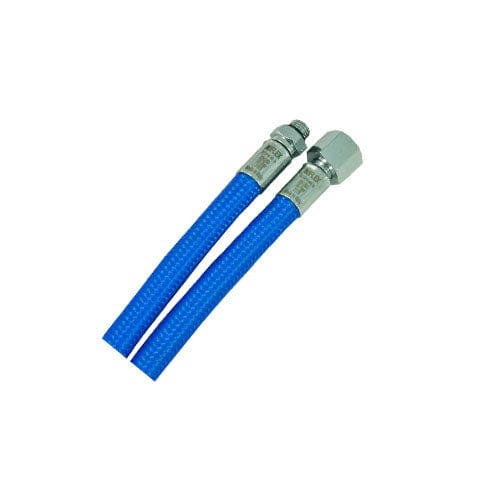
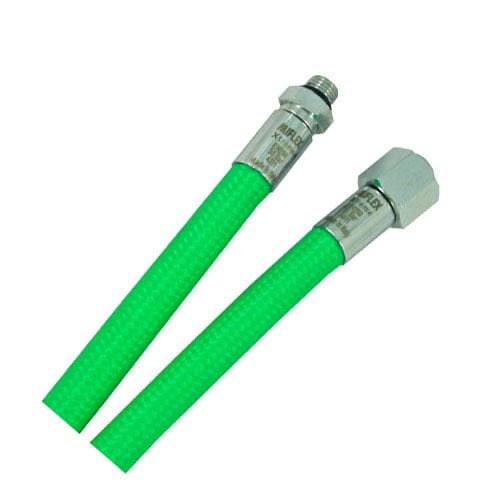
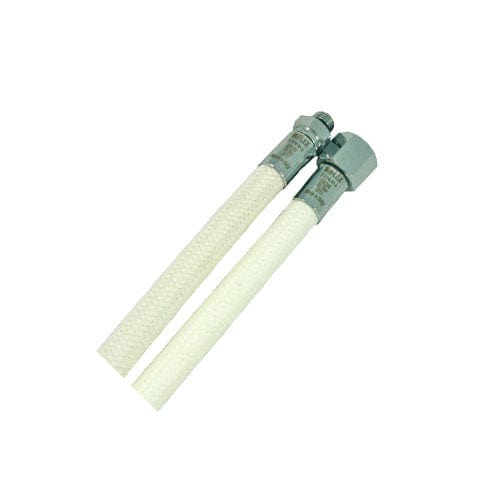
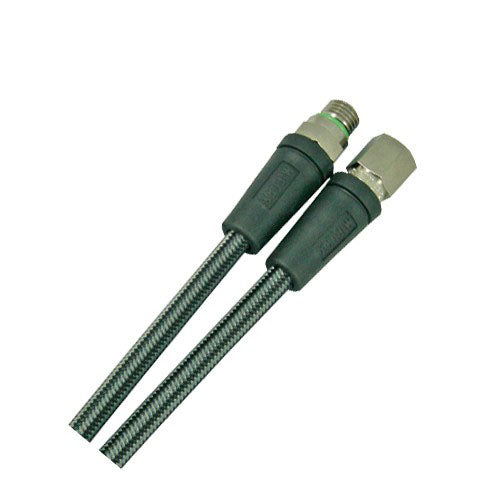
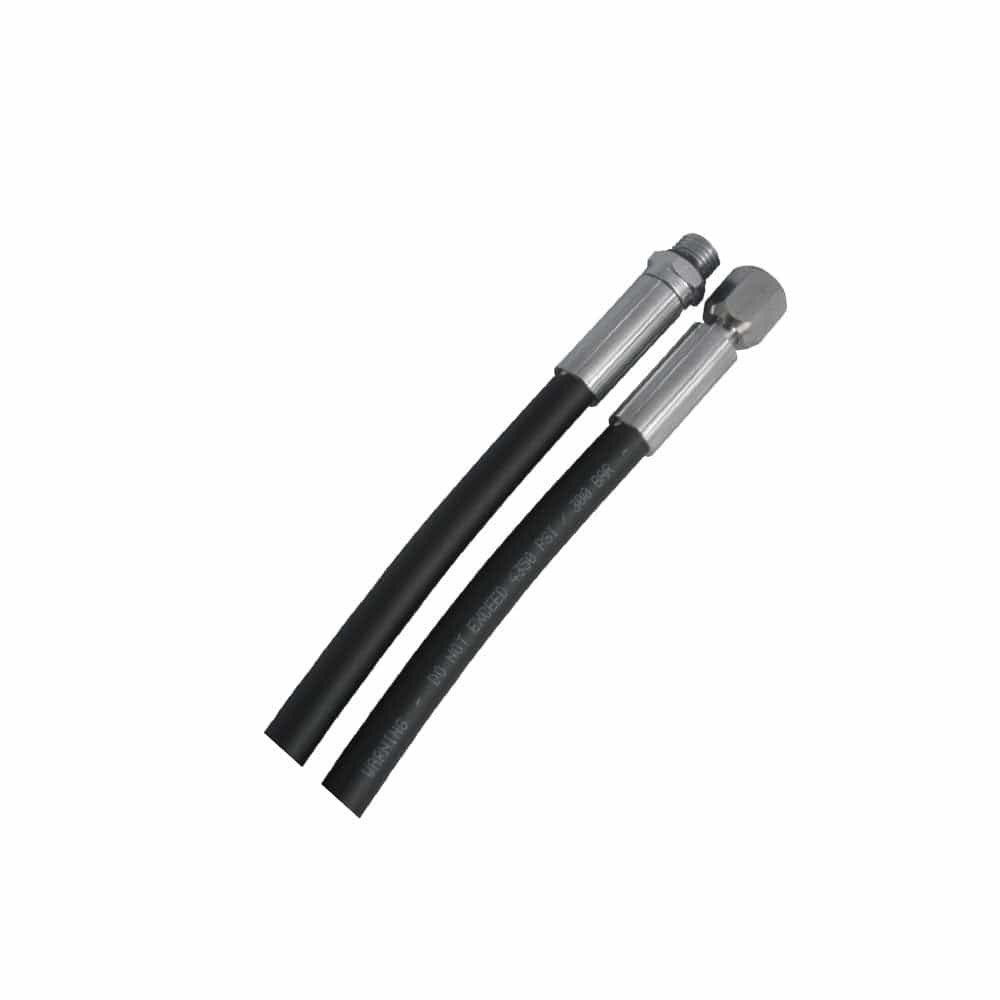
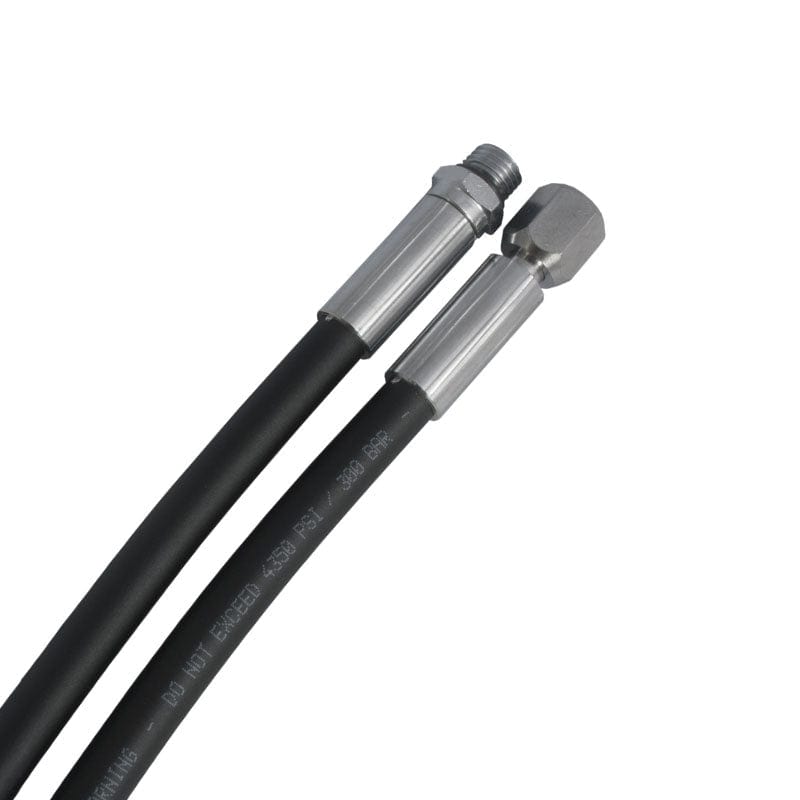
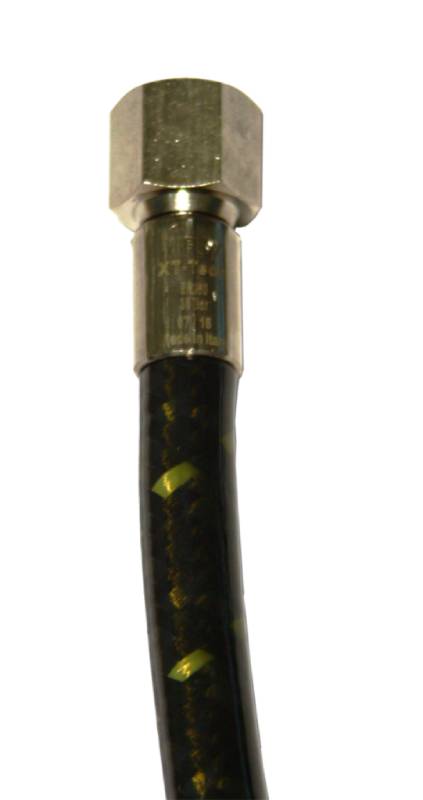
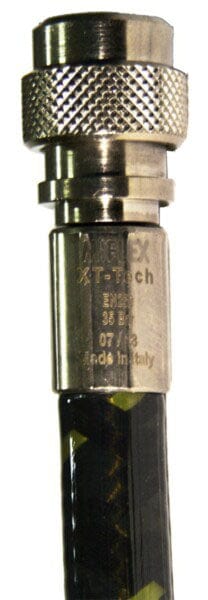
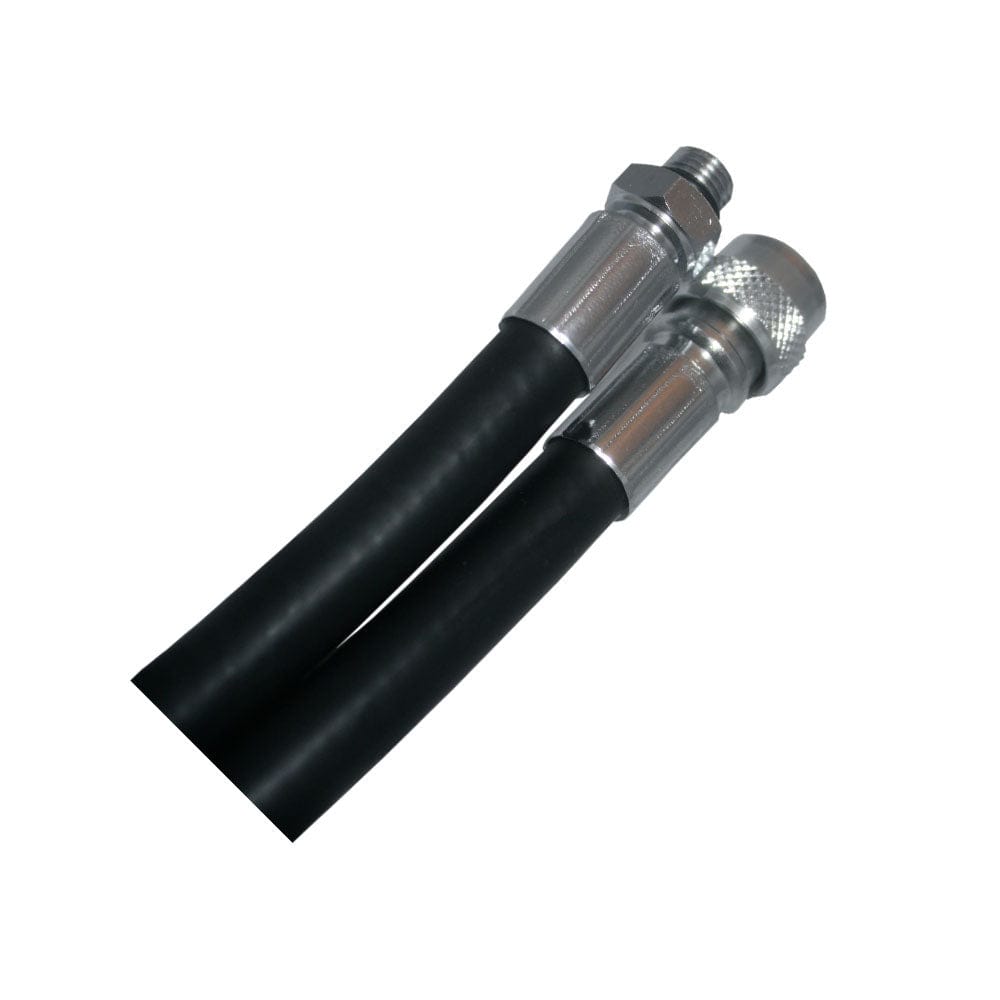
These run from the first stage's low pressure ports to your primary and octopus second stages. The Miflex Xtreme Regulator Hose is the general-purpose option, listed with standard 3/8 UNF male connectors and chrome-plated brass fittings, so it suits most regulators. The Miflex XT-Tech LP Regulator Hose is the technical version, built with Kevlar reinforcement in the inner braiding under a smooth polyurethane outer layer.

Low pressure inflation hoses

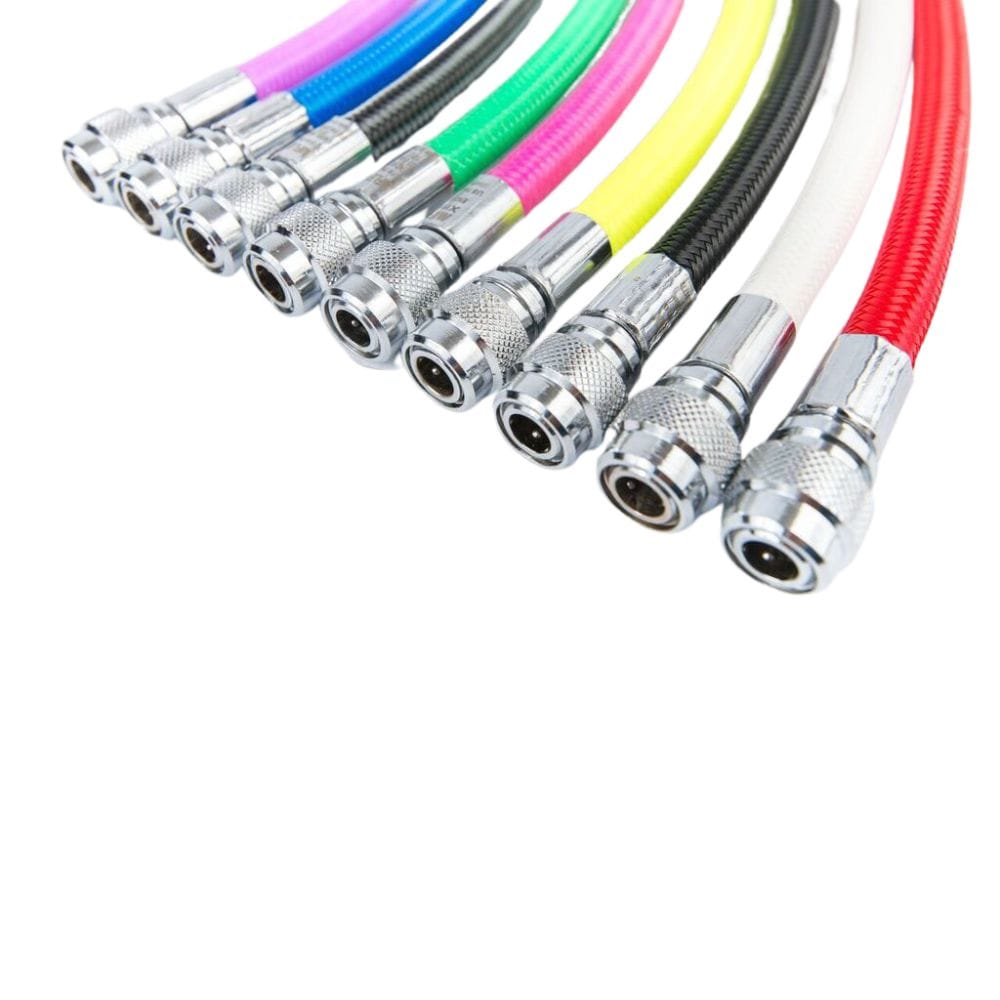
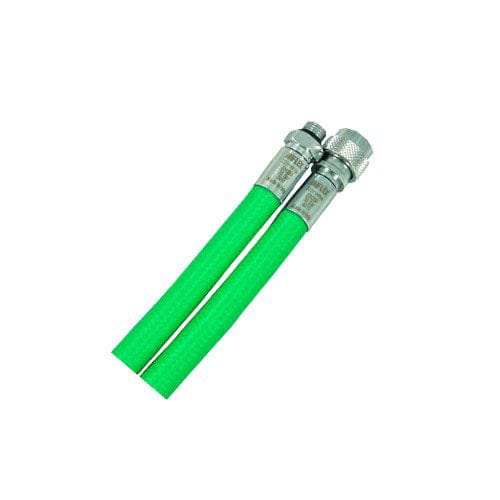
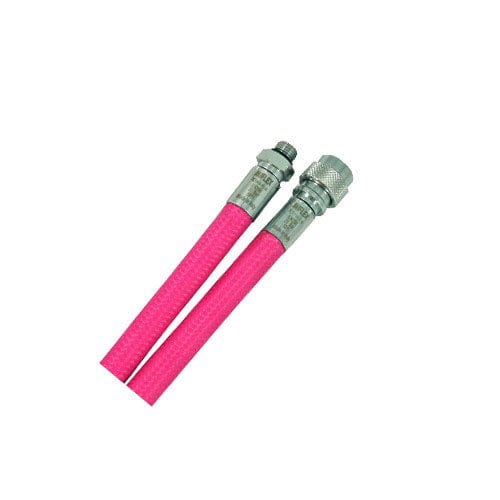
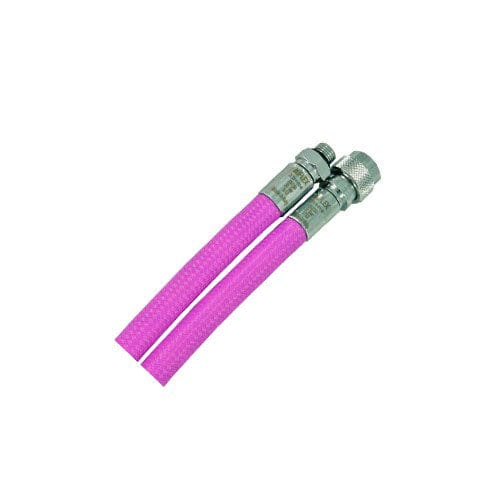
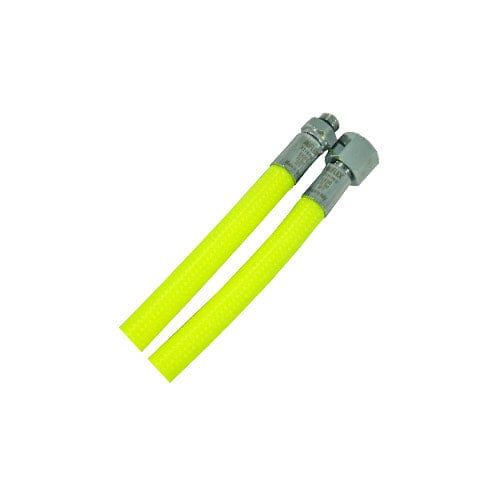
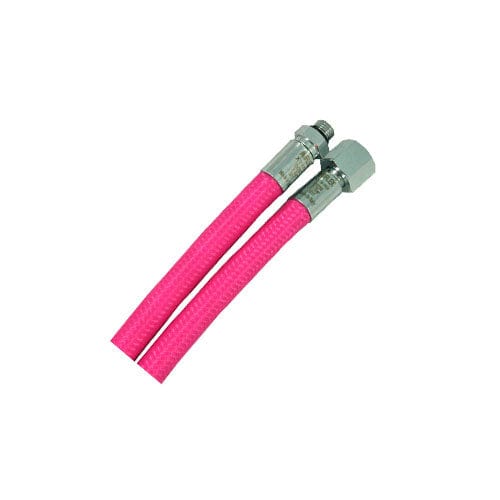
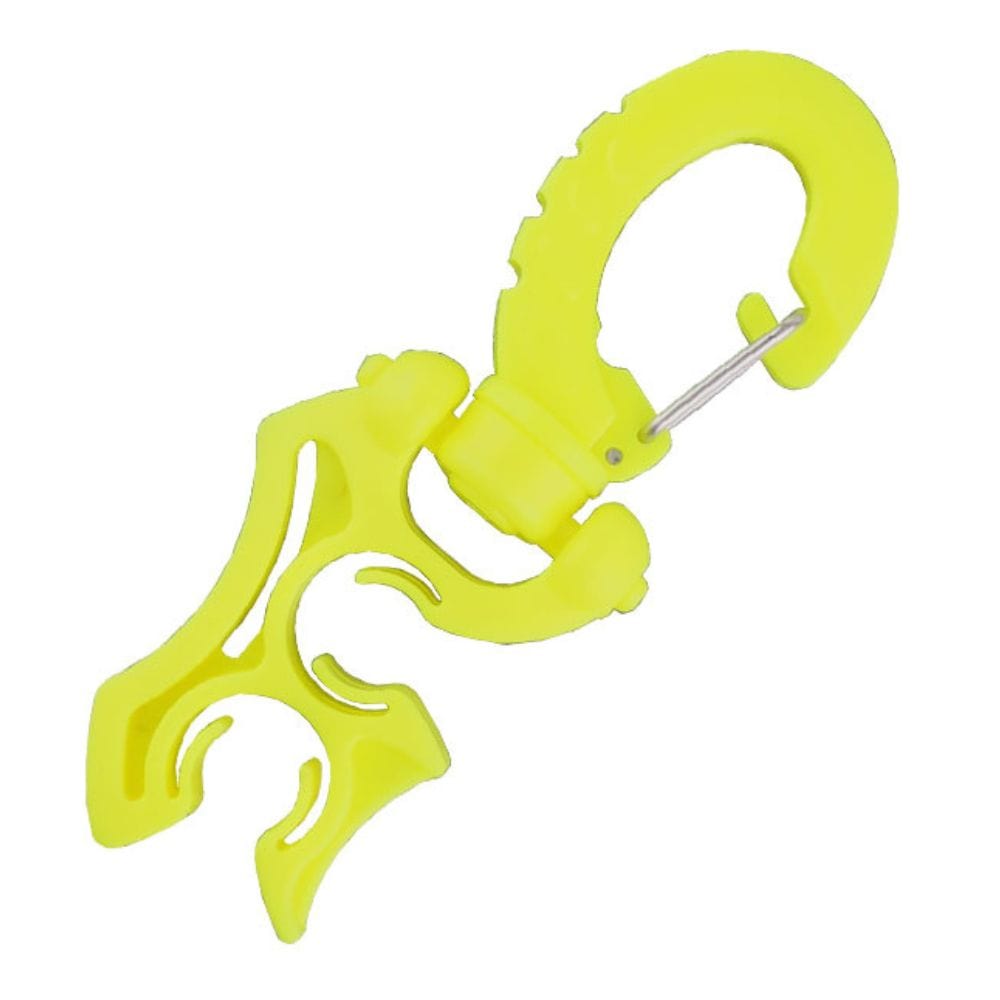
These feed a BCD or wing inflator, or a drysuit inlet valve. Nautilus Inflator Hoses cover the conventional rubber option in 56cm, 65cm, 74cm and 90cm. The Miflex XT-Tech LP Inflation Hose shares the Kevlar-reinforced construction of its regulator hose counterpart. The Miflex Inflation Hose Quick Release, listed from 15cm to 100cm and in a wide range of colours, adds a quick-release coupling so you can disconnect without tools. If you dive an XDEEP wing, the XDEEP 25 inch inflation hose is the matching part for the 19 inch corrugated hose.

High pressure gauge hoses

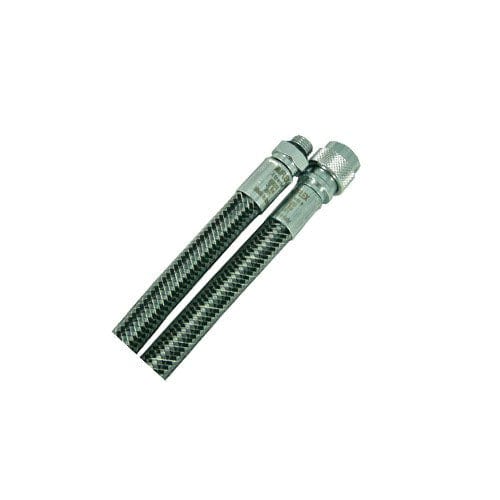
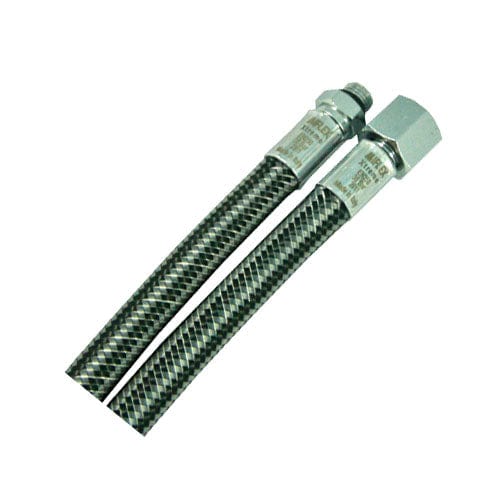
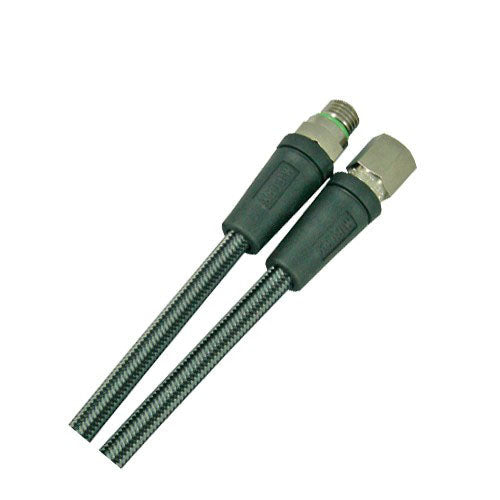
HP hoses run from the first stage's high pressure port to a submersible pressure gauge or an air-integrated transmitter. Nautilus HP Hoses come in 20cm, 62cm and 80cm rubber: the short one suits a transmitter sitting close to the first stage, while the longer two will run a console down to a hip clip. The Miflex Carbon HD High Pressure Hose is the braided alternative, with a carbon-patterned outer layer and corrosion-resistant fittings.

Rubber or braided flexible?

Rubber is what most regulators ship with. It is hard-wearing, it is familiar, and there is nothing wrong with it. Our Nautilus HP and inflator hoses are conventional rubber and they do exactly what they should.

Braided flexible hoses are lighter and pack down smaller, which is worth having if you fly with your kit and every kilo counts. They also route more easily around a wing or a twinset, and they are less inclined to hold a set into a shape you did not ask for.

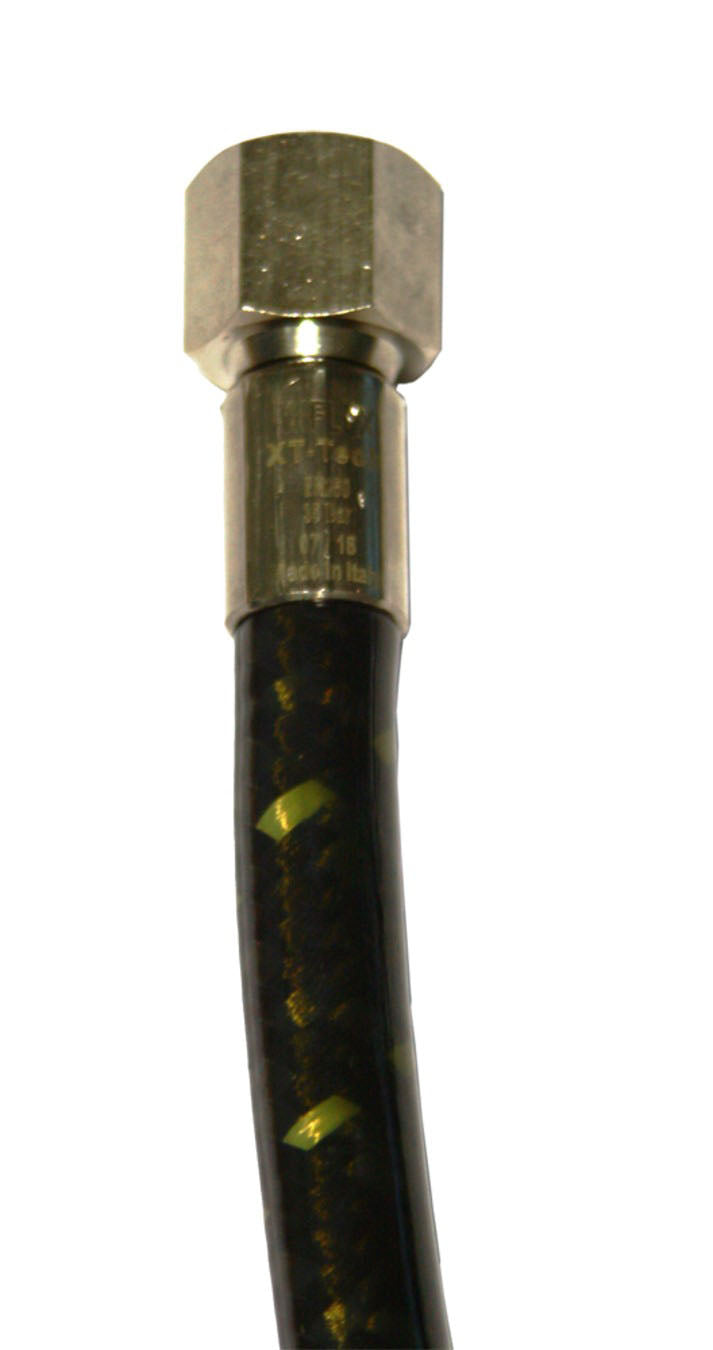
The Miflex XT-Tech is the one to look at if you route a hose around your neck. Miflex describe it as not positively buoyant, so it sits against you rather than lifting, and the outer layer is smooth rather than braided, which reduces rubbing. The fittings and sleeves are sea water resistant nickel plated brass. The XT-Tech hoses comply with EN250 and are listed at an operating pressure of 35 Bar.

Getting the length and route right

Length is the thing people get wrong. Measure along the old hose rather than in a straight line, and remember the figure you want is the hose's own length, not the distance between the two points it connects.

If you are building a set from scratch, plan the route before you pick a length. Work out where the hose leaves the first stage, where it needs to end up, and what it has to pass around on the way. A hose that is slightly long is only awkward to stow. One that is short pulls on its fitting every time you turn your head, and that is what eventually kills a hose at the crimp.

Fittings and compatibility

Second stage ends, inflator ends and high pressure ends are all different, and that is deliberate: it stops you putting a low pressure hose on a high pressure port. The Miflex Xtreme Regulator Hose is listed with standard 3/8 UNF male connectors, the common second stage fitting, and will suit most regulators.

Where it gets less obvious is the first stage end, because port sizes vary between manufacturers and between models from the same manufacturer. If you are not certain, the old hose is the best reference you have. Photograph both ends, or bring the regulator in and let us match it.

Replace hoses before they fail

Hoses are a wear item. They are also one of the simplest parts of a regulator set to put right, and one of the most inconvenient to have fail on you underwater.

Check the crimps at each end, because that is where hoses usually go. Cracking in the outer layer, a bulge or soft spot along the length, green staining or corrosion at the fittings, stiffness where the hose used to be supple, or bubbles from a fitting under pressure all mean it is done. Do not patch a hose. Replace it.

The sensible time to do this is at a service, when the regulator is apart anyway. We service regulators here, so if you are sending kit in, say so and we will check the hoses while we have it.

Not sure? Ask before you order

Hoses are one of the few things where a photograph saves everybody a lot of time. Send us a picture of both ends of the hose you are replacing, tell us what regulator it came off, and we will tell you what you need. Call us on 0800 699 0243 or come and see us in Hove.

Frequently asked questions

Which hose brands does Oyster Diving stock?

Three: Miflex, Nautilus and XDEEP. Miflex covers the braided flexible side of the range, with the Xtreme and XT-Tech low pressure hoses, the Carbon HD high pressure hose and a quick-release inflation hose. Nautilus covers conventional rubber, with HP gauge hoses and LP inflator hoses in a spread of standard lengths. XDEEP supplies the inflation hose that pairs with its 19 inch corrugated hose. If you need a length or a fitting you cannot see listed here, call us before you order.

What is the difference between a low pressure and a high pressure hose?

Low pressure hoses come off the first stage's LP ports at intermediate pressure and feed your second stages, your BCD or wing inflator and your drysuit. High pressure hoses come off the HP port at full cylinder pressure and feed a submersible pressure gauge or a transmitter. They are not interchangeable. The end fittings are different, the bore is different, and a low pressure hose must never be fitted to a high pressure port. If you are not certain which port a hose came from, bring the regulator in rather than guessing.

Should I choose a rubber hose or a flexible braided hose?

Both do the job. Rubber is the traditional choice, hard-wearing and what most regulators ship with, and our Nautilus HP and inflator hoses are conventional rubber. Braided flexible hoses such as the Miflex range are lighter and pack down smaller, which matters if you fly with your kit, and they route more easily around a wing or a twinset. The Miflex XT-Tech is worth a look if you route a hose around your neck: Miflex describe it as not positively buoyant, so it stays where you put it rather than lifting. Choose on how you dive and how you travel rather than on the material alone.

What length hose do I need?

If you are replacing a hose, measure the old one along the hose itself rather than in a straight line, and match it. If you are building a set-up from scratch, work out the route first: where the hose leaves the first stage, where it has to sit on your body, and what it has to pass around. Our Nautilus inflator hoses come in 56cm, 65cm, 74cm and 90cm, the Miflex Inflation Hose Quick Release is listed from 15cm to 100cm, and the Nautilus HP hoses come in 20cm, 62cm and 80cm. A hose that is slightly too long is a nuisance to stow; one that is too short pulls on the fitting every time you move.

How do I know when a dive hose needs replacing?

Check the crimps at each end first, because that is usually where hoses fail. Surface cracking in the outer layer, a bulge or soft spot anywhere along the length, corrosion or green staining at the fittings, stiffness where the hose used to be supple, or any bubbles from a fitting under pressure all mean replace it. Do not try to patch a hose. Hoses are a wear item, and it is normal to change them during a regulator service rather than waiting for one to let go on a dive.