Knives and Cutting Tools

Every diver should carry something that cuts. This collection runs from compact line cutters that clip to webbing, through mini knives sized for a BCD strap or a hose, to full-size leg-mounted blades in stainless steel or titanium. We stock TUSA, Mares, Atomic Aquatics, Beaver Sports, Maniago and DIRZone. Oyster Diving is a dive school as well as a shop, so this is kit we dive with ourselves.

  • Expert diving advice
  • UK delivery
  • Multi-award-winning PADI dive centre
  • Secure checkout
11 products
  • Sold out
    TUSA TUSA FK14 Mini BC Knife Metallic Silver - Oyster Diving
  • Buying guide

    Choosing a dive knife or line cutter

    Start with the job you need doing. If all you want is to get free of monofilament, netting or a stray shot line, a dedicated cutter like the Beaver Trigger Line Cutter or the Mares Titanium/Ceramic Line Cutter Knife is smaller, faster and less likely to cause a second problem than a blade. If you want one tool that also prises, digs and levers, buy a knife. Then choose the material. Titanium if you would rather not think about maintenance, stainless steel if you are happy to rinse, dry and sharpen. Then choose the tip: blunt if you dive dry, dive a rebreather or work from inflatables, pointed if you want the extra utility. Finally, decide where it will live on your rig before you buy, because the mount dictates the size. Entry-level BC knives and cutters cover the majority of recreational diving perfectly well; the premium titanium models earn their place if you are in salt water constantly. If you are unsure, tell us what and where you dive and we will point you at the right one.

Read the full buying guide

Knives and cutters are not the same tool

The split matters more than most divers realise. A knife is a general-purpose tool: you cut with it, but you also prise, dig and lever. A cutter does one job, which is getting a line off you quickly and without a second thought. This collection carries both, plus the compact middle ground that most recreational divers actually end up buying.

Full-size knives

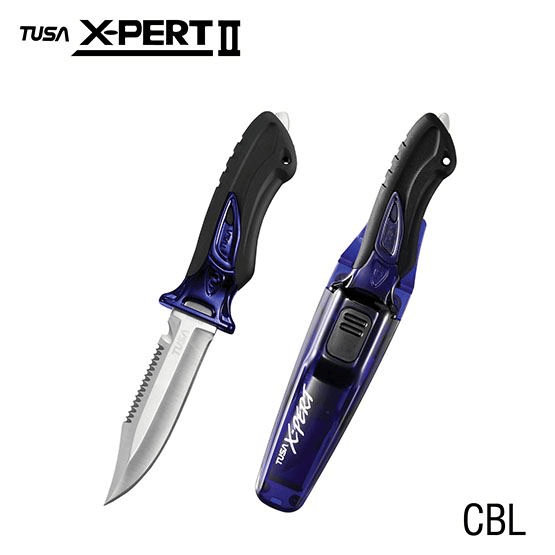
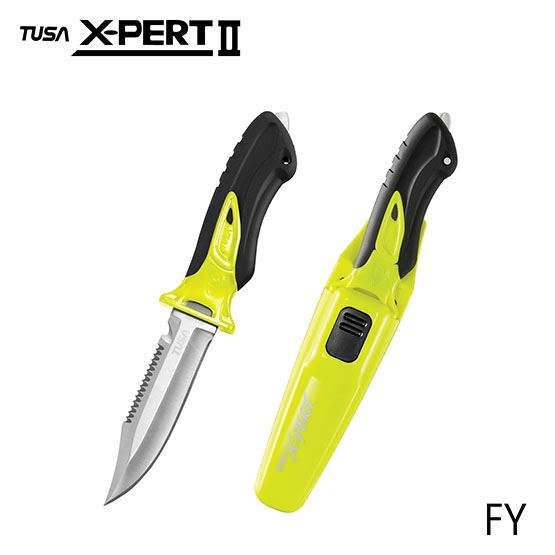
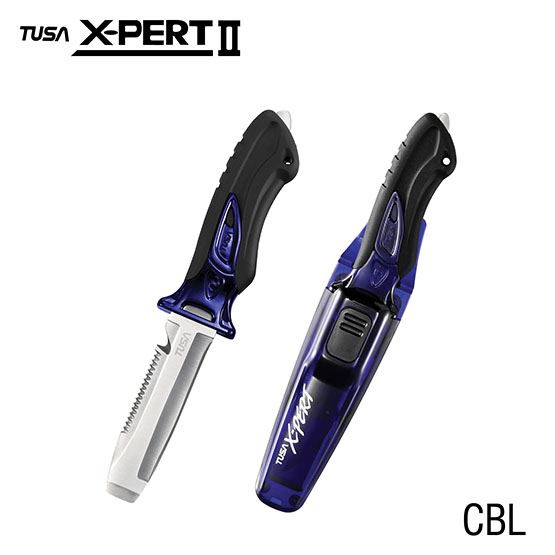
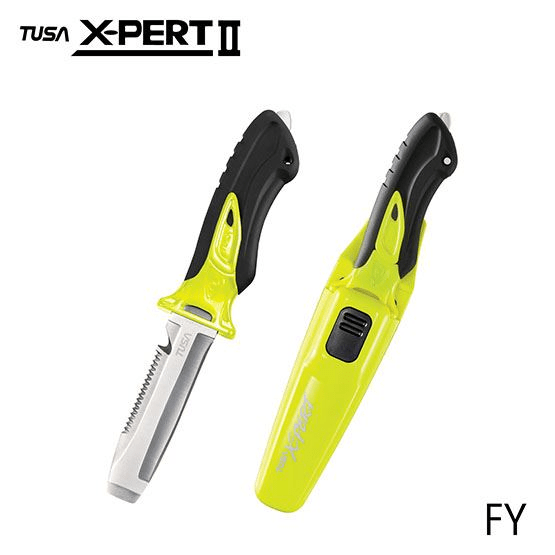
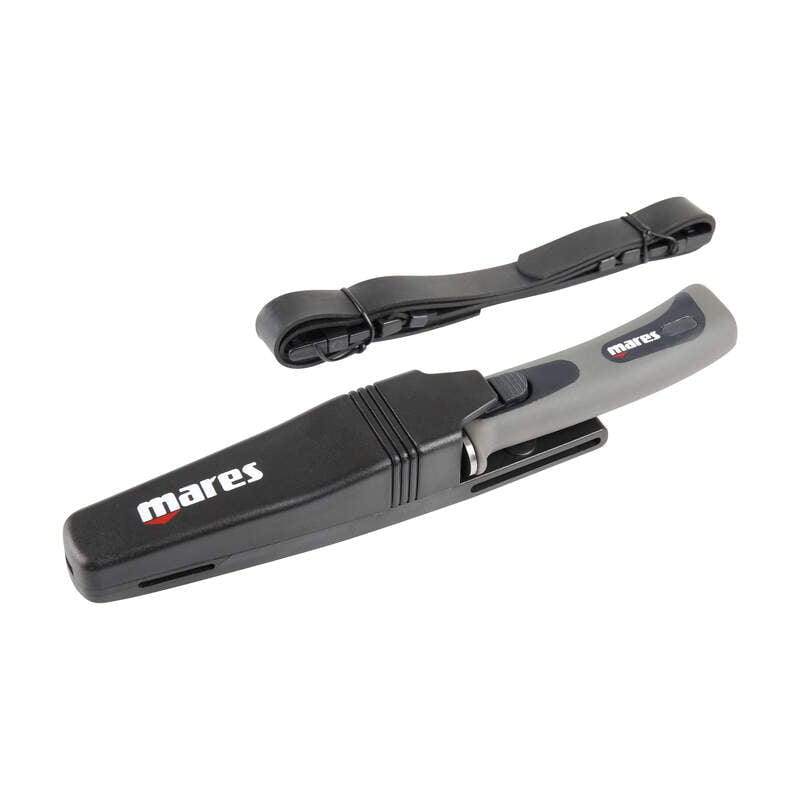
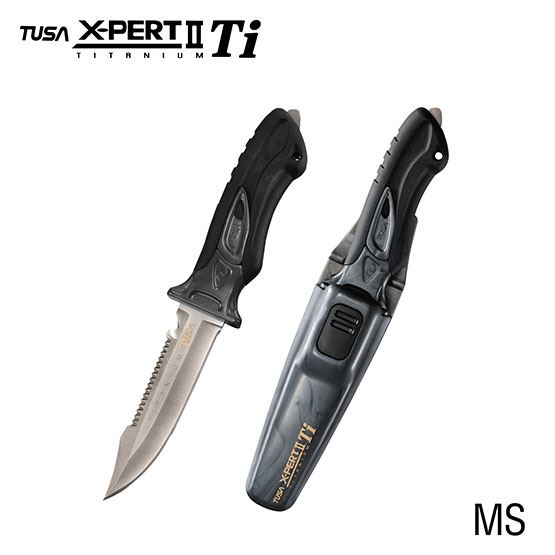
The Mares PURE Dive Knife, the Maniago Torpedo 9 and the TUSA X-Pert II family are the traditional shape: a proper handle you can grip in gloves, a plain edge, a serrated section, a line-cutting notch and a rigid sheath with straps. Buy one of these if you want a single tool that copes with whatever the dive throws at you.

Compact and BC-mounted knives

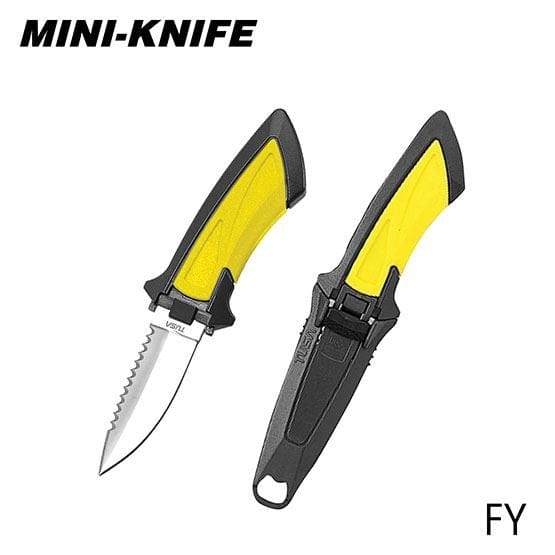
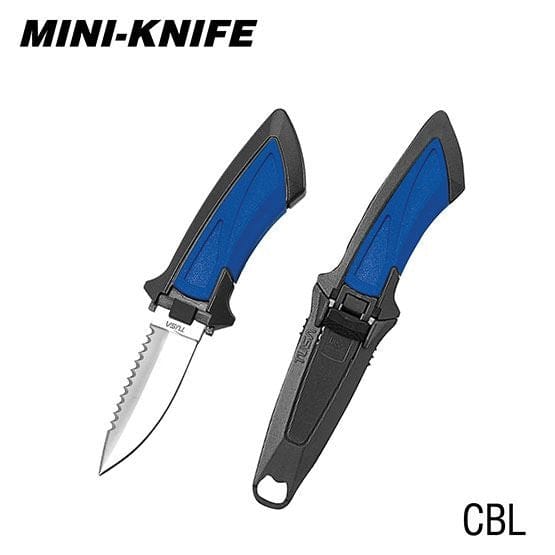
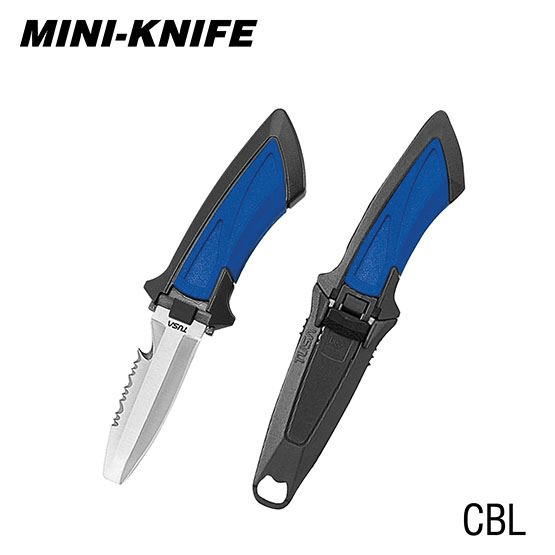
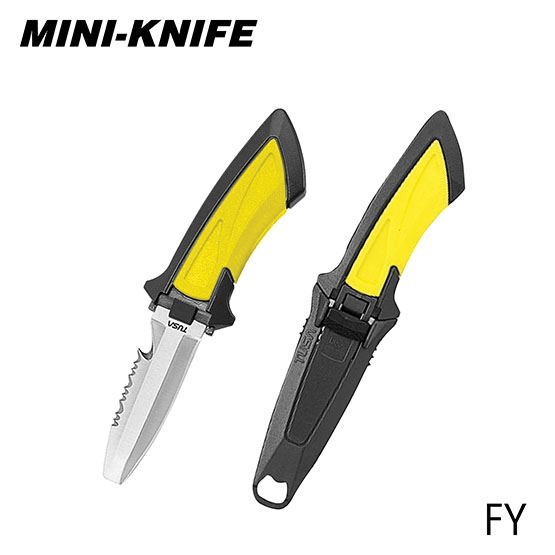
The TUSA FK14 Mini BC Knife and the TUSA FK-10 Mini BC Knife are sized to live on a shoulder strap or a hose rather than a leg. They suit travel and tidy, low-drag rigs, and the FK-10 comes with a hose adapter so it can sit exactly where your hand already goes. Both use a sheath with a locking tab that holds the knife until you touch the release.

Dedicated line cutters

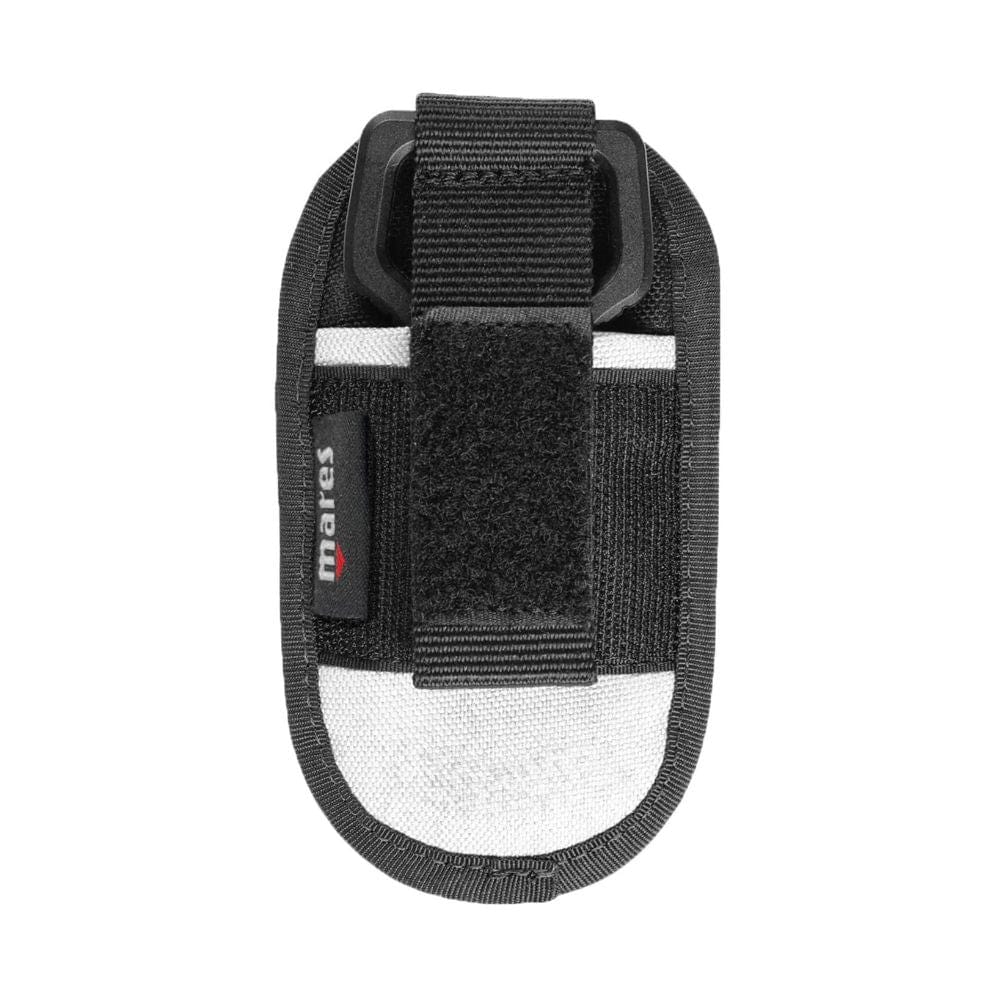
The Beaver Trigger Line Cutter is built for entanglement and nothing else. It combines a serrated and surgical rust-free blade, clips to webbing on the reverse, and is made to be worked in thick gloves. The Mares Titanium/Ceramic Line Cutter Knife pairs a titanium and ceramic blade with a Cordura sheath and a hook-and-loop fastener, so it goes wherever you want it on your rig.

Titanium or stainless steel

This is a maintenance decision far more than a performance one. Titanium does not rust, so it forgives a rushed rinse at the end of a dive day and stands up to constant salt water. The TUSA FK14, the TUSA FK940 X-Pert II and the Atomic Aquatics Ti6 are the titanium options here.

Stainless steel is easier to bring back to a keen edge on your own stone, and it is what the TUSA FK910 and FK920 X-Pert II, the Mares PURE Dive Knife, the Maniago Torpedo 9 and the DIRZone knife use. It simply wants rinsing in fresh water and drying properly, every time. Neglect a stainless blade in its sheath and it will tell you about it.

Pointed tip or blunt tip

A pointed tip pierces as well as cuts, which makes it the more useful general tool. A blunt tip gives that up deliberately, so there is no way to put it through a BCD bladder, a drysuit, a lift bag or the tube of an inflatable while you are working in the dark by feel.

You do not have to compromise on anything else to choose. The TUSA FK910 X-Pert II is the drop point version and the FK920 X-Pert II is the blunt tip version of the same knife. The Atomic Aquatics Ti6 stocked here is the pointed tip model, with a curved edge, a serrated section and a large line-cutting notch.

Where you carry it

Buy the mount and the knife together, because the position dictates the size. A leg or thigh sheath, as supplied with the Mares PURE and the Maniago Torpedo 9, is traditional and perfectly serviceable, but a knife down by your ankle is hard to reach once you are actually tangled. A BCD or hose mount keeps the tool inside your working area. Webbing clips, as on the Beaver Trigger Line Cutter, do the same for cutters.

Whatever you choose, test it properly: you should be able to draw it, use it and stow it with either hand, in poor visibility, wearing the gloves you actually dive in. Do that on land before you do it at depth.

The brands we stock

TUSA gives this collection its depth, running from the mini BC knives up through the X-Pert II range in both stainless and titanium. Mares covers the leg-mounted knife and a titanium and ceramic line cutter. Atomic Aquatics brings the full-tang Ti6. Maniago supplies the compact double-edged Torpedo 9, Beaver Sports the trigger cutter, and DIRZone a stainless knife with a strap-mounted polyamide pocket for technical rigs.

If you are between two of them, tell us what and where you dive and we will point you at the right one. It is a small purchase that you will hopefully never need, which is exactly why it is worth getting right.
Frequently asked questions

Which knife and cutting tool brands does Oyster Diving stock?

We stock dive knives and cutting tools from TUSA, Mares, Atomic Aquatics, Beaver Sports, Maniago and DIRZone.

TUSA gives this collection most of its depth, covering both compact BC knives and the full-size X-Pert II family. Mares and Maniago cover leg-mounted knives with rigid sheaths. Atomic Aquatics is the titanium option. Beaver Sports supplies a dedicated trigger line cutter, and DIRZone a stainless knife with a strap-mounted pocket.

Stock moves, so the products showing on this page are what we actually have live.

Should I choose a pointed tip or a blunt tip dive knife?

A pointed tip cuts and pierces, so it doubles as a prising and picking tool. A blunt tip does everything except pierce, which is precisely why many divers prefer one: you cannot put it through a BCD bladder, a drysuit, a lift bag or an inflatable boat by accident.

Our range lets you choose without changing anything else. The TUSA FK910 X-Pert II is the drop point version and the TUSA FK920 X-Pert II is the blunt tip version of the same knife. The Atomic Aquatics Ti6 in this collection is the pointed tip model.

If you dive dry, dive a rebreather, or work off inflatables, take the blunt tip.

Titanium or stainless steel - which blade should I buy?

It is mostly a maintenance decision rather than a performance one.

Titanium will not rust, so it forgives a rushed rinse and suits divers who are in salt water constantly. In this collection the TUSA FK14 Mini BC Knife, the TUSA FK940 X-Pert II and the Atomic Aquatics Ti6 are titanium.

Stainless steel is easier to bring back to a keen edge at home, but it wants rinsing in fresh water and drying properly after every dive. The TUSA FK910 and FK920 X-Pert II, the Mares PURE Dive Knife, the Maniago Torpedo 9 and the DIRZone knife are stainless.

The Mares Titanium/Ceramic Line Cutter Knife sits between the two, pairing titanium with a ceramic cutting element.

Where should I mount a dive knife or cutter?

There are three sensible positions.

On the BCD, where a compact knife such as the TUSA FK14 or FK-10 Mini BC Knife sits on a shoulder strap or a hose within easy reach. The FK-10 ships with a hose adapter for exactly this.

On the leg or thigh, using the rigid sheath and straps supplied with the Mares PURE Dive Knife or the Maniago Torpedo 9. Traditional, and fine for most recreational diving, though a low-mounted knife is harder to reach if you are already tangled.

Clipped to webbing, which is how the Beaver Trigger Line Cutter is designed to carry.

Whichever you choose, the test is the same: you should be able to reach it with either hand, in poor visibility, wearing the gloves you actually dive in.

Can I fly with a dive knife?

Not in your hand luggage. A dive knife, and most line cutters, will be taken off you at security. Pack it in hold baggage, sheathed and buried inside your kit bag.

Some countries also restrict blade length or the carrying of knives generally, so check the rules for your destination before you travel rather than at the airport.

If you fly to dive often, a compact BC knife or a line cutter is far less hassle than a full-size leg knife, and does the job that actually matters underwater.