DIRZone

DIRZone builds hardware for divers running a strict, standardised kit: spools, reels, submersible pressure gauges, cutting tools and wet notes, all meant to be handled in gloves and in poor visibility. Oyster Diving stocks the working end of the range, the parts that come out on every technical dive. It is a single-brand page, so fittings and finishes match across the rig.

  • Expert diving advice
  • UK delivery
  • Multi-award-winning PADI dive centre
  • Secure checkout
2 products
Read the full buying guide

What DIRZone actually makes

DIRZone builds the working parts of a technical rig rather than the headline items: the line you deploy, the readout you check, the tool you cut with. The range Oyster Diving stocks falls into four groups — reels and spools, submersible pressure gauges, cutting tools, and the small servicing and notes kit that lives in a pocket or a save-a-dive box.

The common thread is stainless steel fittings and gear that arrives finished. The spools and reels are listed as complete, with line already on and a stainless double ender fitted, so there is nothing to wind or shop for before you dive them.

Reels and spools

Two spools and two reels cover most of what a technical diver needs. The Spool 40 carries roughly 23 m of line and the Spool 50 roughly 33 m, both on a 100 mm stainless double ender — the right scale for a delayed SMB or a short jump. The reels move up to roughly 120 m and 200 m on a 120 mm double ender, which is wreck and cave line territory rather than something you clip on for a recreational dive.

Submersible pressure gauges

Four SPGs, all with tempered glass. The 52 mm dial is the compact option and keeps the gauge tight to a streamlined rig; the 63 mm trades that for a face you can read at a glance. Both come as chrome, 0-300 bar. Beyond those there is a 52 mm reading to 0-400 bar, and a black chrome 52 mm with a black dial, a swivel and a Viton O-ring for anyone who wants the gauge to sit and rotate where they put it.

Cutting tools, notes and small kit

The cutting side is deliberately plain. The DIRZone knife comes with its sheath, and there is a separate sheath sold on its own if you carry EMT shears and want them held properly rather than loose in a pocket.

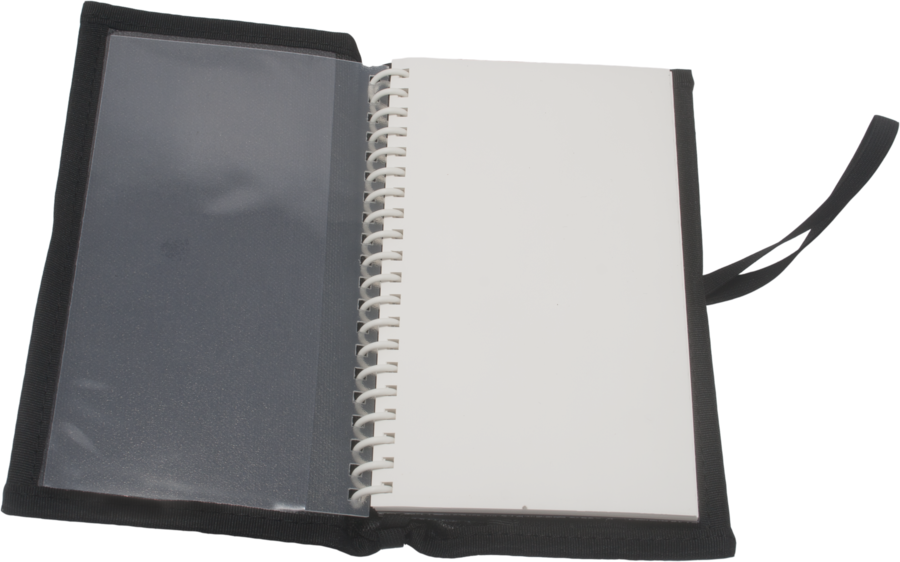
KIT MICROTOOLS is the small servicing set for the fiddly jobs that come up between dives. The Wet Notes come complete with plastic pages, so you can write a plan or a gas switch down and take it into the water with you — still the most reliable backup there is for anything you would rather not be recalling from memory at depth.

Choosing your first DIRZone pieces

If you are building around DIRZone from scratch, start with a spool and a gauge. They are the two items that come out on every dive regardless of the profile, and the two where getting the size wrong is most annoying to live with. Work out your line requirement before your dial size — the spool-versus-reel decision changes how you pack, whereas the 52 mm and 63 mm gauges do the same job at different reading distances. Everything else on this page can be added later without re-planning the rig.

Buying DIRZone from Oyster Diving

Because this is a single-brand page, standardising is straightforward: you can match fittings and finishes across a set of cylinders, or across a whole team, without cross-referencing between makers. And if you are not sure which spool length or which gauge range suits the diving you actually do, ask us — we would rather talk it through than have you order twice.

Frequently asked questions

Which brands does Oyster Diving stock in this collection?

DIRZone, and only DIRZone. This is a single-brand page, so everything listed here is DIRZone-made: the reels and spools, the submersible pressure gauges, the knife and the shears sheath, the microtools kit and the wet notes. If you want to weigh DIRZone up against the other technical brands we carry, start from our Technical Diving collection instead.

Should I buy a DIRZone spool or a DIRZone reel?

A spool is the simpler tool. No moving parts, nothing to jam, and it sits flat on a harness, which is why most divers reach for one to send up a delayed SMB or run a short jump. A reel is for laying and recovering longer line, where winding by hand would be too slow. The DIRZone Spool 40 carries roughly 23 m of line and the Spool 50 roughly 33 m; the reels step up to roughly 120 m and 200 m. Plenty of technical divers end up carrying both.

Is the 52 mm or the 63 mm DIRZone SPG the right one?

It comes down to how you read your gas. The 52 mm dial keeps the gauge compact and tight to the rig, which suits a streamlined technical set-up. The 63 mm gives you a larger face to read, which helps in poor visibility or if you dive without close-focus correction. Both are chrome with tempered glass and read 0-300 bar. There is also a 52 mm in black chrome with a black dial, a swivel and a Viton O-ring, and a 52 mm that reads to 0-400 bar.

Do the DIRZone spools and reels come with line already fitted?

Yes. Both spools and both reels are listed as complete, so the line is already on and a stainless steel double ender is included: 100 mm on the spools, 120 mm on the reels. There is nothing to wind on or source separately before your first dive with them.

Which DIRZone item is worth buying first?

A spool and a gauge. Those are the two you use on essentially every dive, whatever you are diving: the spool for your delayed SMB, the gauge because you need to know your gas. The knife, the shears sheath, the microtools kit and the wet notes fill in around them as you build the rig out, though most technical divers treat a cutting tool as non-negotiable too.