Regular price
£29.95 GBP
Sale price
£29.95 GBP
Regular price
£69.00






How many torches do you actually need?
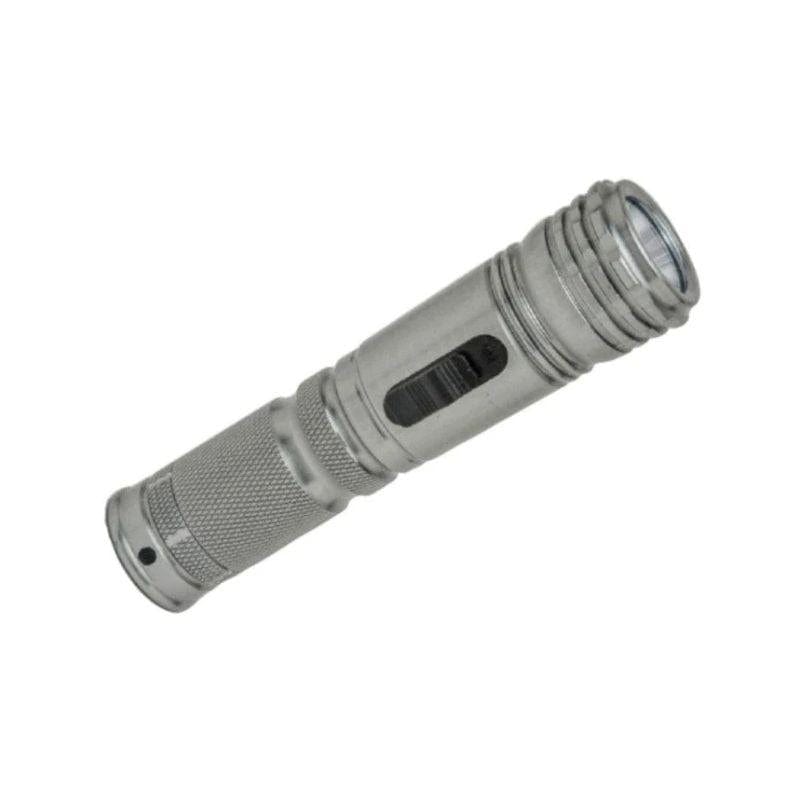
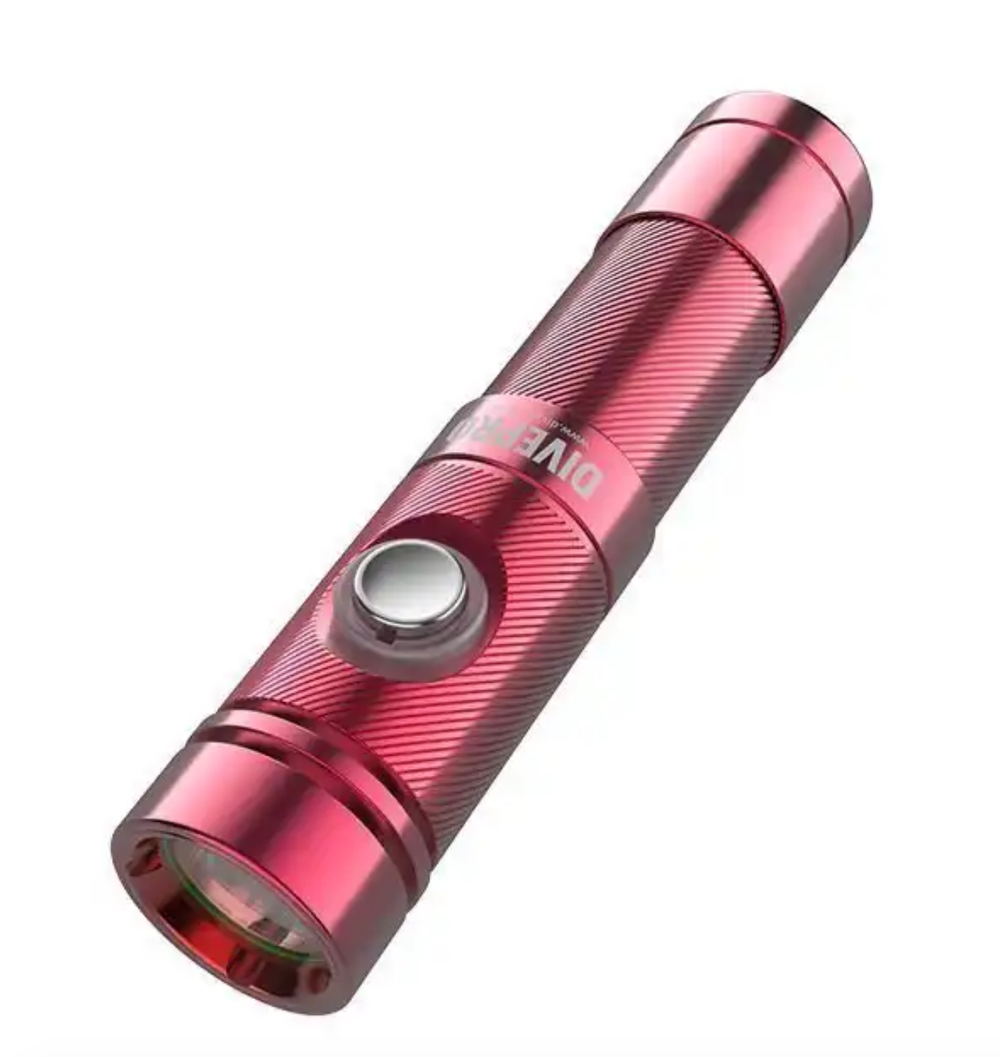
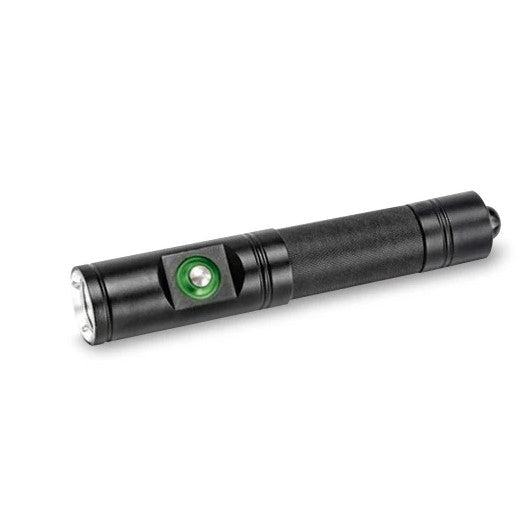
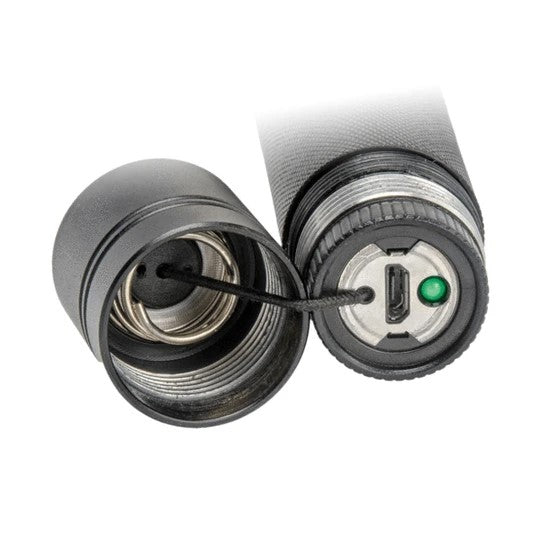
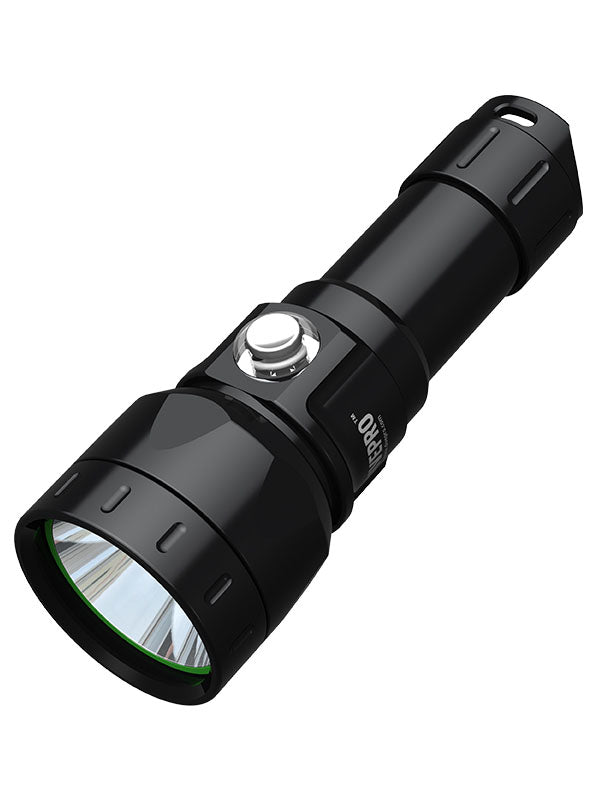
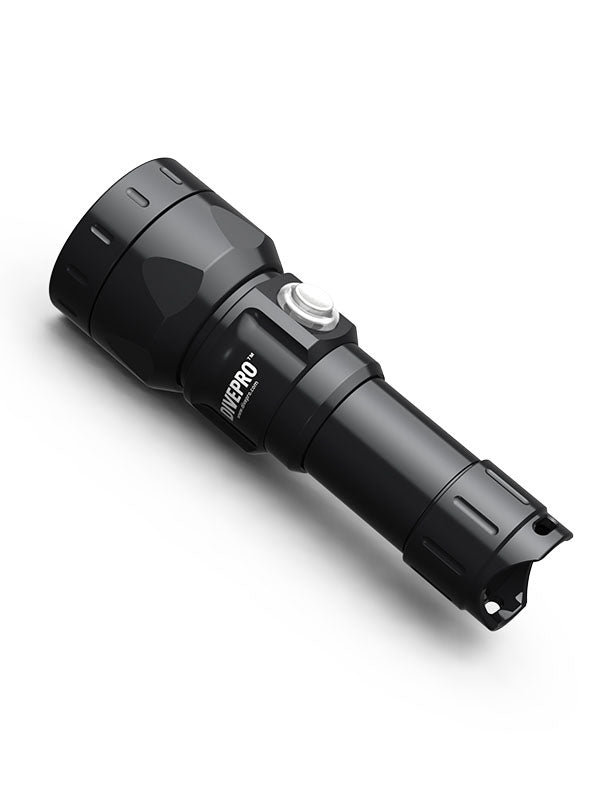
Start with one you can operate blind. If you can turn it on in a glove without looking at it, it gets used. If you cannot, it stays in the bag. Then decide whether you need a second one: anything with a ceiling over it means a primary plus backups, while open-water recreational diving is honestly served by one good handheld and a charged spare battery. Beam shape matters more than raw output. A tight spot such as the Tovatec T1000 picks out detail at range and cuts through murk; a wider beam suits close work and lighting up a group. And if your real reason for wanting light is a camera, a torch is the wrong tool. Video lights are built to spread evenly rather than punch a hole in the dark, and they live in a separate part of the shop.


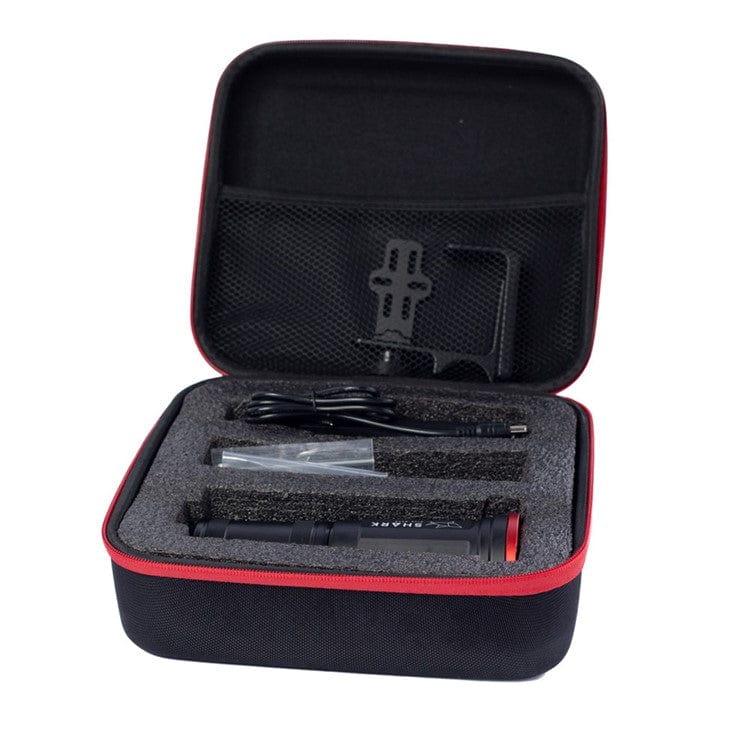

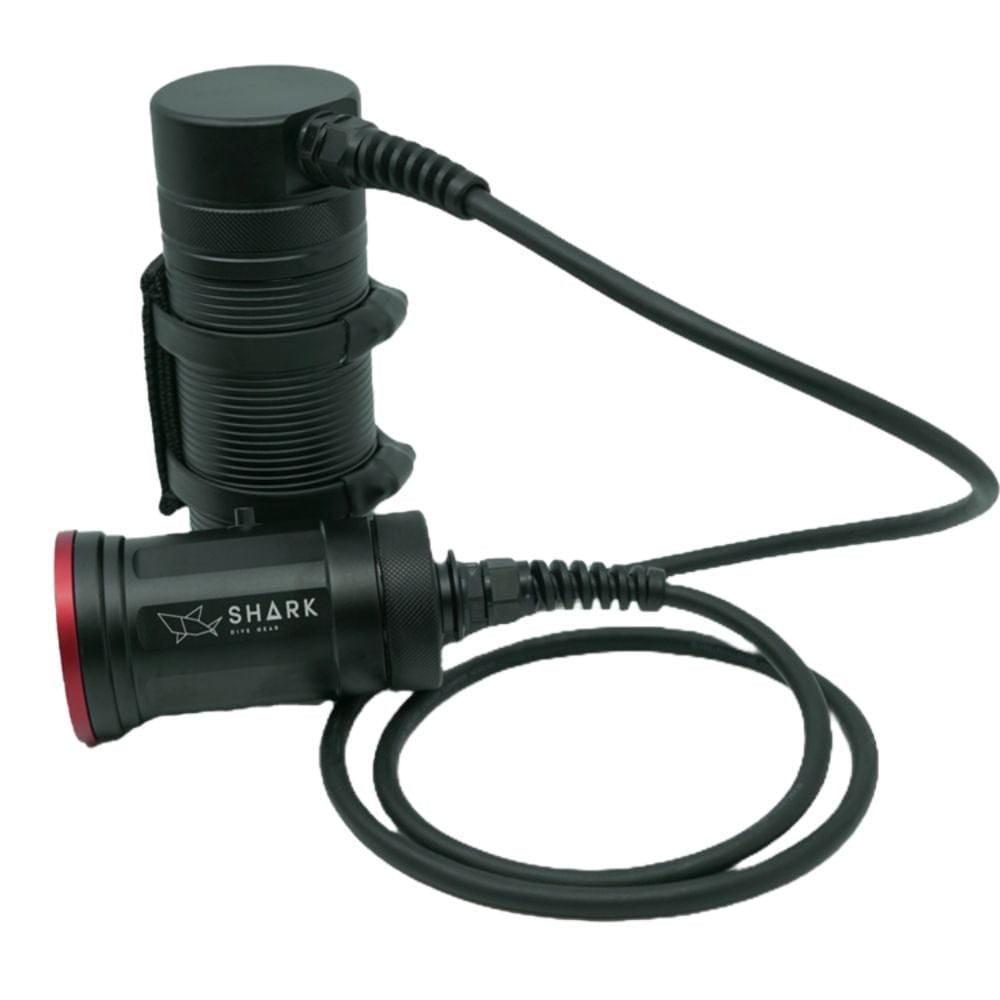
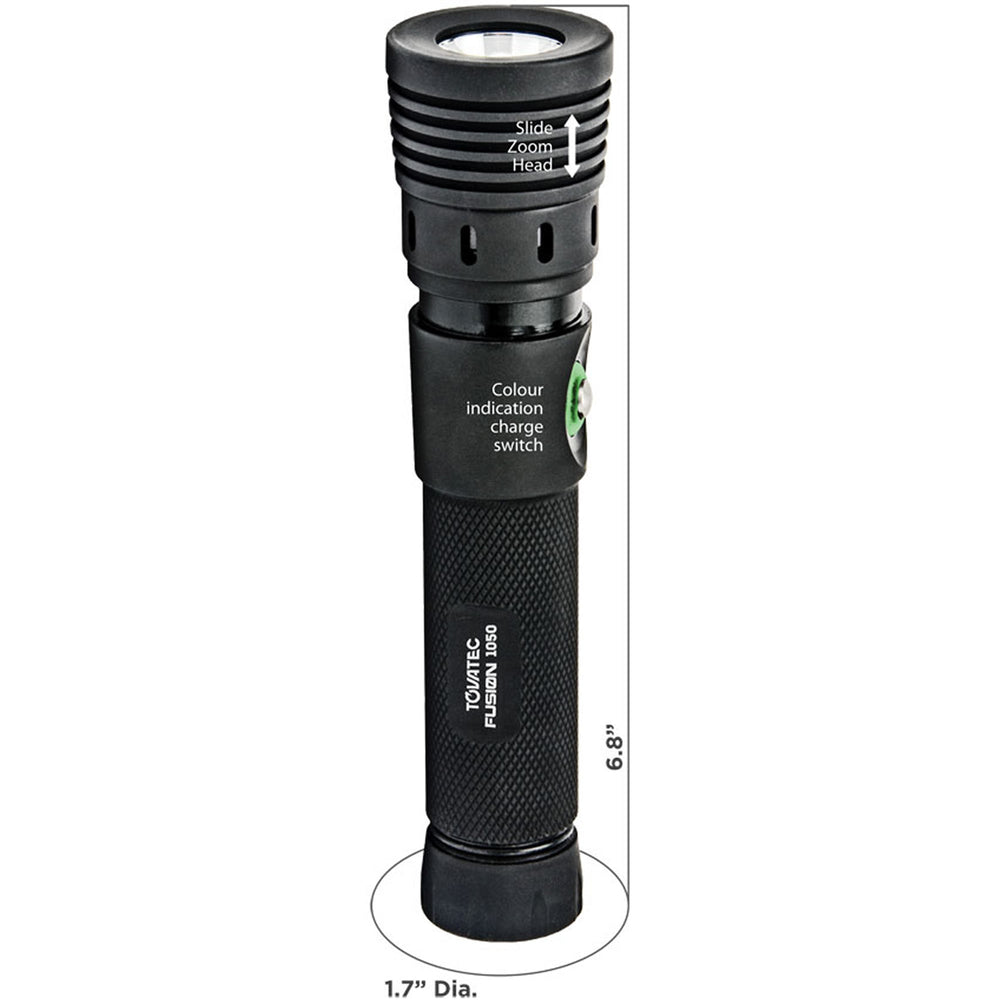
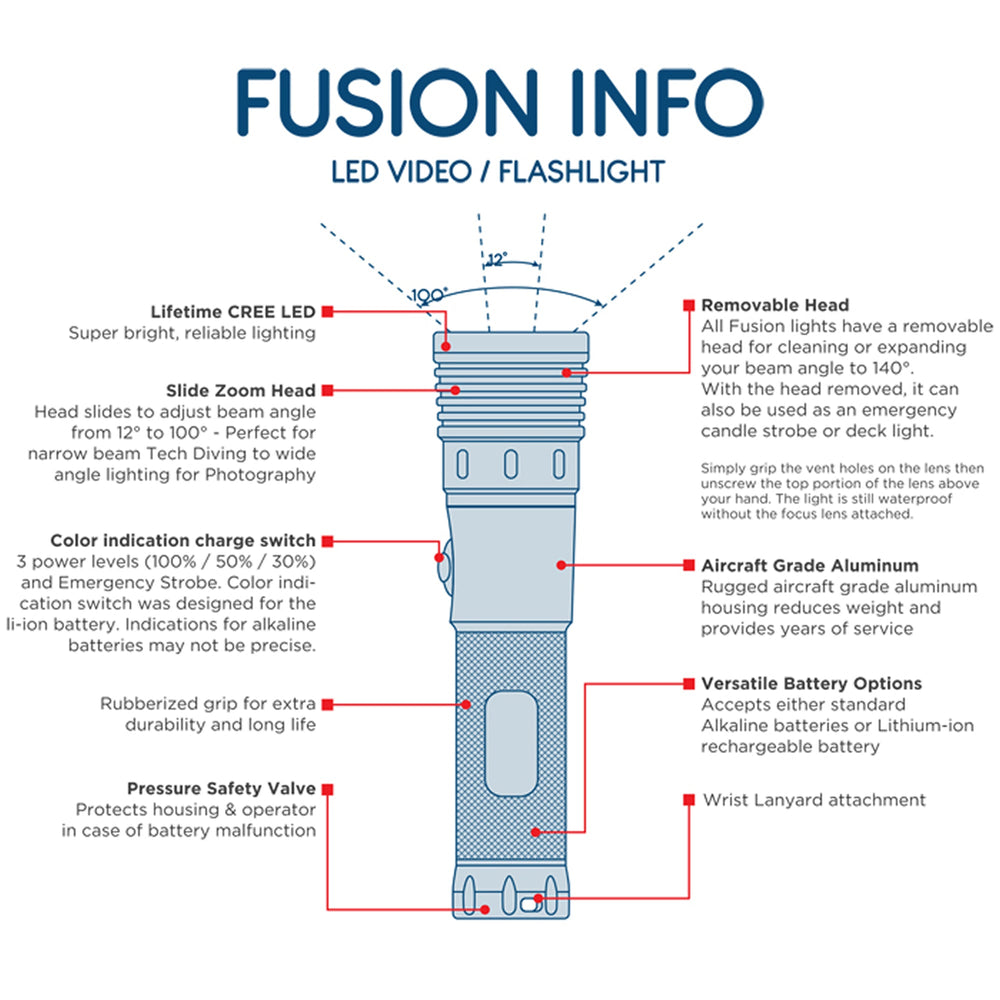

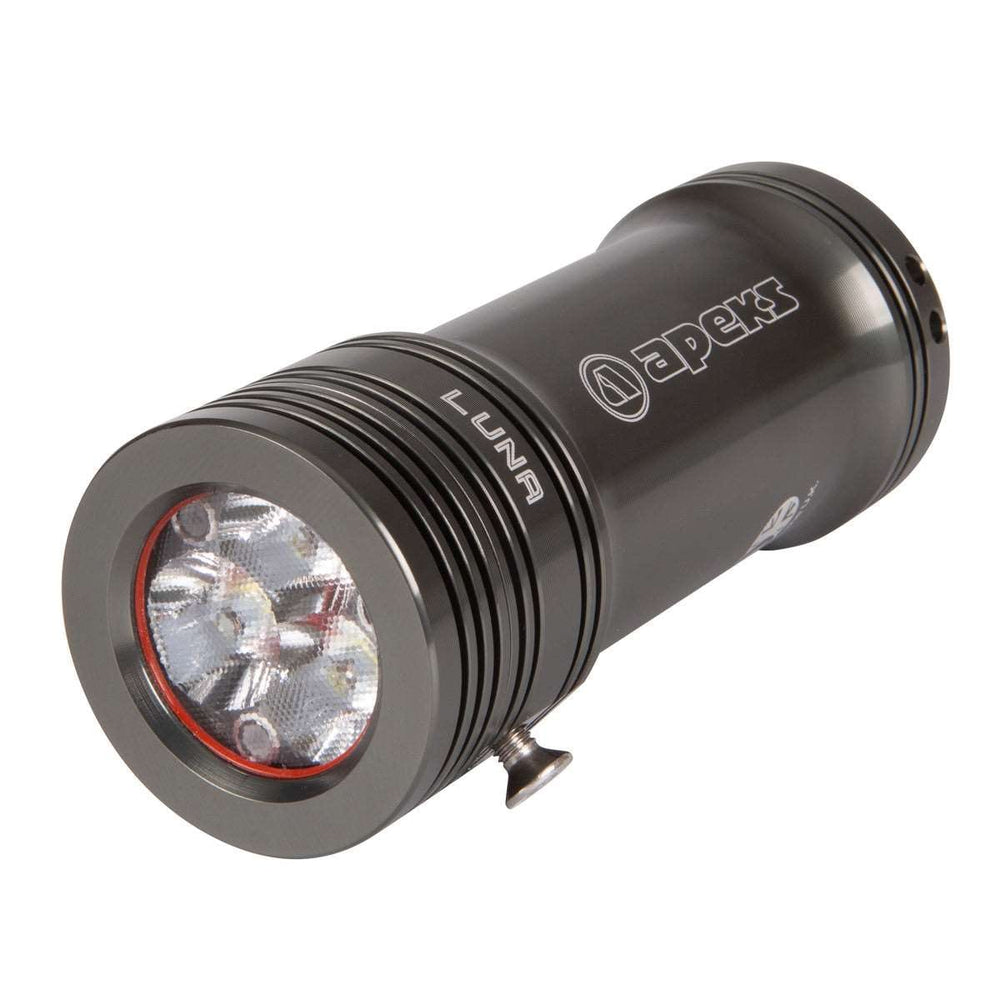

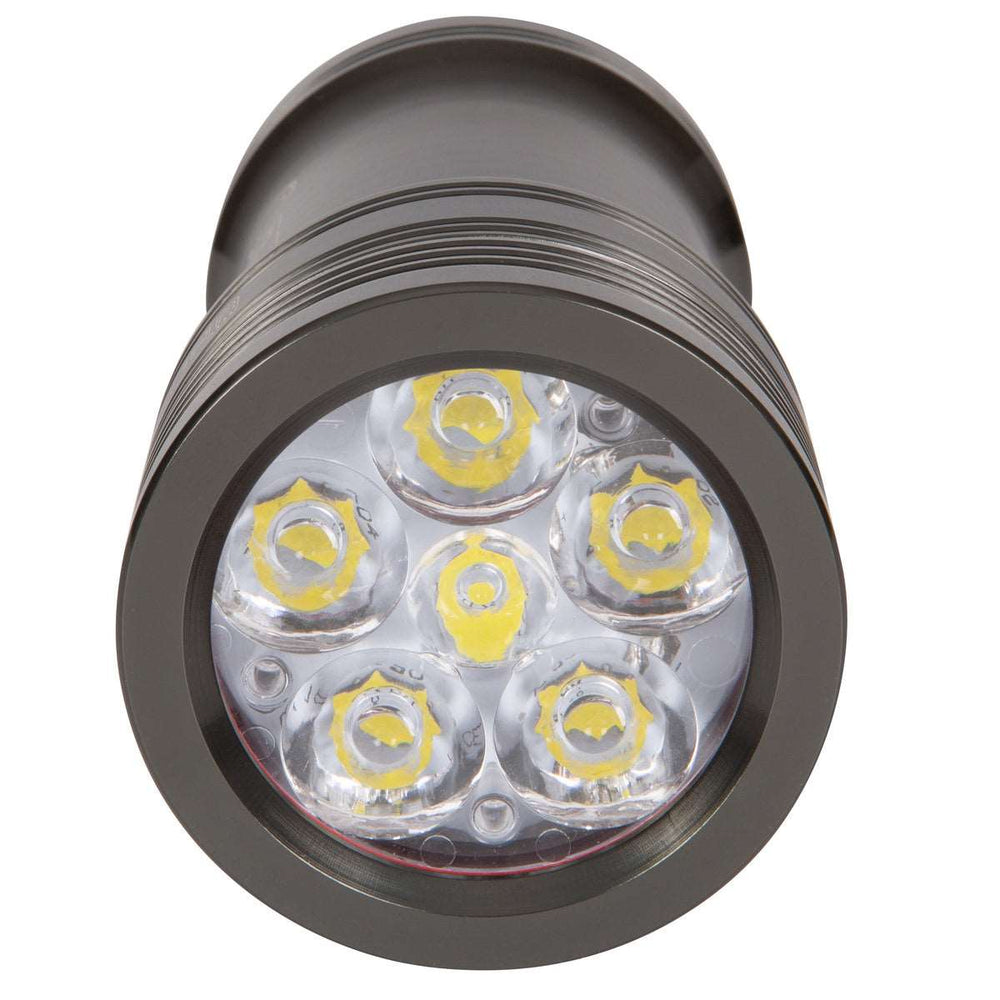

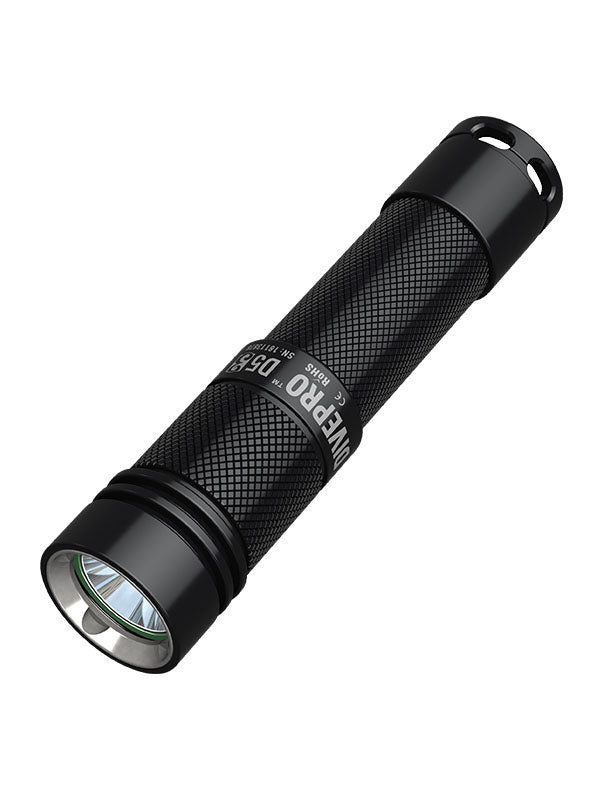

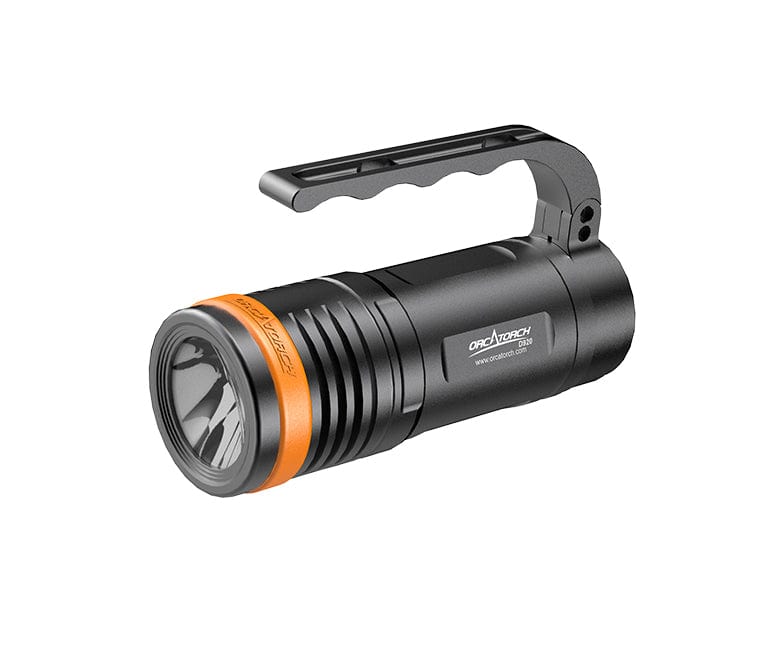

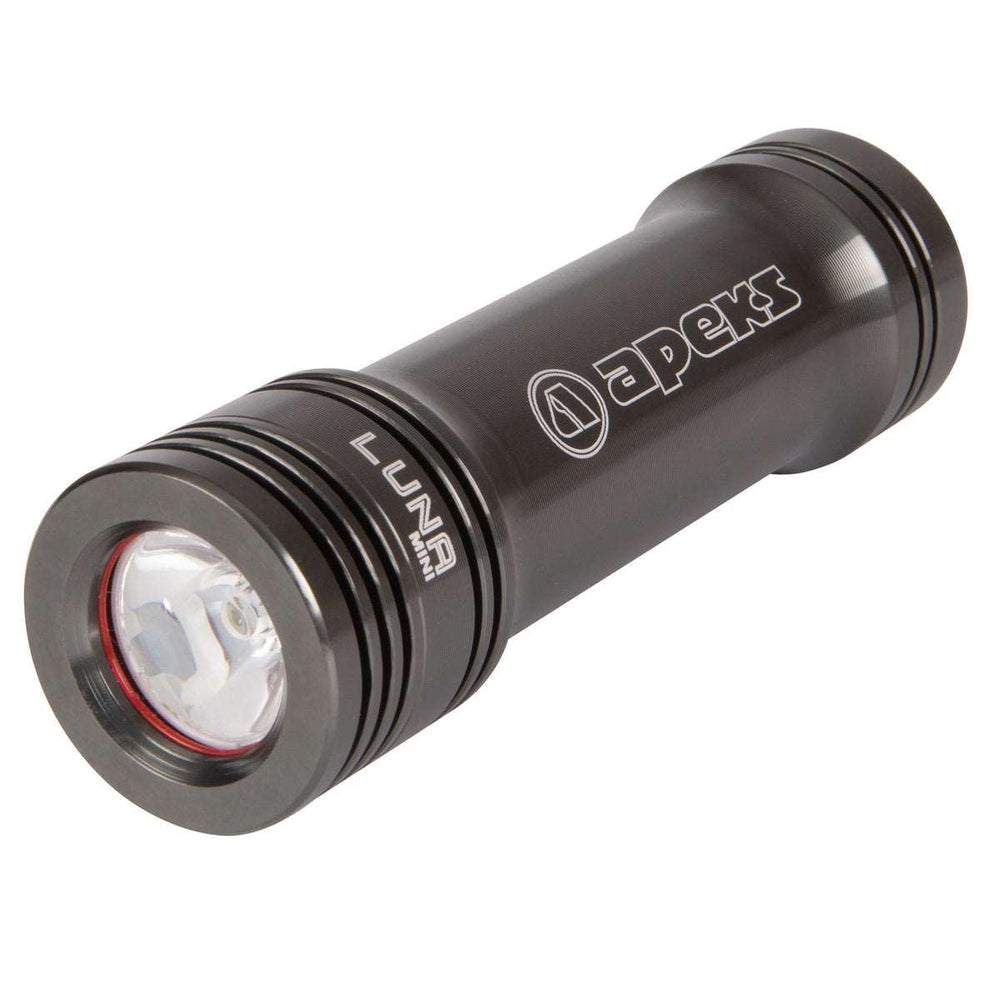

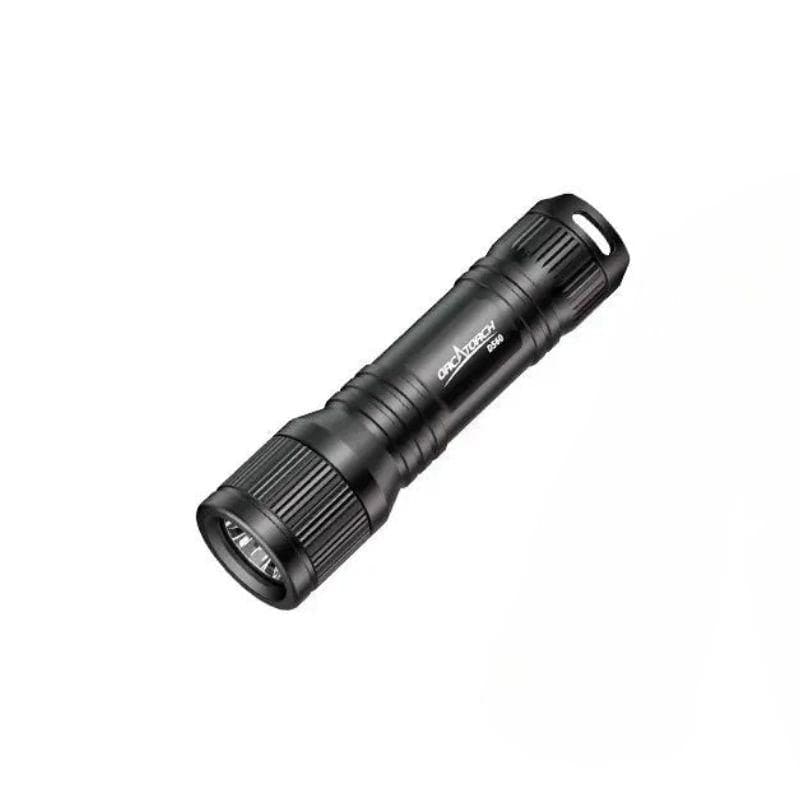
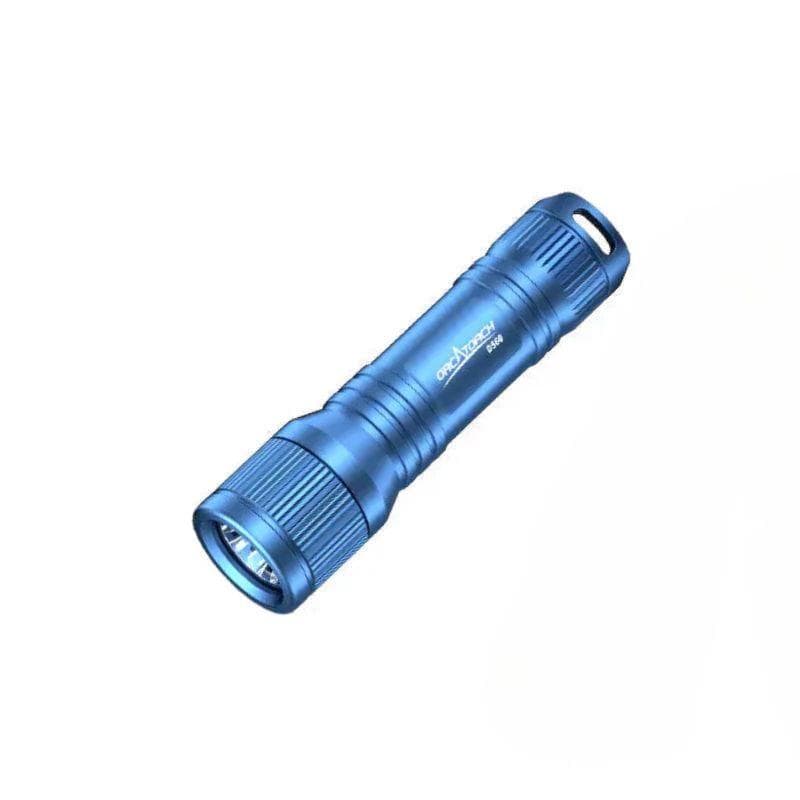
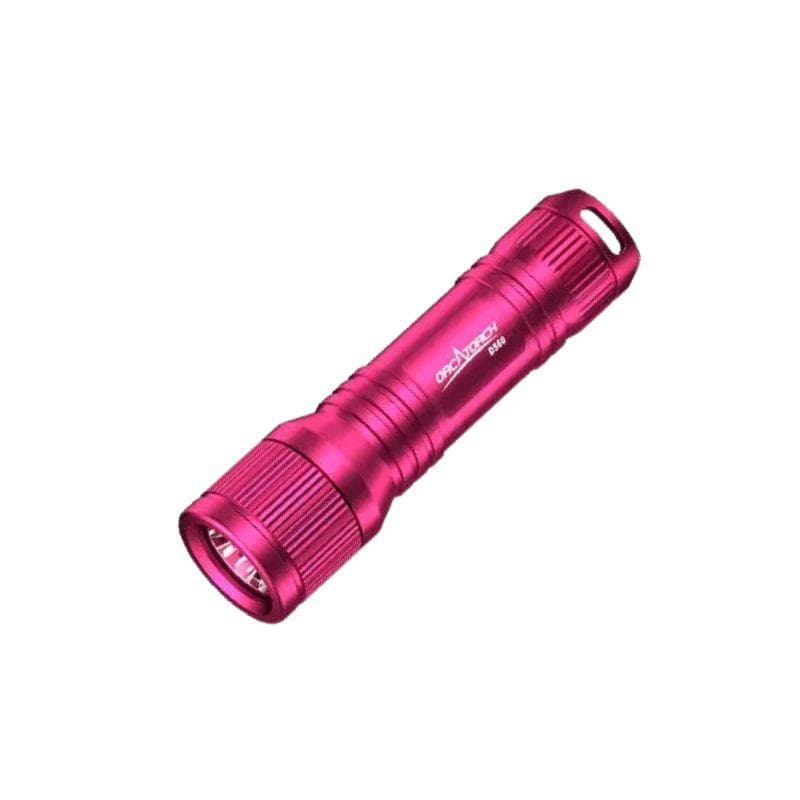


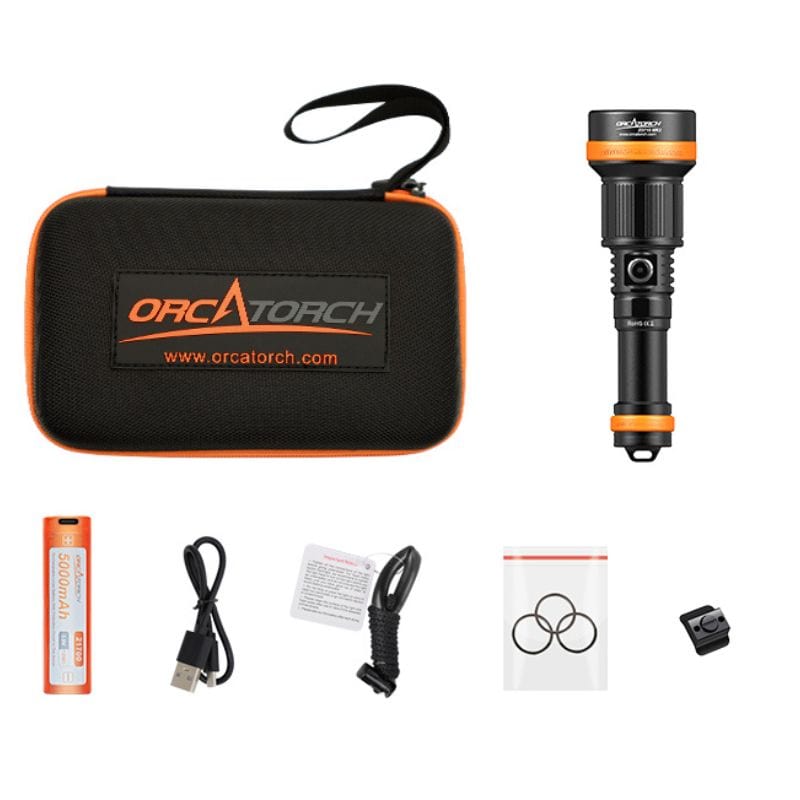

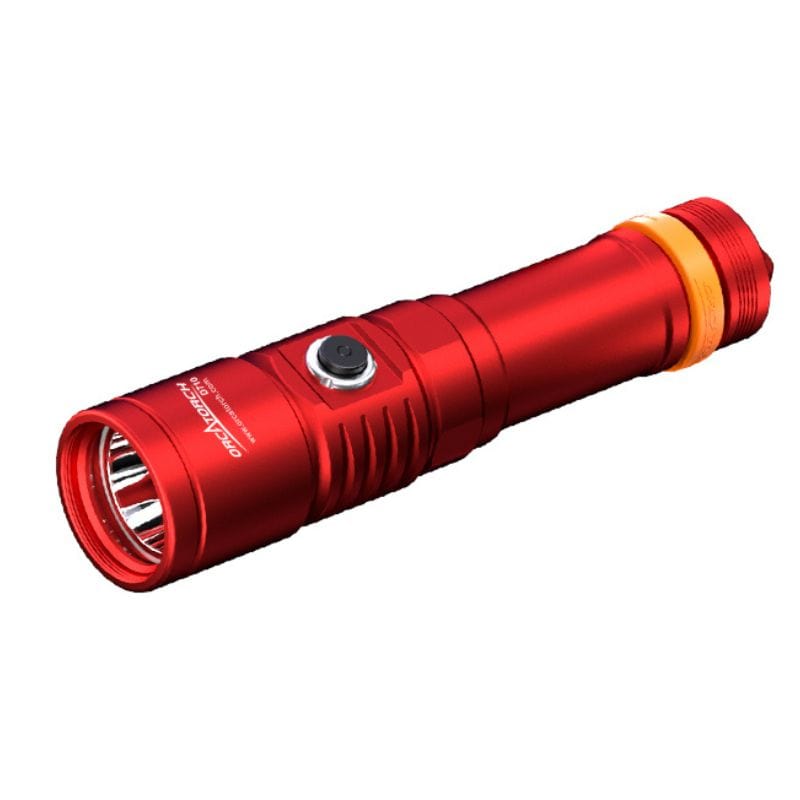
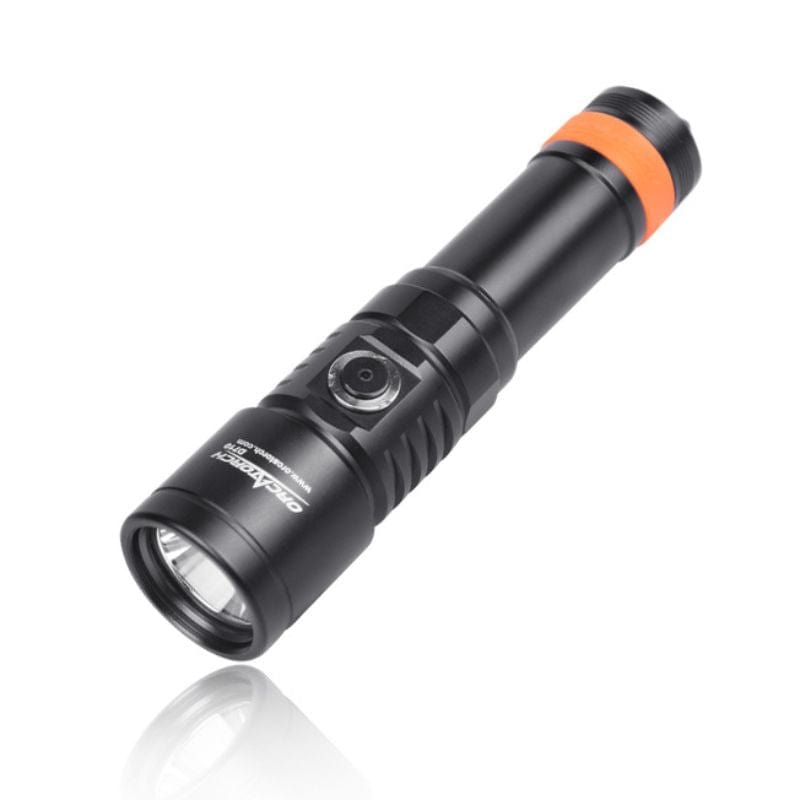
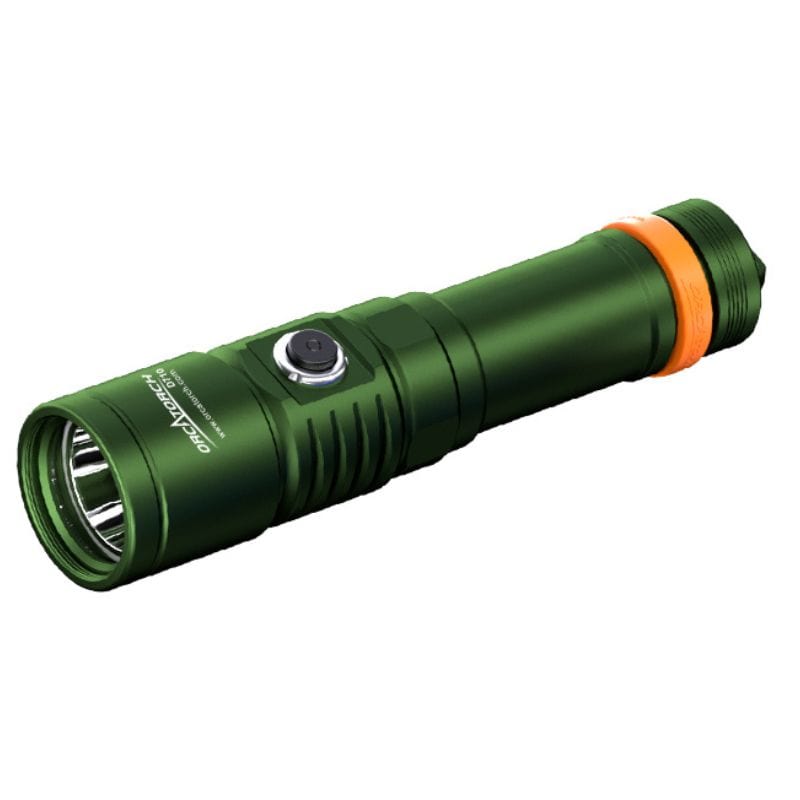
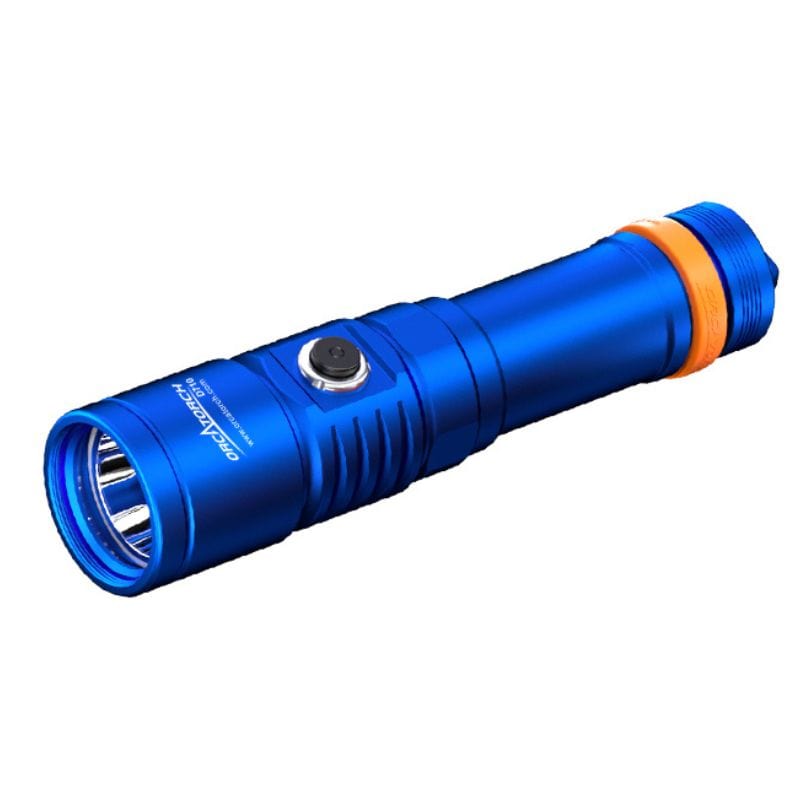

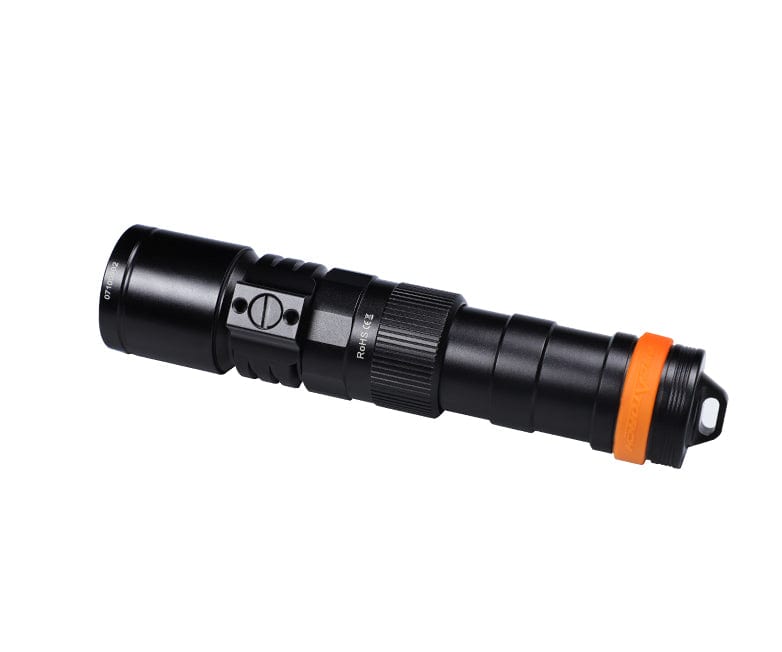

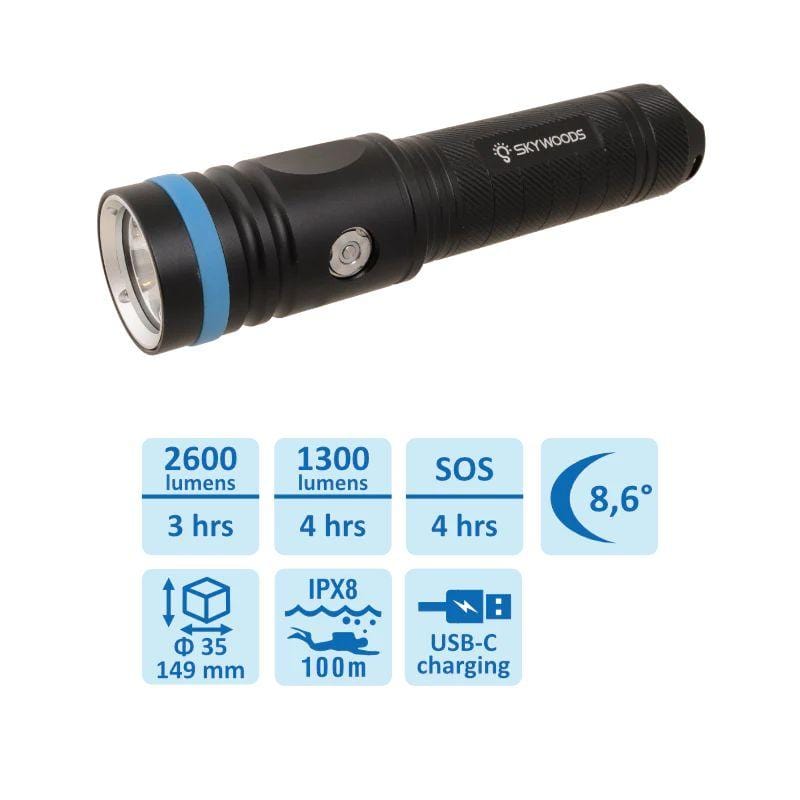

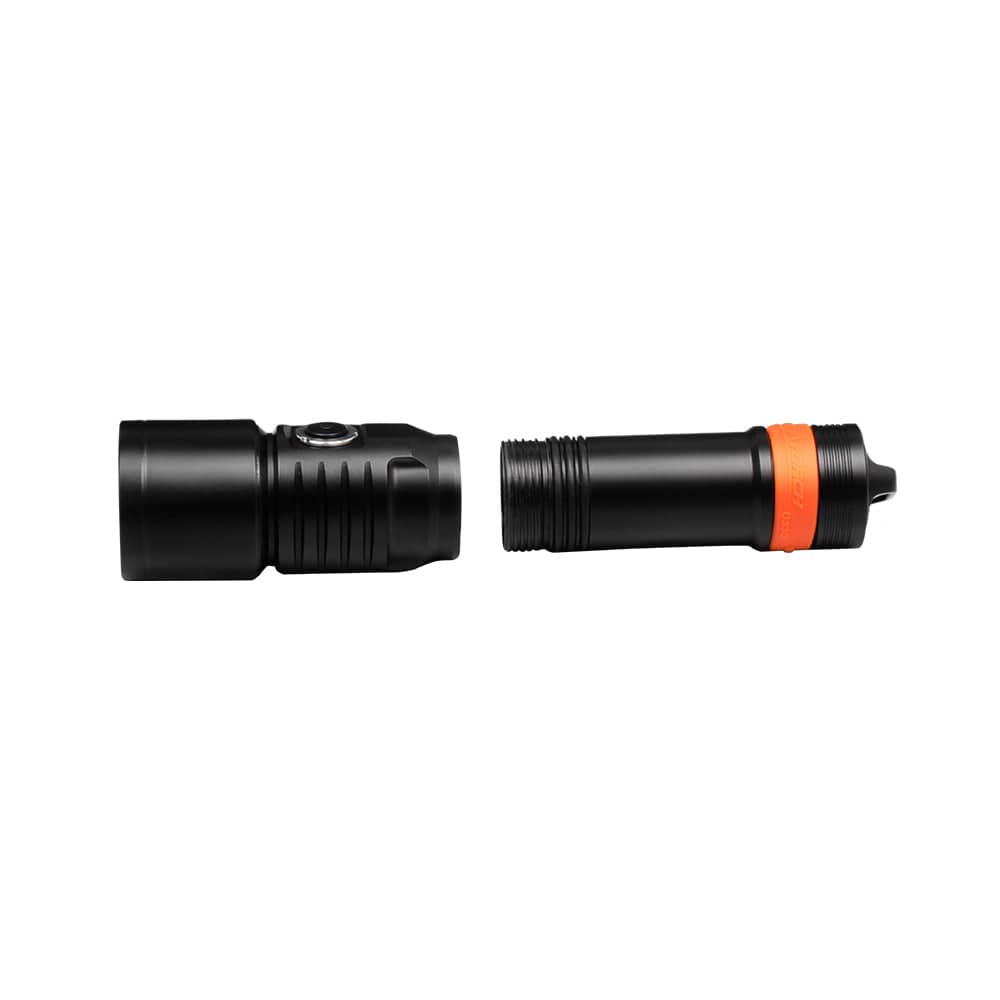
Apeks, Bludive, Divepro, Mares, OrcaTorch, Shark Dive Gear, Skywoods and Tovatec. Divepro and OrcaTorch give us the longest ladder of sizes, from super-mini backups up to umbilical primaries. Apeks covers the Luna family, Shark Dive Gear the modular Artemis system, and Bludive, Mares, Skywoods and Tovatec fill in compact handhelds and spot beams. Stock moves, so the products listed on this page are what we can supply now.
A primary is the torch you dive with: a bigger head, a bigger battery and a beam meant to do real work. The Apeks Luna Primary, the Shark Artemis Primary Light and the Divepro CL-8 umbilicals sit in that group. A backup is the one you never touch until you need it, so it wants to be small, simple and clipped off out of the way. The Apeks Luna Mini and the Divepro D1 Super Mini are the obvious candidates. Divers heading into anything with a ceiling generally carry one primary and two backups.
Twist torches such as the Divepro D1 and the D5-3 turn on when you rotate the head, which means fewer moving parts and nothing to press by accident in a bag. Switch-operated torches such as the Divepro S11 and the S26 are quicker one-handed because you do not have to change your grip to work them. Neither is better. Pick the one you can operate blind, in a thick glove, with cold hands, because that is the only condition that matters.
Only if you are diving overhead environments, or in a kit configuration where a handheld gets in the way. A canister light moves the battery off your hand and onto your harness, leaving a small head you can aim while still holding a reel. Shark Dive Gear build the Artemis this way: the light head, the canister battery and the handheld battery are separate products, so you assemble the combination that suits your rig. Divepro's CL-8 umbilical comes in sidemount, backmount and rotating-cable versions to match how you route the cable. For open-water recreational diving a good handheld is simpler and there is far less of it to look after.
Yes. Water strips colour out of everything long before you reach anything you would call deep, and inside a wreck or under an overhang it is dark whatever the surface is doing. Something compact does the job here: a Divepro S10 or S11, or the Apeks Luna Mini. It brings the reds and oranges back on a wall or a reef, it gives you a way to get your buddy's attention, and it is the thing you will be glad of if the viz shuts down on you.
Your cart is empty