Fourth Element

Fourth Element make thermal kit for people who dive in cold, unglamorous water as well as warm. Oyster Diving is an authorised dealer, and this is the full range: Xenos and Proteus II wetsuits, made-to-measure Argonaut drysuits, Halo A°R and Arctic undersuits, Xerotherm and J2 baselayers, neoprene-free Thermocline, plus masks, fins, boots, hoods, gloves and bags. Whether you dive a Cornish gully or a Red Sea reef, the layering starts here.

  • Expert diving advice
  • UK delivery
  • Multi-award-winning PADI dive centre
  • Secure checkout
101 products
  • Save 30%
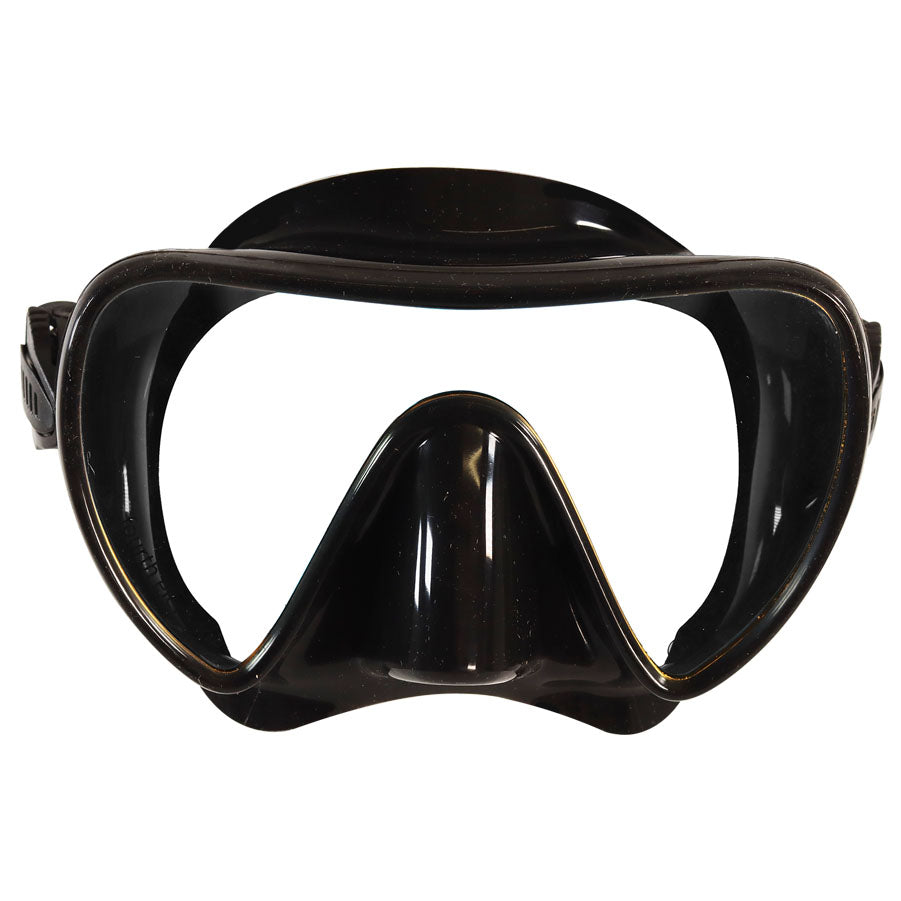
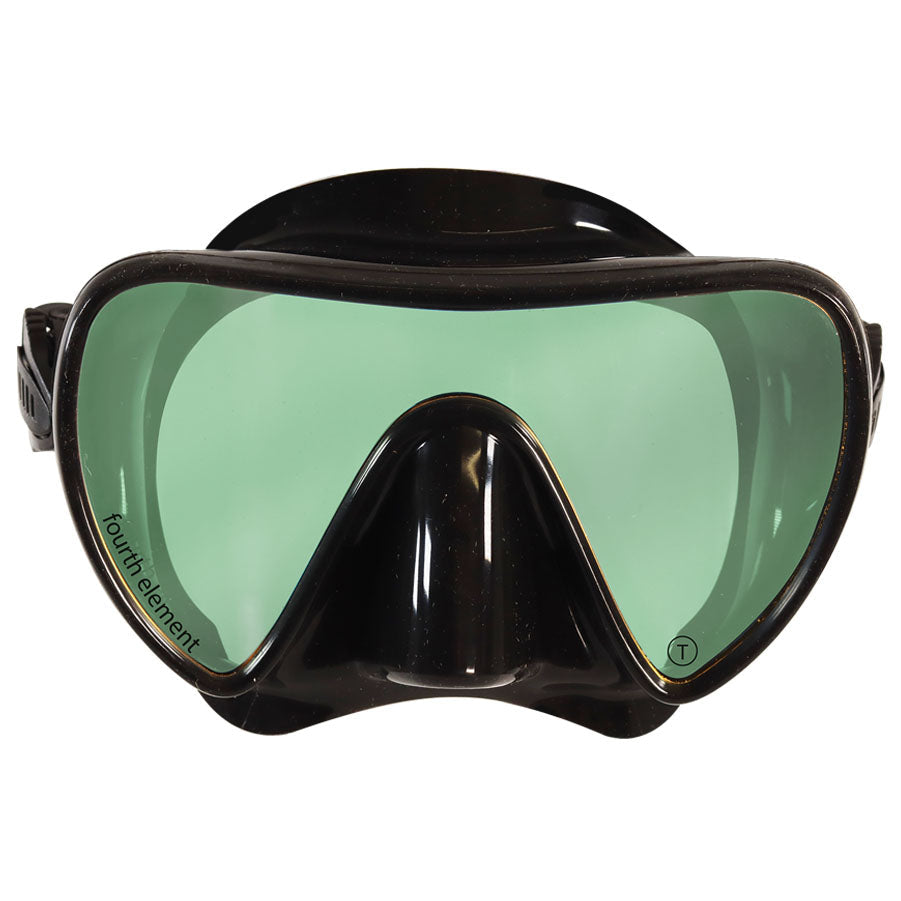
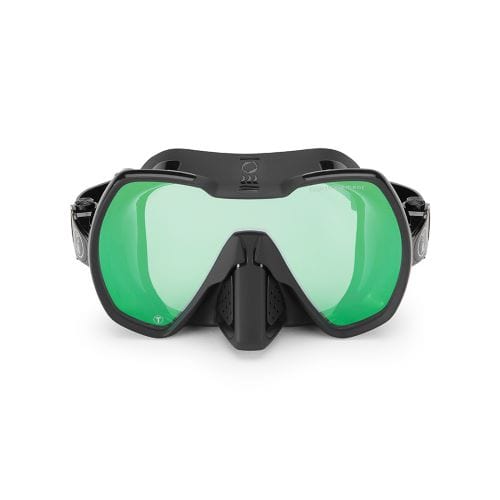
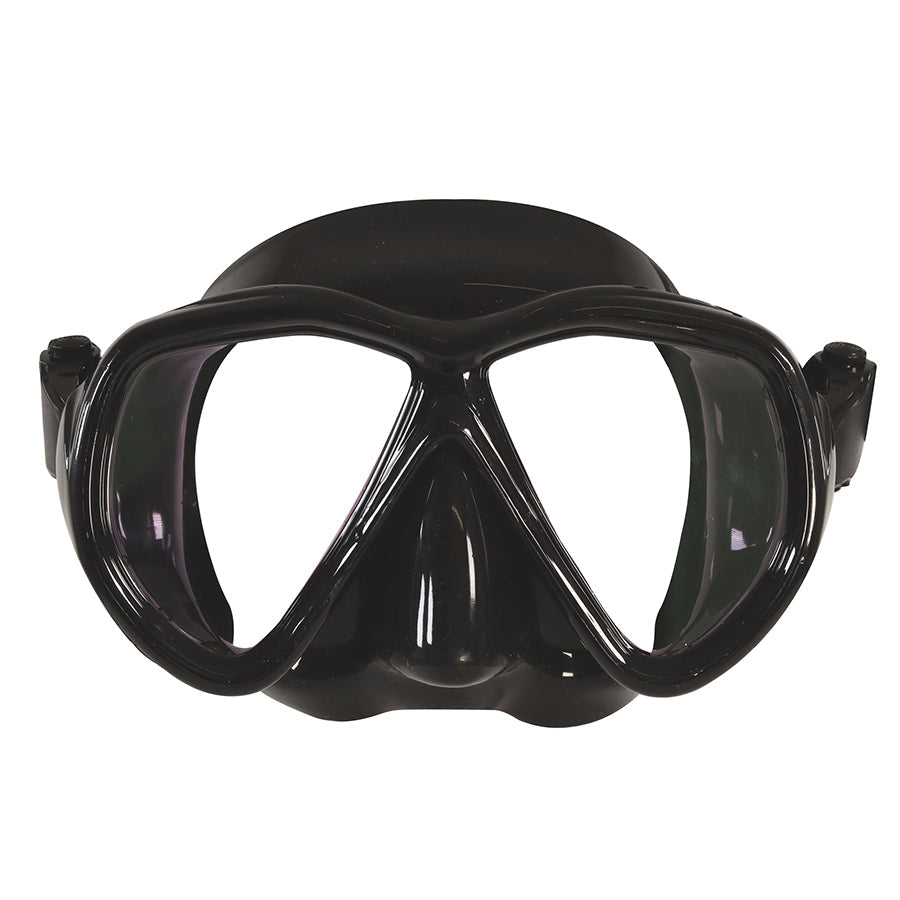
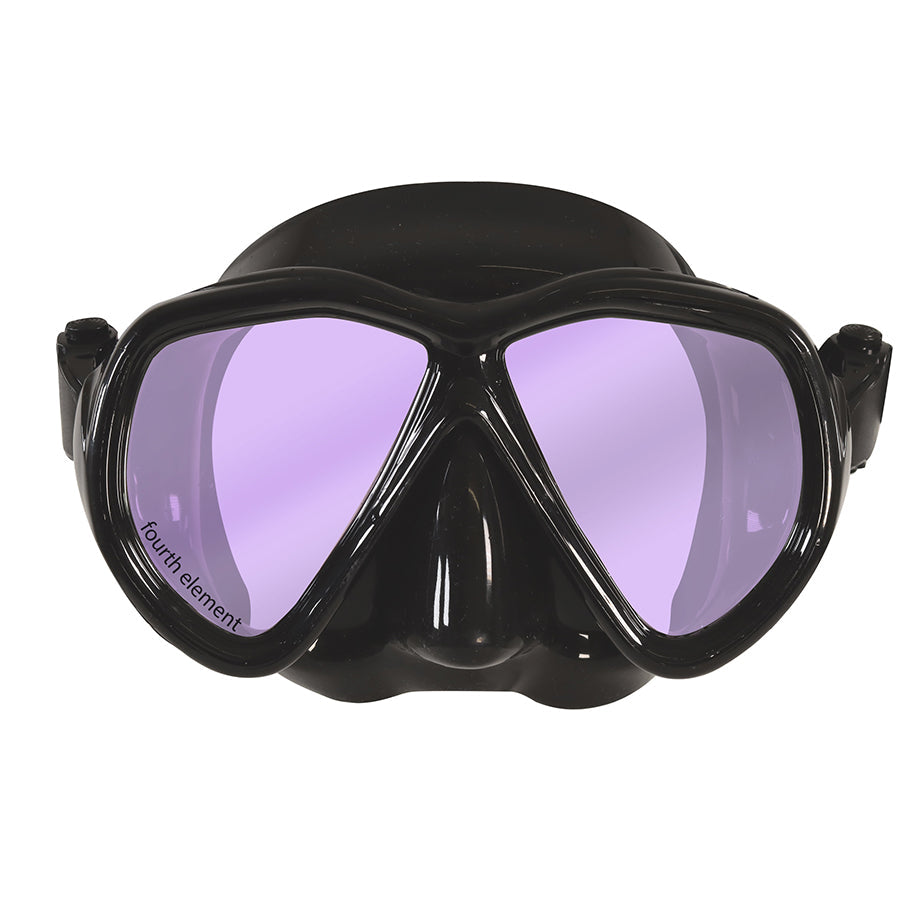
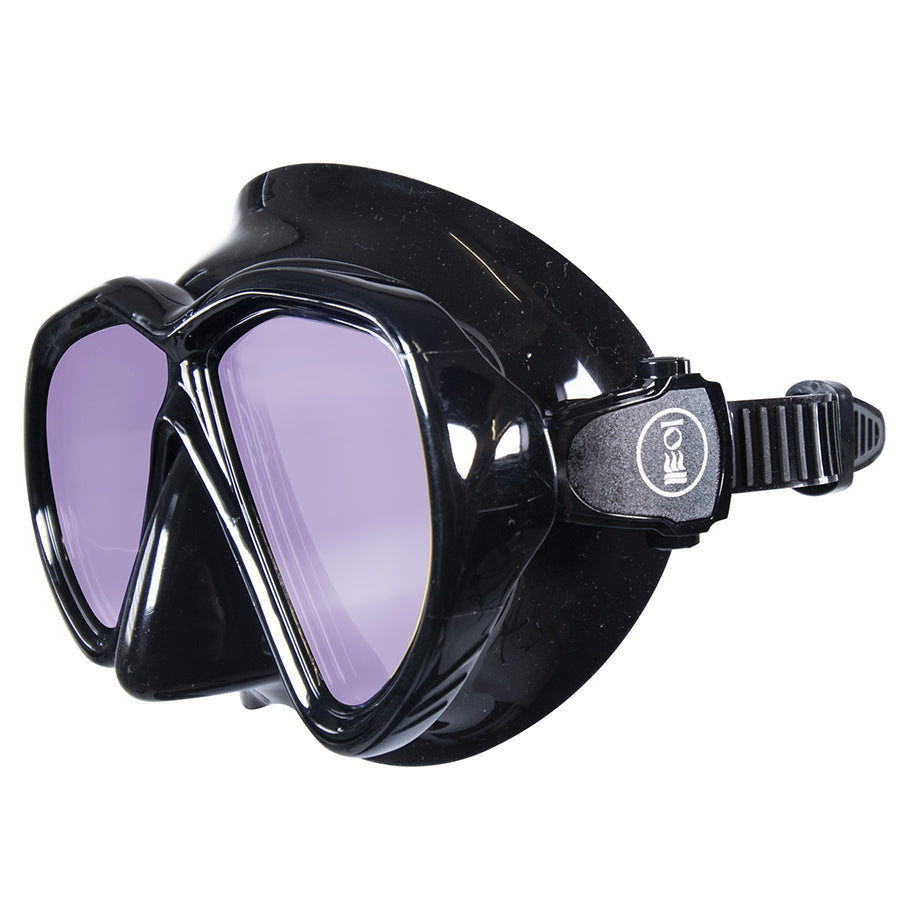
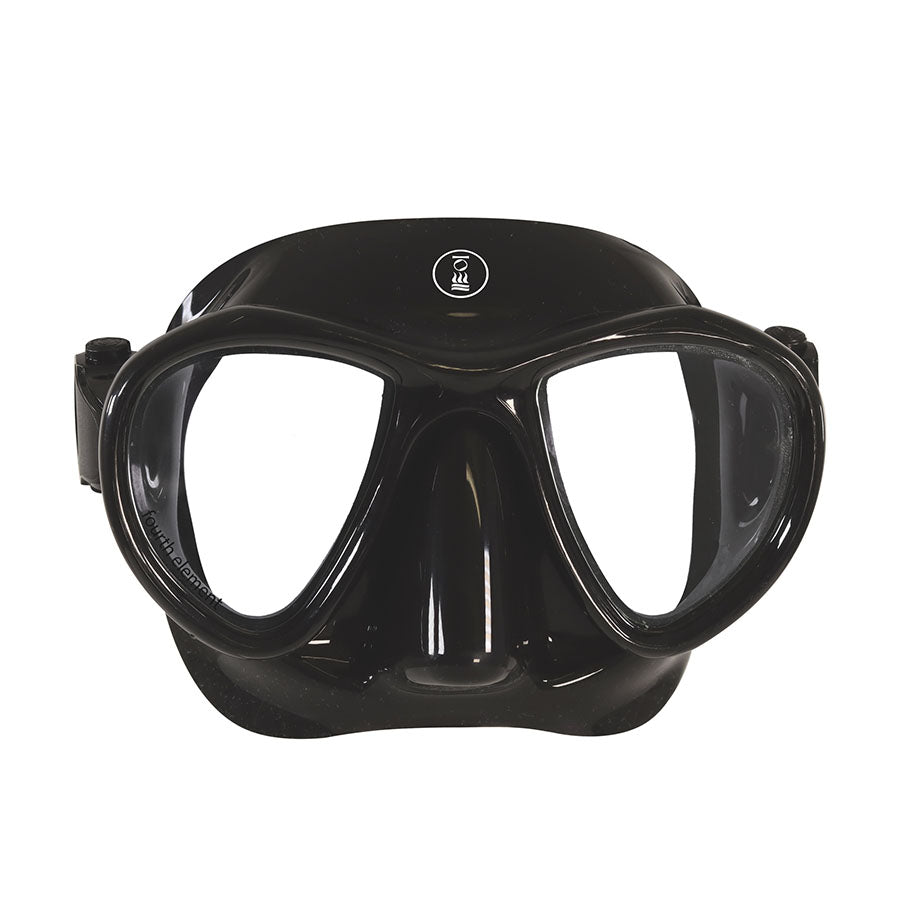
    Fourth Element Scout Mask - Clarity, Black Fourth Element Scout Mask - Contrast, Black
  • Save 4%
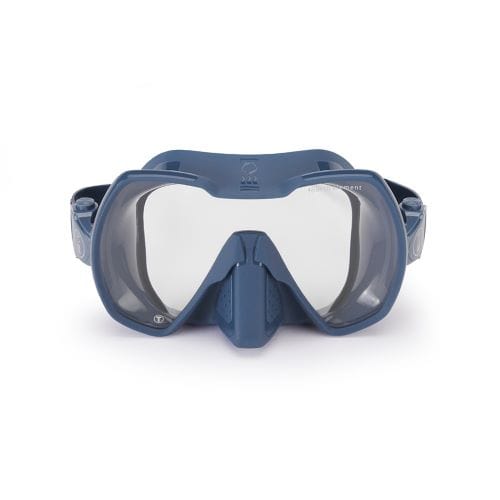
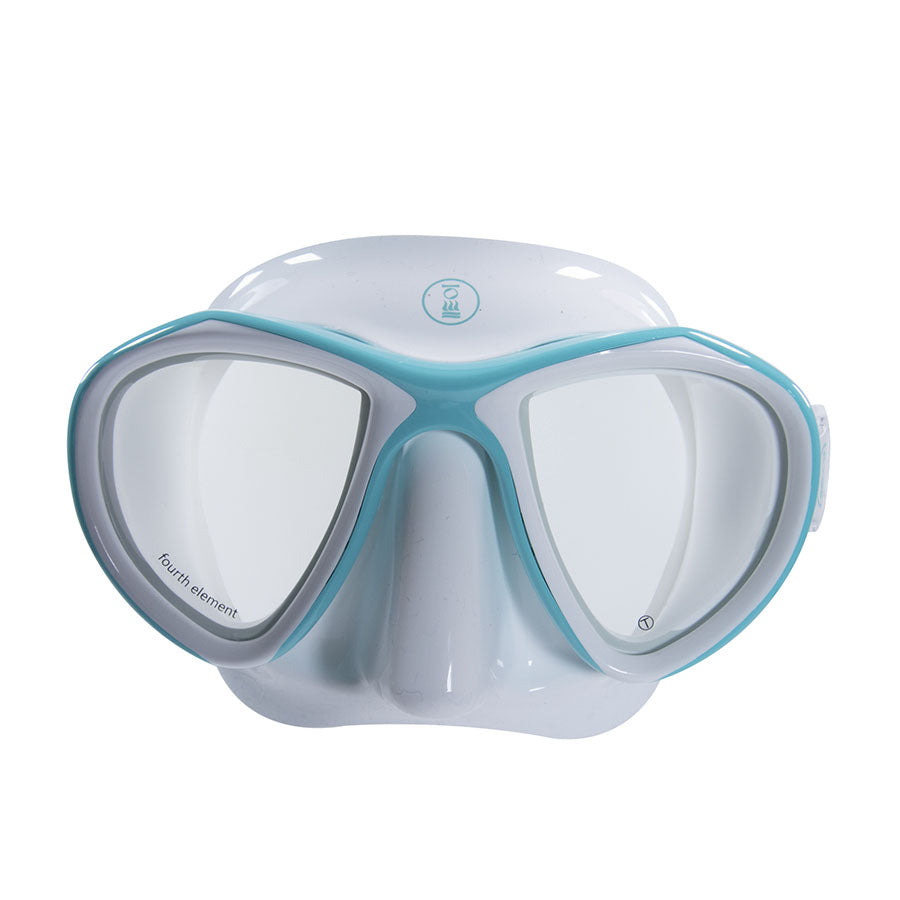
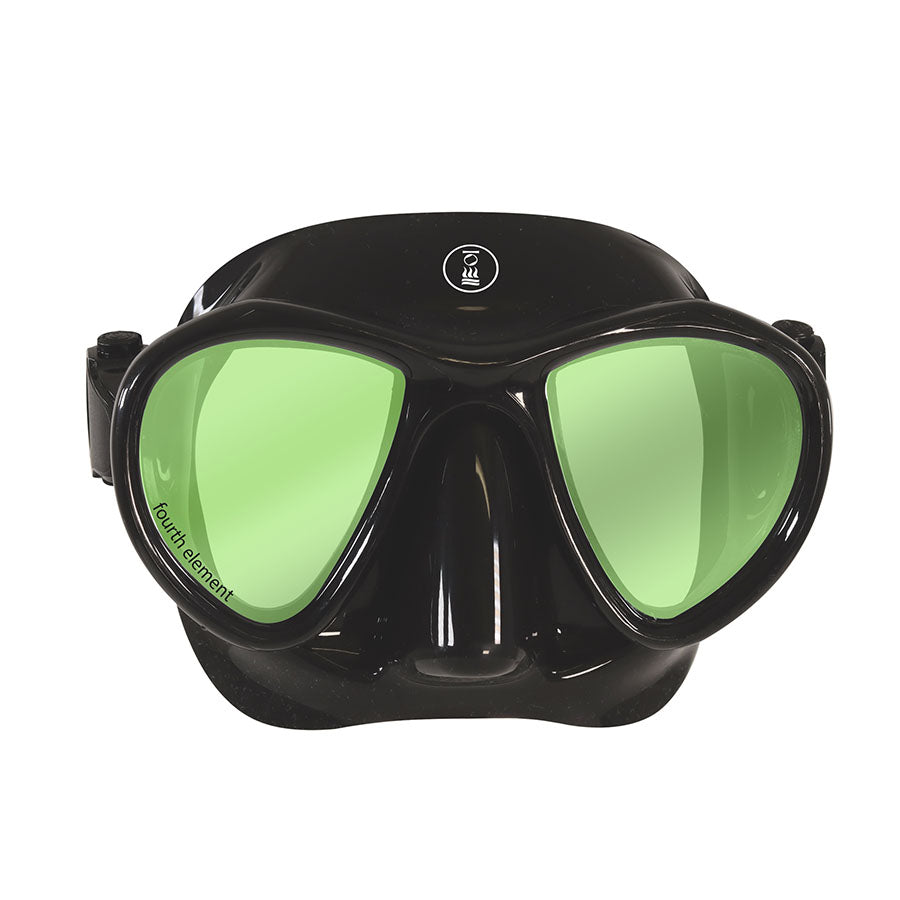
    Fourth Element Seeker Mask - Deep Teal, Clarity Fourth Element Seeker Mask - Black, Contrast
  • Save 30%
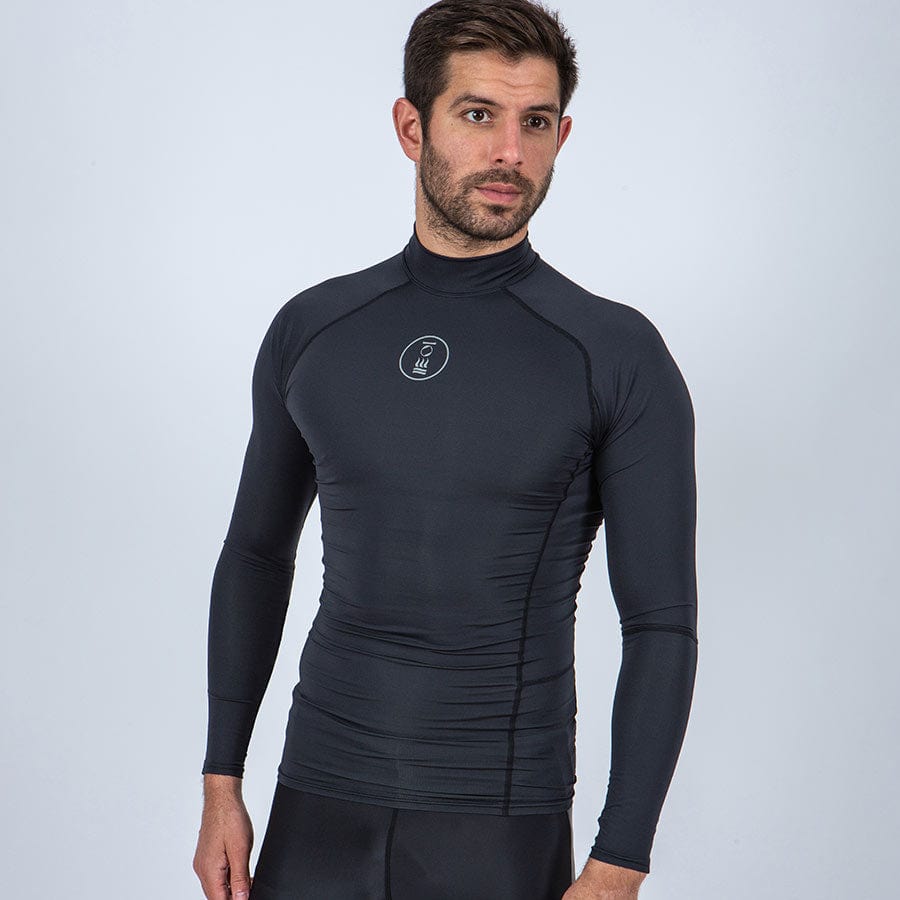
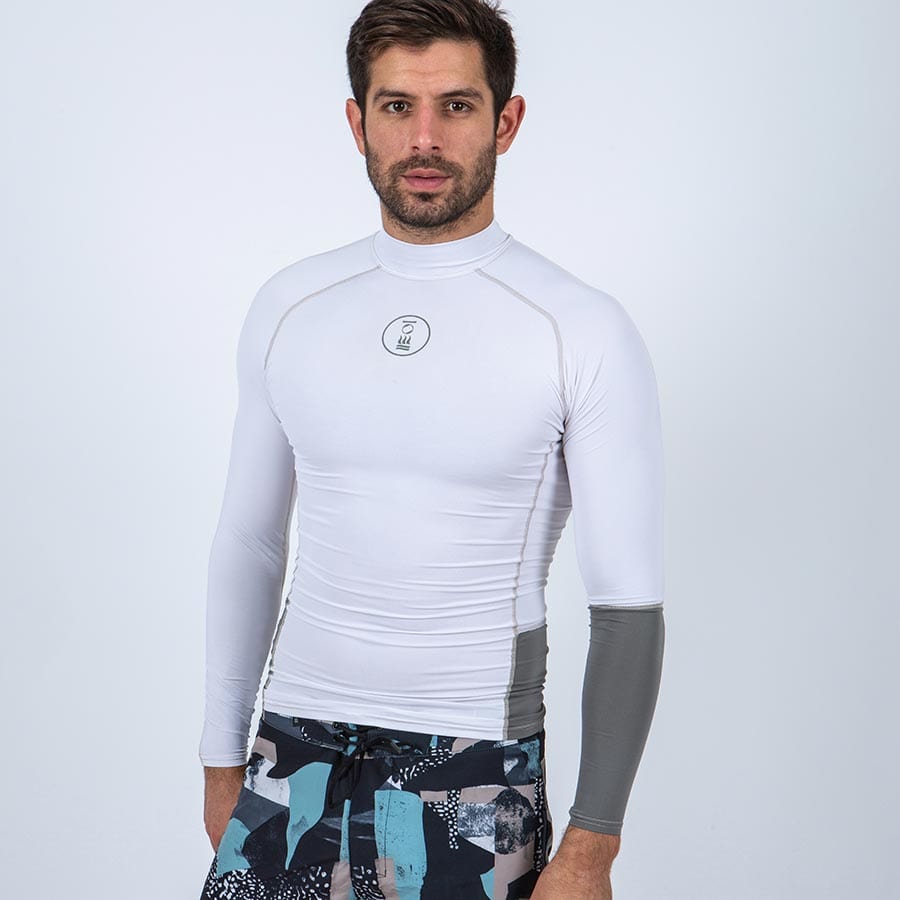
    Fourth Element Men's Long Sleeve Hydro-T - Insignia Blue Fourth Element Men's Long Sleeve Hydro-T - White
  • Save 20%
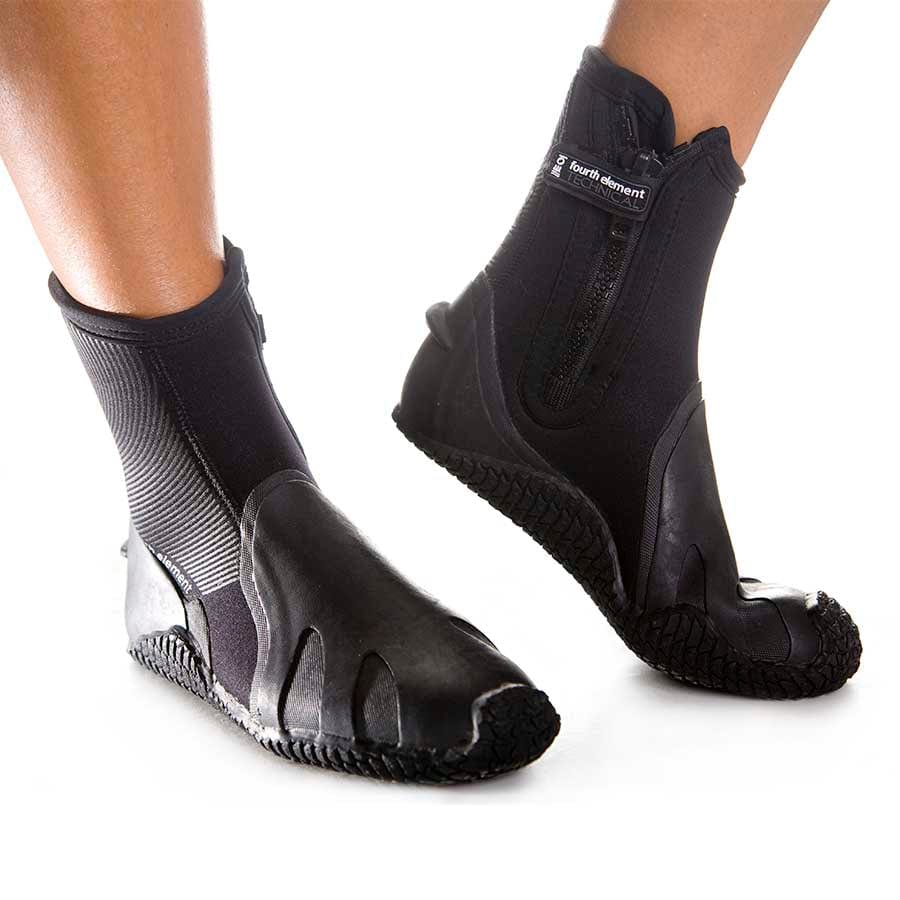
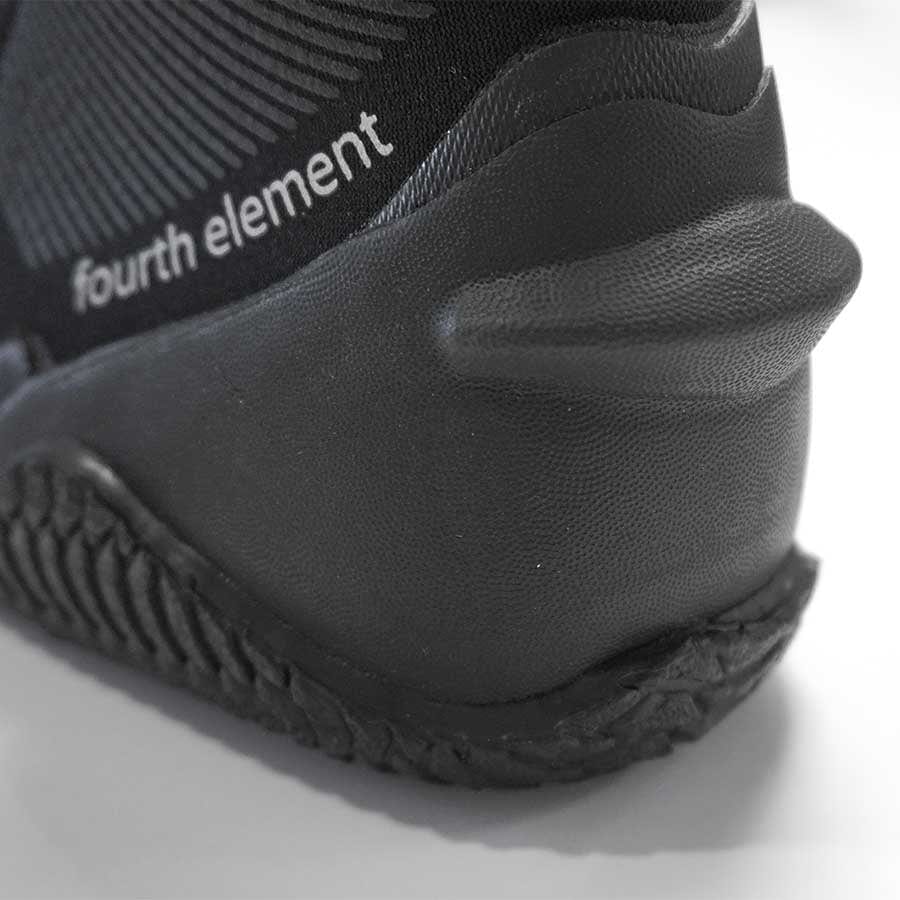
    Fourth Element Pelagic Boots Fourth Element Pelagic Boots - view 2
  • Buying guide

    How to put a Fourth Element kit list together

    Start with where you dive. For warm water and travel, the neoprene-free Thermocline separates and a Xenos 3mm cover most trips, with a Hydro-T or Hydroskin underneath for sun and stings. For UK and cooler seas, step up to Xenos 5mm or 7mm, Xenos Arc, or Proteus II, and add a Neoprene Hood, gloves and boots — Pelagic, Amphibian or Rock Hopper depending on how much walking you do to get in. If you have moved to a drysuit, the layering matters more than the suit. J2 next to the skin, Xerotherm or Arctic over it, or Halo A°R when you want maximum warmth for minimum bulk. The Argonaut Stealth 3.0, Stealth Hybrid 3.0 and Flex 3.0 are made to measure, so that is a conversation rather than a click. For the surface and everything around the dive: Scout, Seeker, Navigator and Aquanaut masks, Splash, Dry and Float snorkels, Tech Fins and REC Fins, and the Storm Poncho, Tidal Robe and Expedition Duffel for the bit nobody photographs. Sizing questions are the ones worth asking before you order, not after.
  • Save 40%
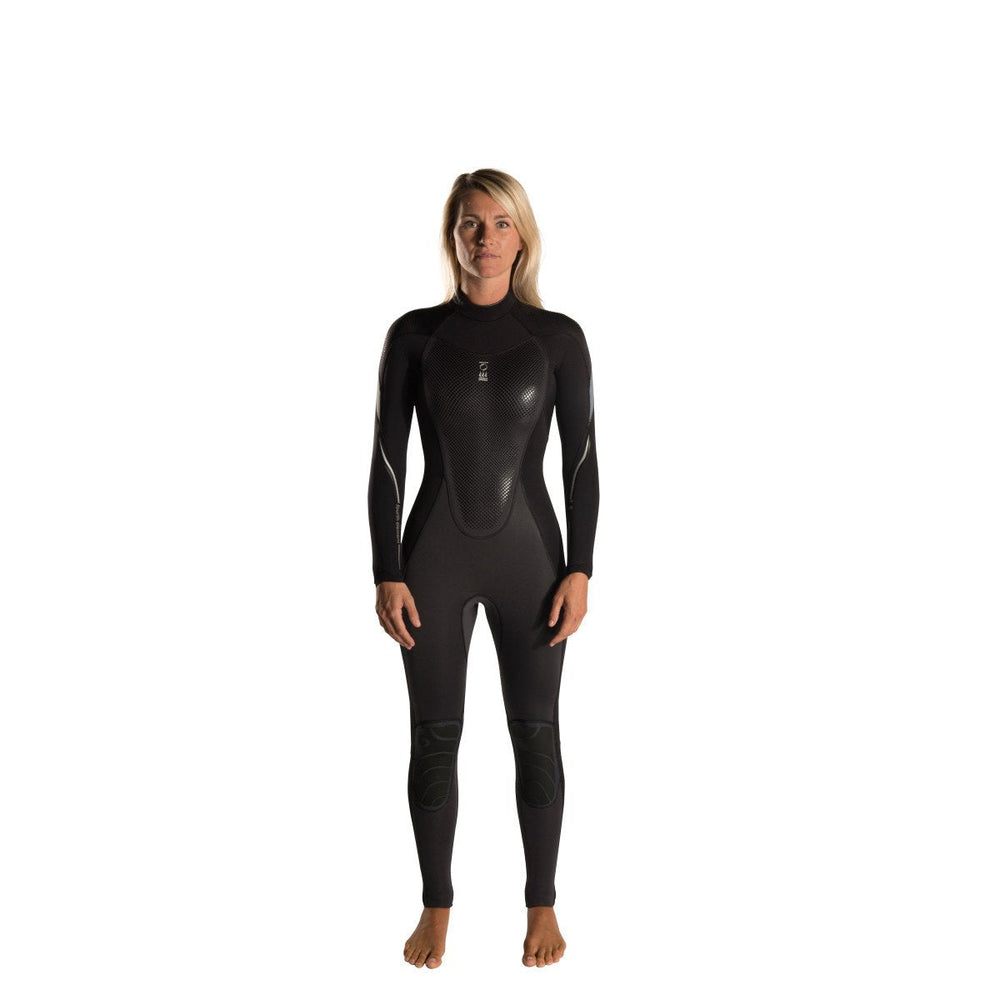
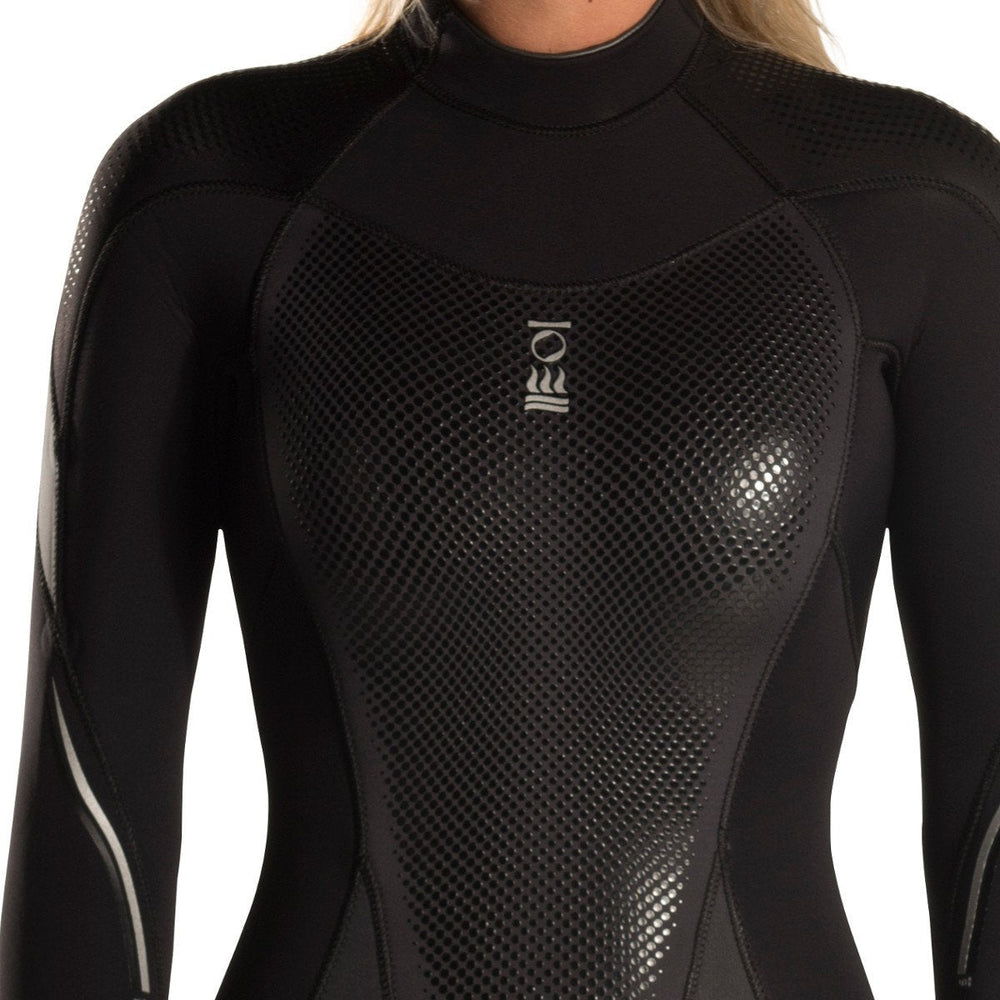
    Fourth Element Xenos 5mm Wetsuit Womens Fourth Element Xenos 5mm Wetsuit Womens - view 2
  • Sold out
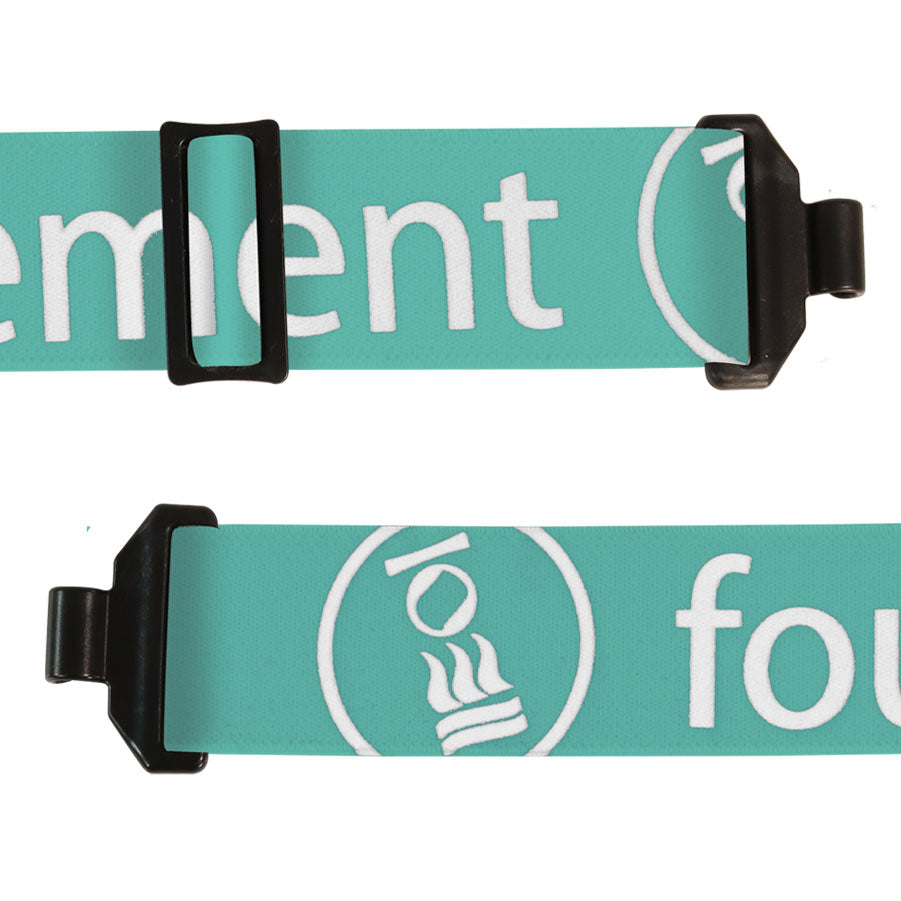
    Fourth Element Mask Strap - Grey/Black Fourth Element Mask Strap - Aqua/White
  • Save 40%
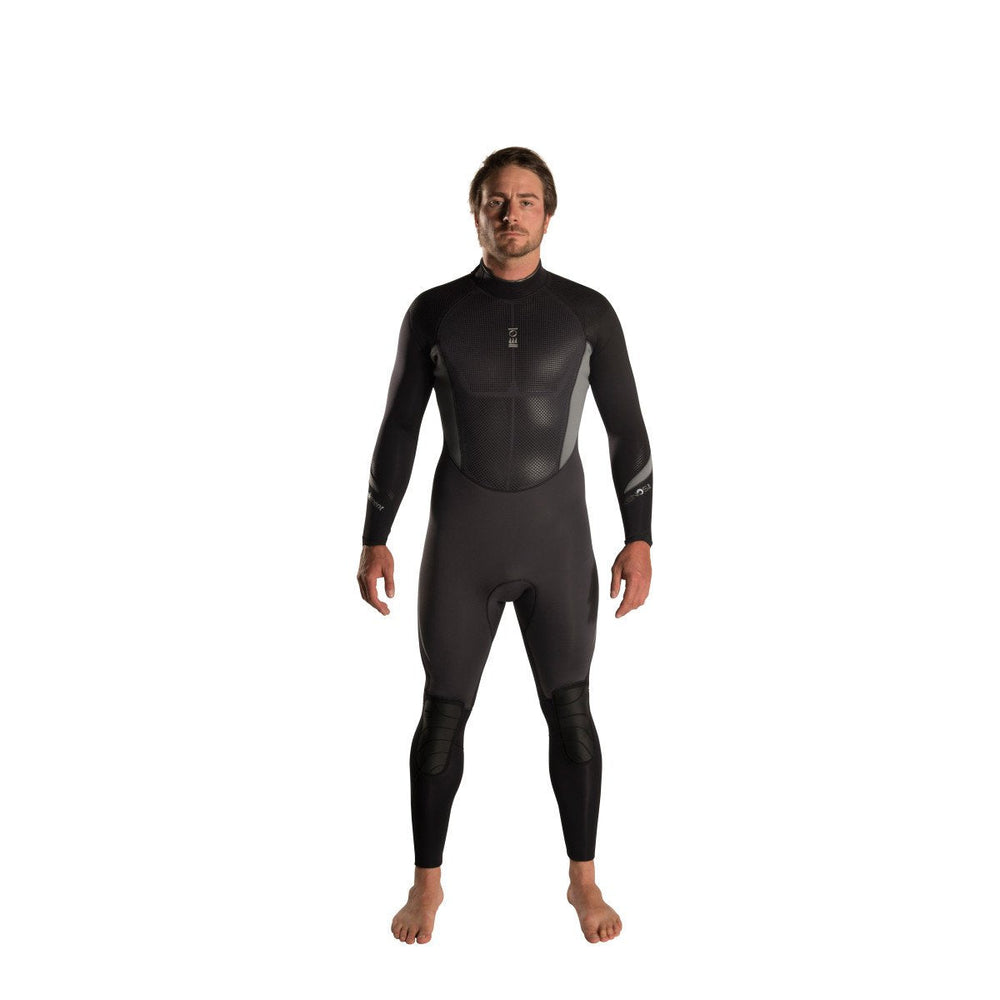
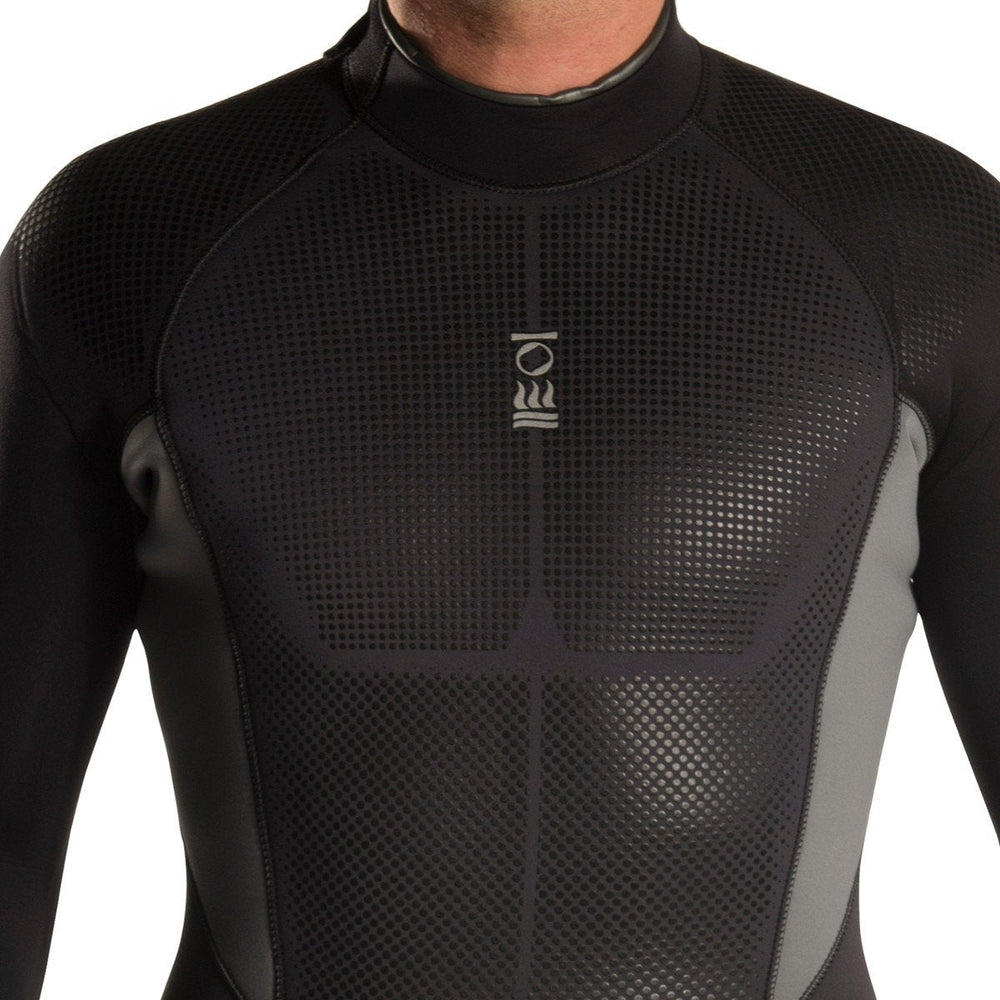
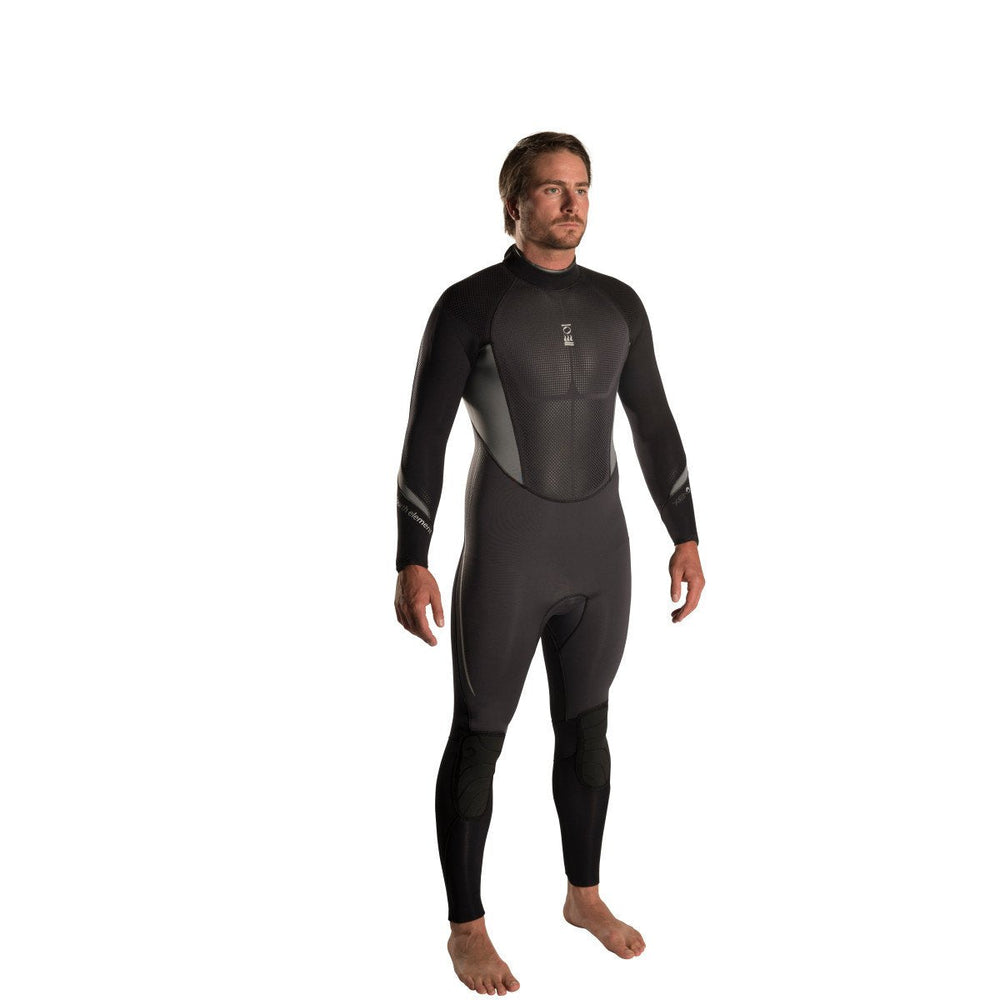
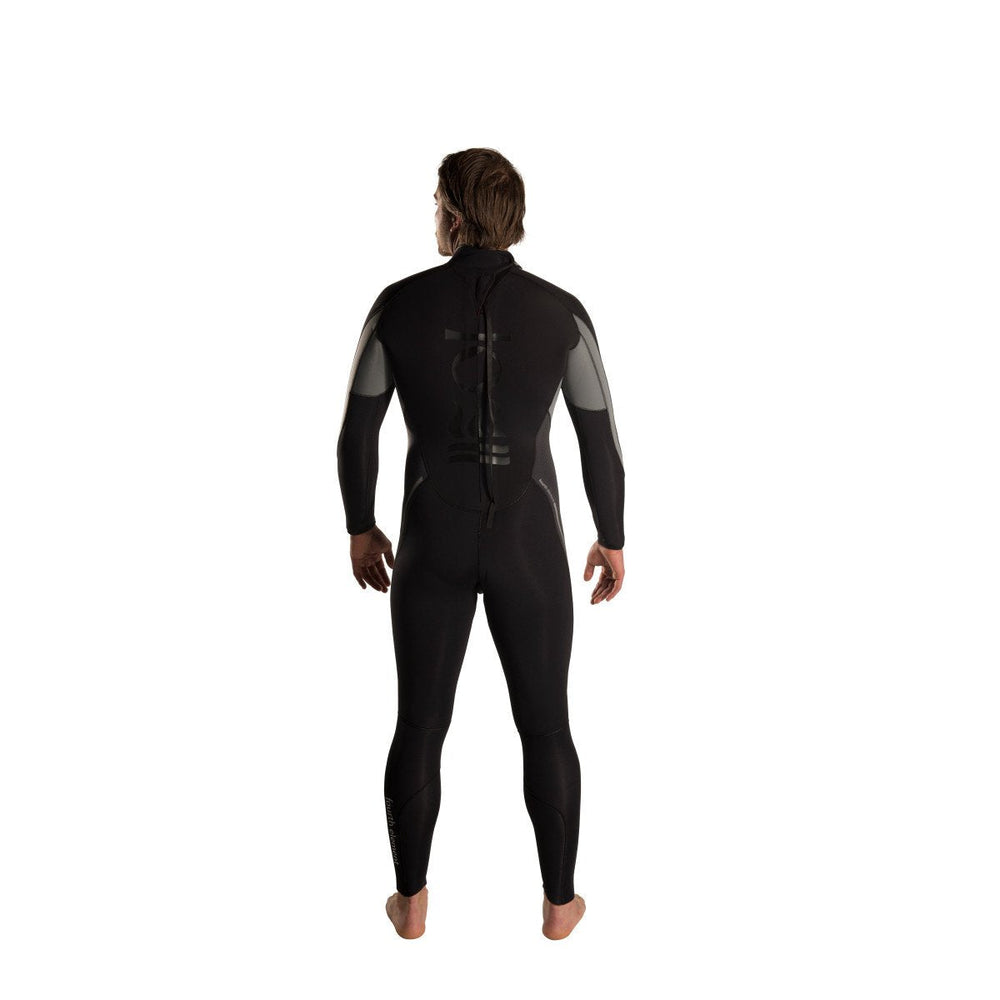
    Fourth Element Xenos 3mm Wetsuit Men - Black Grey Fourth Element Xenos 3mm Wetsuit Men
  • Save 43%
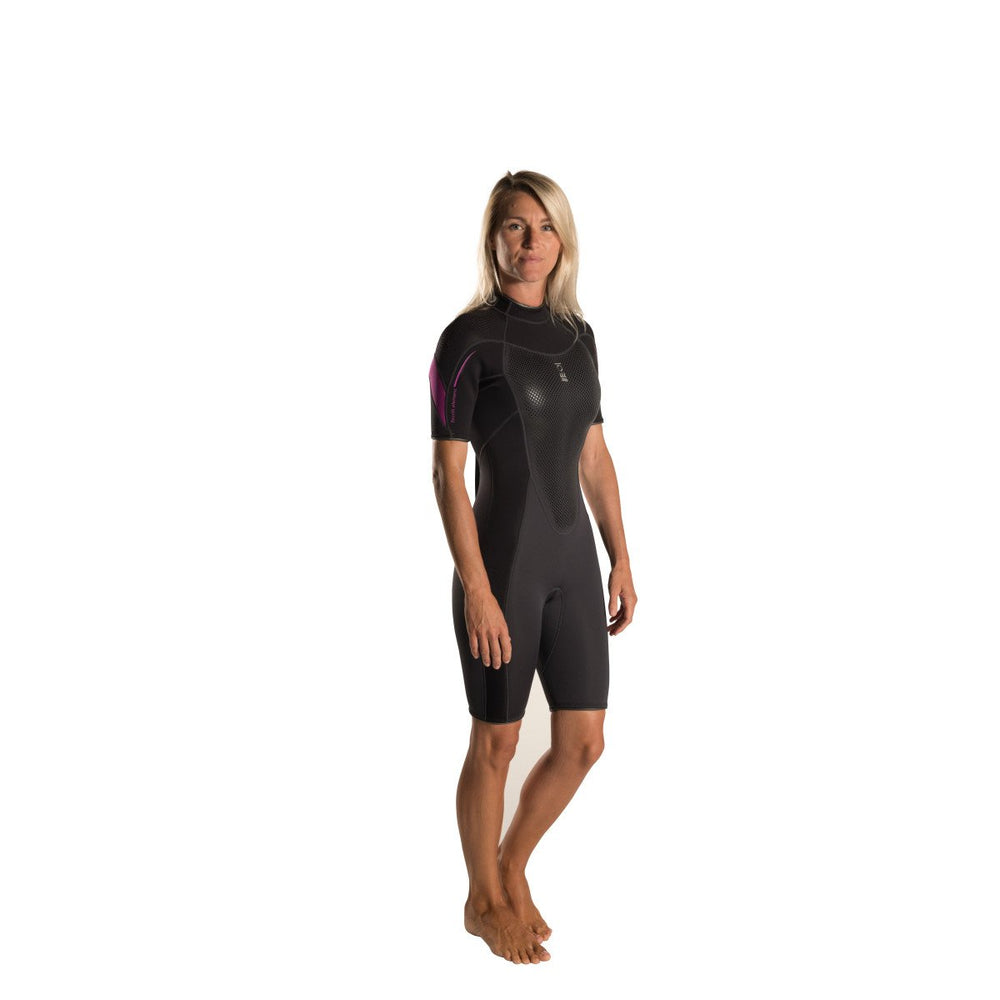
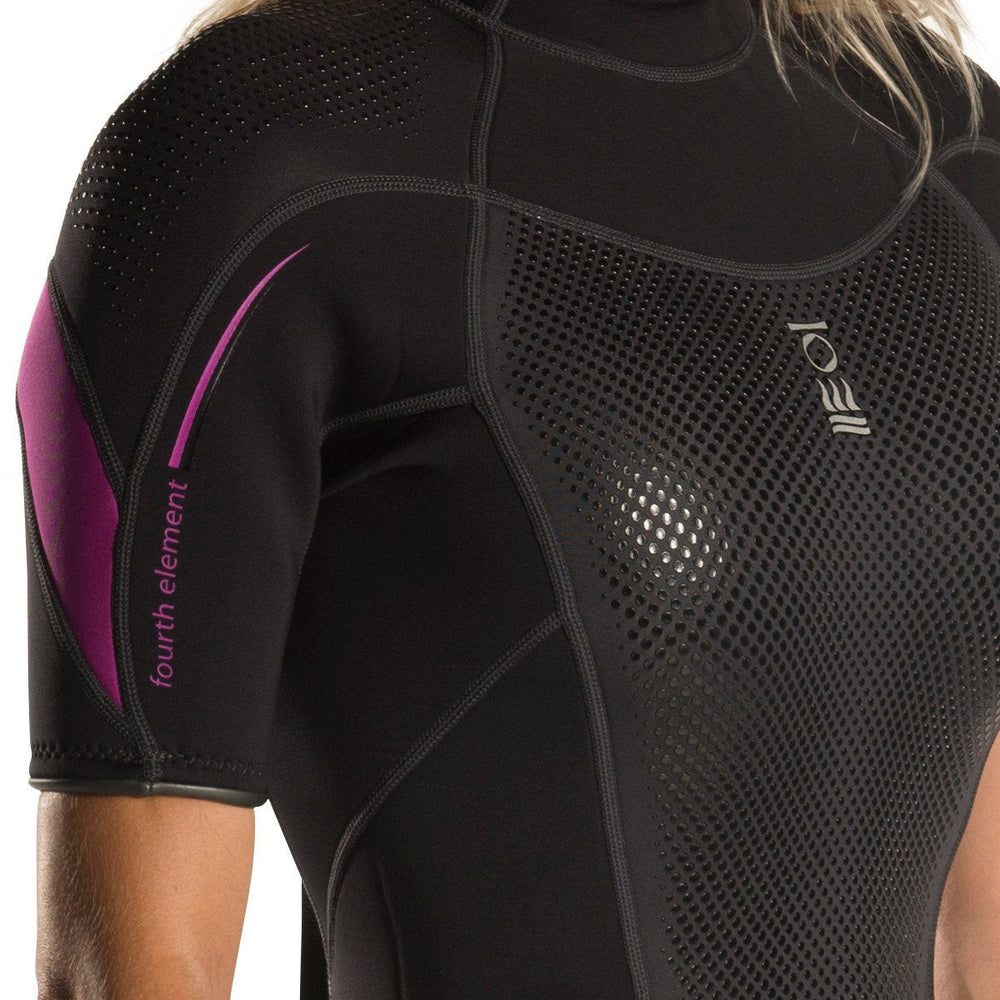
    Fourth Element Xenos 3mm Shortie Wetsuit Women Fourth Element Xenos 3mm Shortie Wetsuit Women - view 2
  • Save 43%
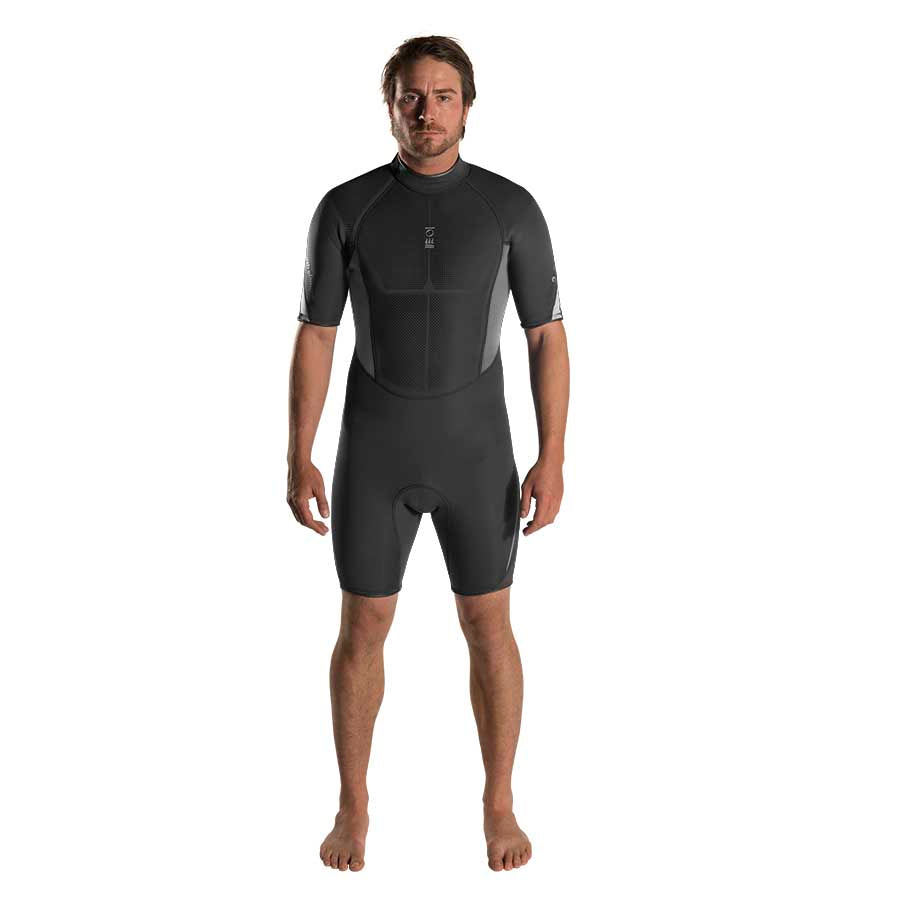
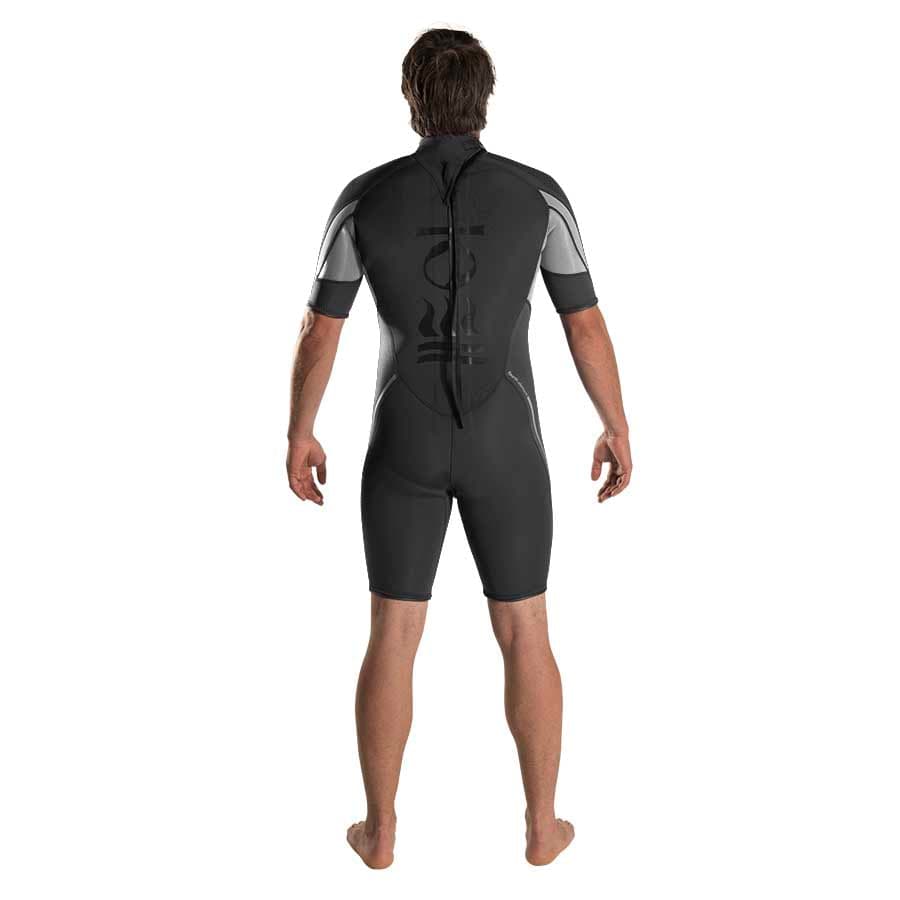
    Fourth Element Xenos 3mm Shortie Wetsuit Mens - Black Grey Fourth Element Xenos 3mm Shortie Wetsuit Mens
  • Save 40%
    Fourth Element Xenos 5mm Wetsuit Mens Fourth Element Xenos 5mm Wetsuit Mens - view 2
  • Save 30%
    Fourth Element Aquanaut Masks - White, Clarity Fourth Element Aquanaut Masks - Black, Contrast
  • Save 40%
    Fourth Element Xenos 7mm Men's Wetsuit Fourth Element Xenos 7mm Men's Wetsuit - view 2
  • Sold out
    Fourth Element Men's Hydro Stinger Suit Fourth Element Men's Hydro Stinger Suit - view 2
  • Sold out
    Fourth Element Xenos 7mm Women's Wetsuit Fourth Element Xenos 7mm Women's Wetsuit - view 2
  • Sold out
    Fourth Element Women's Fin Hydrosuit - Blue Fourth Element Women's Fin Hydrosuit
Read the full buying guide

Staying warm: where Fourth Element earn their reputation

Most of what Fourth Element make comes back to one problem — keeping a diver warm without turning them into a stiff, over-padded parcel. That runs from a thin baselayer worn next to the skin all the way to a made-to-measure drysuit. It is why this collection is dominated by suits and layers rather than hardware, and why the sizing questions matter more here than almost anywhere else in the shop.

Neoprene wetsuits

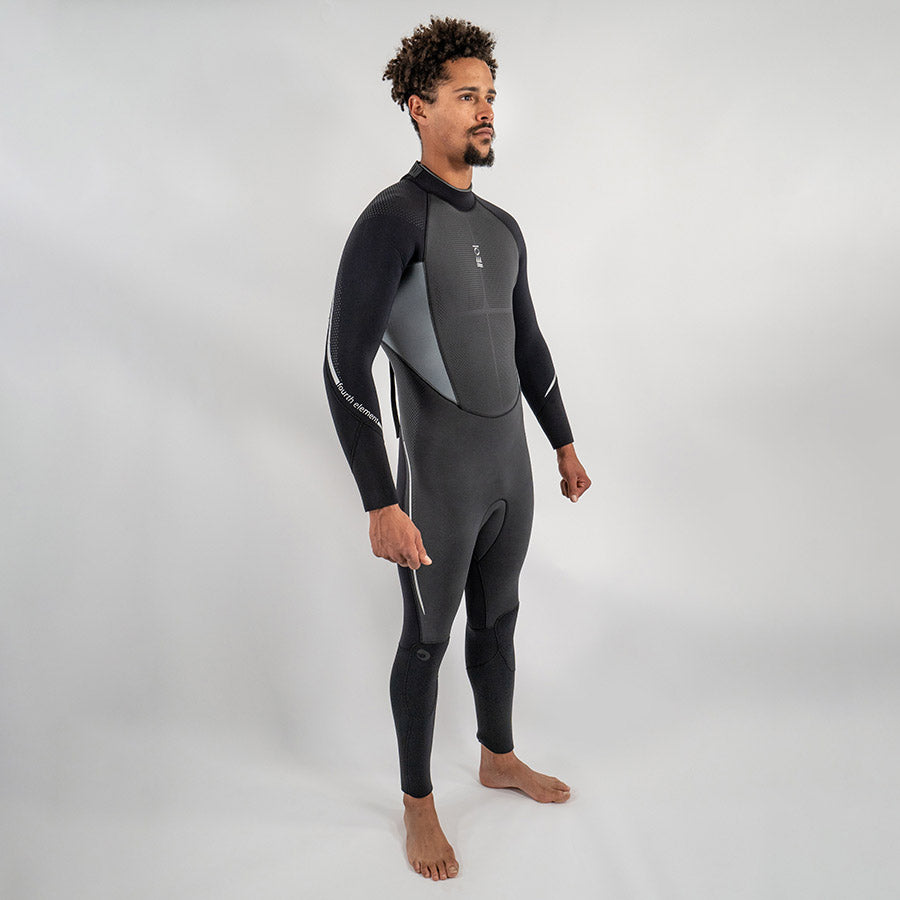
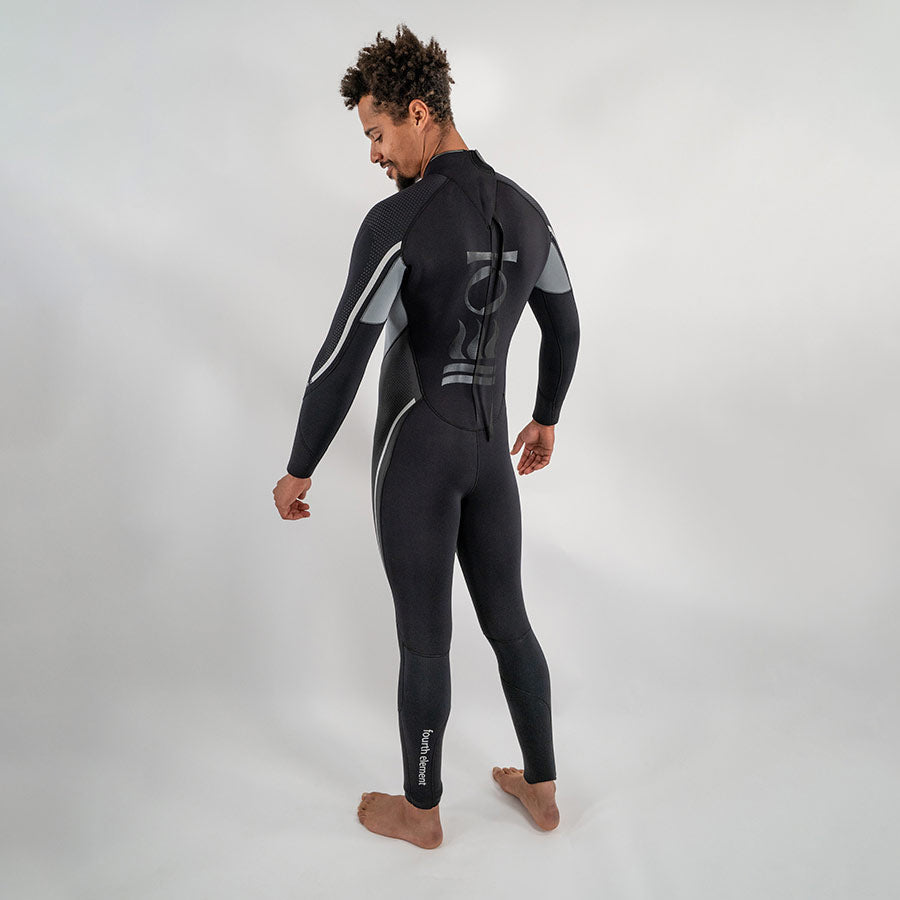
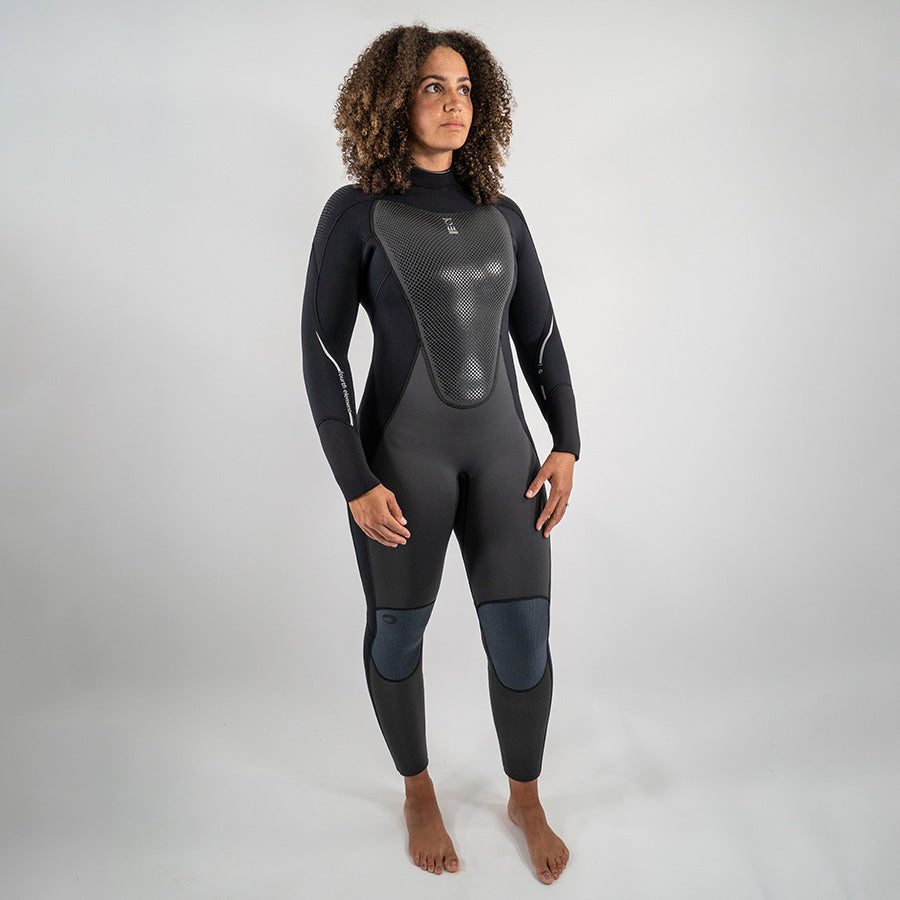
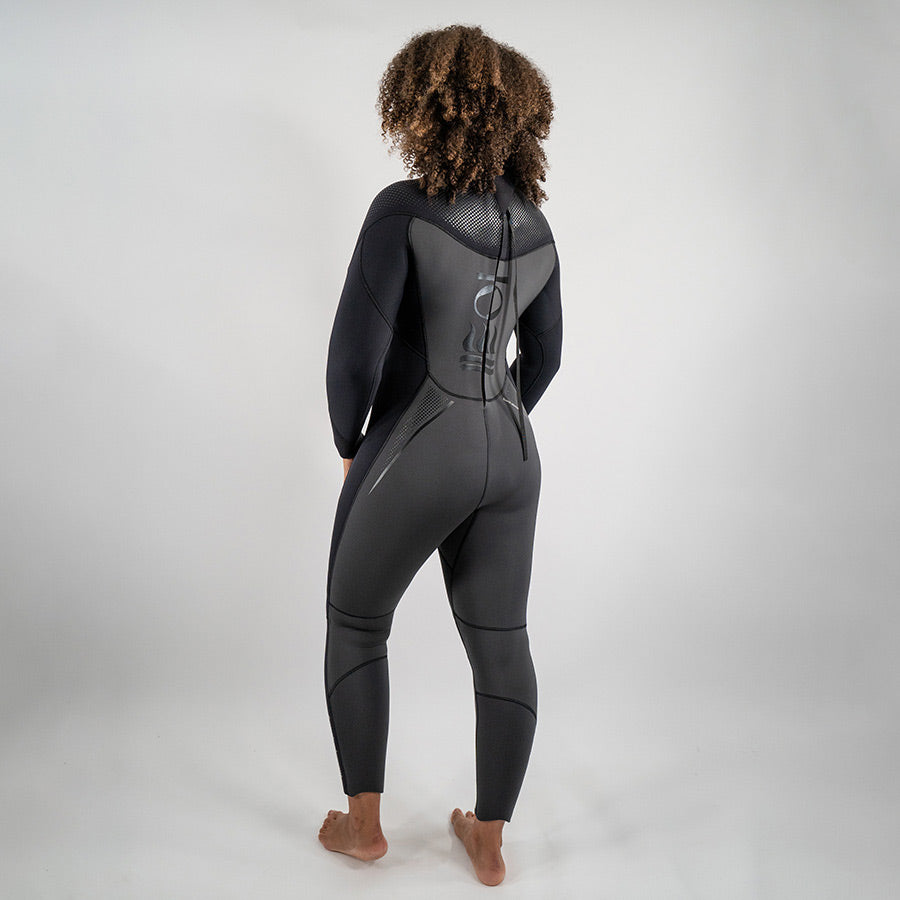
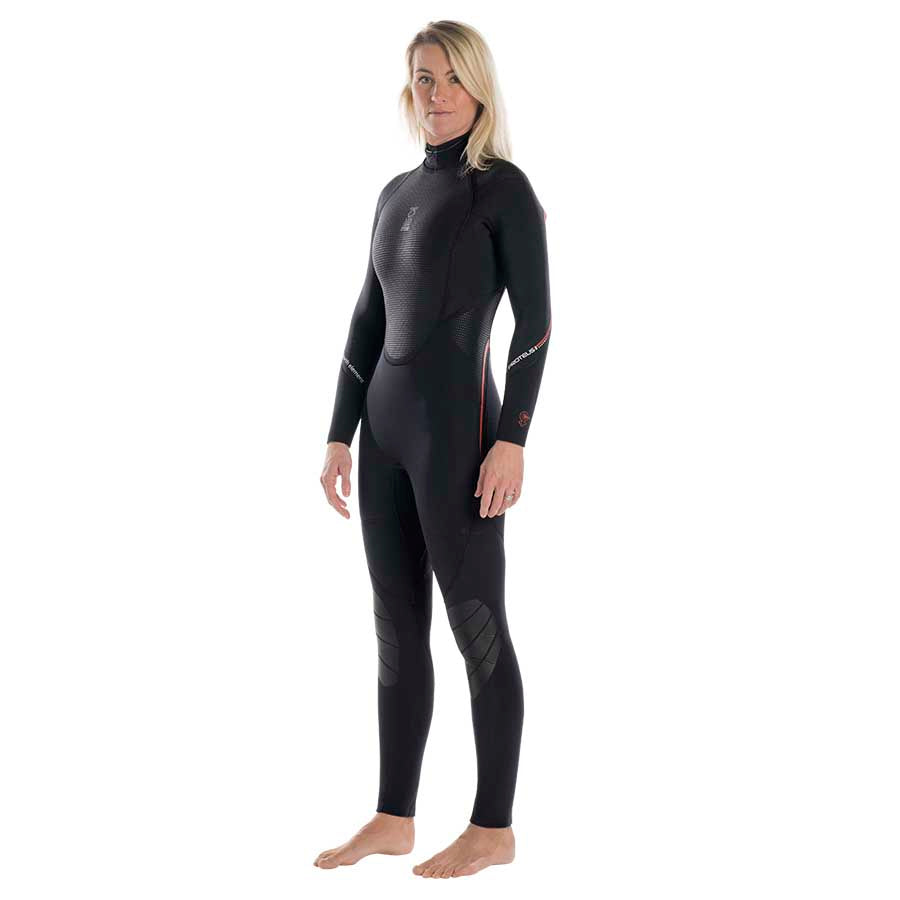
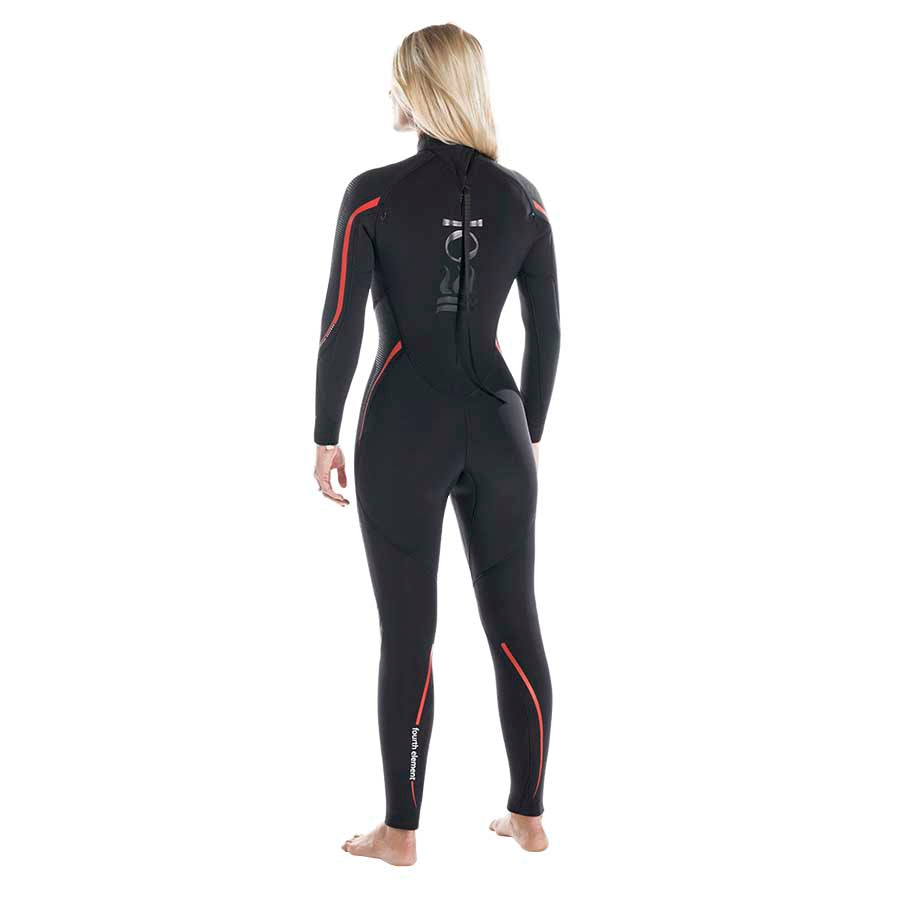
Xenos is the mainstay, in 3mm, 5mm and 7mm full suits plus shorties for men and women, with Xenos Arc as the warmer-lined sibling. Proteus II sits above it in 3mm and 5mm for divers who want a closer, more technical cut. Alongside those, the Surface Suit 4/3mm and the RF1 3/2mm one-piece are aimed at the surface and at freediving rather than at kit-heavy scuba, and the RF2 hooded jackets, RF2 leggings and RF vests let you build warmth up in pieces instead of buying a thicker suit.

Thermocline, without the neoprene

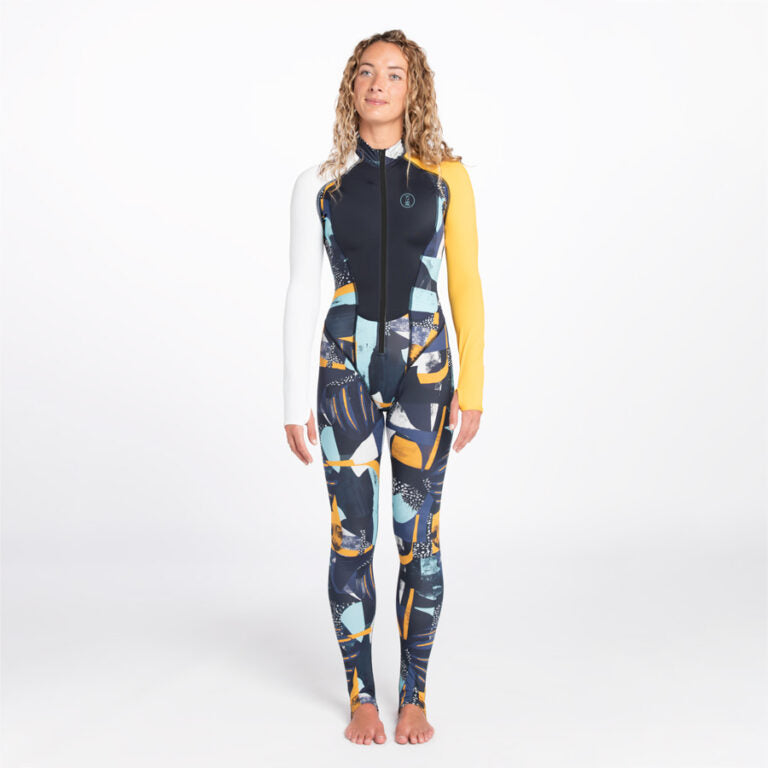
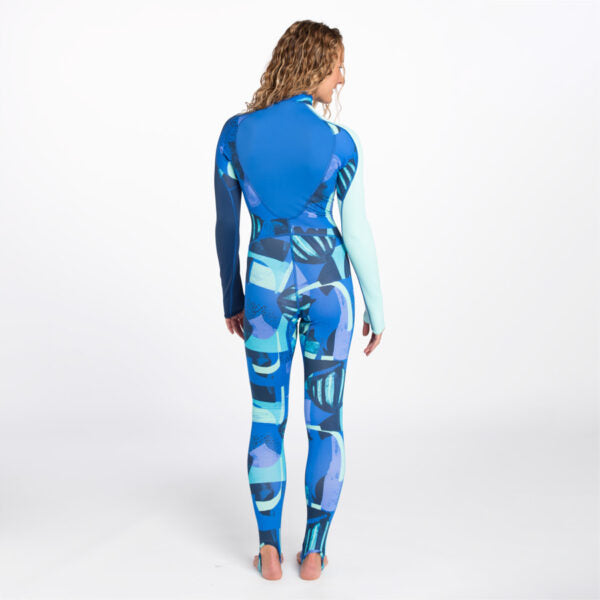
Thermocline is the neoprene-free alternative, made from technical fabric rather than foam rubber. Fourth Element rate it as the equivalent of 2mm neoprene. It is breathable, neutrally buoyant, machine washable and packs down small, which is why it travels well and why it suits divers who react to neoprene. We stock it as a full one-piece and as separates — jackets, long-sleeve tops, vests, leggings, a hood and a fin sock — so it works as a layer under a wetsuit just as happily as it works alone in warm water.
Drysuits and what goes underneath

A drysuit only keeps you warm because of what you wear inside it. Fourth Element build both halves of that, and getting the combination right is the difference between a comfortable second dive and a shivering surface interval.

The Argonaut 3.0 range

Argonaut Stealth 3.0, Argonaut Stealth Hybrid 3.0 and Argonaut Flex 3.0 are all trilaminate, and all made to your measurements using Fourth Element's BIOMAP 3D body-mapping. Seams are flat-stitched, double-taped and heat-sealed. The diagonal YKK Aquaseal zip runs cross-chest so you can reach it yourself, the legs use the AFT articulated cut for horizontal trim, and Duratex panels reinforce the shoulders, elbows, knees and seat. Technical thigh pockets come as standard, as do an Argo dry bag, changing mat, hose and hood. Seals, valves and boots are your choice, which is exactly why a made-to-measure suit is worth a conversation before you order.
Undersuits and baselayers

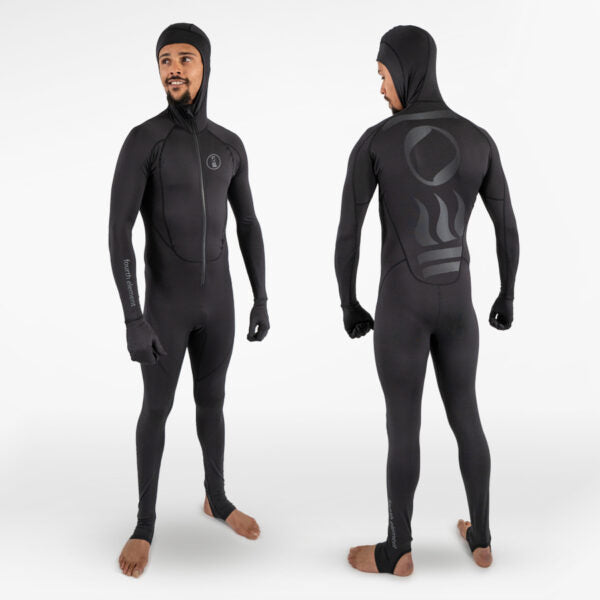
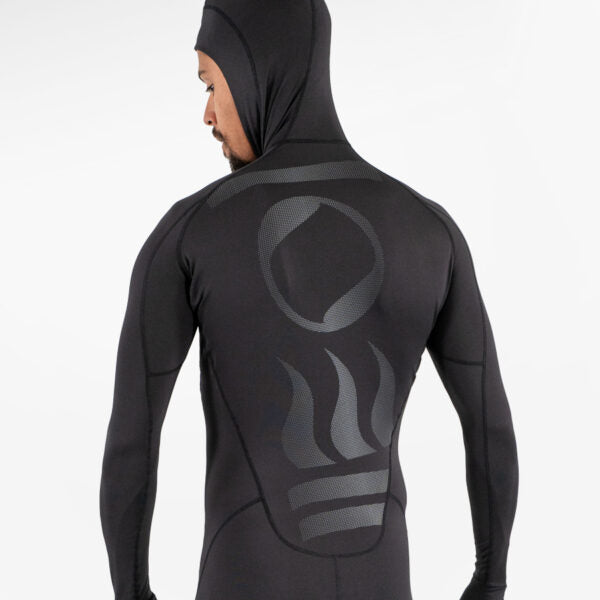
J2 goes next to the skin — long and short sleeve tops, leggings, shorts and a bra top. Xerotherm is the layer most UK divers end up living in: Polartec Powerstretch, fast-wicking, low bulk, and it carries on working when it is wet, which is the point on the day a wrist seal nips. Arctic steps the warmth up again in tops, leggings and a one-piece. At the top of the range, Halo A°R uses A°RGON aerogel insulation to give warmth without bulk, cut for horizontal trim and ready for a P-valve. The X-Core vests add core warmth without another full layer.

Masks, fins and the extremities

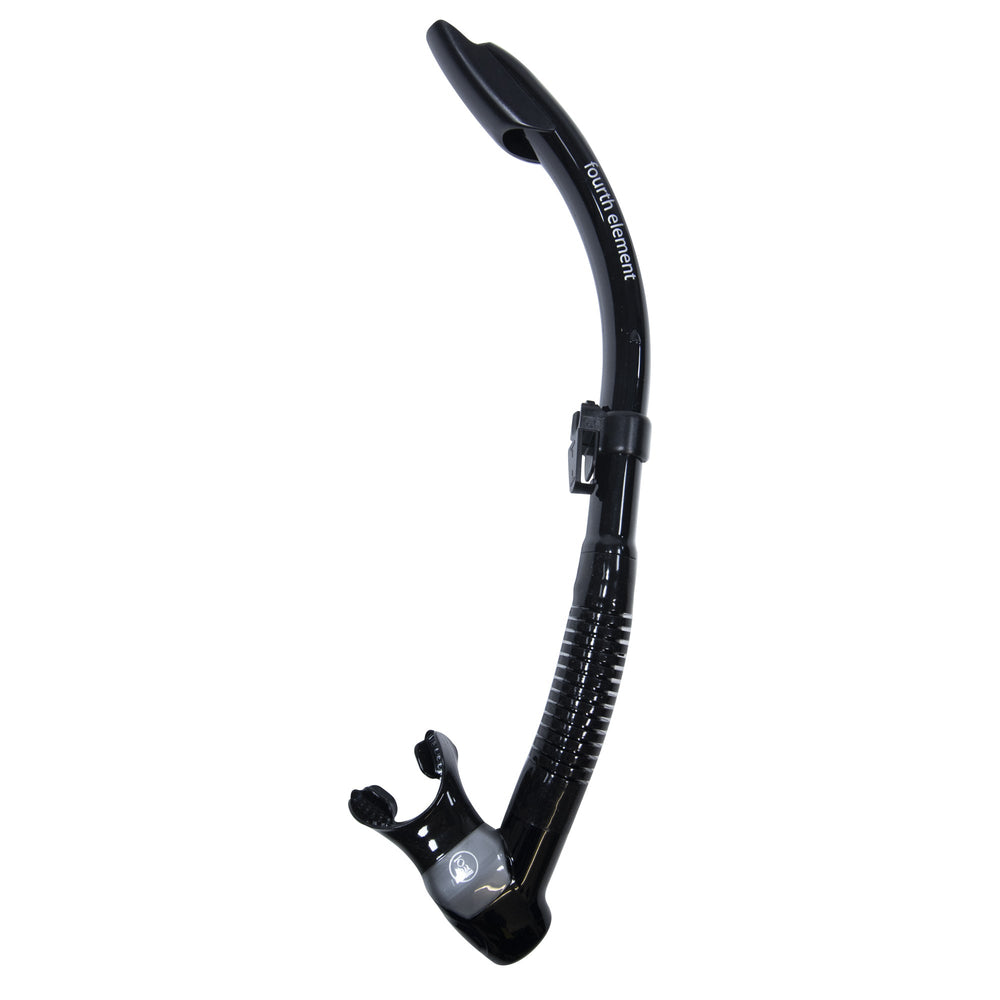
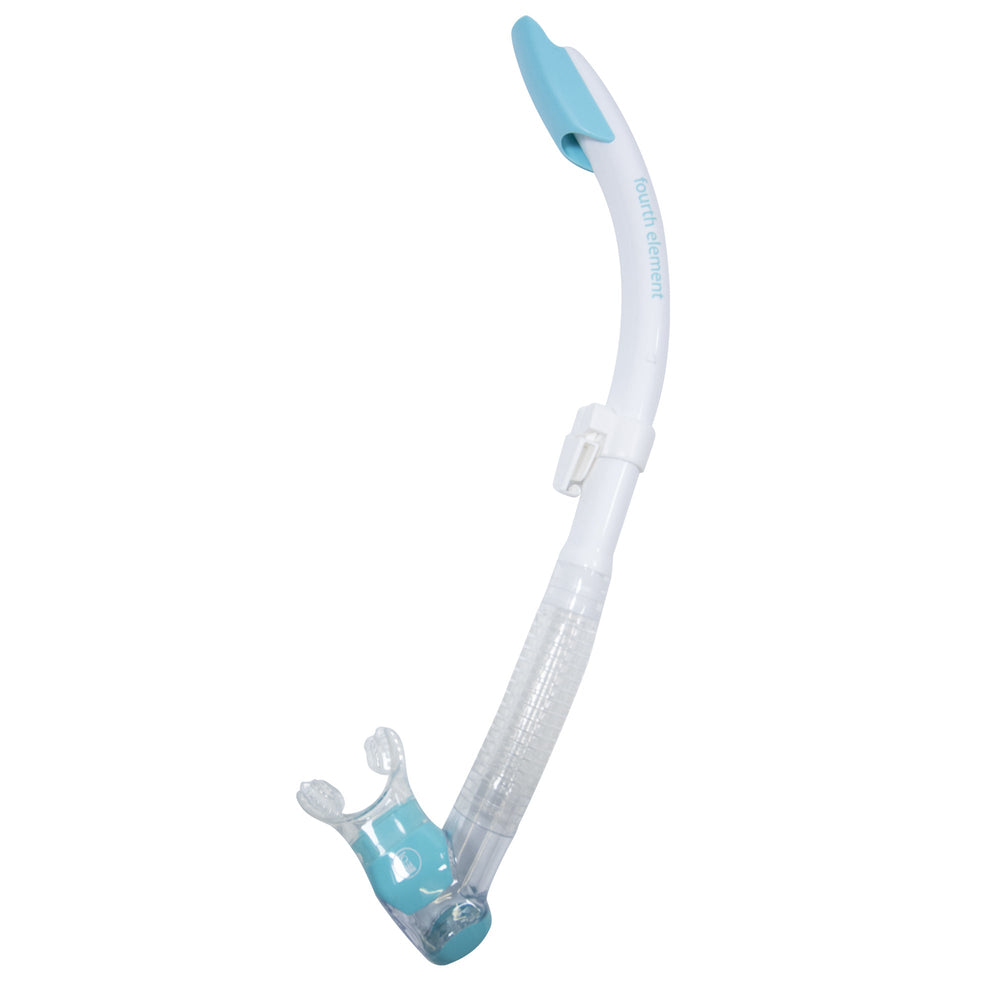
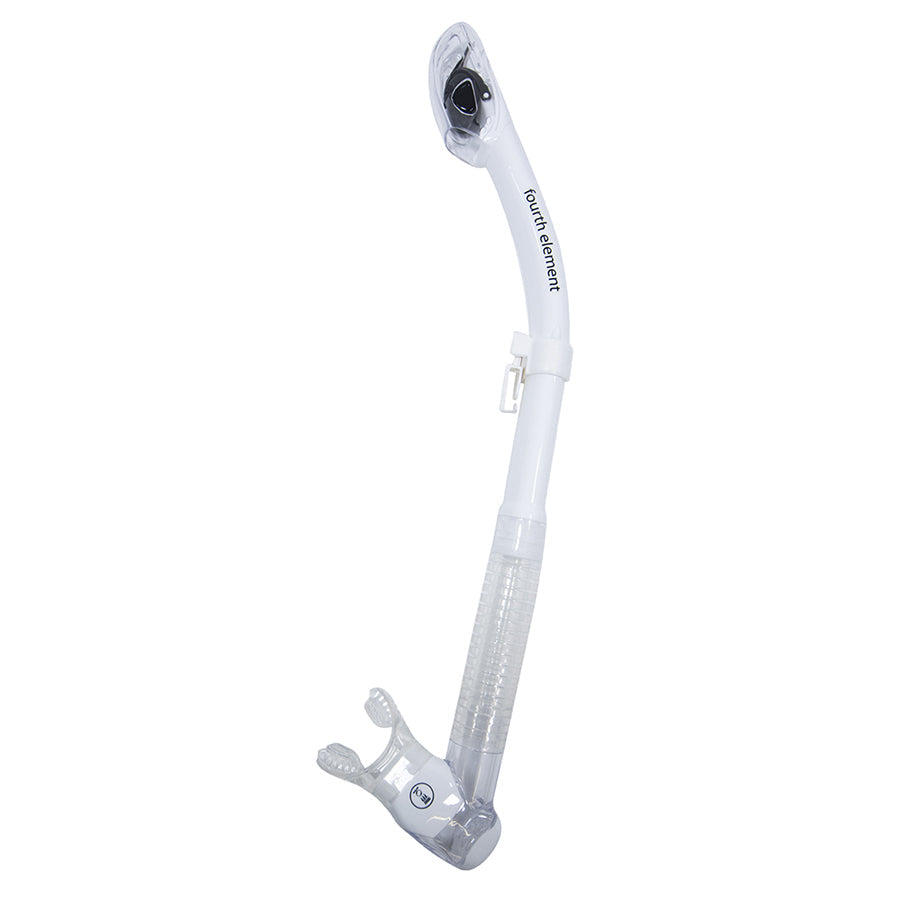
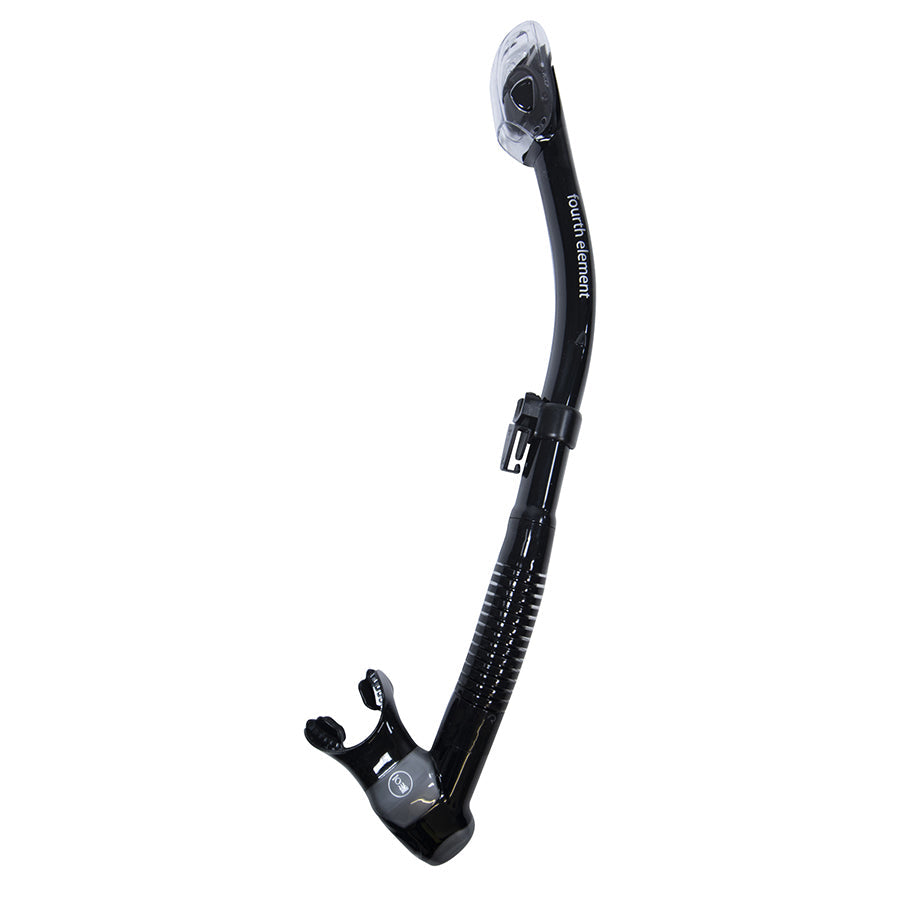
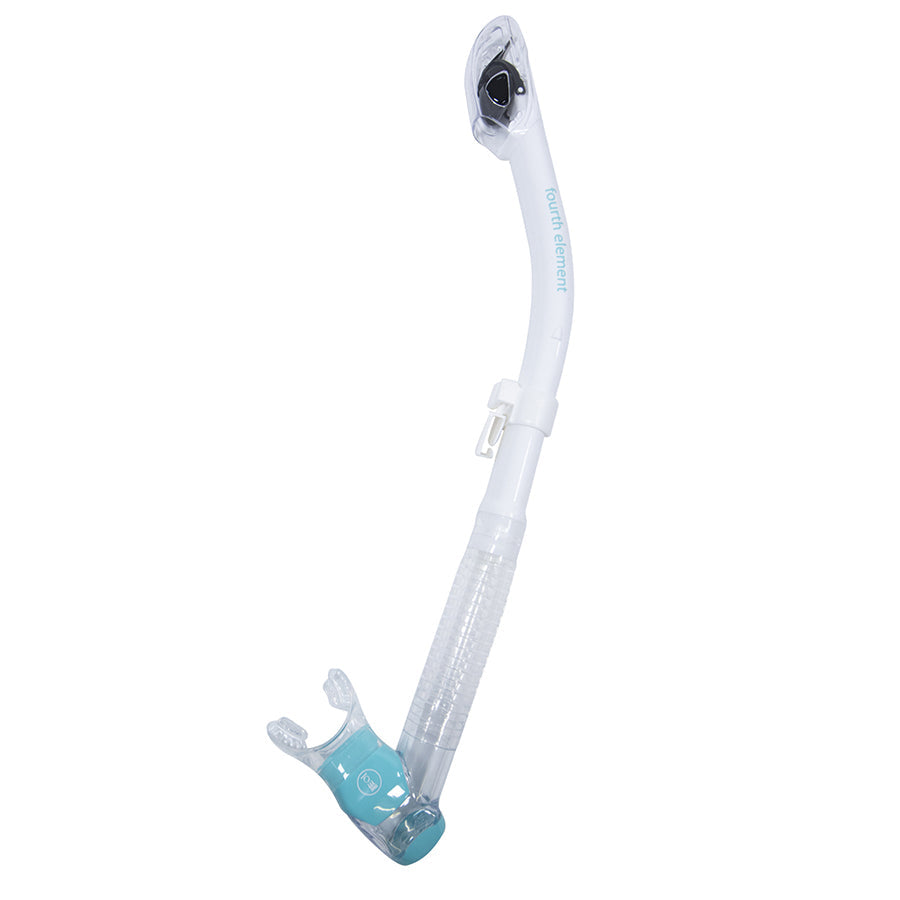
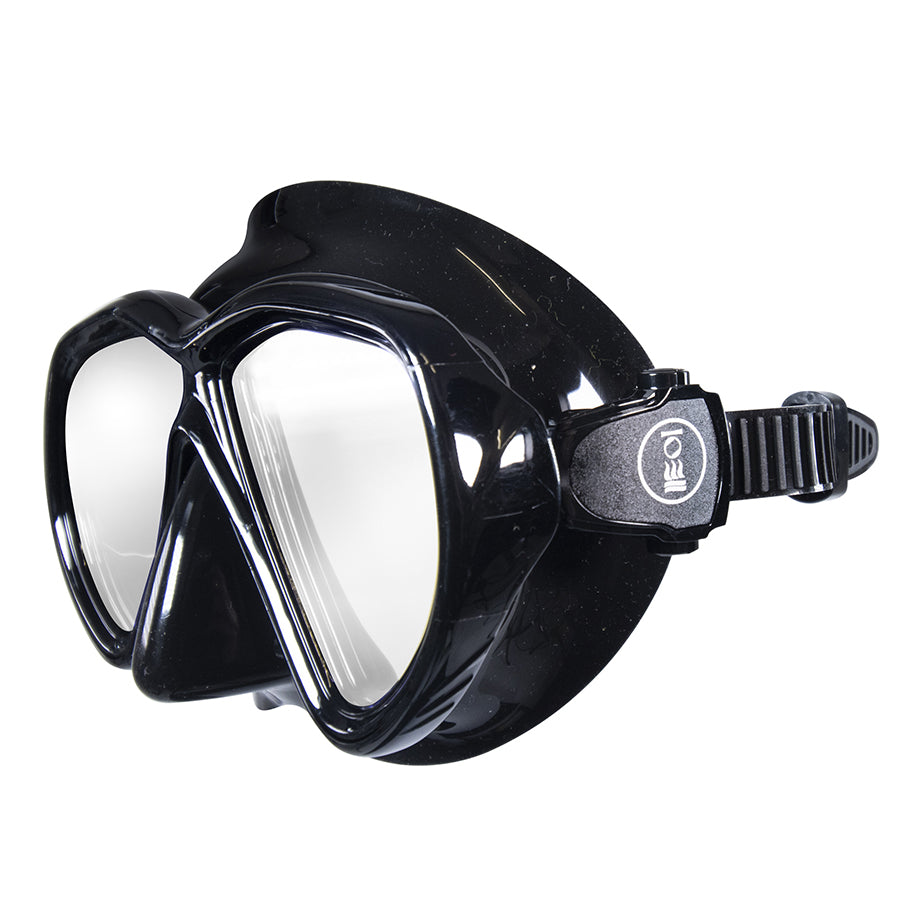
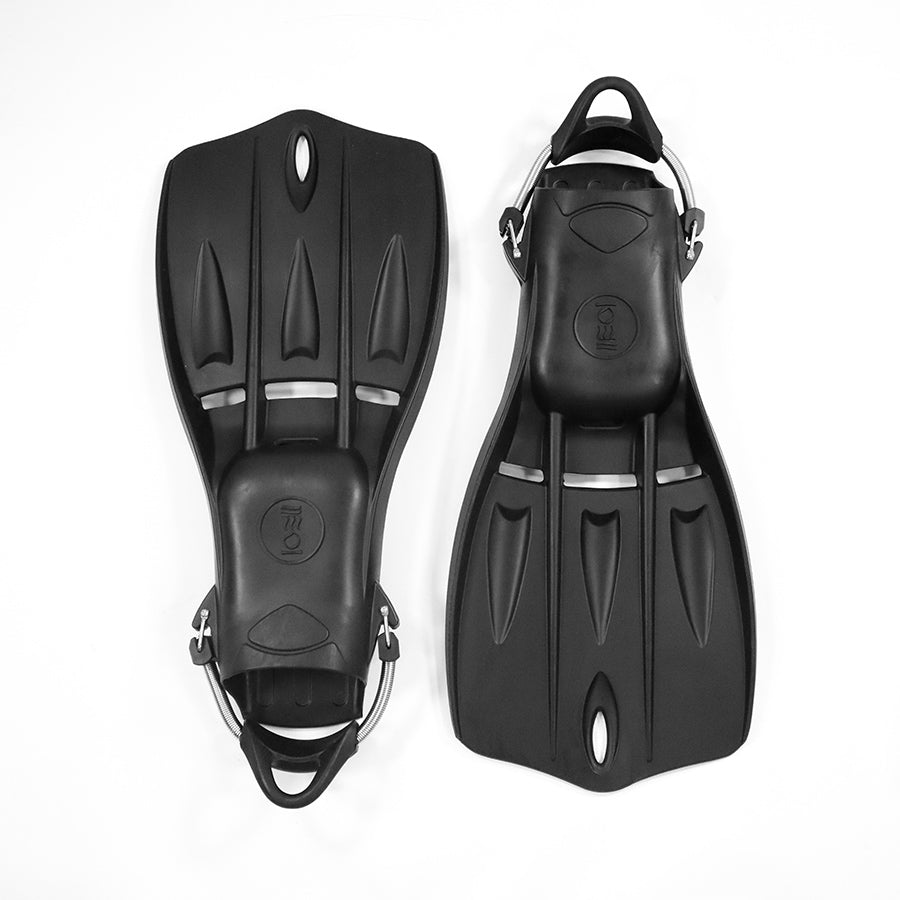
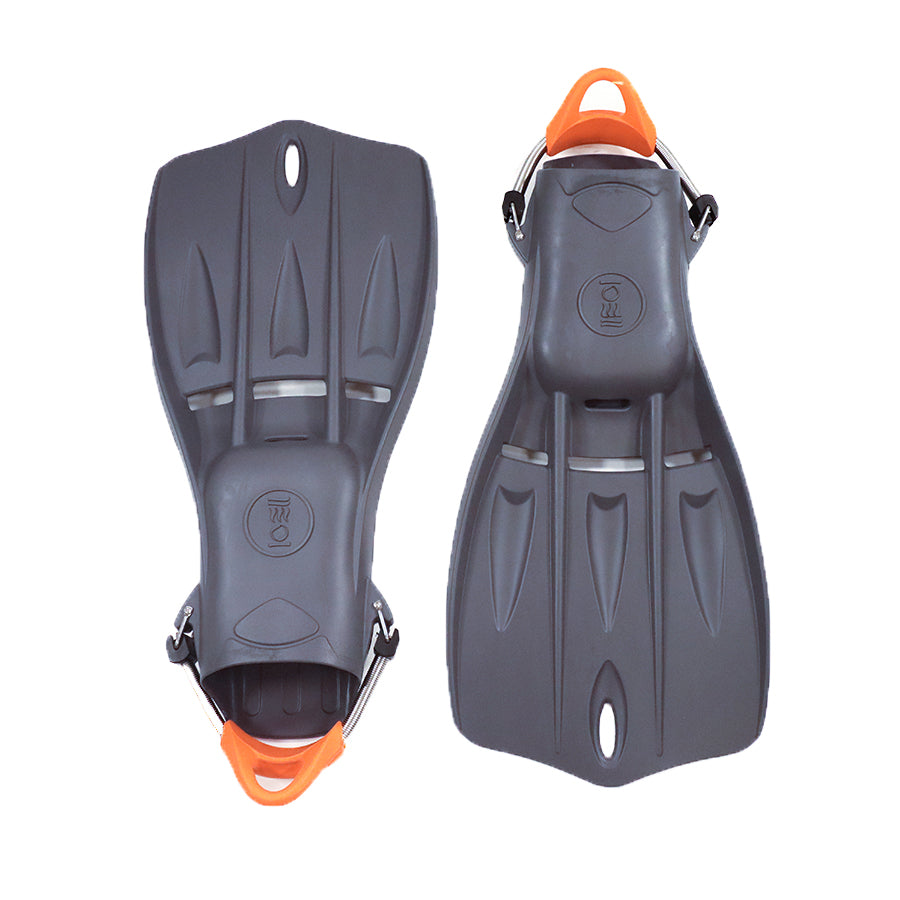
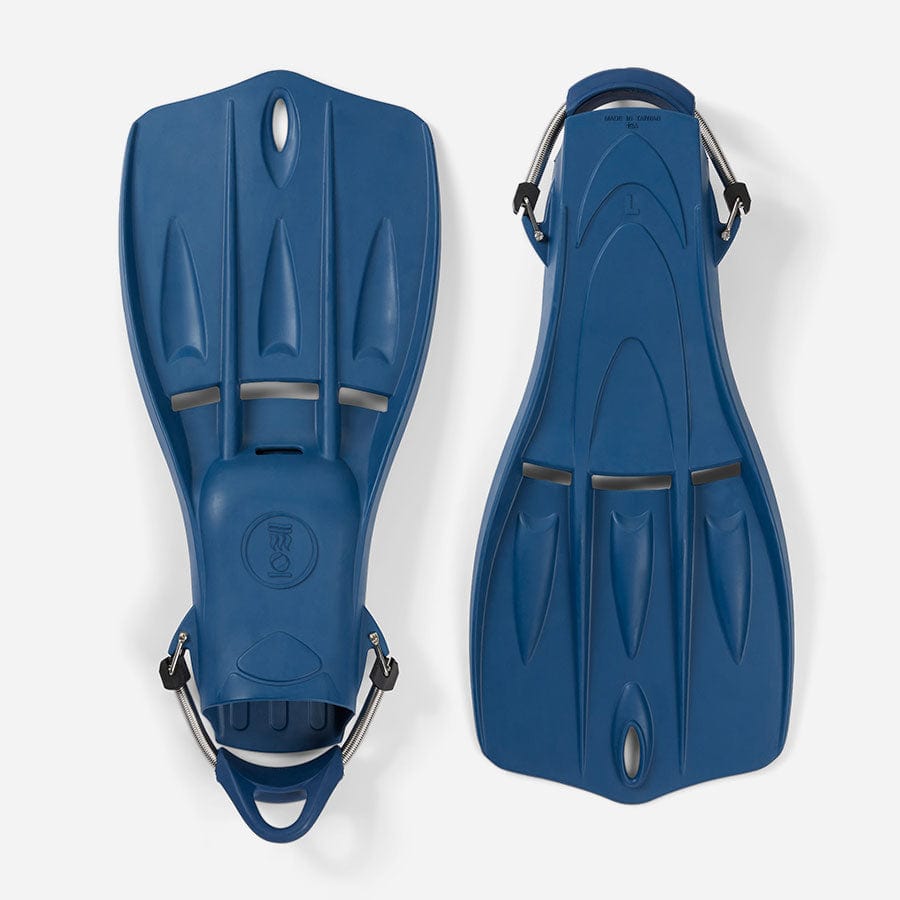
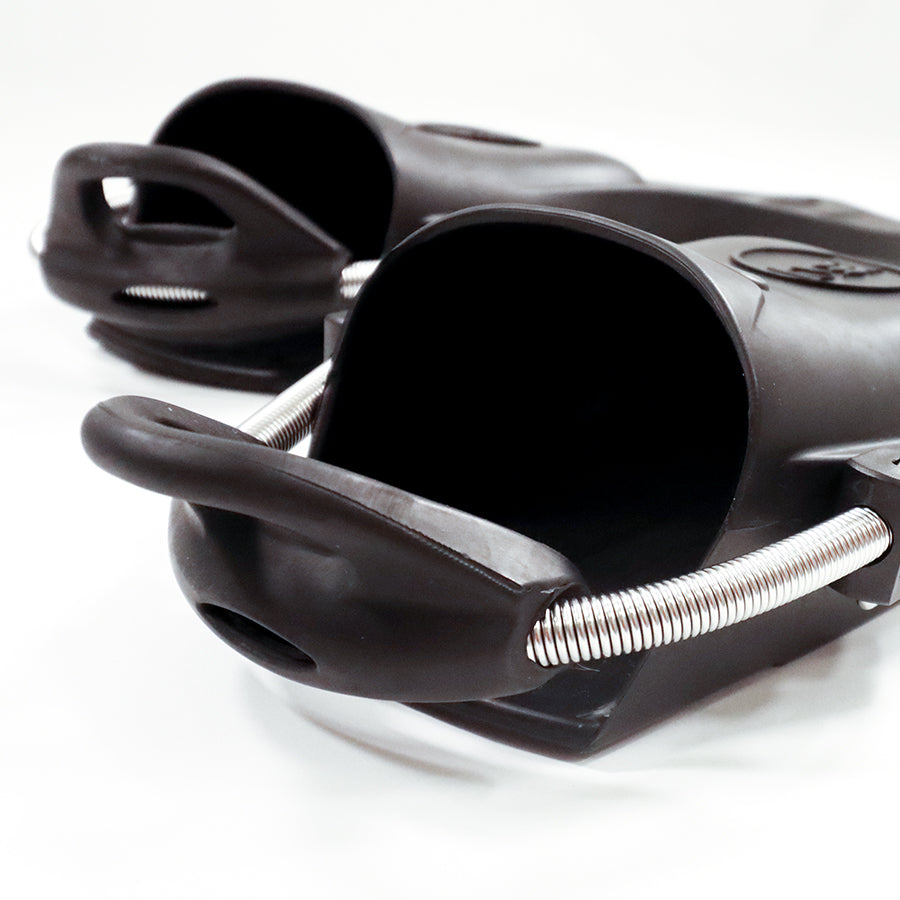
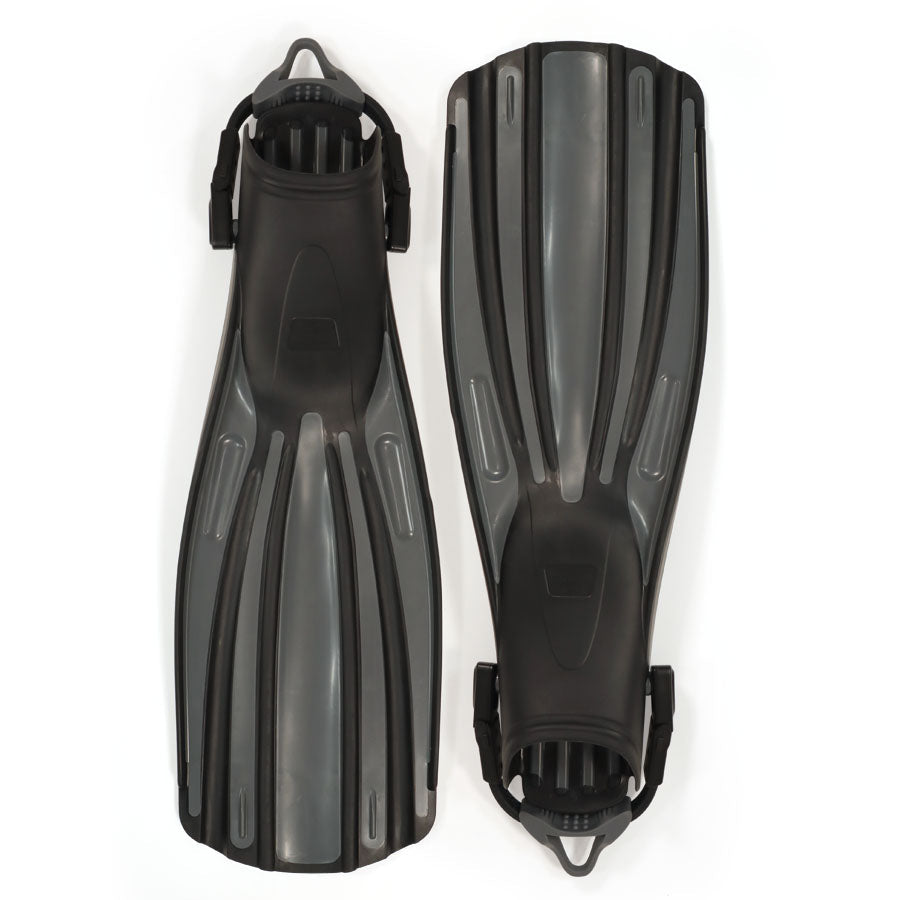
The hard kit here is deliberately short. Masks run from the low-volume Scout and Seeker through the Navigator to the Aquanaut for freediving, with the Splash, Dry and Float snorkels and a spare mask strap to go with them. Fins come in two: Tech Fins for the drysuit-and-boots crowd, REC Fins for everything else.

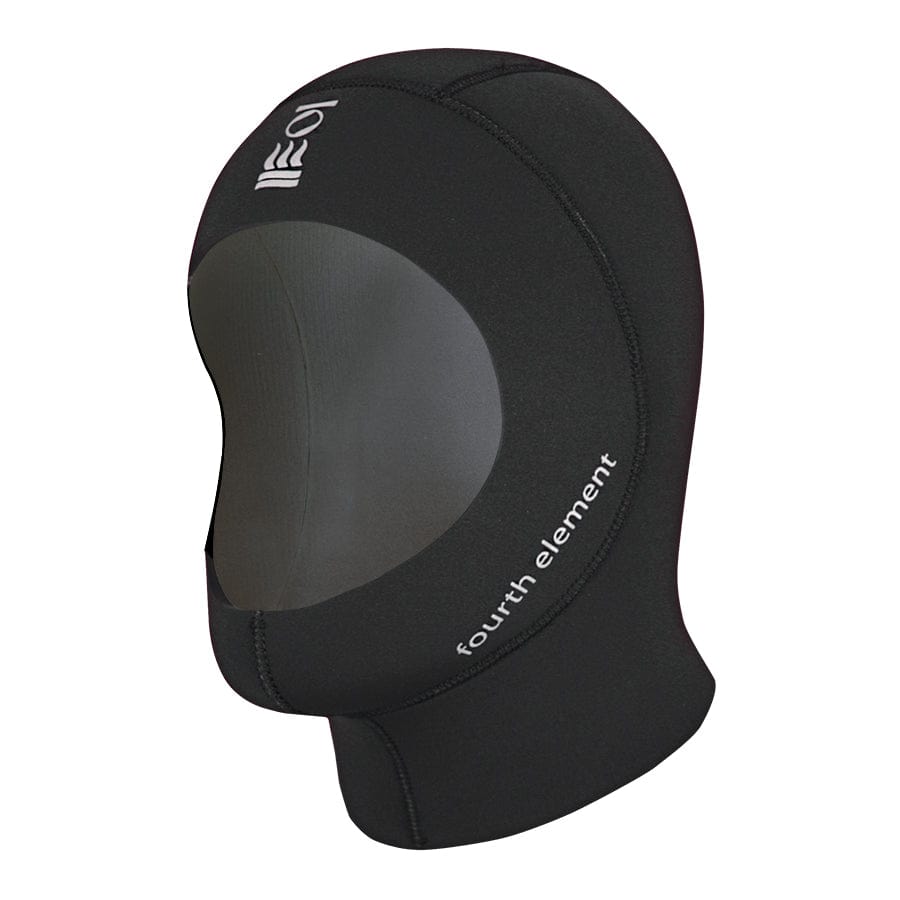
Hands and feet are where cold dives actually end, so this is the part worth spending time on. Boots run from the Rock Hopper for walking in, through the Amphibian, to the Pelagic. Gloves cover 3mm and 5mm neoprene, 5mm Kevlar Hydrolock for wreck work, the G1 liner, Xerotherm gloves and wrist warmers, and HALO A°R gloves. For feet inside a drysuit there are Xerotherm Socks, Arctic Socks, Hotfoot Pro and the Thermocline Fin Sock. Add a neoprene hood, Surface Hood, Thermocline Hood or the Xerotherm Hat and most people find they need less suit than they thought.

Rash guards, and the bit after the dive

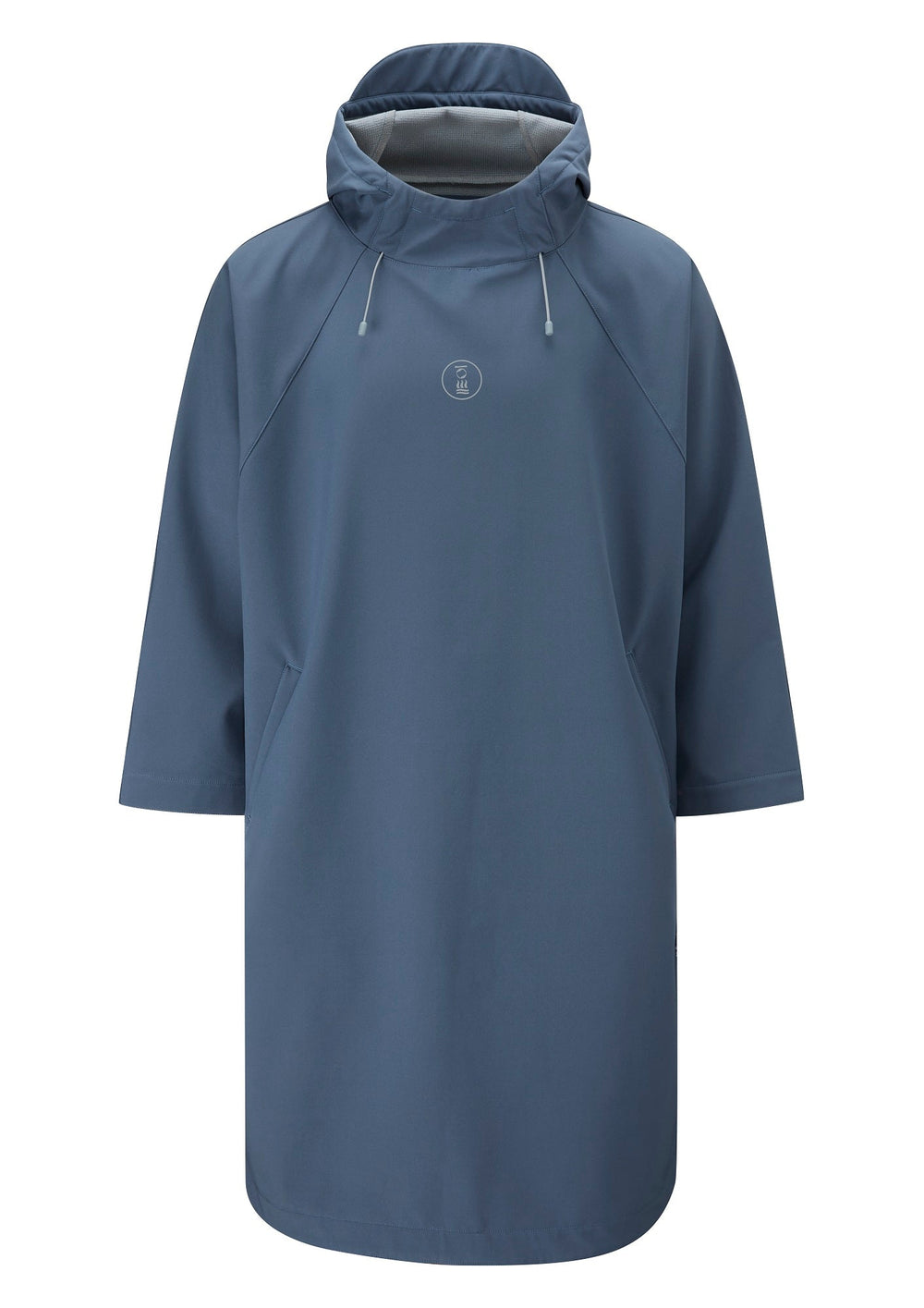
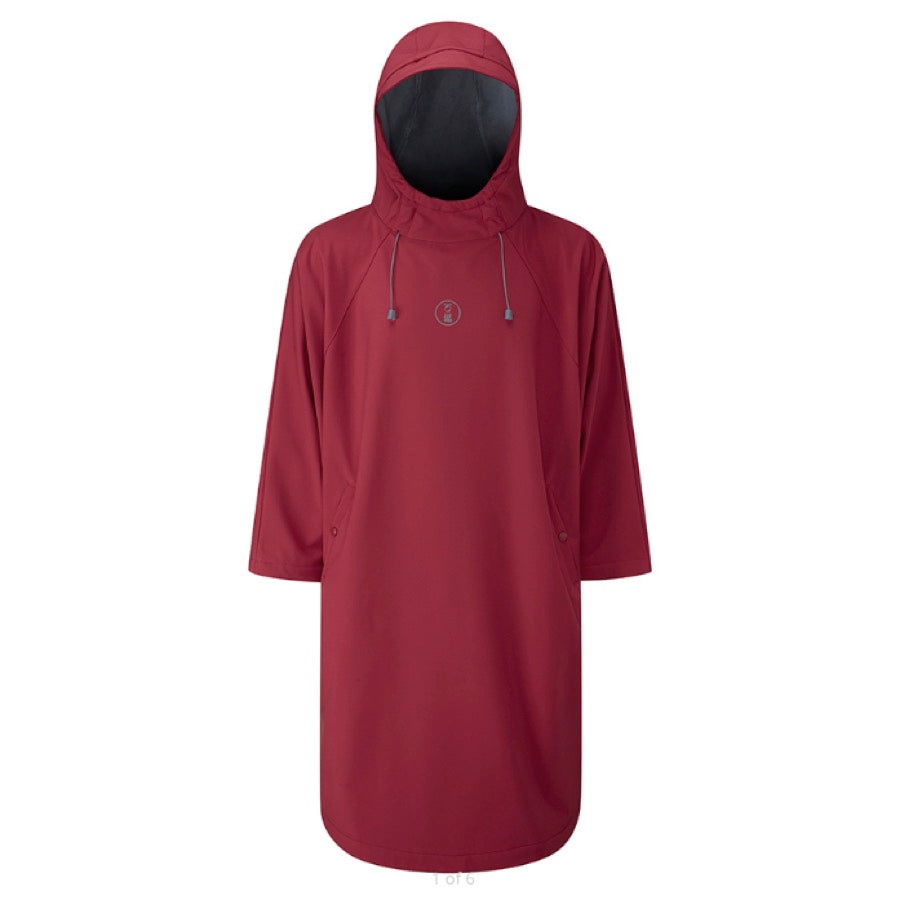
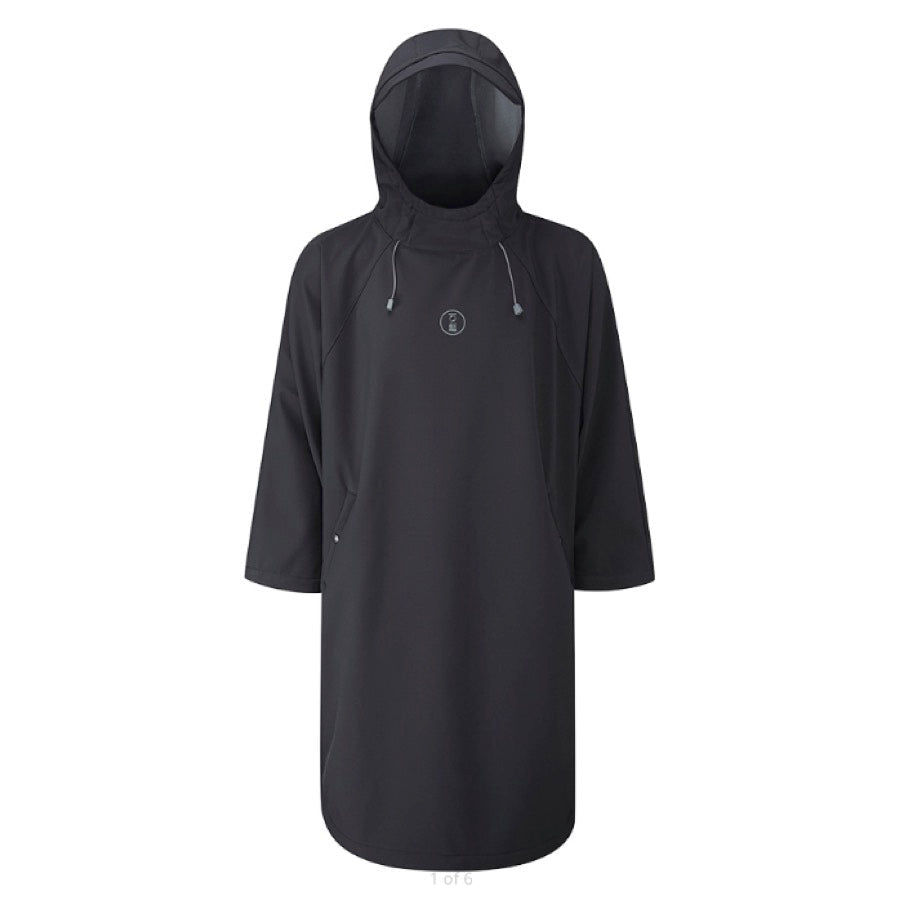
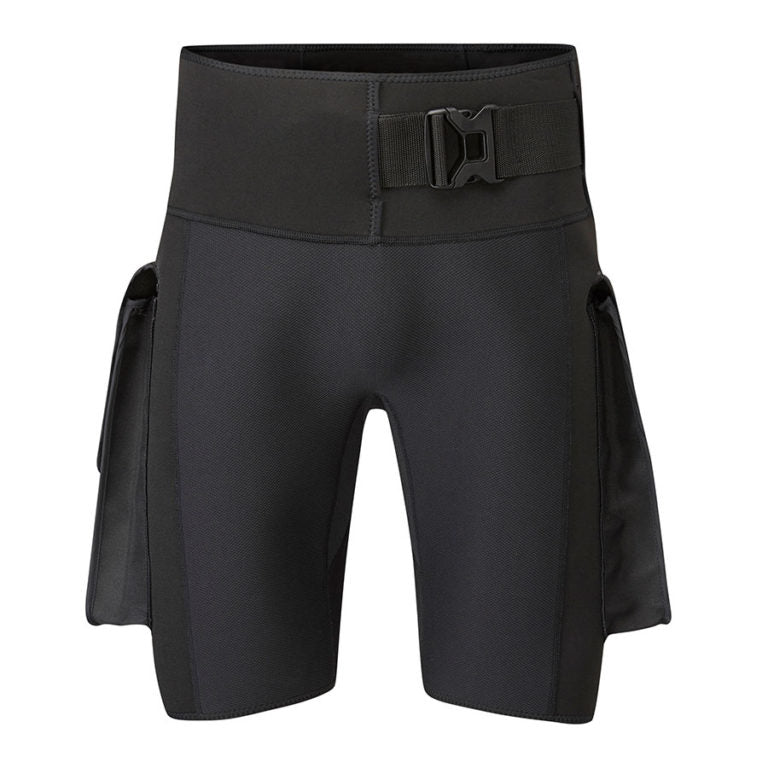
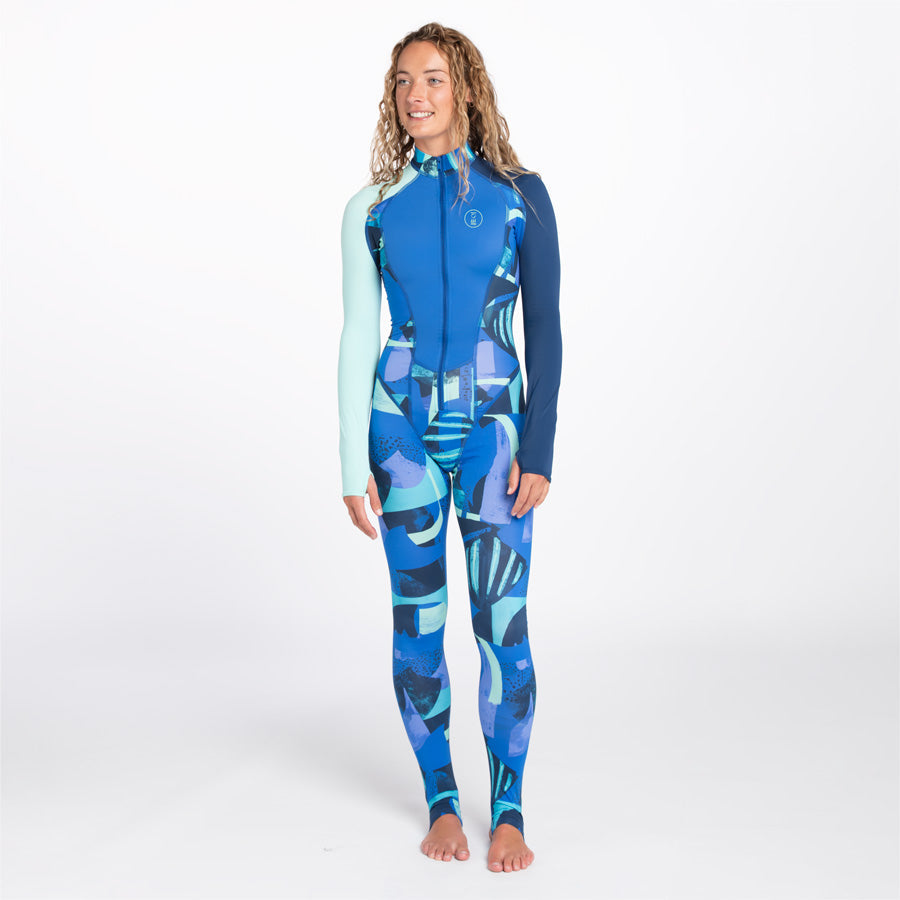
For warm water and sun, the Hydro-T long sleeve, the Hydroskin and the Fin Hydrosuit do the job a wetsuit would be overkill for, and the Technical Shorts work over the top. Back on the boat or in a car park in February, the Storm Poncho and Tidal Robe get you changed with some dignity, the Windbreaker Smock and Xerotherm Hoodie keep the wind off, and the Changing Mat keeps your undersuit out of the gravel.

Kit gets carried too: the Expedition Duffel for the whole lot, the Argo Dry Bag for what must stay dry, and the Ocean Debris Bag — a packable drainable mesh bag with a clip and a Velcro closure — for the rubbish you find on the way round. It costs nothing to carry and it is the easiest good habit in diving.

Frequently asked questions

Which brands does Oyster Diving stock in this collection?

One: Fourth Element. Everything on this page is theirs, and Oyster Diving is an authorised Fourth Element dealer. The range here spans Xenos, Xenos Arc, Proteus II and Surface Suit wetsuits; Argonaut Stealth 3.0, Argonaut Stealth Hybrid 3.0 and Argonaut Flex 3.0 drysuits; Halo A°R and Arctic undersuits; Xerotherm and J2 baselayers; the neoprene-free Thermocline pieces; Scout, Seeker, Navigator and Aquanaut masks; Tech Fins and REC Fins; Pelagic, Amphibian and Rock Hopper boots; plus hoods, gloves, socks, bags and the Storm Poncho and Tidal Robe for the car park afterwards.

What is Thermocline, and how does it differ from a neoprene wetsuit?

Thermocline is Fourth Element's neoprene-free thermal range, built from technical fabrics rather than foam rubber. Fourth Element rate it as the equivalent of 2mm neoprene. It is machine washable, breathable, neutrally buoyant and packs down small, which makes it a sensible choice for warm-water diving, travel, and for anyone who reacts badly to neoprene. We stock it as separates as well as one-pieces — Thermocline Jackets, LS Tops, Vests, Leggings, a Hood and a Fin Sock — so you can layer it under a wetsuit or wear it on its own. If neoprene allergy is the reason you are looking, please speak to a doctor too; it is a complicated thing and no single fabric is a guaranteed fix.

Are the Argonaut drysuits made to measure?

Yes. Every Argonaut 3.0 suit is built to your measurements using Fourth Element's BIOMAP 3D body-mapping system, and you choose your seals, valves and boot option as part of the order. There are three in the range: Argonaut Stealth 3.0, Argonaut Stealth Hybrid 3.0 and Argonaut Flex 3.0. All use trilaminate construction with flat-stitched, double-taped and heat-sealed seams, a diagonal YKK Aquaseal cross-chest zip you can reach yourself, AFT articulated legs cut for horizontal trim, Duratex reinforcement at the shoulders, elbows, knees and seat, and technical thigh pockets. An Argo dry bag, changing mat, hose and hood are included. Because it is a made-to-measure order, talk to us before you buy so we can get the measurements and options right first time.

What should I wear under a drysuit — Xerotherm, Arctic, Halo A°R or J2?

Think of it as layers rather than a single choice. J2 sits next to the skin as a thin baselayer — tops, leggings, shorts and a bra top. Xerotherm is the workhorse mid-layer, made from Polartec Powerstretch: fast-wicking, low bulk, and it keeps working when it gets wet, which matters on the day a seal lets go. Arctic is the warmer option for UK water, in Tops, Leggings and a One Piece. Halo A°R is the premium end, using A°RGON aerogel insulation for warmth without bulk, cut for horizontal trim and P-valve ready. Do not forget the extremities: Xerotherm Socks, Arctic Socks, Hotfoot Pro, Xerotherm Gloves and Wrist Warmers, and the Xerotherm Hat. Cold hands and feet end more dives than cold torsos.

Which Fourth Element wetsuit thickness do I need, and how should it fit?

Match the suit to the water you actually dive. Xenos runs in 3mm, 5mm and 7mm plus shorties, with Xenos Arc as the warmer-lined version; Proteus II comes in 3mm and 5mm for divers who want a closer, more technical cut; the Surface Suit 4/3mm and the RF1 3/2mm one-piece are aimed at surface swimming and freediving. Fit is what makes a wetsuit work — it should be snug everywhere with no loose pockets at the lower back, crotch or armpits, and it should feel slightly tight on land. If in doubt, size on chest and torso length rather than height alone. Add a hood, gloves and boots for UK diving; they make more difference than jumping up a millimetre. Our size guide is linked on this page, and you are welcome to ask us.