Camera Accessories

Underwater camera accessories are the small parts that decide whether a dive's footage is usable. You will find GoPro dive housings, floats, poles, cases, batteries and anti-fog inserts alongside Marelux ports, viewfinders and flash triggers for full housing systems. Entry-level add-ons for action cameras through to premium optical parts for interchangeable-lens rigs. Our team dives and shoots this kit, so ask before you buy.

  • Expert diving advice
  • UK delivery
  • Multi-award-winning PADI dive centre
  • Secure checkout
12 products
  • Sold out
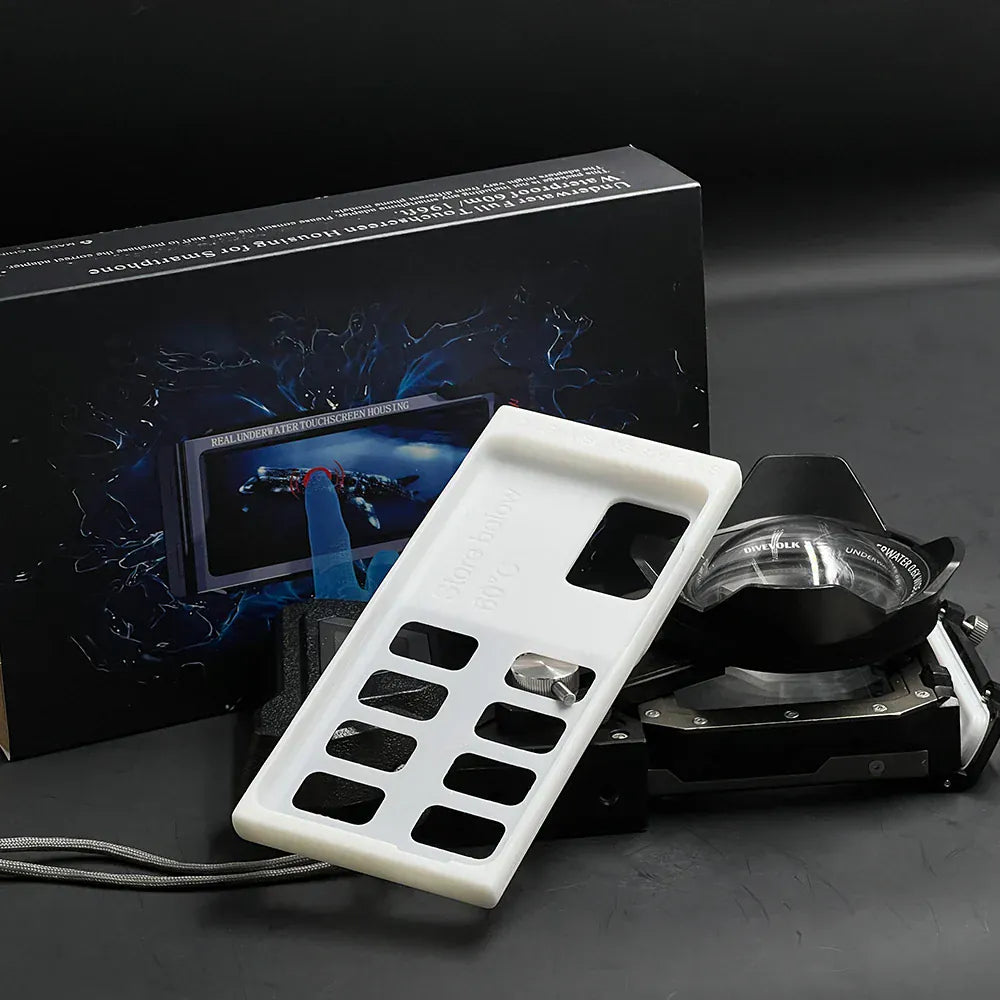
    Divevolk SeaTouch 4 Max Plus Phone Adapters Divevolk SeaTouch 4 Max Plus Phone Adapters - view 2
  • Save 20%
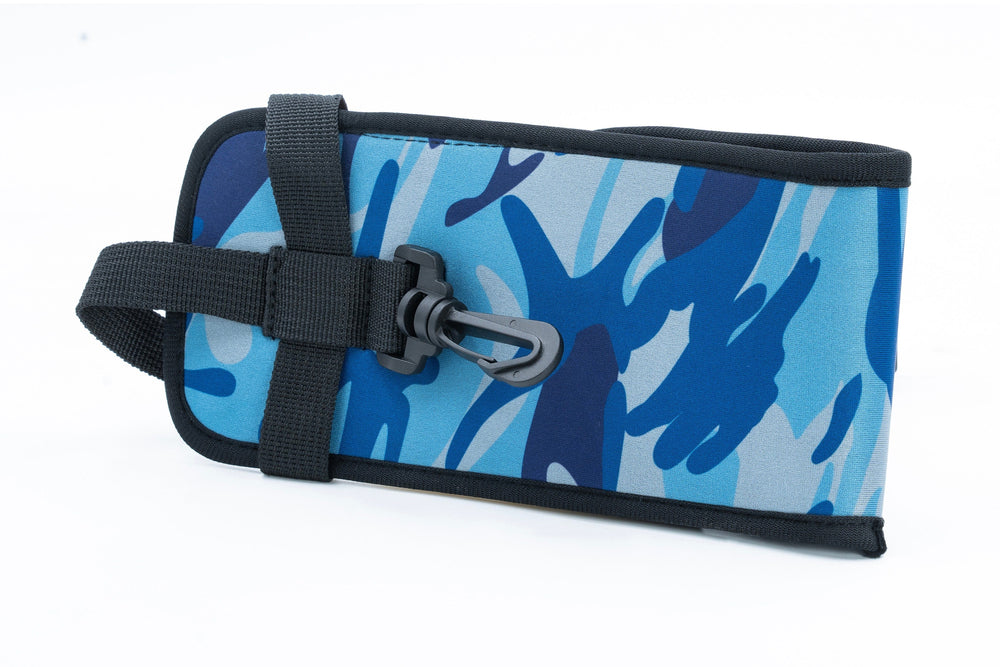
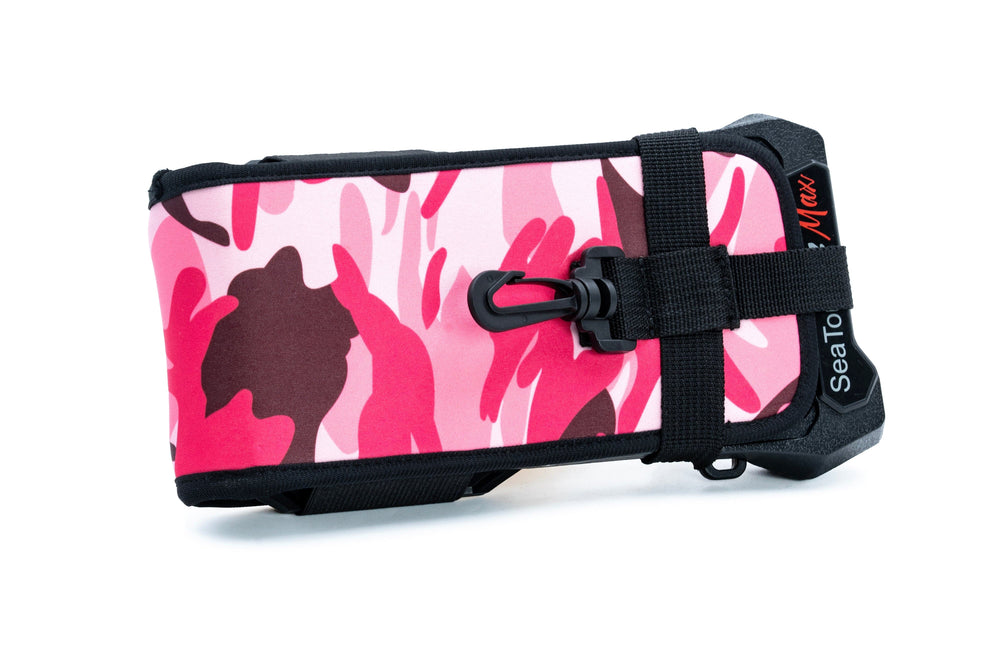
    Divevolk Protective Bag For Housing Divevolk Protective Bag For Housing - Blue Camouflage
  • Buying guide

    Match the accessory to the camera you actually dive

    This range splits cleanly into two systems. If you dive a GoPro you are buying housings, poles, floats, batteries, cases and anti-fog inserts. These are entry-level parts, they are forgiving, and they largely work together without much thought. If you dive a full housing rig you are buying into the Marelux system, where ports, viewfinders and triggers must match your specific housing and lens. Those are premium parts and the wrong one is an expensive paperweight. Work out which system you are on first, then check compatibility before you order. Tell us your camera body, your housing and the lens you want to shoot, and we will confirm what fits before anything leaves the shelf.

Read the full buying guide

What is in this range

Accessories are where an underwater photography setup is made or broken. The camera and the housing get all the attention, but the port, the float, the spare battery and the anti-fog insert are what determine whether you surface with something worth keeping. This collection covers both ends of that: simple add-ons for action cameras, and precision optical parts for full housing rigs.

GoPro accessories

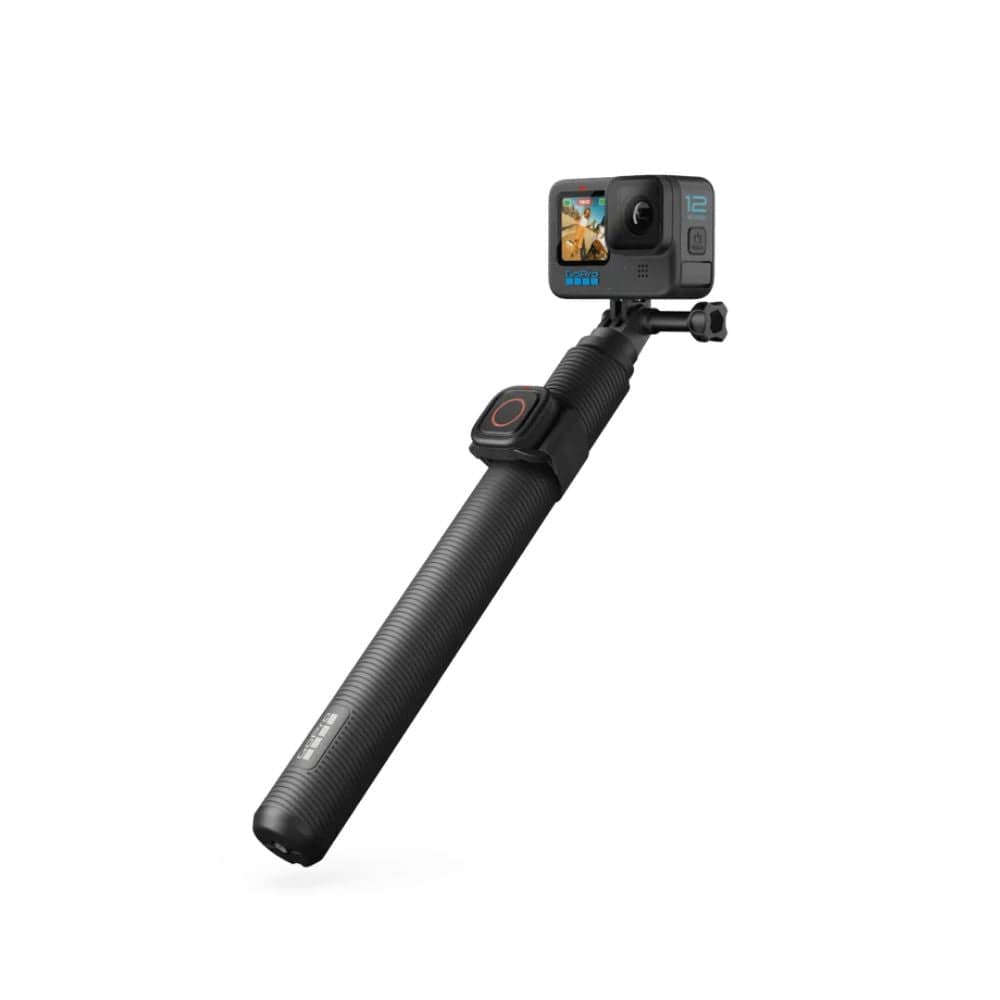
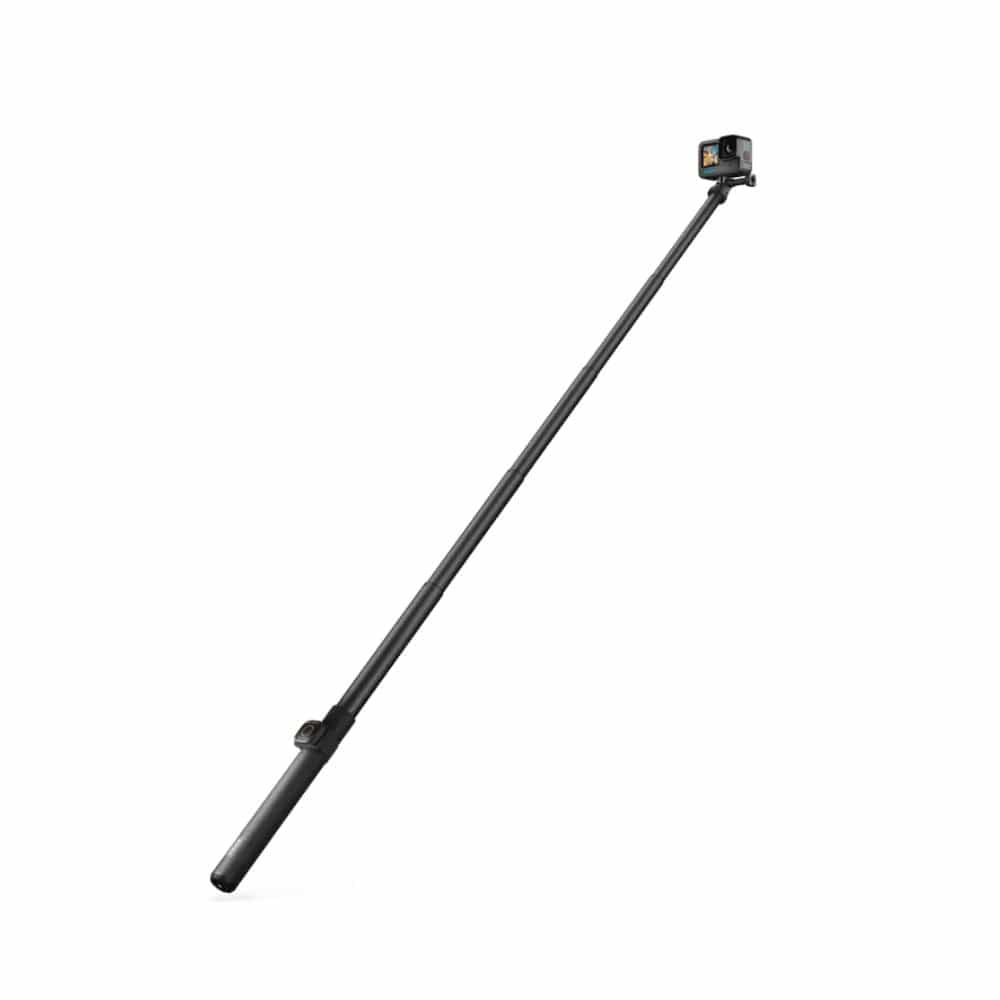
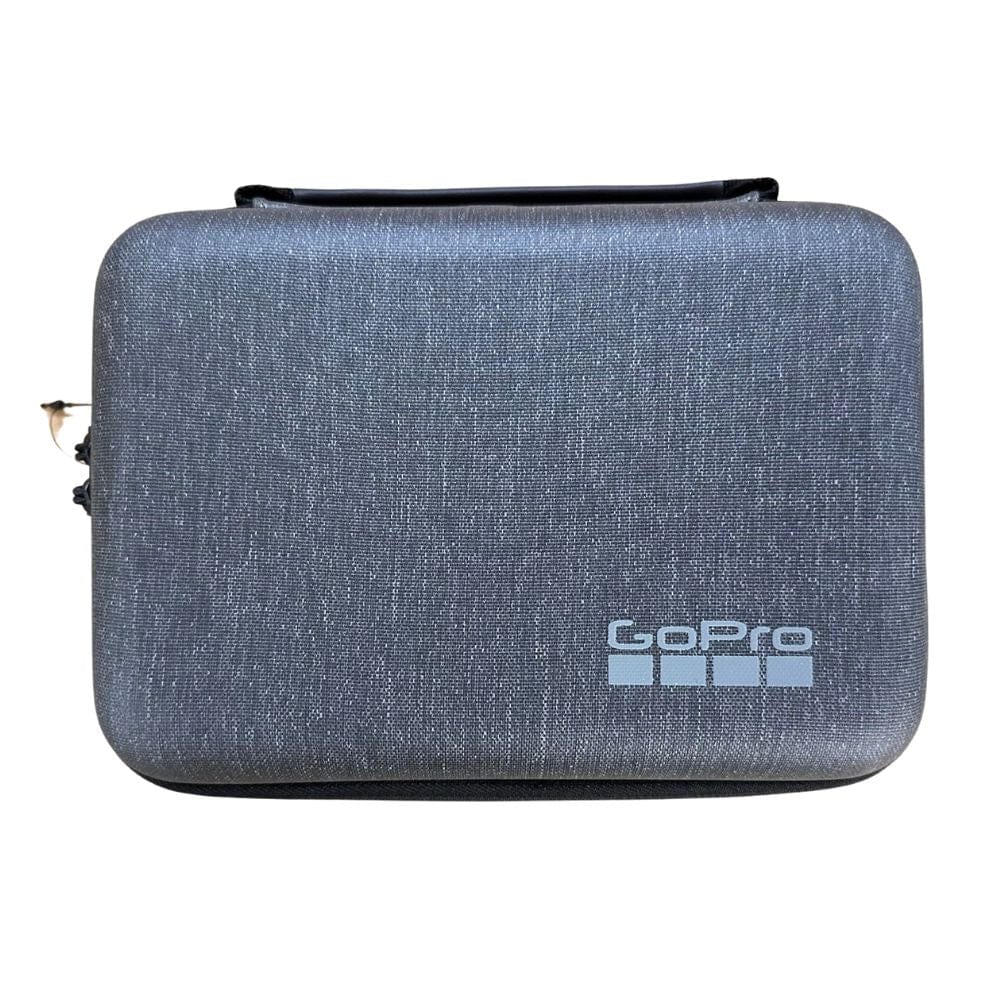
The GoPro side is the larger part of the range. Two housings sit at the centre of it, the GoPro Dive Housing for the Hero11 Black Mini and the GoPro Protective Housing, with the supporting kit built around them. The GoPro Shorty mini extension pole tripod and the GoPro Extension Pole with Waterproof Shutter Remote both get the camera away from your body, which is the easiest single improvement most divers can make to a shot of a wreck or a wall. The GoPro Floaty stops a fumbled camera disappearing into the blue. GoPro Anti-Fog Inserts deal with condensation inside the housing. The GoPro Enduro battery is the spare you should already be carrying, and the GoPro Casey keeps the whole lot together between trips.

Marelux housing parts

The Marelux items are for divers running an interchangeable-lens camera inside a full housing. The Marelux Macro port 32 is the front section for close-focus lens work. The Marelux 45 Degree Viewfinder angles the finder image upward so you can shoot subjects sitting on the bottom without having to lie on it yourself. The Manual Flash Trigger handles firing strobes from inside the housing. These are system parts rather than universal ones: each belongs to a particular housing and lens combination.

Two systems, two very different decisions

Buying for a GoPro is straightforward. The parts are entry-level, they work together across the range, and a mistake costs you an evening rather than a holiday. Pick the housing that matches your camera, add the float, the inserts and a spare battery, and you are largely set.

Buying for a full housing is not straightforward, and pretending otherwise does you no favours. Ports and viewfinders are matched to specific housings and specific lenses, and a port that suits one lens will not let another focus. This is premium equipment, so it is worth ten minutes of checking before you order. Send us the camera body, the housing and the lens you intend to shoot and we will confirm the combination.

The unglamorous parts that save dives

Ask anyone who shoots underwater regularly what ruined their last trip and you will rarely hear that it was the camera. You will hear about a flat battery on the third dive, a fogged port on the one dive where something big turned up, or a camera dropped over the side of a RIB. Spare batteries, anti-fog inserts and a float are unremarkable items. They are also the difference between a trip you talk about afterwards and one you do not.

Storage matters as much as the dive itself. Salt water is patient and it finds threads, hinges and seals eventually. Rinse everything in fresh water, dry it properly before it goes away, and keep the kit somewhere it will not be knocked about in transit. A case like the GoPro Casey exists for exactly that reason.

Buying camera accessories from Oyster Diving

Oyster Diving is a dive centre as well as a shop, so the people answering the phone are the people who dive and shoot this kit. If you are not sure which port fits your lens, or whether you need a dive housing or simply a float and a pole, ask us first. We would rather talk you into the right part once than sell you the wrong one twice.

Frequently asked questions

Which camera accessory brands does Oyster Diving stock?

Two, and they serve different divers. GoPro covers the action camera side: dive housings, poles, floats, batteries, cases and anti-fog inserts. Marelux covers the full housing side: ports, viewfinders and flash triggers for a proper interchangeable-lens rig. If you need a part for a system we do not list here, ask us and we will tell you straight whether we can source it.

What do I actually need to take a GoPro diving?

Start with the housing. The GoPro Dive Housing for the Hero11 Black Mini and the GoPro Protective Housing are the two we stock, so match one to your camera. After that it is the boring kit that saves dives: anti-fog inserts to keep the port clear, a Floaty so a dropped camera comes back up rather than going down, and a spare Enduro battery. A Shorty mini extension pole tripod or the extension pole with waterproof shutter remote gives you something to hold that is not your own wrist, which steadies the footage more than people expect.

What is a port, and do I need a macro one?

A port is the front section of an underwater housing, the window your lens looks through. Different lenses need different ports, and a macro port such as the Marelux Macro port 32 is built for close-focus work on small subjects. If you want to fill the frame with a nudibranch or a blenny, that is the port you are reaching for. Ports are matched to a specific housing and lens combination, so check the pairing before you order. Send us your housing and lens and we will confirm the fit.

What does a 45 degree viewfinder change?

How you hold the camera. A straight finder means getting your eye directly behind the housing, which is awkward when the subject is on the bottom and you are trying not to flatten yourself into the sand. The Marelux 45 Degree Viewfinder angles the view upward so you can shoot low and still see what you are framing. Macro shooters tend to fit one and then never take it off.

Why does my housing fog up, and how do I stop it?

A sealed housing keeps water out, and it keeps whatever air you sealed inside it in. Load the camera somewhere warm and humid and that trapped moisture condenses on the inside of the port the moment the housing hits cold water. Anti-fog inserts sit inside the housing and pull that moisture out of the air. Fit fresh ones, close the housing in the driest and coolest place you can find rather than on a sunny boat deck, and keep it out of direct sun until you get in.