ECS

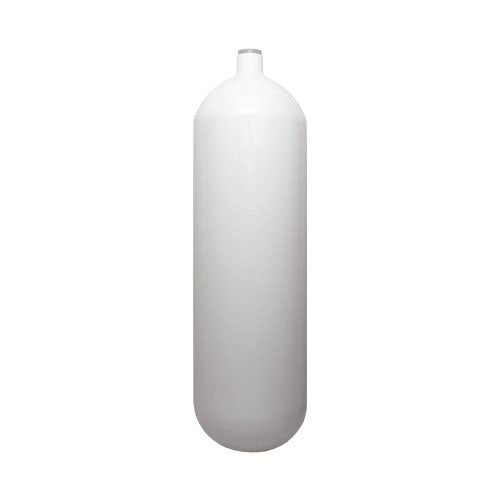
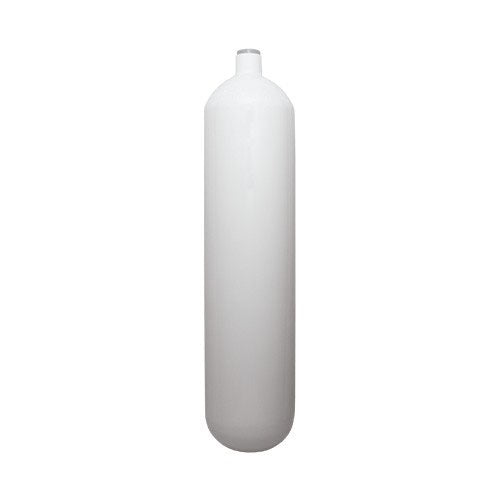
ECS build steel scuba cylinders, and this is Oyster Diving's full ECS range - from 1lt pony and stage bottles through to 20lt singles, in 232 bar and 300 bar working pressures. Diameters run from 82.5mm to 204mm, with concave-base versions and black-finish options alongside the standard cylinders. Oyster Diving services cylinders as well as selling them, so ask if you are unsure which size suits the diving you actually do.

  • Expert diving advice
  • UK delivery
  • Multi-award-winning PADI dive centre
  • Secure checkout
23 products
Read the full buying guide

The ECS range at Oyster Diving

Every cylinder on this page is an ECS steel cylinder. Twelve capacities, from 1lt up to 20lt, in working pressures of 230, 232 and 300 bar and diameters from 82.5mm to 204mm. That spread is the point of the range: one maker covers everything from a suit-inflation bottle to a large single, so you can stay with the same manufacturer across a whole setup.

Small cylinders: pony, stage and suit inflation

The bottom of the range is 1lt, 1.8lt, 2lt and 3lt. The 1lt is a 300 bar cylinder with an M18x1.5 thread at 82.5mm diameter, and the 1.8lt shares that diameter at 230 bar. The 2lt and 3lt step up to 114mm, and there is a narrower 100mm 3lt in both 232 bar and 300 bar, each also available in black. These are bottles bought for a specific job - a pony, a stage, or gas for a drysuit - rather than as primary gas.

Recreational singles

The 5lt, 7lt, 8.5lt, 10lt and 12lt cover most single-cylinder diving. The 5lt, 7lt and 8.5lt are 140mm; the 10lt and 12lt move up to 171mm. Both the 7lt and the 10lt come in 300 bar as well as 232 bar, and the 12lt is offered at 232 bar in two diameters, 171mm and 204mm, plus a 300 bar version at 171mm. If you are replacing a club cylinder, the 12lt at 232 bar is the obvious starting point.

Large-capacity singles

The 15lt, 18lt and 20lt are all 232 bar and all 204mm. More gas, and noticeably more cylinder - a 20lt steel single is a serious lump to carry down a slipway, and it will change how you weight yourself and how you trim. Worth it if your dives are long or your breathing rate is high, and overkill if you are doing short, shallow dives in warm water.

232 bar or 300 bar

Most of this range is 232 bar. The exceptions are the 1.8lt at 230 bar and a group of 300 bar cylinders: the 1lt, both 100mm 3lt versions, the 7lt, the 10lt and the 12lt at 171mm.

A 300 bar cylinder carries more gas for the same water capacity, but only if you can get it filled properly. Compressor capability varies between shops, clubs and holiday destinations, and a 300 bar cylinder topped up to 232 bar is just extra weight you are carrying for nothing. Work out where you will actually be filling before you pay for the higher pressure.

Diameter, base and finish

Diameter changes how a cylinder dives

The range spans 82.5mm, 100mm, 114mm, 140mm, 171mm and 204mm. Diameter decides whether your existing bands and boot fit, how the cylinder sits against your back, and how it rolls. It is easy to fixate on capacity, forget this, and then find that a new cylinder does not fit hardware you already own. Check your bands before you order.

Concave bases

ECS make concave-base versions of the 8.5lt at 232 bar and the 12lt at 232 bar, the latter in standard and black. A concave base is dished inwards rather than finished flat, so the cylinder will not stand up unsupported. Some divers prefer how it balances in the water; everyone benefits from a cylinder that cannot topple over on a pitching deck. Just be ready to lay it down or rack it rather than stand it between dives.

Black finish

Three cylinders in the range come in black: the 3lt at 232 bar, the 3lt at 300 bar and the 12lt 171mm concave. Same cylinder underneath, different finish.

Buying and owning an ECS cylinder

A cylinder is a long-term purchase that needs periodic inspection and testing to stay in service, and anyone filling it will want to see it is in date. Oyster Diving services cylinders as well as selling them, so this is not a buy-and-forget item you then have to take somewhere else. If you are unsure whether a capacity, pressure or diameter suits the diving you actually do, ask before you order - we would rather talk you into the right cylinder once than sell you the wrong one twice.

Frequently asked questions

Which ECS cylinder size should I choose?

The range runs from 1lt up to 20lt, so start with the job the cylinder is doing. The smallest sizes — 1lt, 1.8lt, 2lt and 3lt — are pony, stage and suit-inflation bottles rather than primary gas. The 10lt and 12lt sizes are the usual choice for a single-cylinder recreational setup. The 15lt, 18lt and 20lt cylinders carry more gas but are physically larger and heavier out of the water, which matters on a boat ladder and on a shore walk. If you dive in a club or with a regular buddy, matching what they use makes gas planning simpler.

What is the difference between the 232 bar and 300 bar ECS cylinders?

The bar figure is the cylinder's working pressure — how hard it is designed to be filled. A 300 bar cylinder holds more gas than a 232 bar cylinder of the same water capacity, which is why ECS offer both in several sizes: the 3lt, 7lt, 10lt and 12lt all appear in a 300 bar version alongside the 232 bar one. The practical catch is filling. Not every compressor and not every fill station can deliver a full 300 bar fill, so check what your local shop, club or dive centre can actually give you before you commit. A 300 bar cylinder filled to 232 bar is simply a heavier cylinder with no extra gas in it.

What is a concave-base ECS cylinder?

A concave base is dished inwards rather than finished flat, so the cylinder will not stand up on its own. ECS make concave versions of the 8.5lt and 12lt cylinders at 232 bar, and the 12lt concave also comes in black. Divers choose them for how they sit and balance in the water and against the back, and because a cylinder that cannot be stood upright is a cylinder that cannot fall over on a moving deck. If you are used to standing your tank up between dives, a concave base changes that habit — you will be laying it down or racking it instead.

Which cylinder brands does Oyster Diving stock?

This page is the ECS range, so everything listed here is made by ECS. Oyster Diving also carries cylinders from other makers outside this brand page — the wider Cylinders collection is the place to compare what is in stock at any given time, and stock does move. If you want a straight recommendation for your setup, ask us and we will tell you what we would dive ourselves.

Can Oyster Diving test and service my ECS cylinder?

Yes. Cylinders need periodic inspection and testing to stay in service and to keep getting fills, and Oyster Diving handles cylinder work alongside regulator and kit servicing. Bring the cylinder in or get in touch and we will tell you what it needs and how long it will take. If you are buying a cylinder here and want the valve, fill and paperwork sorted before it reaches you, say so when you order rather than after.