Regular price
From £255.00 GBP
Sale price
From £255.00 GBP
Regular price
£380.00



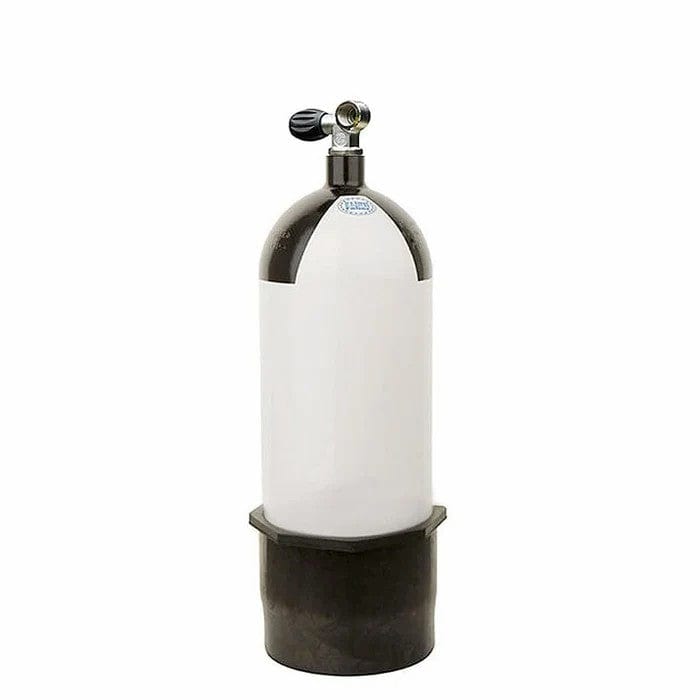


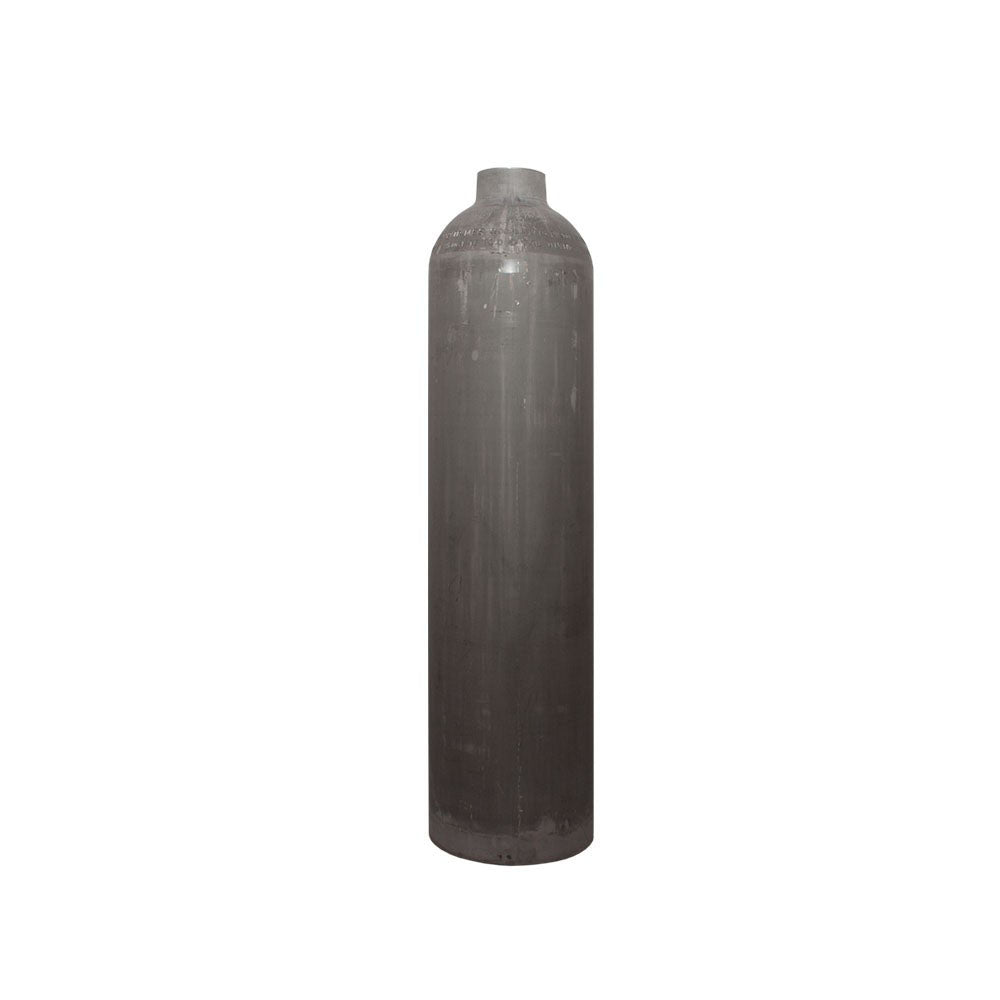
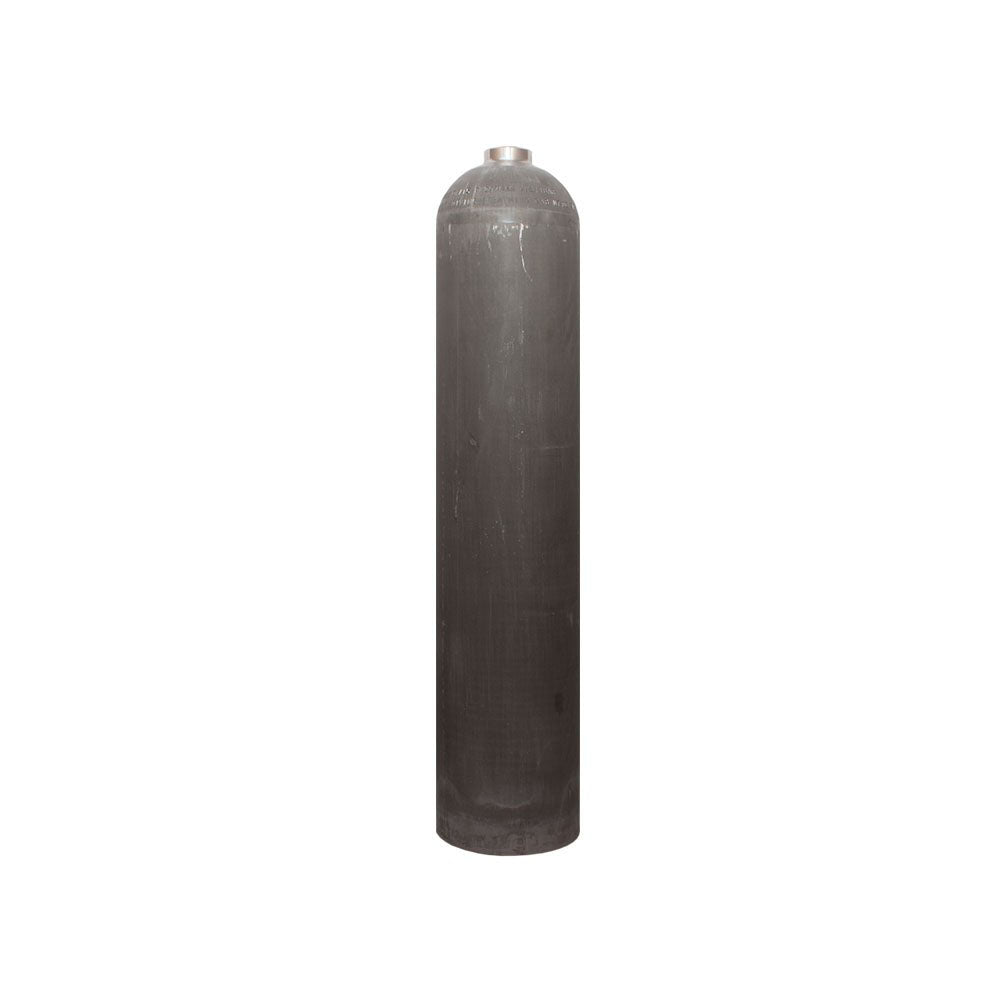
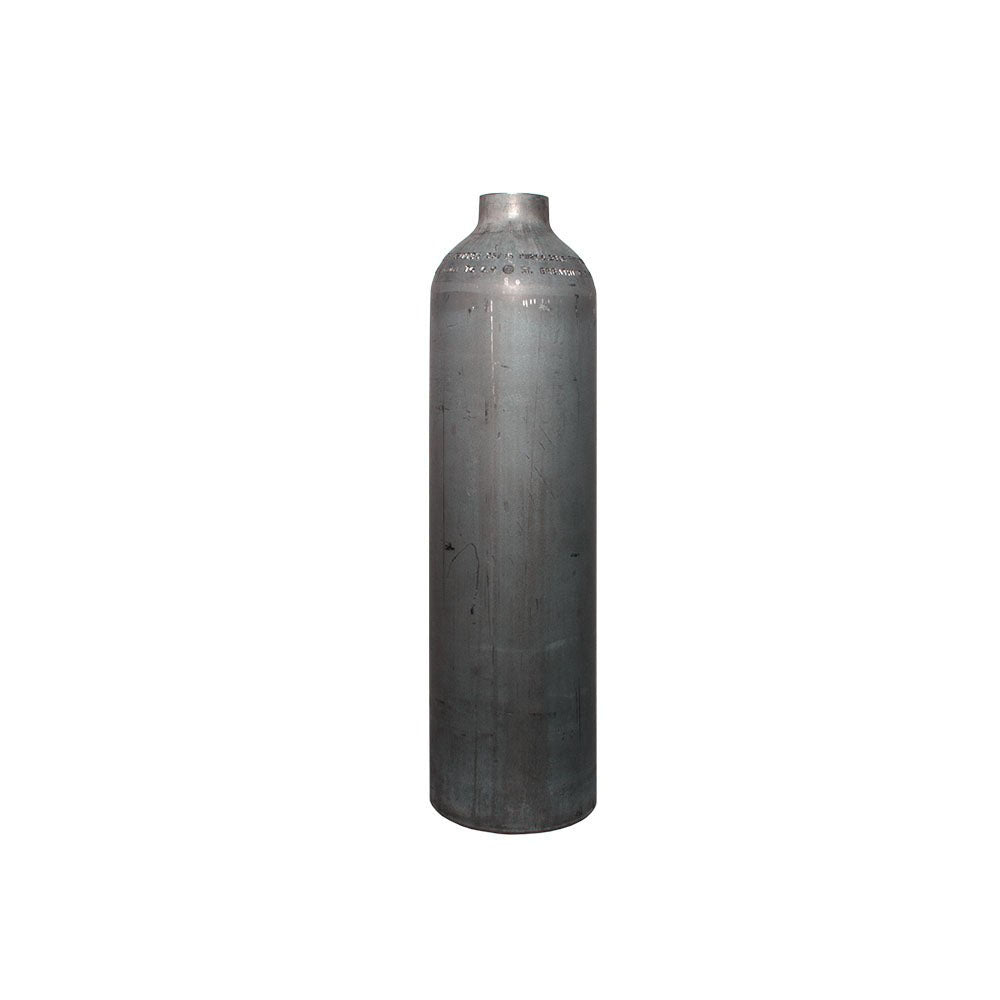
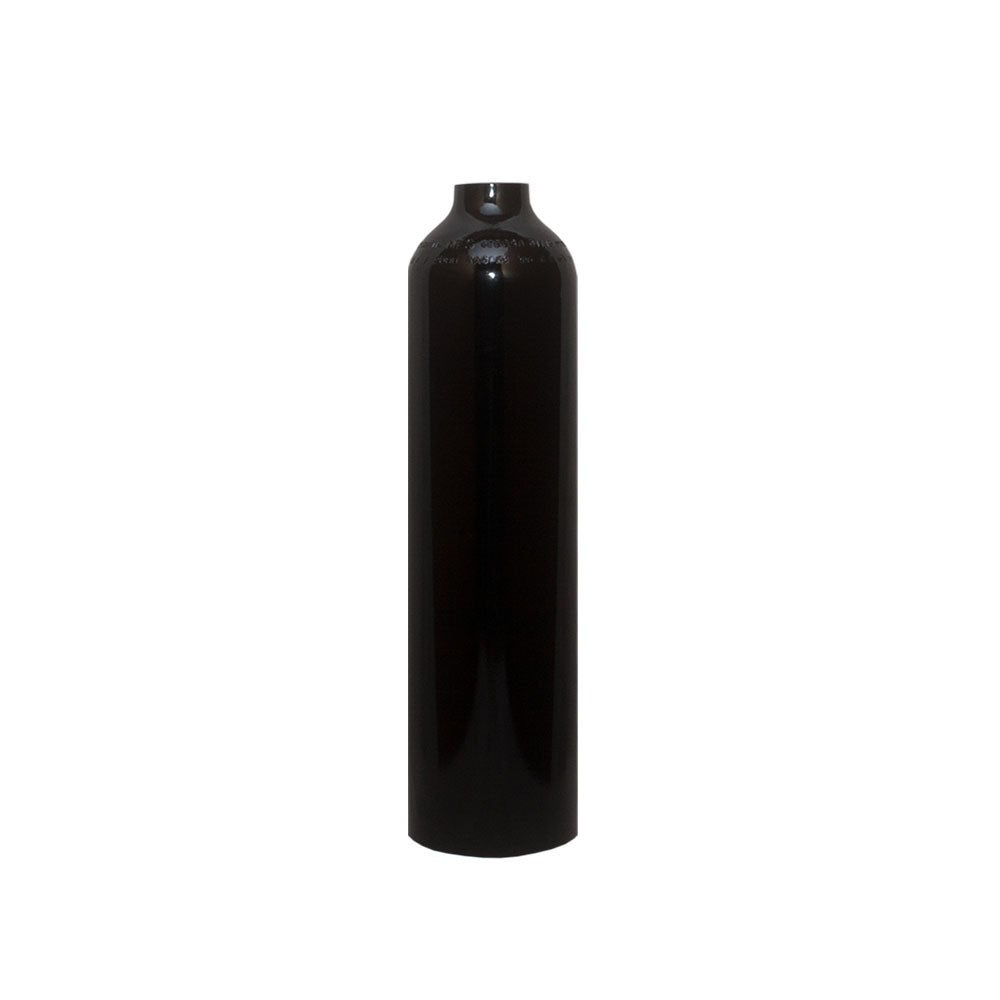
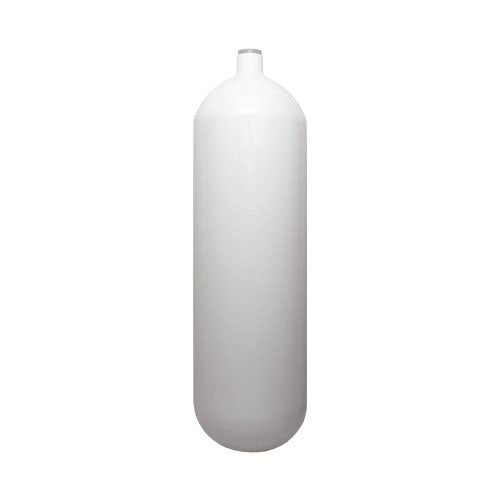
Get the cylinder right first time
Material, size, working pressure and valve thread all have to line up, and a cylinder that is wrong for your diving is an expensive thing to discover on a boat. Our instructors dive this kit and we fill and inspect cylinders every day. Tell us where you dive, what suit you wear and what your filling station can deliver, and we will tell you what actually works.
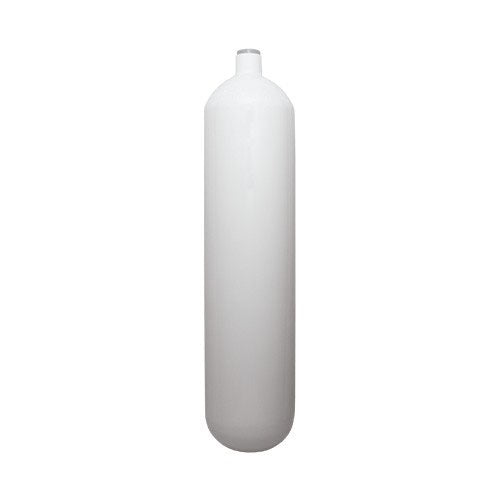


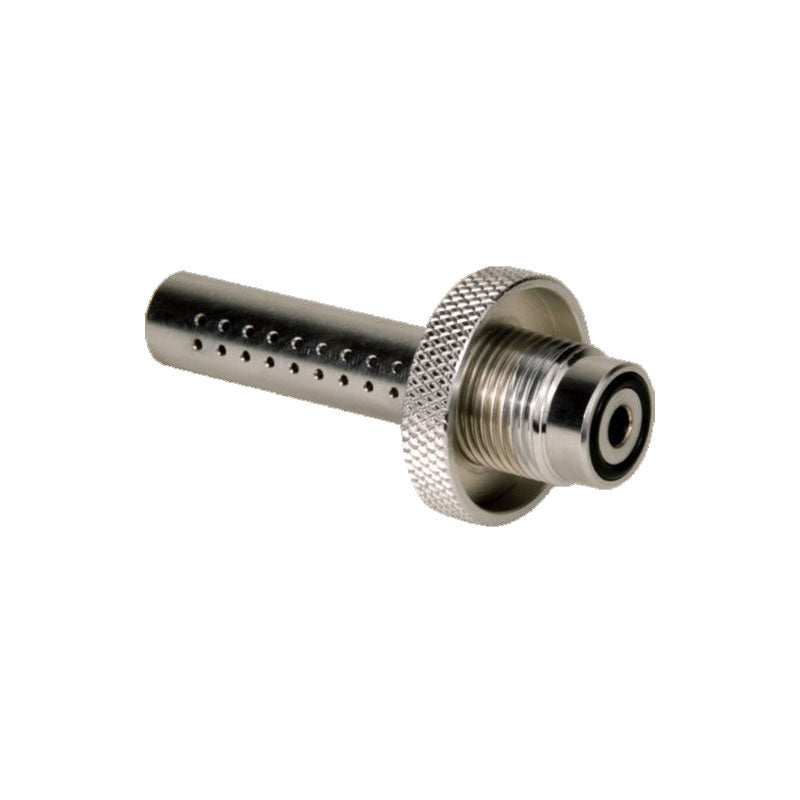

Four. ECS supply the bulk of our steel range and their tanks are made in Apolda, Germany. Faber make the steel cylinder we sell ready to dive with a valve and boot already fitted. MES cover the aluminium side, in natural, white and black finishes. Nautilus supply the valves and the DIN Cylinder Insert. Between them they cover pony bottles, stage cylinders and full-size back gas, in both steel and aluminium.
It mostly comes down to what you dive in. Steel is denser, so a steel cylinder is physically smaller than an aluminium one holding a comparable amount of gas, and it stays negative as you breathe it down. That suits drysuit and cold-water diving in the UK, where you are carrying lead anyway. Aluminium becomes progressively more buoyant as the gas comes out, which is why it is common in warm water and on holiday boats, and why it works well as a slung stage or deco cylinder. Our steel comes from ECS and Faber, our aluminium from MES.
A 300 bar cylinder holds more gas in the same physical volume than a 232 bar one, but only if you can get it filled to its rated pressure. Not every compressor and not every dive centre will deliver a full 300 bar fill, and a 300 bar cylinder filled to 232 bar simply gives you less gas than a 232 bar cylinder of the same size would. Check what your usual filling station can do before you commit. Most of our ECS steel range is 232 bar, with 300 bar options in the smaller and mid sizes. The MES aluminium cylinders run at 200 and 207 bar.
There are two separate questions here. The first is how your regulator attaches to the valve: a DIN regulator screws into the valve, an INT or yoke regulator clamps over it. If you have a yoke regulator and a DIN valve, the Nautilus DIN Cylinder Insert screws into the valve and lets the yoke clamp on. The Faber Steel Dive Cylinder comes with a DIN convertible crossflow valve, so it handles both. The second question is the valve thread itself, where the valve screws into the cylinder neck: our range uses M25x2 and M18x1.5, and these are not interchangeable. Match the valve thread to the cylinder, and if you are buying valve and cylinder separately, tell us both and we will check it.
A new cylinder arrives certified, so it can be filled straight away. After that it needs periodic visual inspection and hydrostatic testing to stay in service, and any filling station worth using will refuse a cylinder without an in-date test stamp. The intervals are set by the standards that apply where you dive, not by us, so check the current requirement rather than relying on what a mate told you. We test and service cylinders in-house through Oyster Servicing. Cylinders also arrive empty or with only a holding charge for transport, so plan a fill before your first dive.
Your cart is empty