Regular price
£60.00 GBP
Sale price
£60.00 GBP
Regular price
£90.00



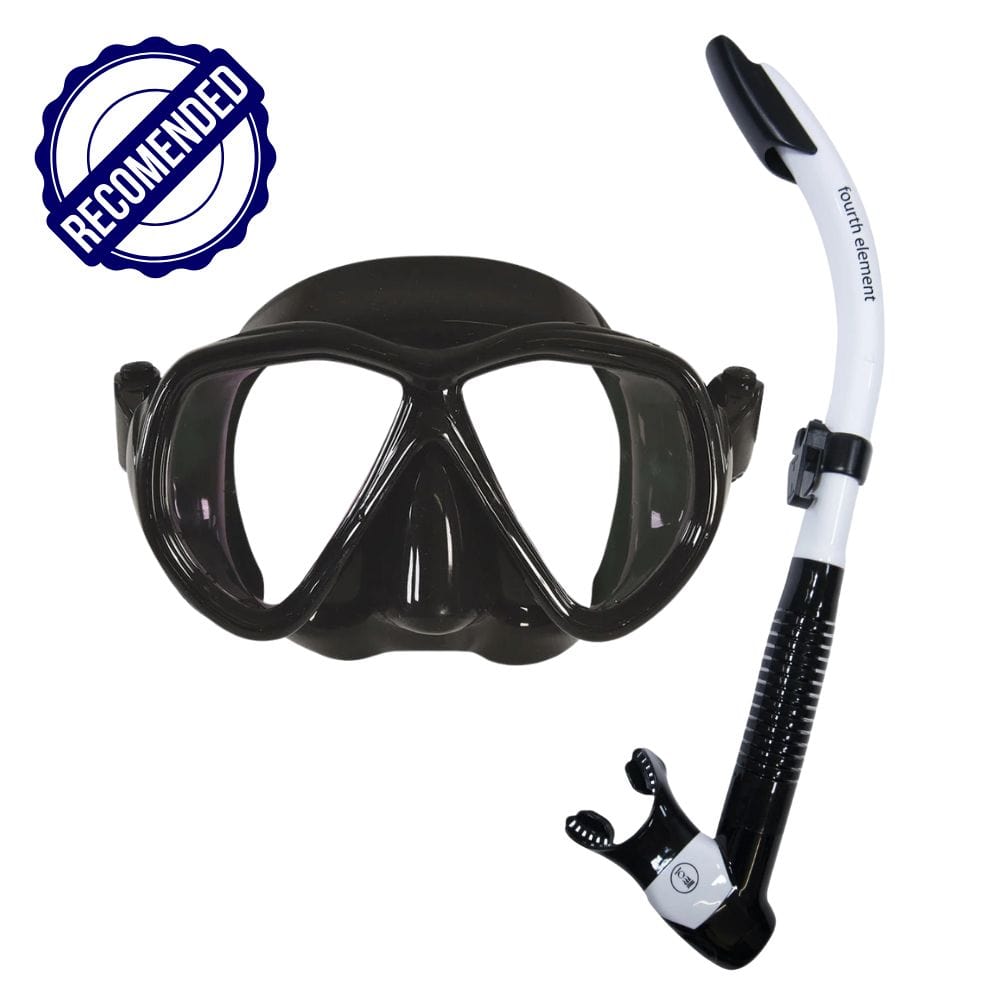

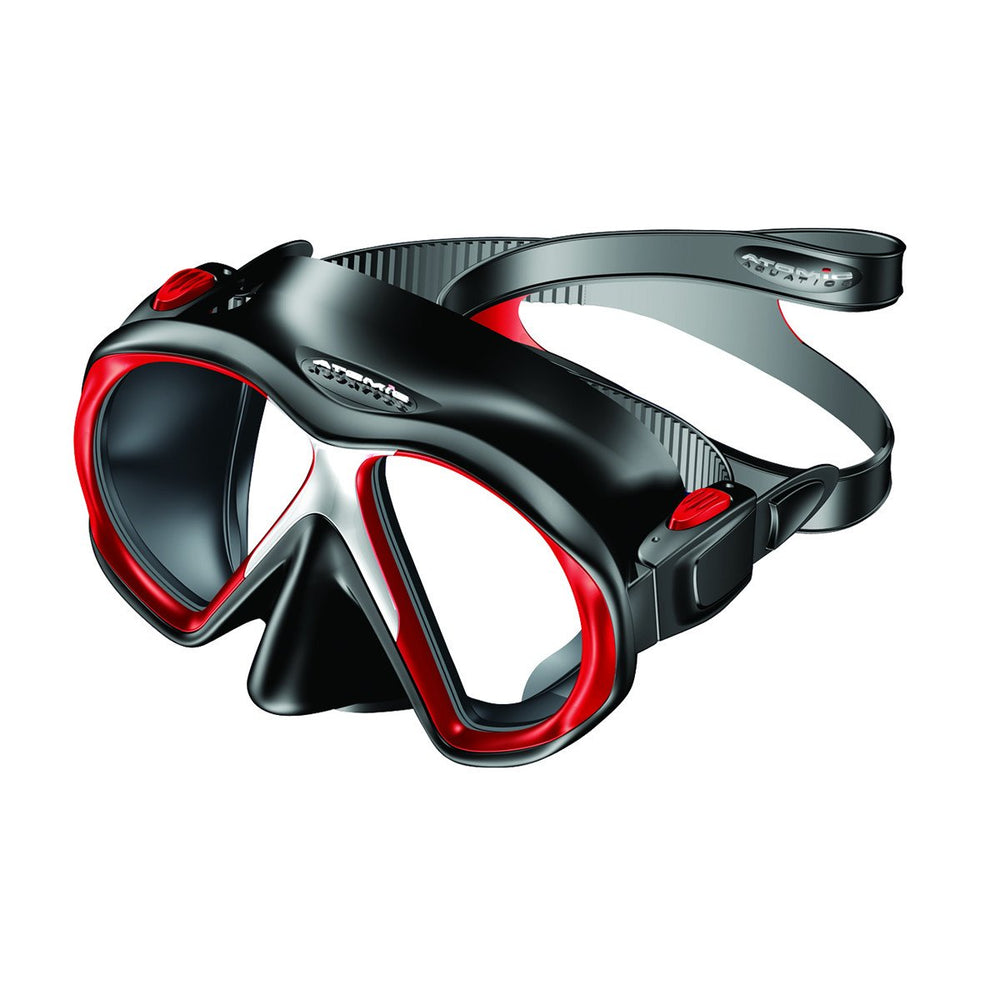
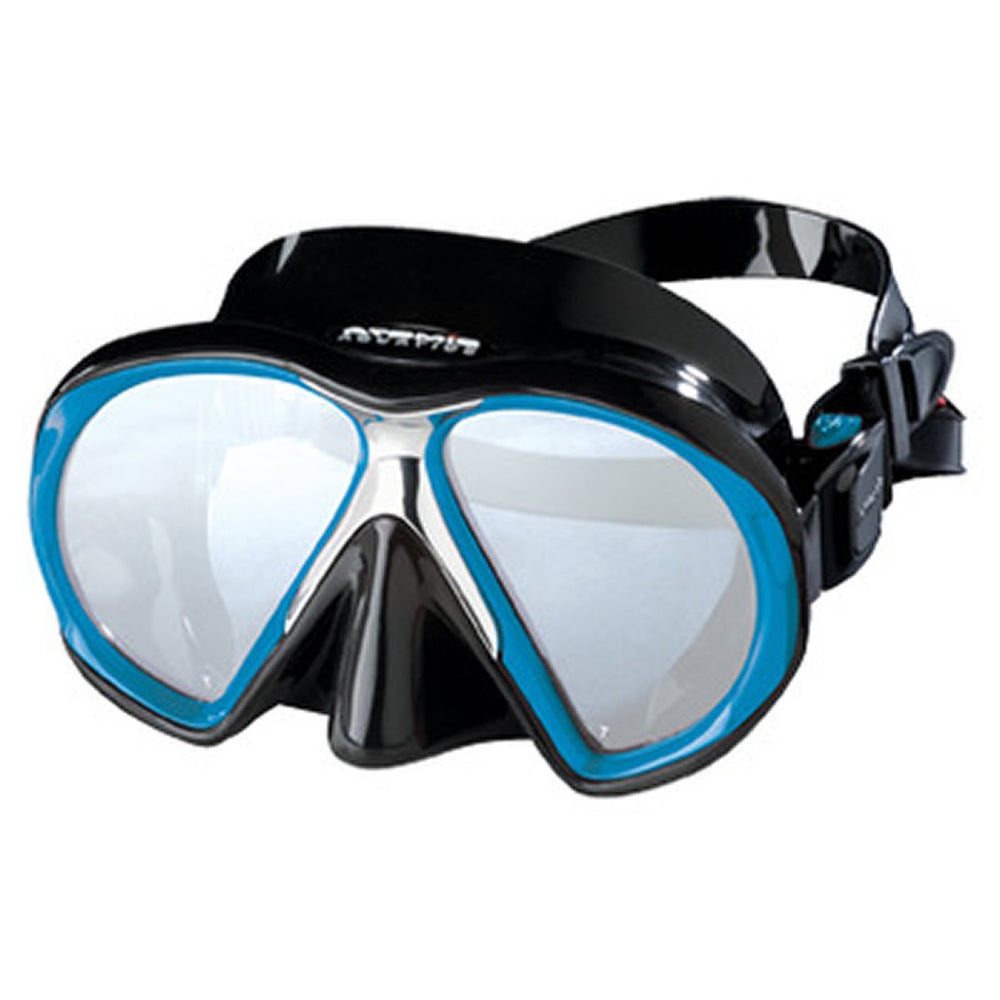
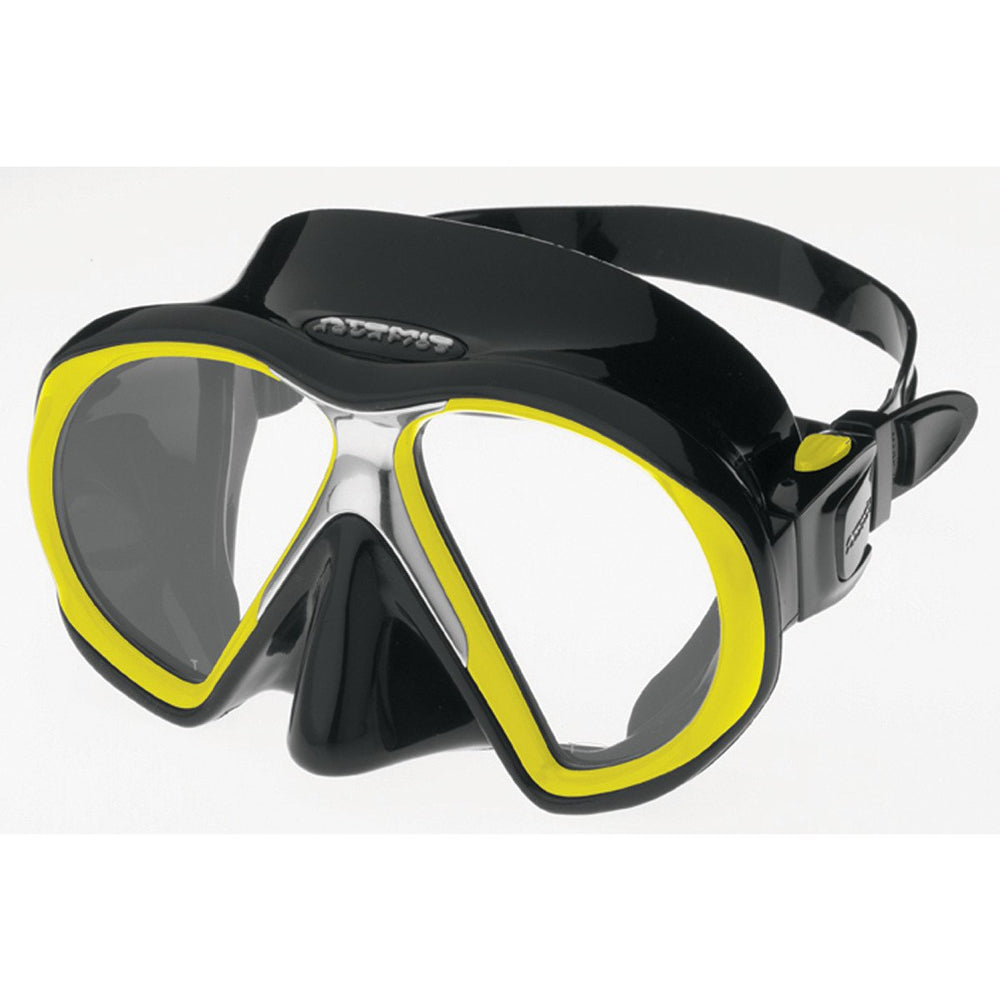


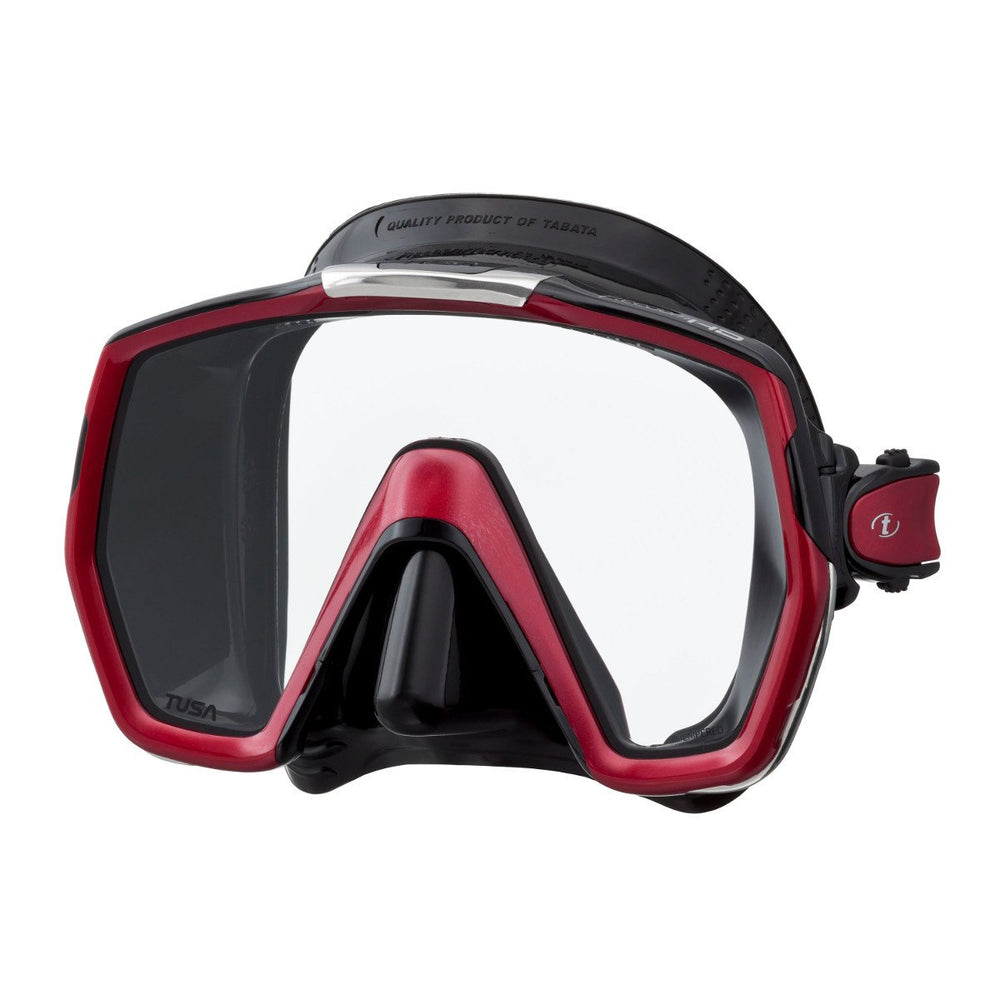
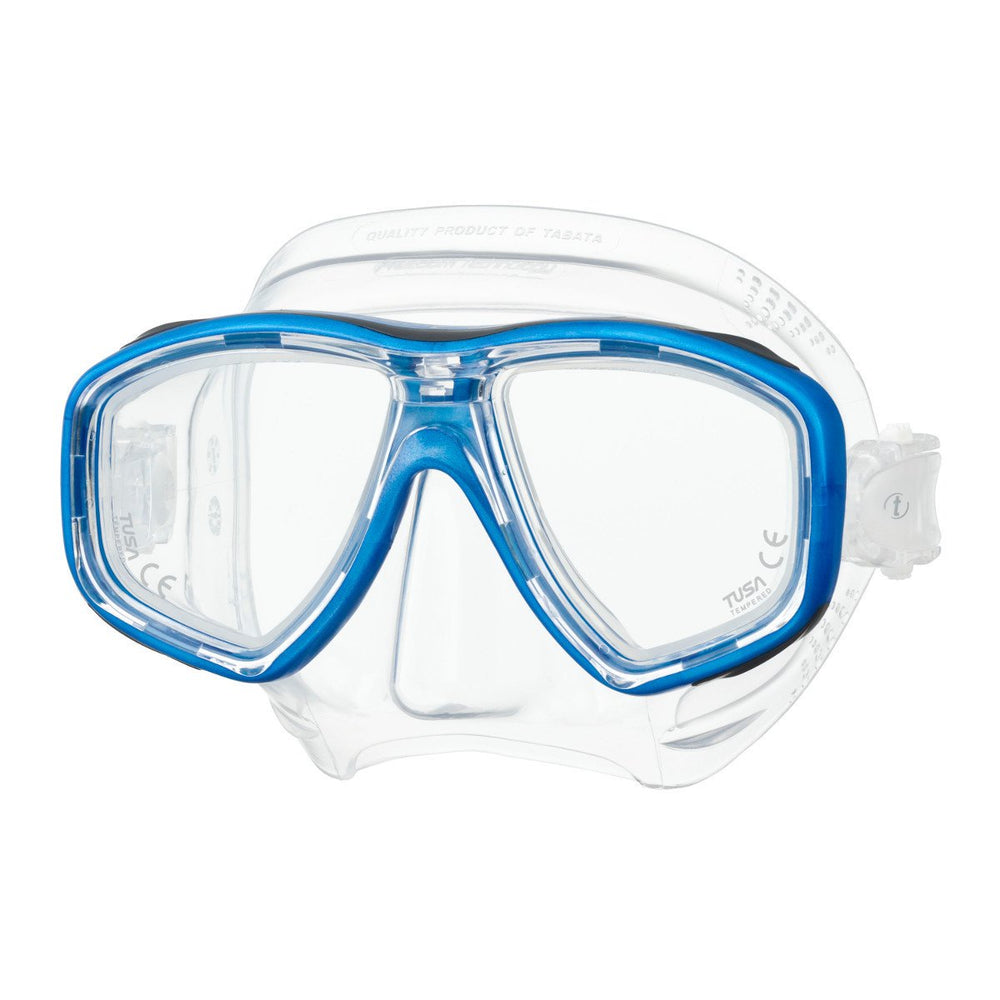
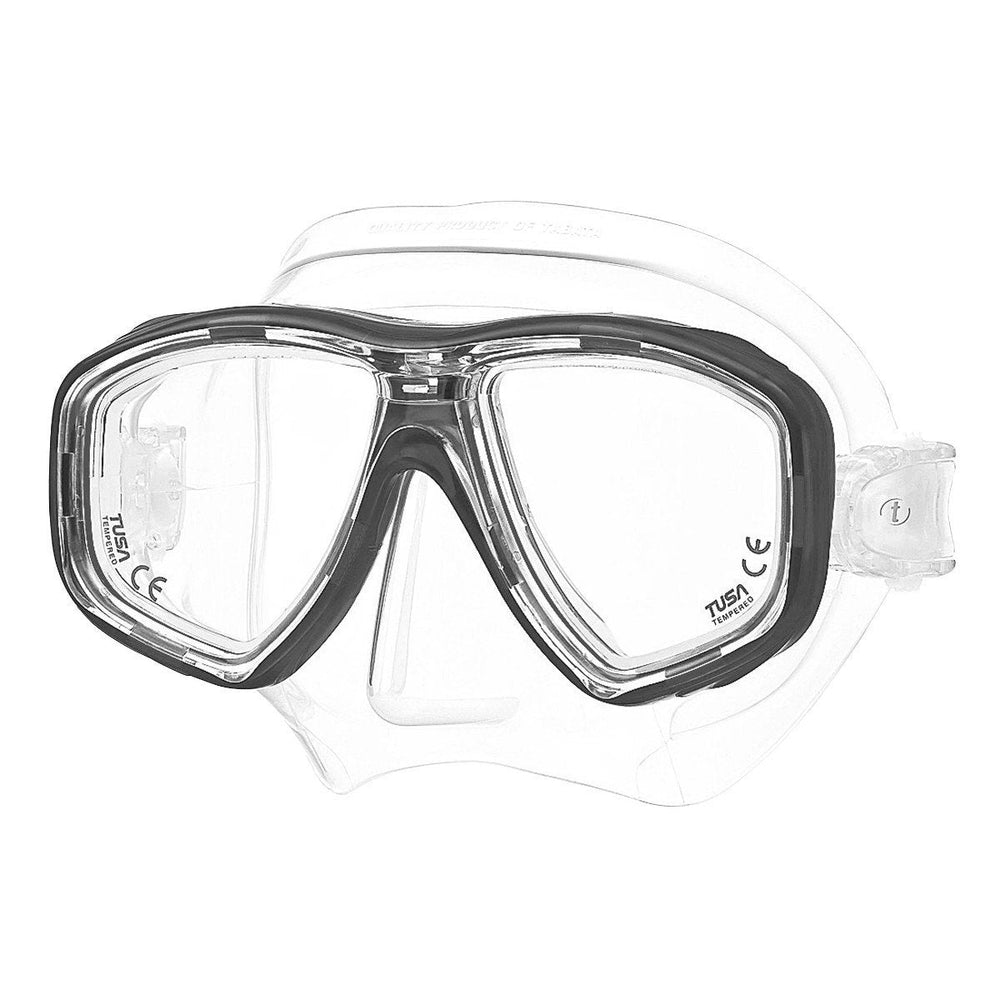
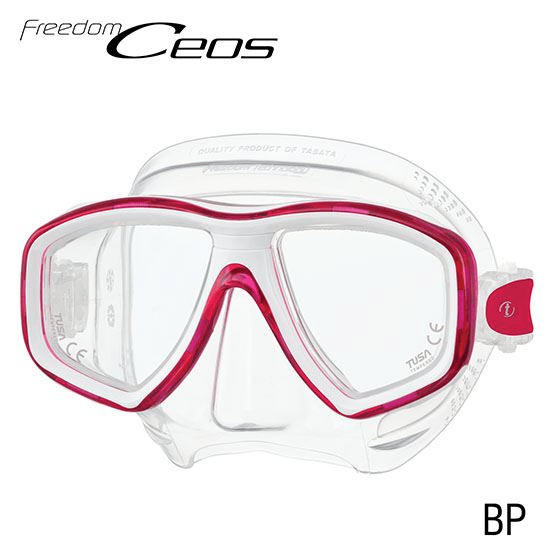
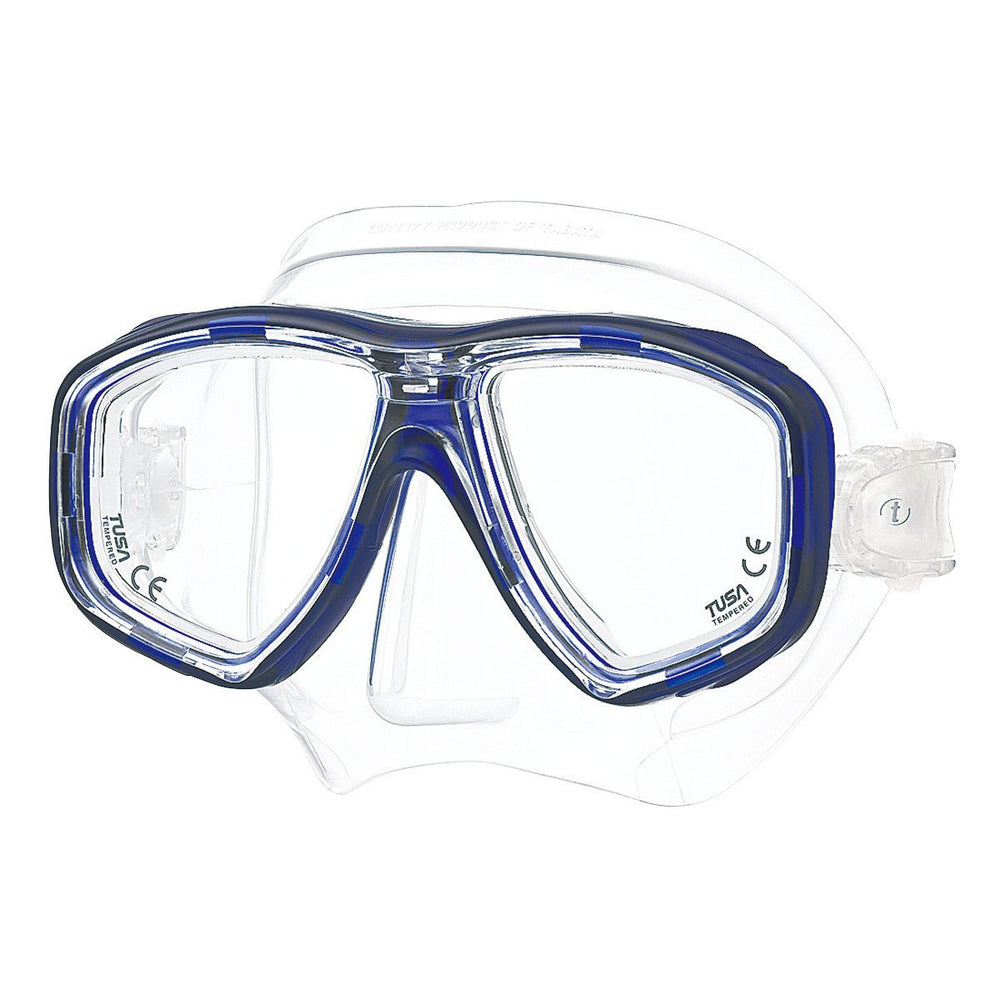
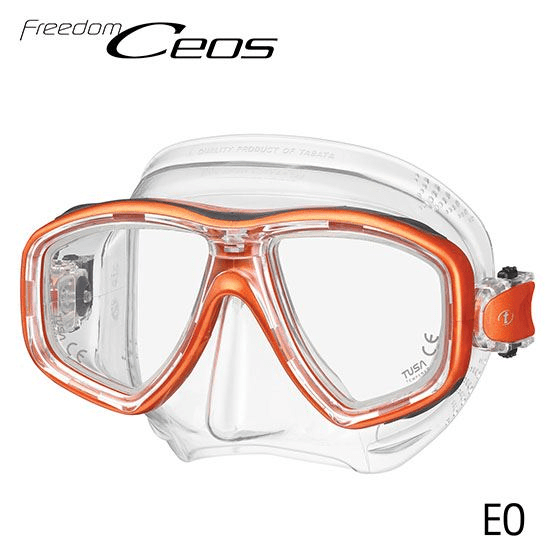
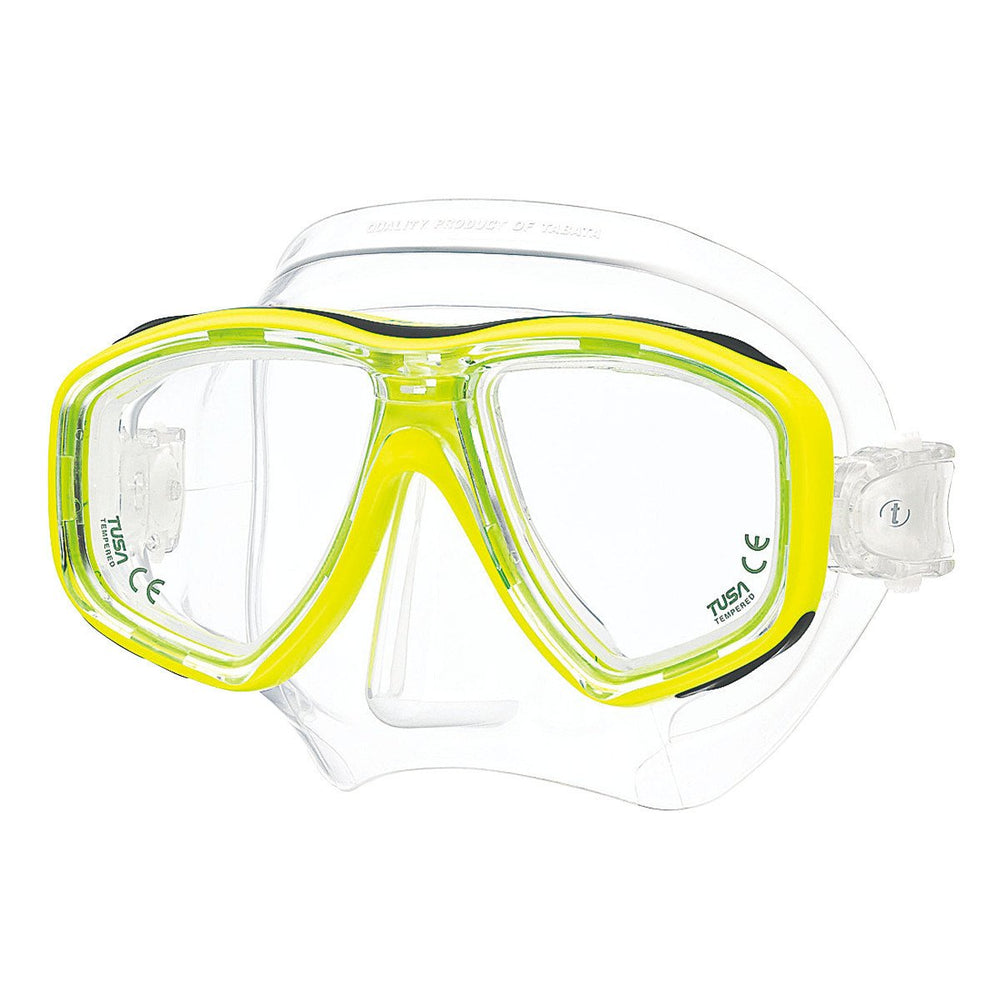

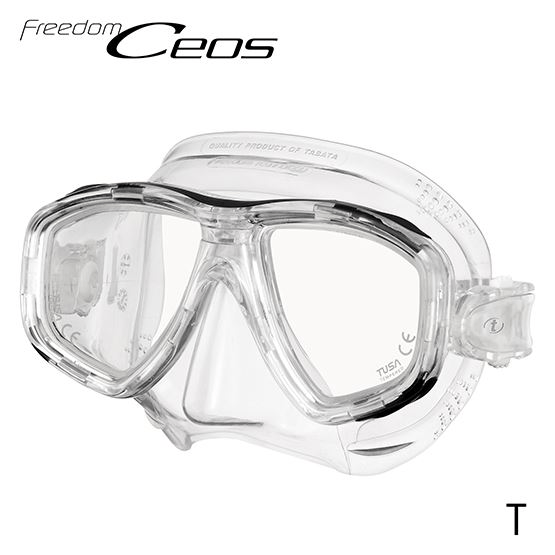

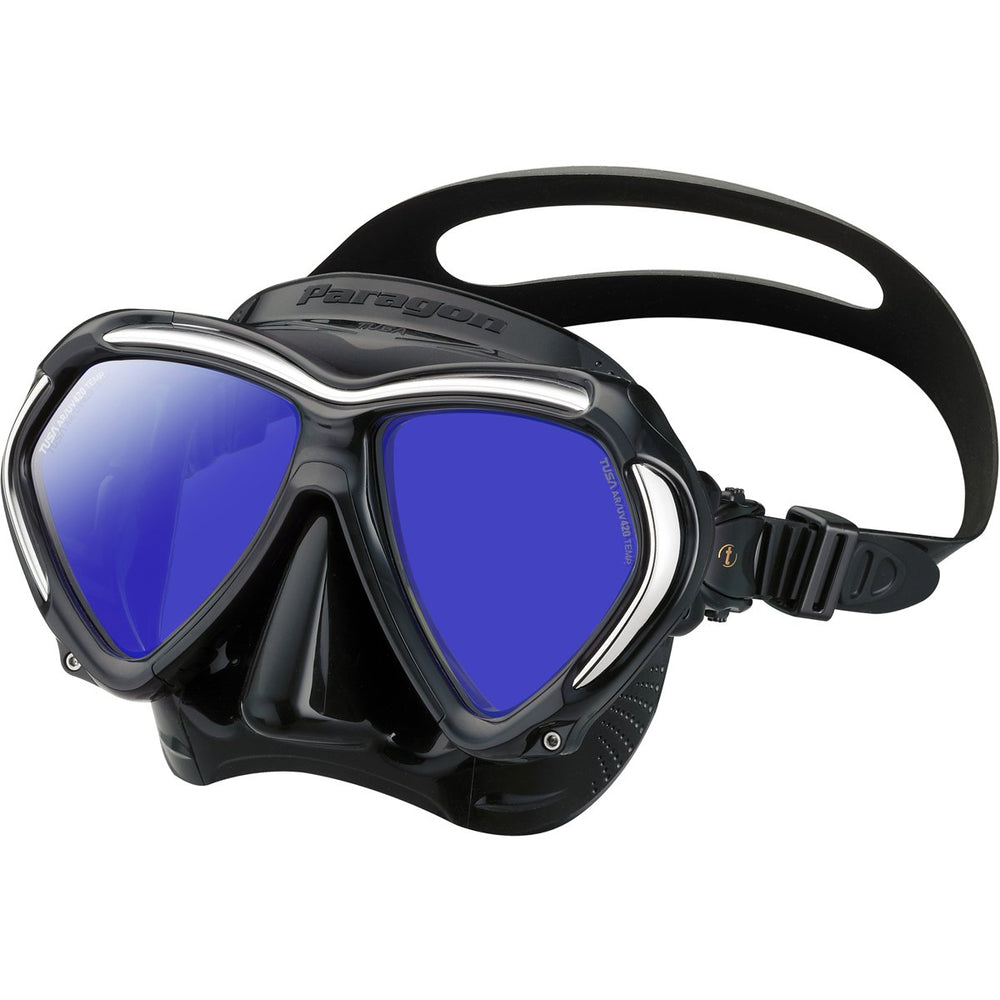
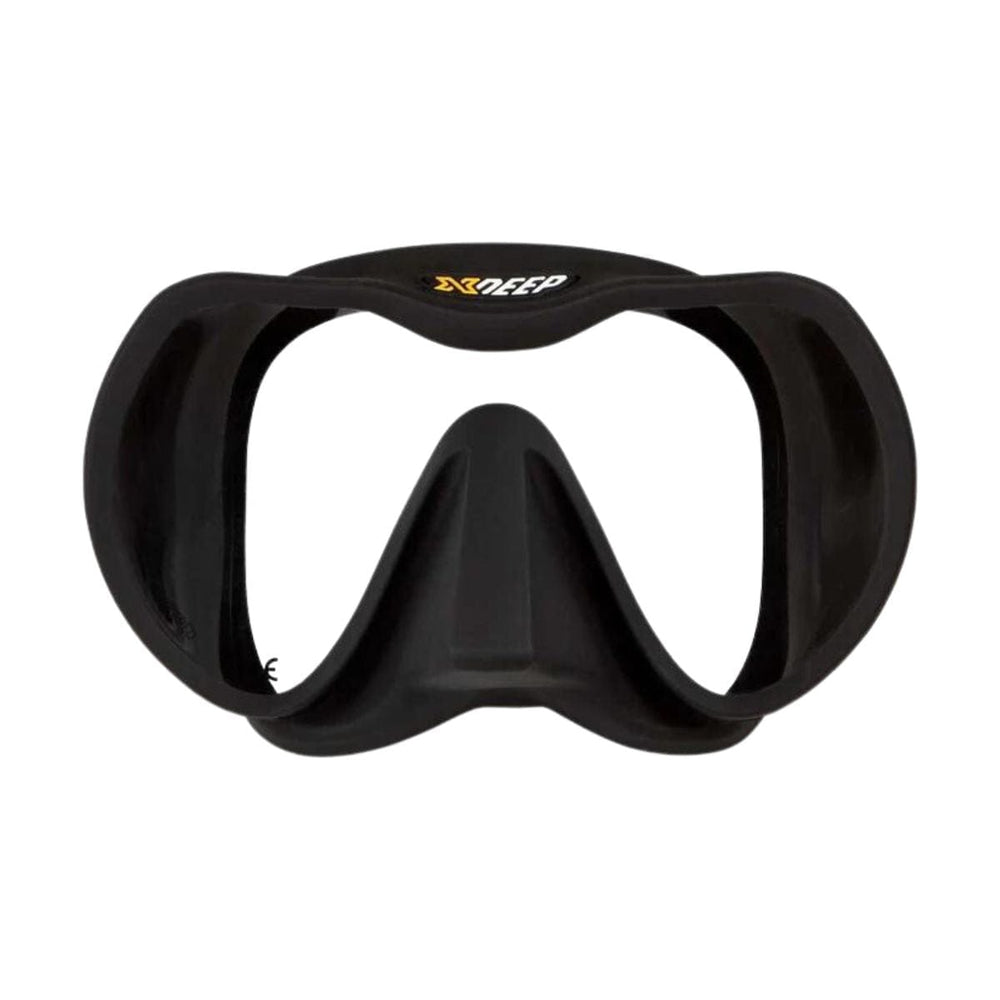
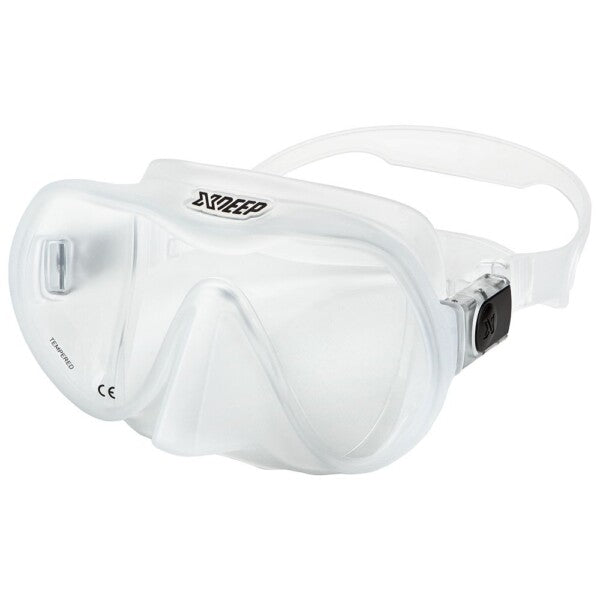
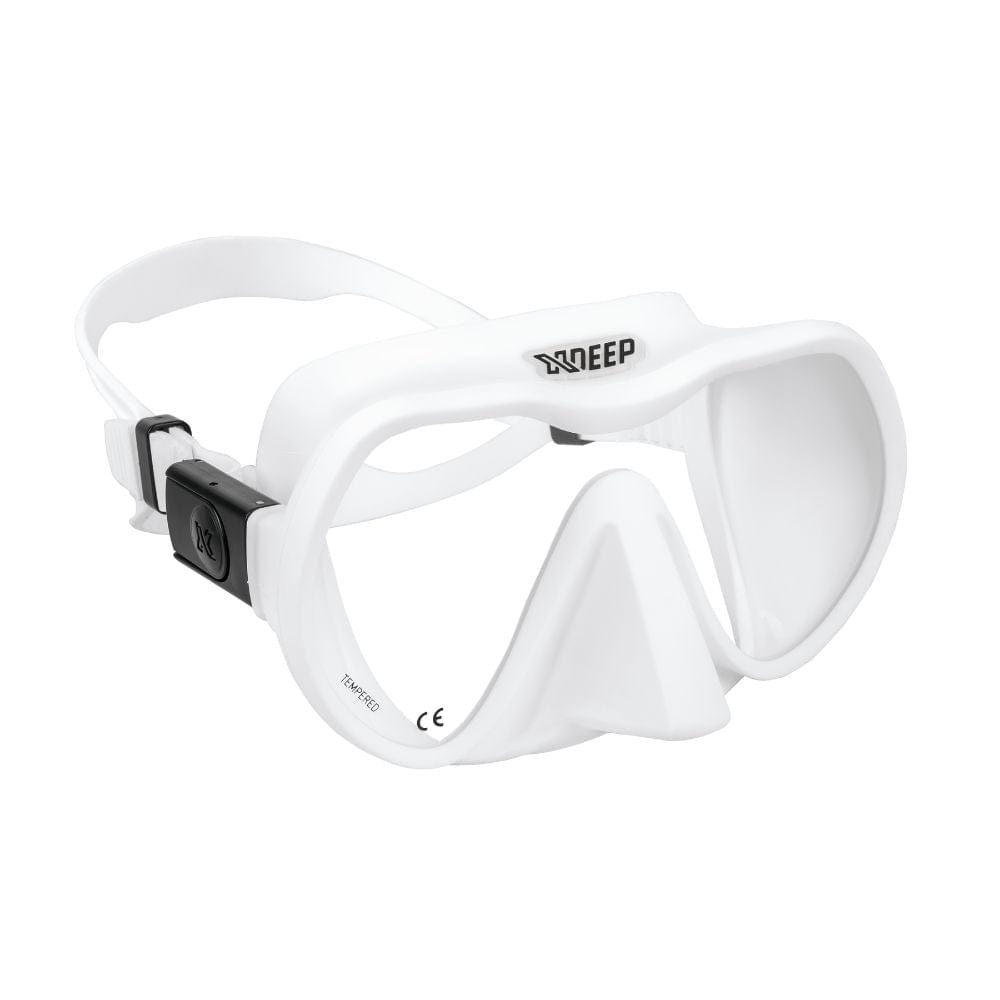
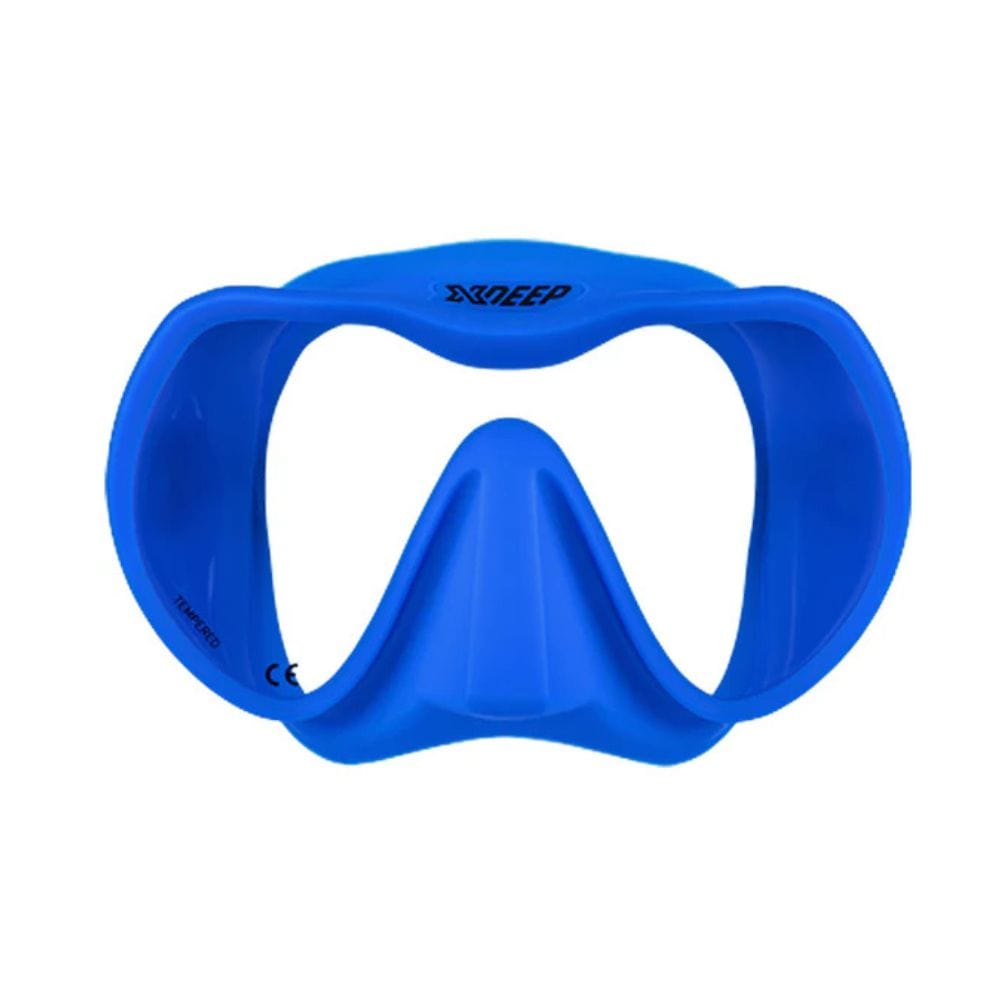
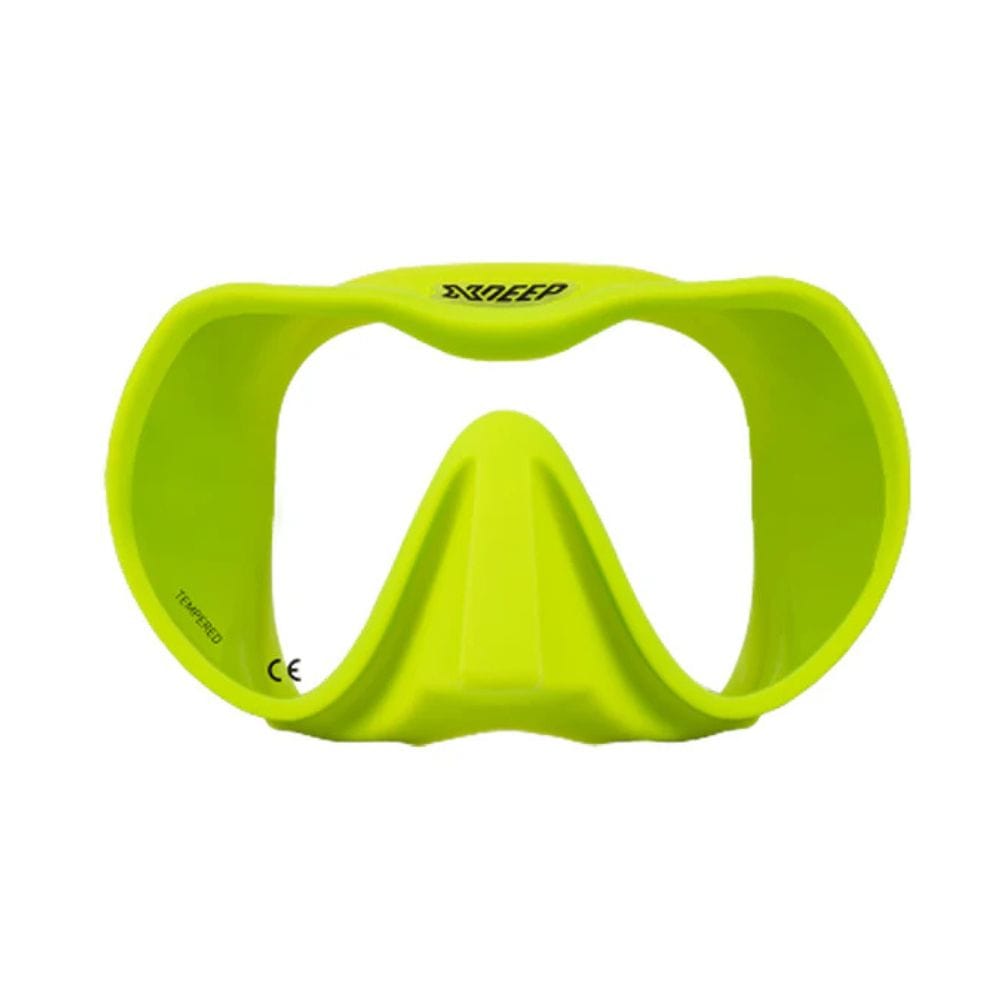
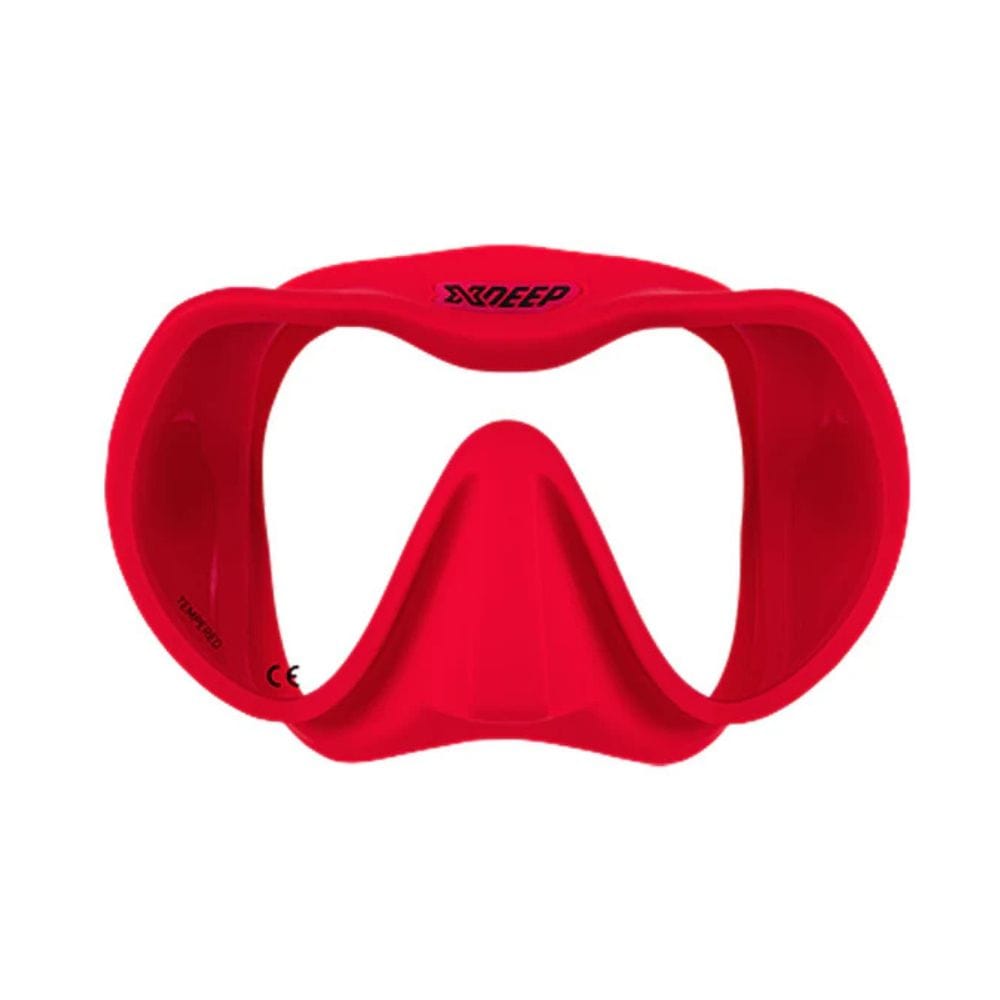
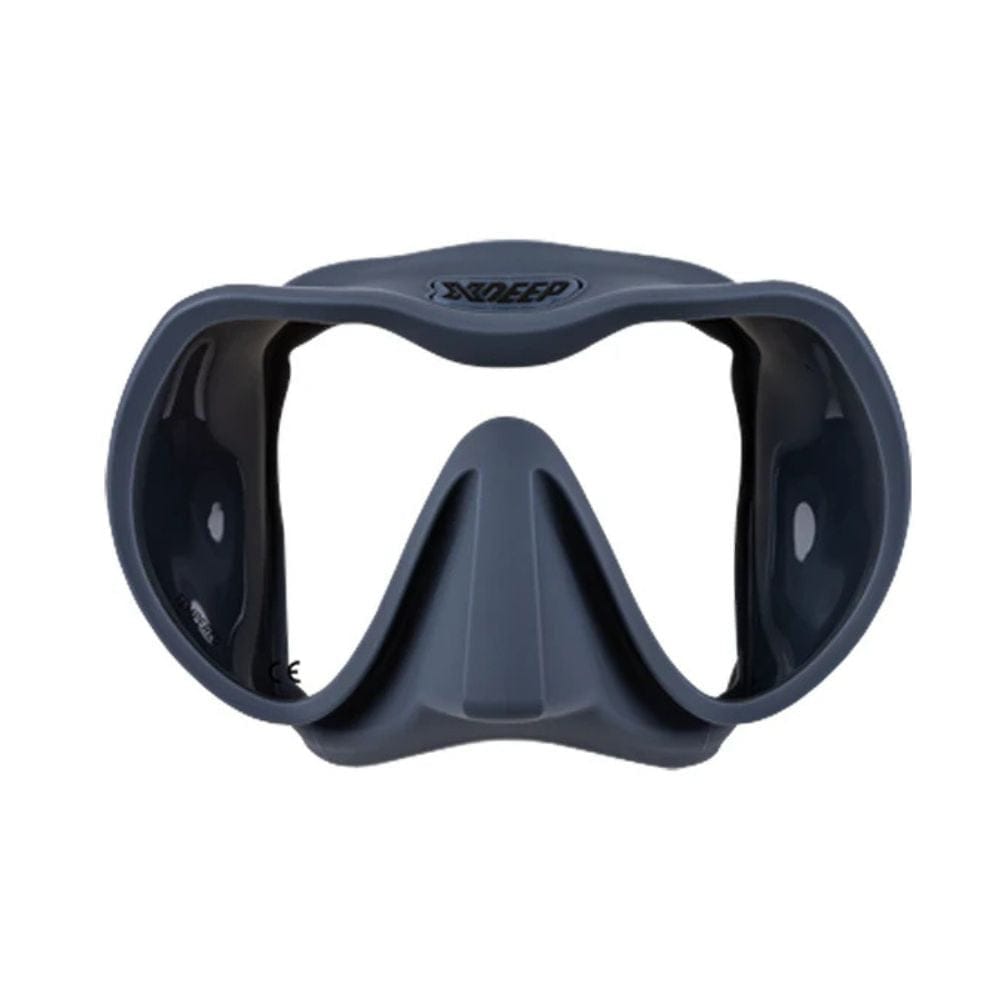
Not sure which kit is right for you?
Our PADI professionals dive this equipment every week. Check the size guide before you order, or ask us for honest advice on what suits your diving.

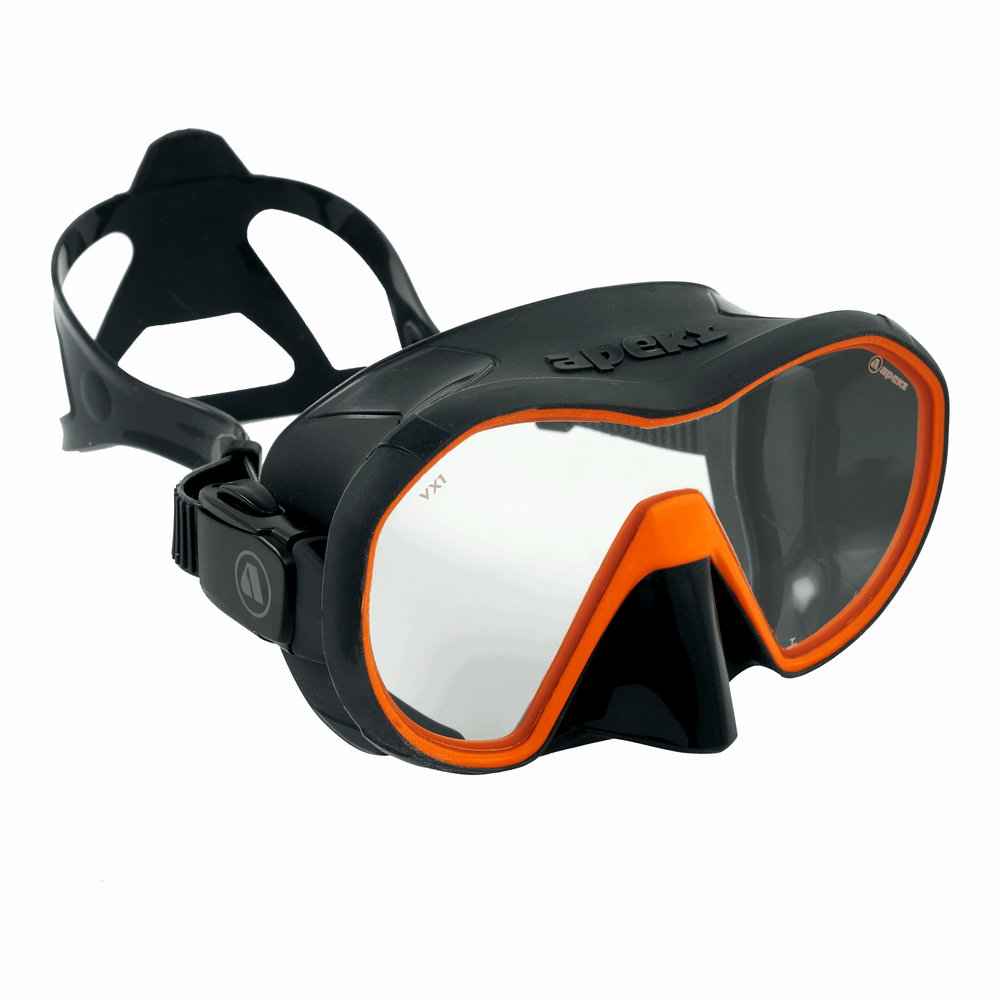
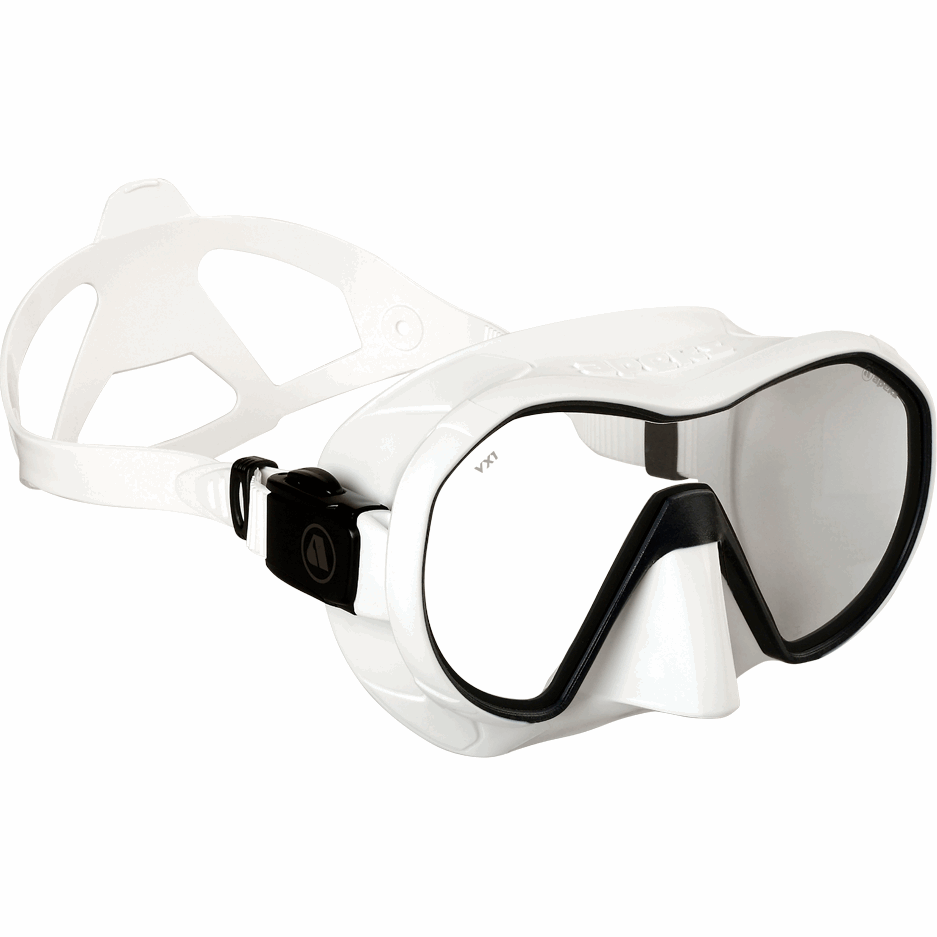
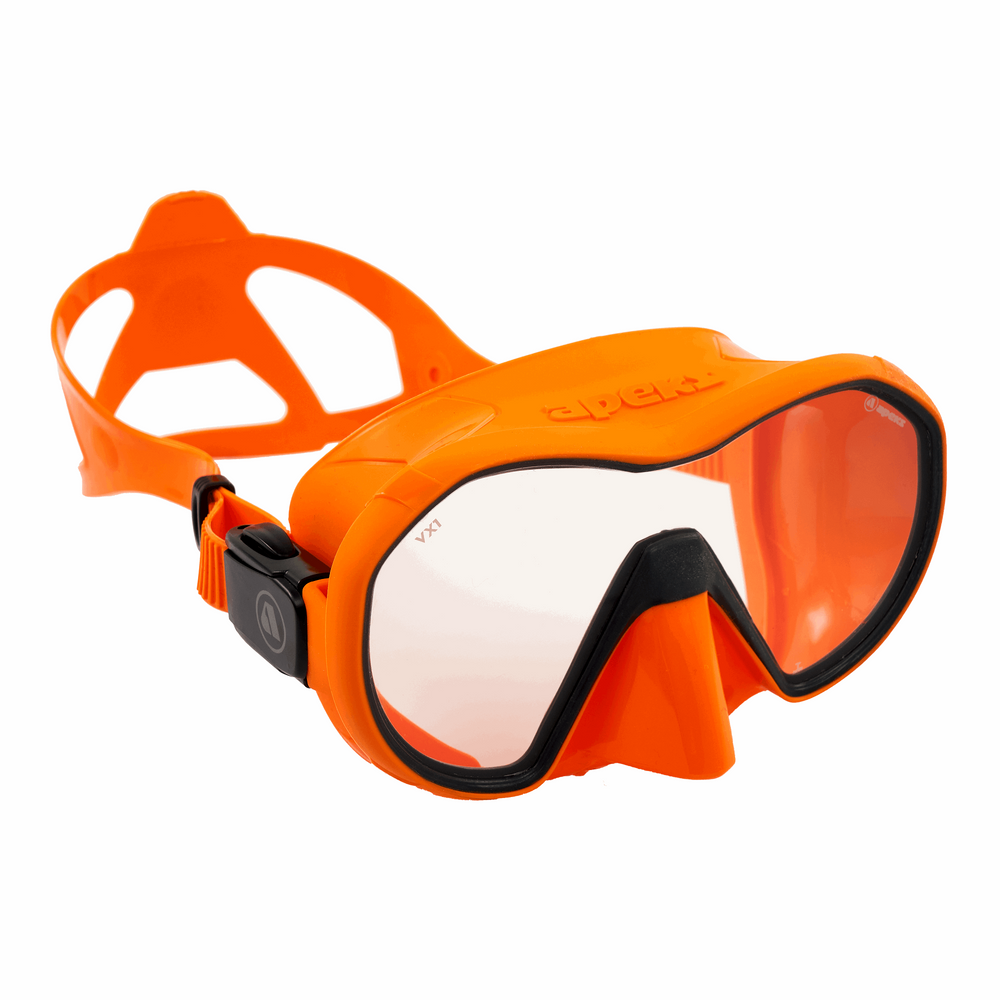
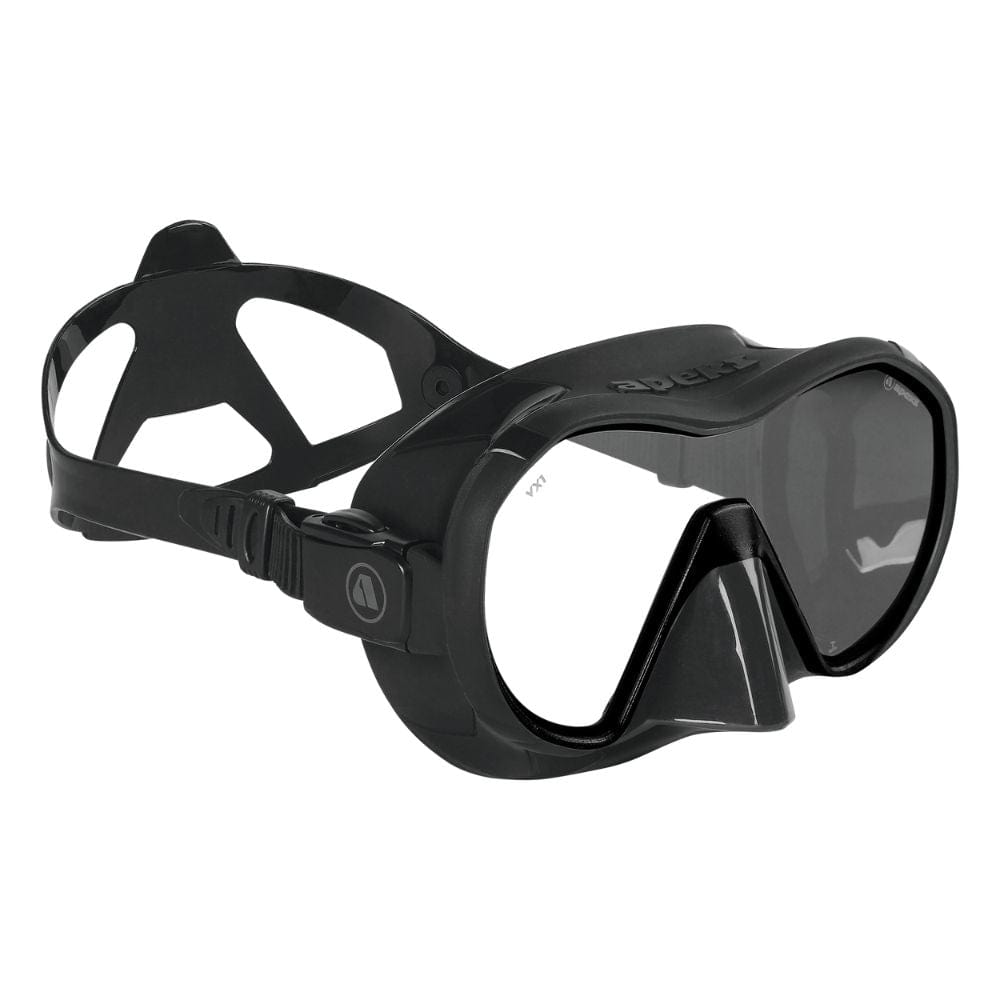
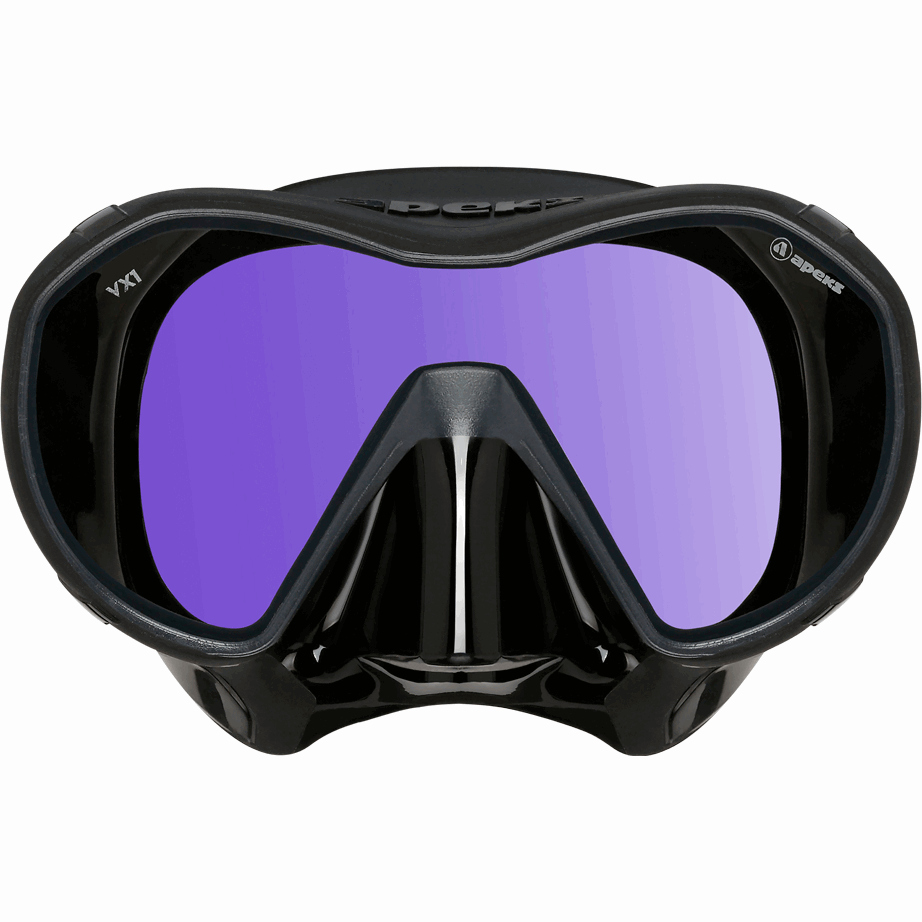
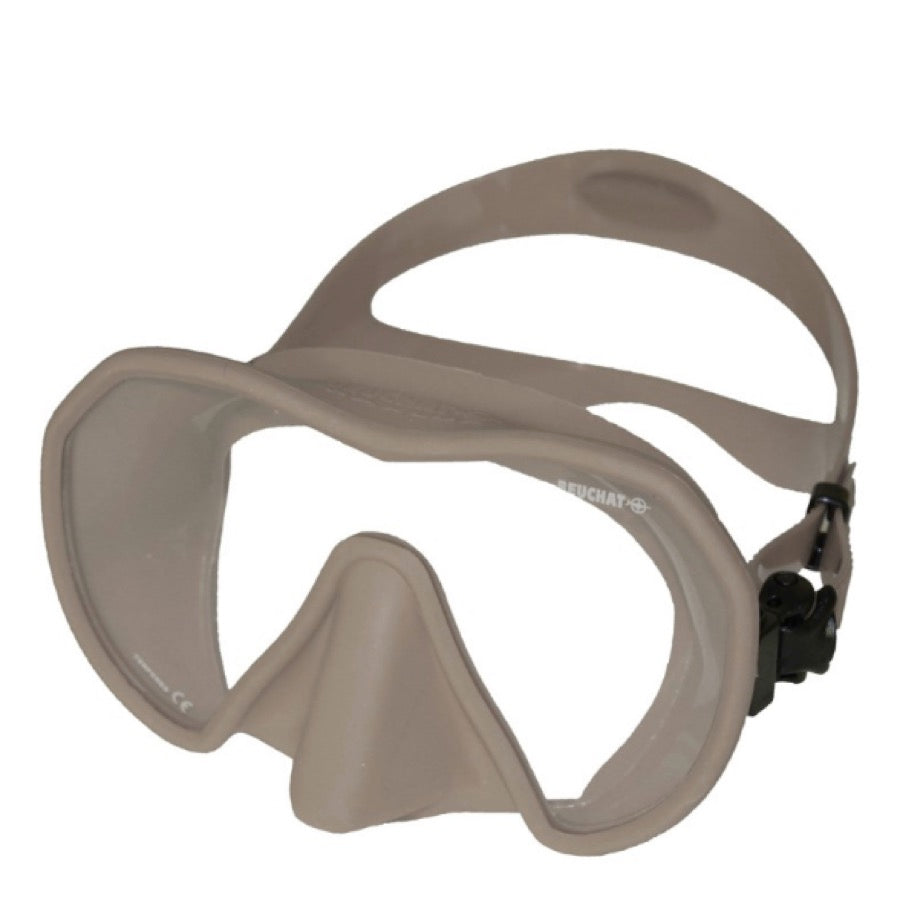
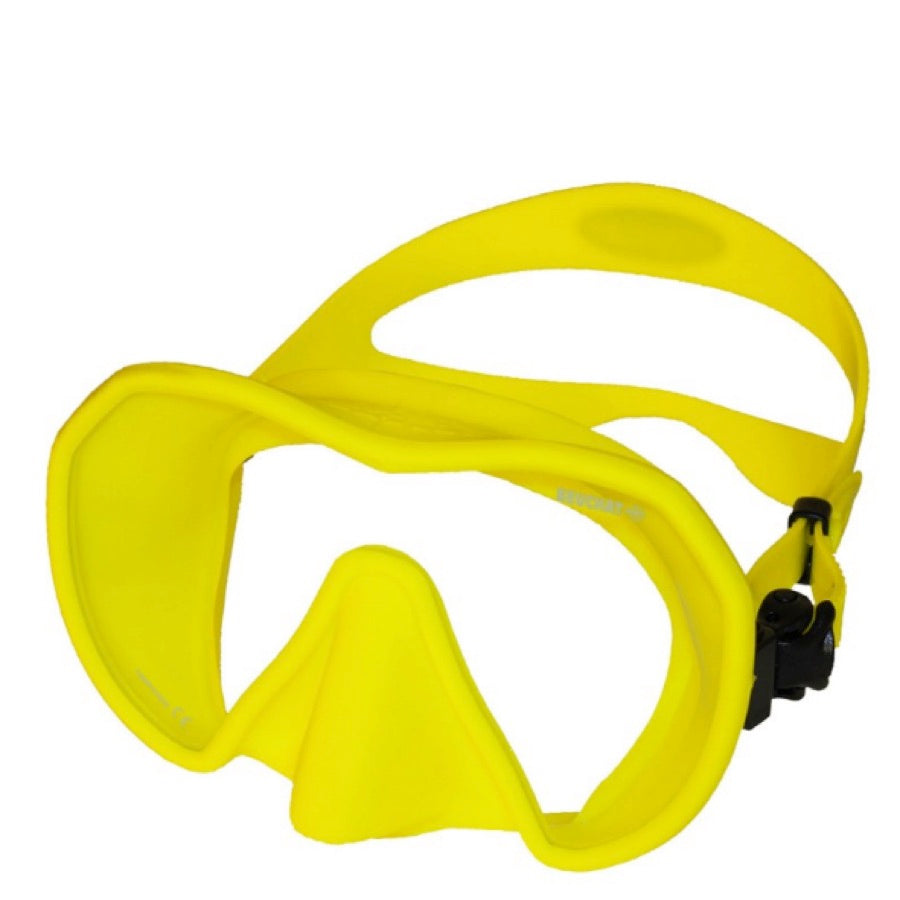
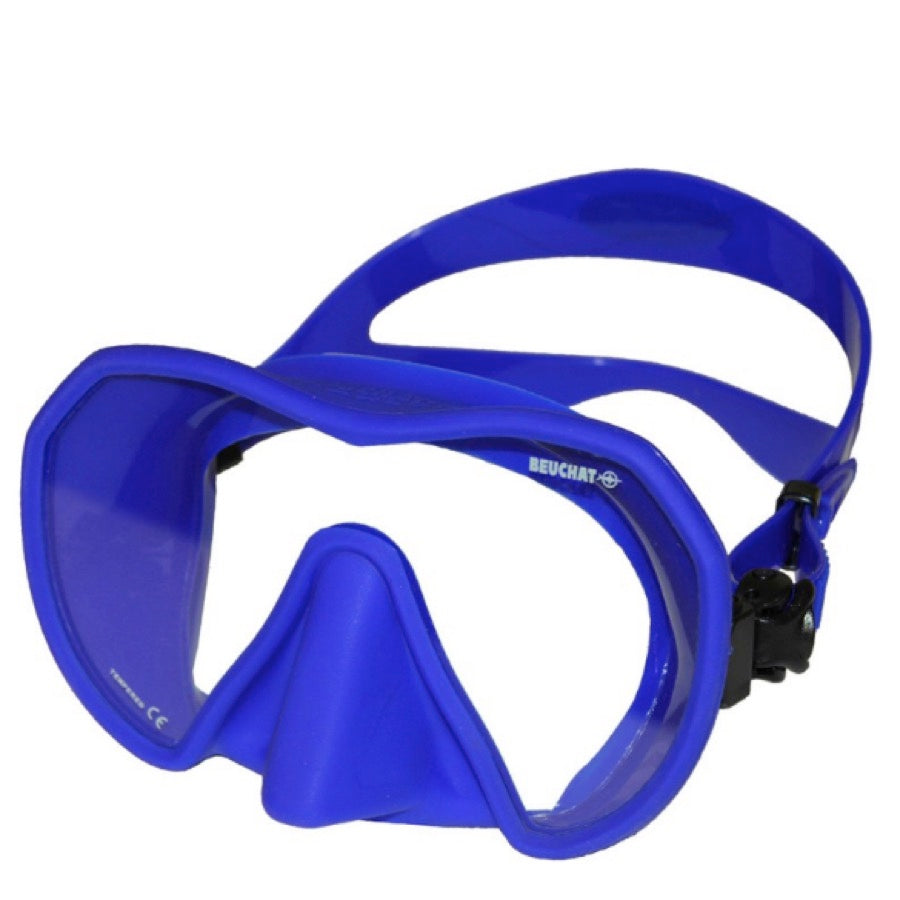
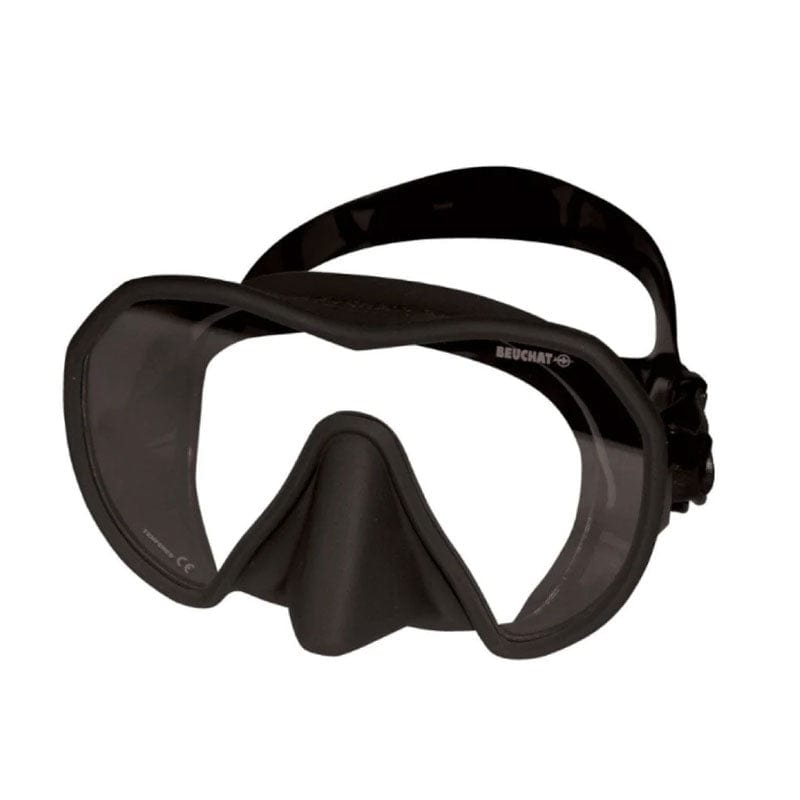
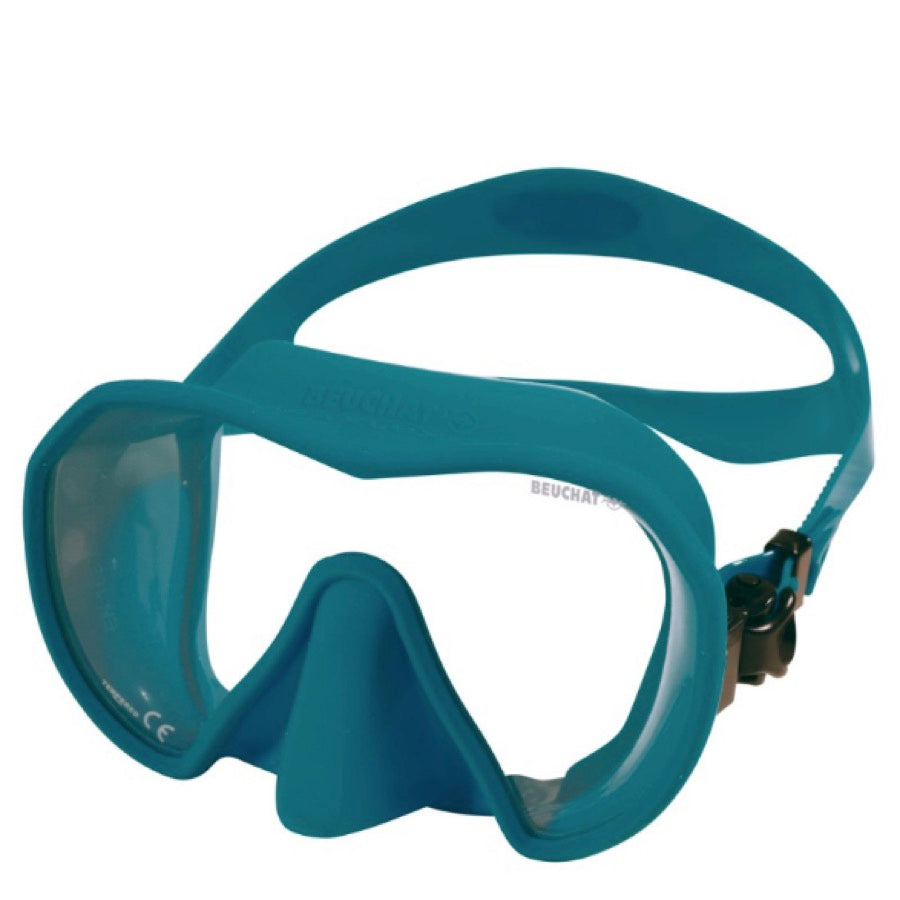
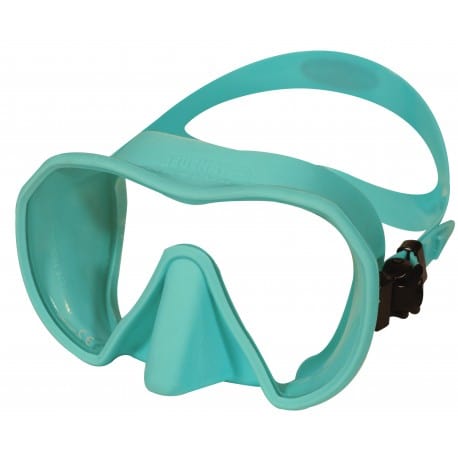
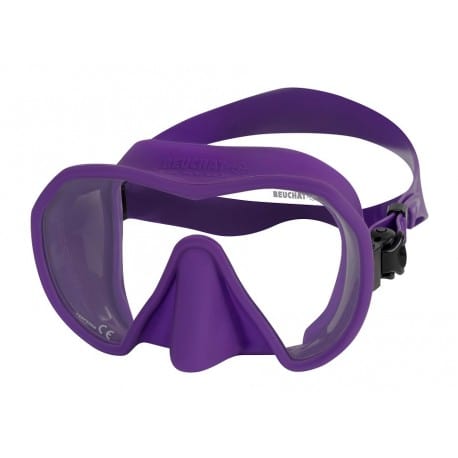
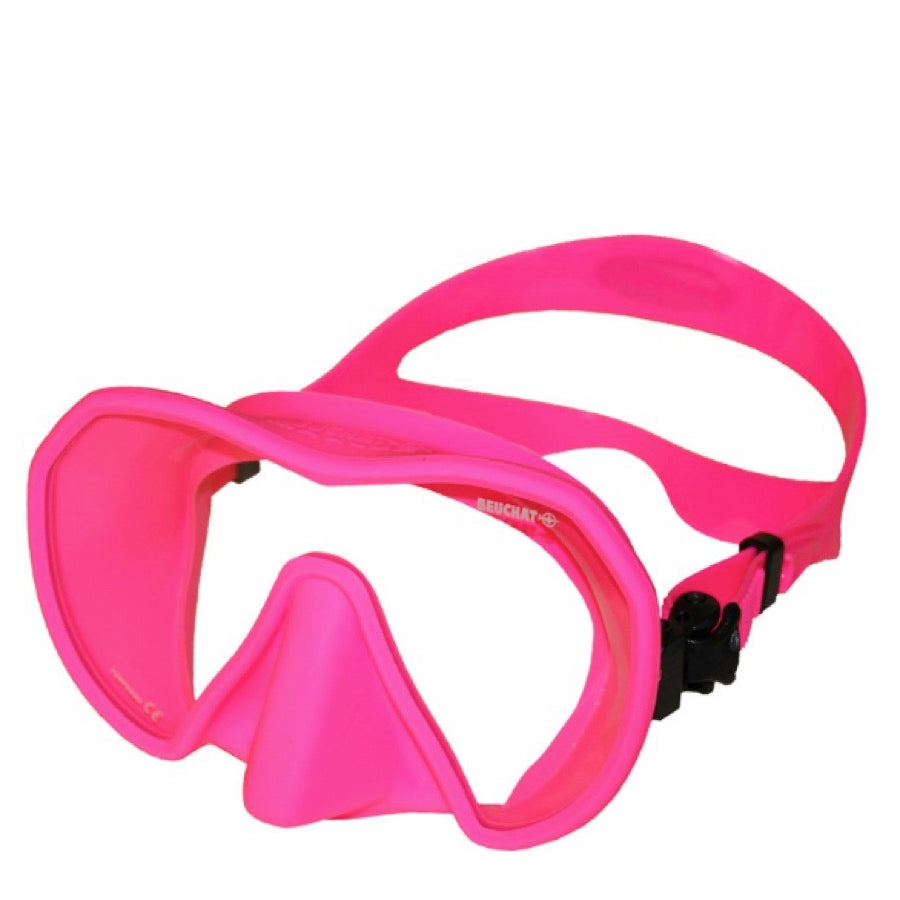
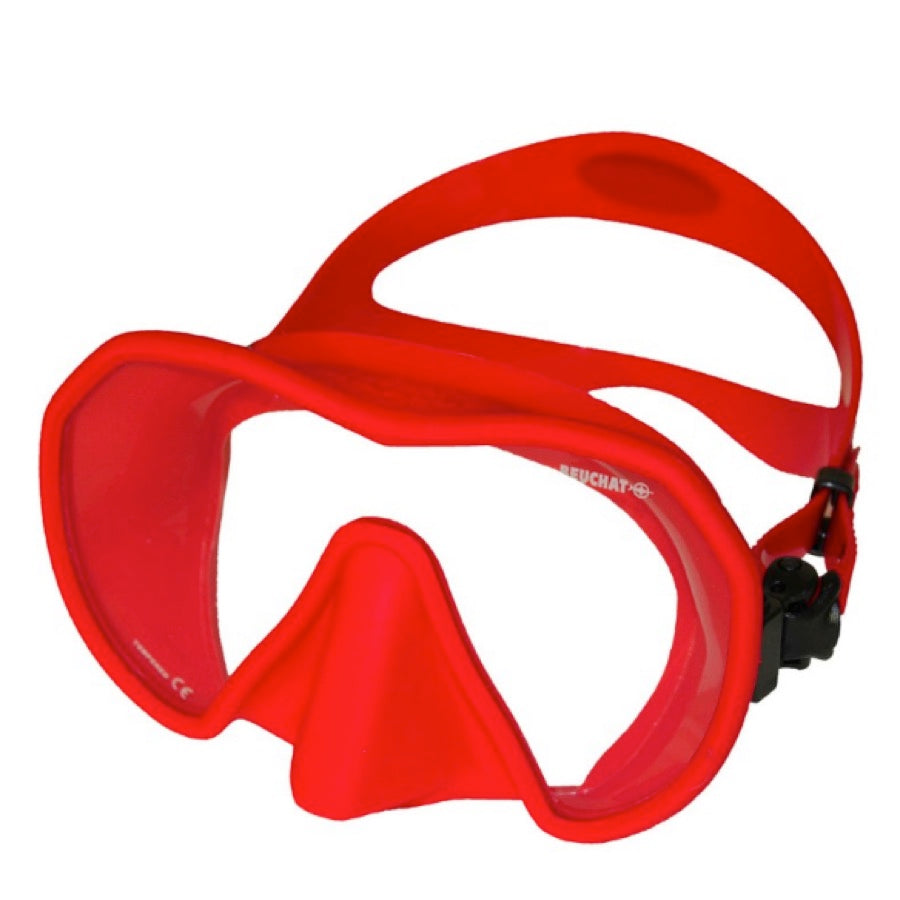
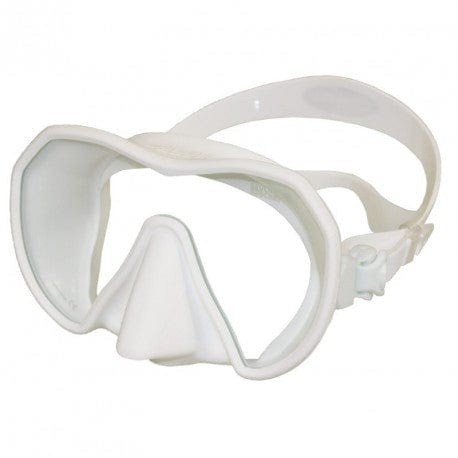
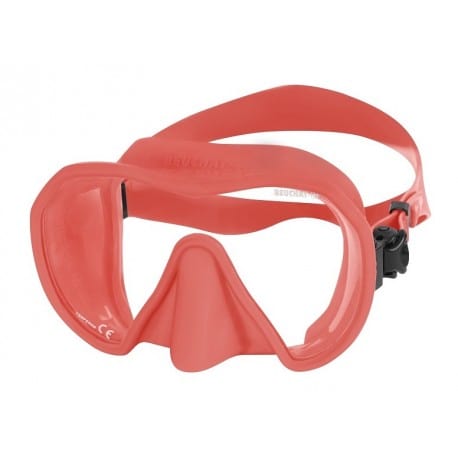
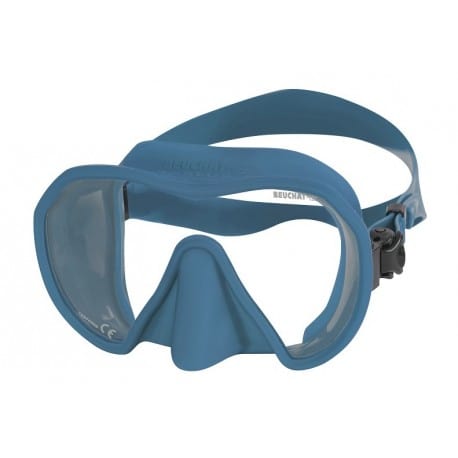
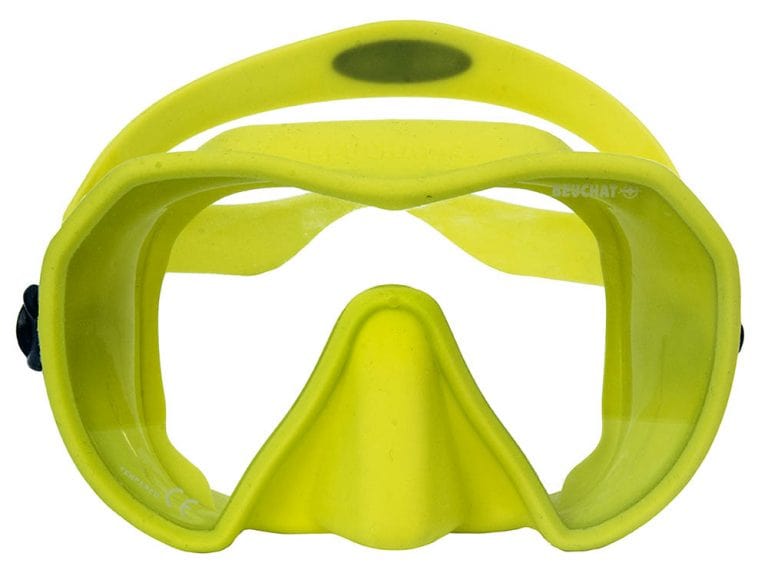

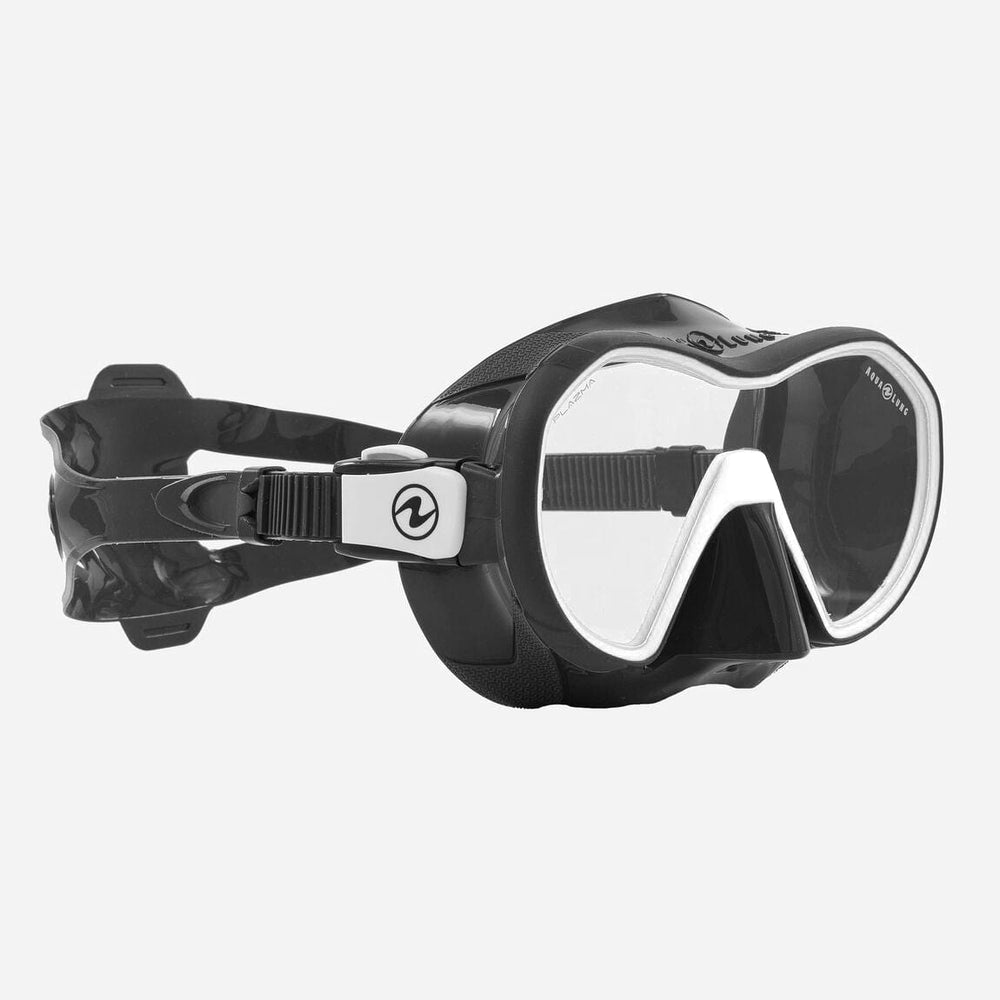
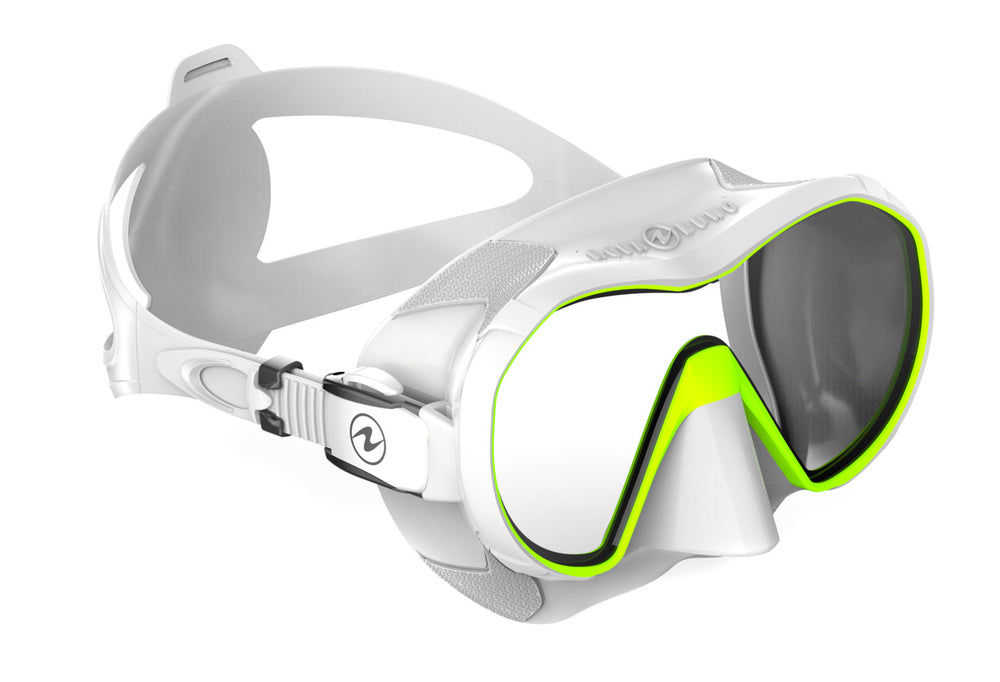
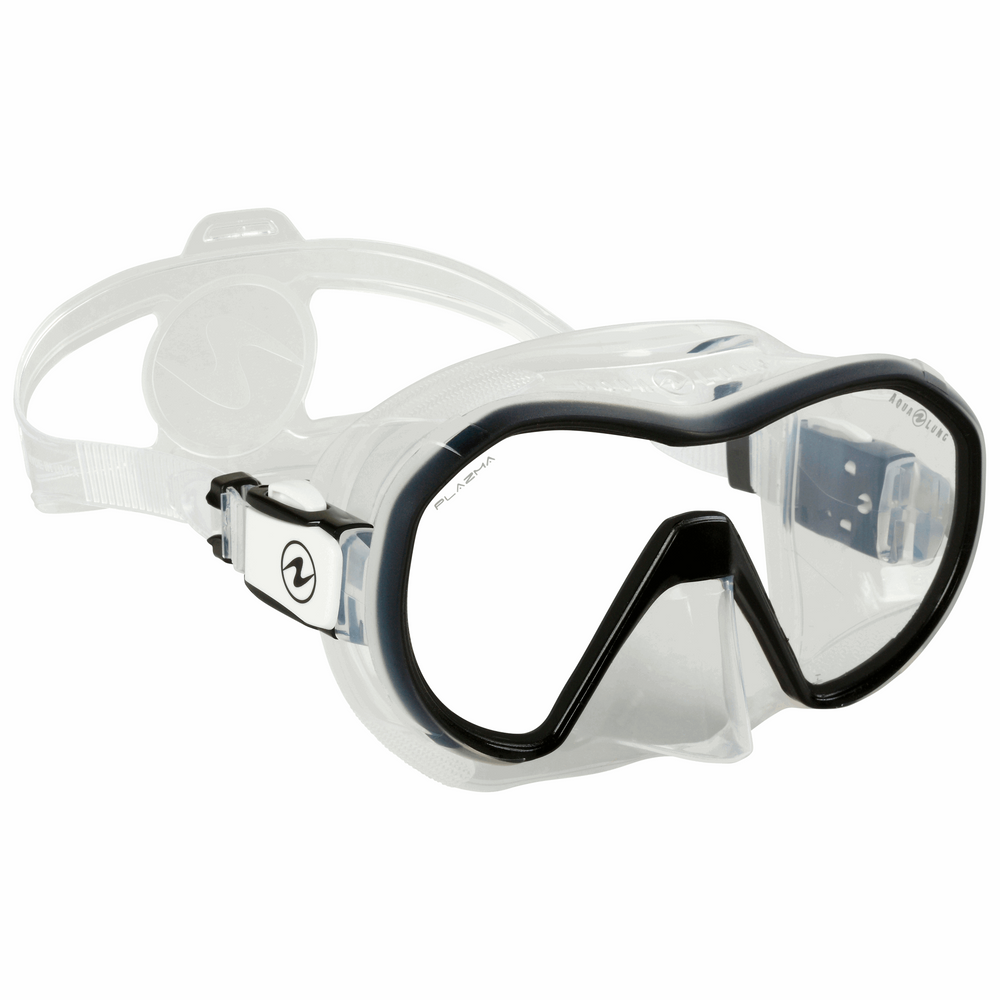
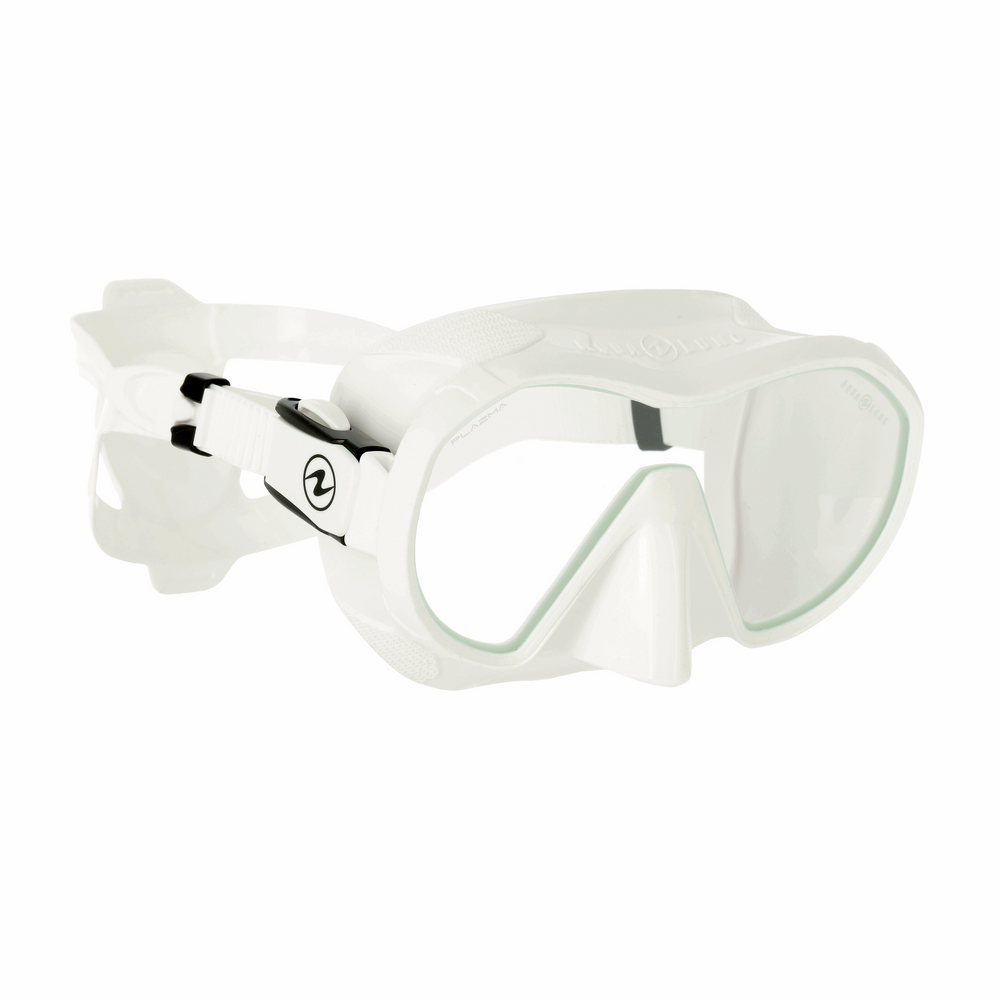
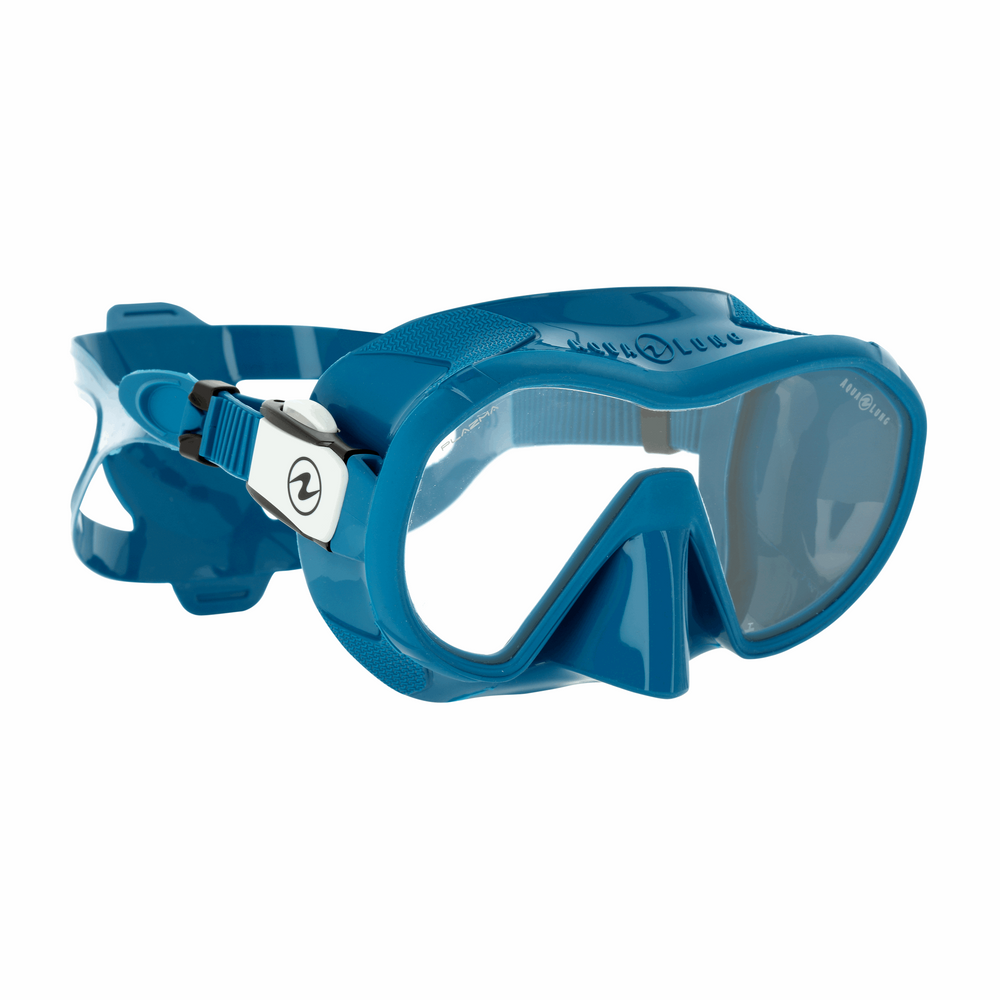
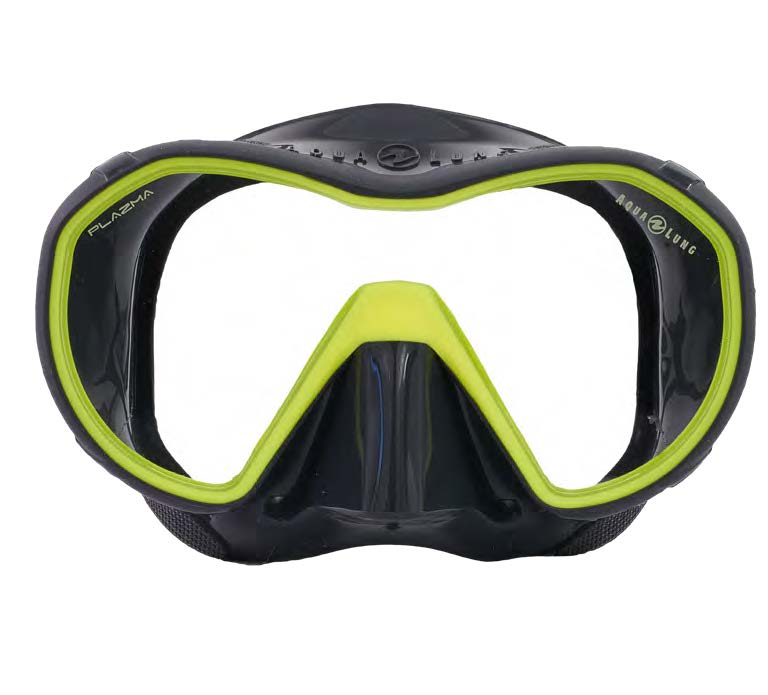
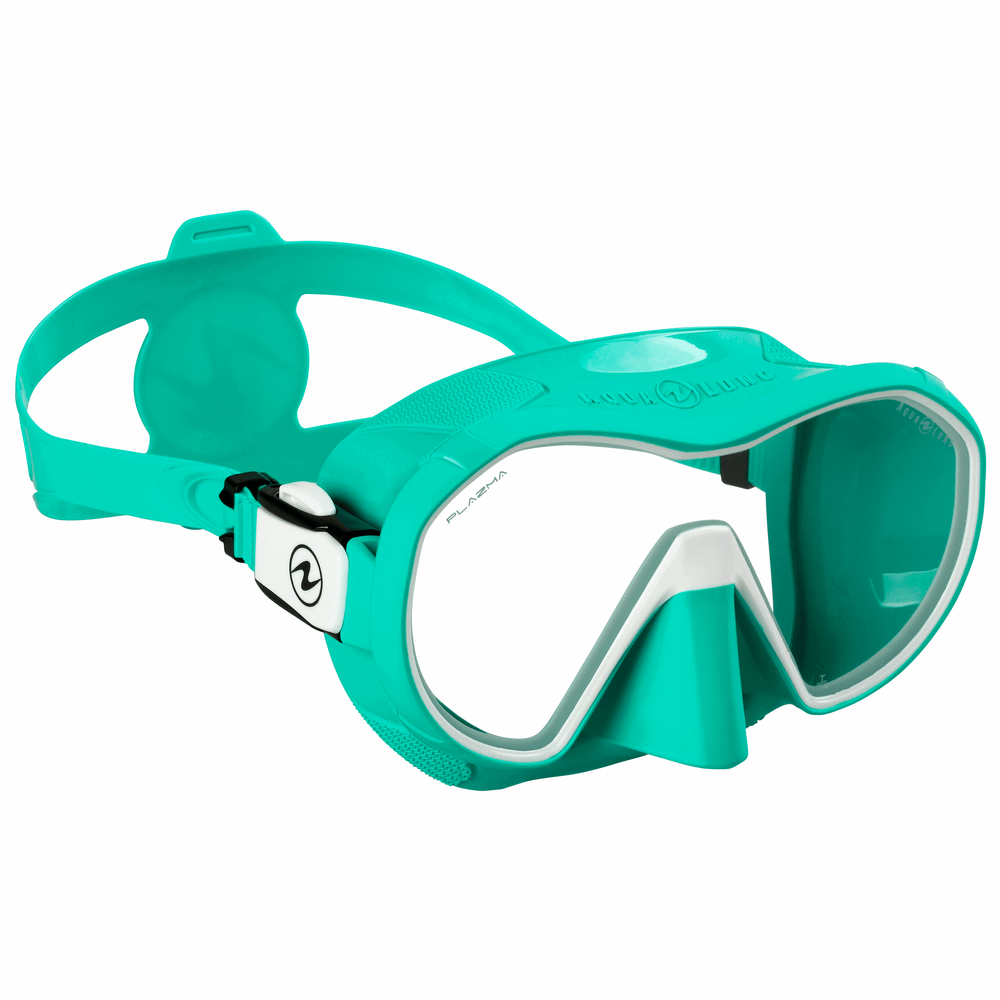
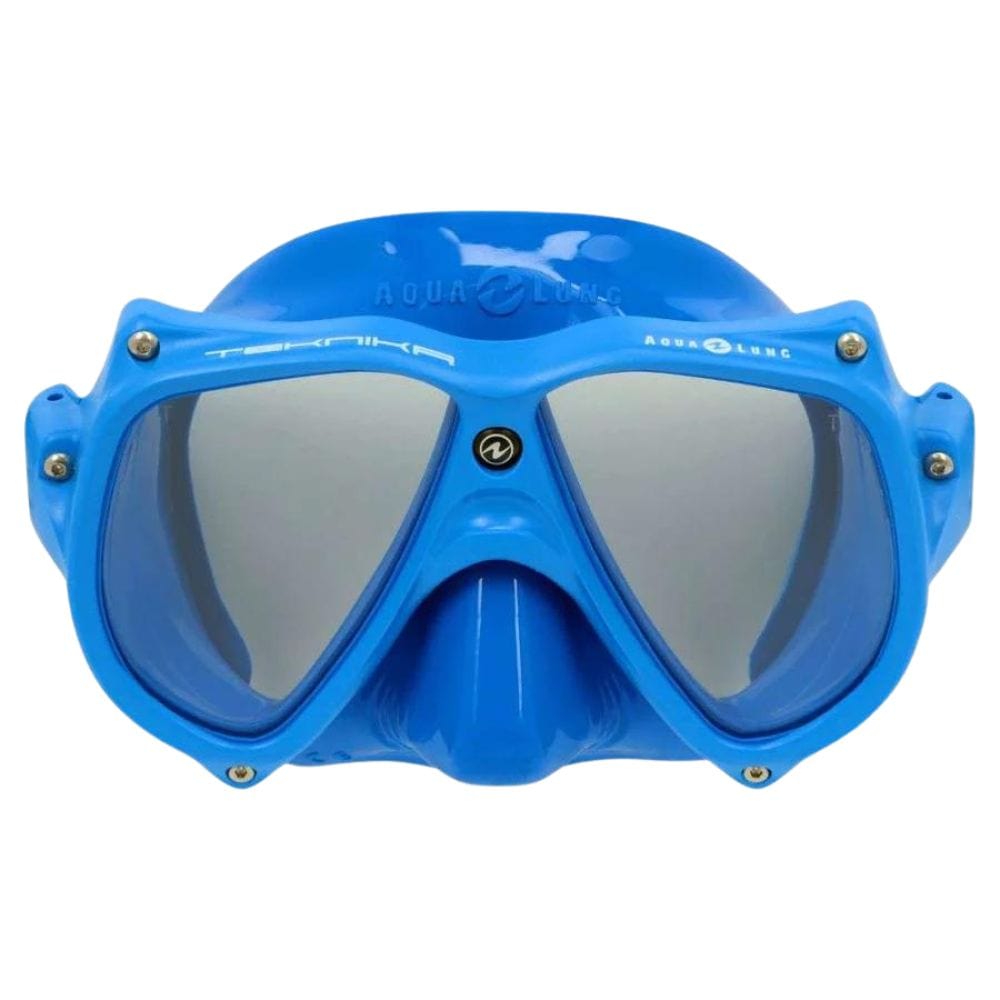
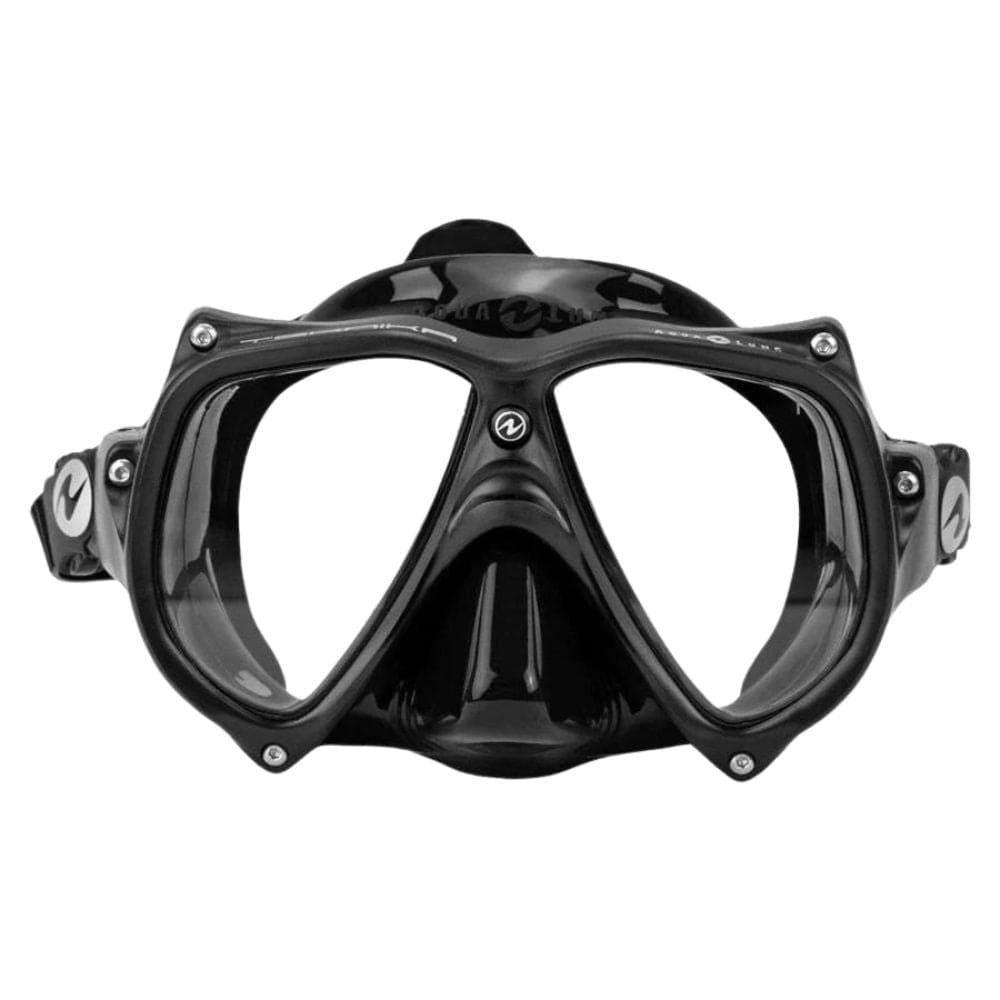
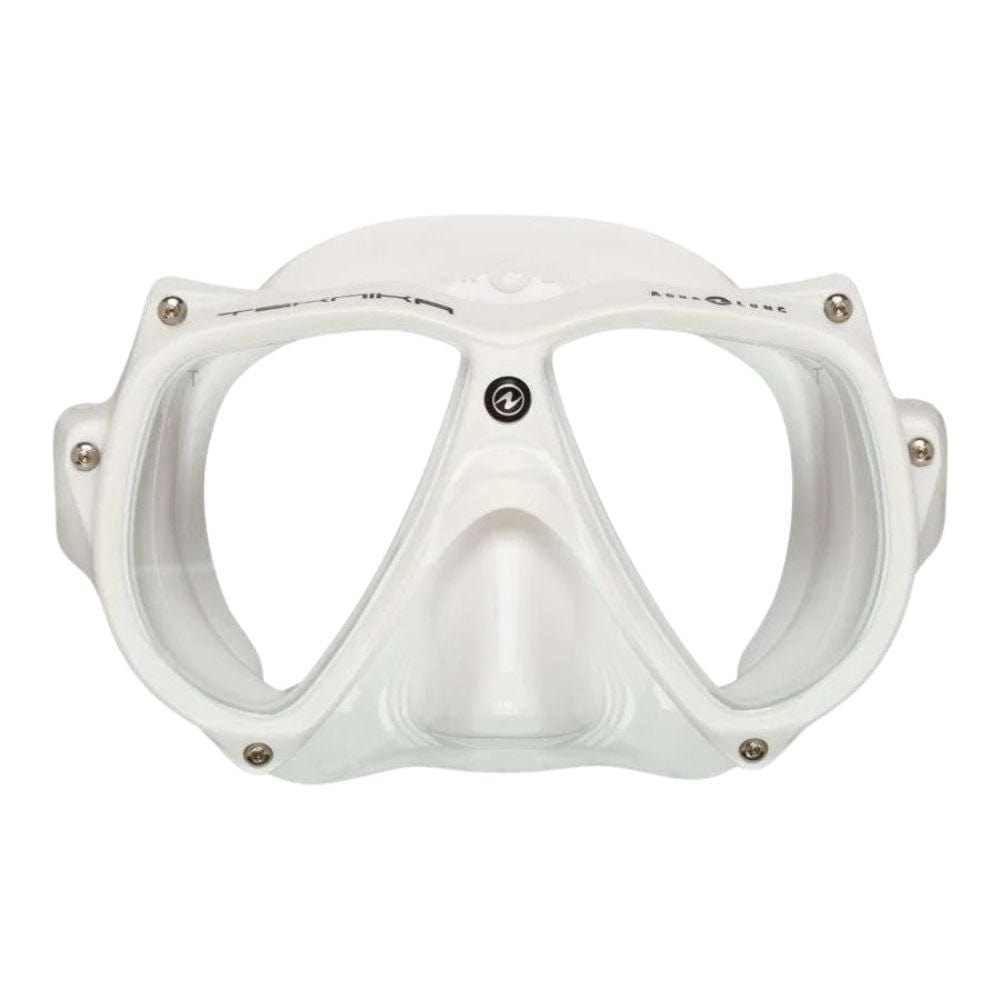
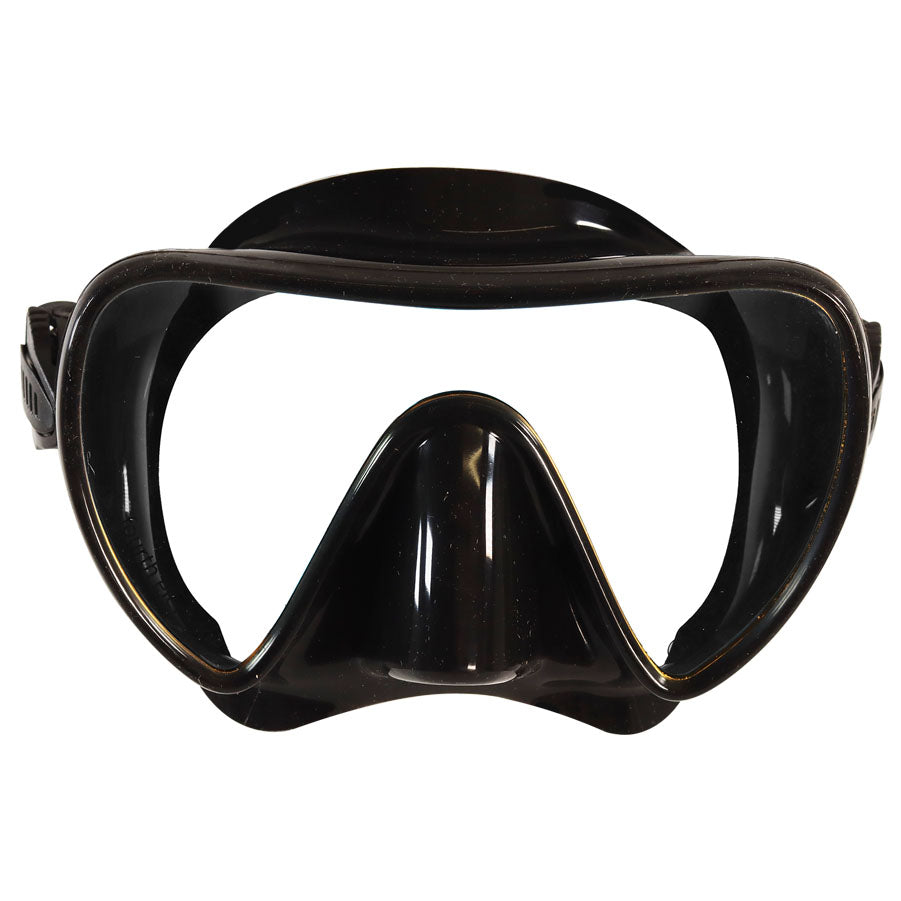
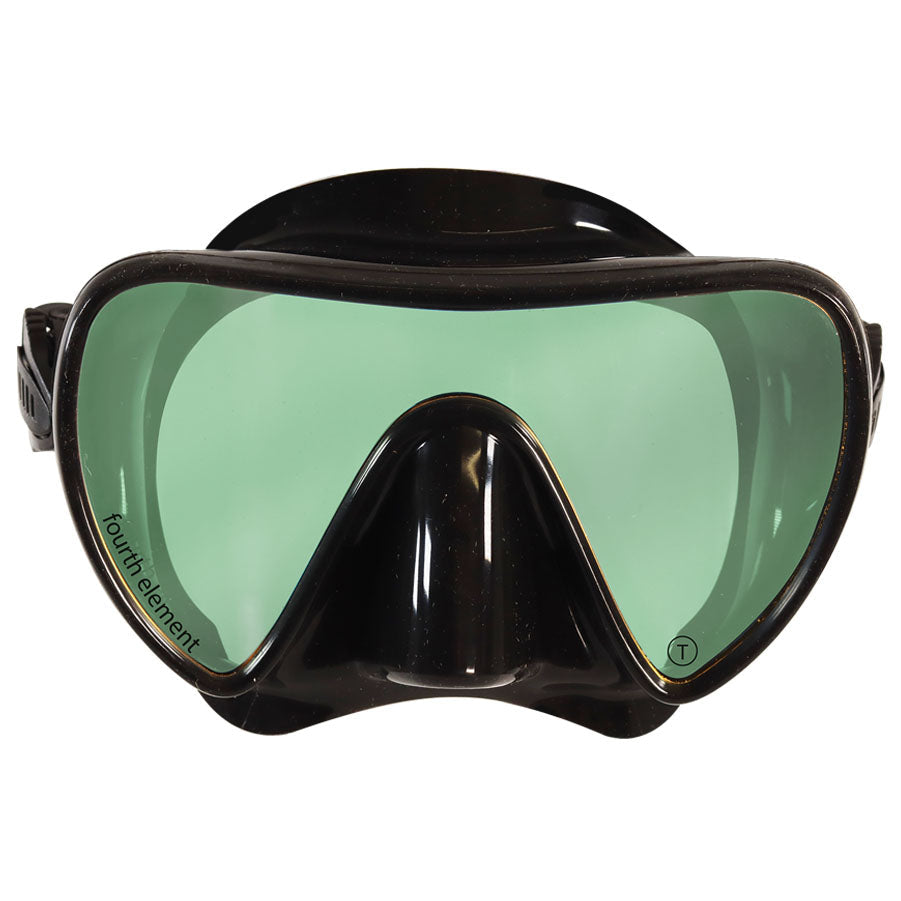
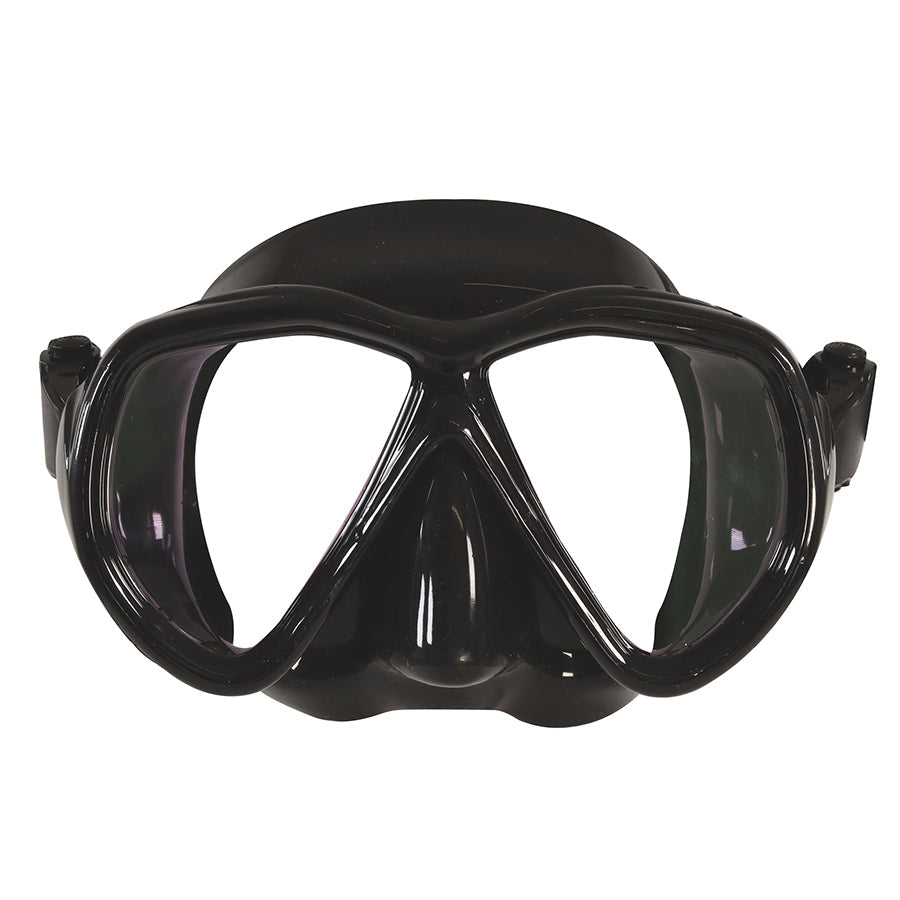
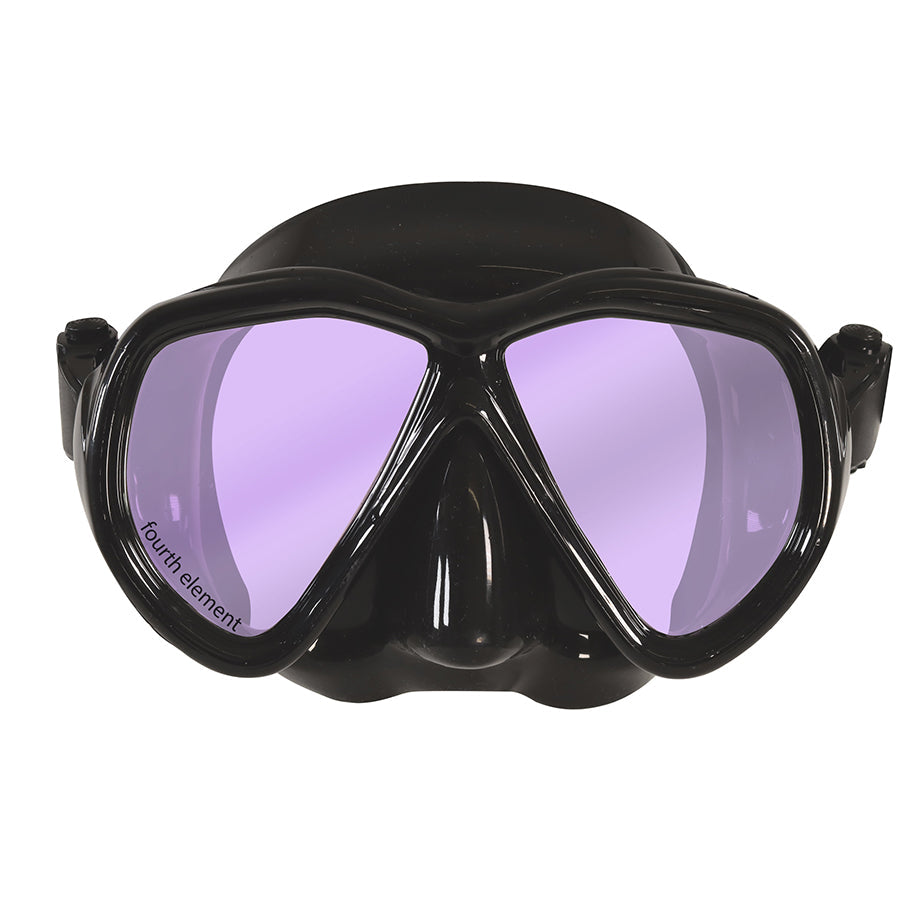
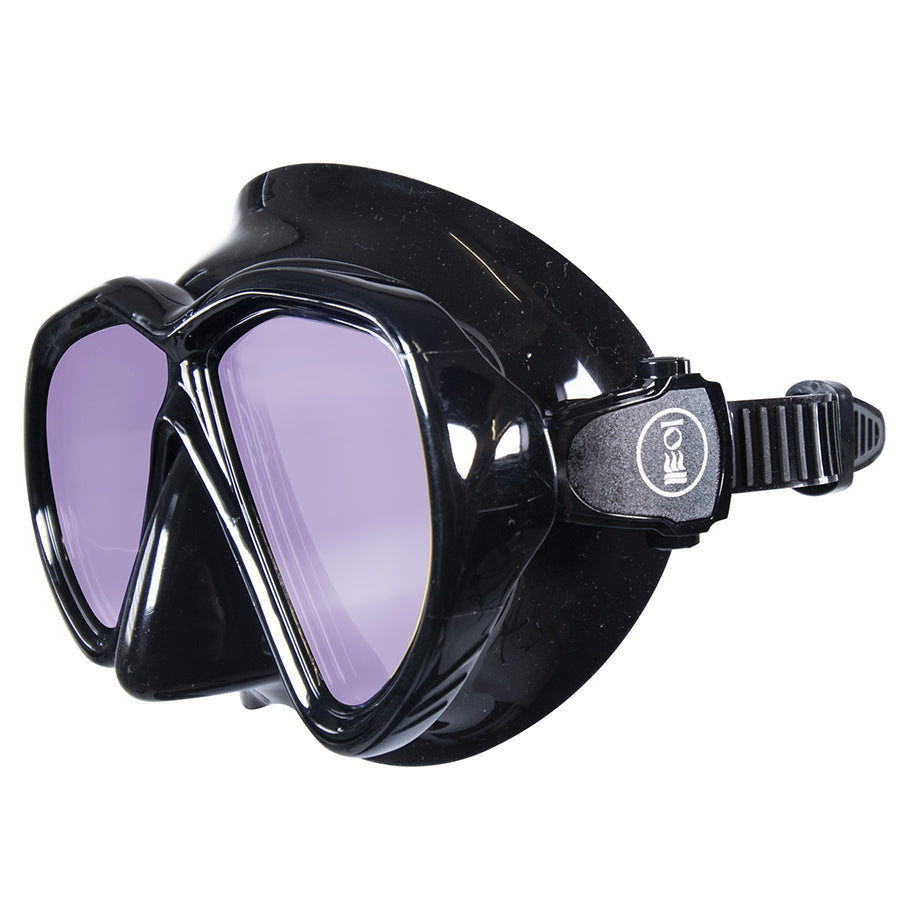
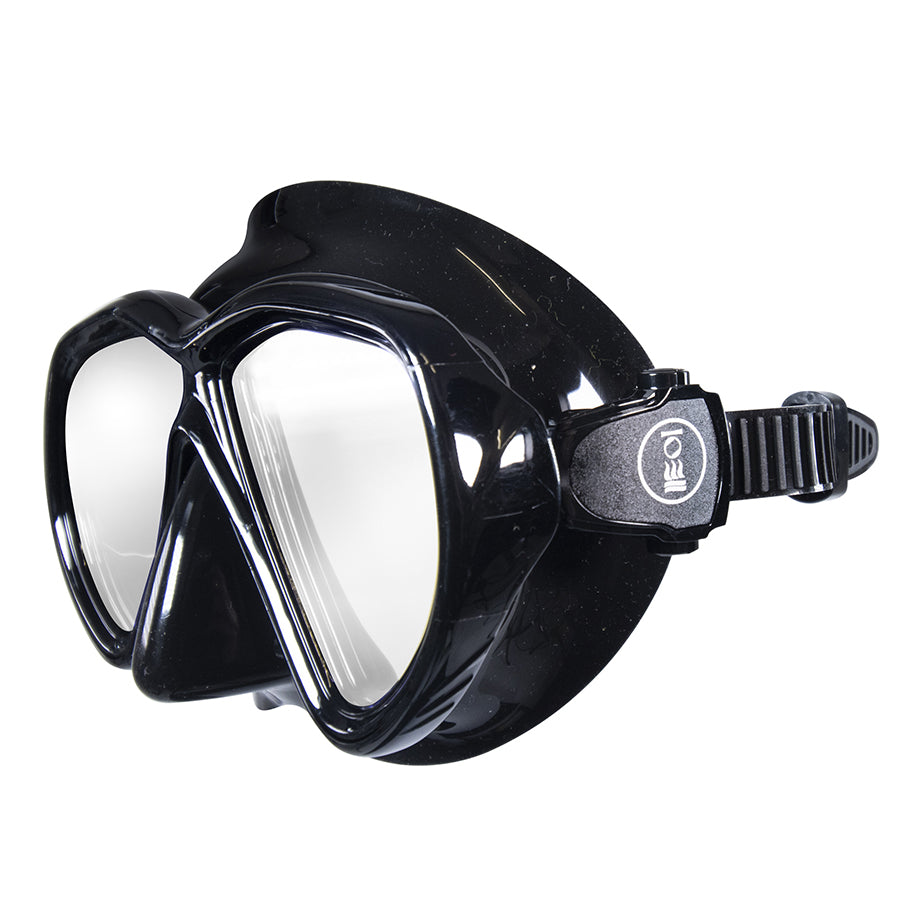
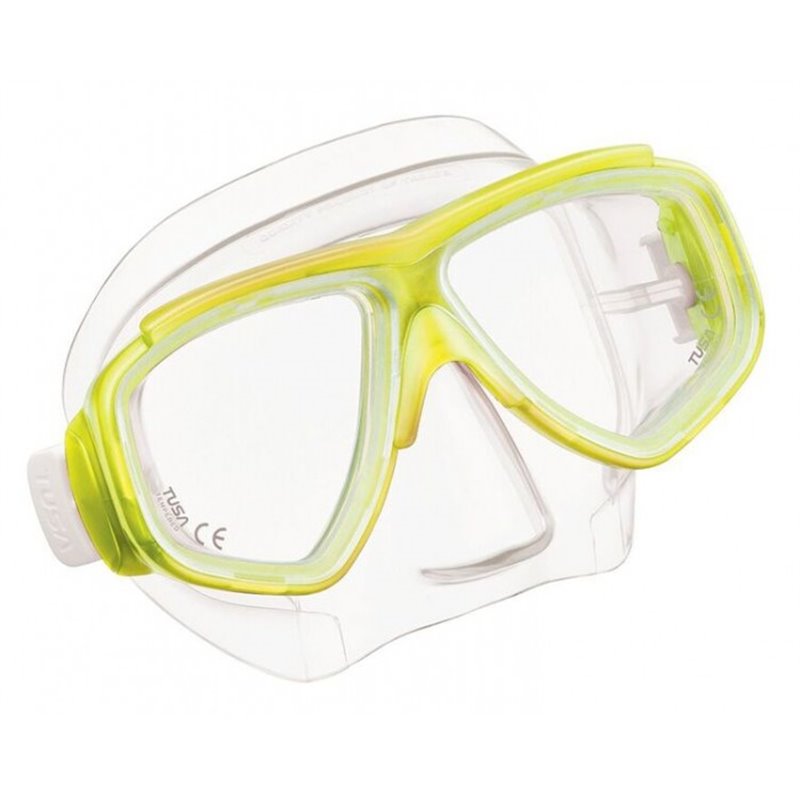
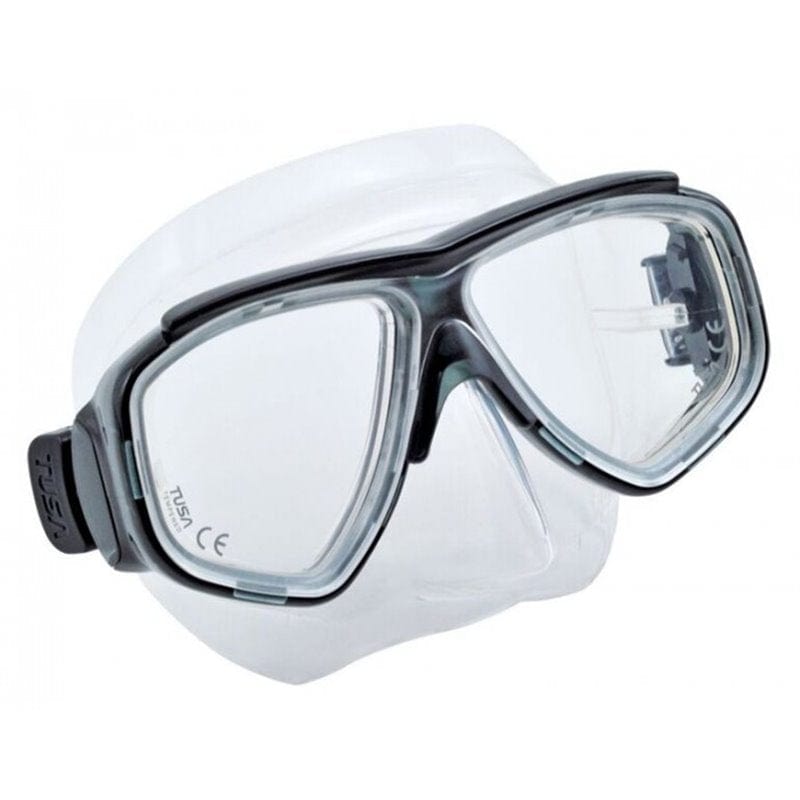
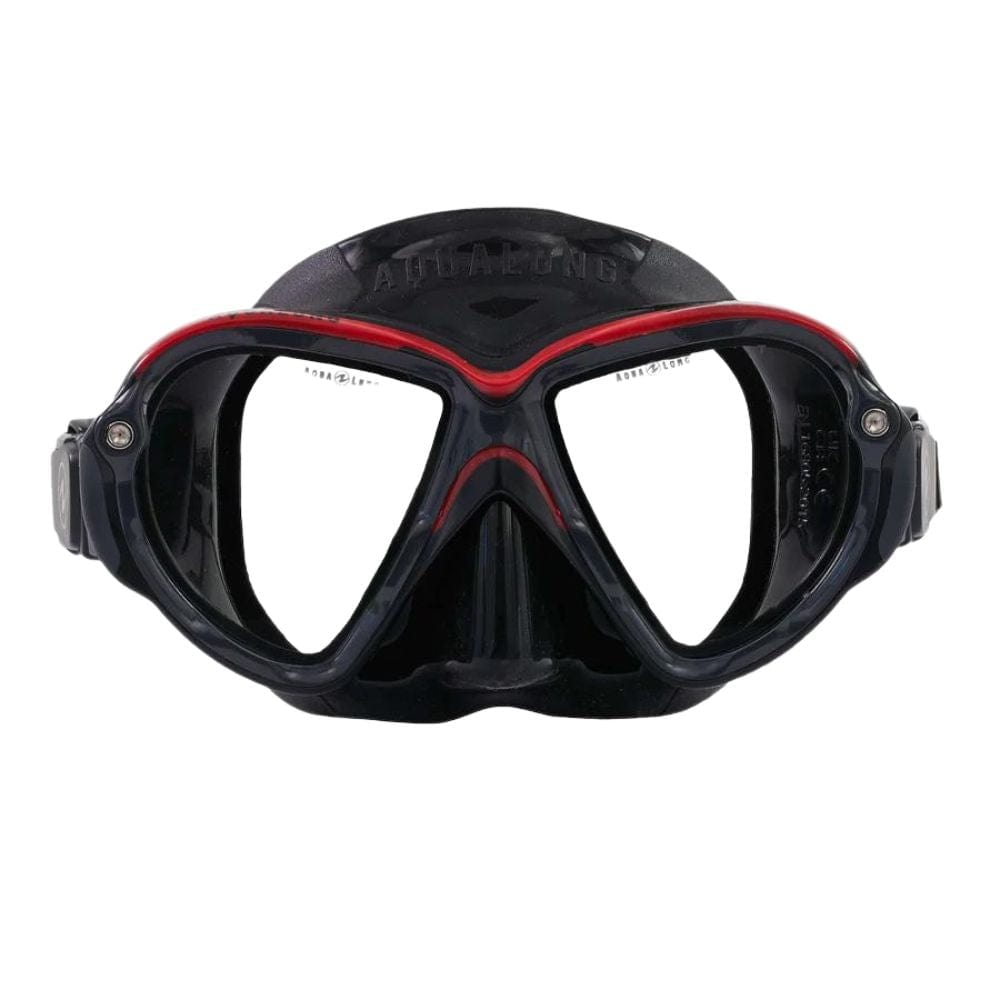
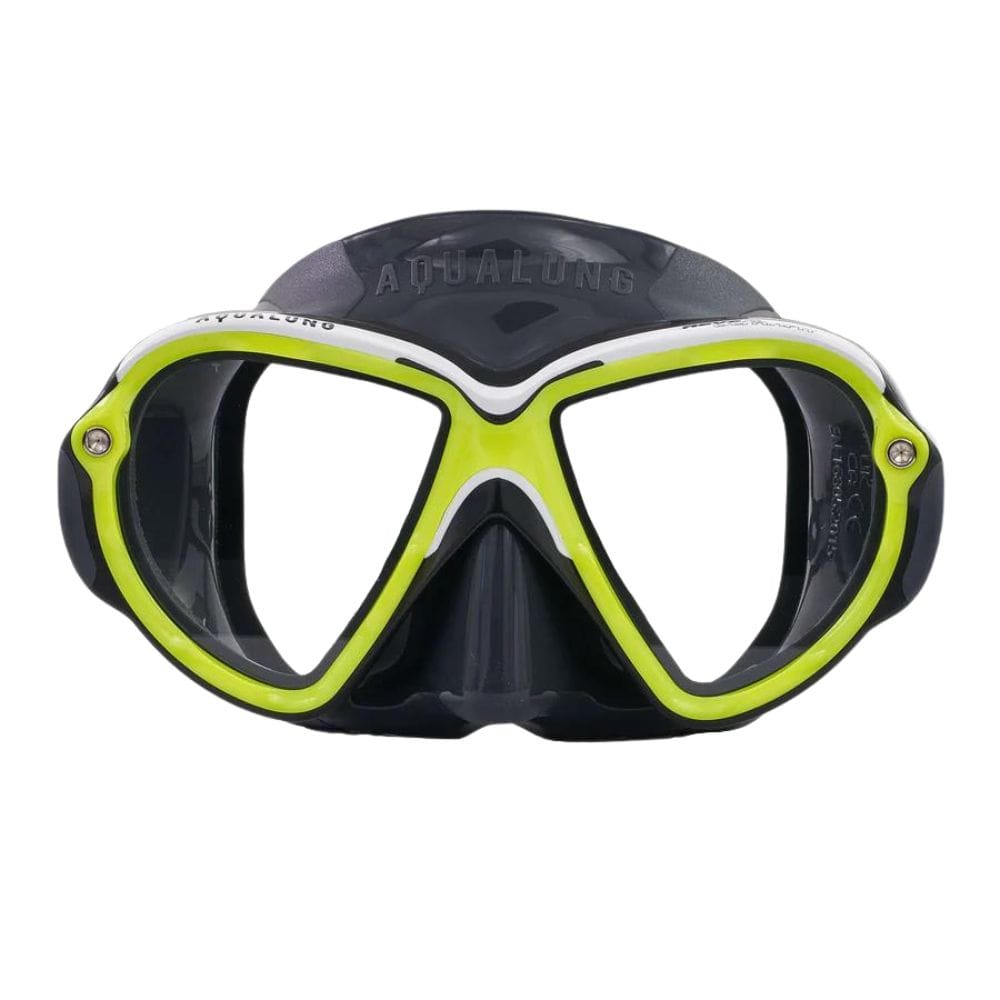
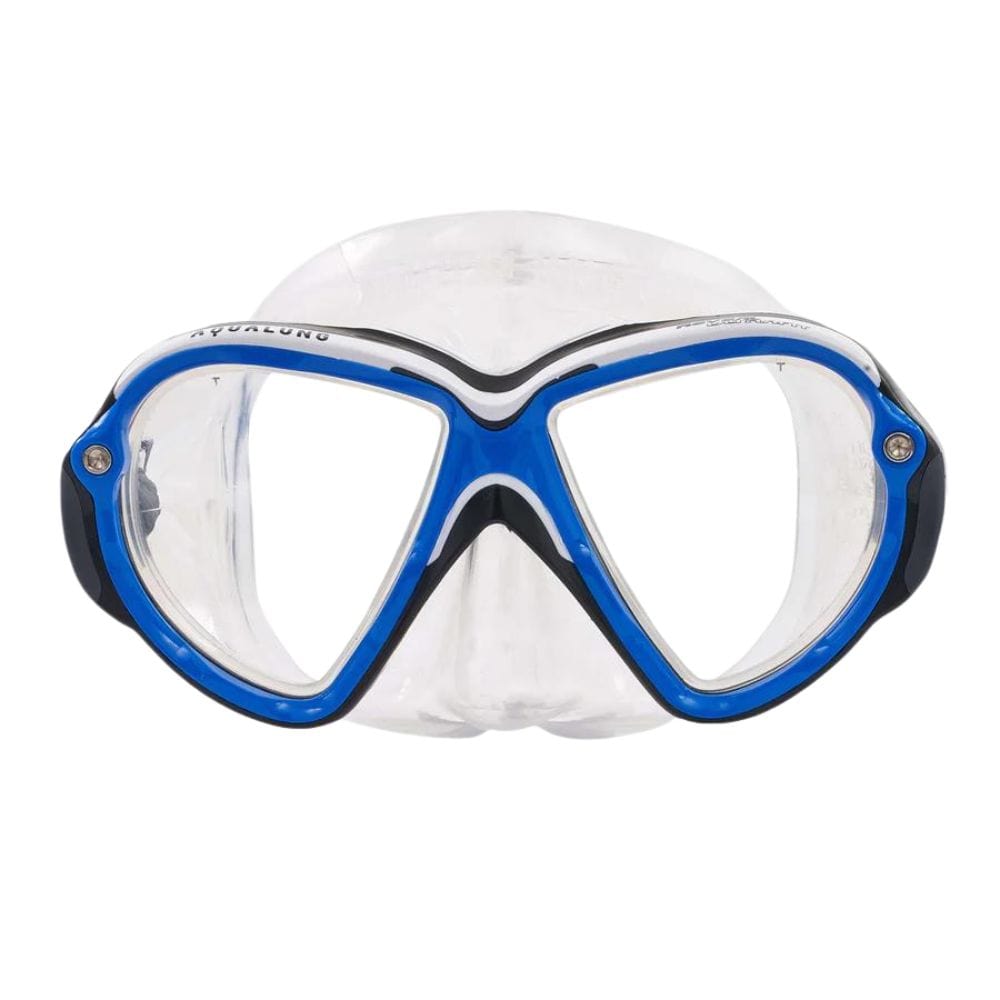
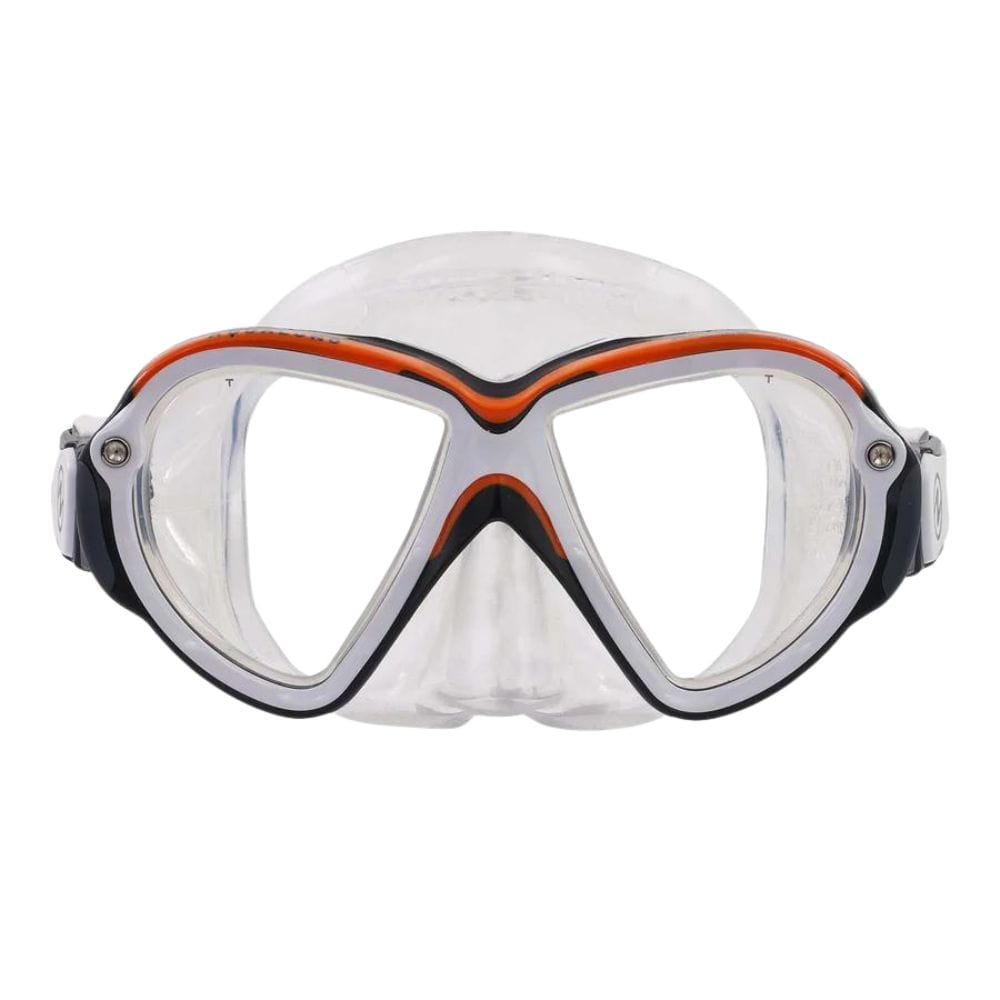
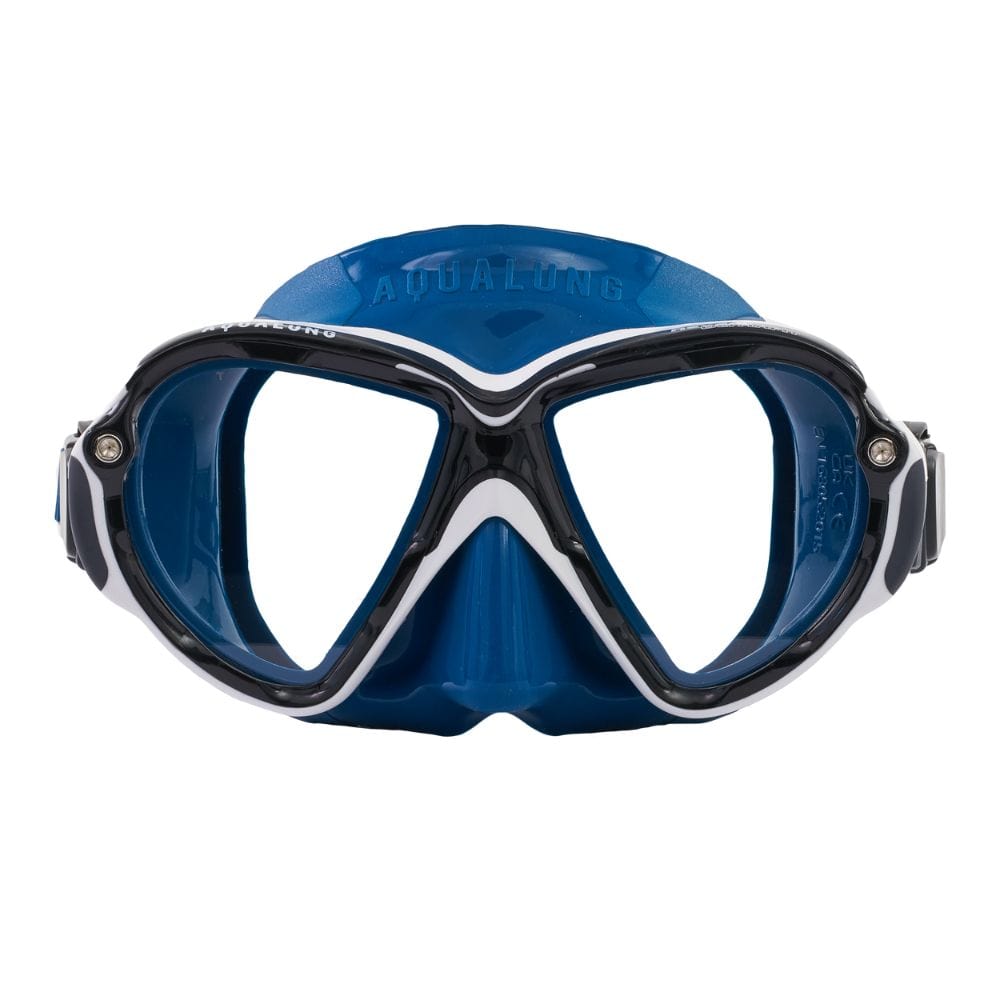
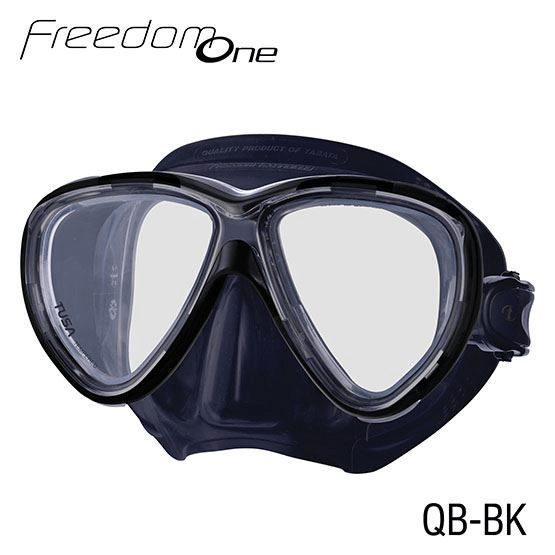
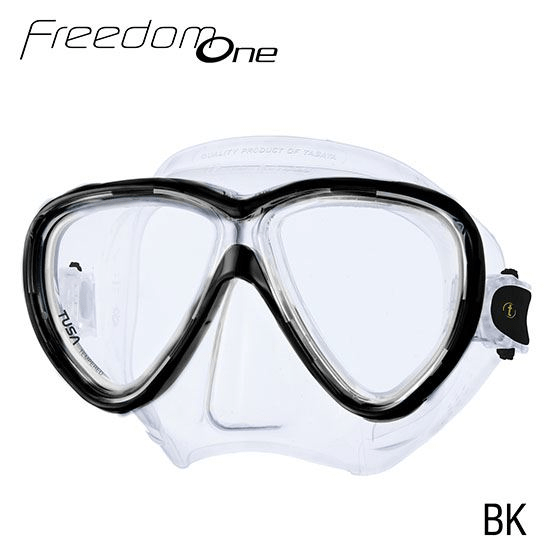
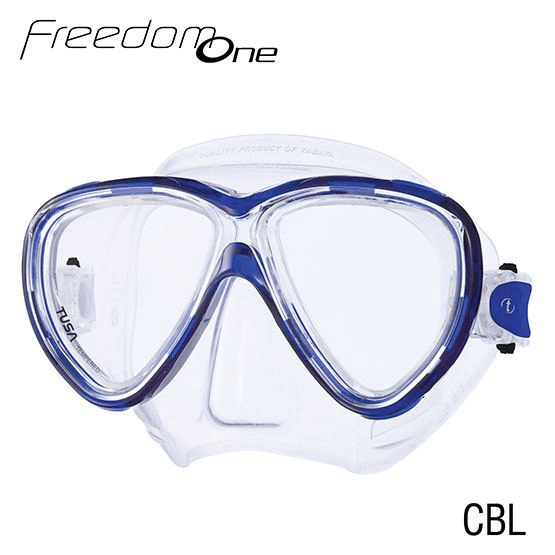
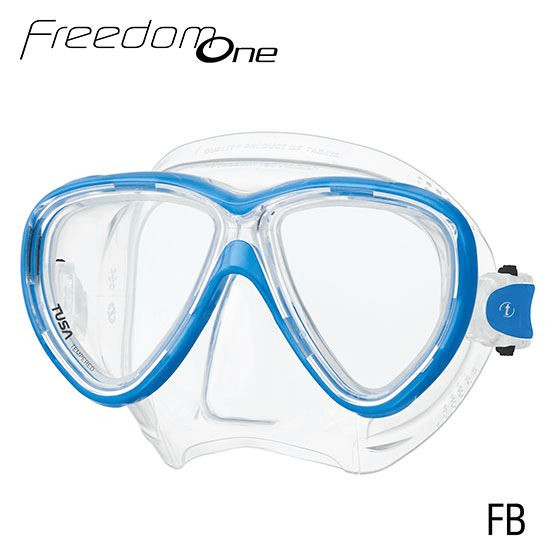
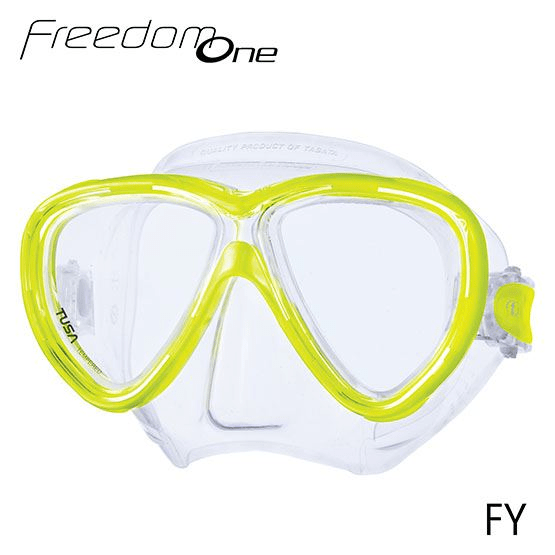
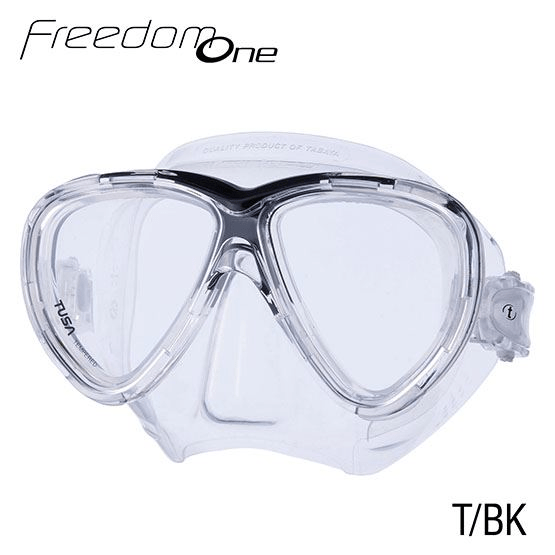
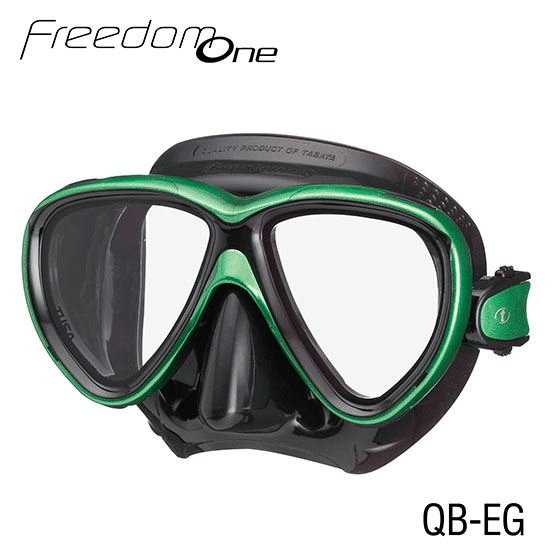
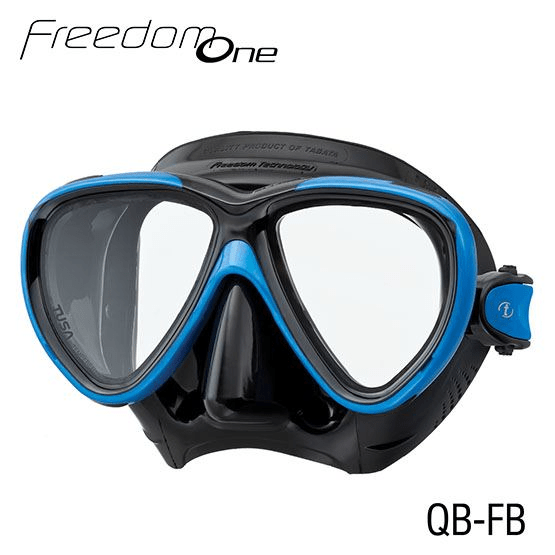
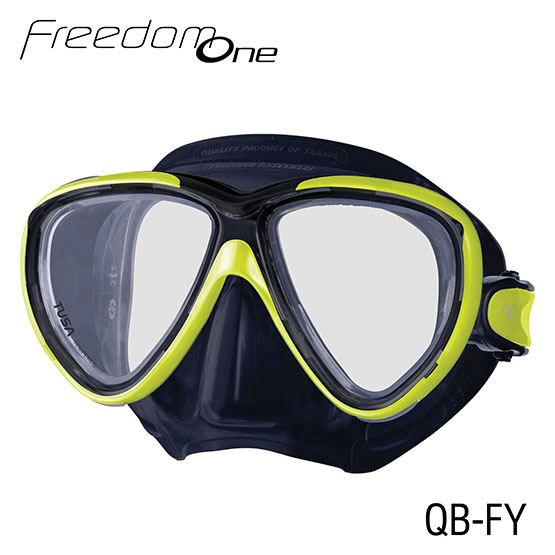
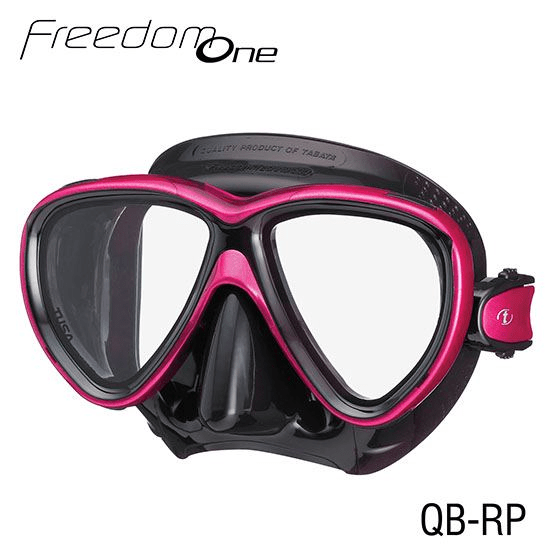

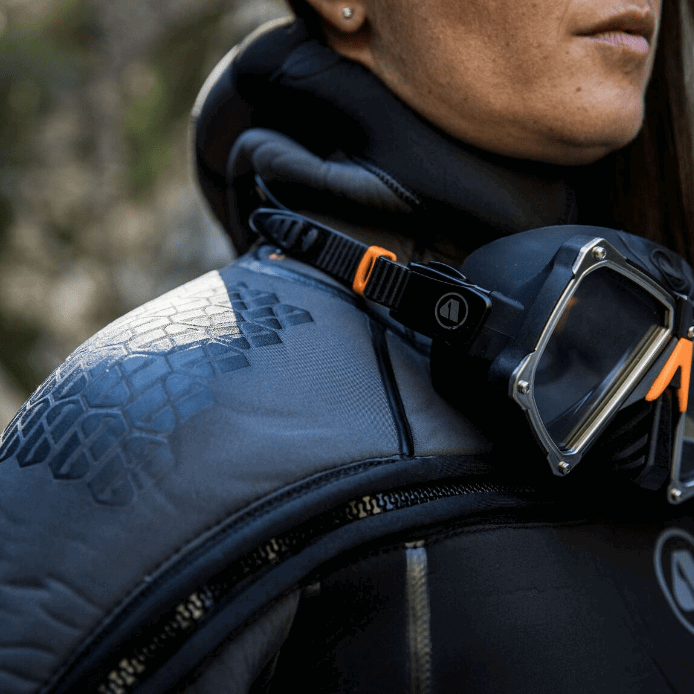
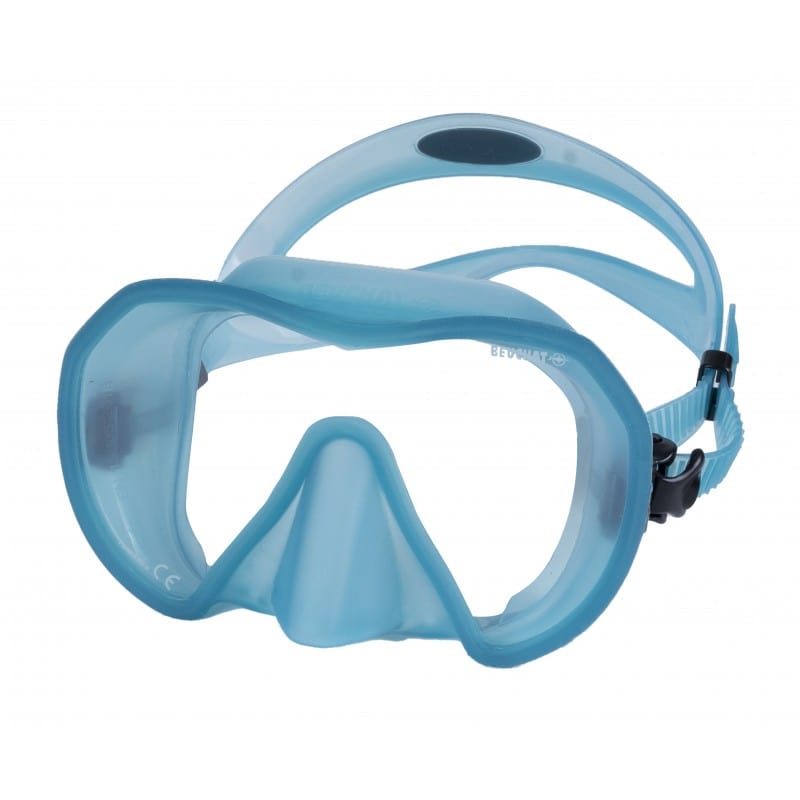
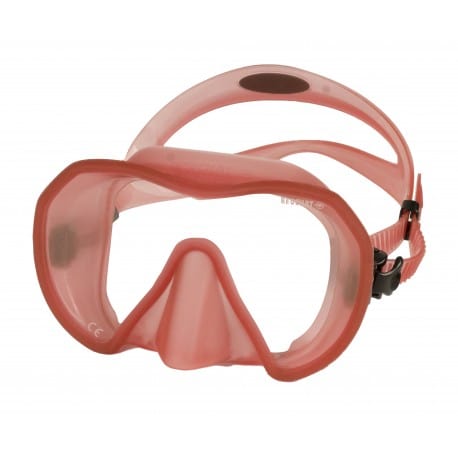
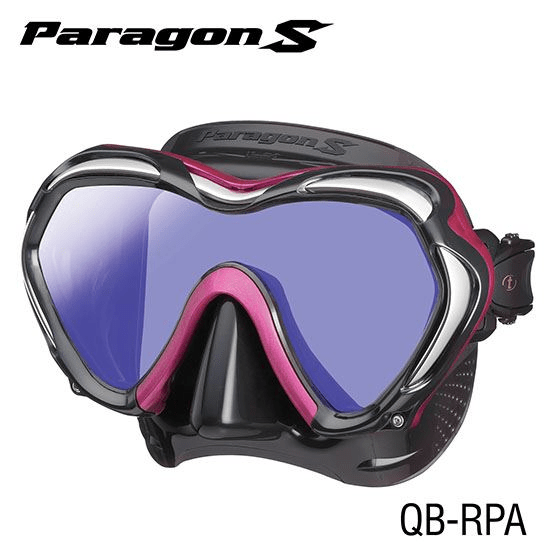
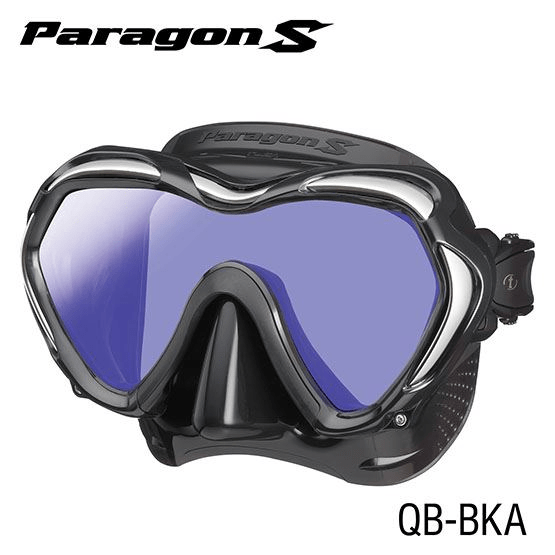
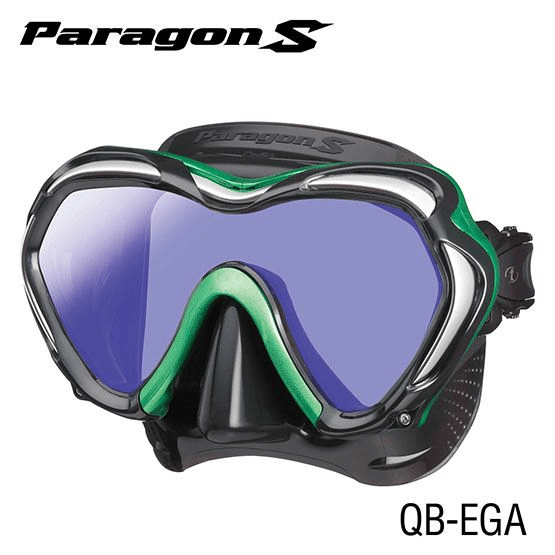
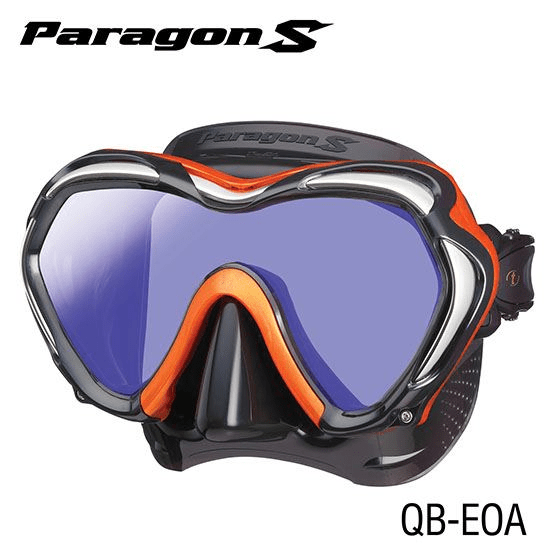
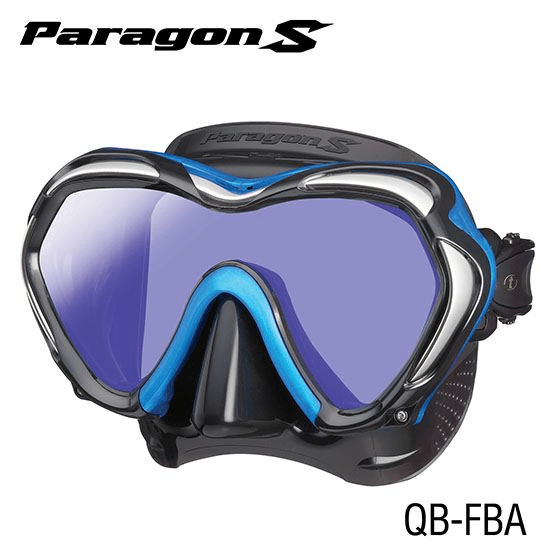
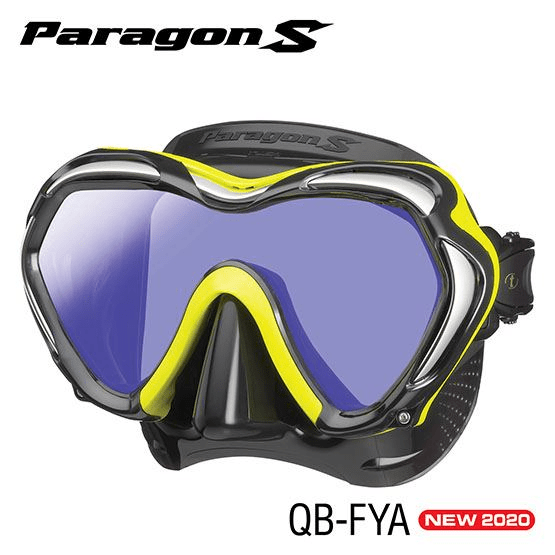
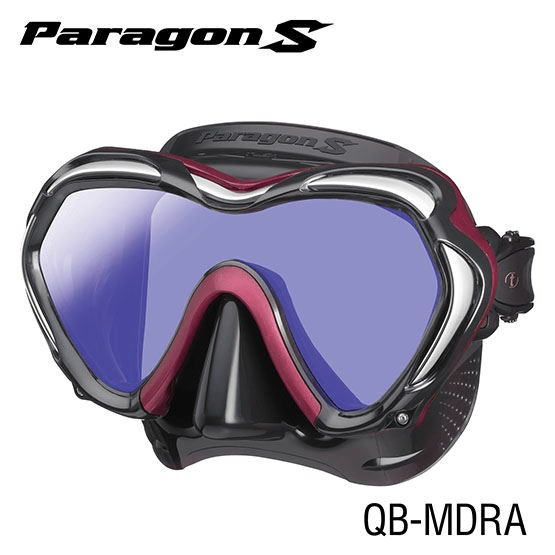
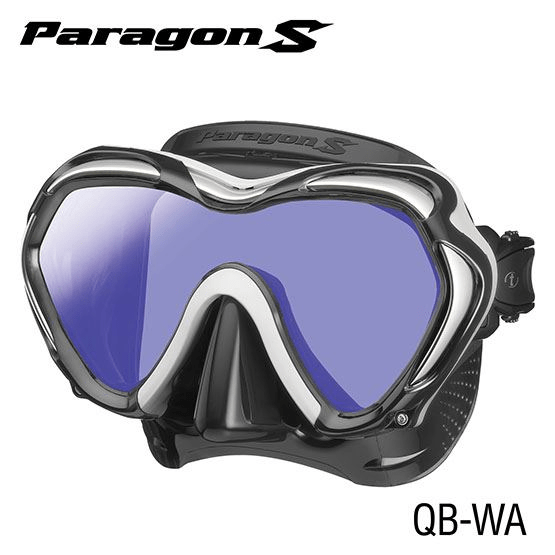
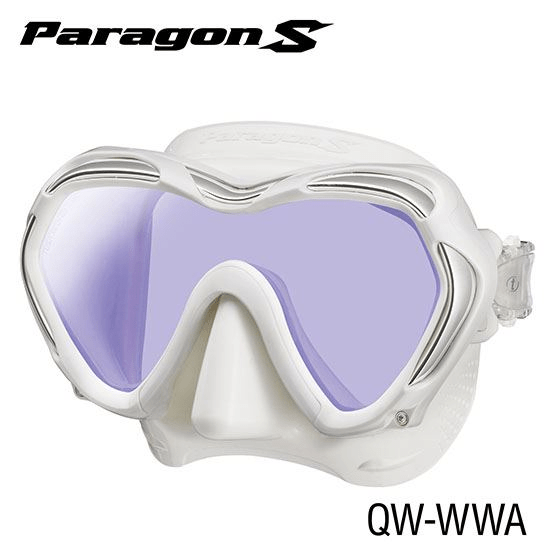
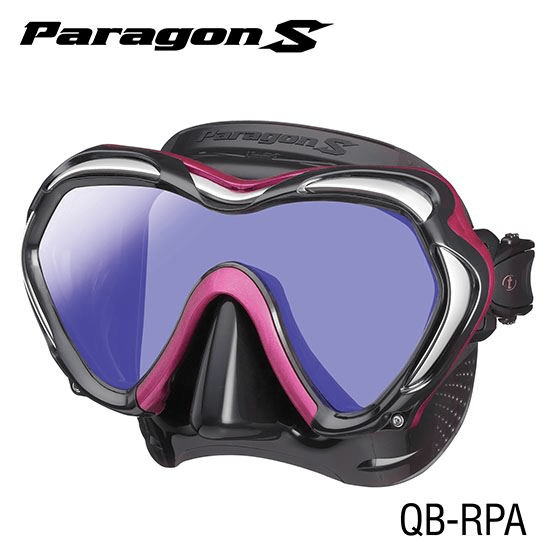

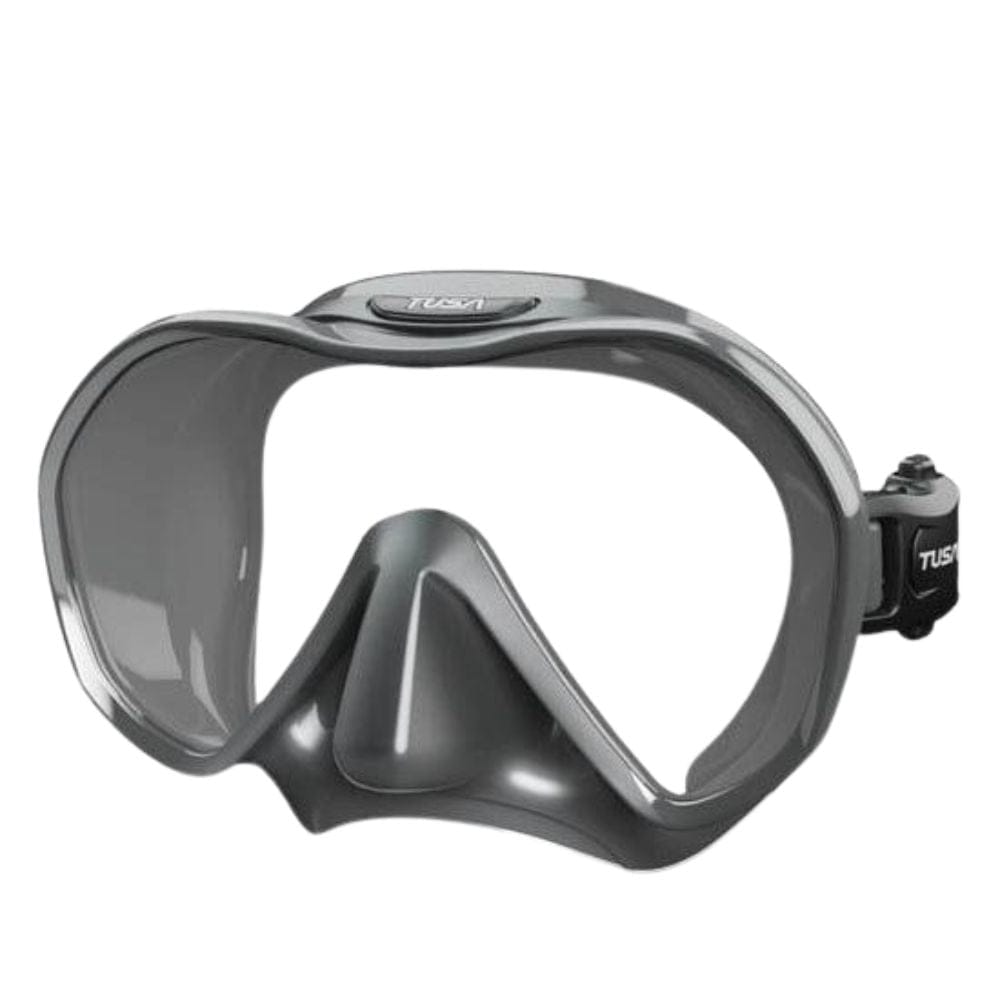
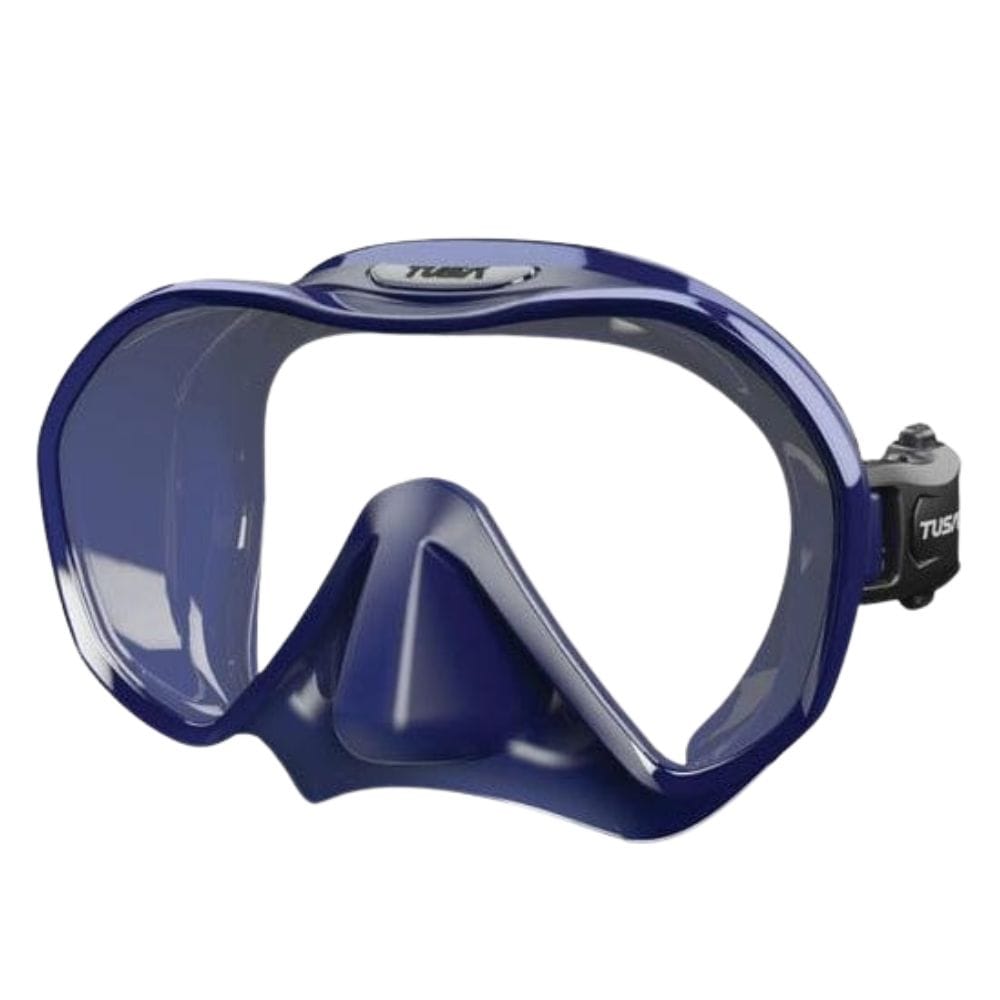
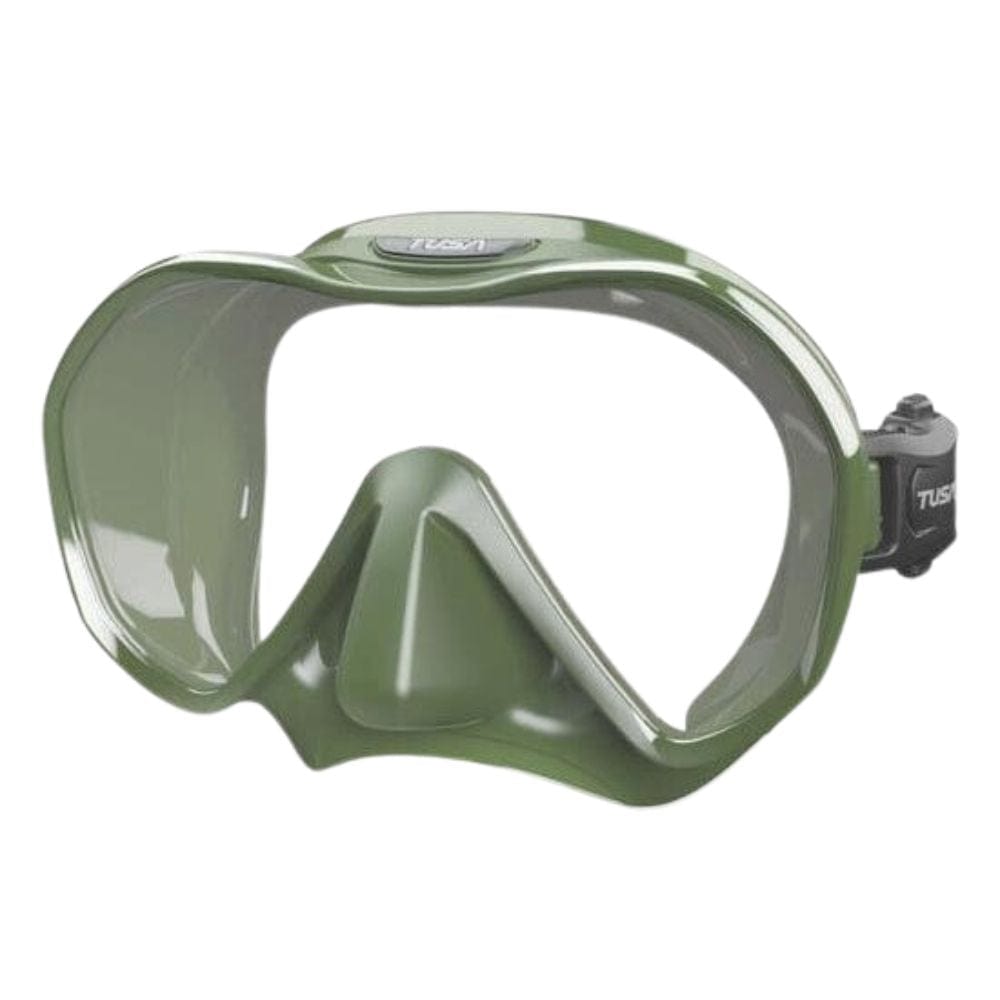
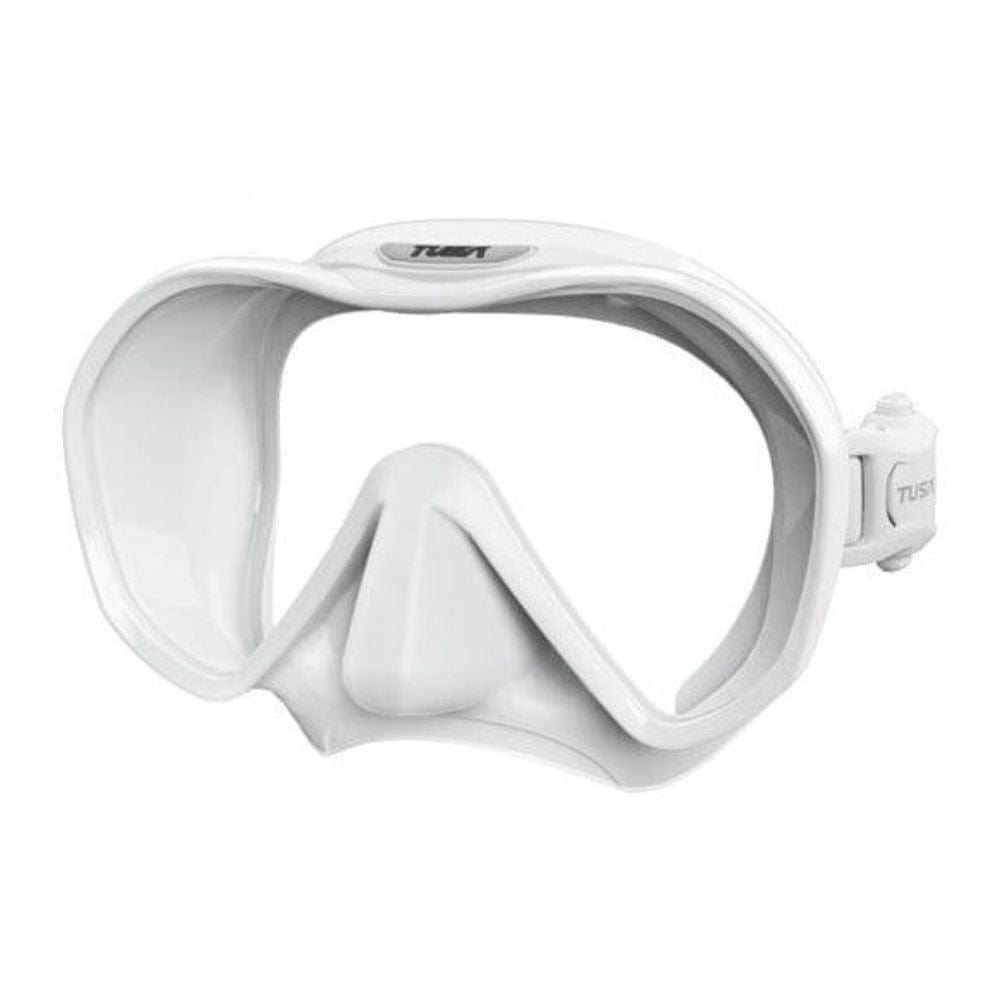

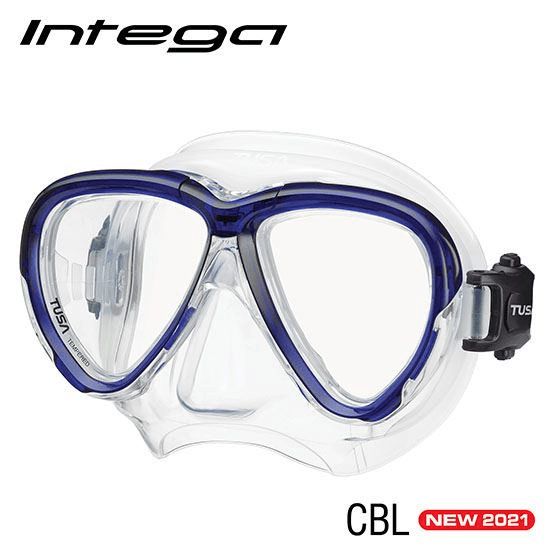
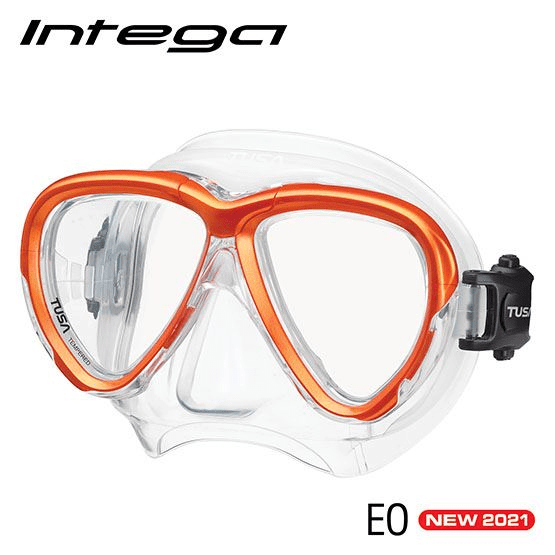
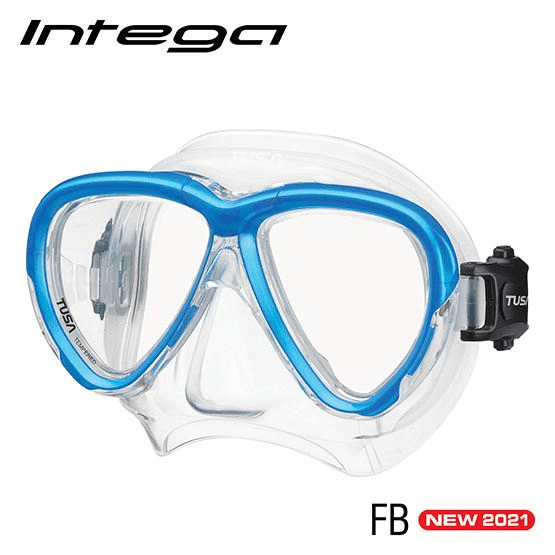
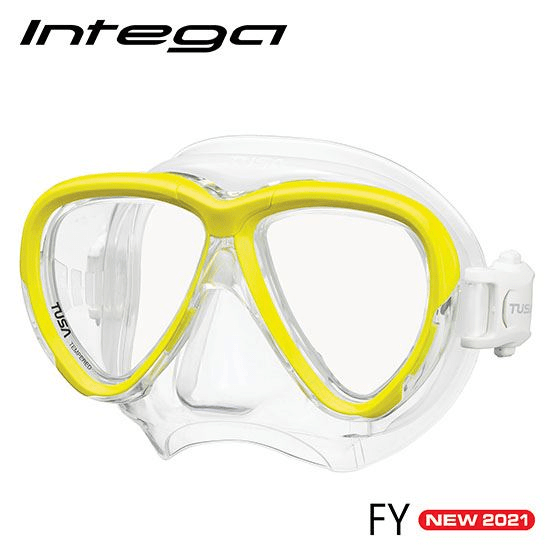
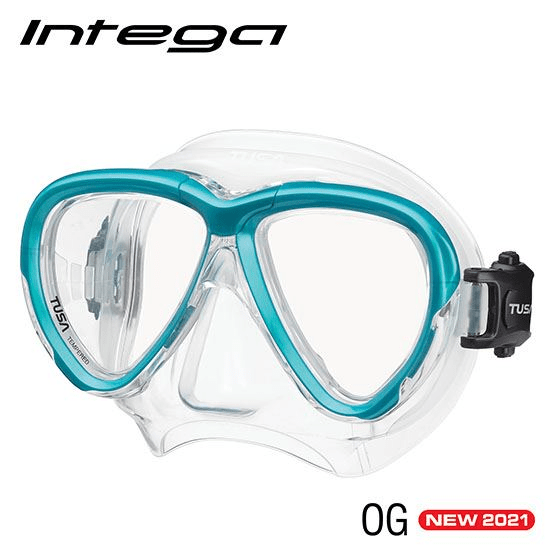
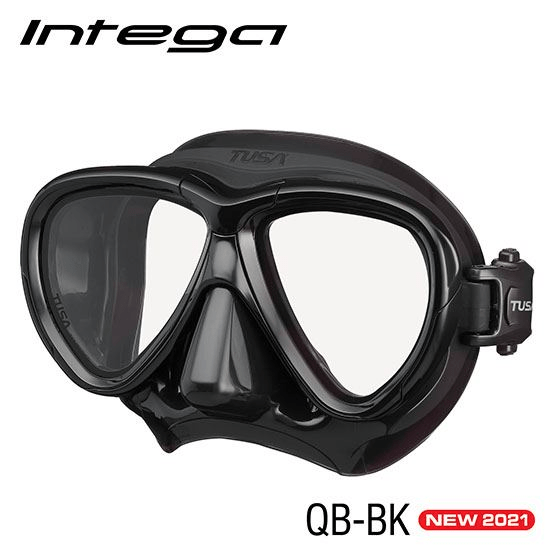
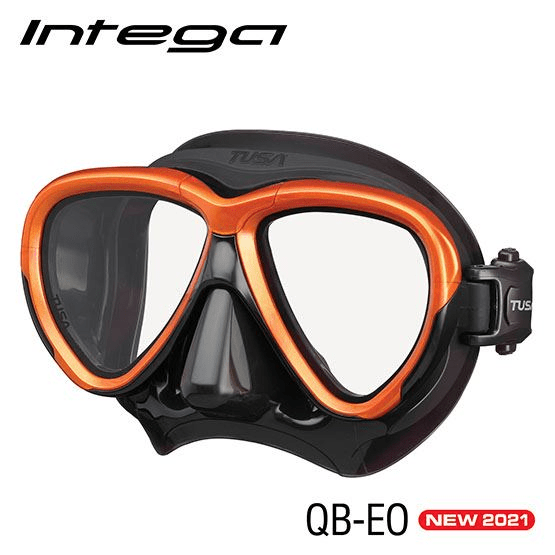
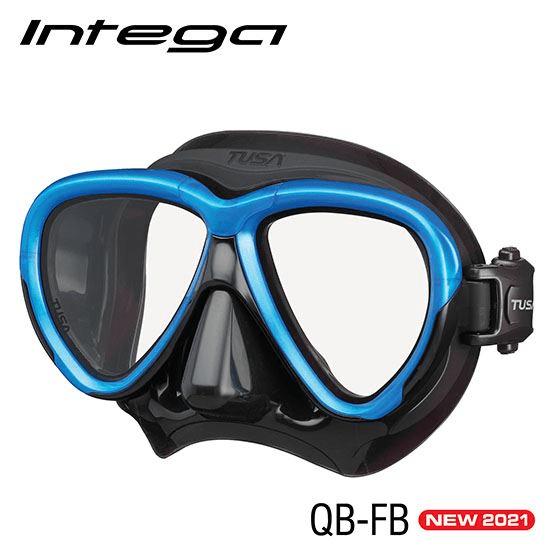
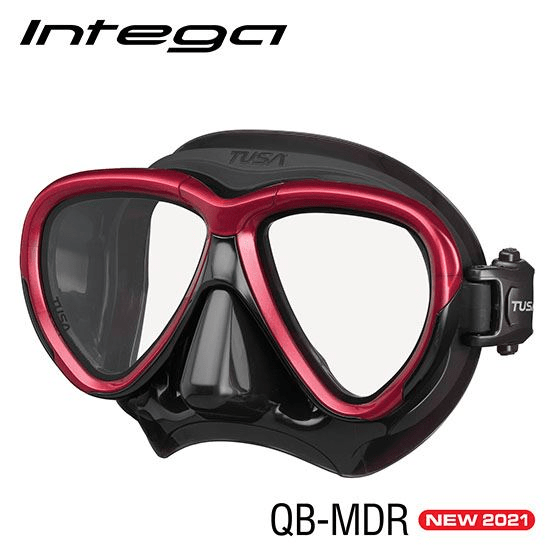
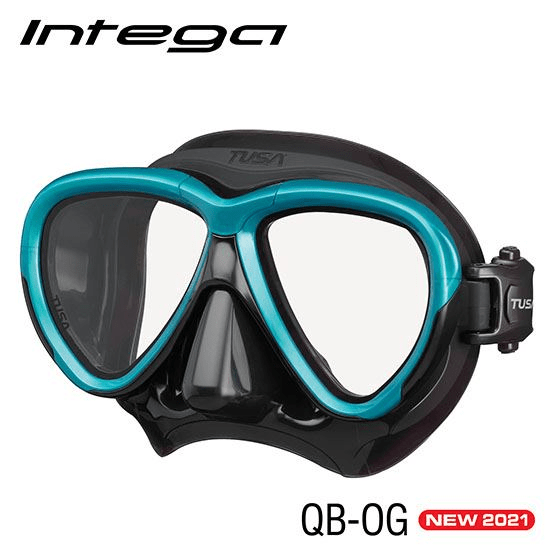
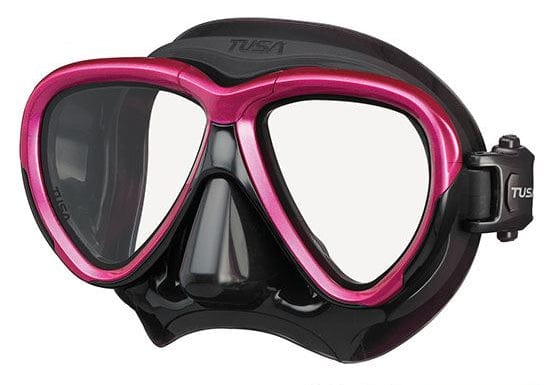


Hold the mask against your face without using the strap, breathe in gently through your nose and let go. A mask that fits will stay in place on suction alone, with no gaps at the temples, the bridge of the nose or under the eyes. If it slips or you feel air leaking in, it is the wrong shape for your face and tightening the strap will not fix it. Facial hair on the upper lip will also break the seal.
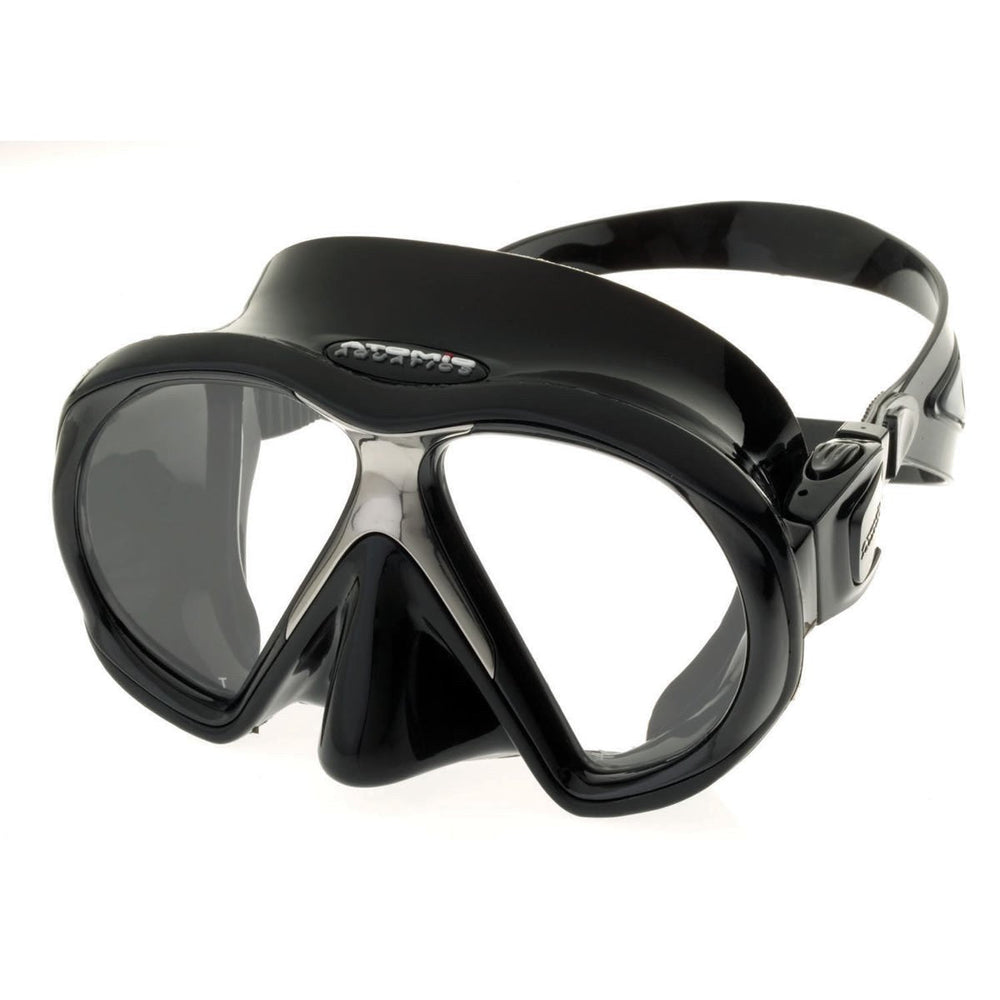
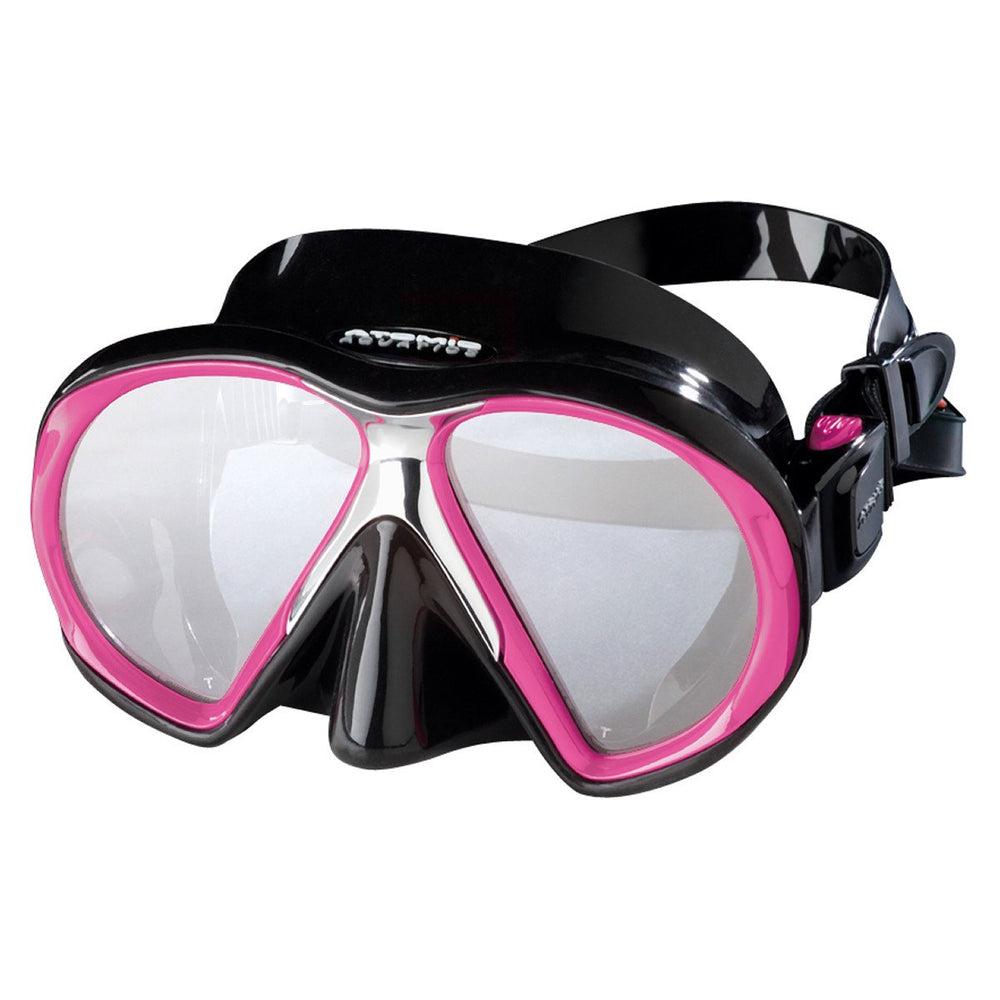
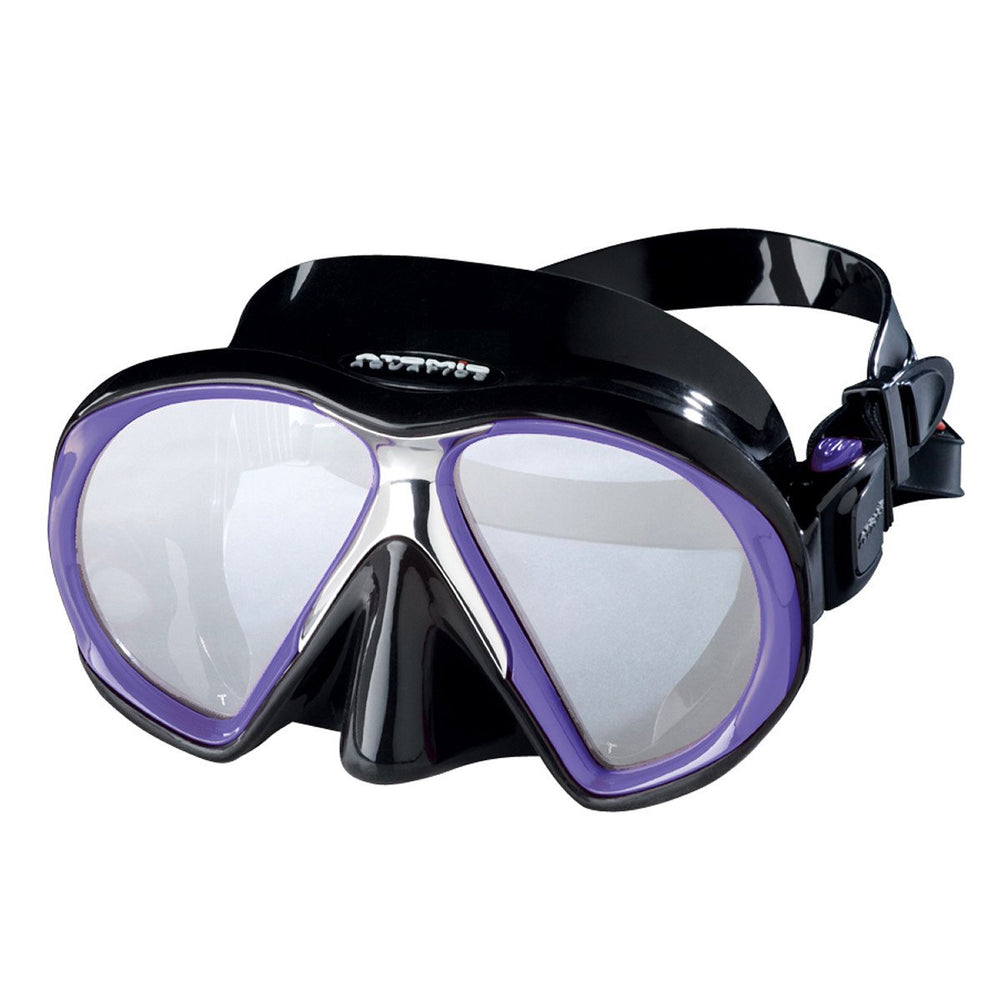
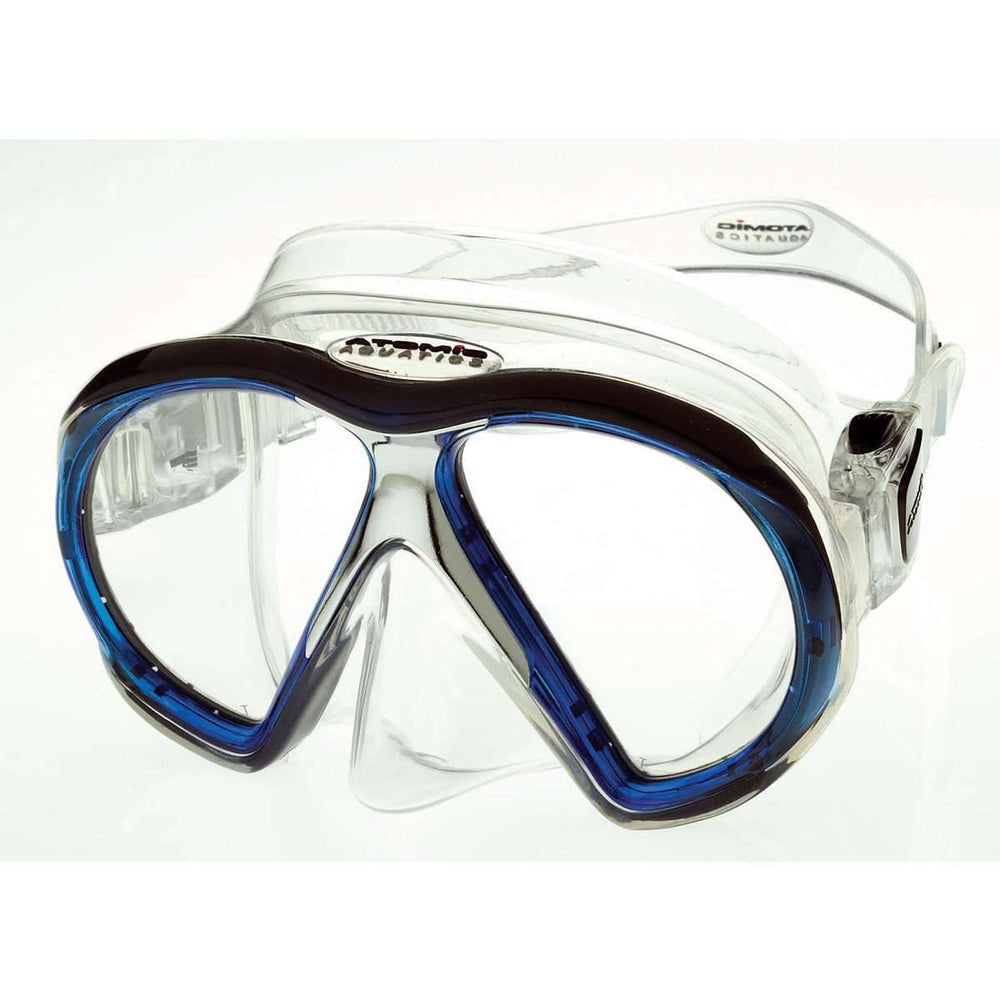
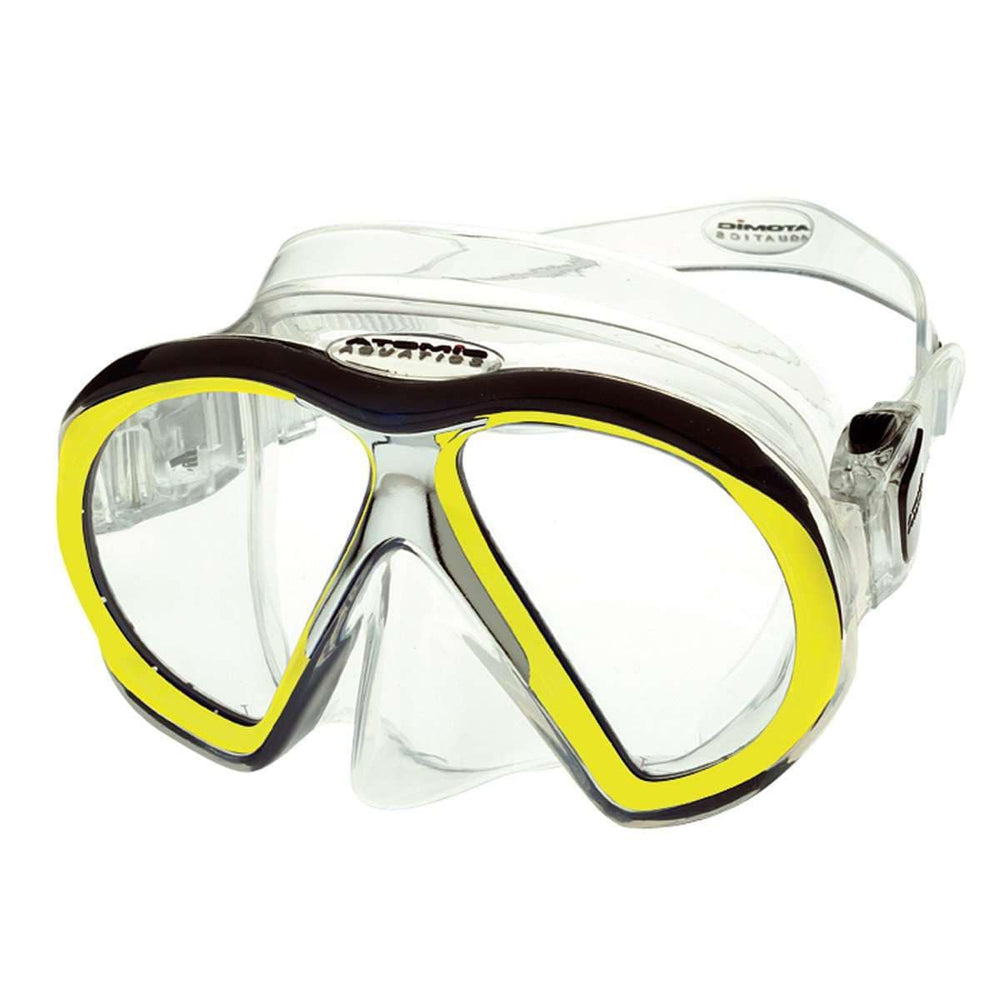
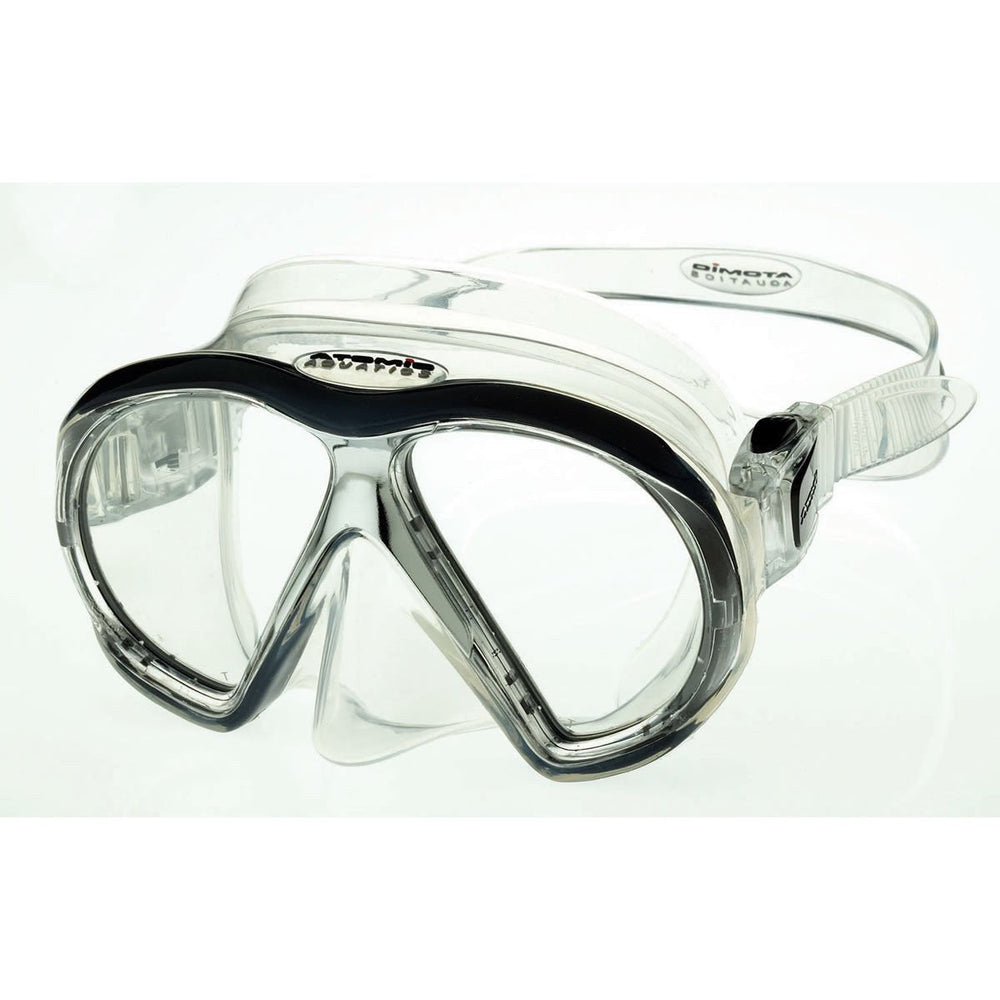
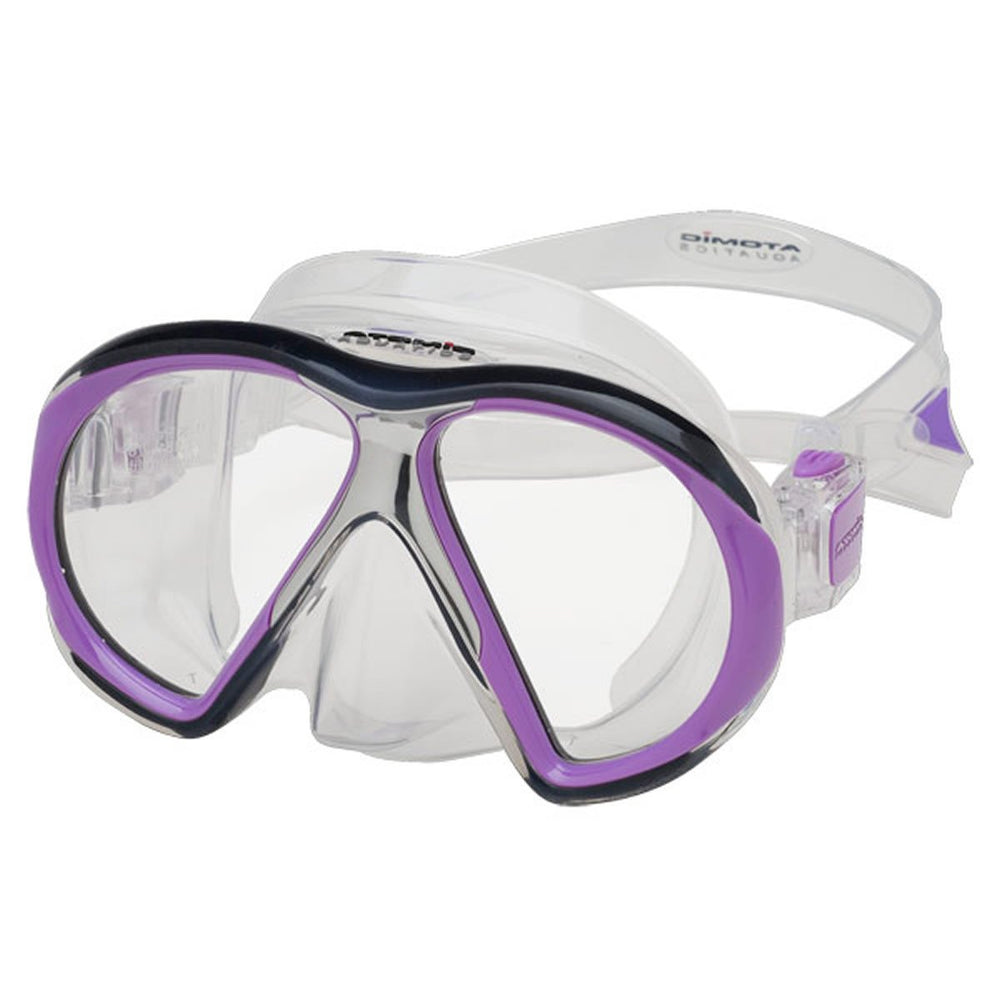
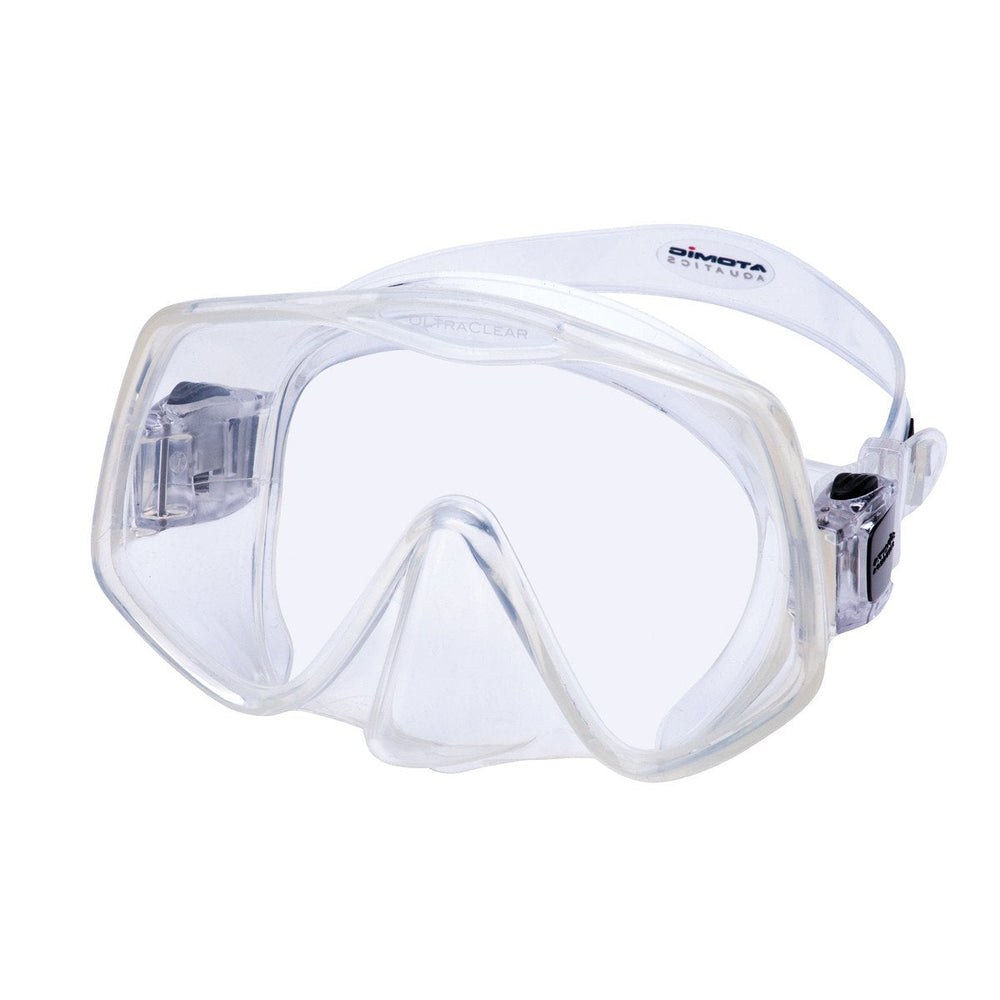
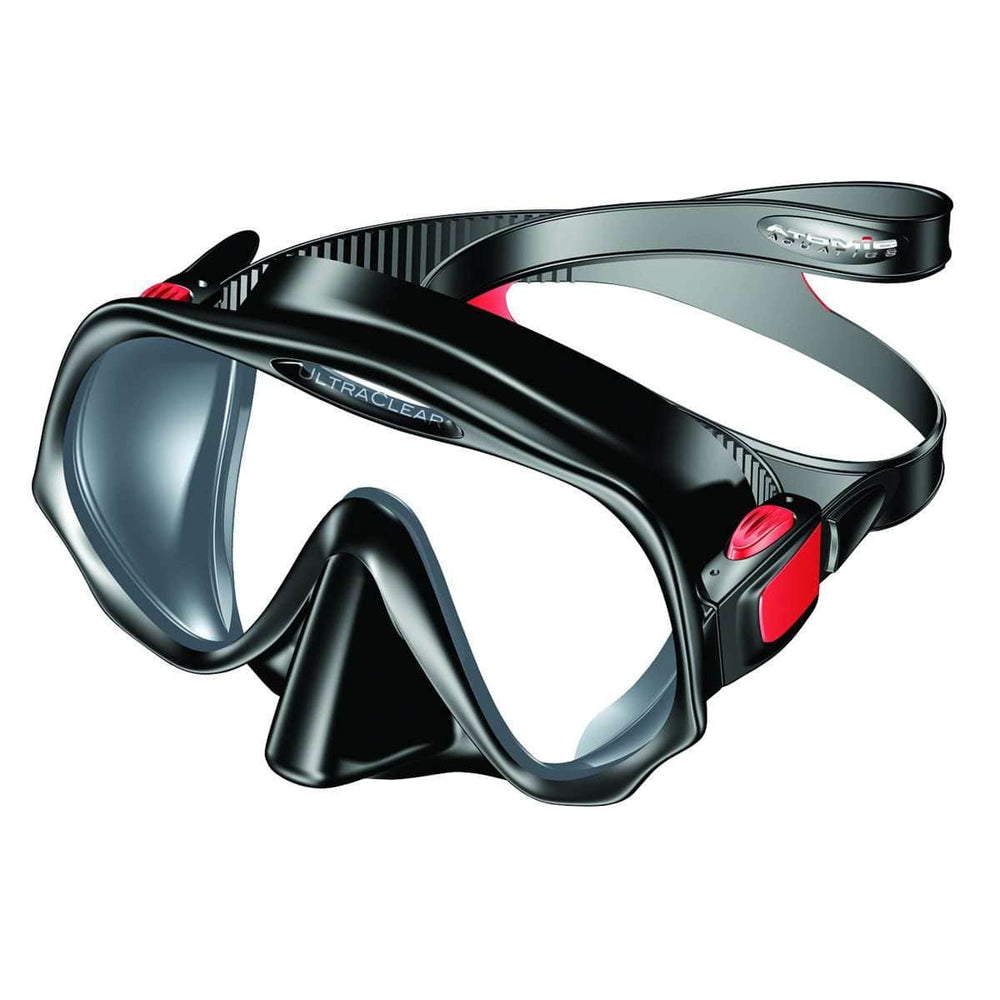
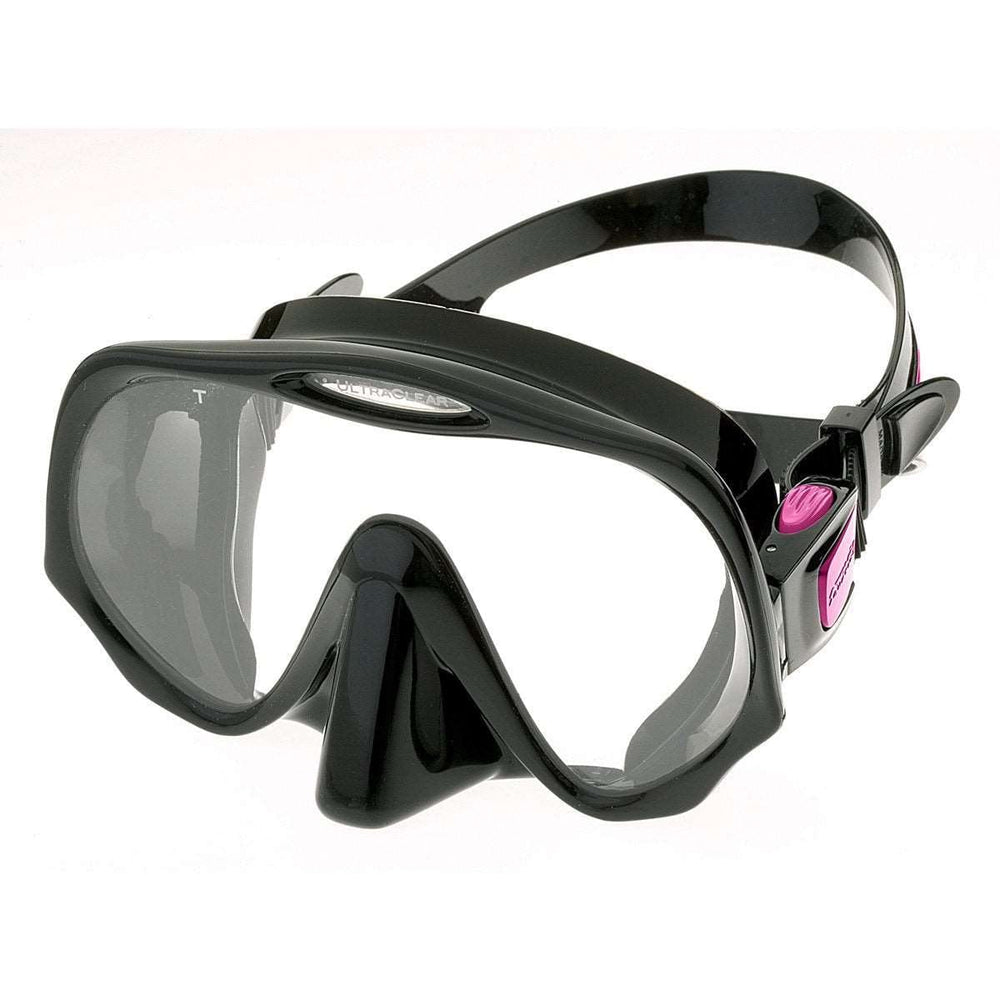
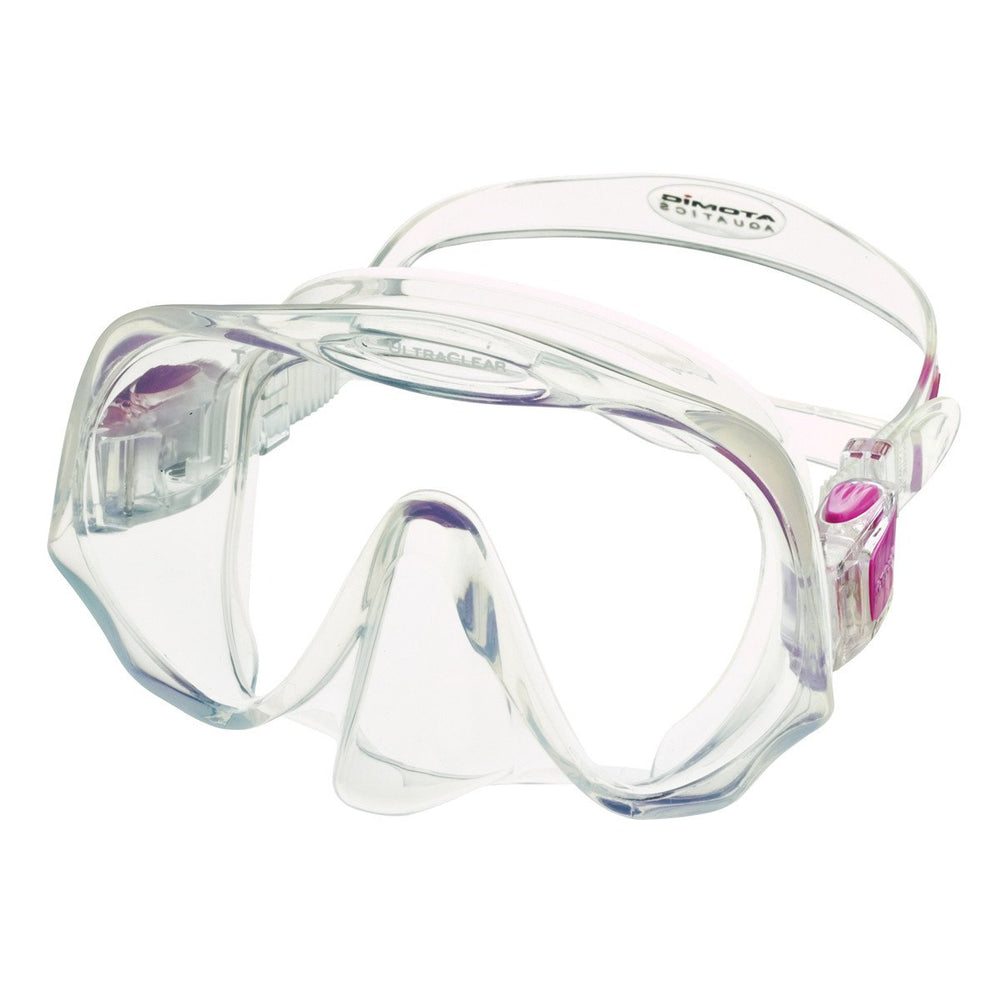
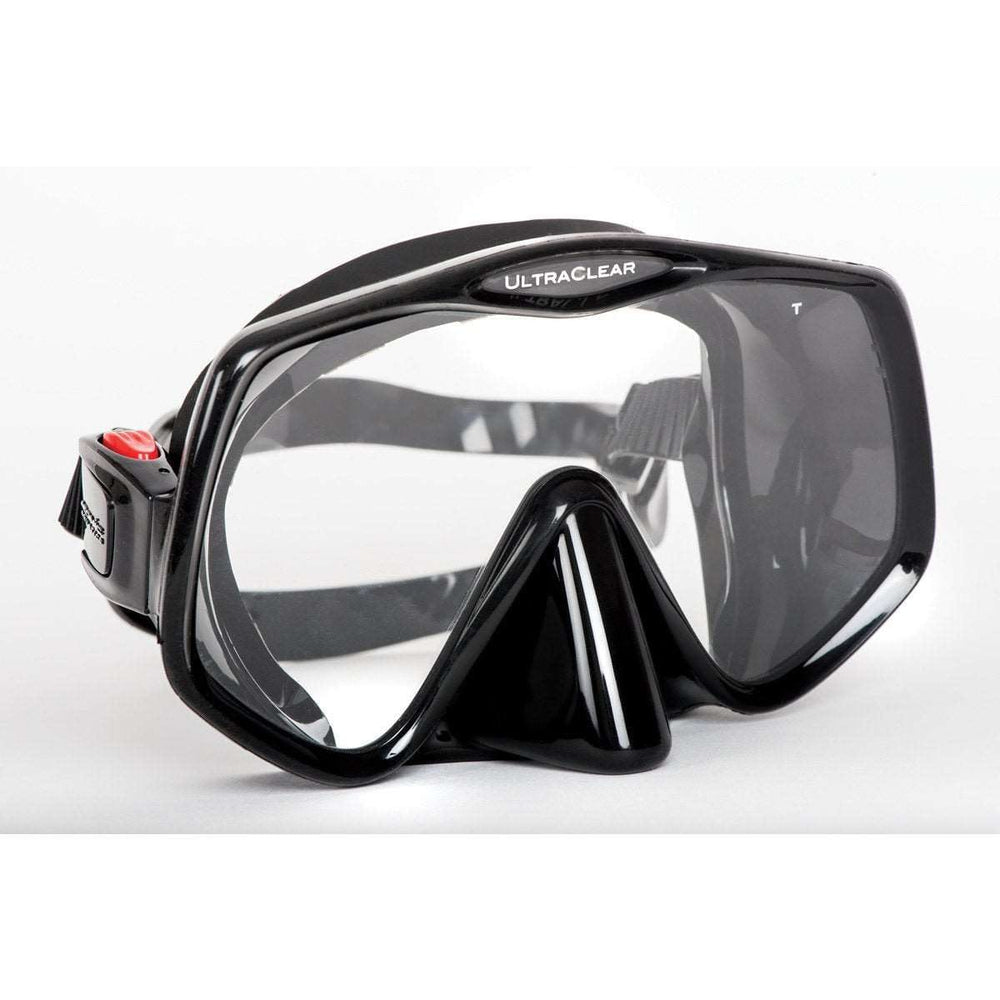
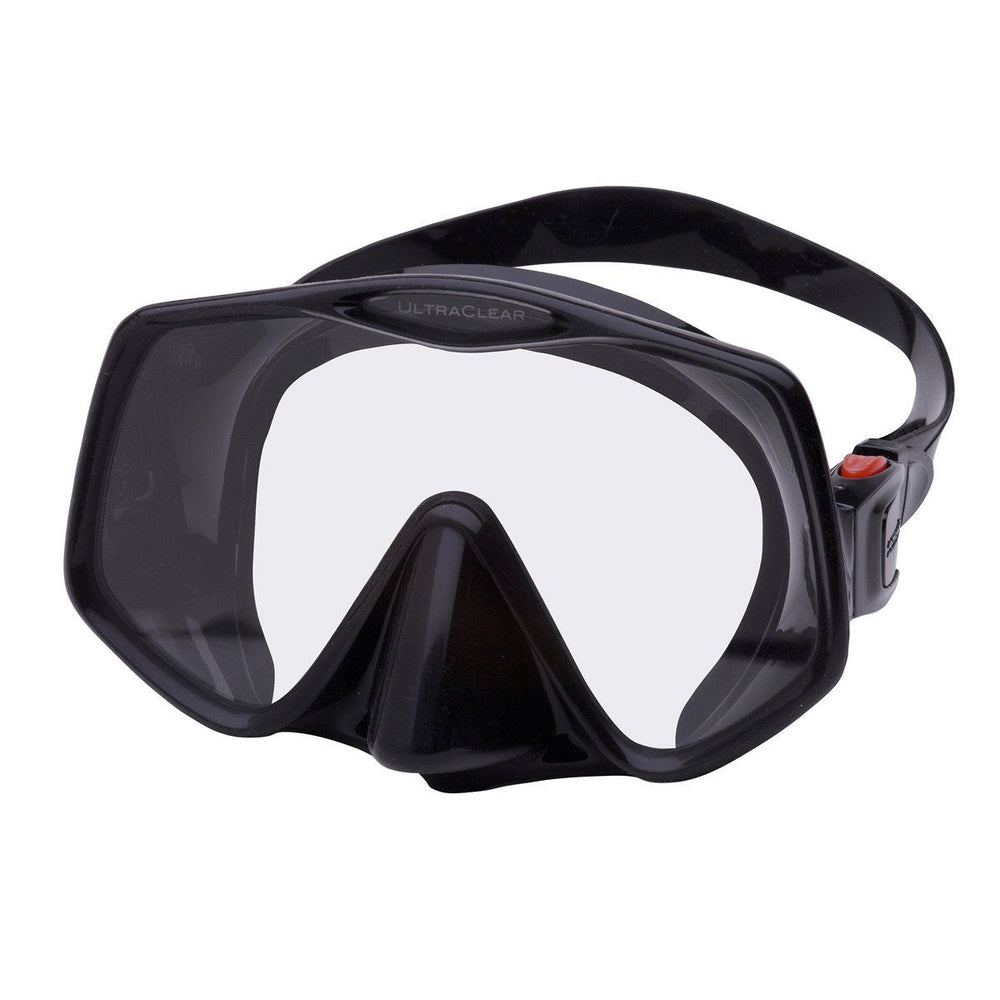
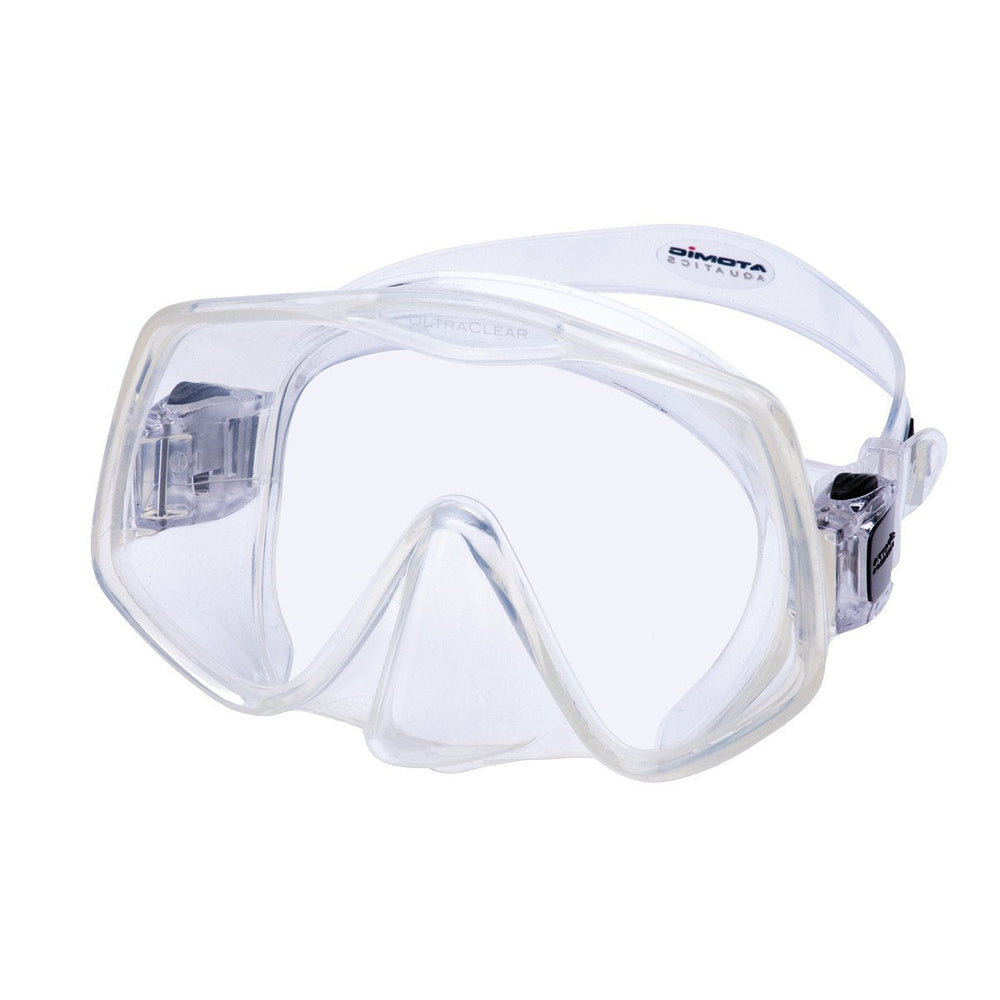
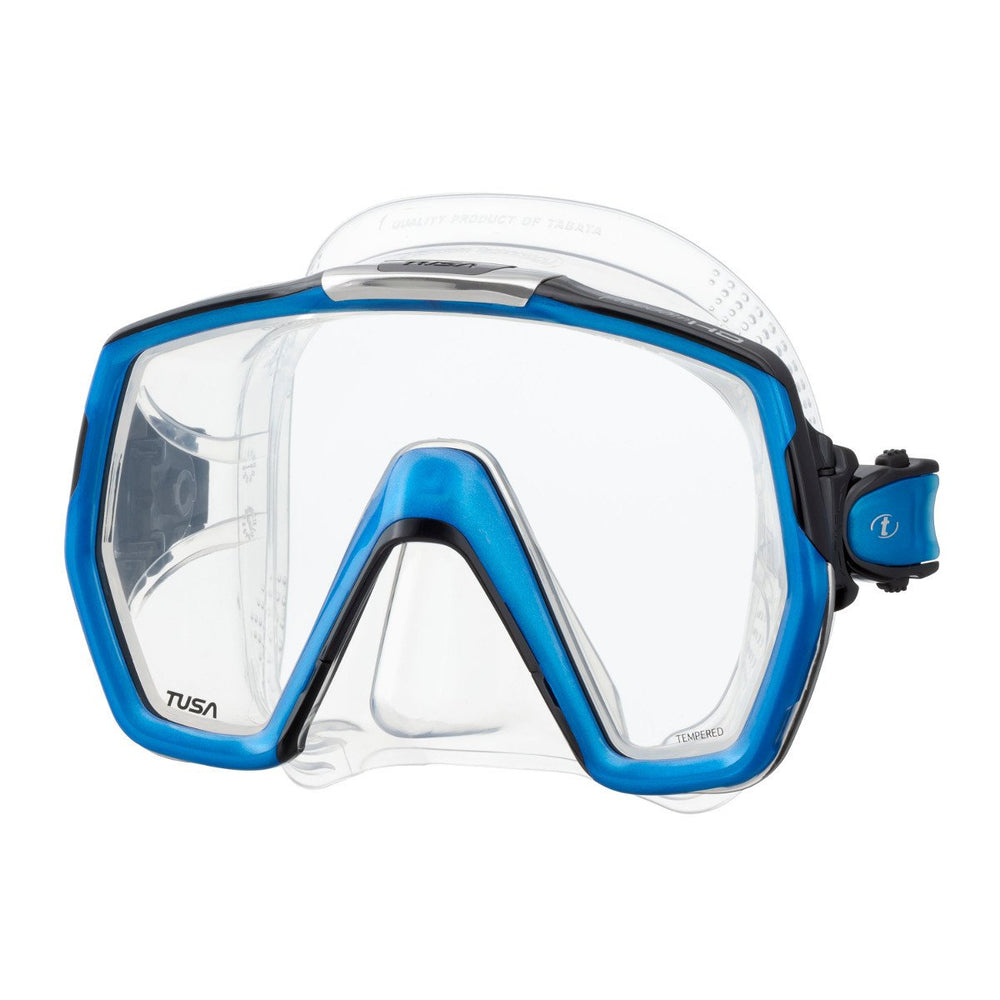
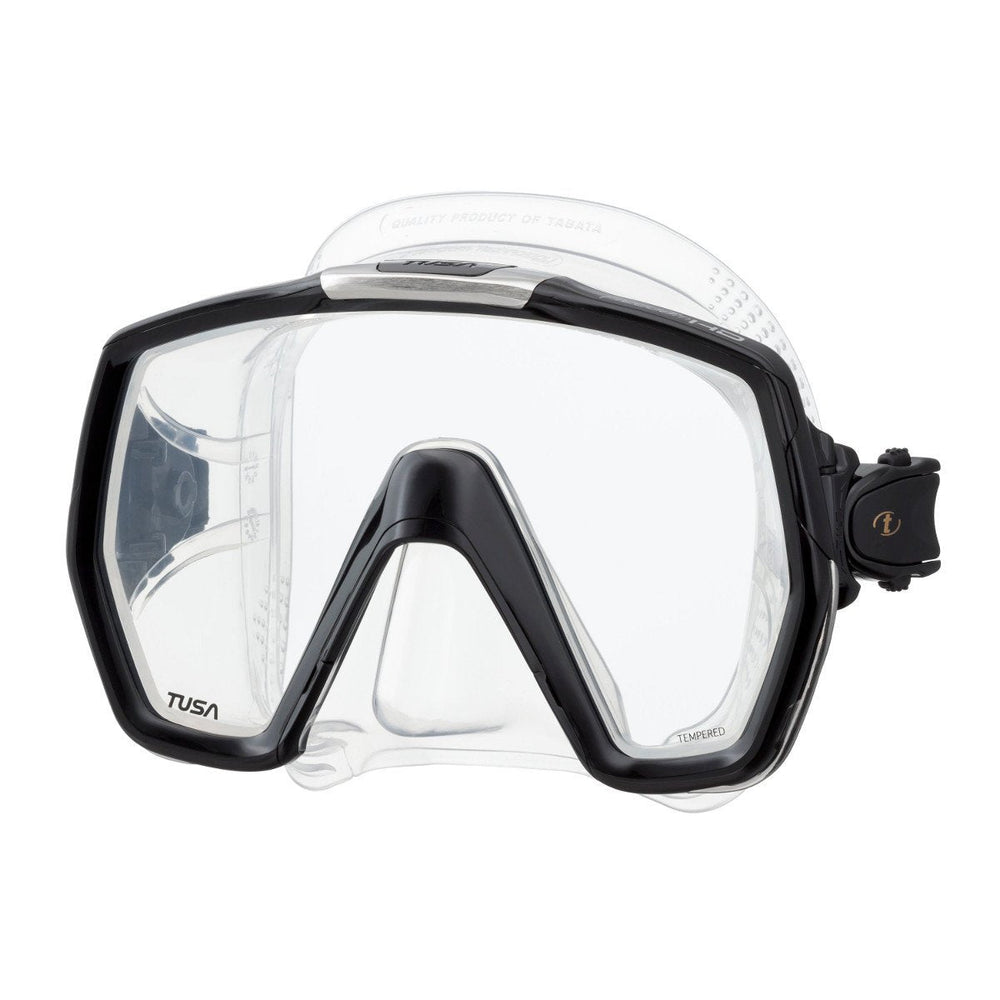
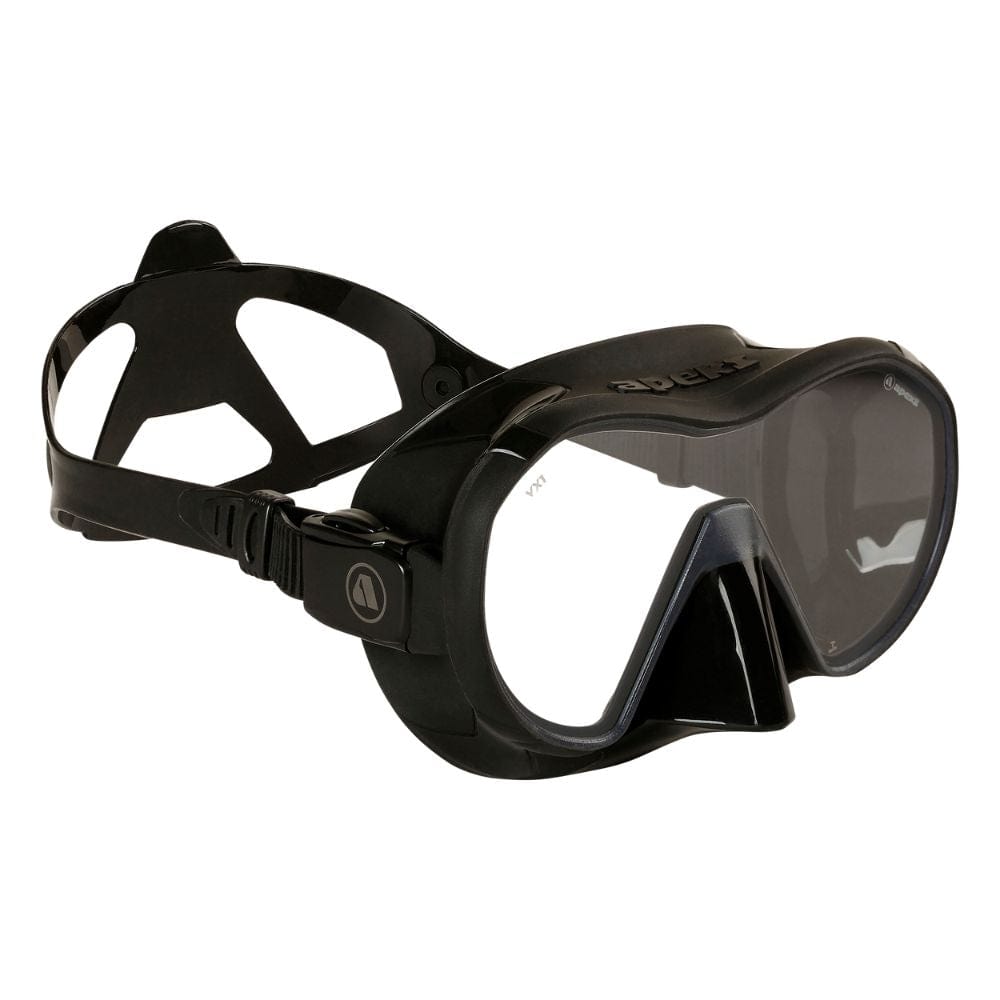
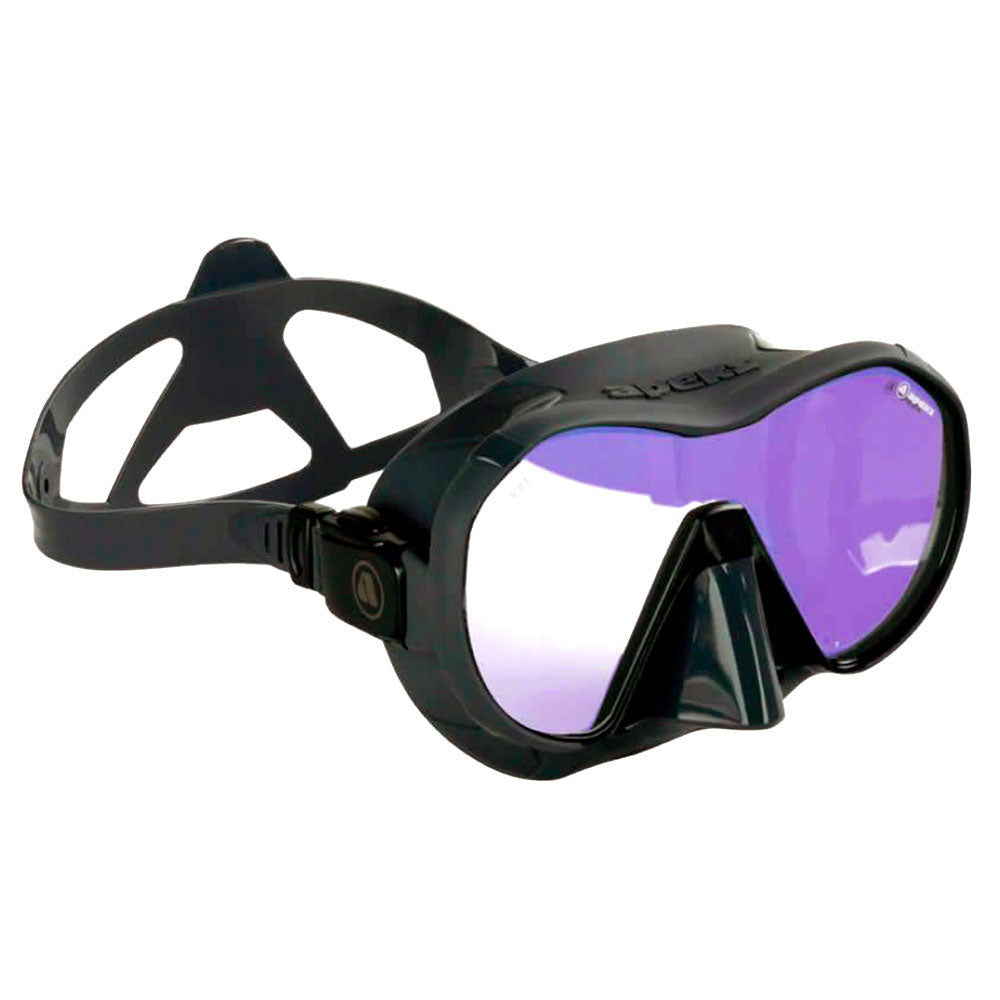
A frameless mask bonds the lens directly to the silicone skirt instead of clamping it in a rigid frame. That makes the mask lighter and lower in profile, brings the glass closer to your eyes for a wider field of view, and leaves less internal air to clear if it floods. It is not compulsory. Framed masks such as the Atomic Aquatics SubFrame use an internal frame for extra rigidity, which some divers prefer for hard-wearing use. Fit still matters more than either.
Yes. We stock TUSA corrective lenses in both plus and minus spherical powers, supplied as separate left and right lenses so each eye can be corrected to a different strength, and there is a dedicated corrective lens for the TUSA Paragon. Not every mask accepts a corrective lens, so the simplest approach is to tell us your prescription and we will confirm what is available for the mask you have in mind before you buy.
Almost always because of residue left on the glass during manufacturing. A new mask needs the inside of the lens cleaning thoroughly before its first dive, and a defog applied before every dive after that. If you would rather not deal with gels and sprays at all, the SEAC Pura carries a permanent plasma anti-fog treatment on the lens instead. Persistent fogging on an older mask usually means the seal is letting warm air in, which comes back to fit.
A full-face mask, or integrated dive mask, covers your whole face and lets you breathe through the mask itself rather than holding a separate second stage in your mouth. The Ocean Reef Neptune III is the model we stock. Divers choose them for natural breathing, a warmer face in cold water and the option to add communications. They handle differently in an emergency, so yes, they need specific training. Talk to us before you buy one.
Your cart is empty