Regular price
£550.00 GBP
Sale price
£550.00 GBP
Regular price


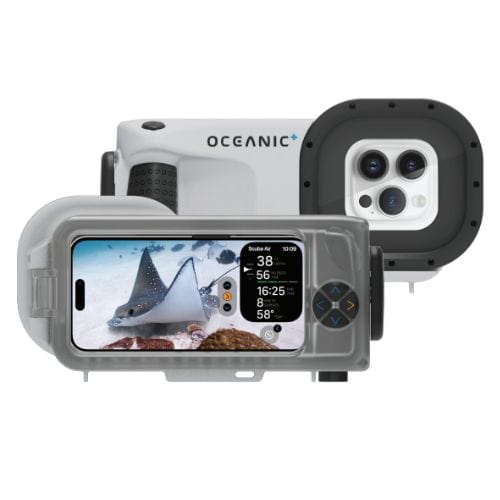



Four: Marelux, Fantasea, Divevolk and Oceanic. Marelux covers full-frame mirrorless bodies from Sony, Canon and Nikon. Fantasea handles Sony compacts and vacuum housings. Divevolk and Oceanic make smartphone housings. If you shoot a camera we do not list a housing for, ask us before you assume it cannot be done.
Only if it was built for that exact body. Housings are model-specific, which is why our Marelux range is listed camera by camera - MX-R5 for the Canon R5, MX-Z6II/Z7II for the Nikon Z6II and Z7II, MX-A7IV for the Sony A7IV, and so on. The controls line up with one body and one body only. Smartphone housings are the exception: the Divevolk SeaTouch 4 Max takes a range of phones, though it needs the correct adapter for yours.
You pump the air out of the sealed housing before the dive and watch for the pressure to hold. If it holds, the seals are good. If it does not, you have found the problem on the boat rather than at depth. Two of our Fantasea housings are built around this - the FA6500 V2 Vacuum Housing and the FA6400 Vacuum Housing. It is not essential, but once you have carried a flooded camera back up the shot line you tend to want it.
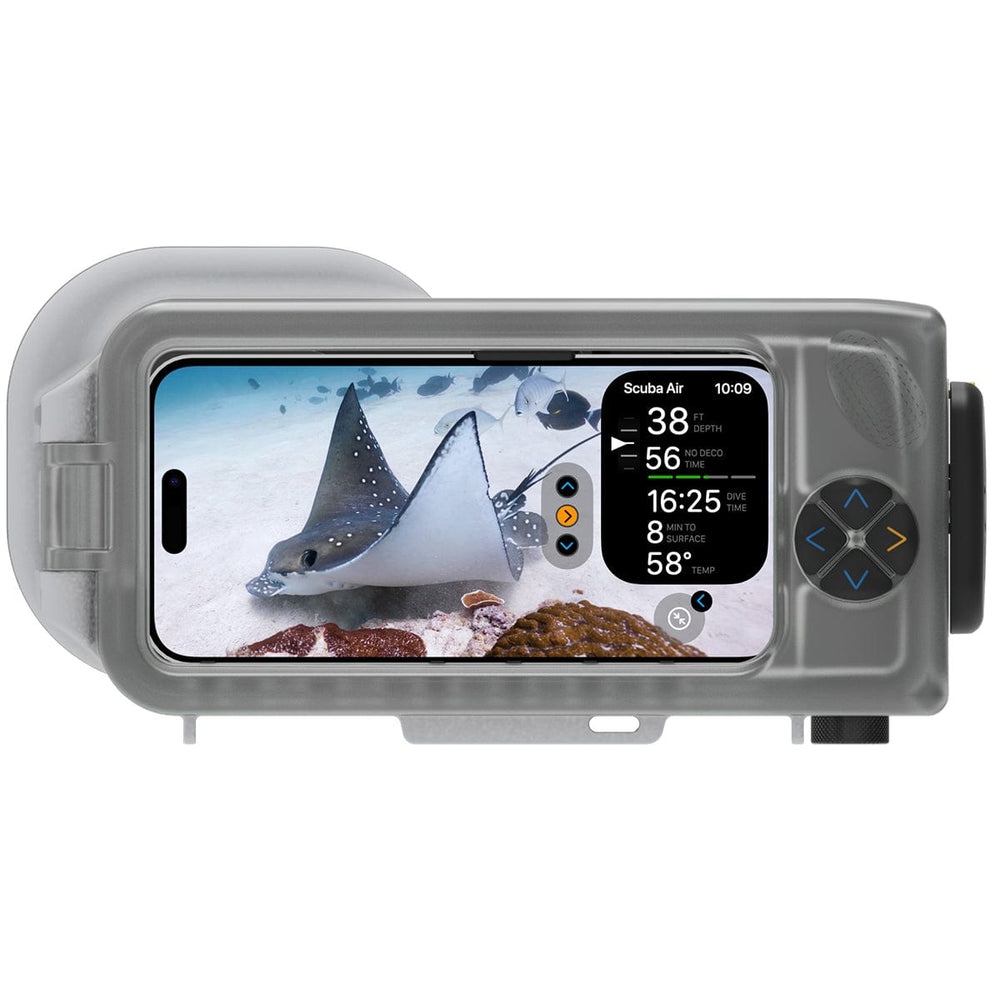
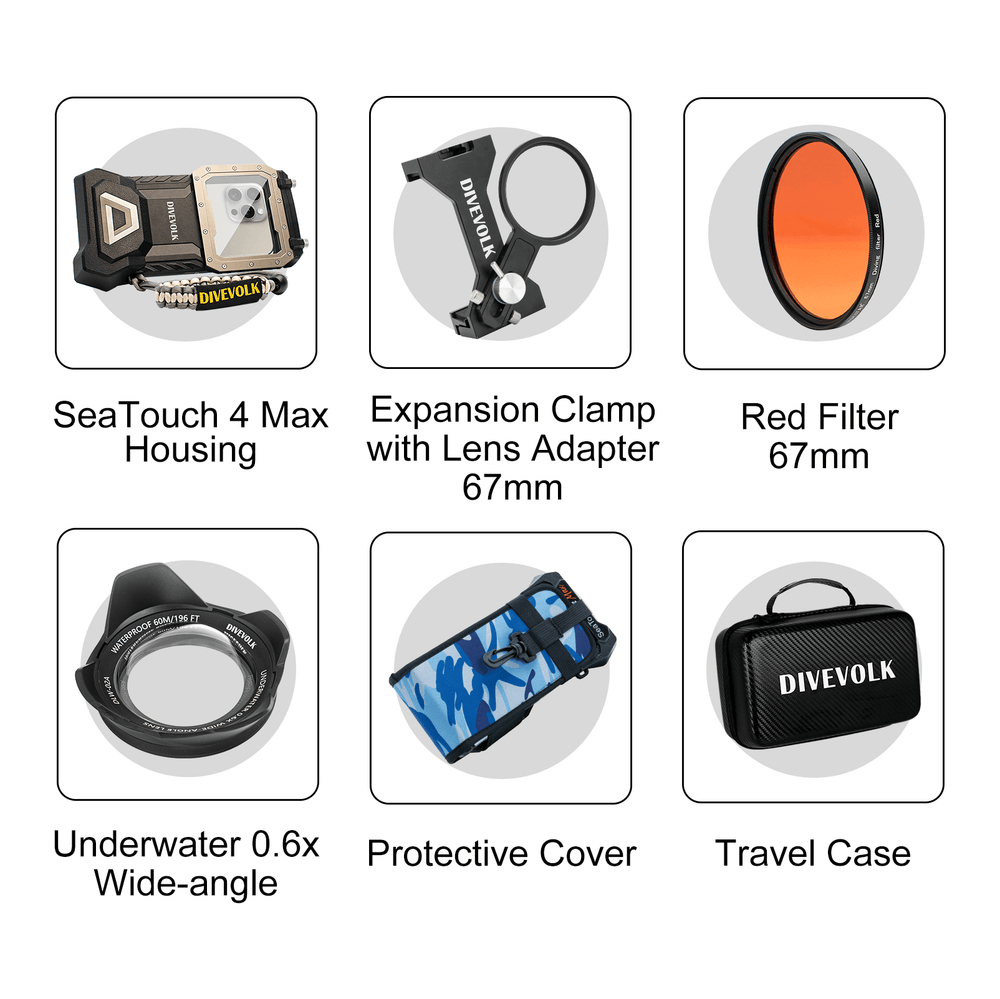
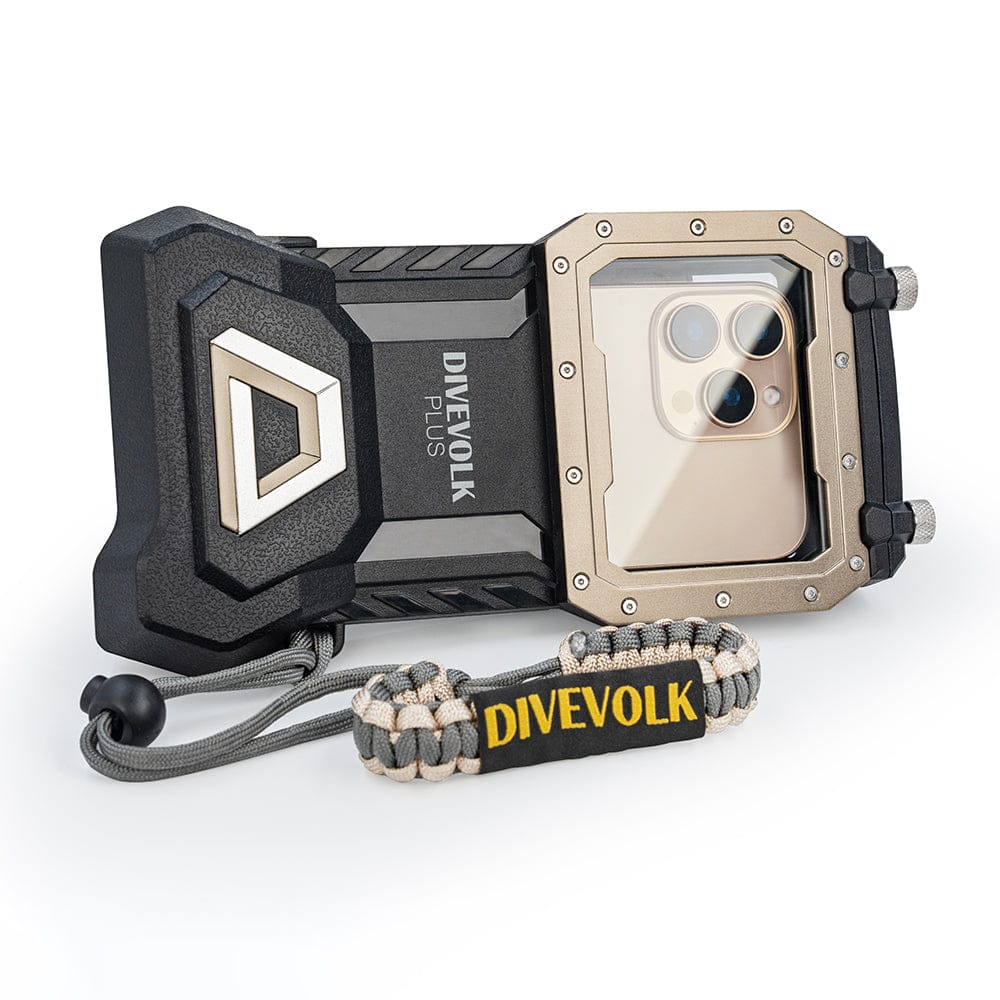
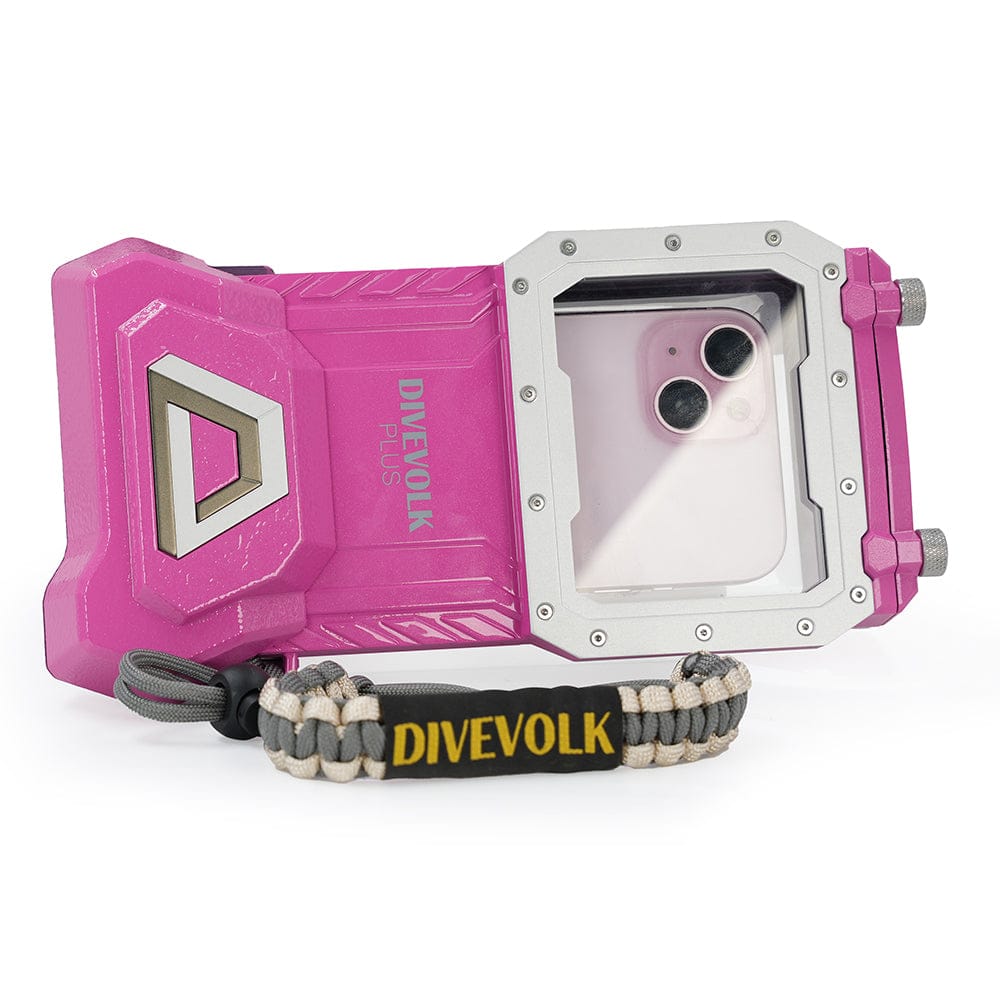
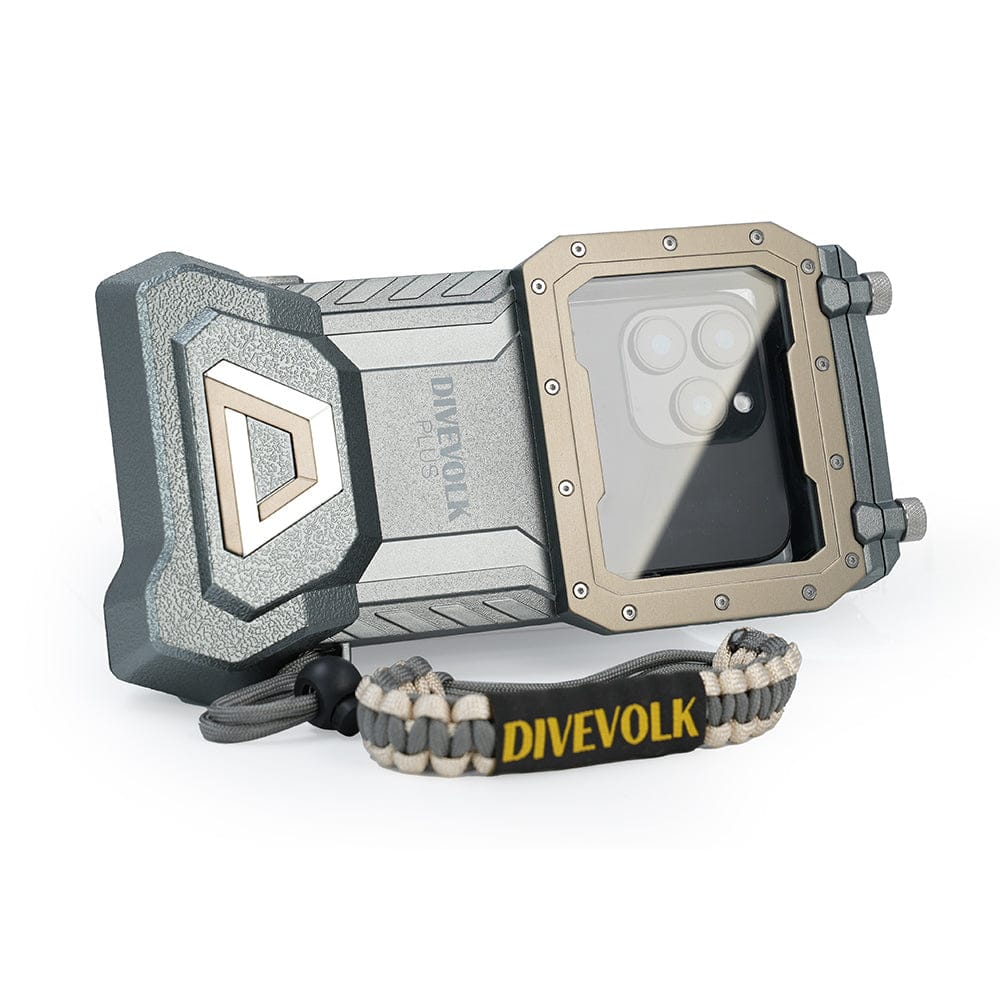
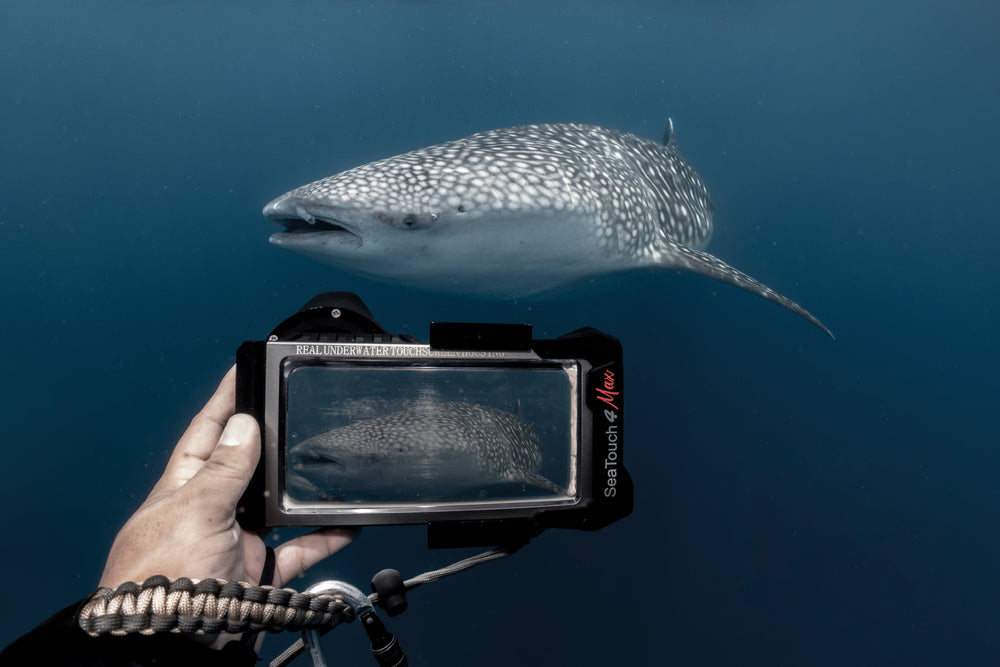
Increasingly, yes. The Oceanic+ Dive Housing puts an iPhone to work as both an underwater camera and a dive computer through the Oceanic+ app, and Oceanic state it is certified to EN13319, the standard for scuba diving gauges. The Divevolk SeaTouch 4 Max Platinum takes a different route - an aluminium body that keeps the phone touchscreen working underwater, with an adapter arm for wide-angle or macro lenses. Neither replaces a full-frame rig, but both shoot far better than most divers expect.
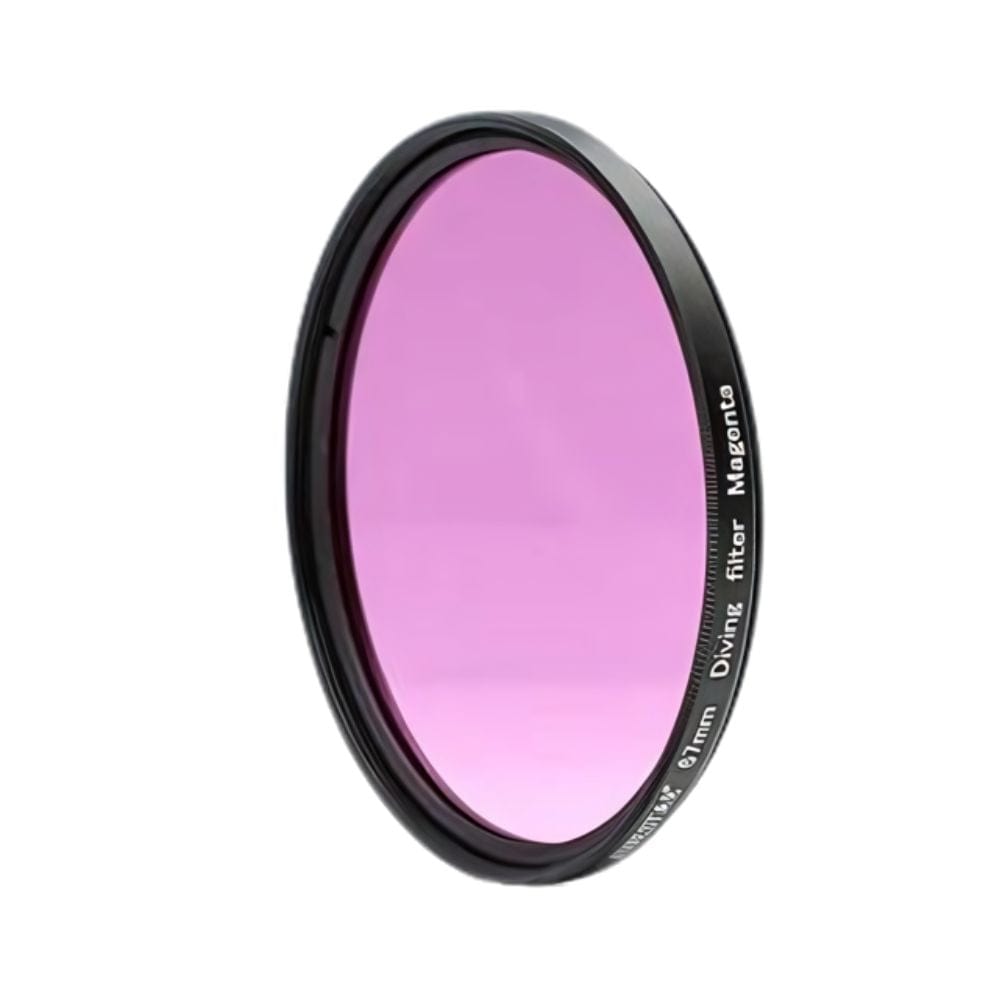
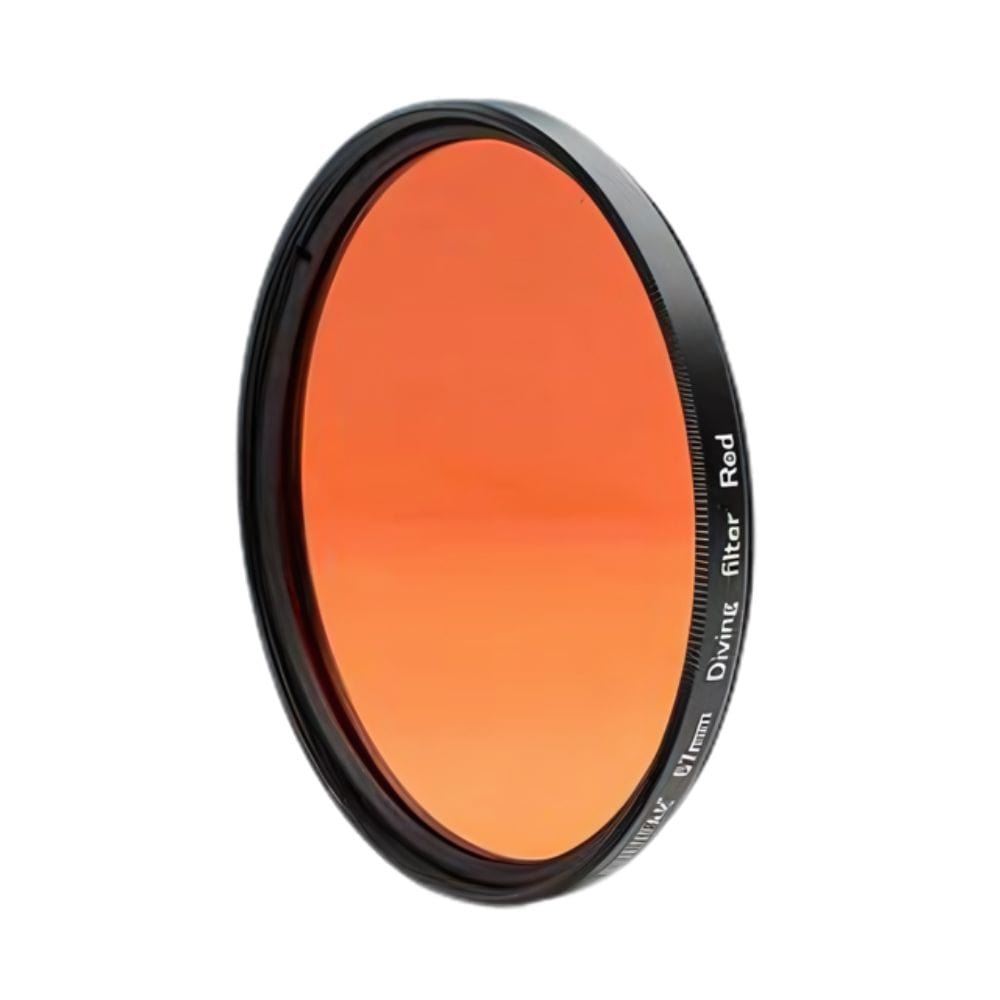
Water strips colour out of an image long before it strips out light, so a filter or a light is usually the first addition. Divevolk make colour correction filters for the SeaTouch 4 Max - a red filter for blue tropical water and a magenta one for the green water you get in lakes, rivers and around our own coast. Beyond that, look at ports and lenses for your specific housing, and at video lights if you shoot deeper or at night. Check the housing listing carefully too: some, like the Fantasea FA6400, are sold as the housing only.
Your cart is empty