Cylinders

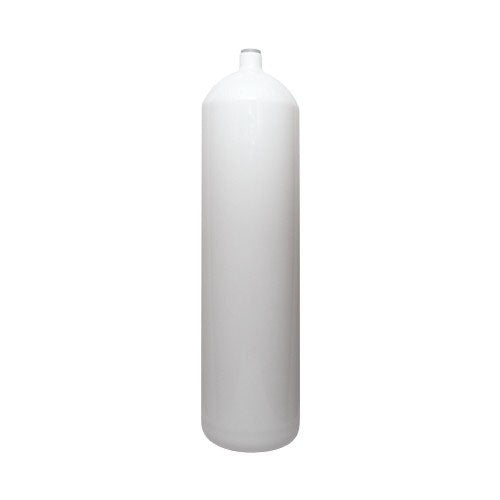
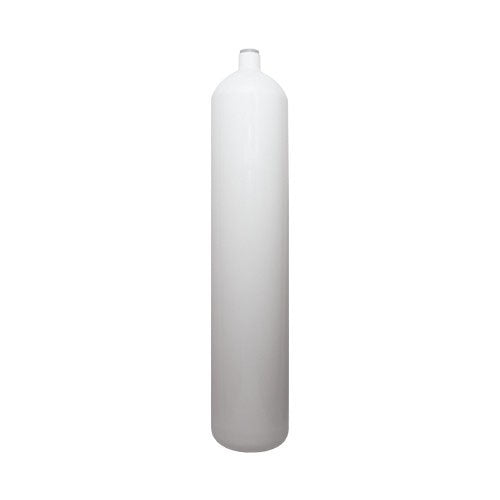
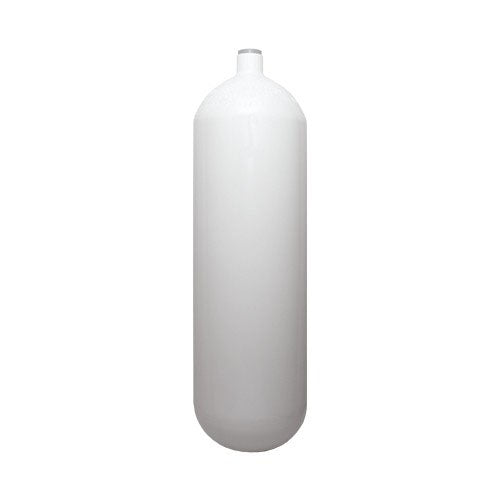
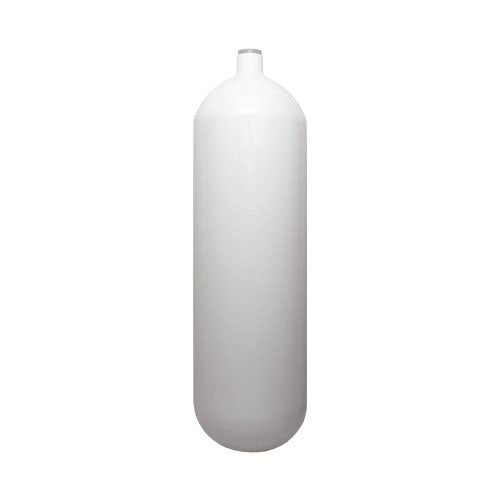
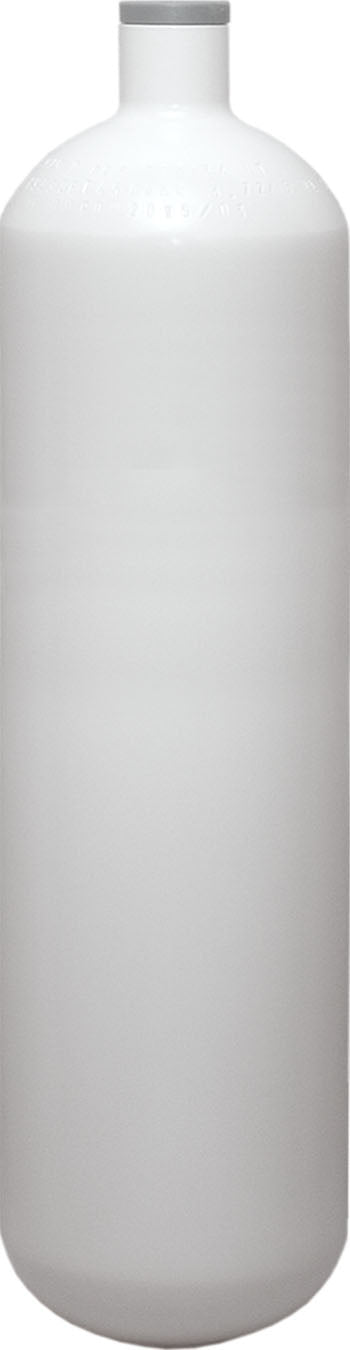
Cylinders are the one piece of kit you cannot improvise around, so size, material and working pressure matter more than brand loyalty. We stock steel from ECS and Faber and aluminium from MES, in everything from small pony and stage bottles up to 20lt, at 232 bar and 300 bar working pressures. Nautilus valves and a DIN-to-INT insert cover the fittings. ECS tanks are made in Apolda, Germany.

  • Expert diving advice
  • UK delivery
  • Multi-award-winning PADI dive centre
  • Secure checkout
35 products
Read the full buying guide

Steel or aluminium

Nearly every decision about a cylinder starts here. Steel is denser, so a steel tank is physically smaller than an aluminium one holding a comparable amount of gas, and it stays negative as you breathe it down. Aluminium gets progressively more buoyant as the gas comes out. Neither is better than the other; they suit different diving, and most divers who own both use them for different jobs.

Steel, from ECS and Faber

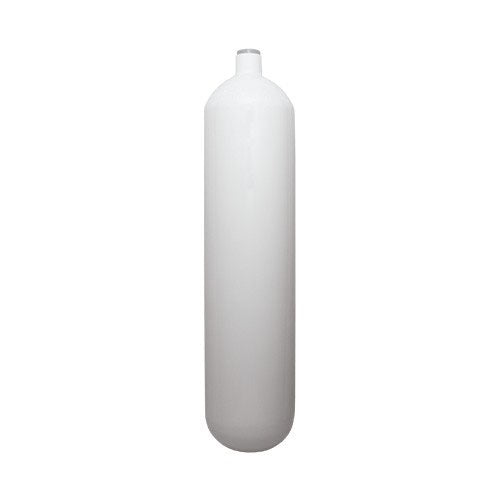
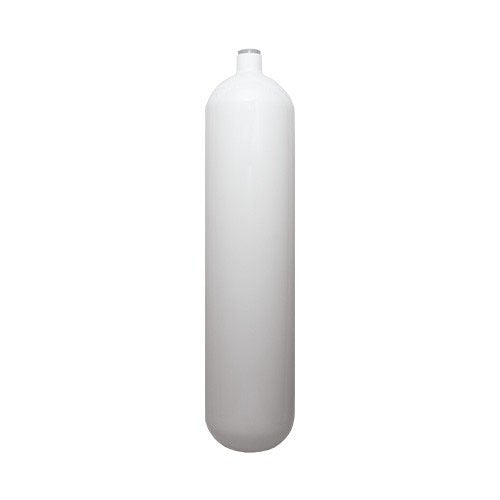
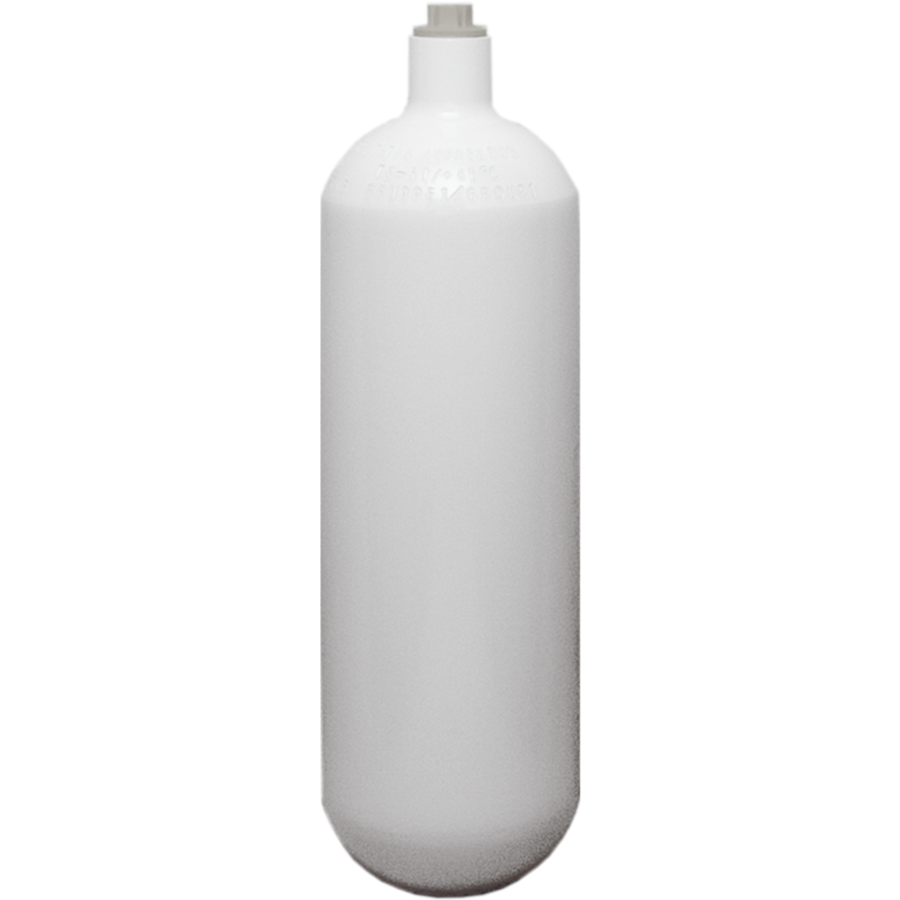
Most of the range here is ECS steel, made in Apolda, Germany, running from small 1lt and 1.8lt bottles up to 20lt. What people overlook is that you often get a choice of diameter at the same volume. The 12lt comes in both 171 mm and 204 mm: the narrower one sits better on a smaller back and is the usual choice if you ever intend to twin them. There are concave-base versions of the 8.5lt and 12lt, and black finishes alongside the standard. The Faber Steel Dive Cylinder is the ready-to-dive option, supplied in 10L, 12L Tall and 15L with a DIN convertible crossflow valve, a rubber boot and EN 1089-compliant stickers already fitted.

Aluminium, from MES

The MES range covers 2lt, 3lt, 5.7lt (40cf), 7lt and 11.1lt (80cf), in natural, white and black. The 11.1lt is the tank you will recognise from almost every warm-water dive centre in the world, which makes it a sensible thing to own if most of your diving happens abroad or you simply want a cylinder that behaves the way the rental kit did. The smaller MES sizes make good slung stages.

Working pressure: 232 bar, 300 bar, and what your compressor will actually give you

Our steel runs mostly at 232 bar, with 300 bar versions in the smaller and mid sizes: the 3lt, 7lt, 10lt and 12lt all appear in 300 bar form. The MES aluminium sits at 200 and 207 bar.

A 300 bar cylinder is only worth having if you can actually get 300 bar into it. Plenty of compressors top out lower, and a 300 bar tank filled short holds less gas than a same-size 232 bar tank would. Find out what your regular filling station delivers before you choose, not after.

Valves, threads and regulator fittings

The valve is not an afterthought, and two separate things have to match. The first is the thread where the valve screws into the cylinder neck. We stock Nautilus 300 bar top handle valves in M25x2 and M18x1.5, the two threads used across the cylinders on this page, and they are not interchangeable. Check the cylinder before you order a valve, or tell us both and we will check it for you.

The second is how your regulator attaches. A DIN regulator screws into the valve; an INT or yoke regulator clamps over it. If you dive yoke and end up with a DIN valve, the Nautilus DIN Cylinder Insert screws in and converts it, which is far less faff than owning a second regulator. The Faber cylinder ships with a DIN convertible crossflow valve and handles both out of the box.

Pony bottles and stage cylinders

Not everything on this page is back gas. The small ECS steels in 1lt, 1.8lt, 2lt, 3lt and 5lt, along with the MES 2lt and 3lt aluminiums, are what divers fit as pony bottles or sling as stage cylinders. Steel keeps a small bottle compact and unobtrusive against the main tank; aluminium hangs better on a leash and is easier to hand off. The 82.5 mm and 100 mm diameter ECS bottles are the ones that mount neatly alongside a main cylinder rather than fighting it.

Testing, filling and looking after it

A cylinder is a pressure vessel, and it has to stay in test to stay useful. Periodic visual inspection and hydrostatic testing are what keep a filling station willing to fill it. The intervals are set by the standards that apply where you dive rather than by us, so check the current requirement instead of assuming. We test, service and fill cylinders in-house through Oyster Servicing.

Day to day: rinse the valve and boot in fresh water after salt dives, never store a cylinder completely empty, and do not leave one baking in a car boot in the sun. A new cylinder arrives empty or with only a holding charge for transport, so plan a fill before your first dive with it.

Talk to us before you commit

Cylinders are heavy and awkward to send back, so it is worth a conversation first. Tell us where you dive, what suit you wear, whether you are on yoke or DIN and what your filling station can deliver, and we will tell you which of these actually suits you. Sometimes the honest answer is a smaller cylinder than the one you had in mind.

Frequently asked questions

Which cylinder brands does Oyster Diving stock?

Four. ECS supply the bulk of our steel range and their tanks are made in Apolda, Germany. Faber make the steel cylinder we sell ready to dive with a valve and boot already fitted. MES cover the aluminium side, in natural, white and black finishes. Nautilus supply the valves and the DIN Cylinder Insert. Between them they cover pony bottles, stage cylinders and full-size back gas, in both steel and aluminium.

Should I buy a steel or an aluminium cylinder?

It mostly comes down to what you dive in. Steel is denser, so a steel cylinder is physically smaller than an aluminium one holding a comparable amount of gas, and it stays negative as you breathe it down. That suits drysuit and cold-water diving in the UK, where you are carrying lead anyway. Aluminium becomes progressively more buoyant as the gas comes out, which is why it is common in warm water and on holiday boats, and why it works well as a slung stage or deco cylinder. Our steel comes from ECS and Faber, our aluminium from MES.

232 bar or 300 bar: which should I choose?

A 300 bar cylinder holds more gas in the same physical volume than a 232 bar one, but only if you can get it filled to its rated pressure. Not every compressor and not every dive centre will deliver a full 300 bar fill, and a 300 bar cylinder filled to 232 bar simply gives you less gas than a 232 bar cylinder of the same size would. Check what your usual filling station can do before you commit. Most of our ECS steel range is 232 bar, with 300 bar options in the smaller and mid sizes. The MES aluminium cylinders run at 200 and 207 bar.

Will my regulator fit? DIN or INT (yoke)?

There are two separate questions here. The first is how your regulator attaches to the valve: a DIN regulator screws into the valve, an INT or yoke regulator clamps over it. If you have a yoke regulator and a DIN valve, the Nautilus DIN Cylinder Insert screws into the valve and lets the yoke clamp on. The Faber Steel Dive Cylinder comes with a DIN convertible crossflow valve, so it handles both. The second question is the valve thread itself, where the valve screws into the cylinder neck: our range uses M25x2 and M18x1.5, and these are not interchangeable. Match the valve thread to the cylinder, and if you are buying valve and cylinder separately, tell us both and we will check it.

Does a new cylinder need testing before I can get it filled?

A new cylinder arrives certified, so it can be filled straight away. After that it needs periodic visual inspection and hydrostatic testing to stay in service, and any filling station worth using will refuse a cylinder without an in-date test stamp. The intervals are set by the standards that apply where you dive, not by us, so check the current requirement rather than relying on what a mate told you. We test and service cylinders in-house through Oyster Servicing. Cylinders also arrive empty or with only a holding charge for transport, so plan a fill before your first dive.