Regular price
From £59.00 GBP
Sale price
From £59.00 GBP
Regular price


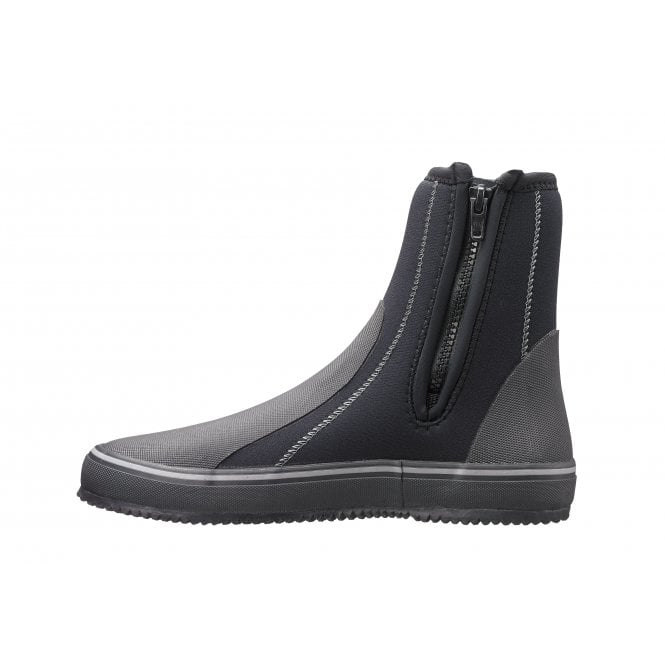
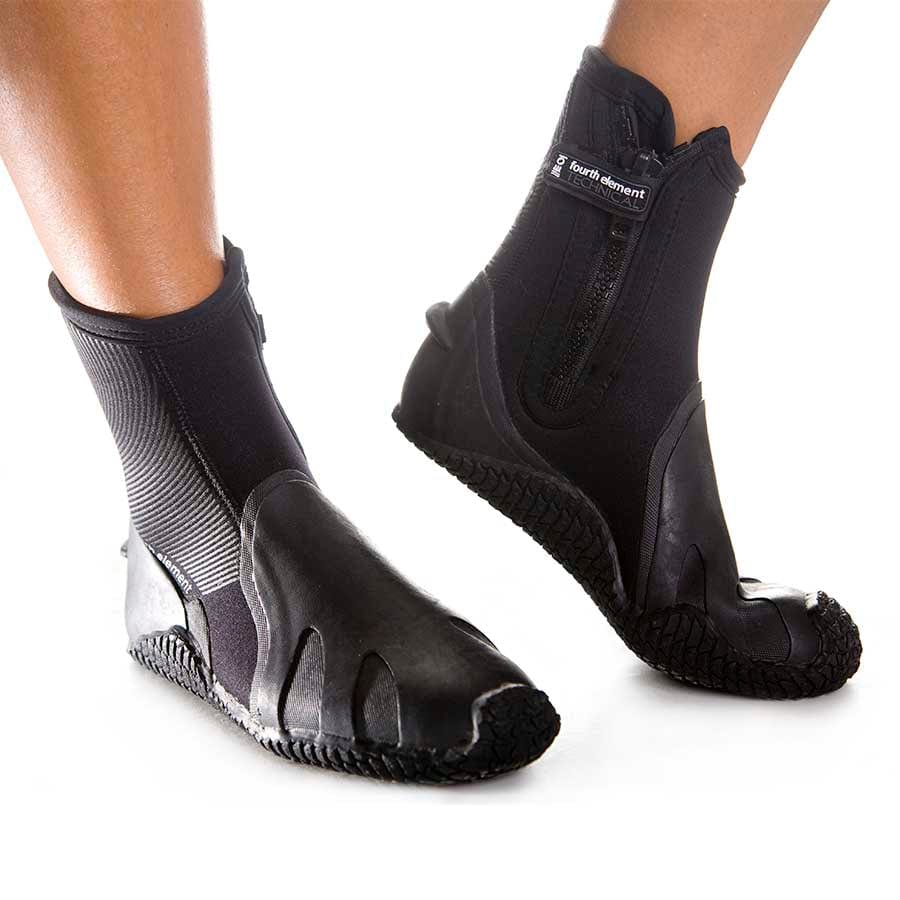
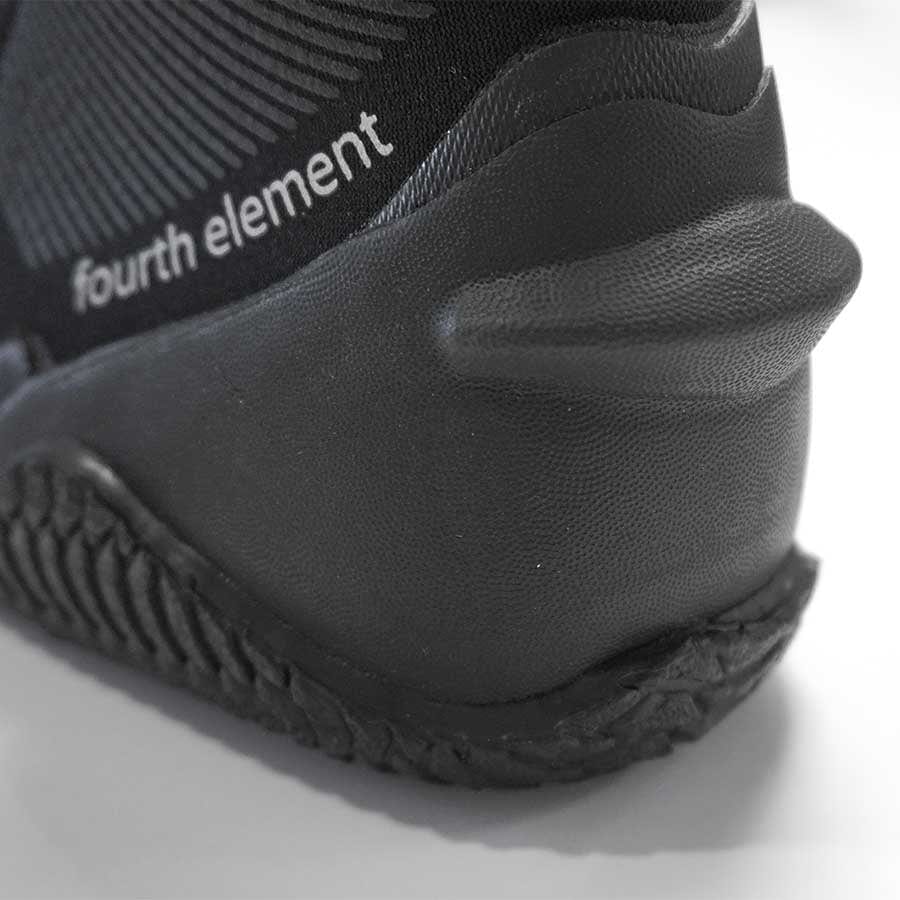
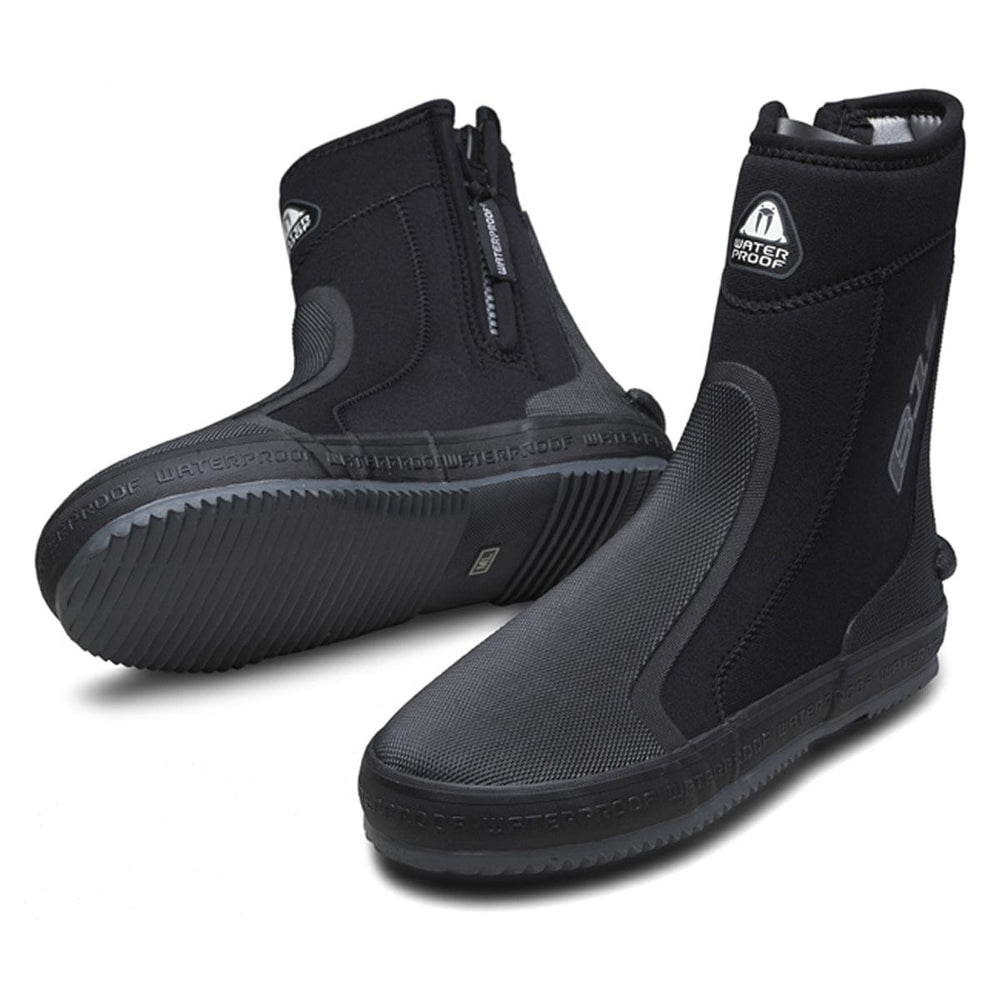
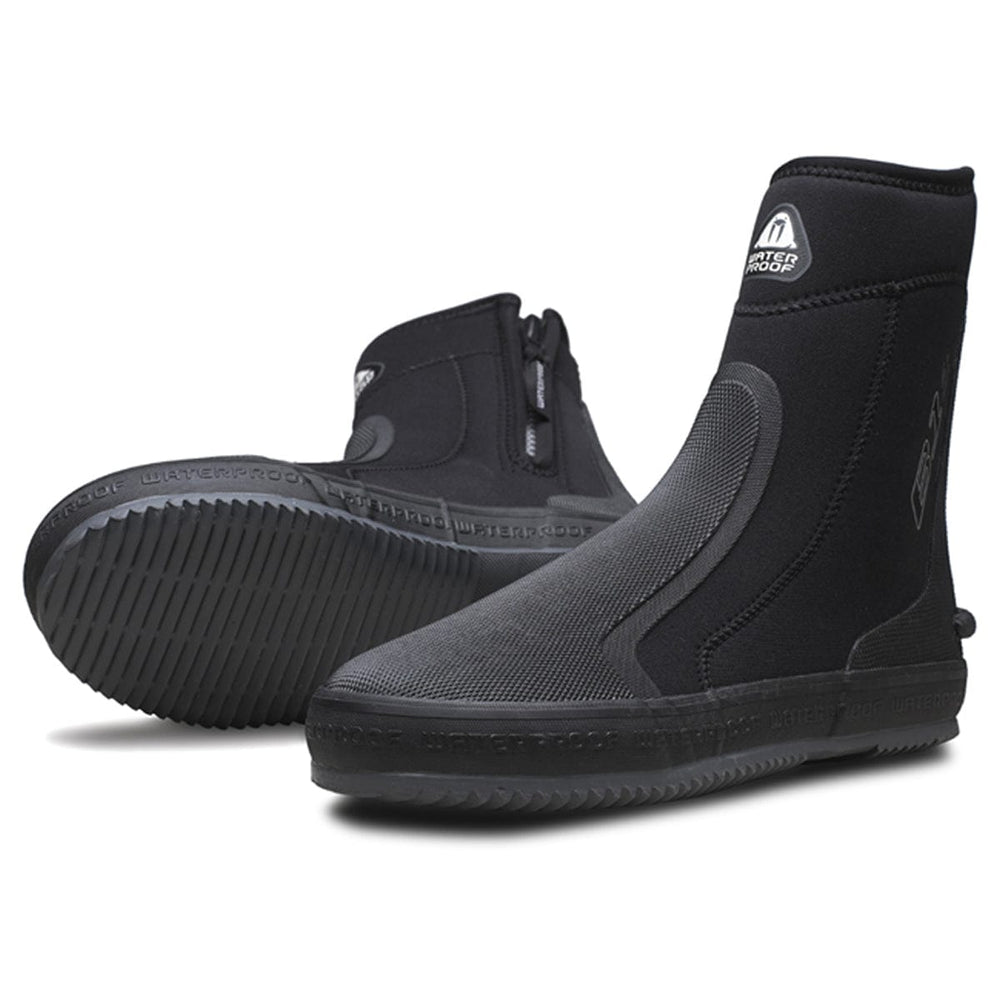
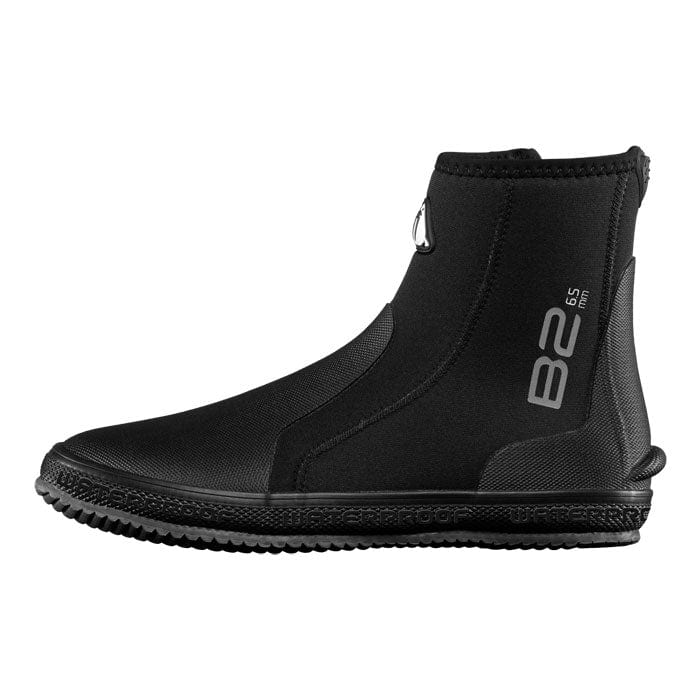
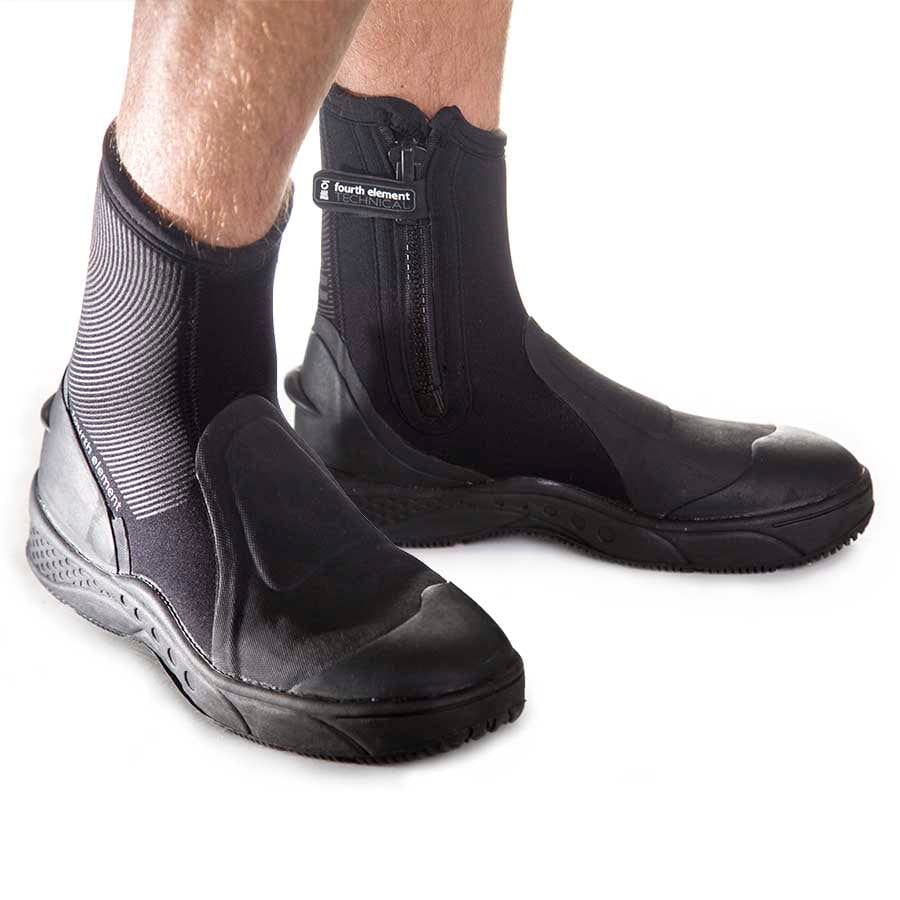
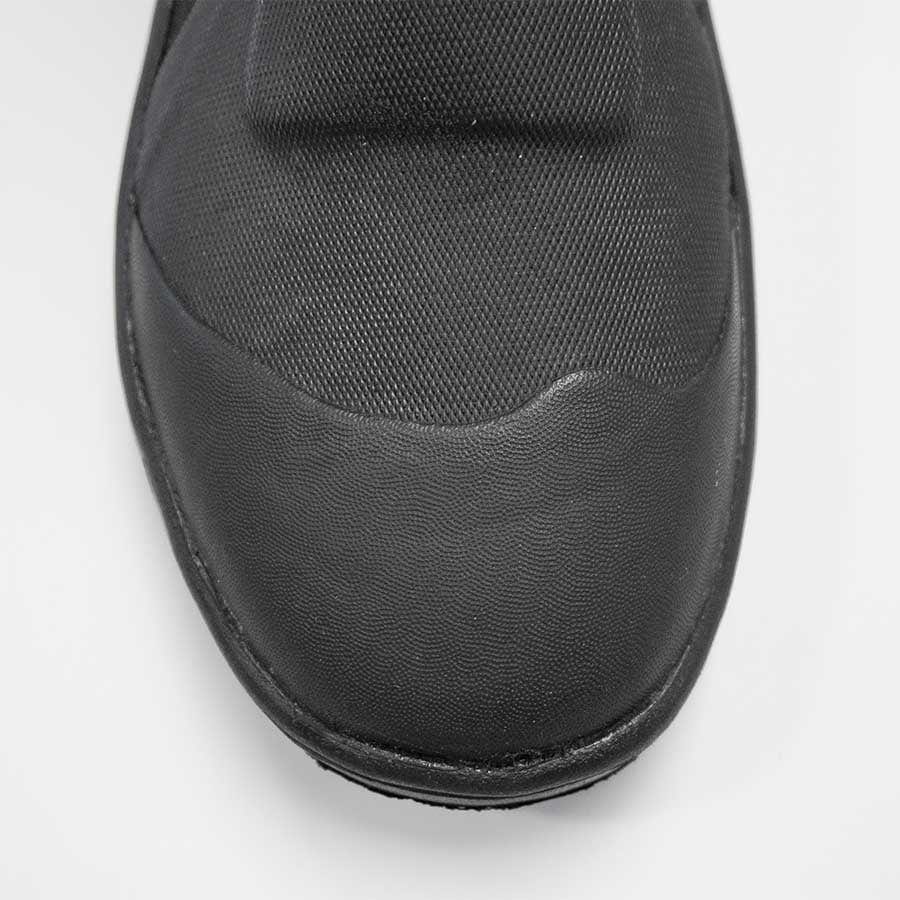
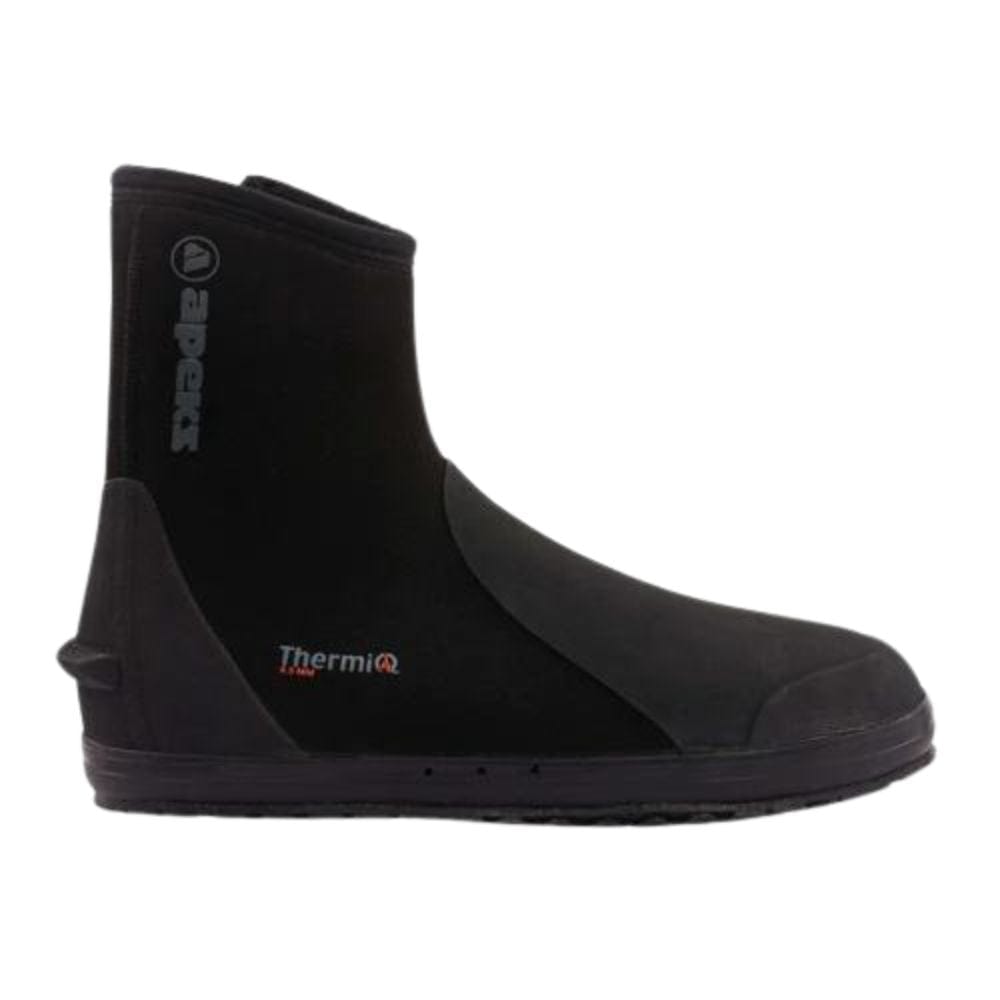
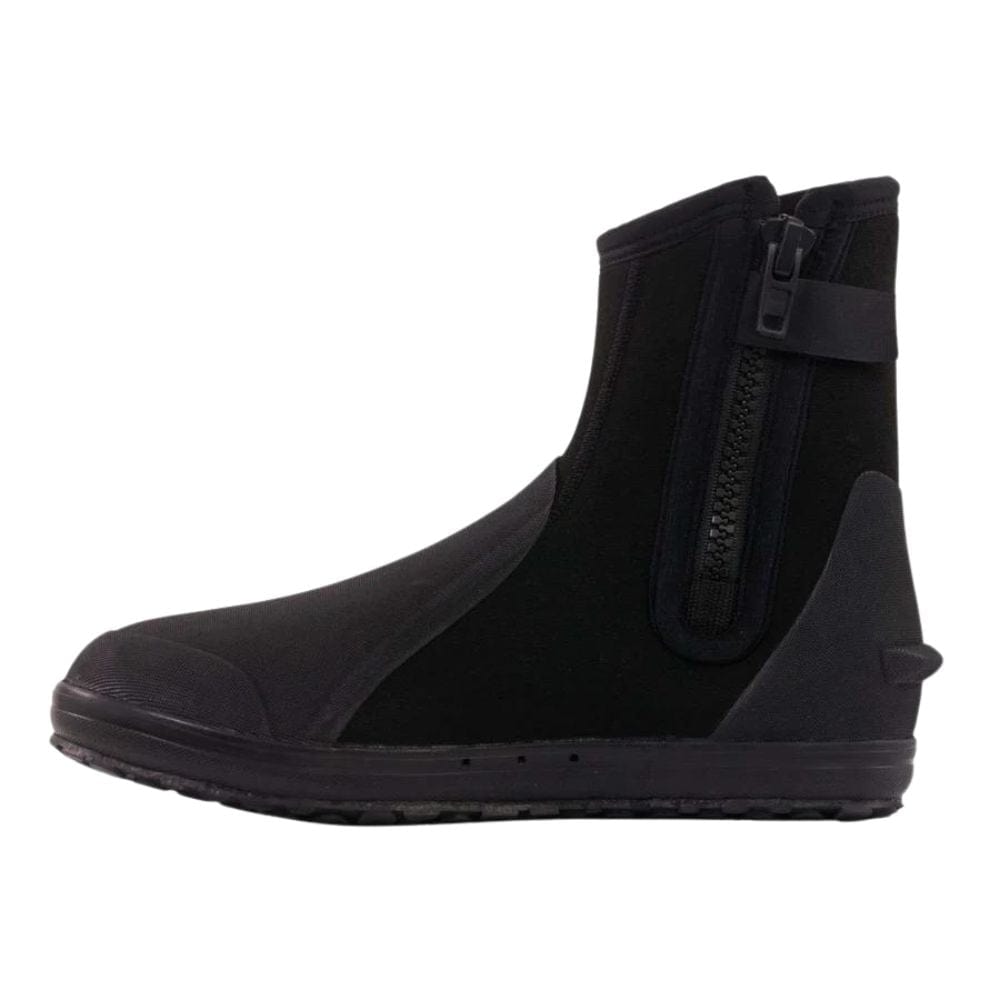
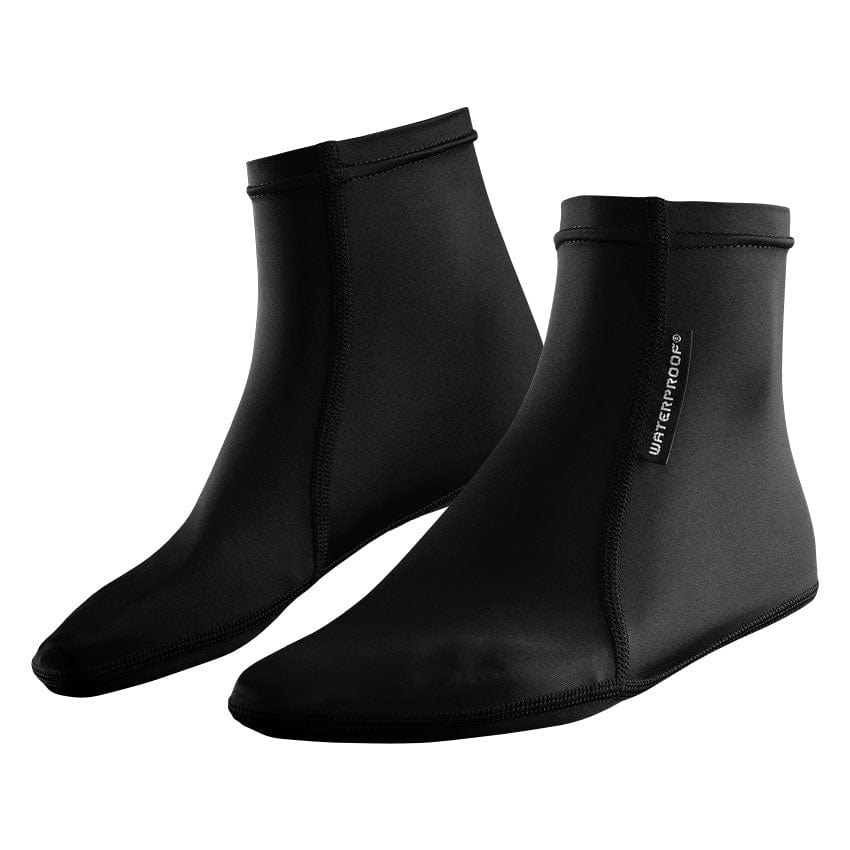
Start with your fins and your suit, then pick the boot
Two things decide this, and neither is the boot. First, your fins. Open-heel fins need a boot, and its bulk has to match the foot pocket you already own, so buy them together or bring your fins in. Full-foot fins want a thin sock instead. Second, your suit. If you dive dry you are shopping for an undersock, so Xerotherm, Arctic, Hotfoot Pro or Santi Primaloft, and low bulk matters more than raw thickness because a packed-out suit boot chills your feet rather than warming them. If you dive wet and go in off the shore, prioritise the sole: a moulded or vulcanised outsole like the Amphibian, the Rock Hopper or Bare's S-Flex will outlast a soft slipper sole. Then get the fit snug. Cold feet in a wetsuit are usually a flushing problem, not a thickness problem.
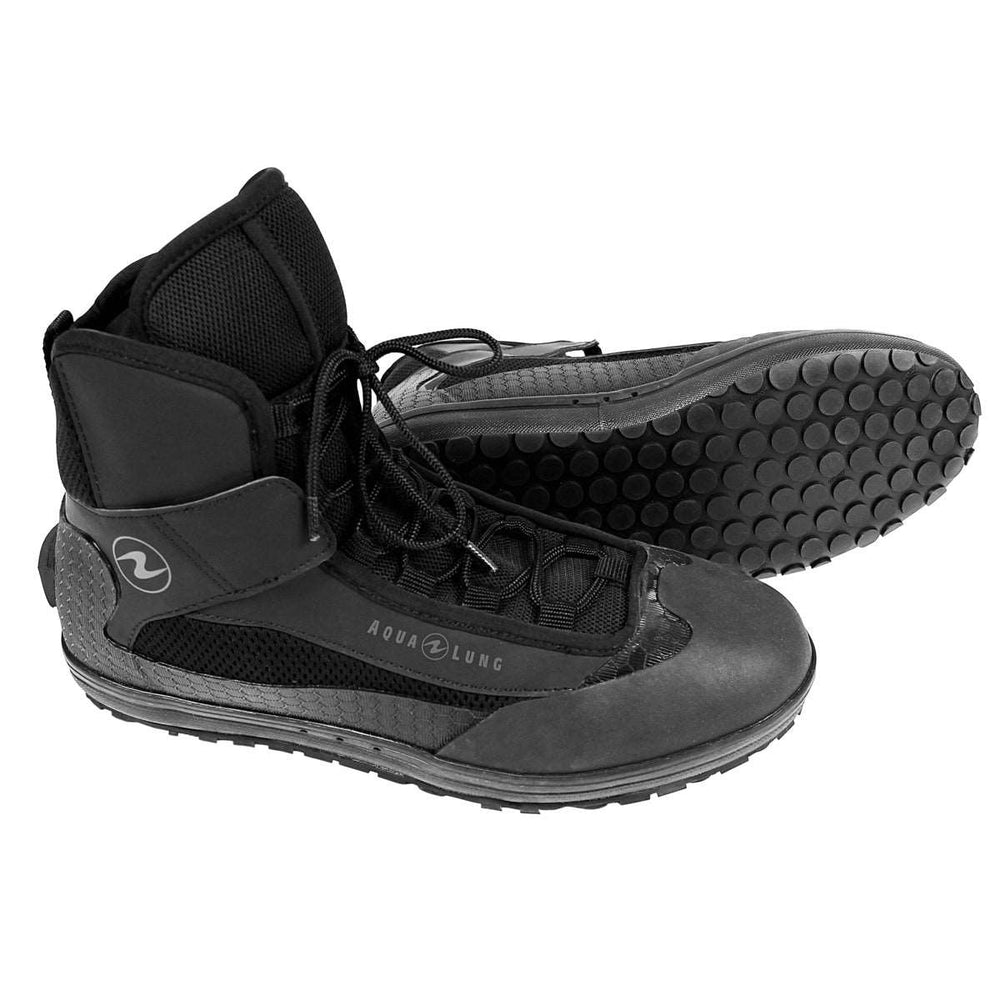
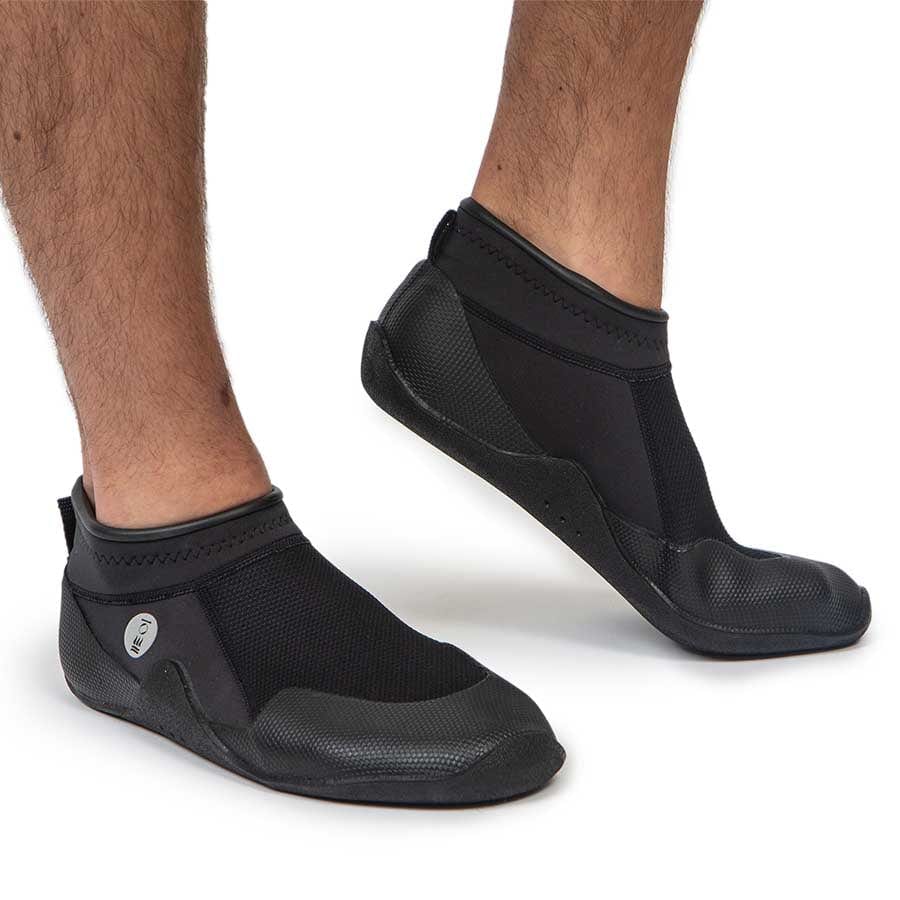

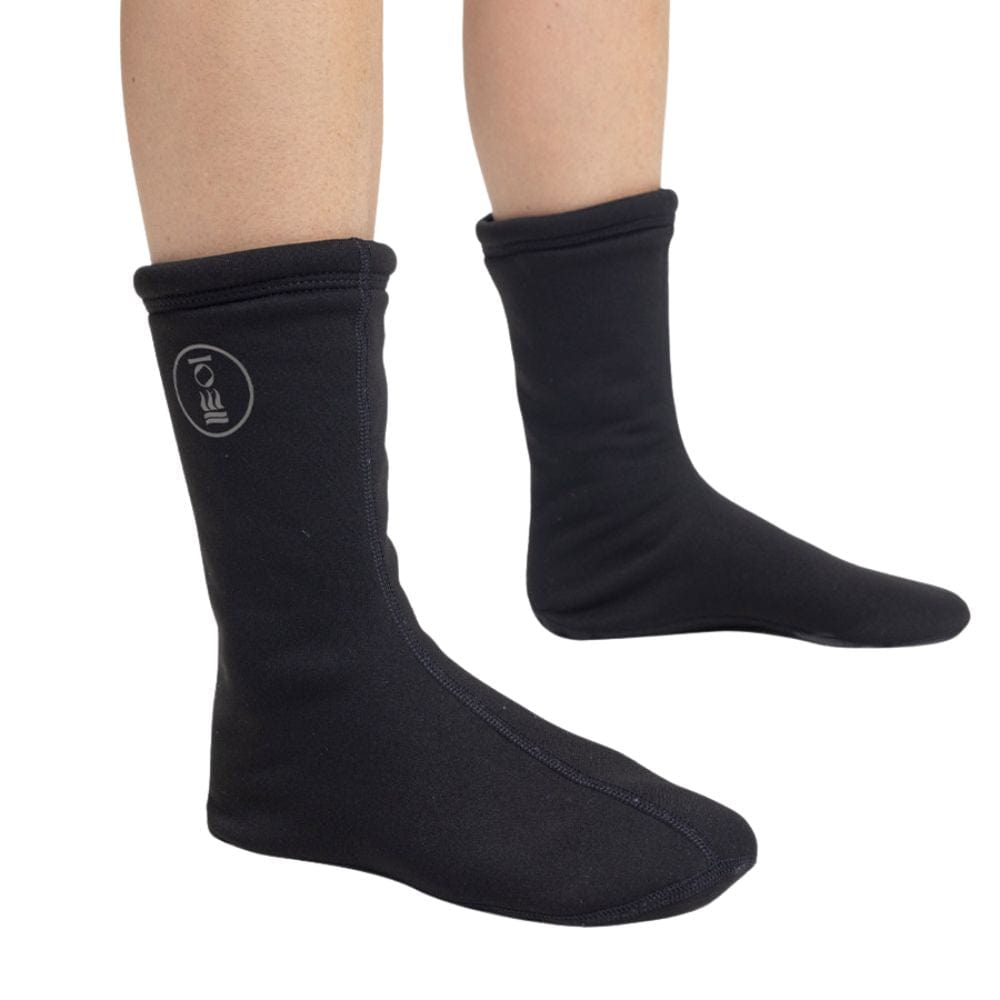
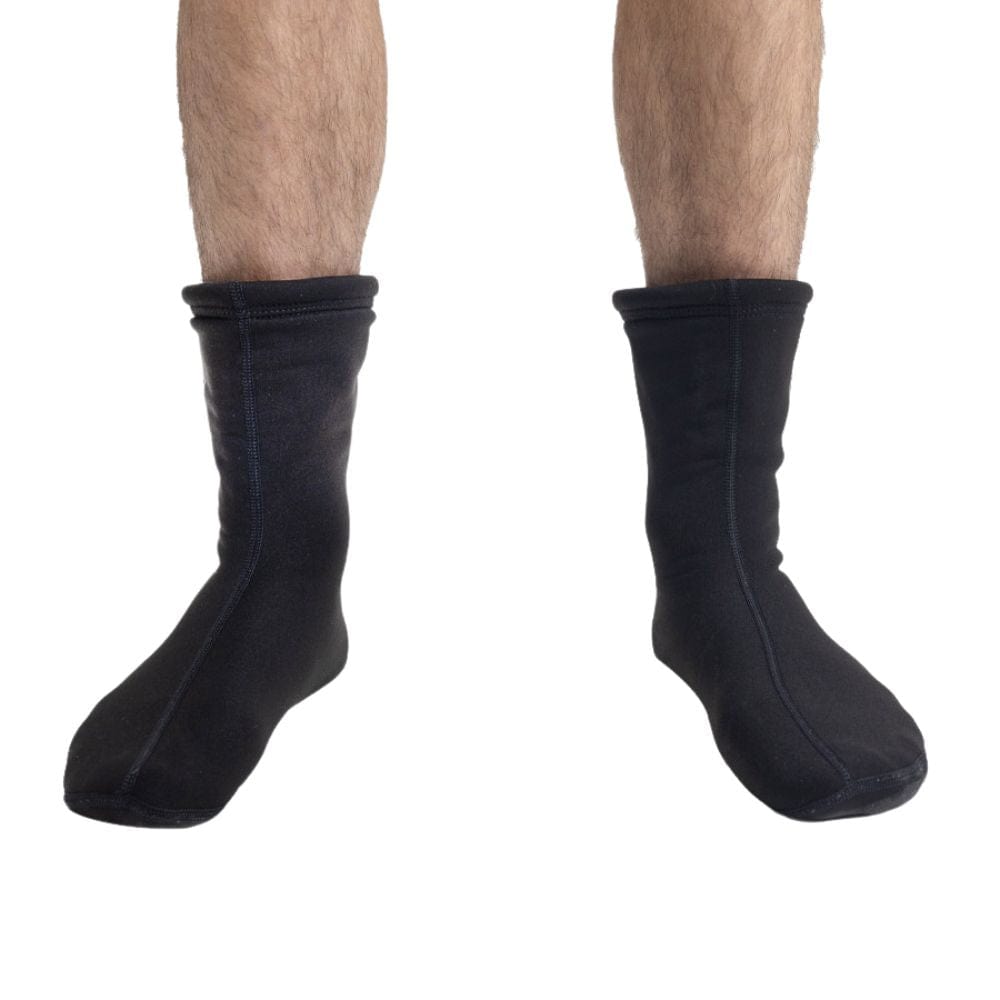
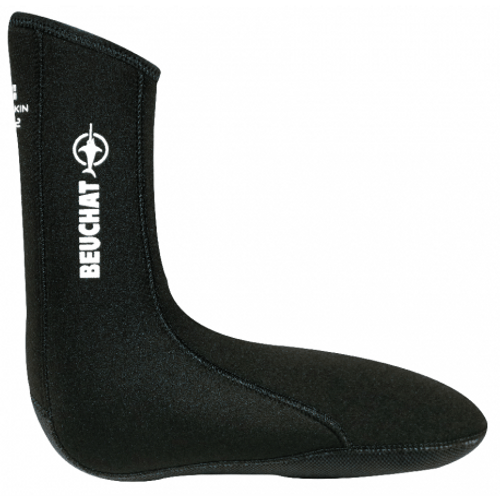

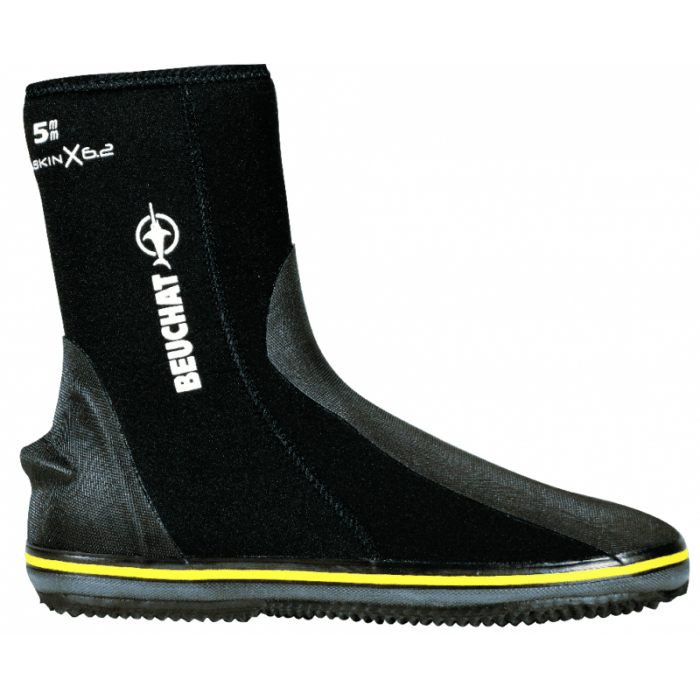
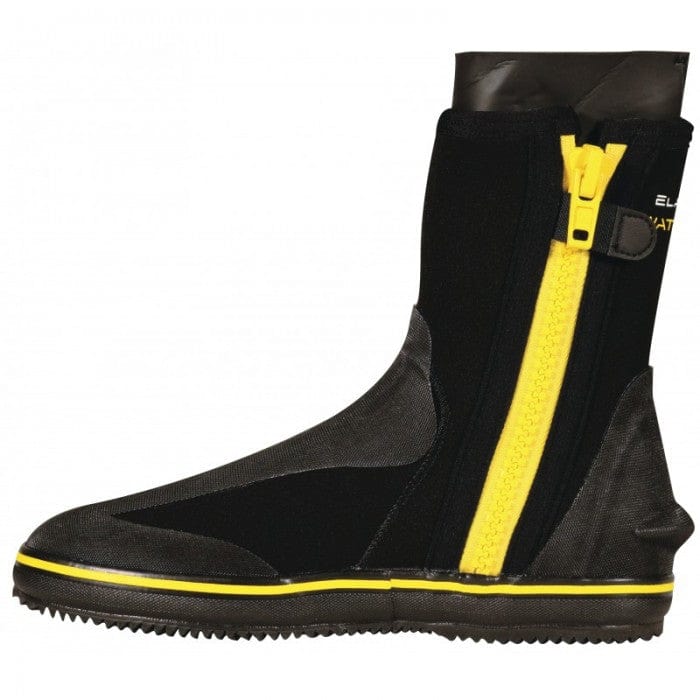


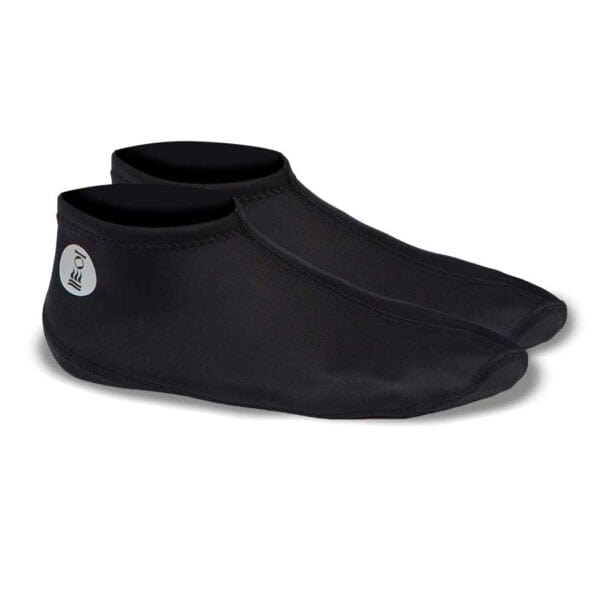
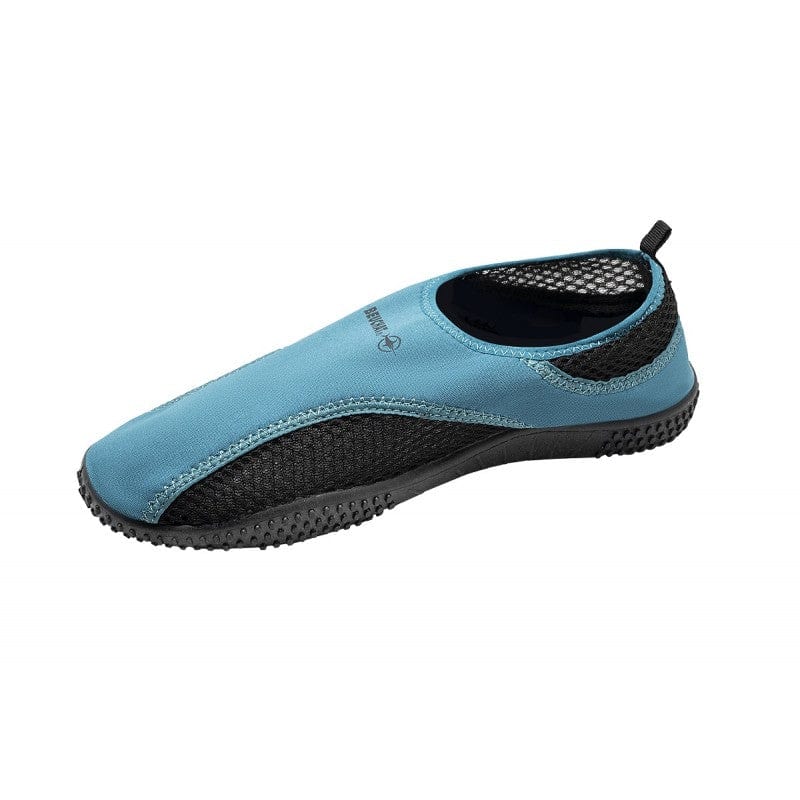
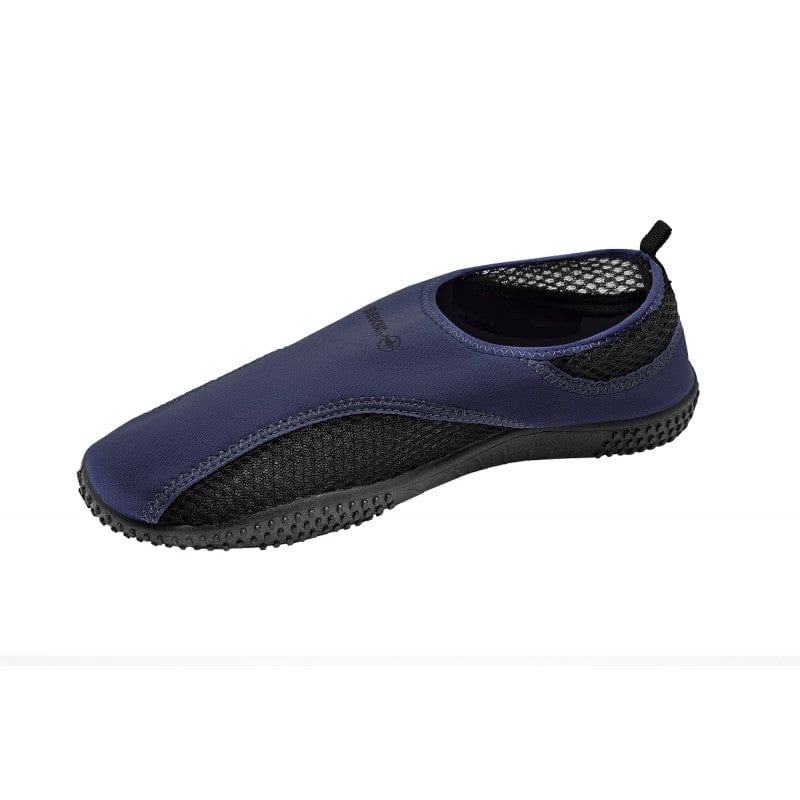
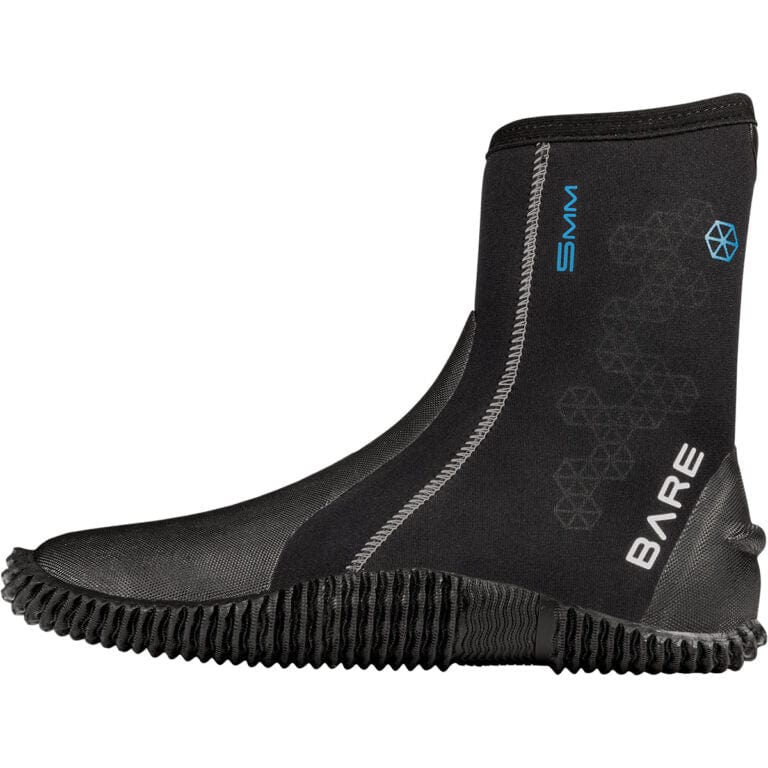
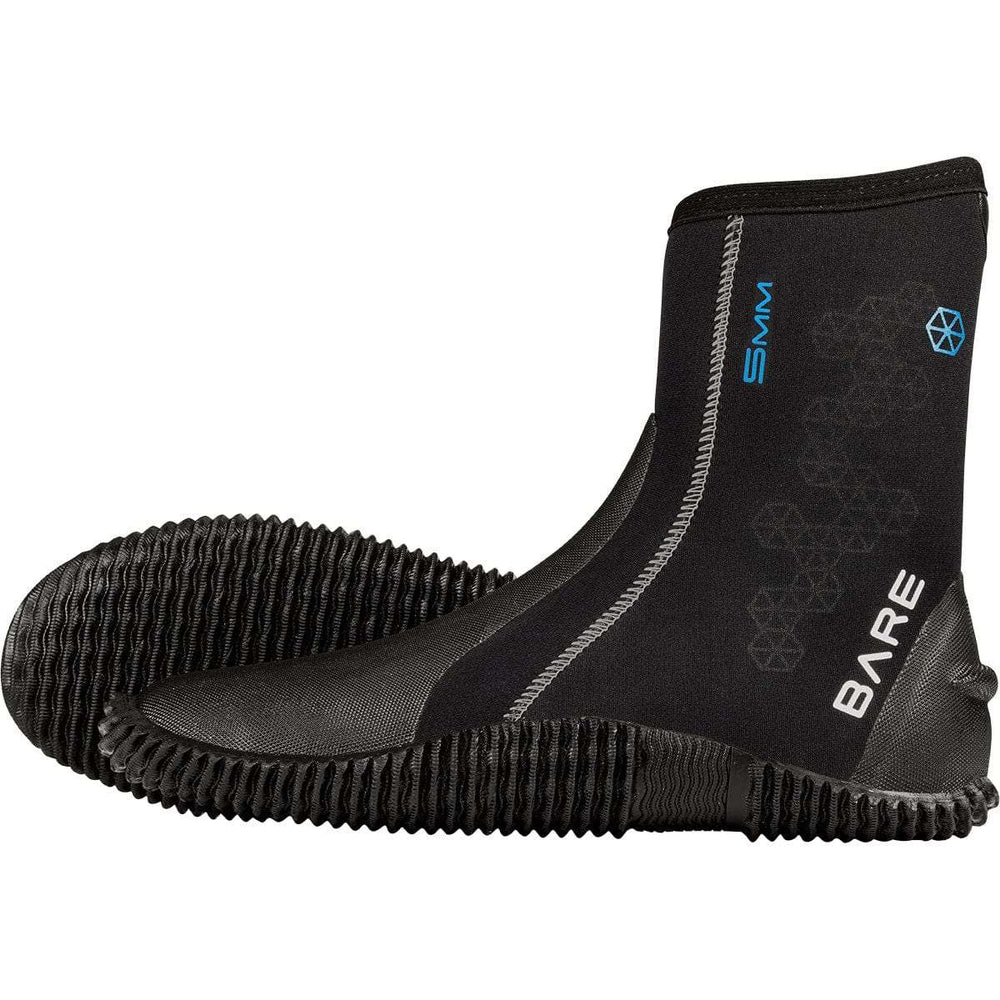


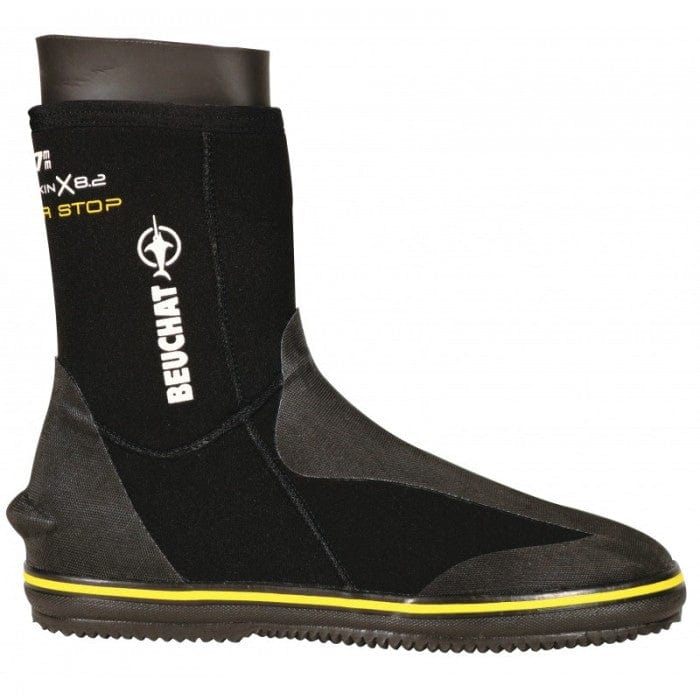
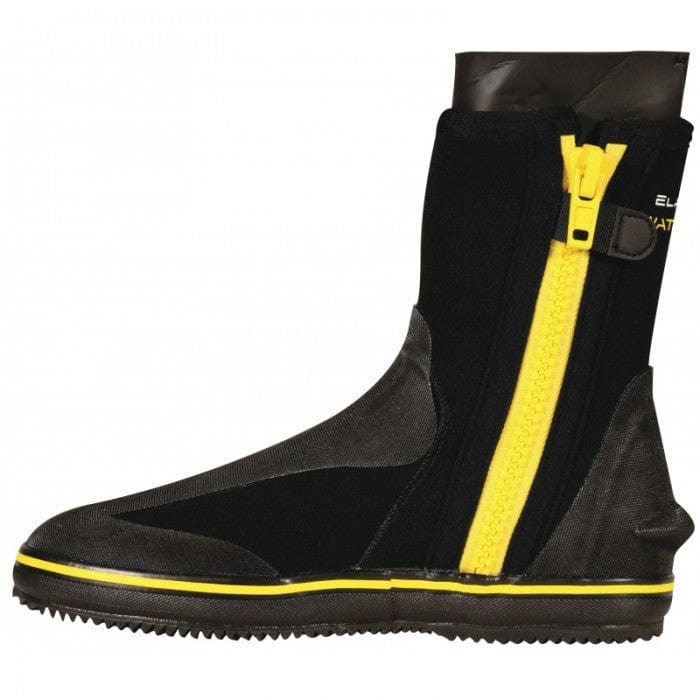
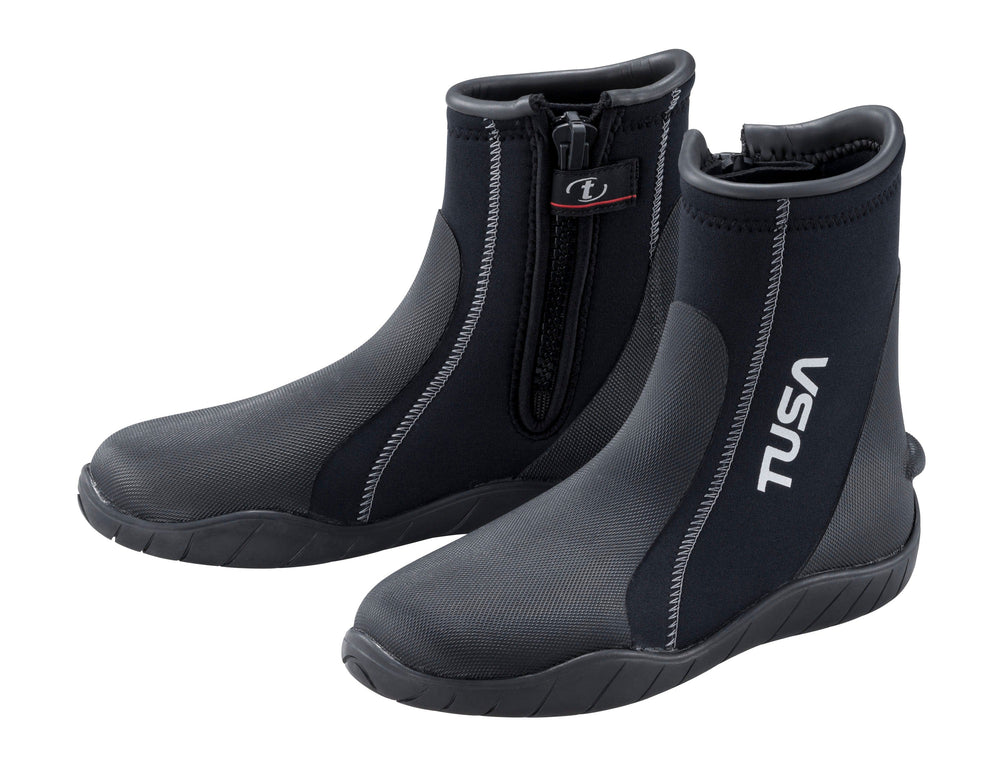
Aqualung, Apeks, Bare, Beuchat, Fourth Element, Santi, TUSA and Waterproof. The zipped boots and shoes come from Aqualung, Apeks, Bare, Beuchat, Fourth Element, TUSA and Waterproof. The socks, both neoprene and thermal, come from Beuchat, Fourth Element, Santi and Waterproof. Stock and sizing move around, so if you want a particular model in a particular size, contact the shop and we will check before you order.
Your fins decide it. Open-heel fins need a boot: the foot pocket is sized to take one, and the strap needs a heel to sit against. Full-foot fins want a thin sock instead, such as the Waterproof B2 Neoprene 2mm Socks or the Fourth Element Thermocline Fin Sock, which stop chafing without changing the fit of the pocket. If you shore dive at all, you want a boot with a proper sole regardless of what your fins prefer.
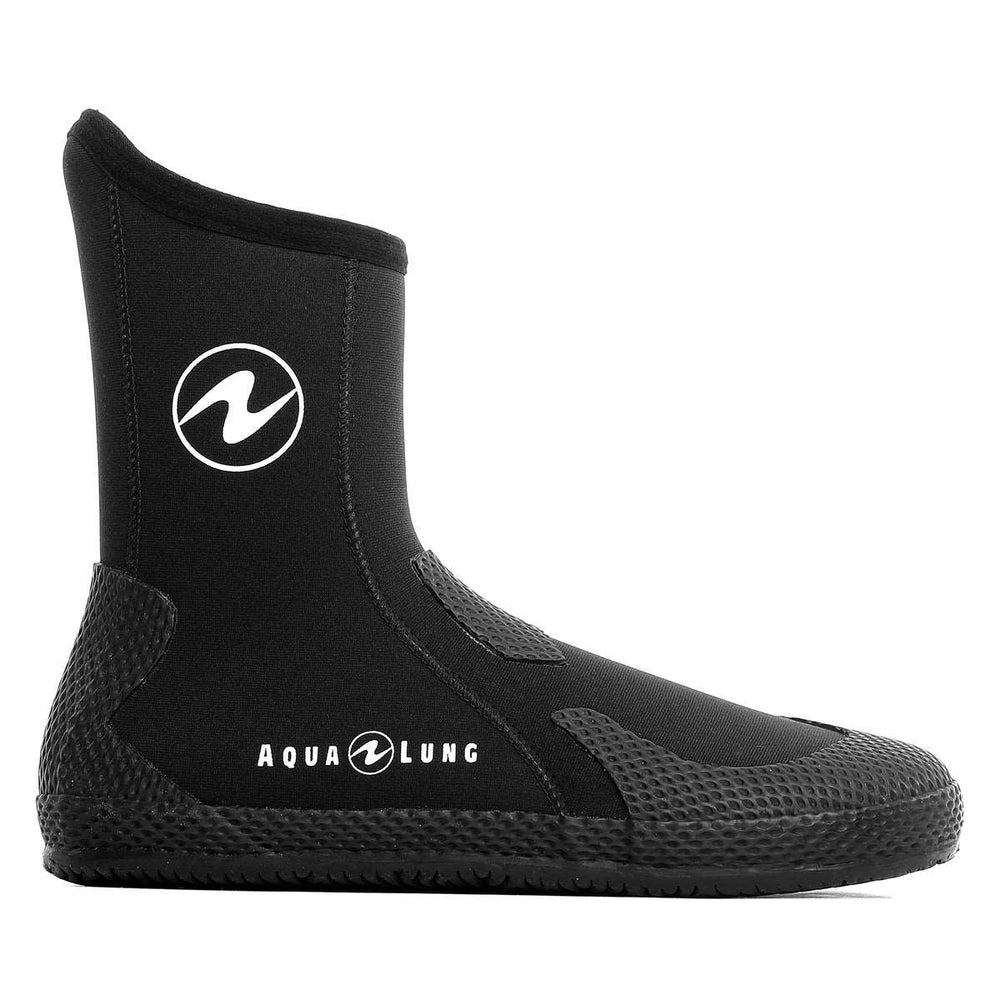
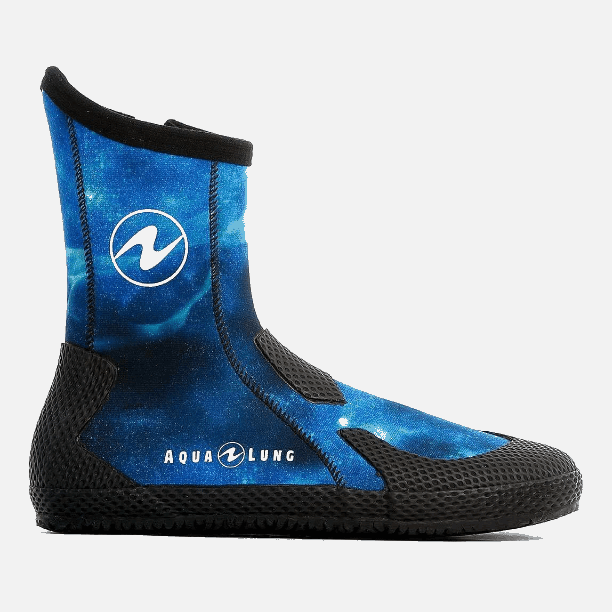
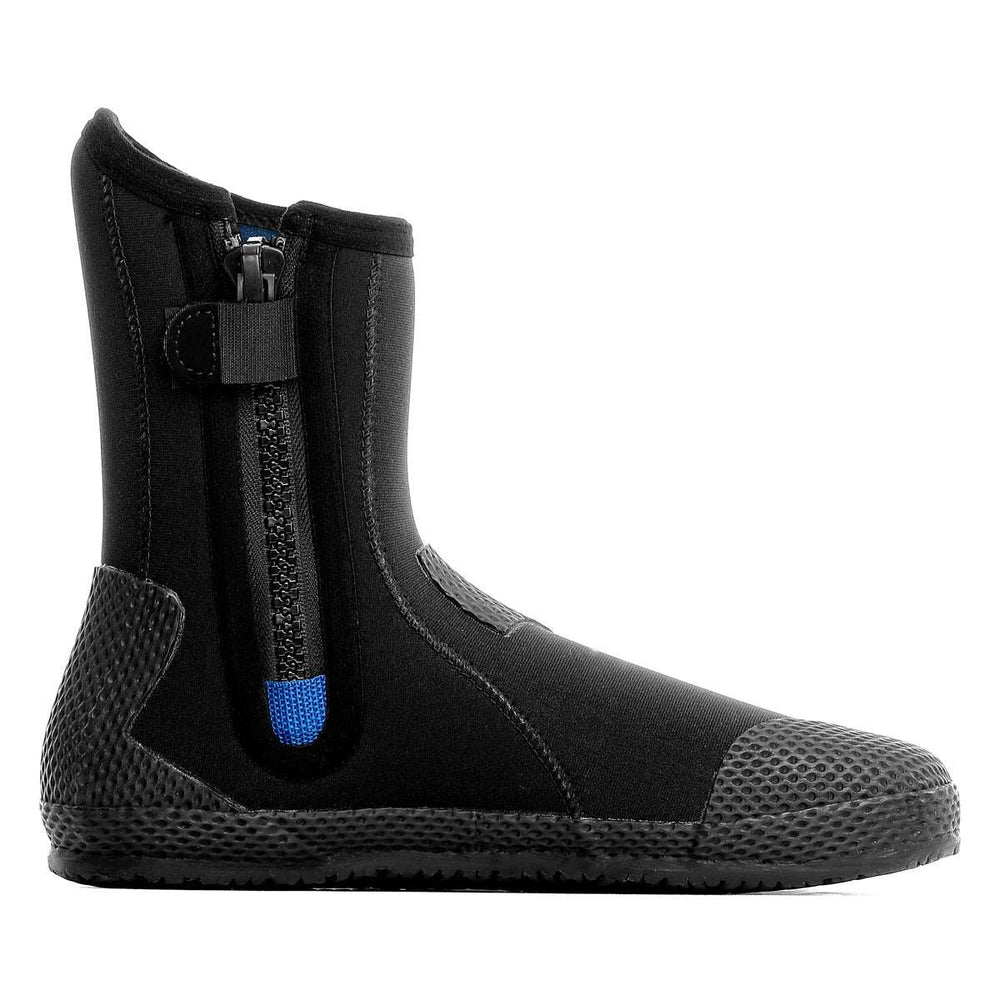
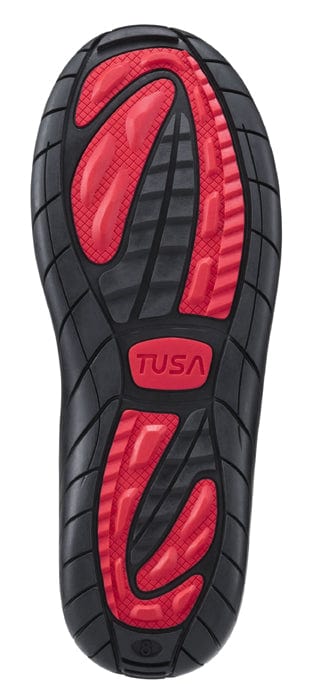
Look for a moulded or vulcanised outsole rather than a thin slipper sole. The Fourth Element Amphibian was built around regular shore diving, with a hardwearing moulded outsole and a stable footbed. The Fourth Element Rock Hopper does the same job in a lower-cut shoe with a natural rubber outsole. Bare's S-Flex boots use non-slip vulcanised soles, and the Aqualung Superzip adds thickened panels over the heel, toe and instep. If you dive dry, the Aqualung EVO4 is a lace-up drysuit boot on a Vibram Megagrip sole.
An undersock, not a dive boot. Fourth Element Xerotherm Socks are a single wicking fleece layer you can wear alone or under something warmer. The Fourth Element Arctic Socks are the two-layer option that matches the Arctic undersuit. The Hotfoot Pro is the heaviest in that range, with fleece under the sole and a water-resistant outer running to mid calf. Santi Primaloft Socks use Primaloft Silver insulation and are cut to keep bulk down. Bulk is the thing to watch: a sock that packs out the suit's boot restricts circulation and leaves your feet colder, not warmer.
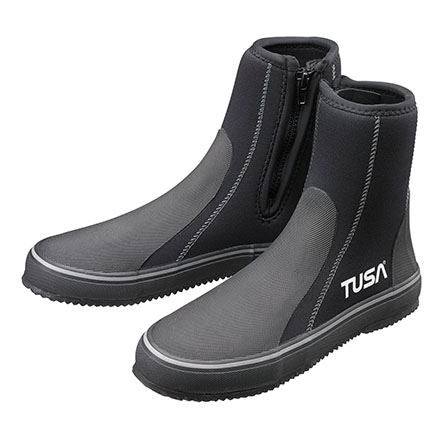
Snug, with no dead space at the toe or over the instep. A loose boot pumps water through and rubs; a boot you have to force on will cut off circulation and make your feet cold. And yes, boots change fin sizing. A bulky cold-water boot will not go into a foot pocket sized for a thin one, so buy boots and fins together where you can, or bring your fins into the shop. Sizing is not consistent between brands. TUSA advise going up two sizes on the SS Dive Boot if you are buying it to wear inside a drysuit.
Your cart is empty