Diving Gloves

Diving gloves are the difference between a comfortable dive and one you cut short. This range covers wet gloves from 2.5mm to 5mm, dry gloves for drysuit divers, and the thermal liners and wrist warmers that go underneath. Brands are Fourth Element, Waterproof, Santi, Beuchat, Mares and Aqualung. Oyster Diving is a dive centre as well as a shop, so you can ask someone who has dived them.

  • Expert diving advice
  • UK delivery
  • Multi-award-winning PADI dive centre
  • Secure checkout
4 products
Read the full buying guide

Wet gloves, dry gloves and liners

Three different things sit in this collection and they do not do the same job. Getting the category right matters more than getting the brand right.

Wet gloves

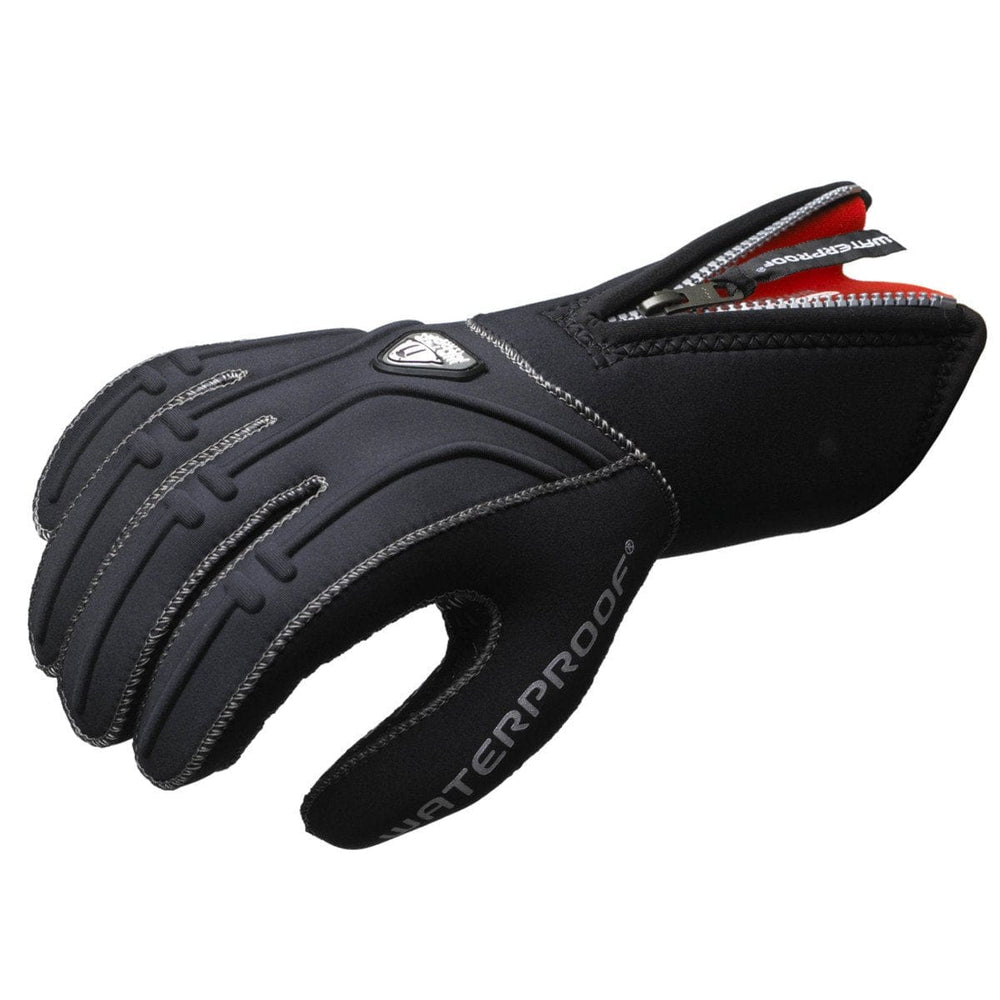
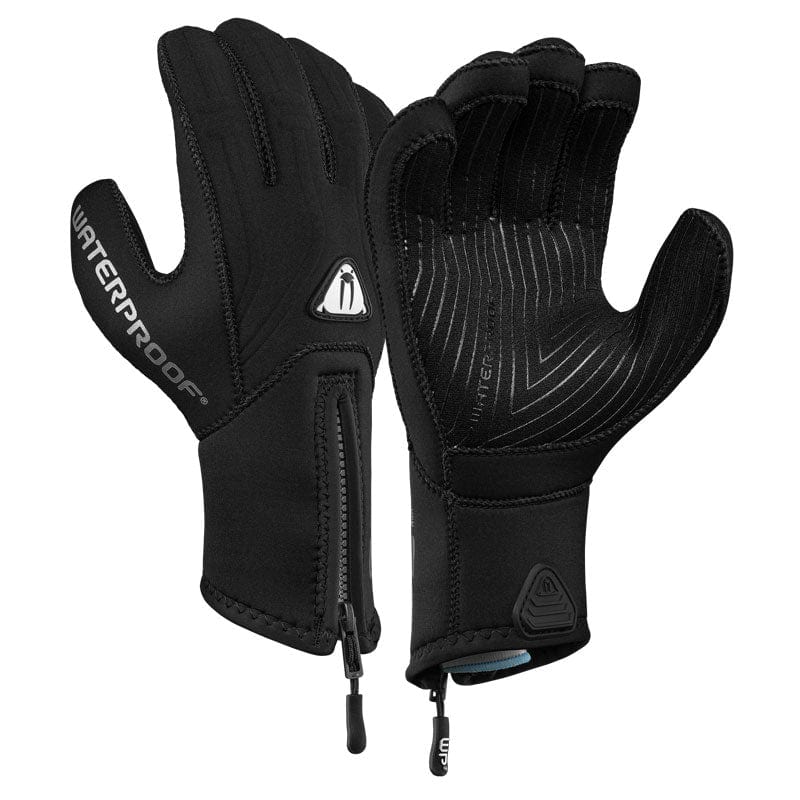
Neoprene gloves that let a thin film of water in and rely on your hands to warm it. This is most of the range: the Waterproof G-series, the Fourth Element Neoprene gloves, Mares Flexa Fit, Aqualung Liquid Grip and the two Beuchat models. They are simple, they work with any suit, and they are what the majority of divers use.

Dry gloves

Sealed to the drysuit so no water reaches your hands. We stock Santi Exclusive Drygloves and Santi Dry Gloves Without Seal. The without-seal version is for divers who already have a compatible ring arrangement on their suit, so check what yours is fitted with before you order. A dry glove on its own is not the warm bit; the warmth comes from what you wear inside it.

Liners and wrist warmers

The Fourth Element G1 Dive Glove Liner and the Fourth Element Xerotherm Gloves go underneath a dry glove and do the insulating. Xerotherm Wrist Warmers cover the gap at the cuff, which is where plenty of divers lose heat without ever thinking about it. The Fourth Element HALO A°R Gloves belong to the same thermal-layer family.

Choosing a thickness

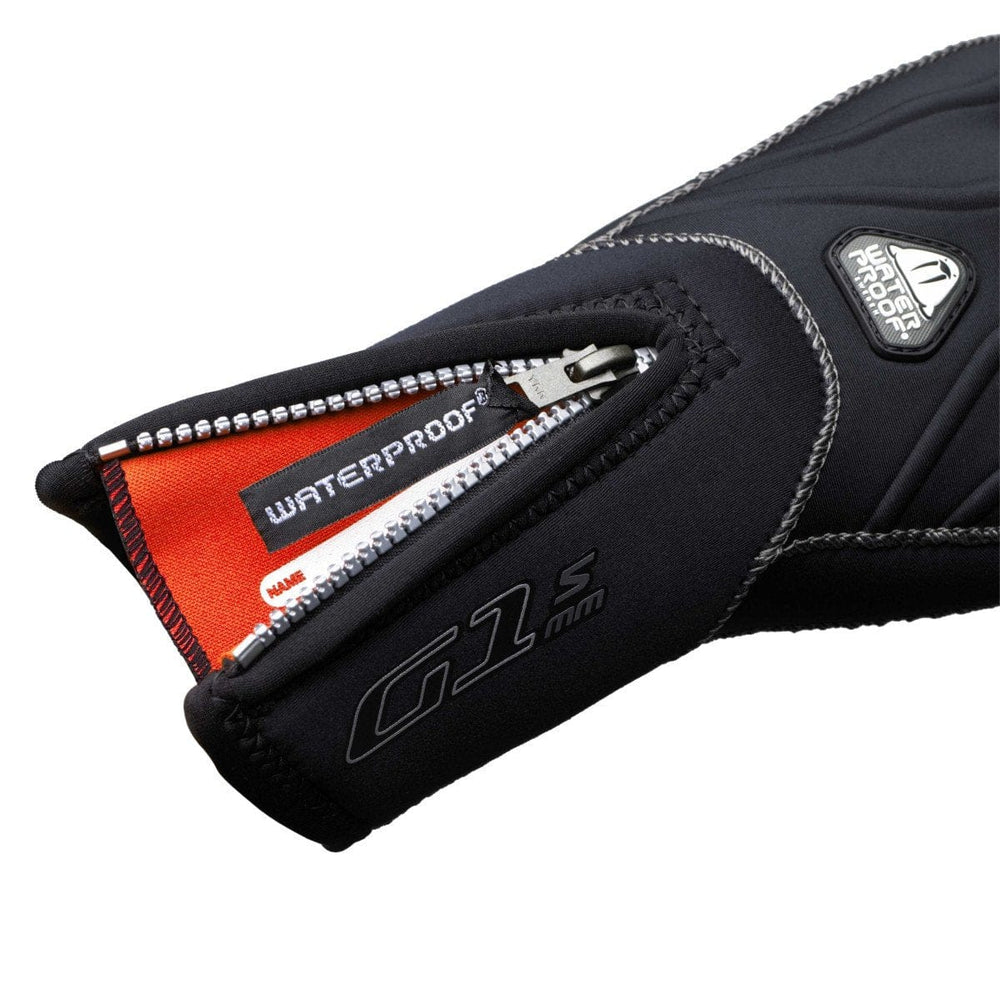
The range steps up in four stages. The Waterproof G30 at 2.5mm is the thinnest and the best of these for fiddly work. The Fourth Element 3mm Neoprene glove is the middle ground most people start with. Beuchat Semi Dry Premium sits at 4.5mm. Then comes the 5mm group, which is the largest part of the collection: Waterproof G1, G2 and G50, Fourth Element 5mm Neoprene and 5mm Kevlar Hydrolock, Mares Flexa Fit, Aqualung Liquid Grip and Beuchat Sirocco Open.

Fit and dexterity

A glove that is too big is worse than no glove, because water flushes through it and you lose grip on everything you touch. Too tight and it restricts circulation, which leaves your hands colder rather than warmer. Sizing is not consistent between makers, so if you are switching brand do not assume your usual size carries across. Aim to keep enough movement to work a clip and a BCD inflator without looking at them. If you dive with a camera, buy for dexterity and add a liner for warmth rather than going thicker.

The brands we stock

Fourth Element and Waterproof cover the widest part of this range between them, taking in neoprene, Kevlar-reinforced and thermal-layer gloves. Santi is the dry glove specialist. Beuchat, Mares and Aqualung handle general-purpose neoprene. If you are unsure which suits the diving you actually do, Oyster Diving is a dive centre as well as a shop, so ask and you will get an answer from someone who dives.

Frequently asked questions

Which diving glove brands does Oyster Diving stock?

The glove range here covers Fourth Element, Waterproof, Santi, Beuchat, Mares and Aqualung. Fourth Element and Waterproof account for most of the neoprene and thermal-layer options, Santi covers the dry glove side, and Beuchat, Mares and Aqualung fill in the general-purpose neoprene. If you want a particular model checked for sizing or availability, get in touch and we will look at what is actually on the shelf.

What thickness of diving glove should I choose?

Thickness is a trade between warmth and dexterity, and this range gives you four steps. The Waterproof G30 at 2.5mm is the thinnest and the one to pick if you need feel for camera controls, clips and reels. The Fourth Element 3mm Neoprene glove is the middle ground most divers start with. Beuchat Semi Dry Premium sits at 4.5mm. Then there is the 5mm group, which is where most divers working in cold British water end up.

What is the difference between wet gloves and dry gloves?

Wet gloves are neoprene and let a thin film of water in, which your hands then warm. That covers everything here from Fourth Element, Waterproof, Mares, Beuchat and Aqualung. Dry gloves seal to the drysuit so no water reaches your hands, and the warmth comes from a liner worn inside rather than from the glove itself. We stock Santi Exclusive Drygloves and Santi Dry Gloves Without Seal for that. Dry gloves need a compatible ring or seal arrangement on the suit, so check what your drysuit is fitted with before ordering.

Do I need glove liners or wrist warmers?

If you dive dry gloves, yes. The Fourth Element G1 Dive Glove Liner and the Fourth Element Xerotherm Gloves are the two we sell for wearing inside a dry glove, and they are what actually keeps your hands warm. Xerotherm Wrist Warmers do a different job again: they cover the gap at the cuff where seals and suit sleeves leave skin exposed, and divers who feel the cold in the wrists and forearms tend to swear by them. The Fourth Element HALO A°R Gloves belong to the same thermal-layer family. With wet gloves a liner is far less common.

Which of these gloves stand up to wrecks and rough handling?

The Fourth Element 5mm Kevlar Hydrolock is the reinforced option in the range, with Kevlar over the areas that take the punishment, so it copes with shot lines, wreck steel and sharp rock better than plain neoprene. The Waterproof G1, G2 and G50 5mm gloves are the other sensible choice for working dives and general knocking about. If you would rather have maximum feel for camera controls or reels, drop to the Waterproof G30 at 2.5mm and accept the trade in warmth.