Diving Holiday Essentials

Kit for diving away from home: mask and snorkel, wetsuit, boots, fins, a dive computer, regulators, a BCD or a travel wing, torch, surface marker buoy, roller bag and a camera. It follows the order Oyster recommends buying in, starting with the mask and the computer. Owning your own gear means you know it fits, and you know how it has been looked after.
Oyster Diving Holidays logo over a tropical beach, with palm fronds overhead, white sand and turquoise sea.
  • Expert diving advice
  • UK delivery
  • Multi-award-winning PADI dive centre
  • Secure checkout
19 products
Read the full buying guide

Start with the mask

A rental mask that does not suit your face will leak on every dive of the trip, and there is very little you can do about it once you are in the water. The Fourth Element Navigator Mask with FREE Snorkel is the one item on this page we would tell you to buy before anything else. It has a low-profile body to cut drag, a wide-angle lens, a soft silicone skirt and an adjustable strap system, and the snorkel that comes with it has a splash guard and a purge valve. Buy it, dive it at home, and know it works before you get on a plane.

A dive computer you can read on a bright deck

Three computers sit in this collection and they answer three different divers.

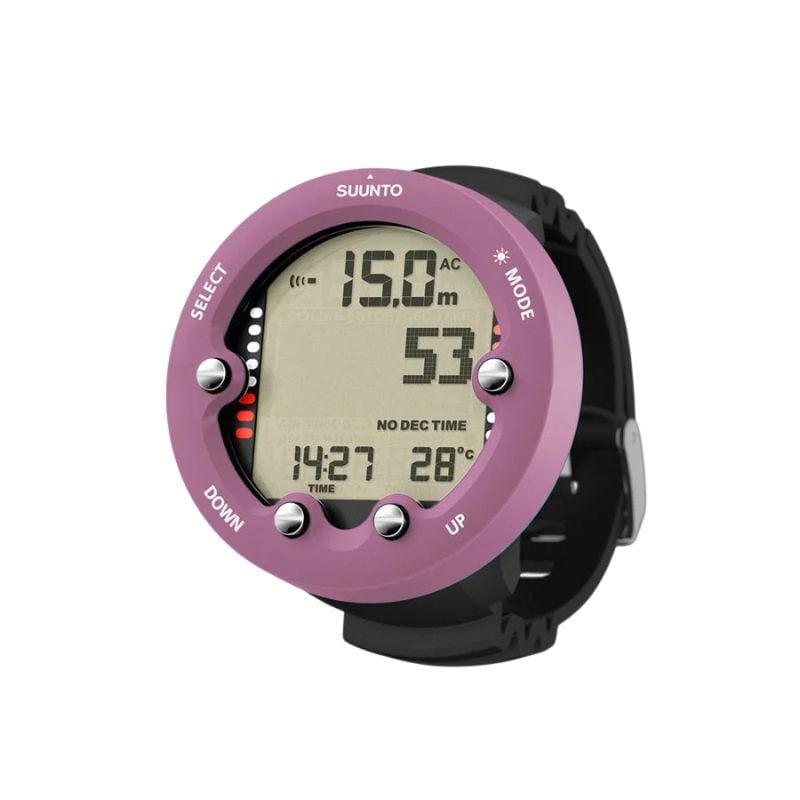
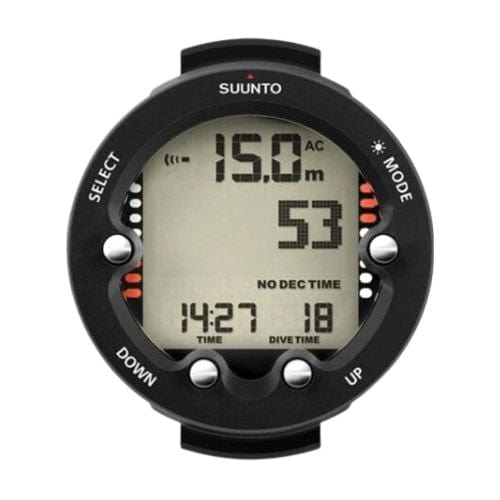
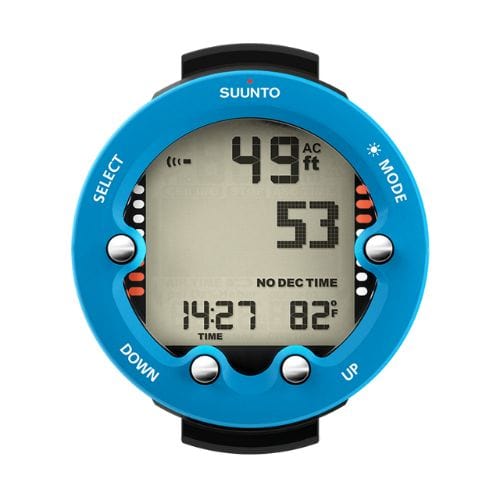
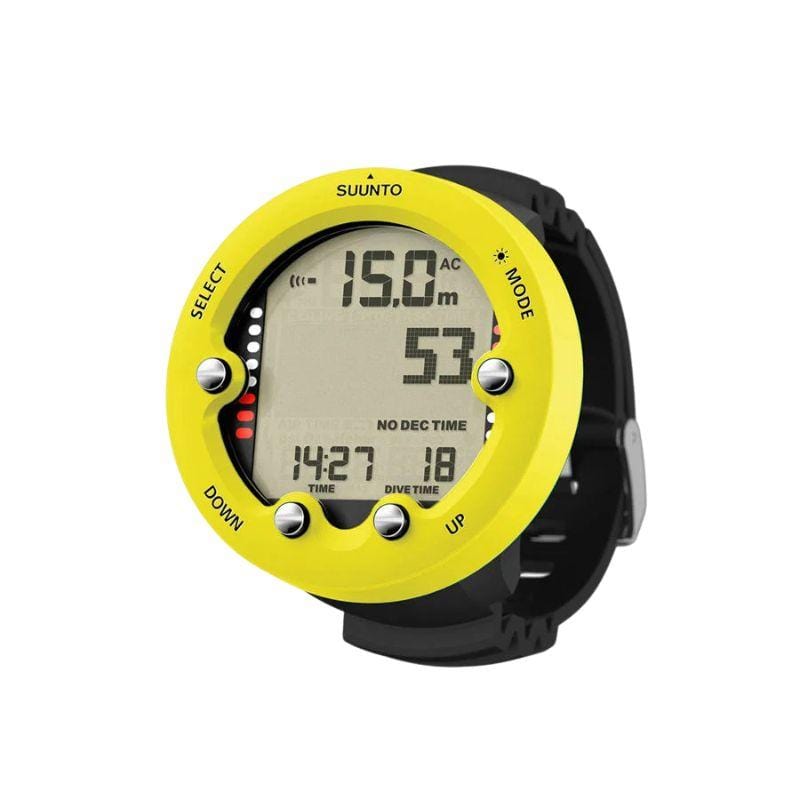
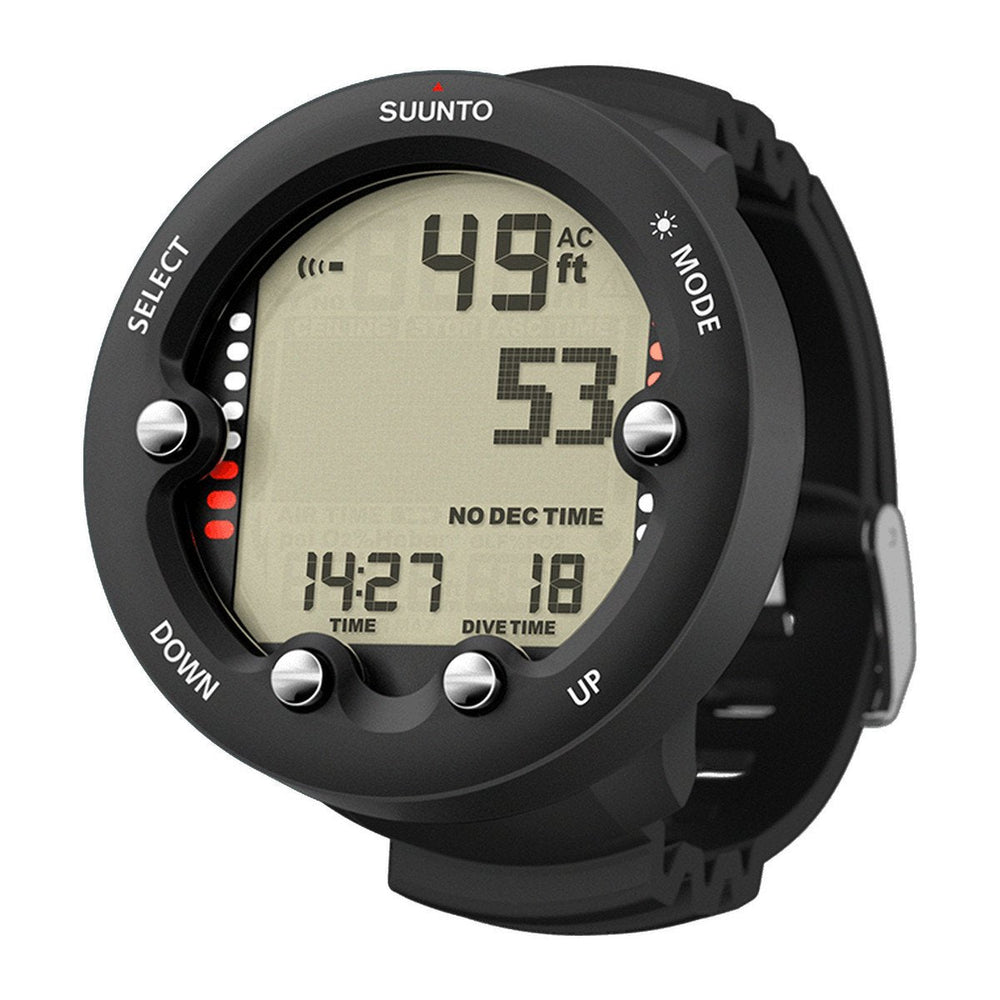
The Suunto Zoop Novo is the straightforward one: Air, Nitrox, Gauge and Free modes, a large backlit display that stays readable in poor visibility, a built-in dive planner and the Suunto RGBM algorithm. It is the entry-level choice and it does the job without asking you to learn a menu system.

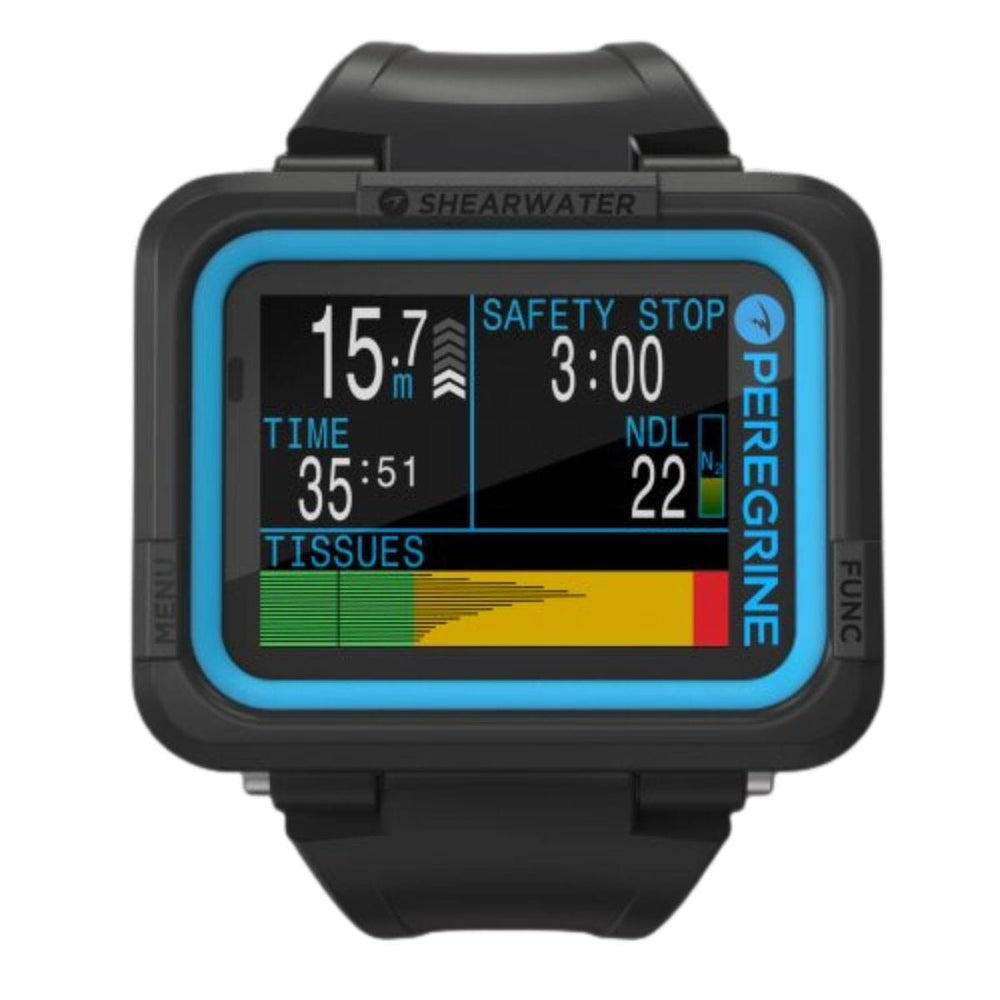
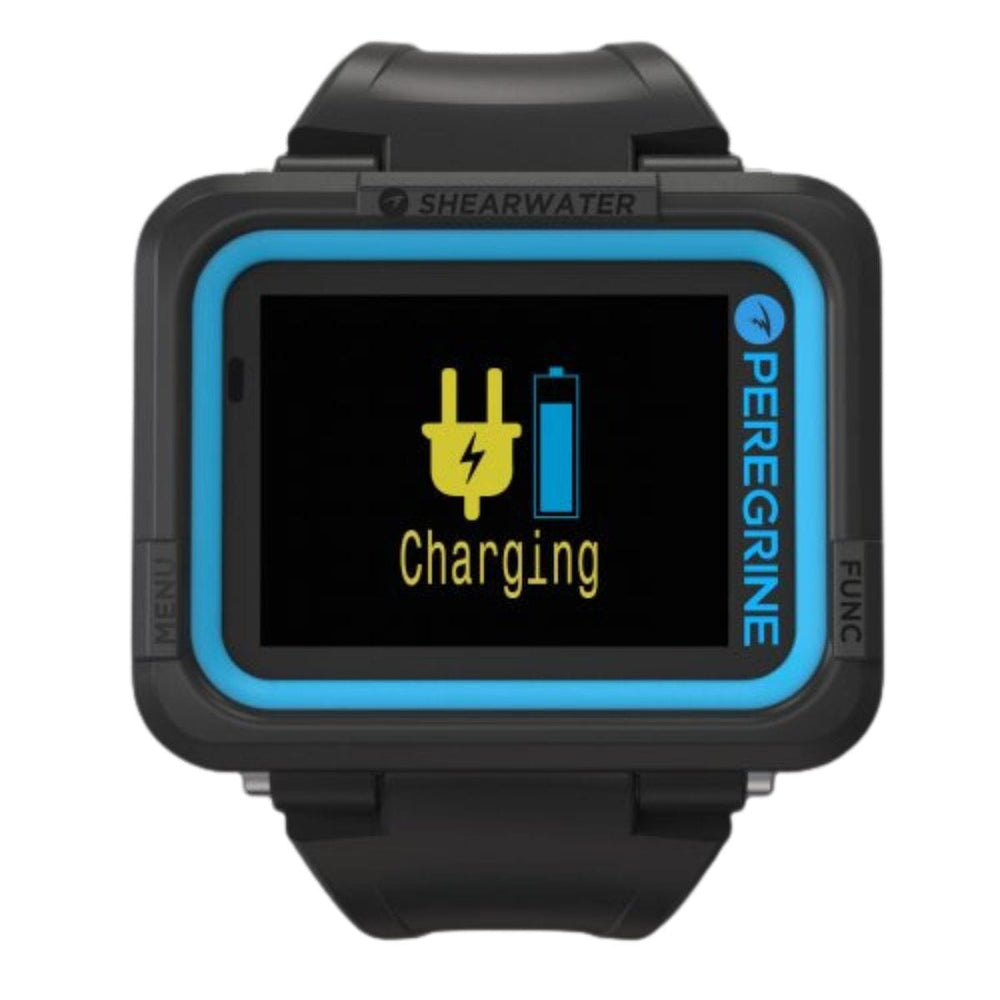
The Shearwater Peregrine is the mid-range step up: a full-colour display, air, single-gas nitrox and multi-gas nitrox modes, full decompression support using Buhlmann ZHL-16C with gradient factors, vibration alerts, Bluetooth log uploads and wireless charging. It is the computer divers tend to buy once and then keep.

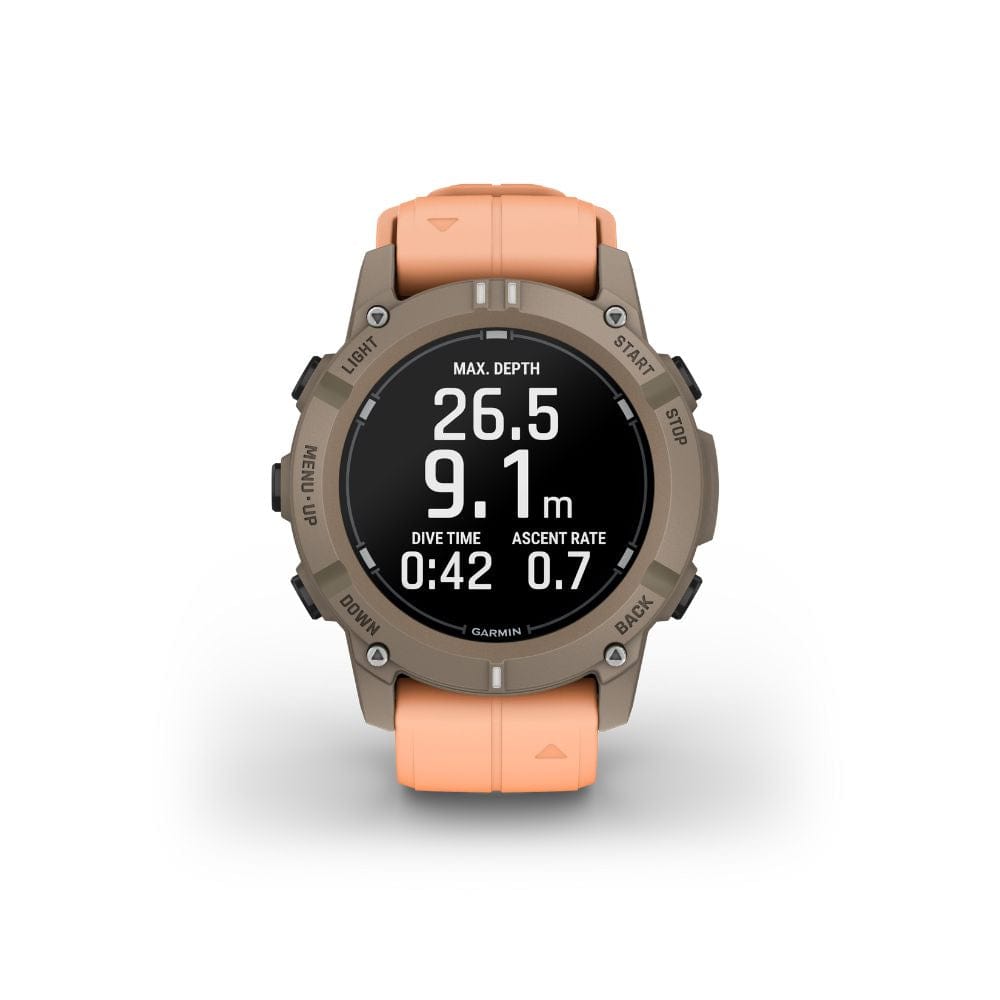
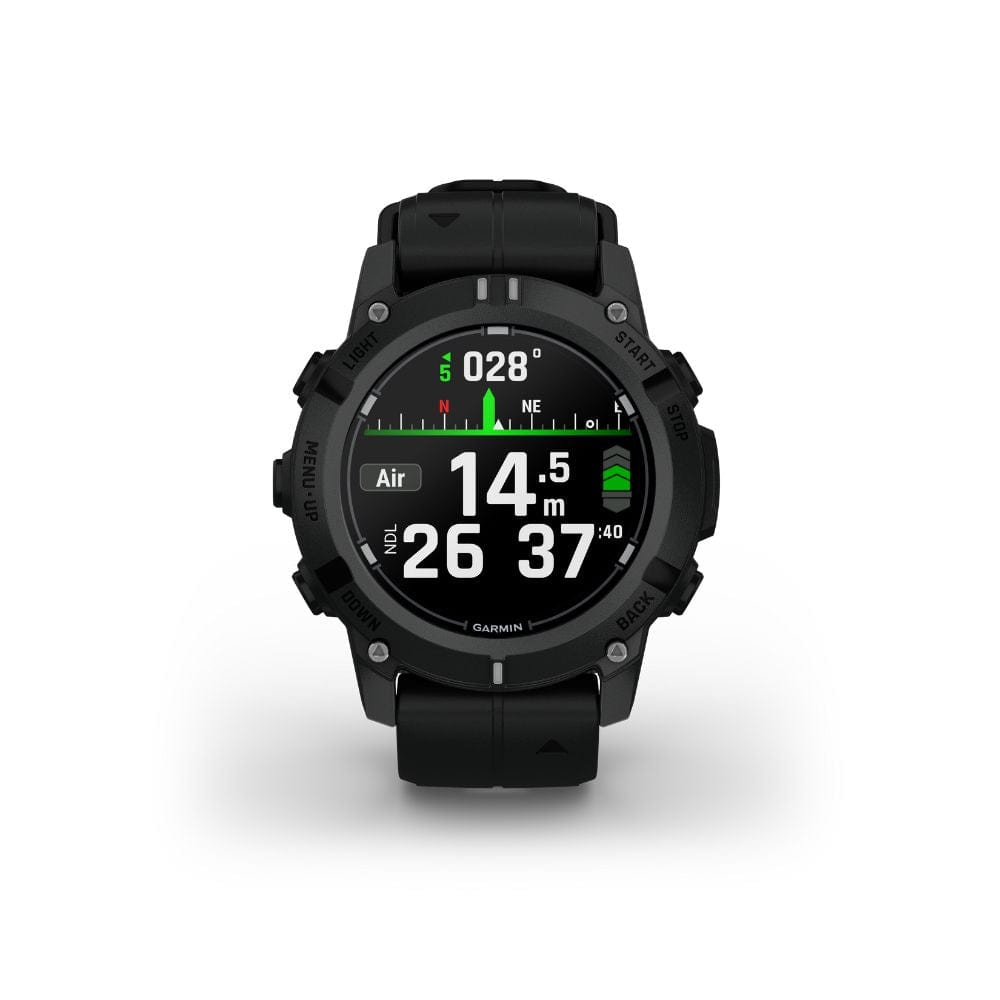
The Garmin Descent G2 is the premium option and the one that doubles as your everyday watch. It has an AMOLED screen under a sapphire lens, scuba, technical, freedive and apnea pool modes, GPS marking of your surface entry and exit points, and the fitness and notification features you would expect from a Garmin.

Exposure protection that packs down

Warm water and liveaboards

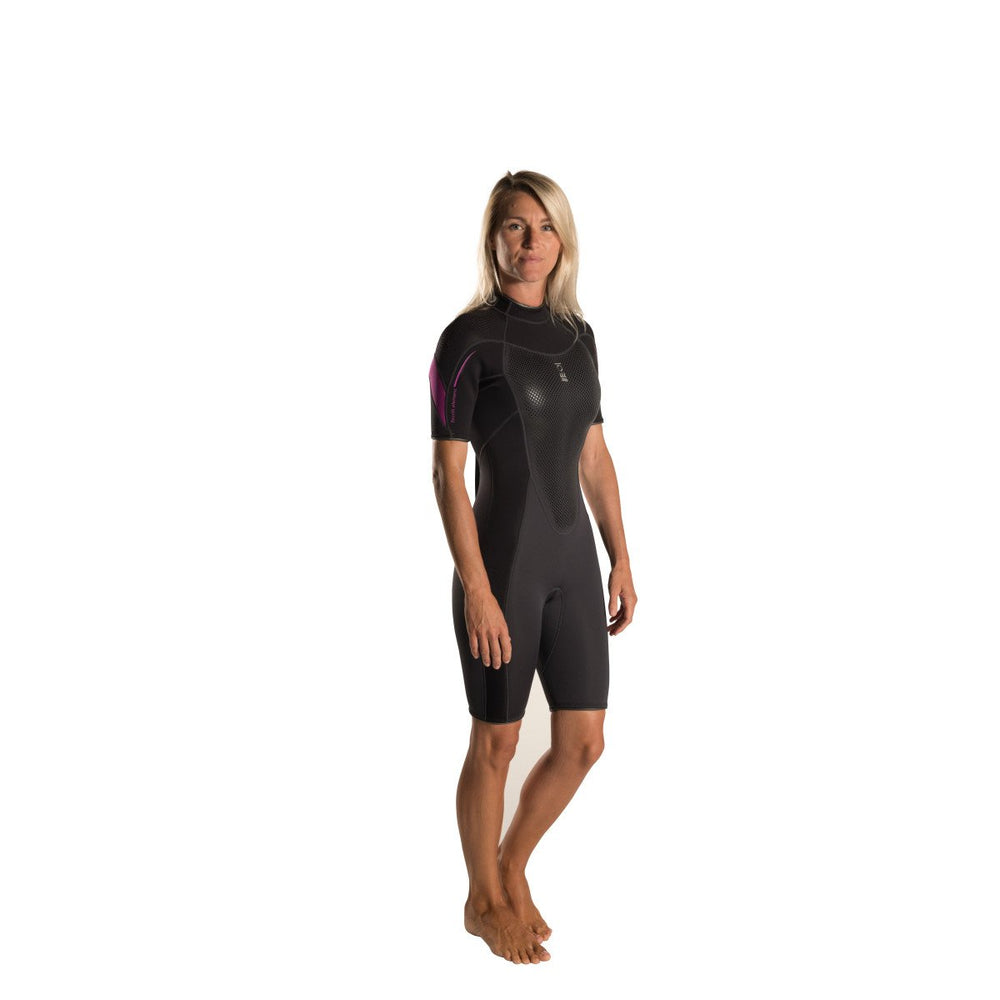
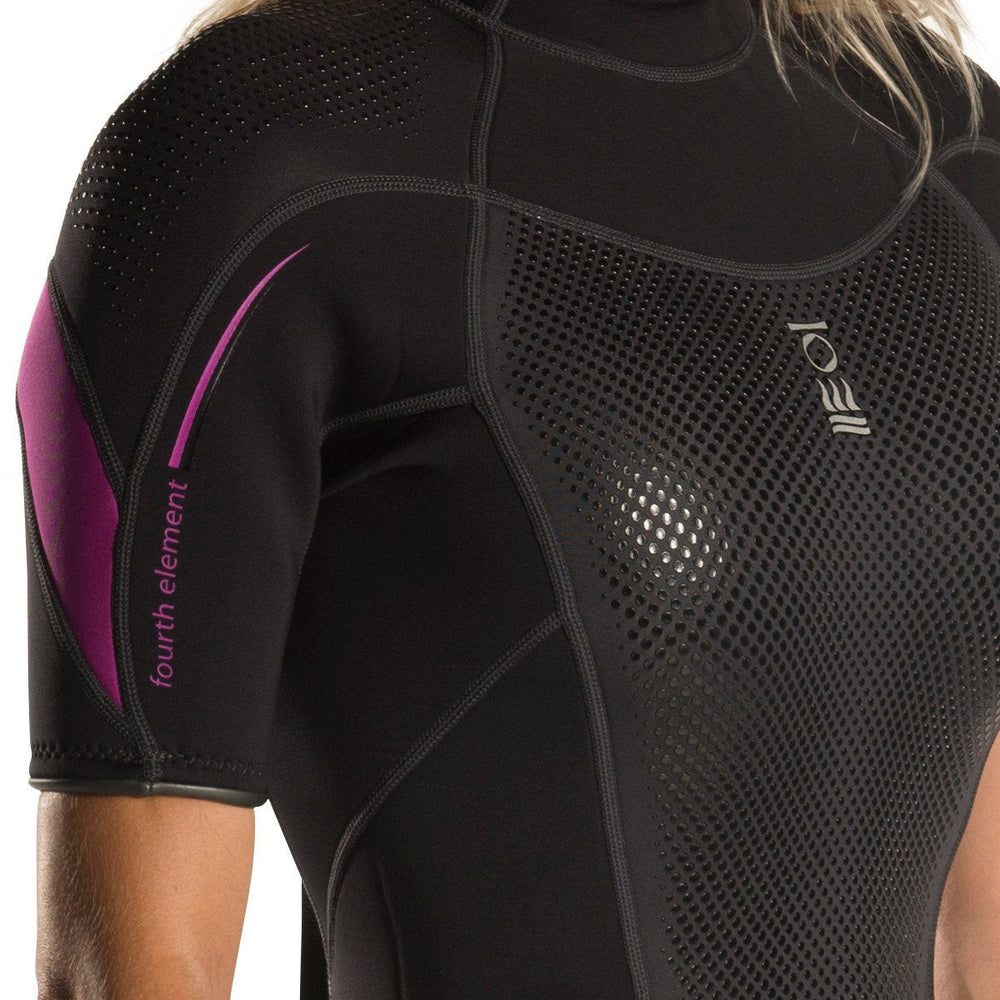
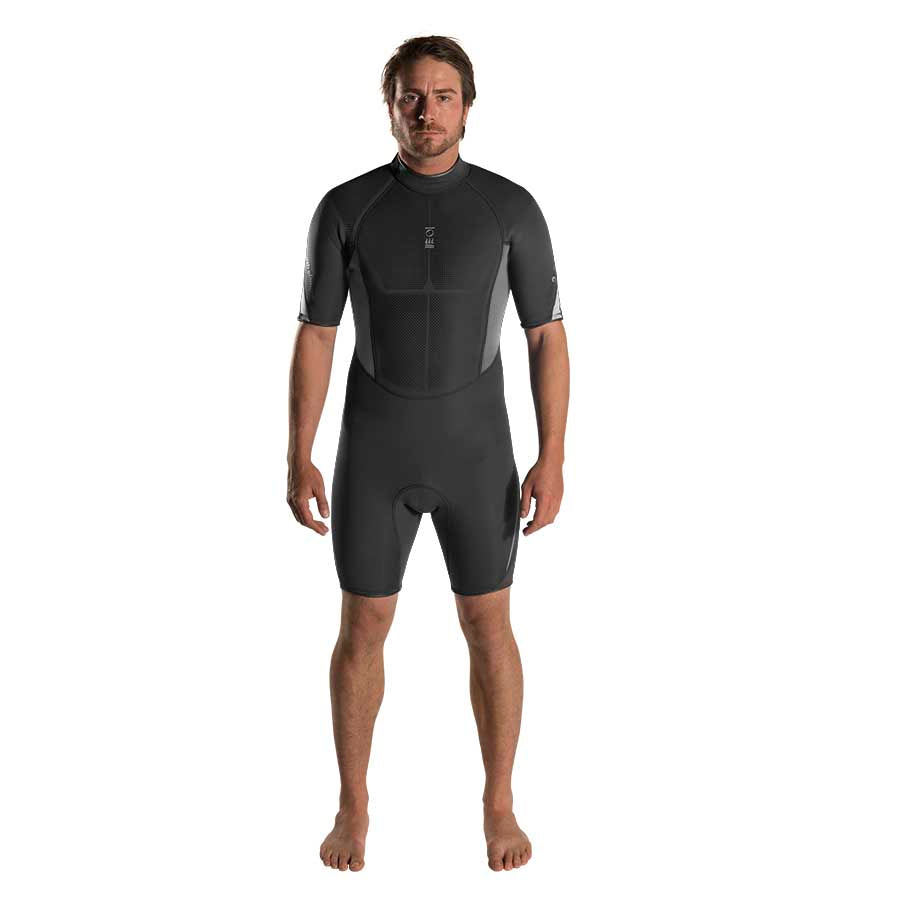
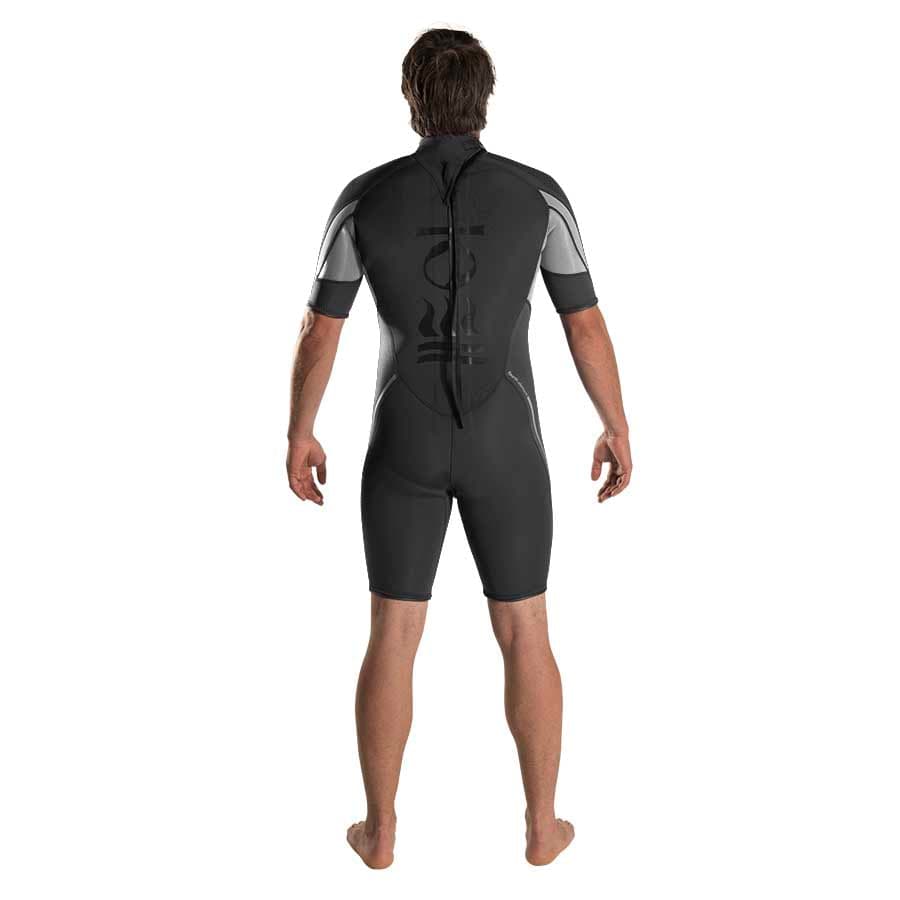
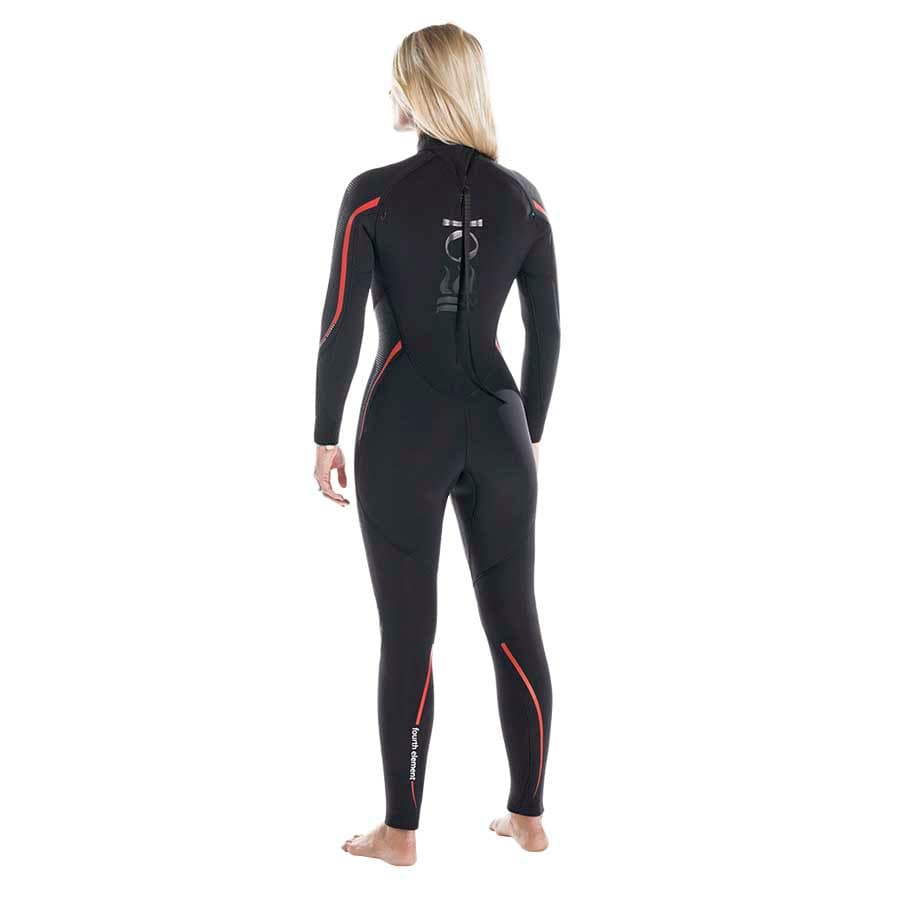
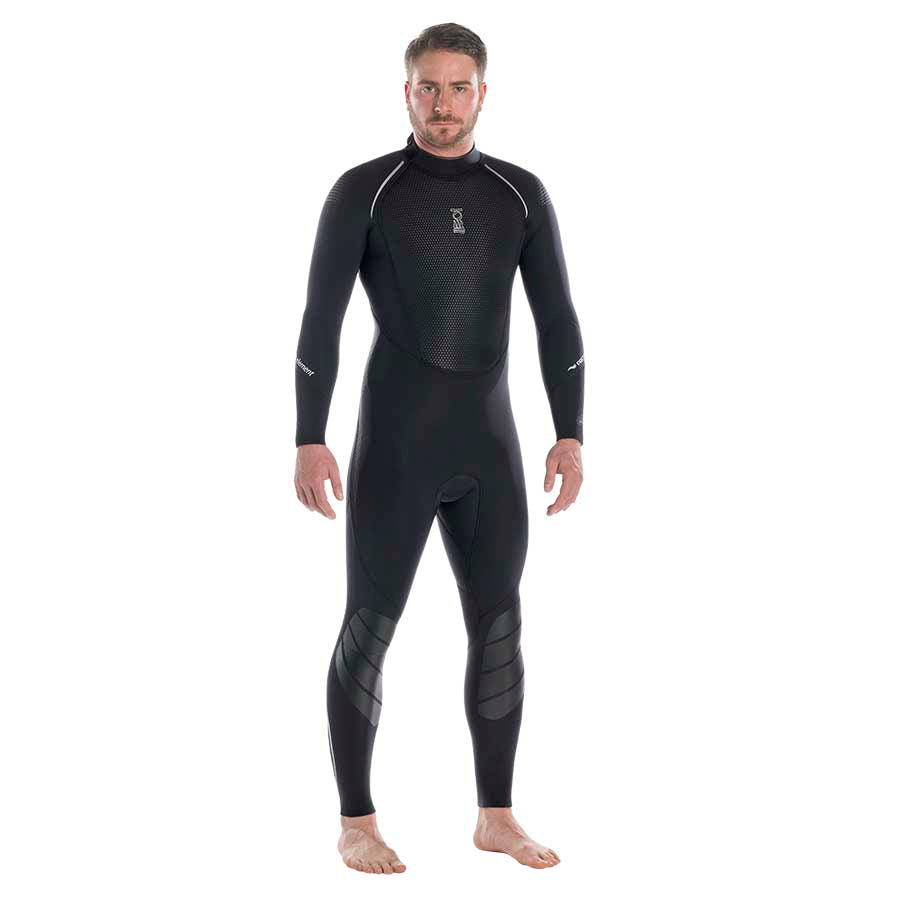
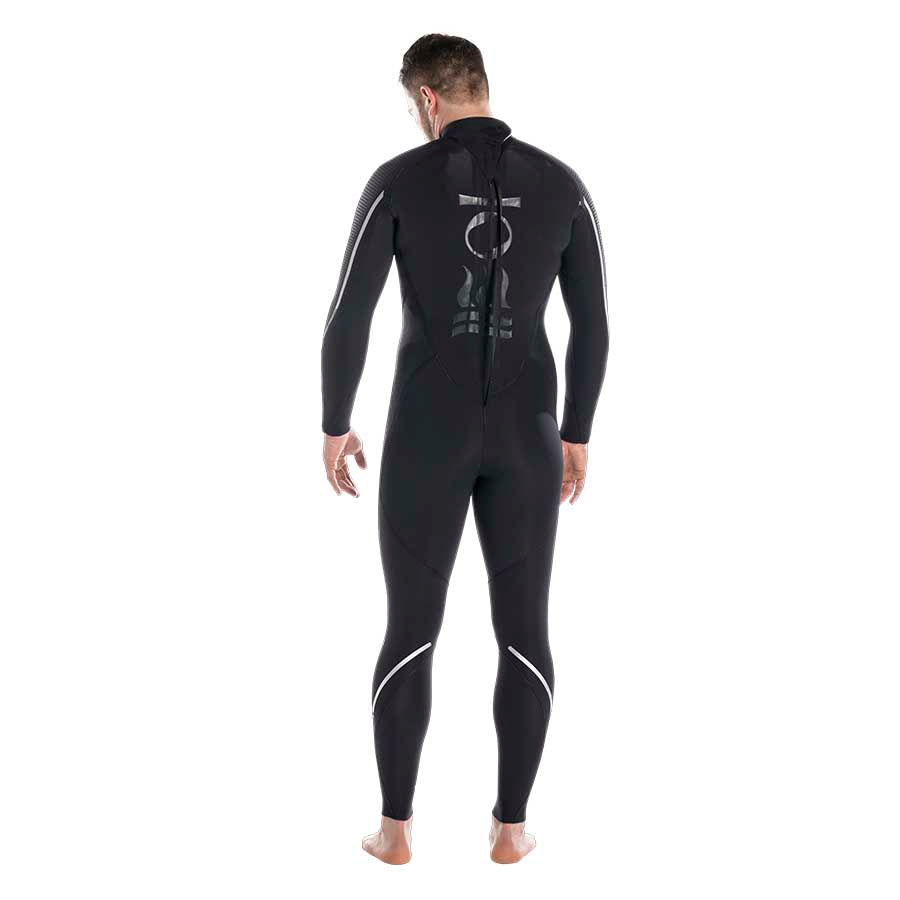
The Fourth Element Xenos 3mm Shortie Wetsuit comes in separate mens and womens cuts and was built for exactly this kind of trip, with stretch neoprene, rolled Smoothskin seals at the arm and thigh, blindstitched seams and a double zip flap to cut flush-through. Fourth Element point it squarely at liveaboards and multiple dives per day. It dries quickly between dives, which matters more than you would expect when you are climbing back into it after lunch.

When the water is cooler

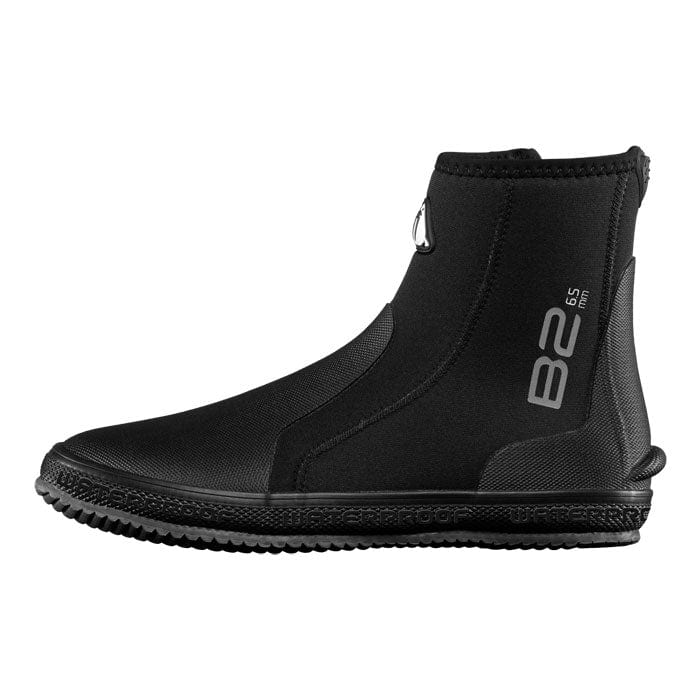
Not every dive holiday is a warm one. The Fourth Element Proteus II 5mm, again in mens and womens versions, uses Hexcore lining through the torso, Thermoflex elsewhere, taped and blind-stitched seams, a Hydrolock neck seal and Glideskin wrist seals to keep water moving through the suit to a minimum. Add the Waterproof B2 6.5MM Semi-Dry Boot, which has reinforced heel and toe caps, an anti-slip sole and an extended zip and seal. That sole earns its keep on a shore entry over sharp rock as well as on a wet boat ladder.

Regulators, buoyancy and fins

Compact regulators

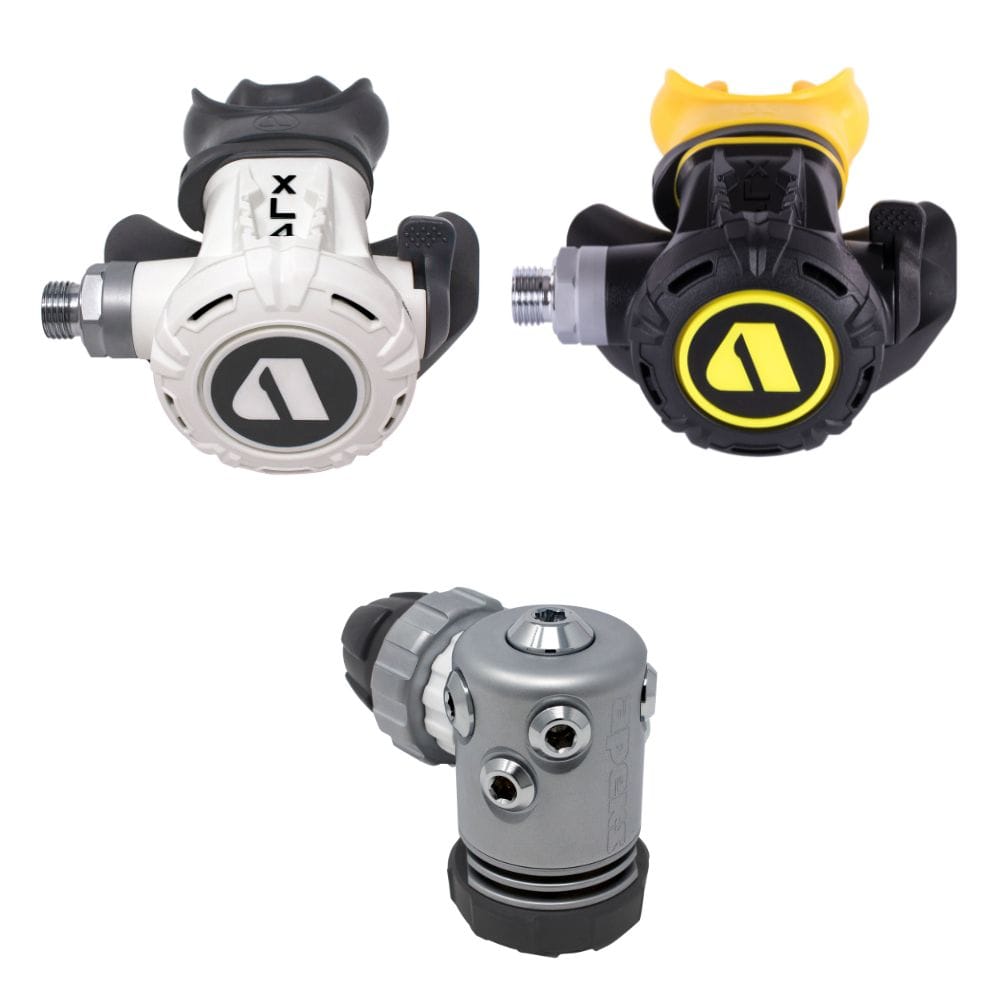
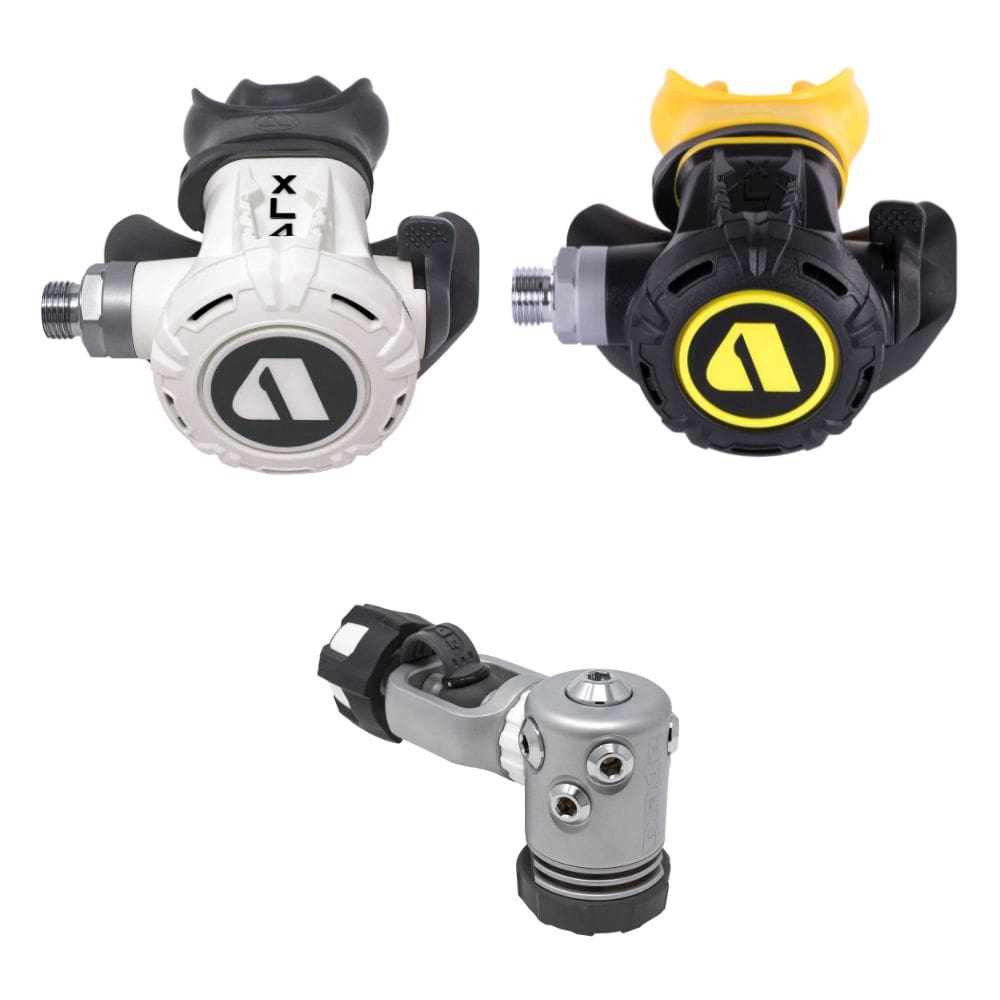
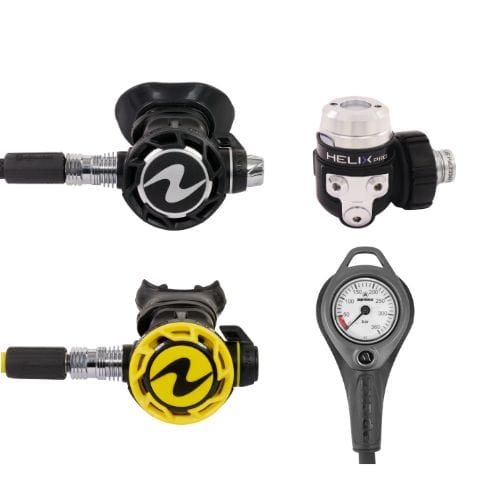
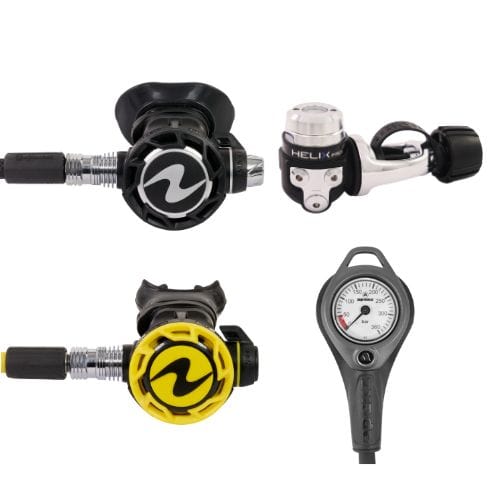
Both regulators here were designed with weight in mind. The Apeks XL4+ is one of the lightest in the Apeks range, with an environmentally sealed over-balanced diaphragm first stage, a pneumatically balanced second stage, flexible braided hoses and a Comfo-bite mouthpiece; Apeks position it for travel diving and as a stage regulator. The Aqualung Helix Compact Pro is the other compact option, available in yoke or DIN, with an Auto-Closure Device that shuts the first-stage inlet when you take the core off the cylinder valve, and a T-shaped port layout that keeps hoses tidy and bubbles out of your line of sight.

BCD or wing

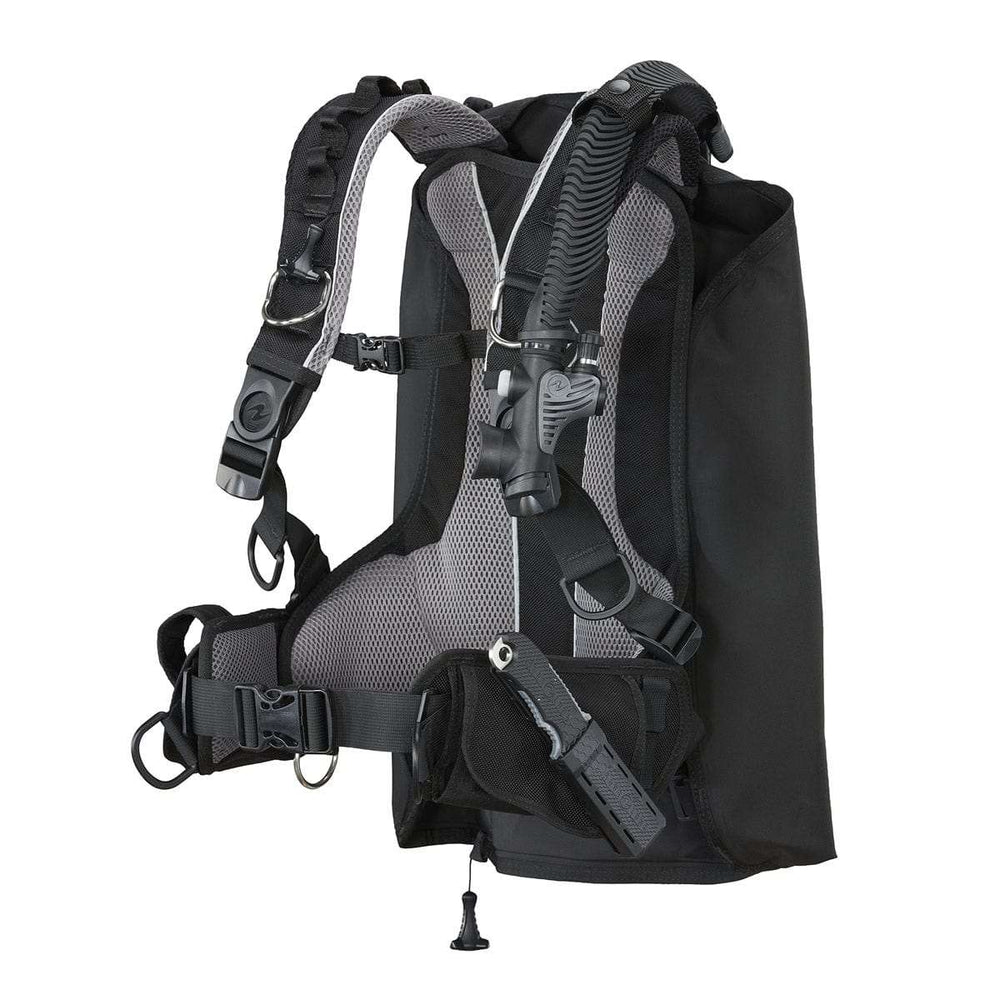
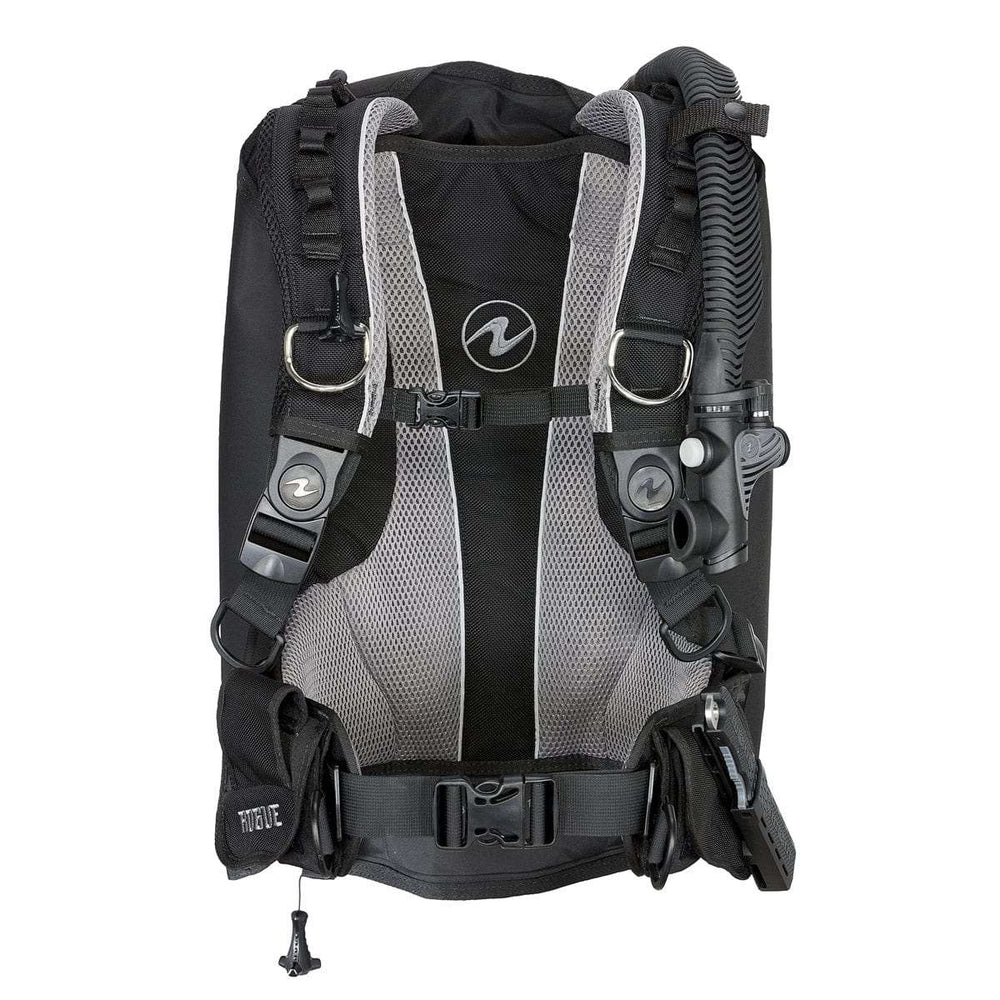
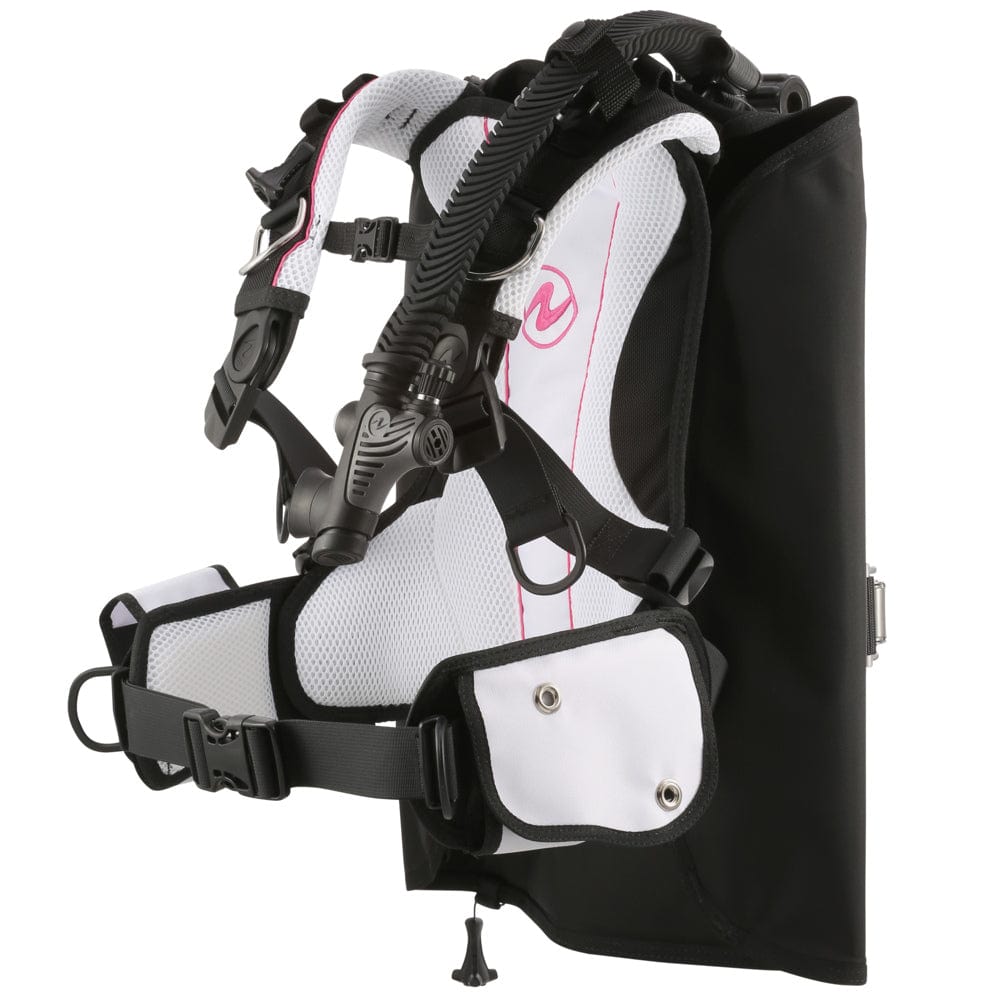
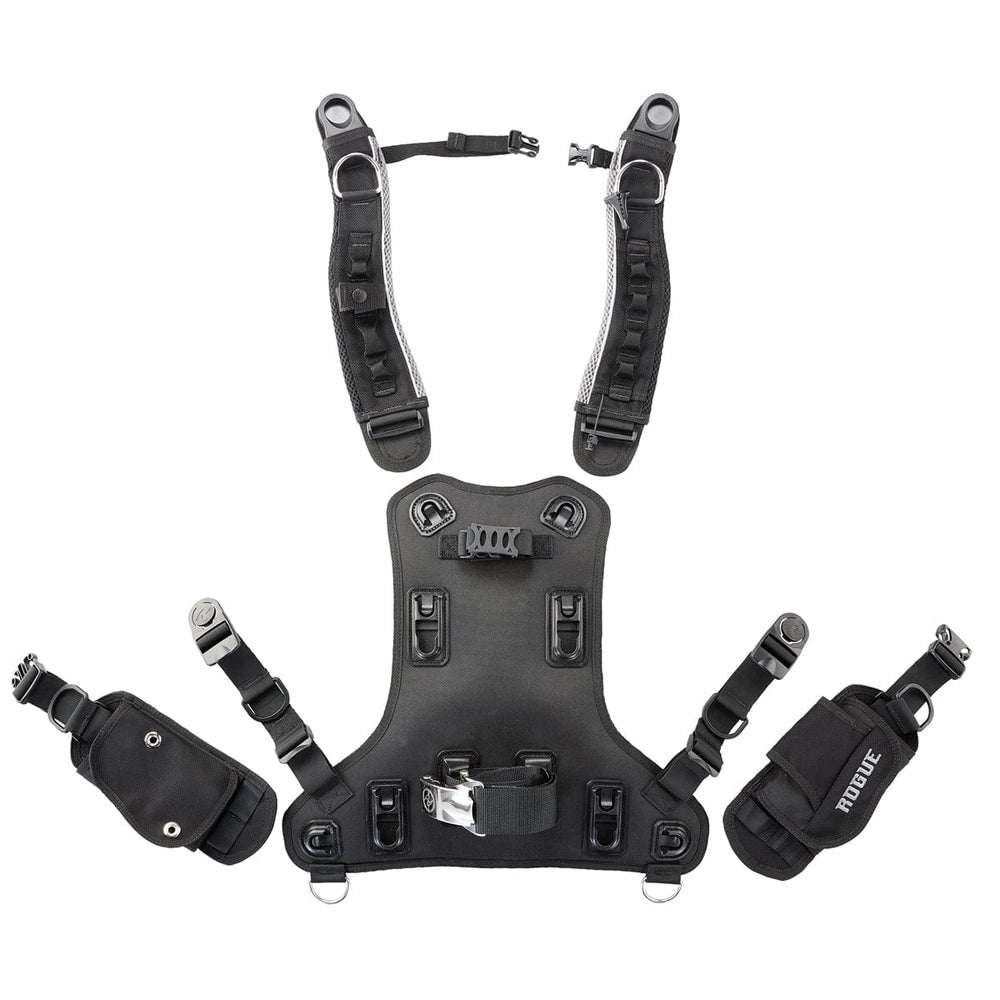
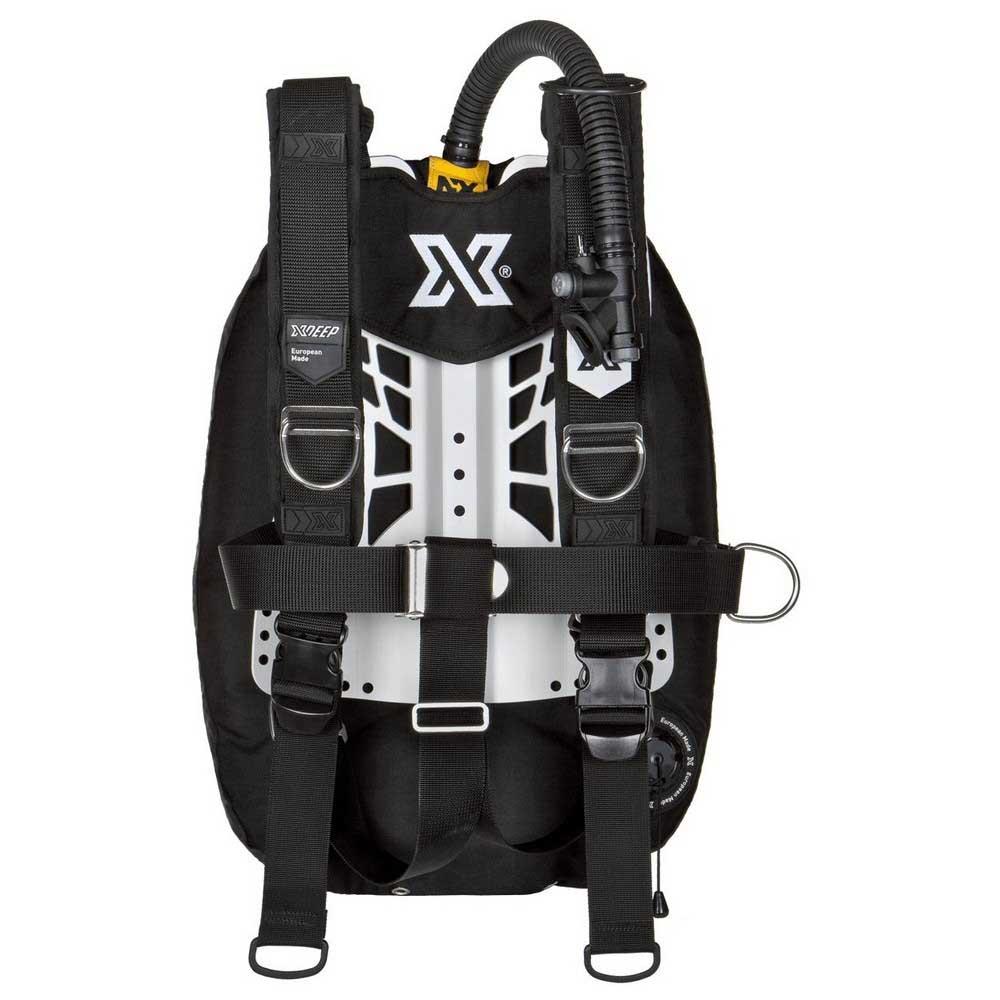
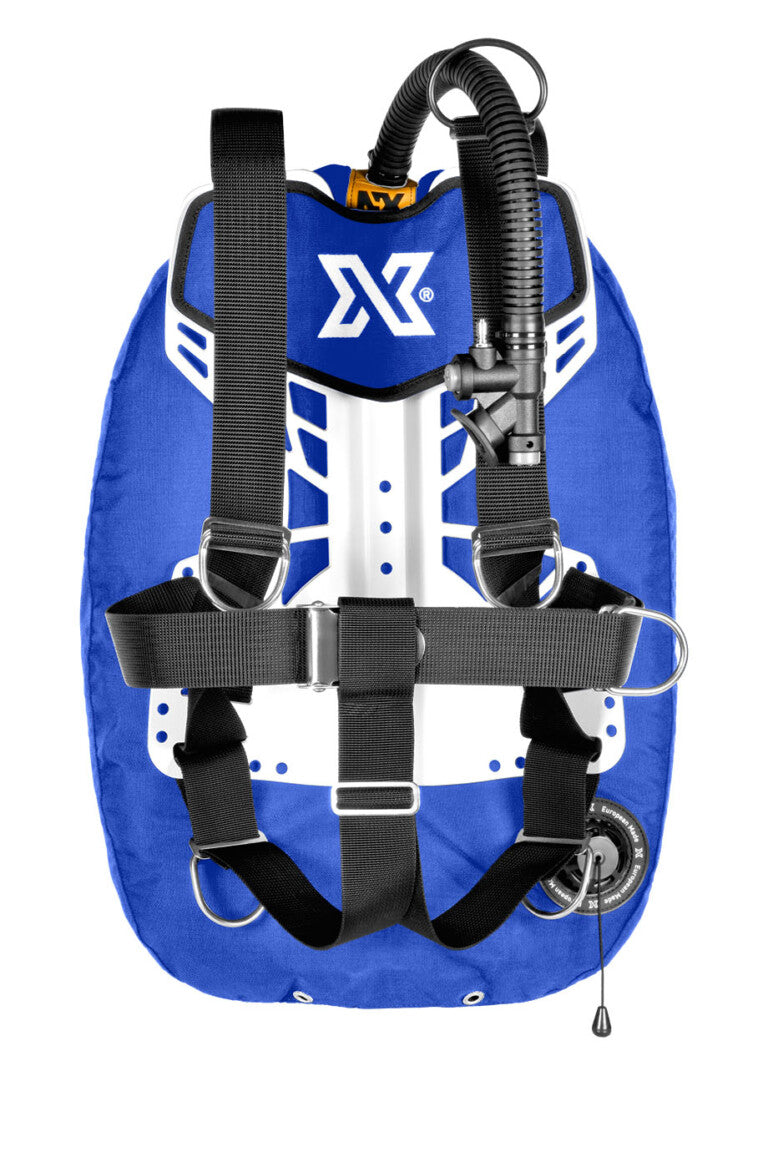
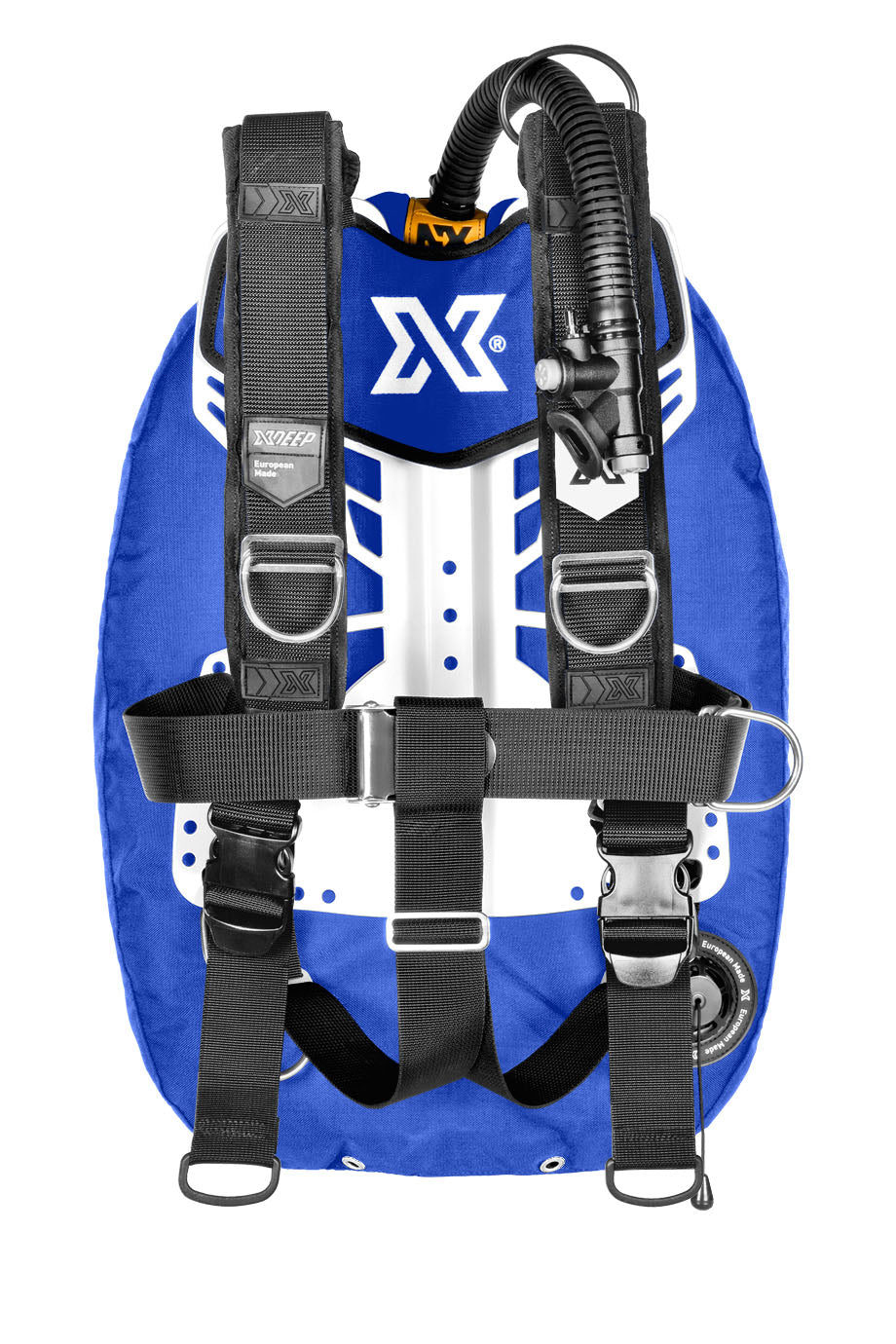
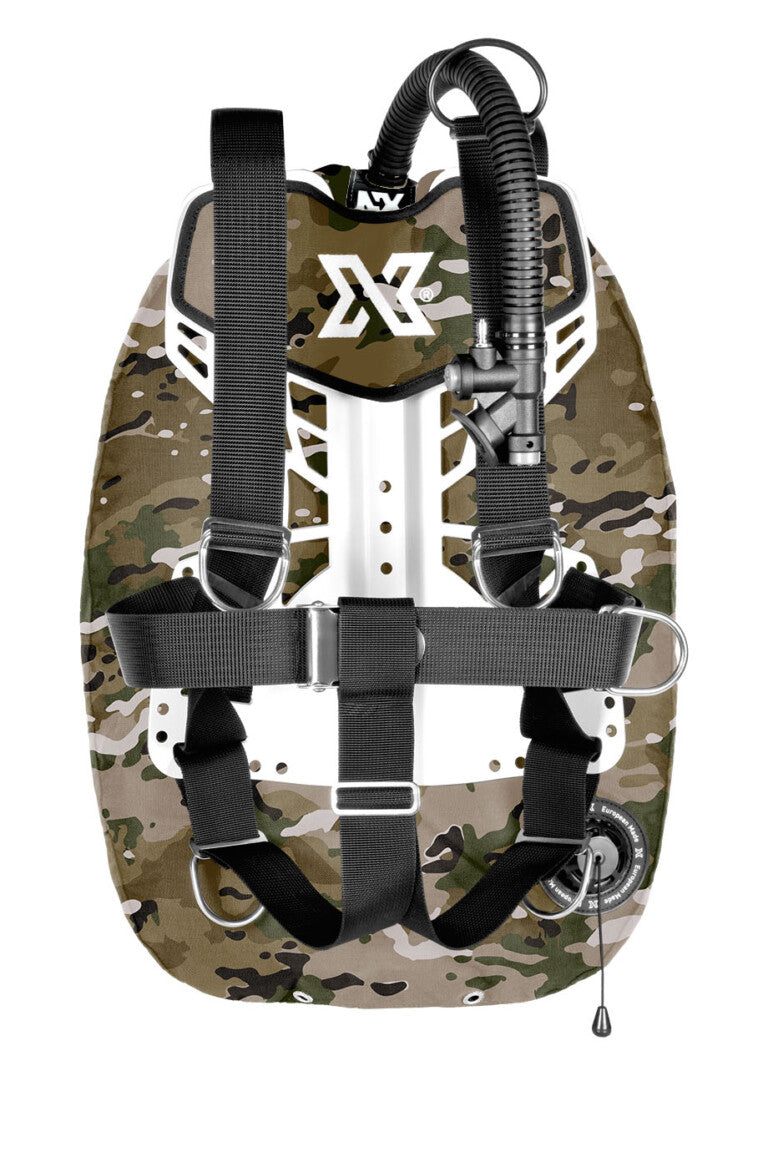
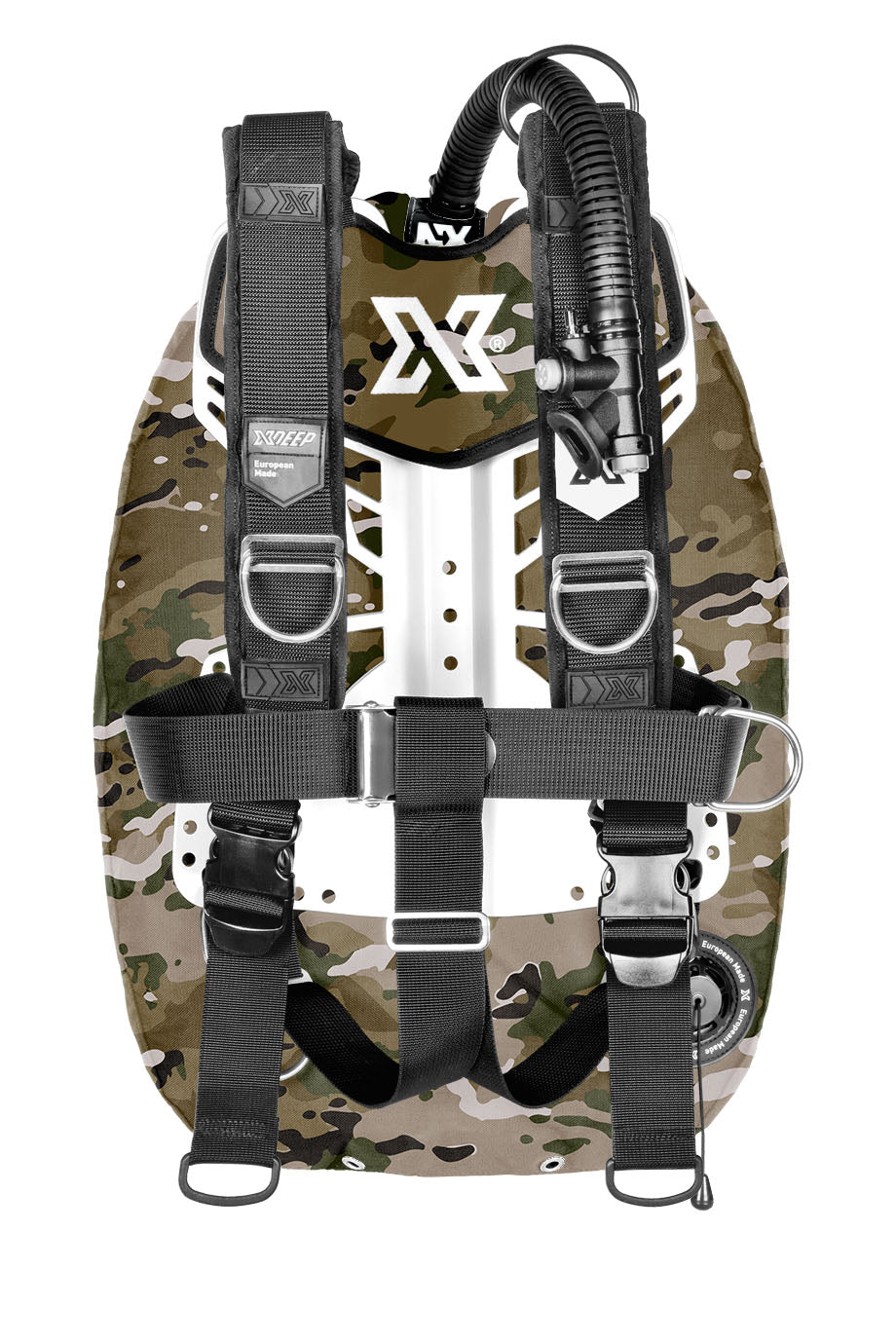
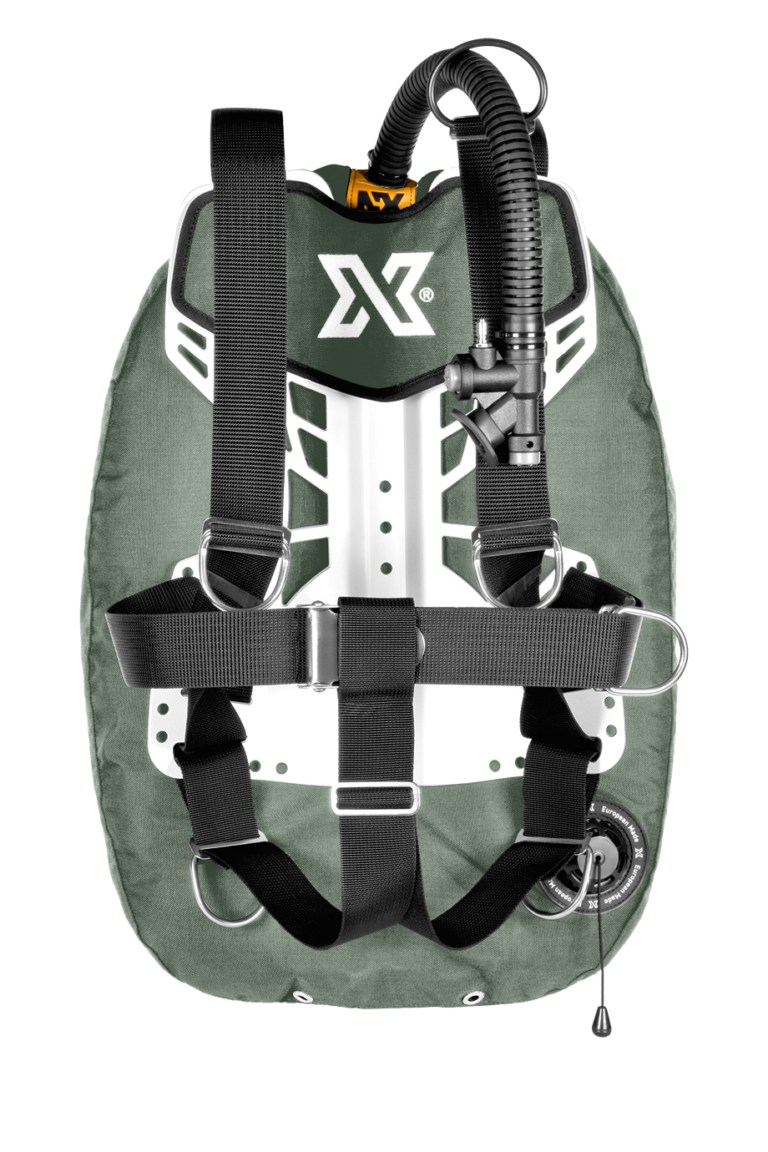
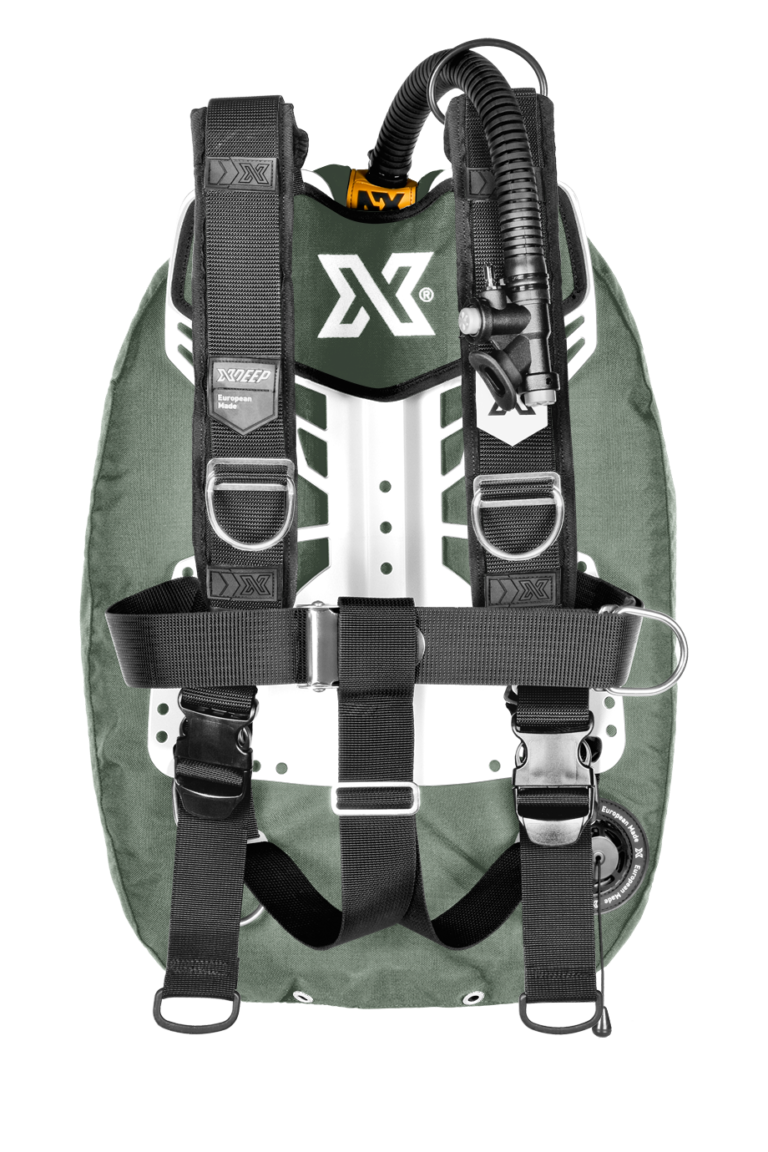
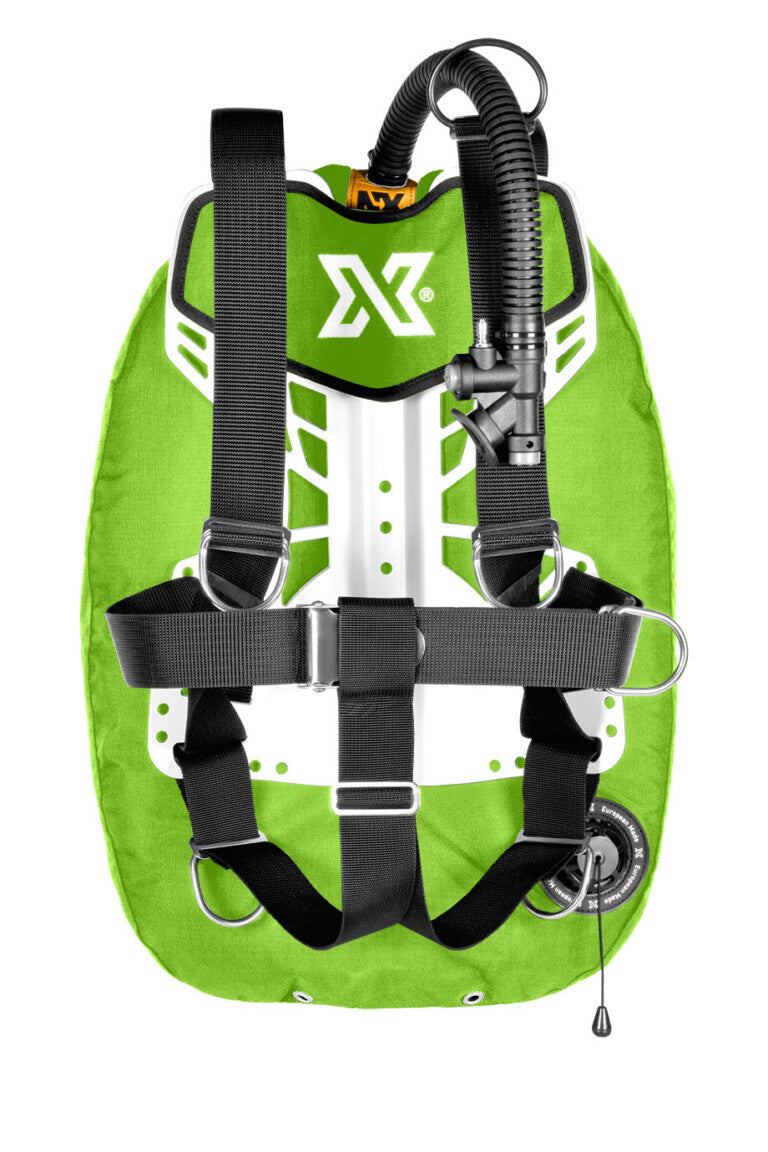
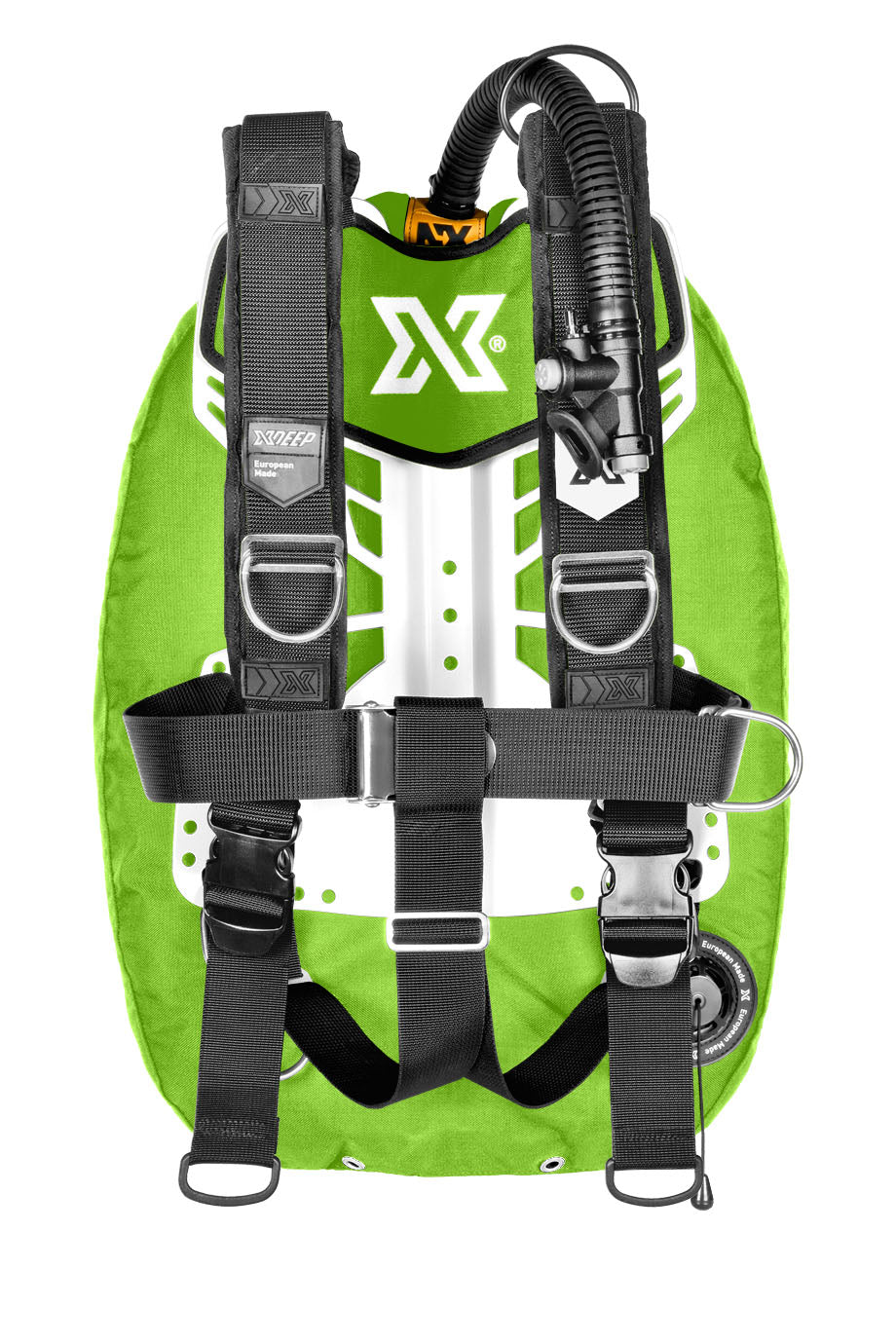
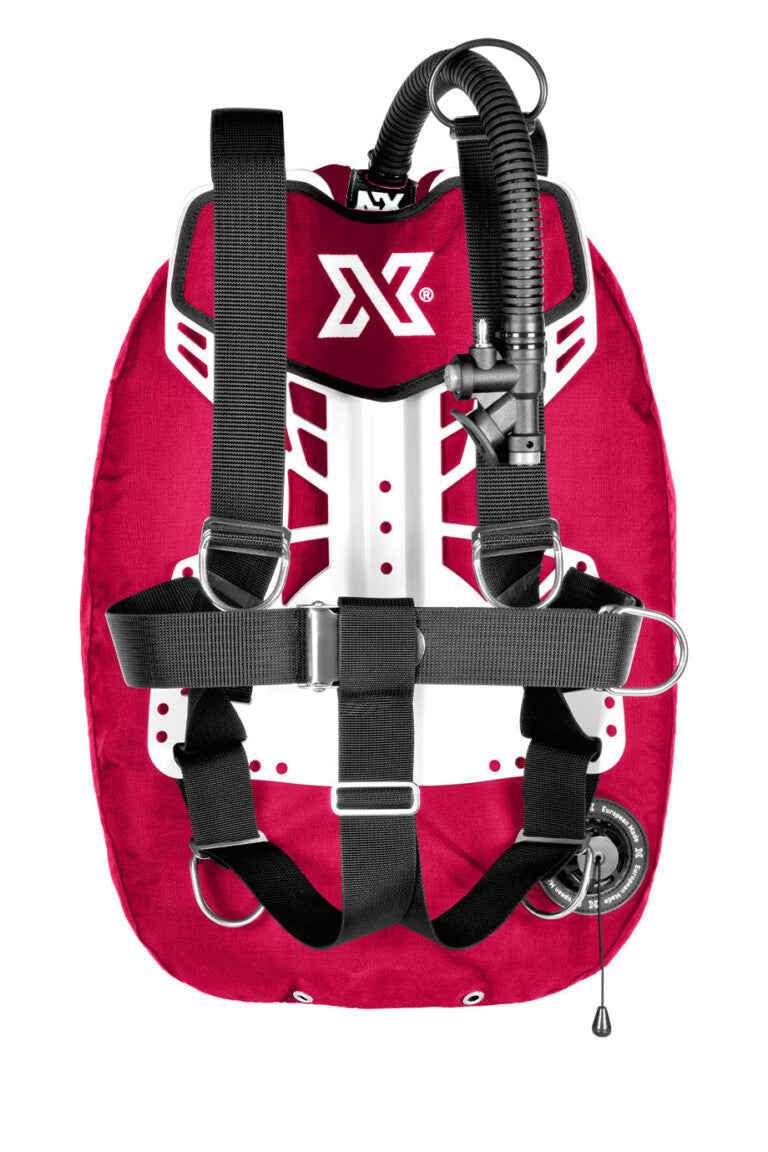
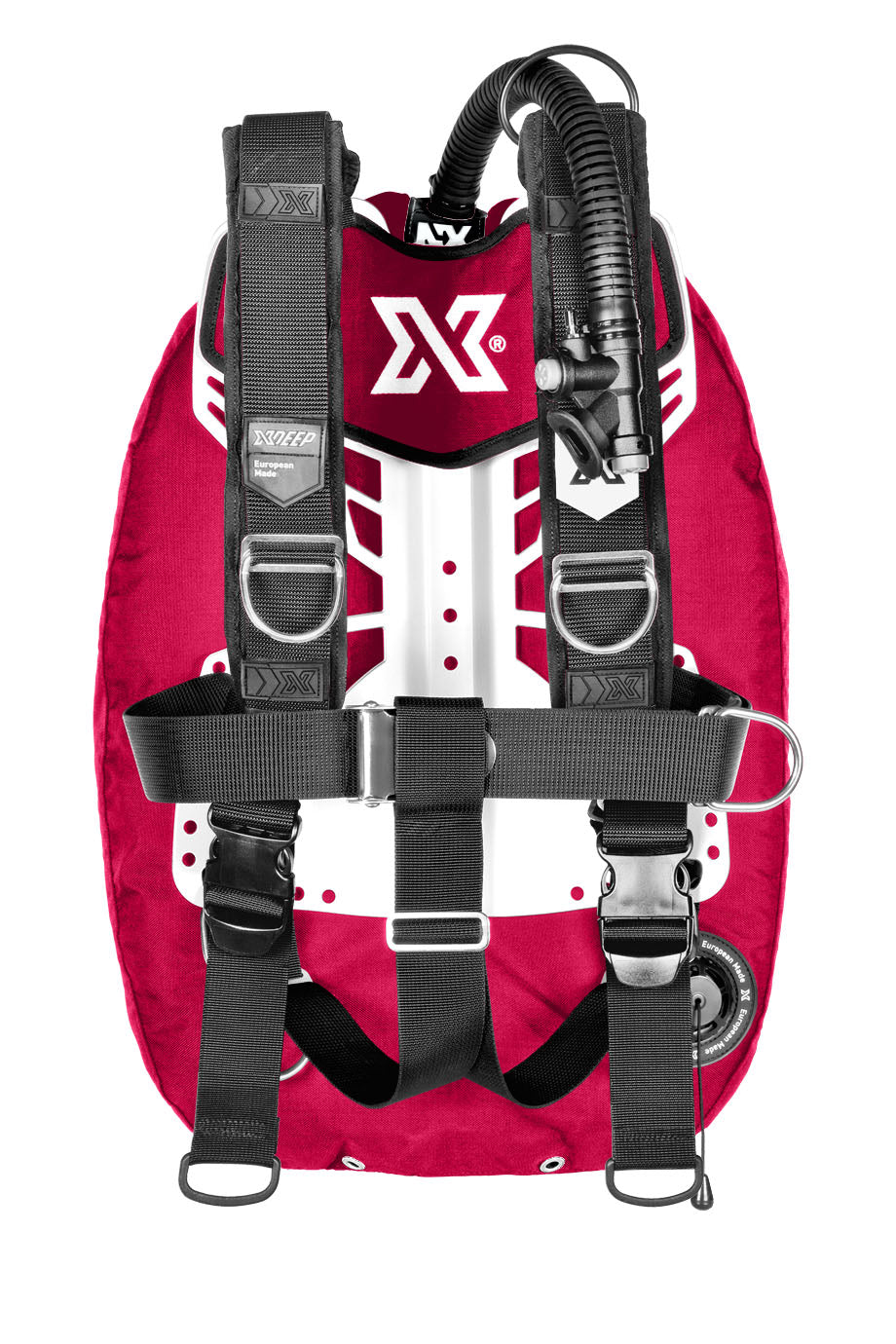
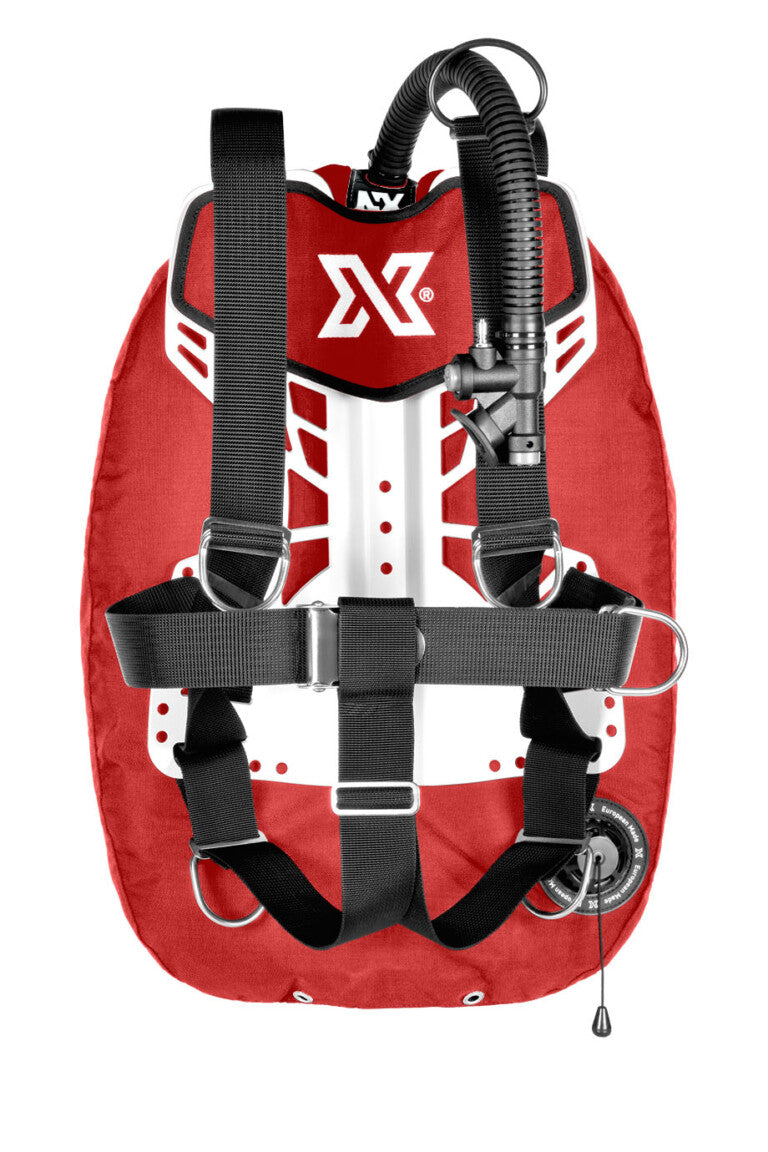
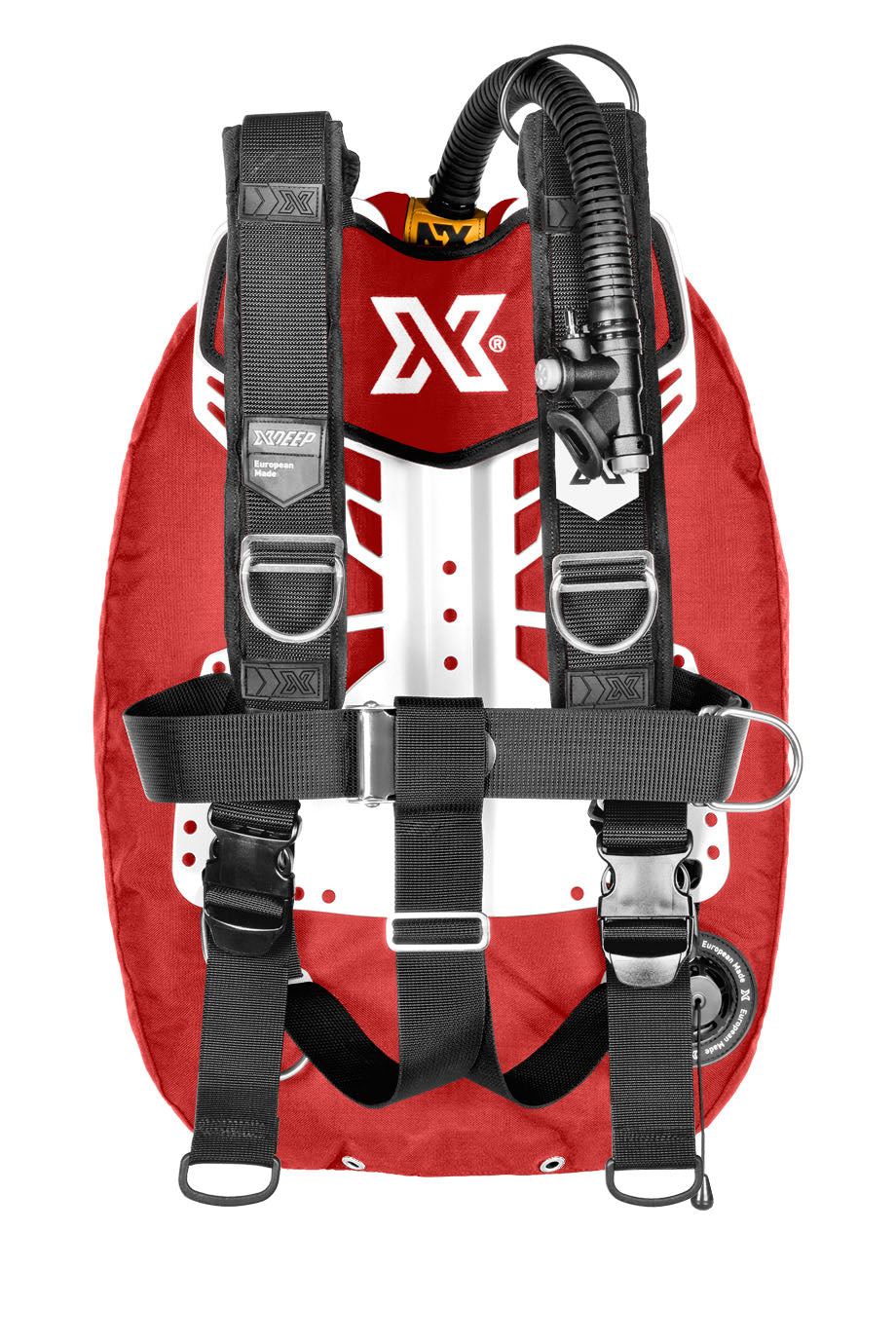
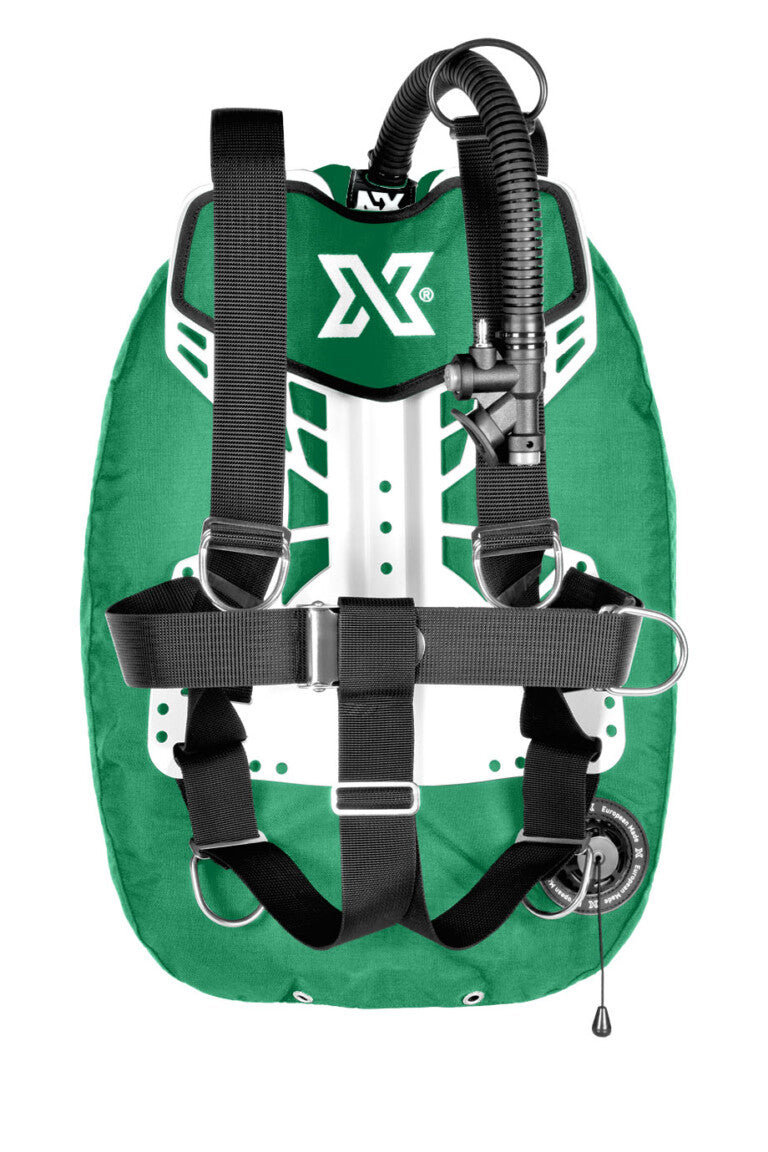
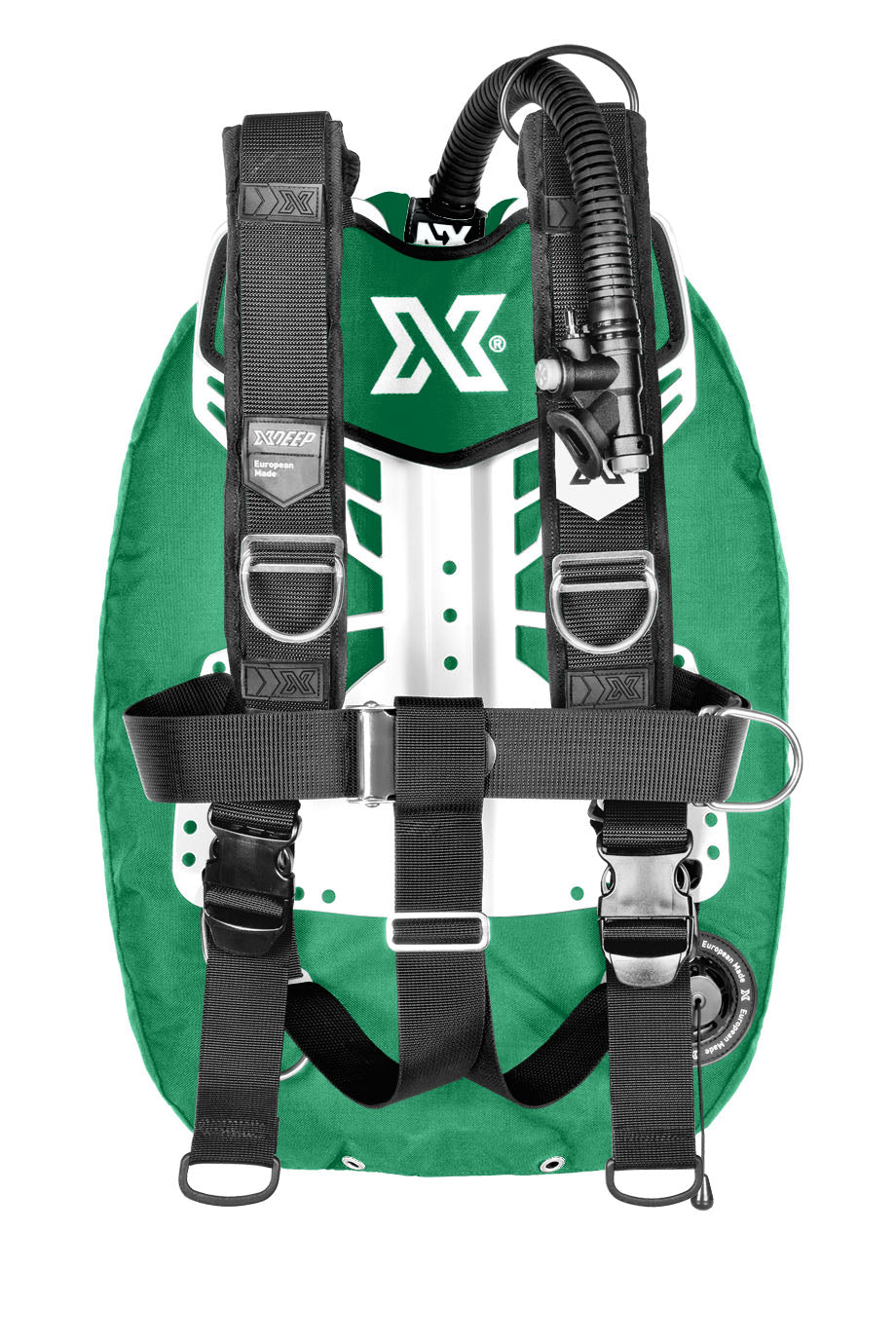
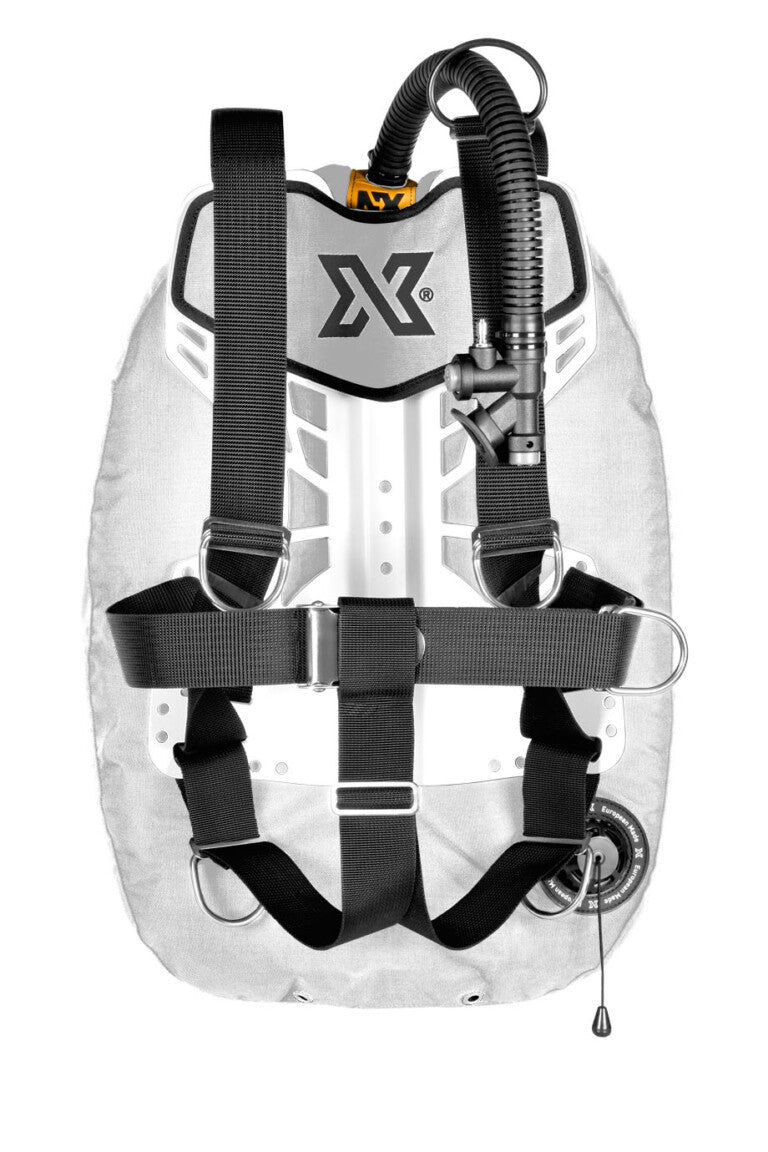
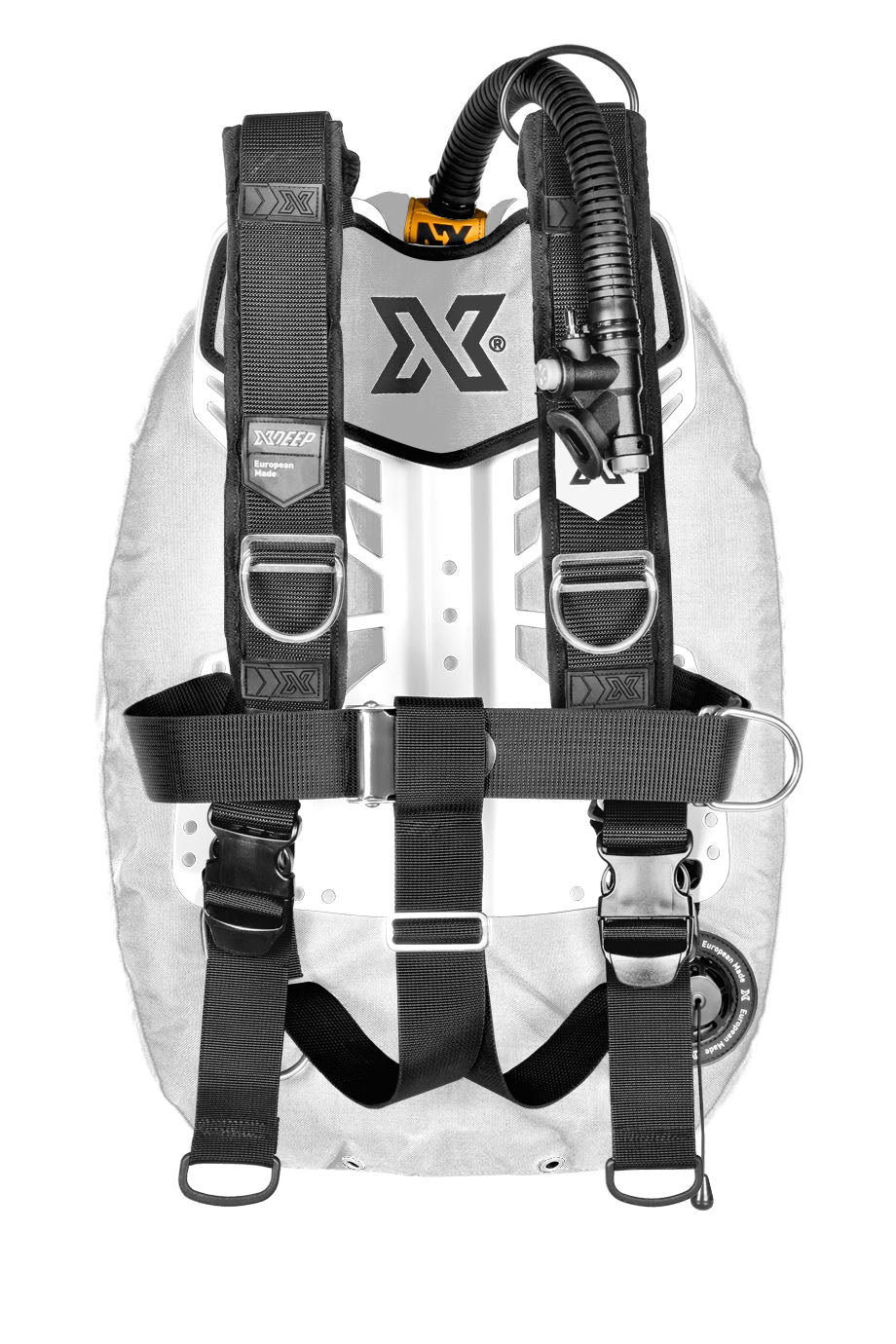
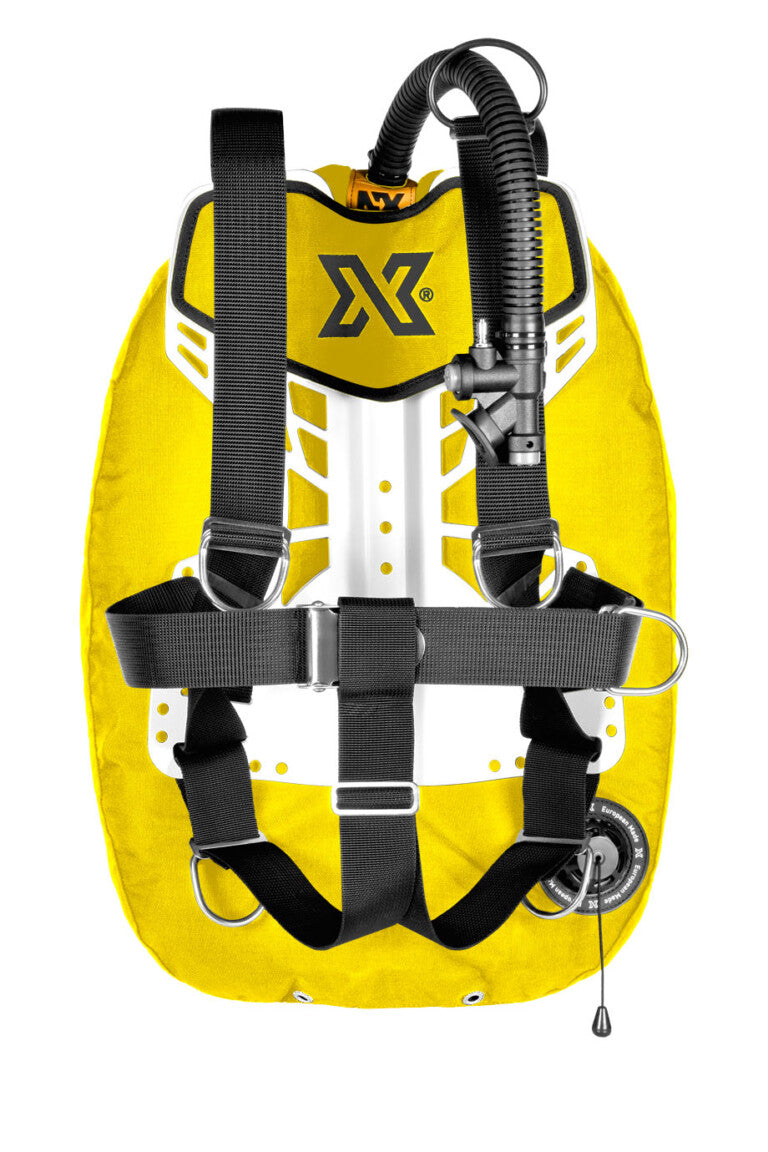
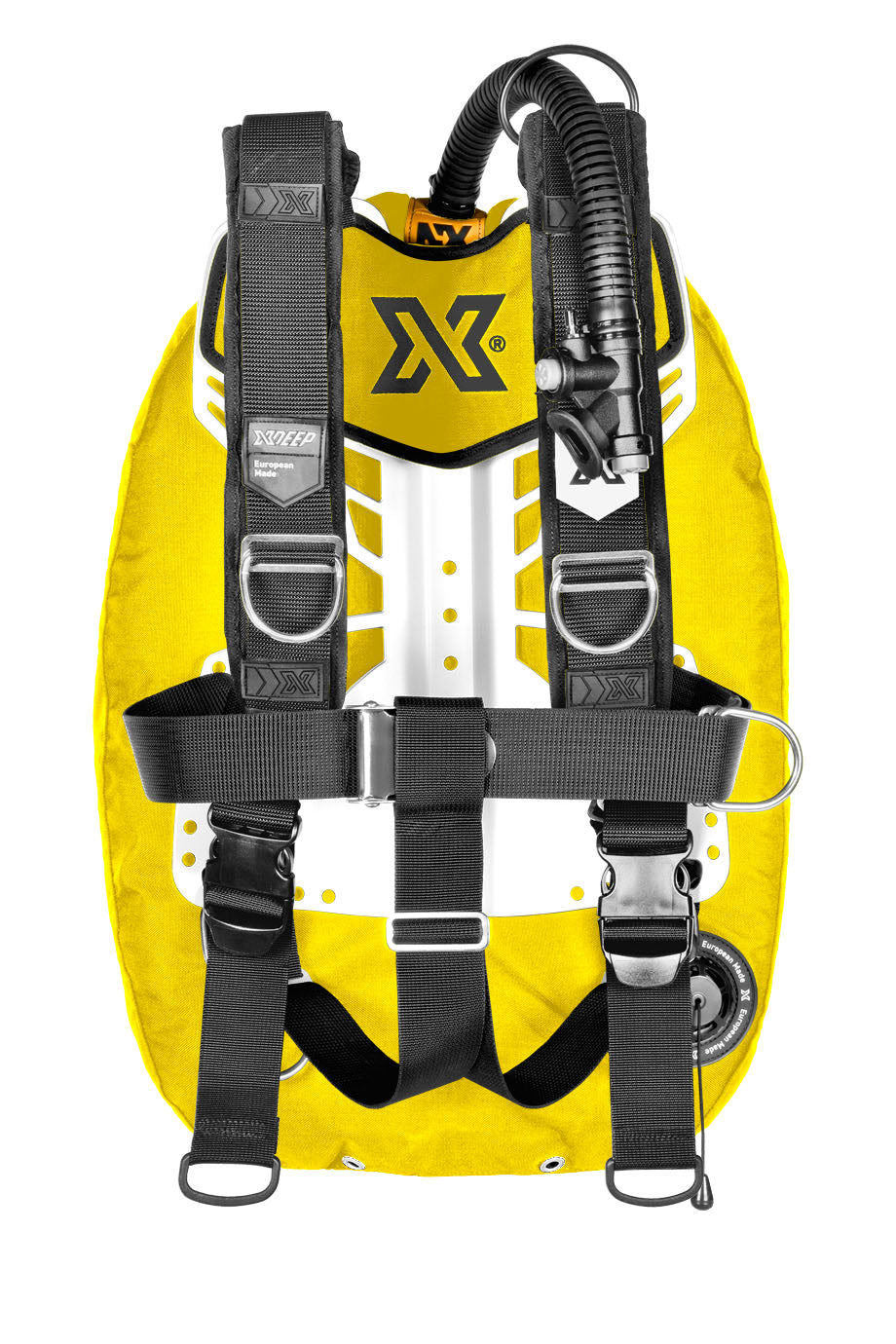
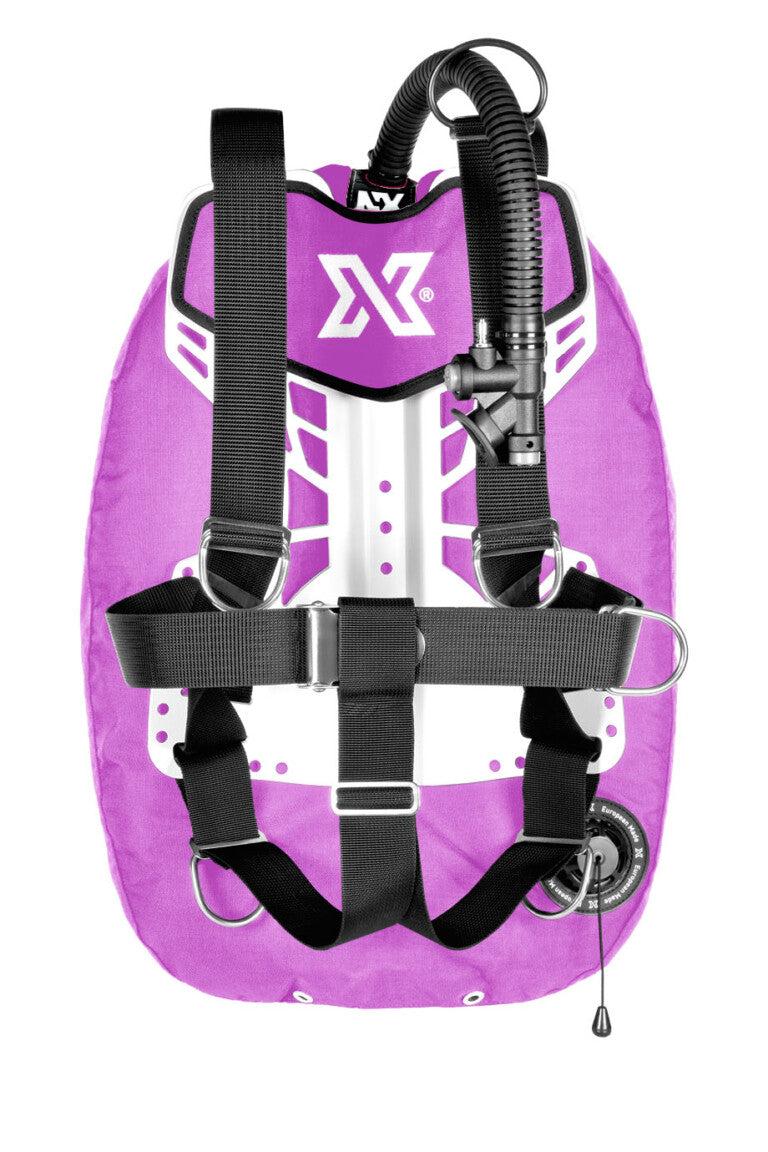
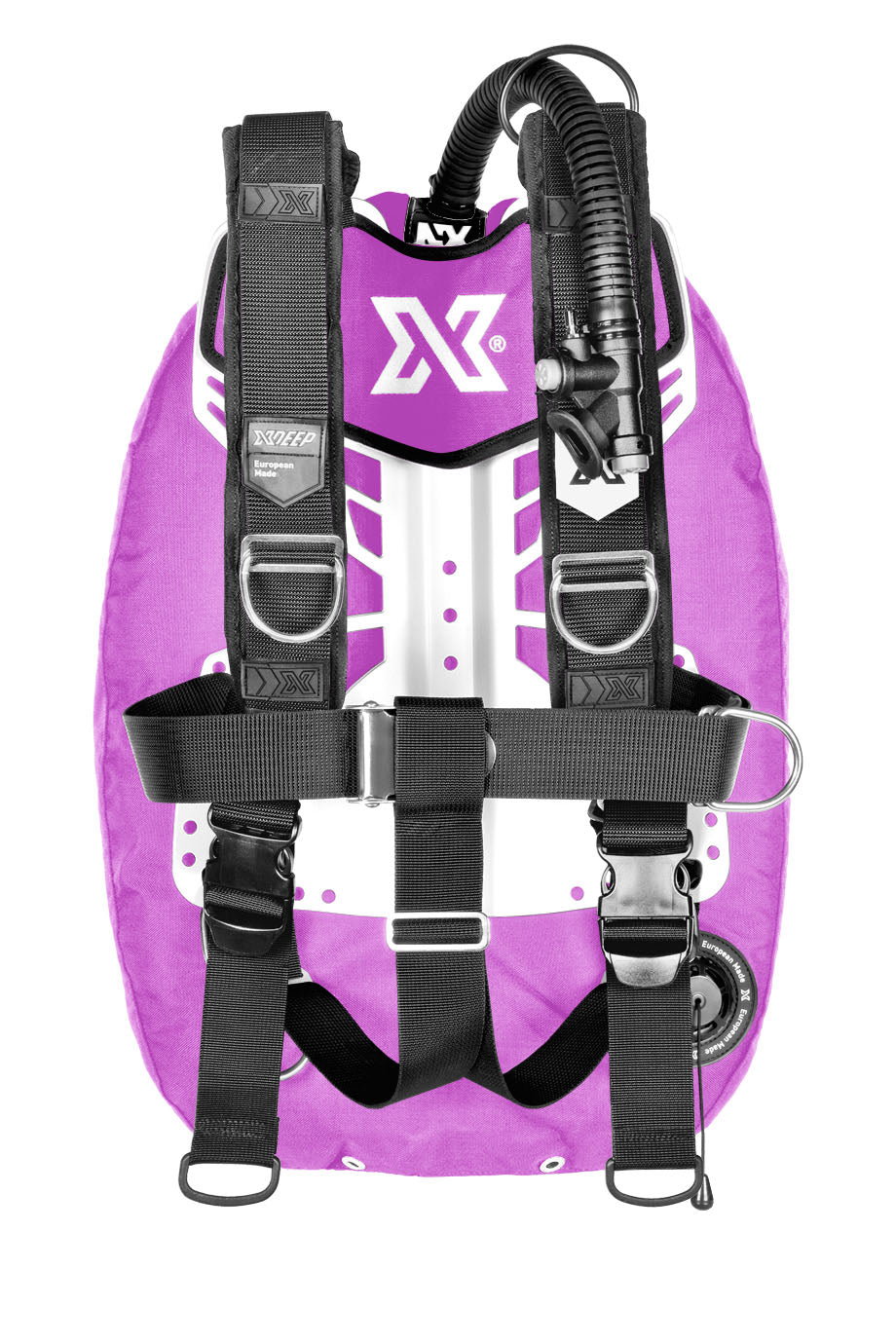
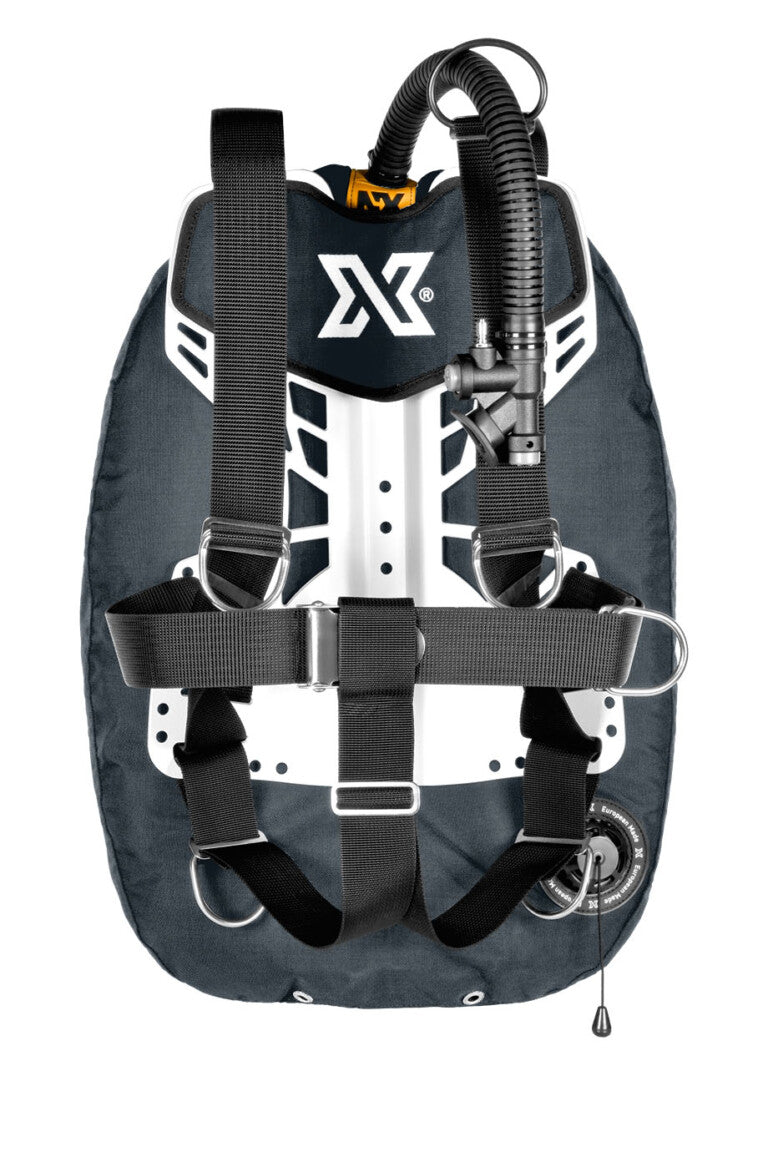
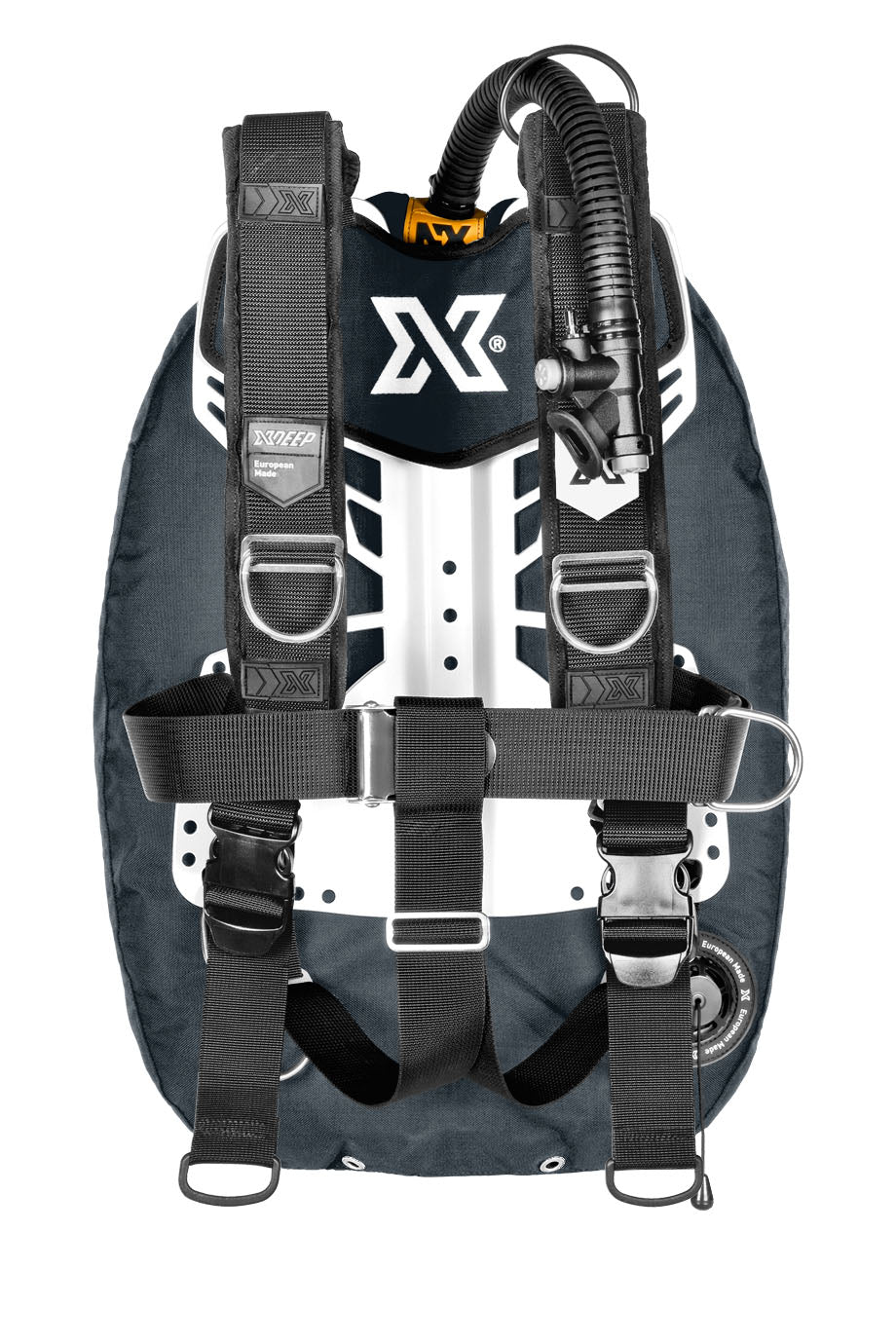
The Aqualung Rogue BCD is back-inflation with SureLock II weight integration, folding pockets, stainless steel D-rings and ModLock connectors that let you swap shoulder and waist components rather than buy a new jacket when your fit changes. The XDEEP Zen Ultralight Wing System is the harness-and-wing answer: a double-shell Cordura wing, an ergonomic backplate, a narrow profile behind the cylinder and a modular weight system in place of a weight belt.

Fins that pack short

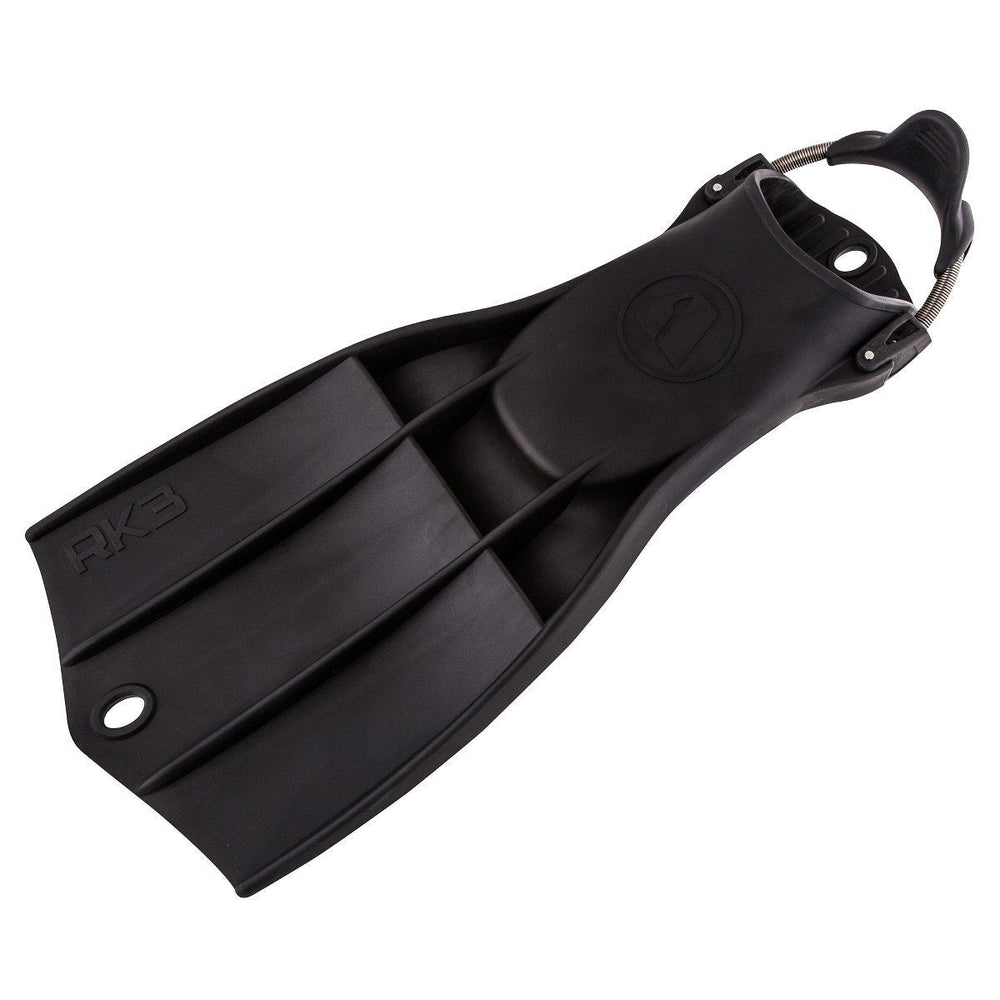
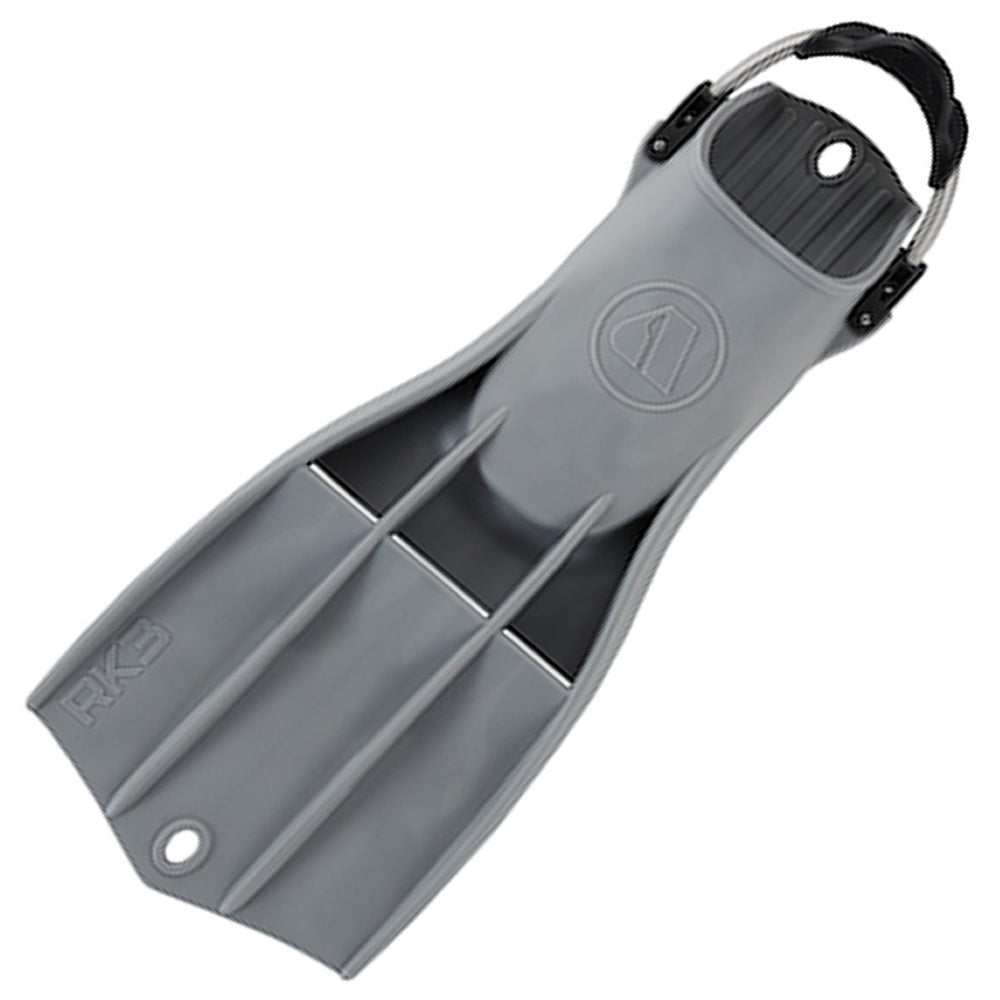
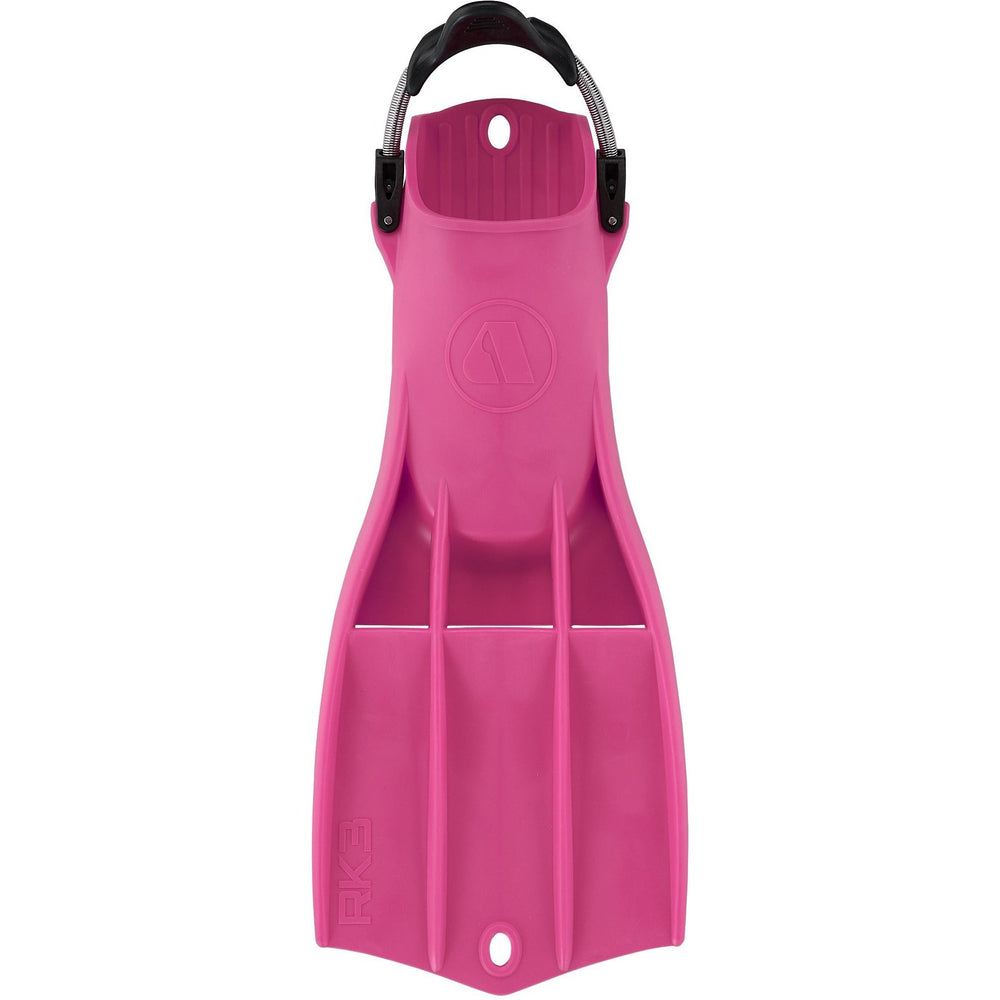
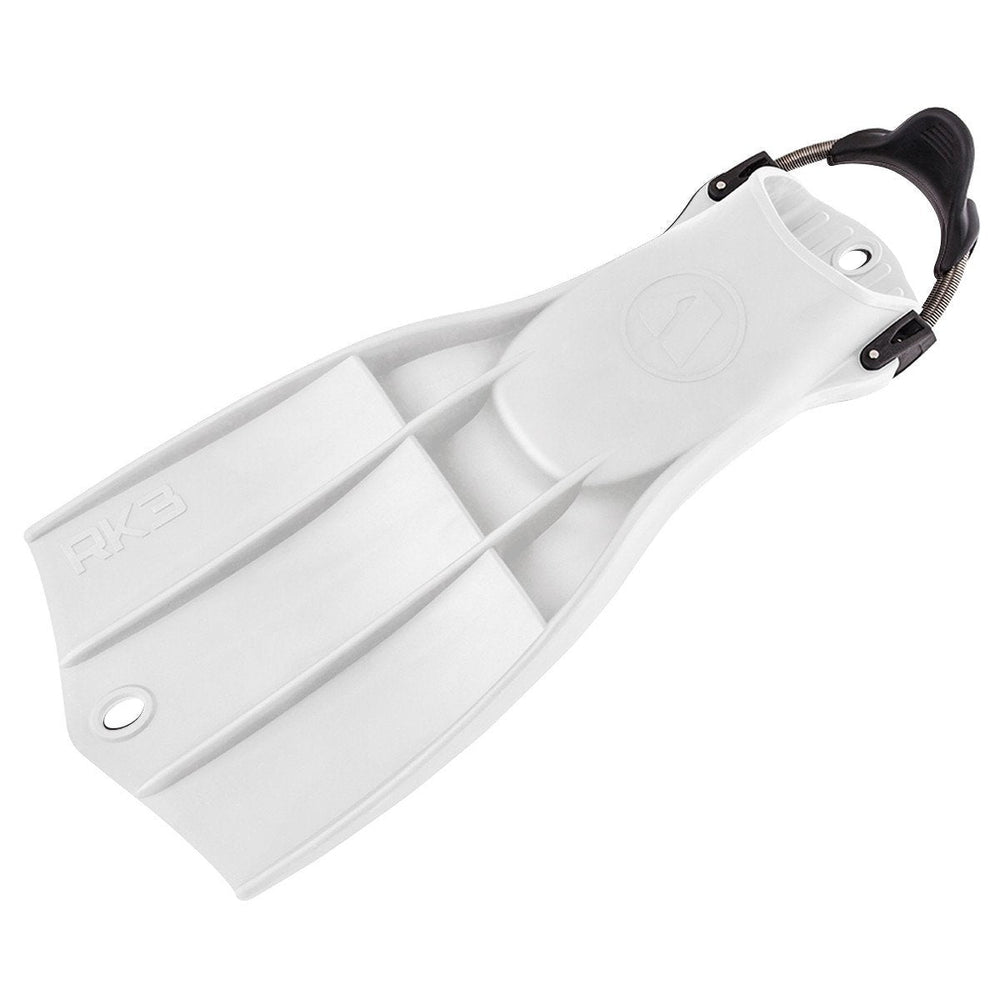
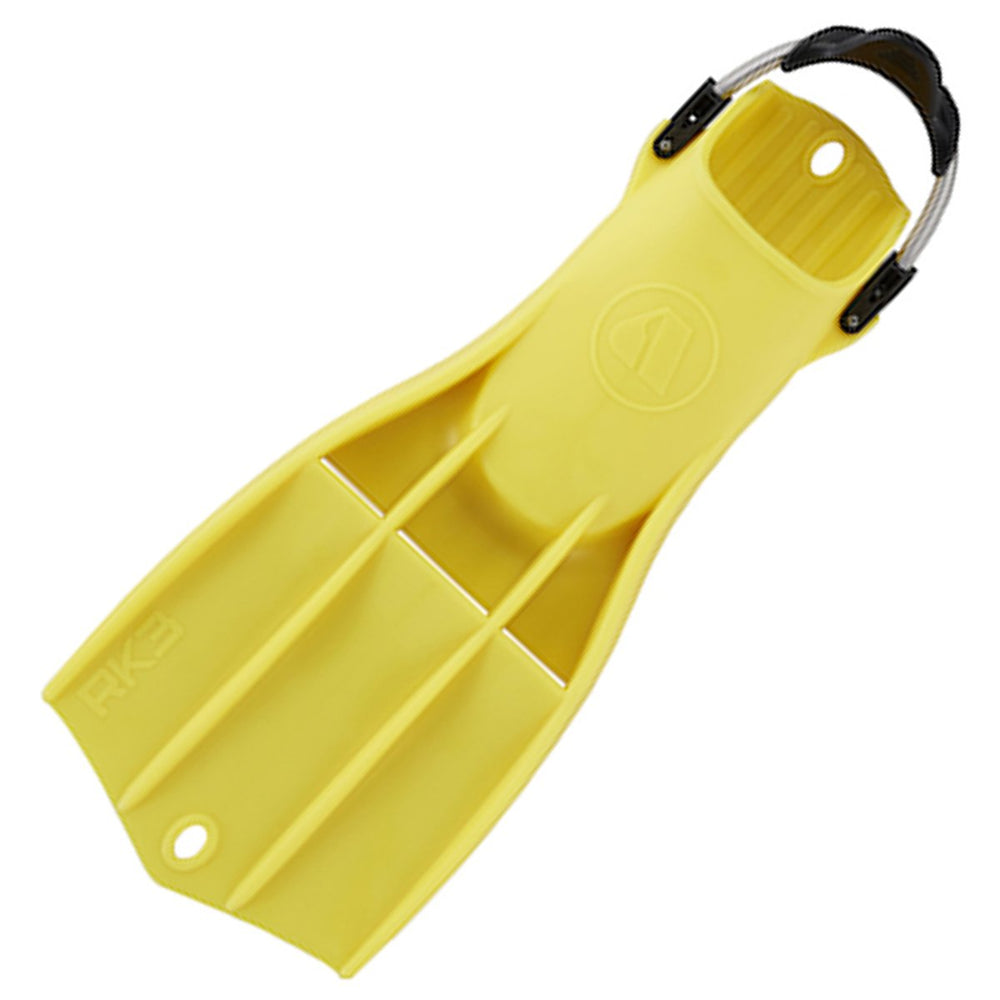
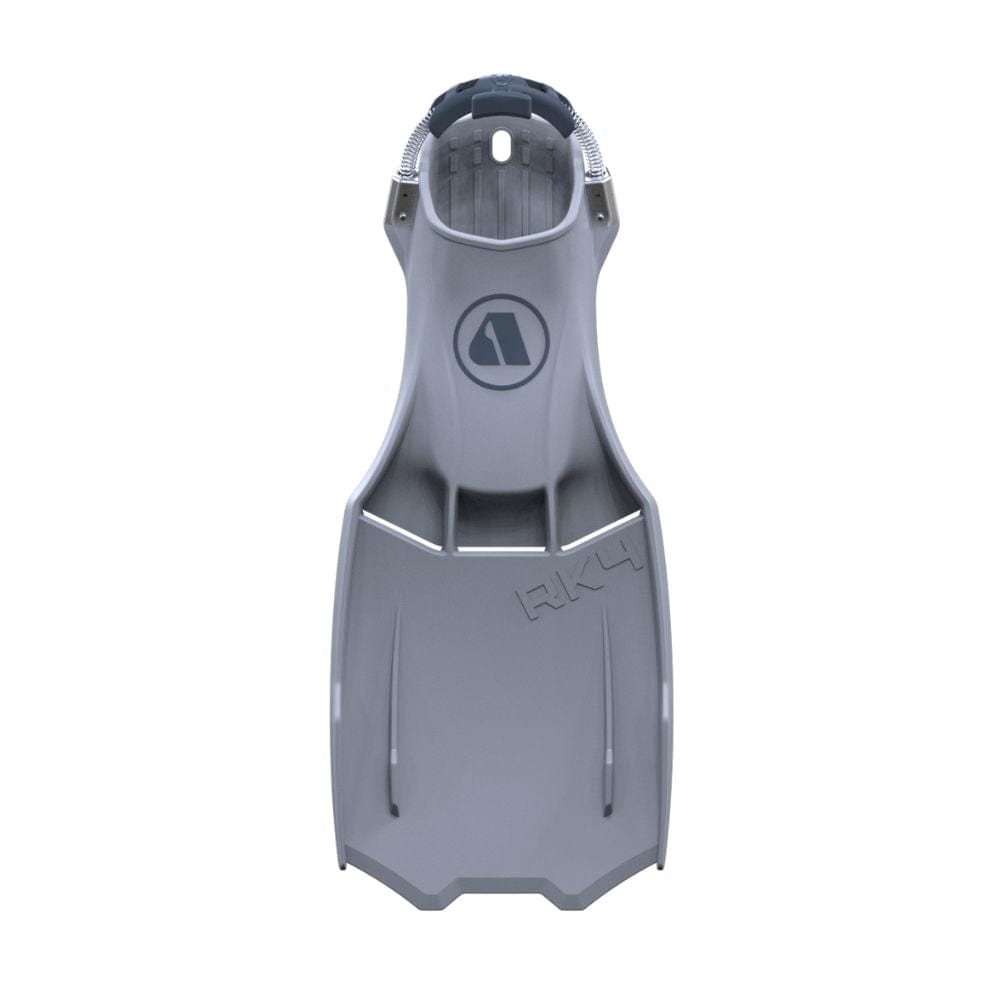
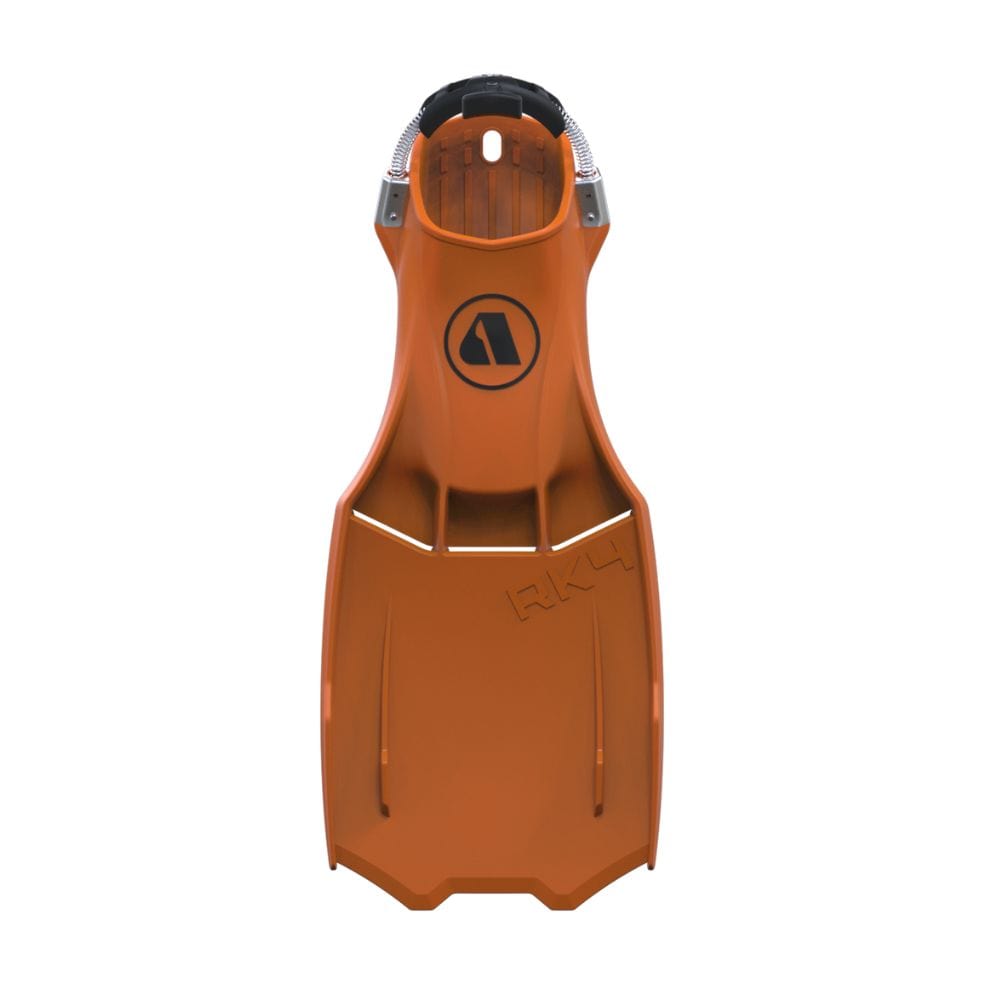
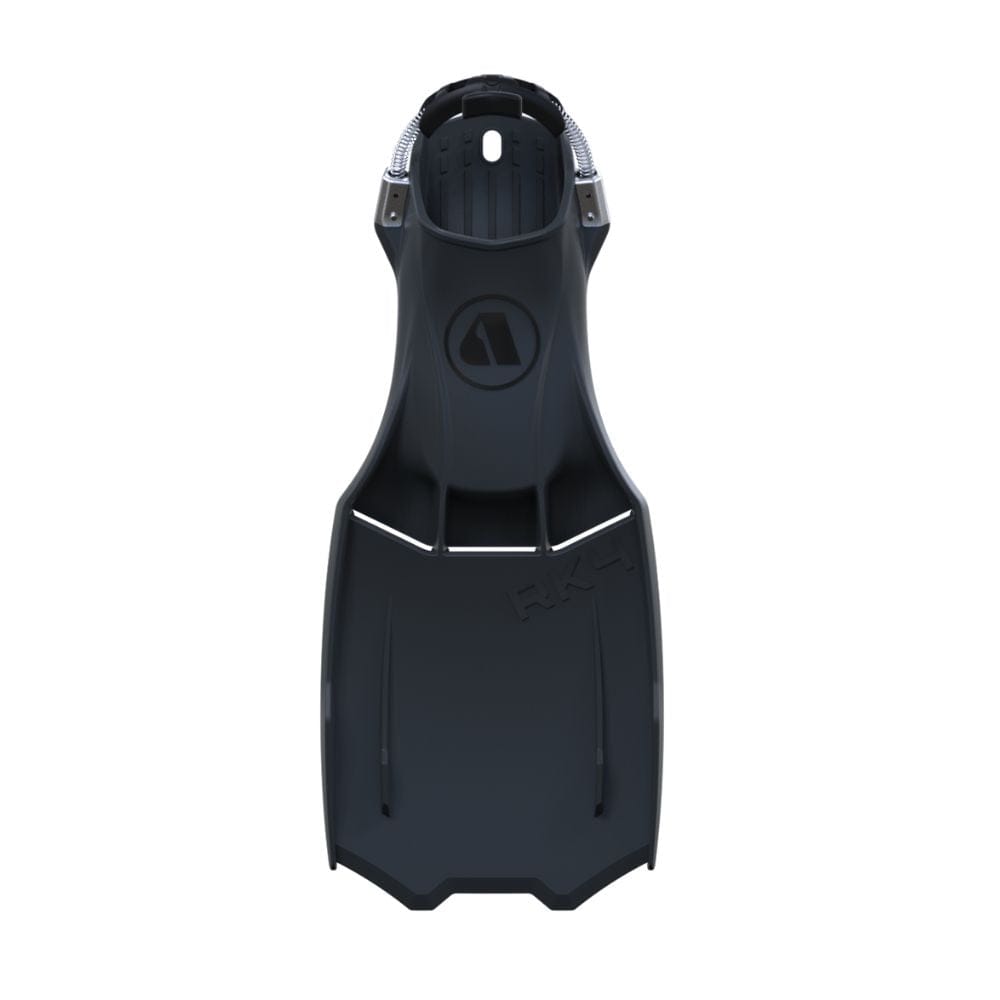
The Apeks RK3 Fins have a short, broad vented blade, an oversized foot pocket sized for boots, spring straps as standard and two large grommet holes that take a karabiner, which is handy for clipping them to the outside of a full bag. The Apeks RK4 Fins run a longer and wider blade than the RK3, with a flexible tip and a comfort heel pad. Both are worn over boots, so size them with the boots you will actually be diving rather than by your shoe size.

Torches, cameras and the safety kit

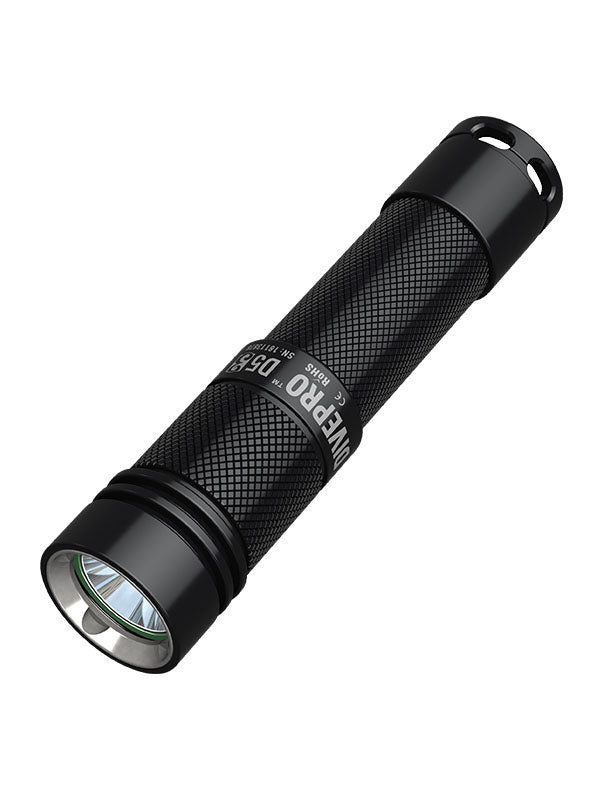
Even on a bright reef you want a torch, for looking under ledges, for signalling, and for the night dive that gets suggested on day three. The Divepro D5-3 is the compact twist-operated one that lives in a BCD pocket. The Divepro S20 is the brighter option and arrives with its cells and a USB charger.

The Beaver Delayed Surface Marker Buoy With Reel is the item people leave at home and then wish they had not. It is bright orange TPU-coated nylon with Solas reflective tape, an integrated reel, a line that changes colour from orange to yellow as a depth cue, an overpressure valve and a D-ring for clipping to your BCD. If you are diving from a boat in any current, take one.

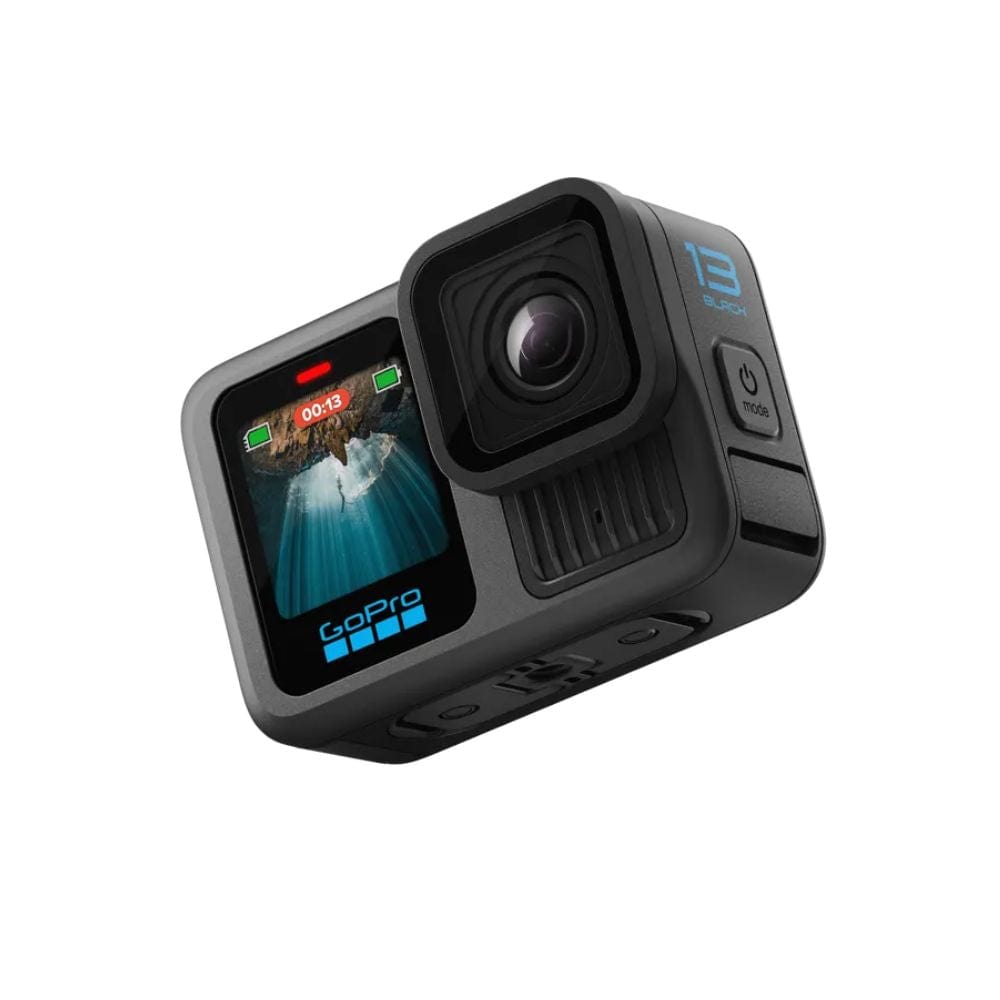
For the camera, the GoPro HERO13 Black is the straightforward choice and the one most holiday divers end up carrying.

Getting it all there

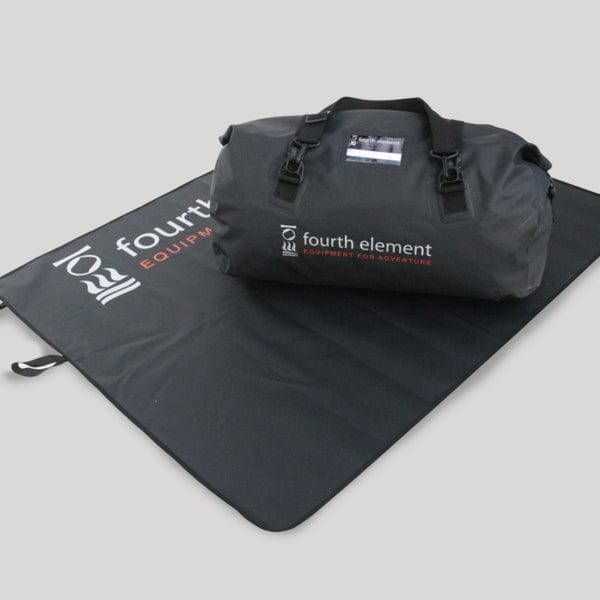
The TUSA Roller Bag comes in three sizes, with an extendable heavy-duty pull handle, four compression straps, two carry handles and both internal and external zipped pockets. TUSA describe the small size as carry-on approved for most airlines, which is worth knowing if you intend to keep your computer, regulators and camera with you rather than trusting them to the hold. That is what we would do: exposure protection and fins in the hold, anything expensive or hard to replace in the cabin.

Frequently asked questions

What should I buy first for a diving holiday?

Start with a mask and snorkel, then a dive computer. That is the order we recommend, and it is the order that makes the most difference on a trip. A mask fitted to your own face stops the slow leak that ruins a dive, and the Fourth Element Navigator Mask with FREE Snorkel covers both items in one go. A computer you have set up yourself, and read the manual for, is one you will actually trust on the boat. After those two, work down the list: wetsuit, then fins and boots, then regulators, then buoyancy. Most divers build a travel kit over several seasons rather than in one purchase.

Which diving holiday brands does Oyster Diving stock?

In this collection you will find Apeks, Aqualung, Beaver Sports, Divepro, Fourth Element, Garmin, GoPro, Shearwater, Suunto, TUSA, Waterproof and XDEEP. Between them they cover the whole travel list: masks and snorkels, wetsuits, boots, fins, dive computers, regulators, BCDs and wings, torches, a delayed surface marker buoy, an action camera and the roller bag to carry it all in. If you want a brand we do not show here, ask us before you book your trip rather than after.

Do I need a 3mm shortie or a 5mm wetsuit for a dive holiday?

It depends on the water, how many dives a day you are doing, and how you personally feel the cold. The Fourth Element Xenos 3mm Shortie Wetsuit, in separate men's and women's cuts, is built for liveaboards and repeat dives: it dries quickly between dives and is designed to be easy to get on and off, which matters when you are doing four in a day. If your trip is somewhere cooler, or you are the diver who is shivering by the third dive, step up to the Fourth Element Proteus II 5mm, also cut for men and women, with taped seams and Hexcore lining through the torso. Pair either with the Waterproof B2 6.5MM Semi-Dry Boot if you are diving open-heel fins.

Should I travel with a BCD or a backplate and wing?

Both are here and they suit different divers. The Aqualung Rogue BCD is a back-inflation unit with weight integration, folding pockets and interchangeable shoulder and waist components, so one jacket can be resized rather than replaced as your kit changes. The XDEEP Zen Ultralight Wing System is a harness-and-wing setup with a double-shell Cordura wing and a modular weight system, sitting narrower behind the cylinder. The honest advice: if every dive you have done has been in a rental jacket BCD, a diving holiday is not the moment to dive a wing for the first time. Get a few local dives on it first.

Can I fly with my dive torch and dive computer?

Usually yes, but the batteries are the part airlines care about, not the torch. The Divepro S20 ships with 26650 cells and a USB charger, and the Divepro D5-3 is a compact twist-operated torch; loose lithium cells belong in your hand luggage rather than the hold, and you should check your airline's current battery policy before you travel because it does change. Dive computers travel easily either way: the Shearwater Peregrine charges wirelessly and the Garmin Descent G2 comes with its own charging cable. Charge everything the night before you fly, and pack the chargers, which is the bit people forget.