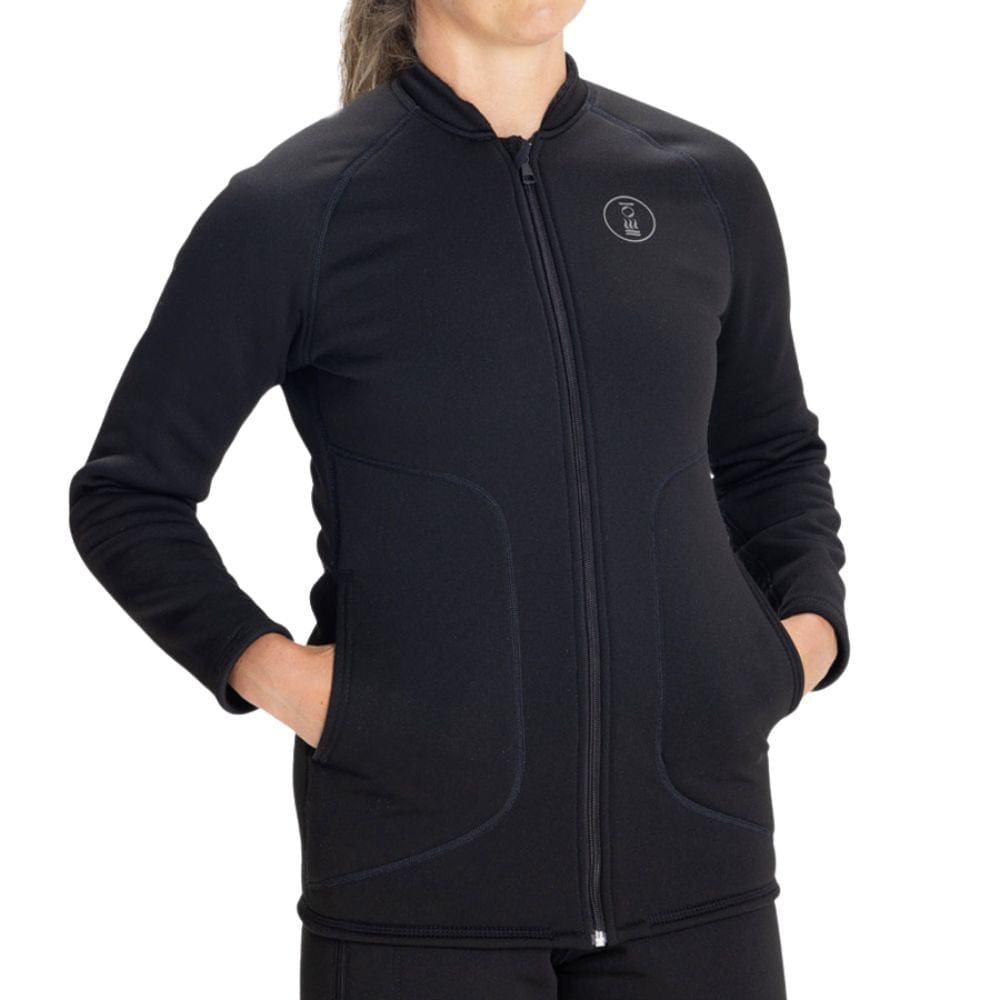
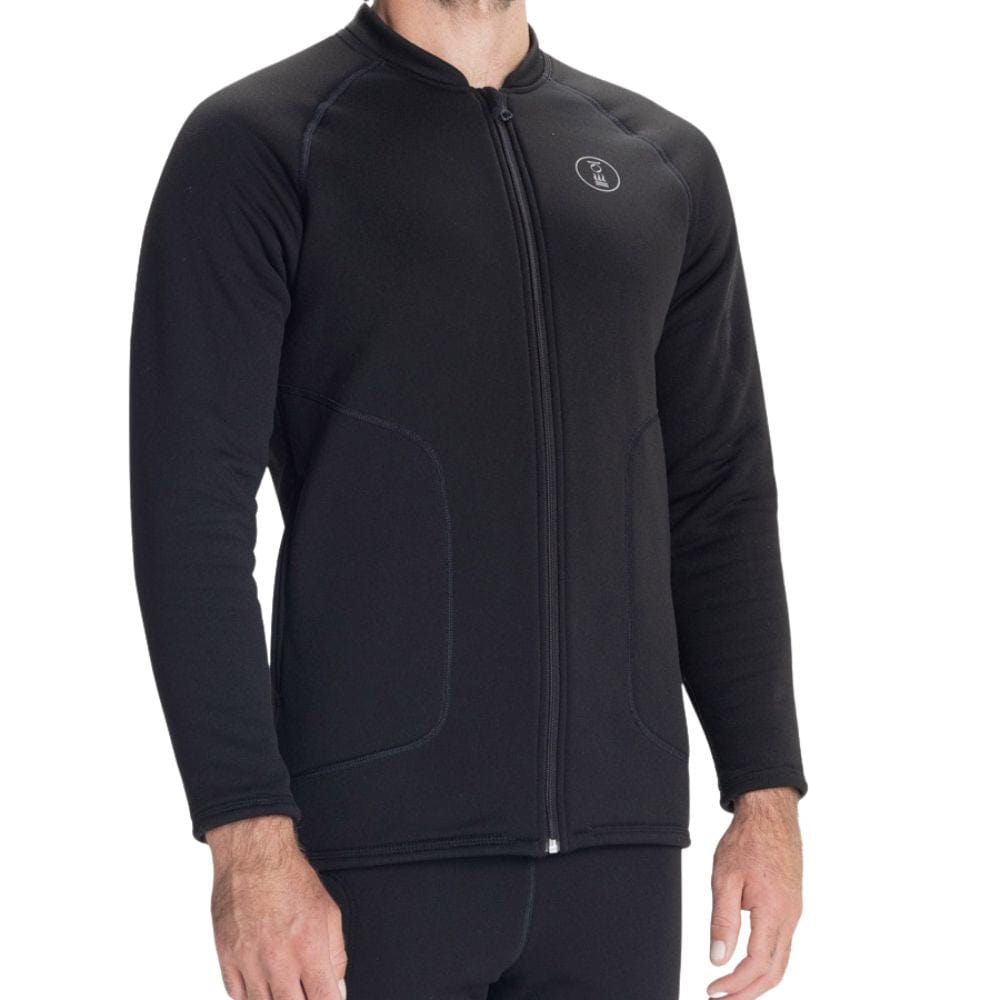
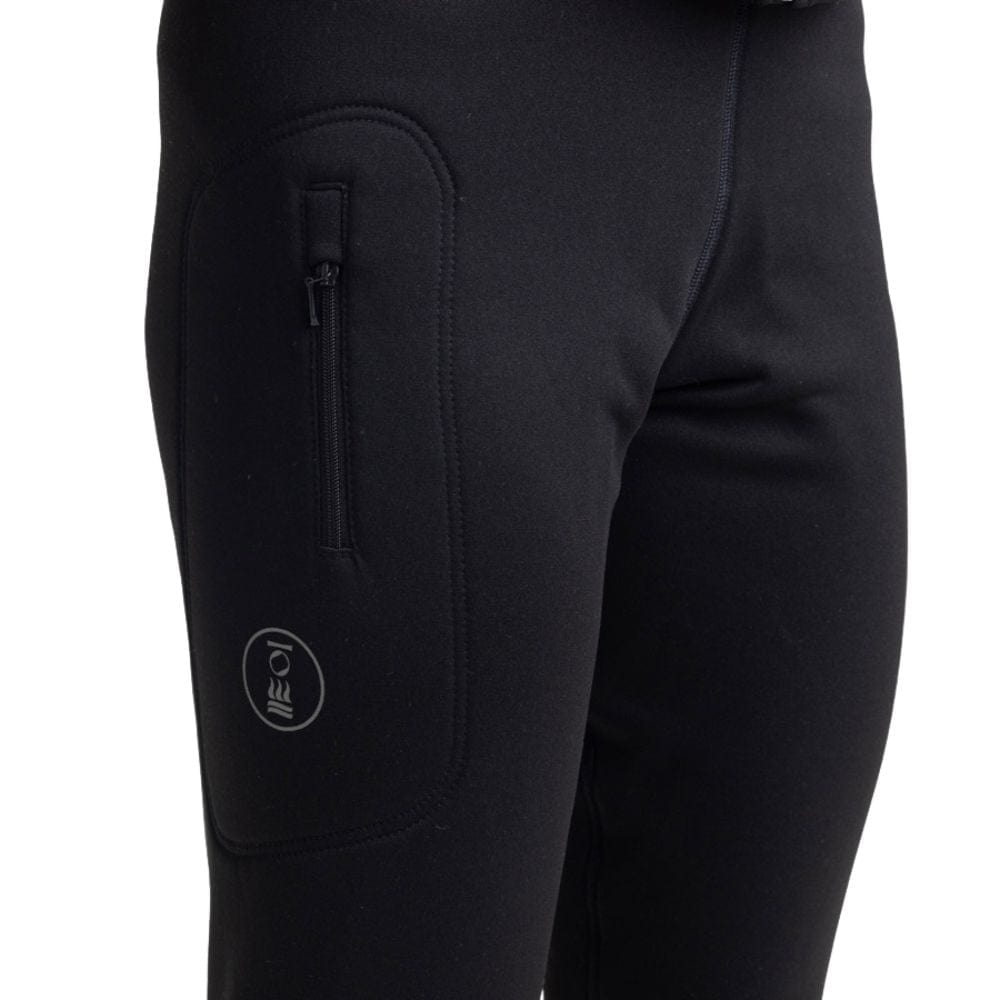
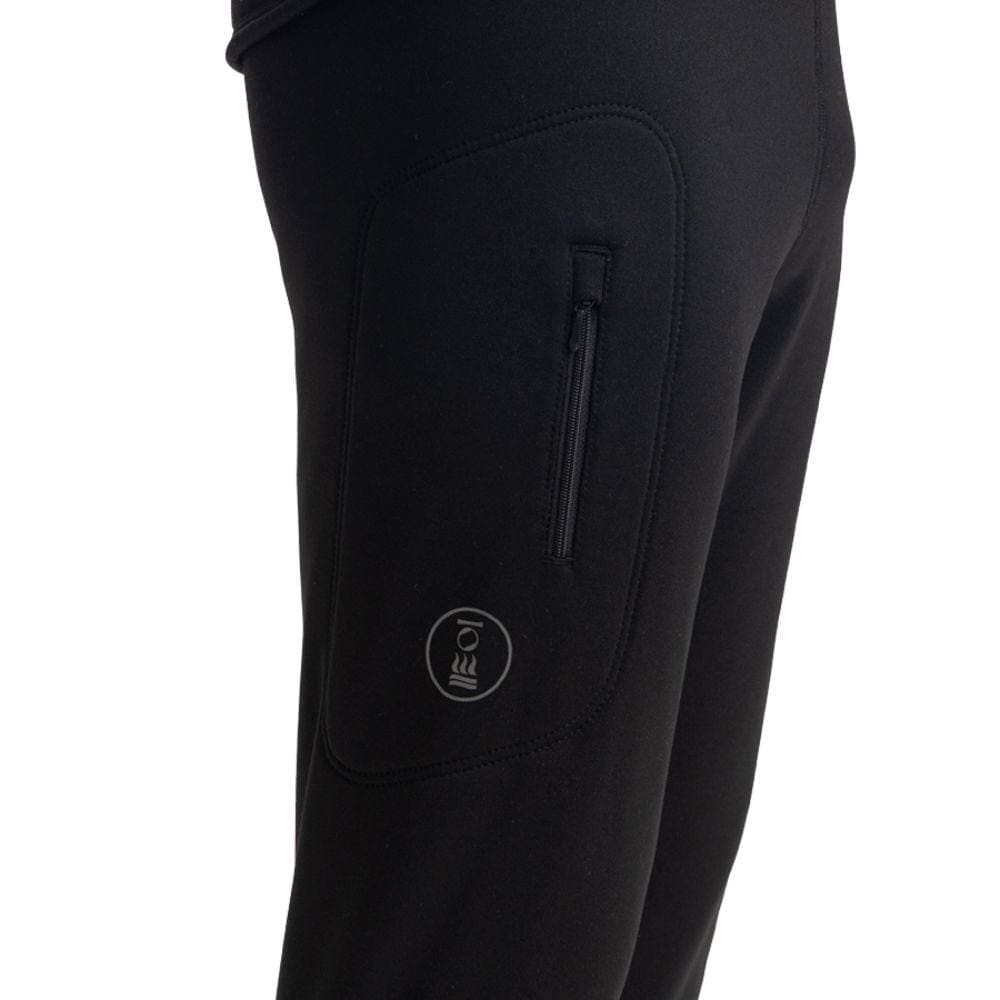
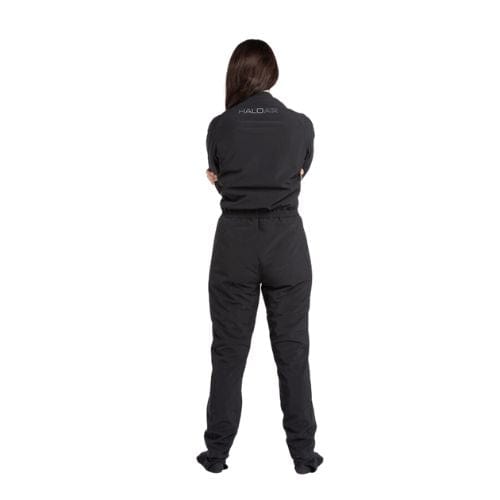
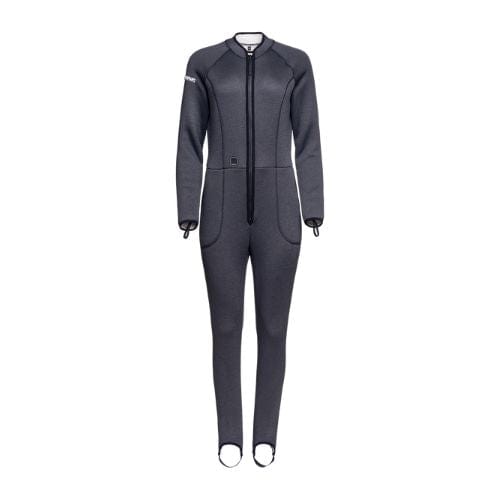
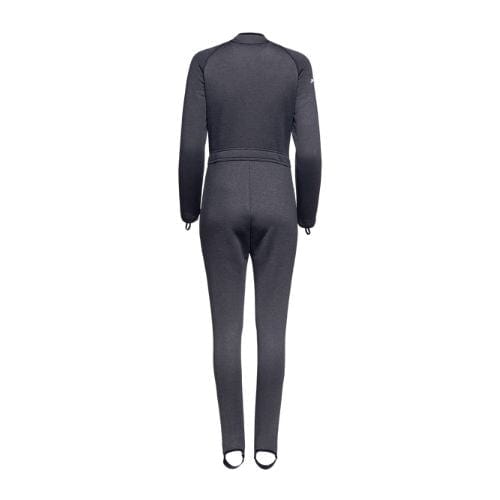
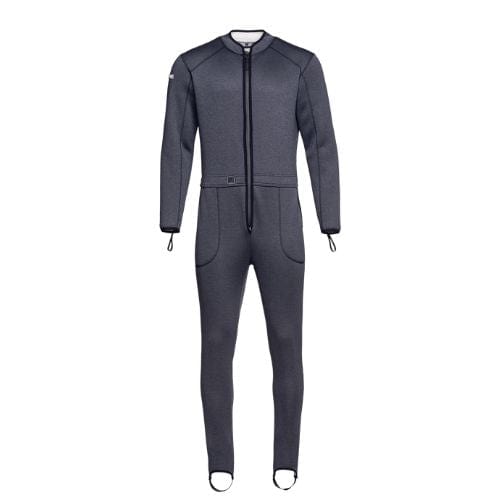
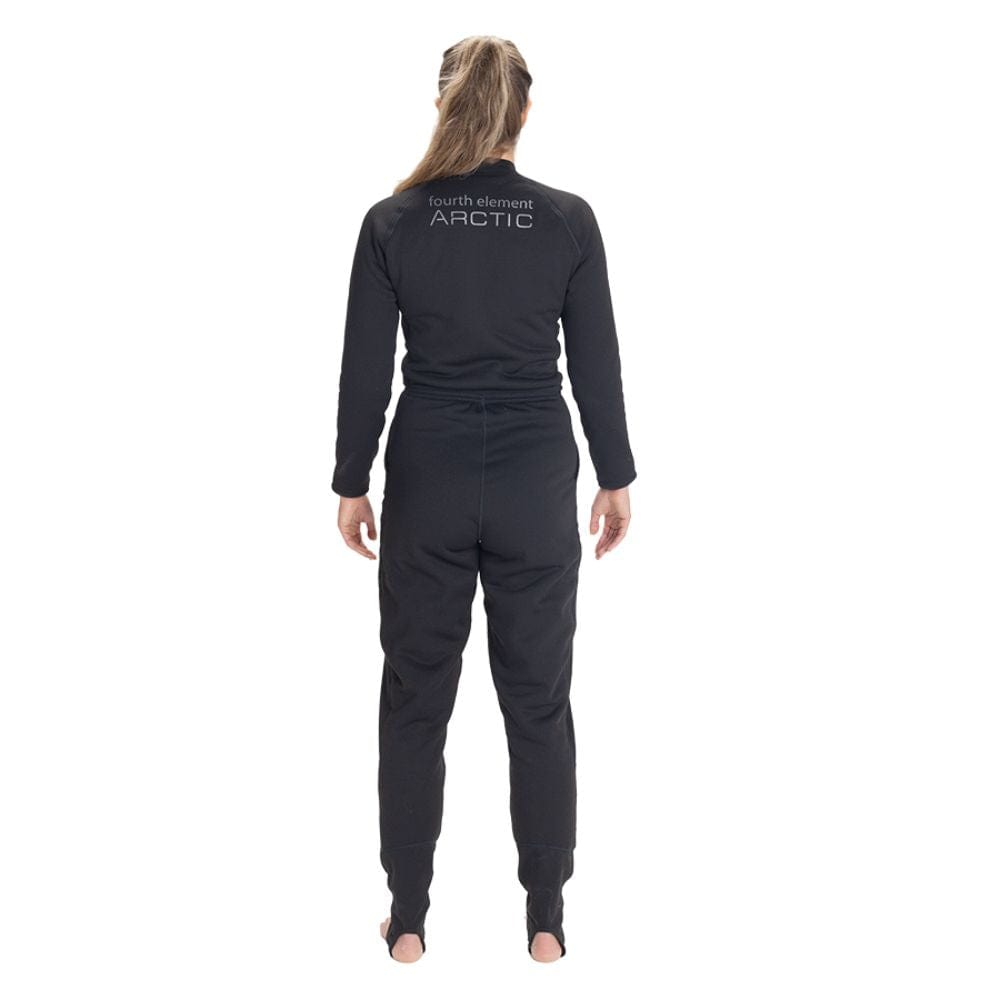
Drysuit Undersuits

Everything you wear inside your drysuit, in one place: full undersuits from Fourth Element, Santi and Avatar, plus the Xerotherm and J2 baselayers that go underneath them. Two-piece Arctic tops and leggings, one-piece suits cut for men and for women, and Santi's heated options for the long cold ones. We dive British water year-round and stock what we wear ourselves.

  • Expert diving advice
  • UK delivery
  • Multi-award-winning PADI dive centre
  • Secure checkout
29 products
Read the full buying guide

Undersuits and baselayers: what goes where

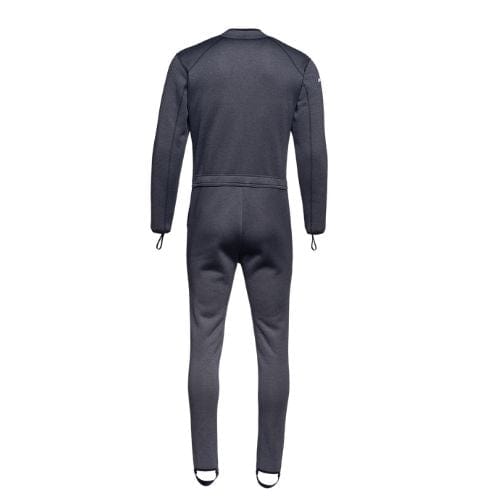
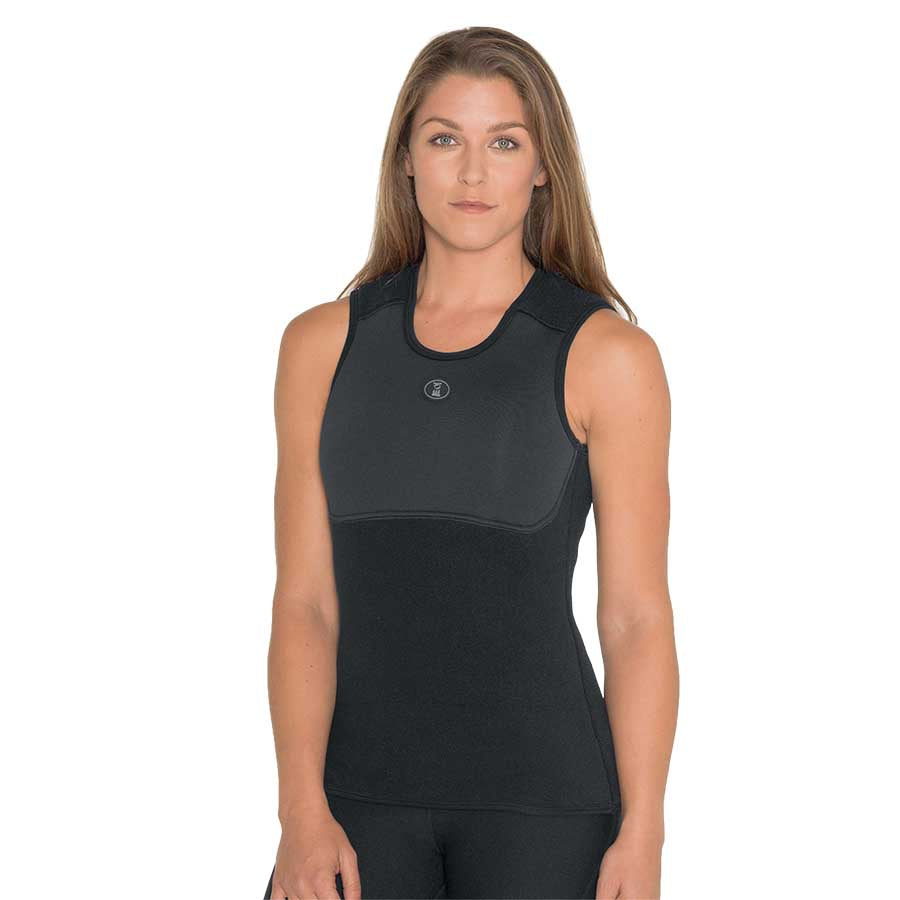
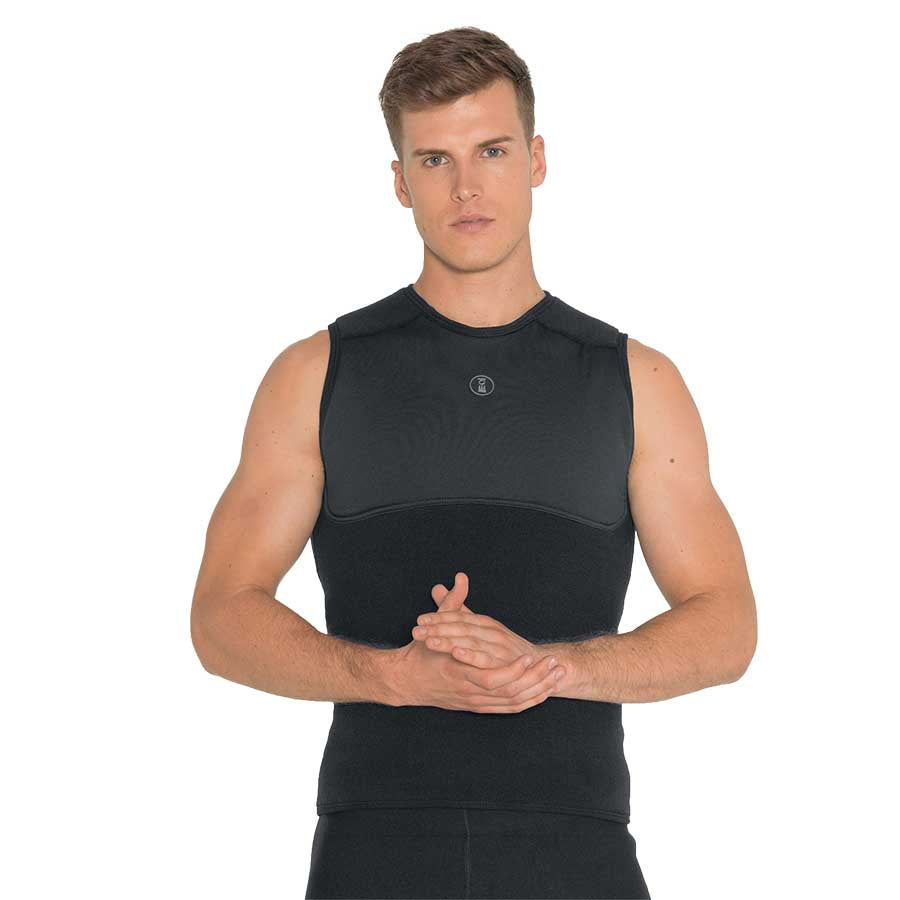
A drysuit keeps the water out. On its own it does very little to keep you warm — that job belongs entirely to what you wear inside it, which is what this collection is for. The undersuits are the bulk insulation: Fourth Element Arctic, the Santi Flex 190 and BZ420X, the Avatar Undersuit 901. The baselayers are the thin layer next to your skin: Fourth Element Xerotherm and J2, plus the X-Core Vest for divers who feel the cold in the core first.

Wear them together. A baselayer that moves sweat away from your skin makes the undersuit above it work far better, because damp insulation is poor insulation.

The ranges we stock

Fourth Element

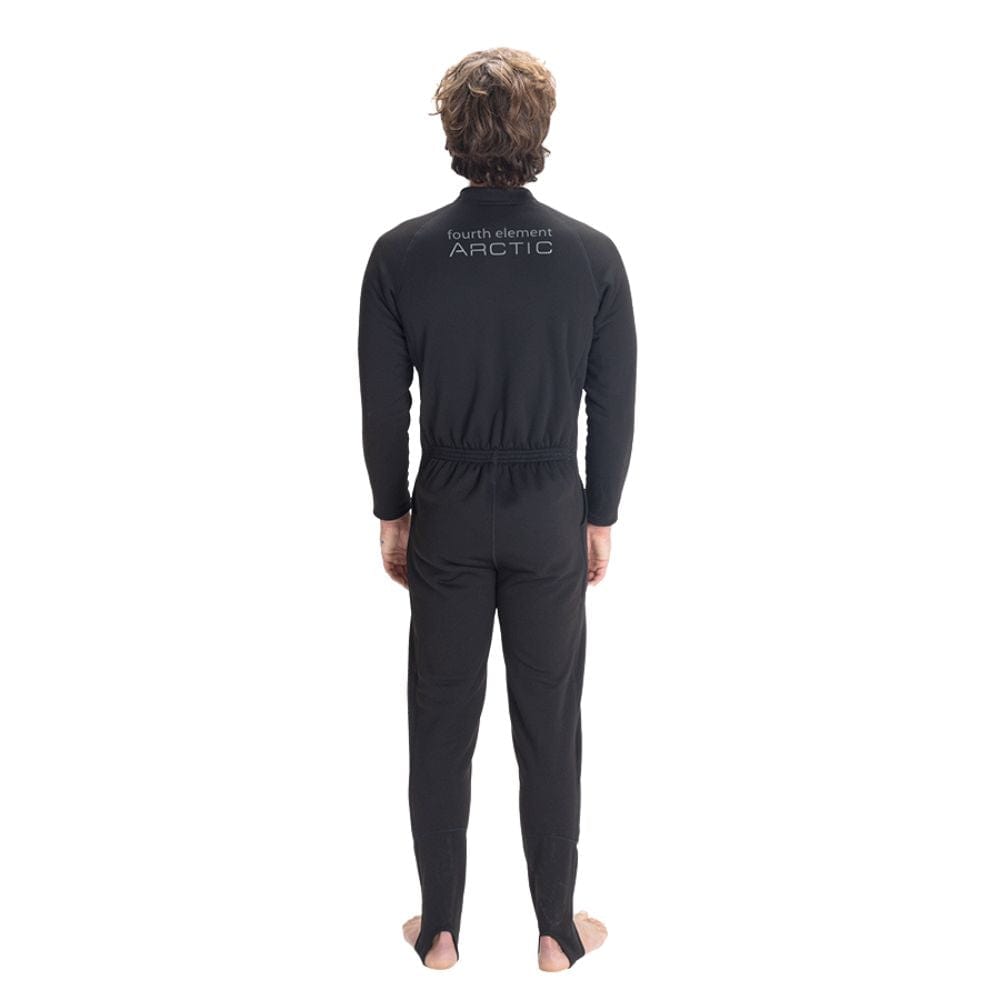
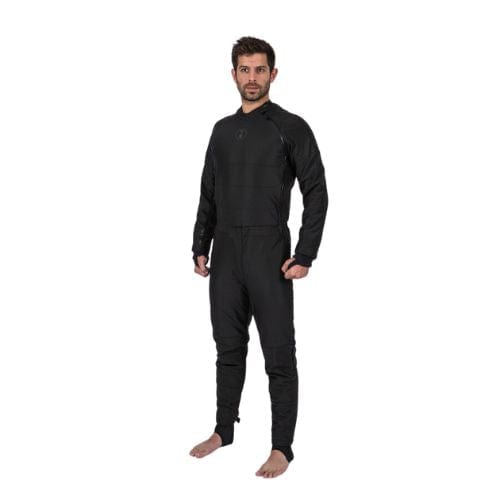
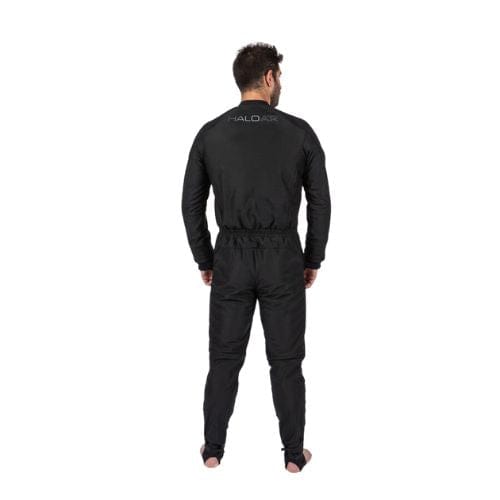
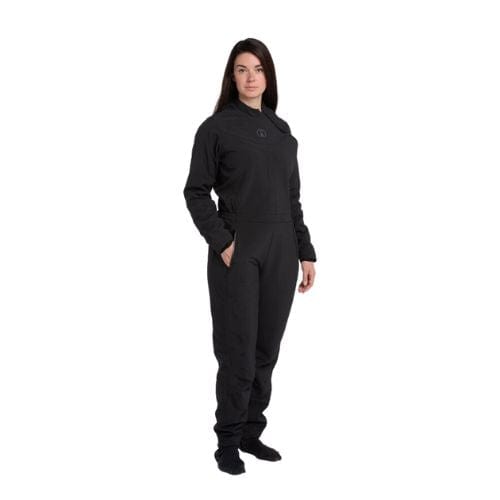
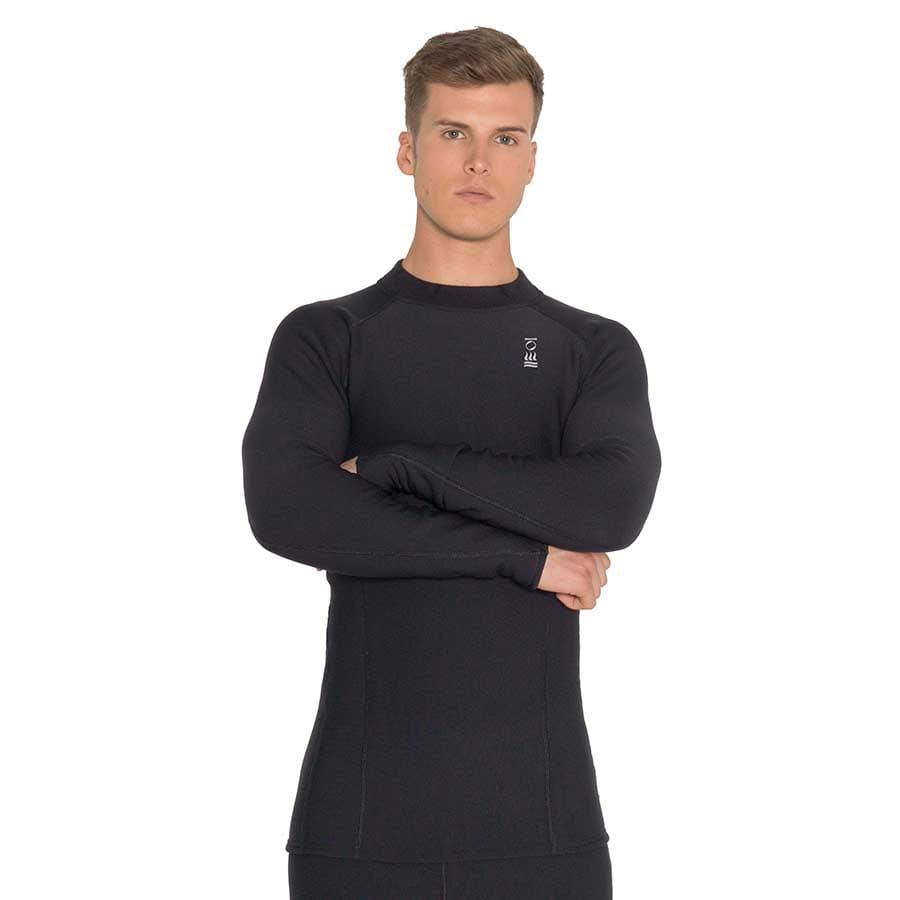
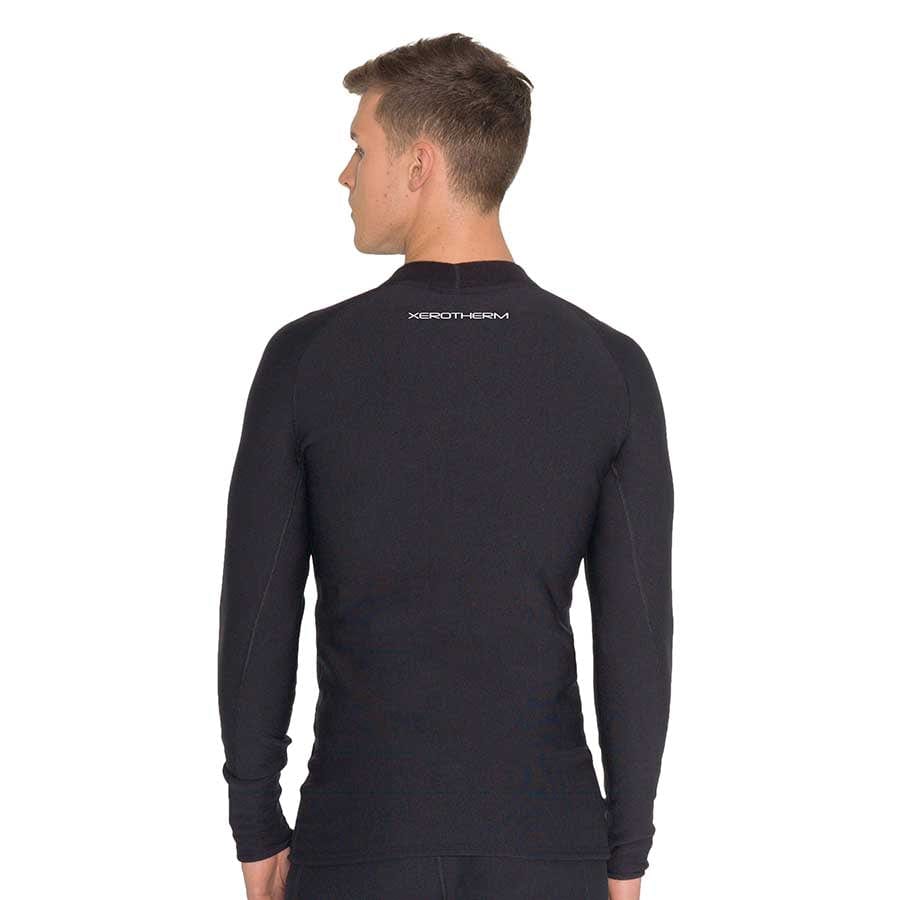
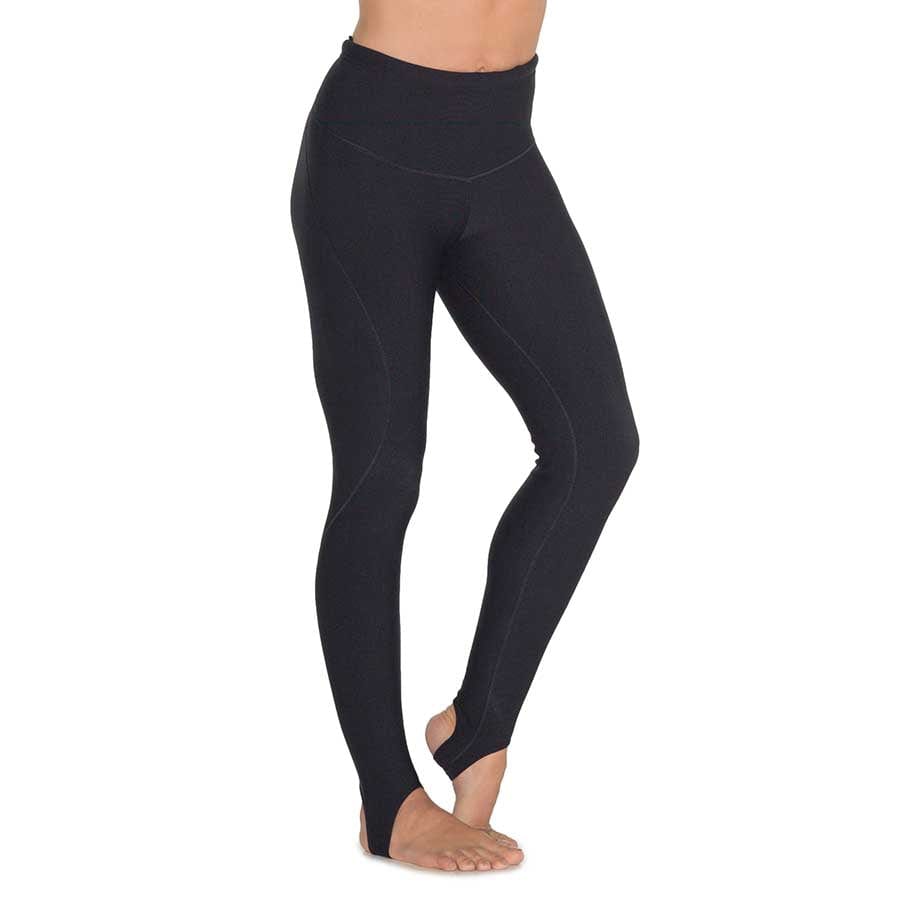
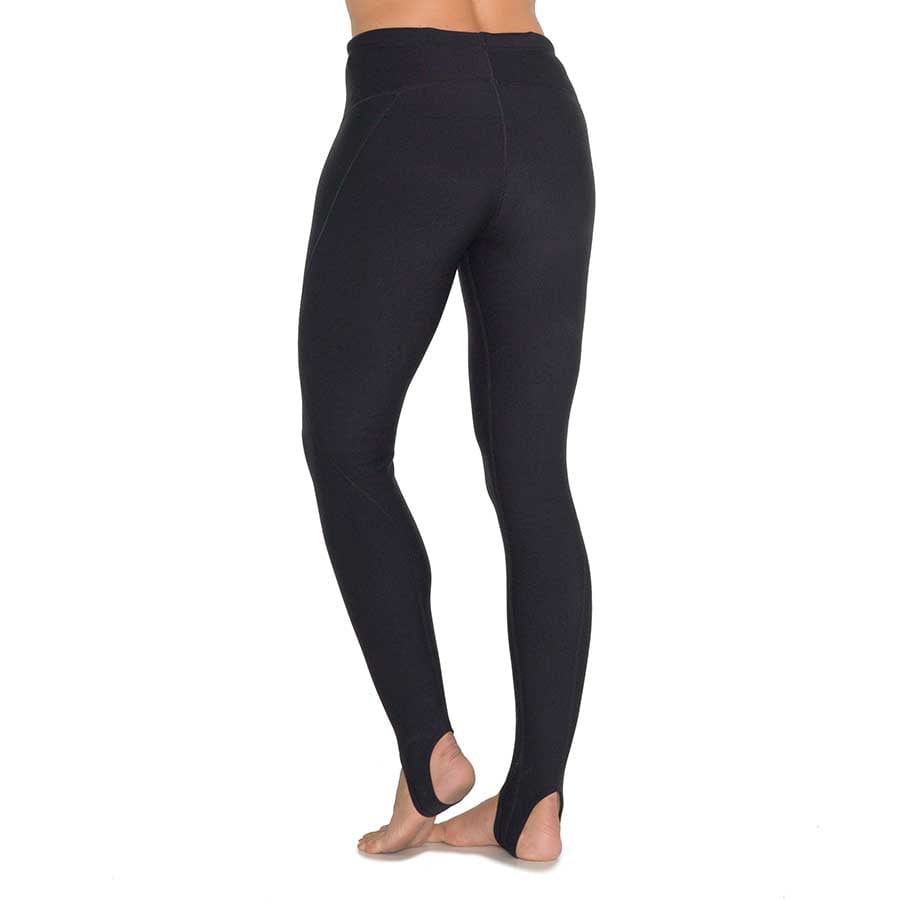
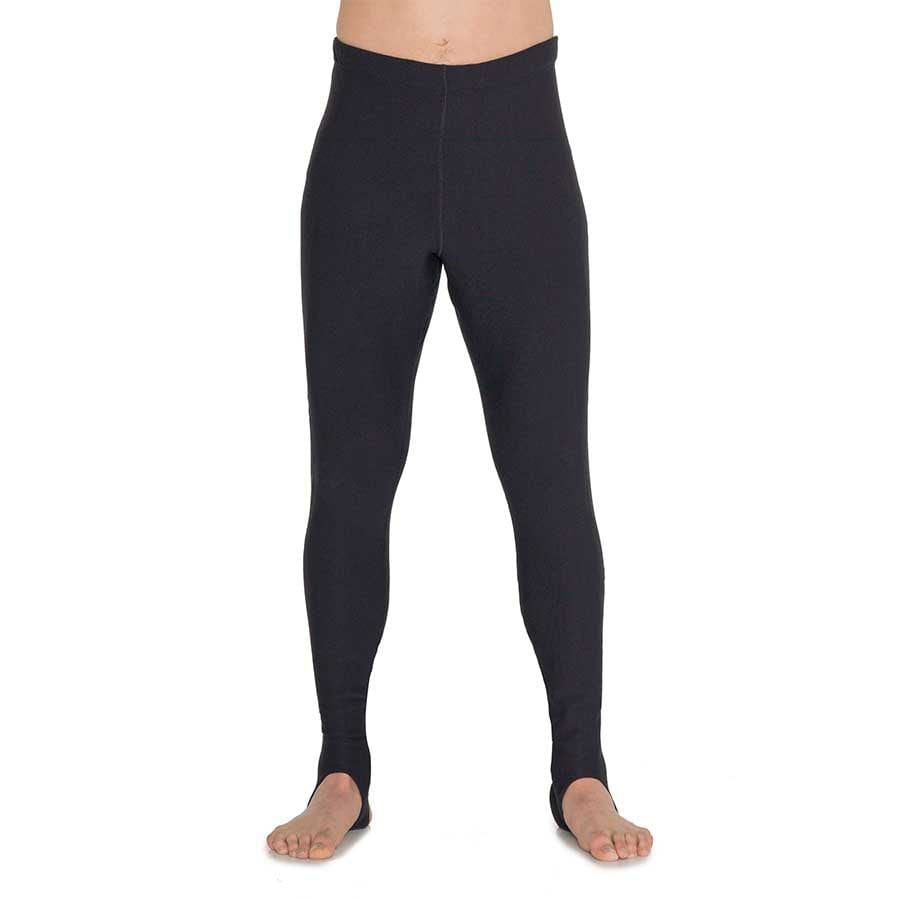
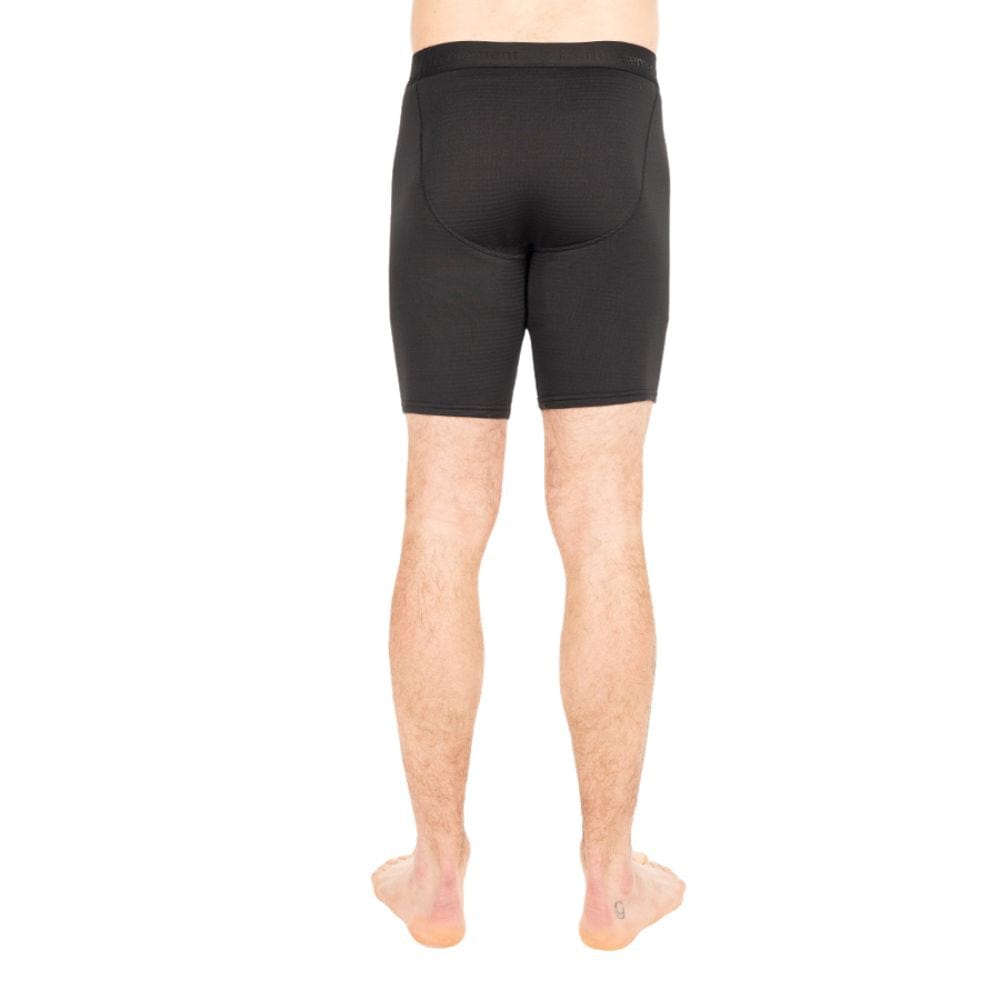
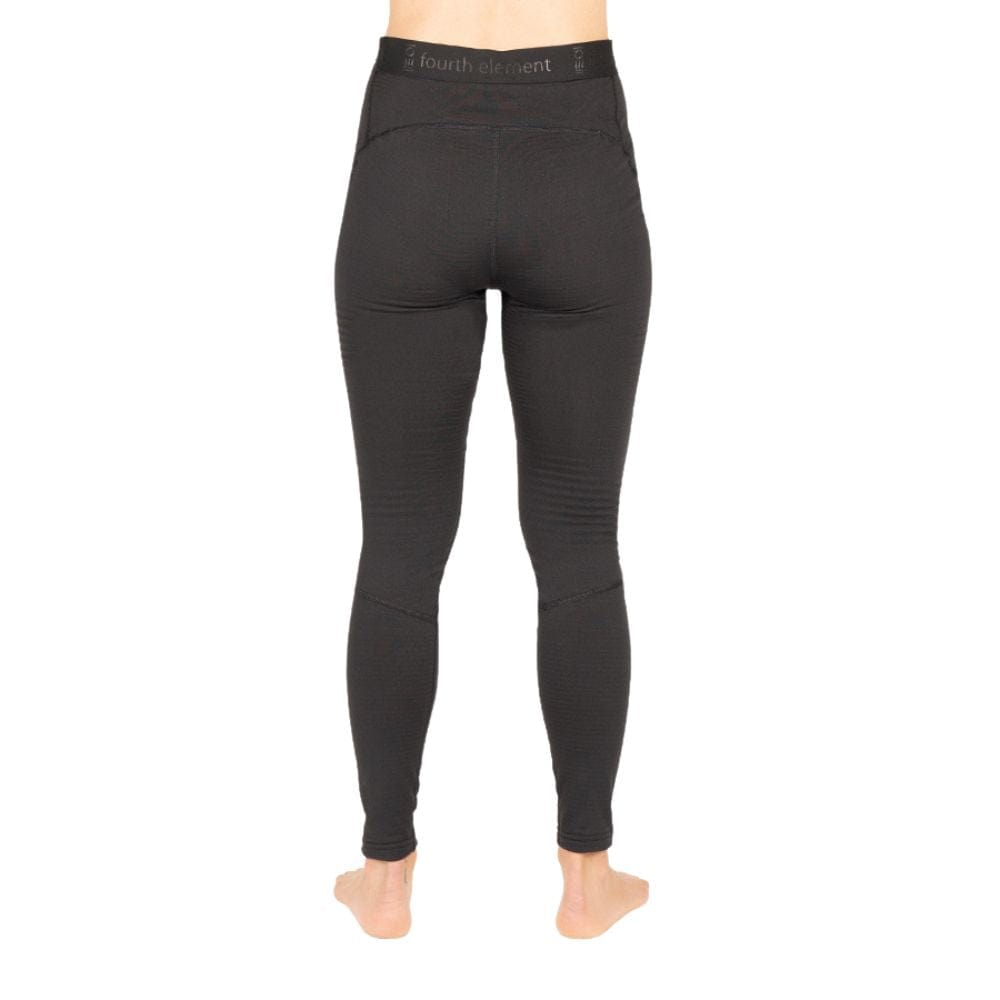
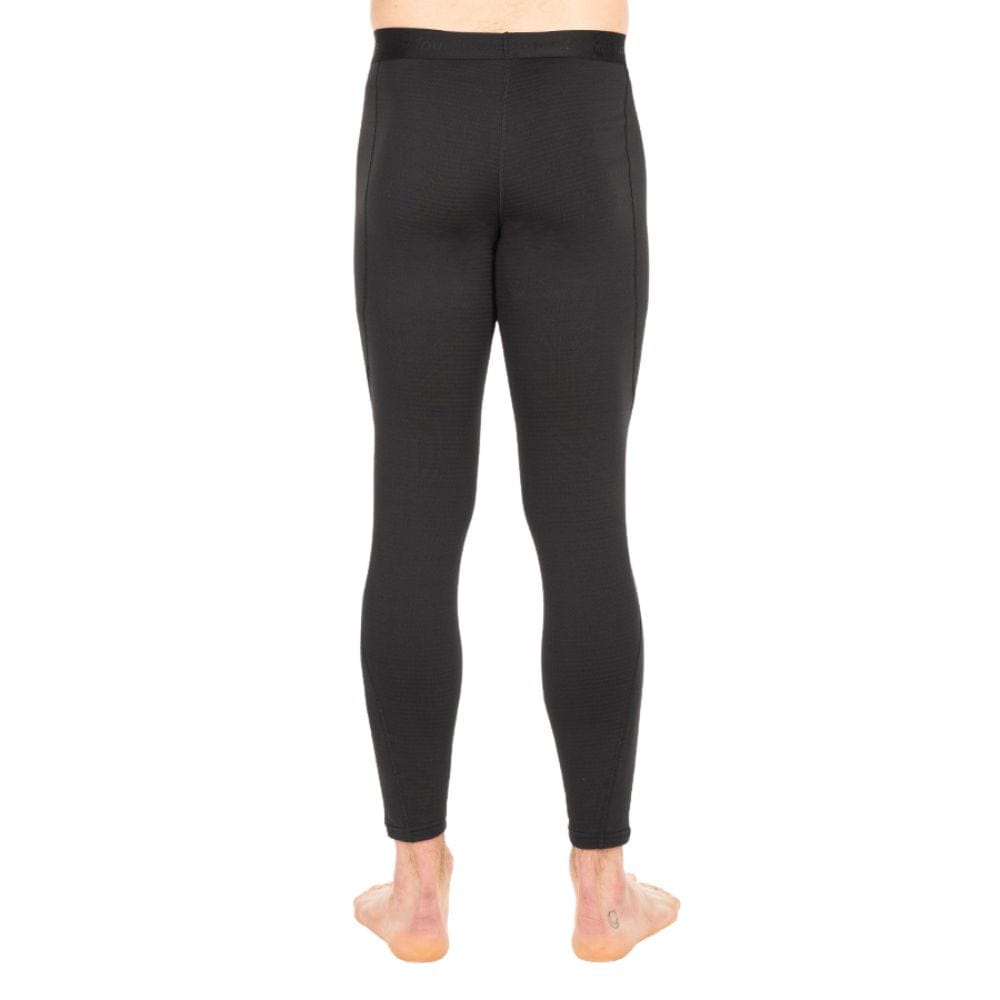
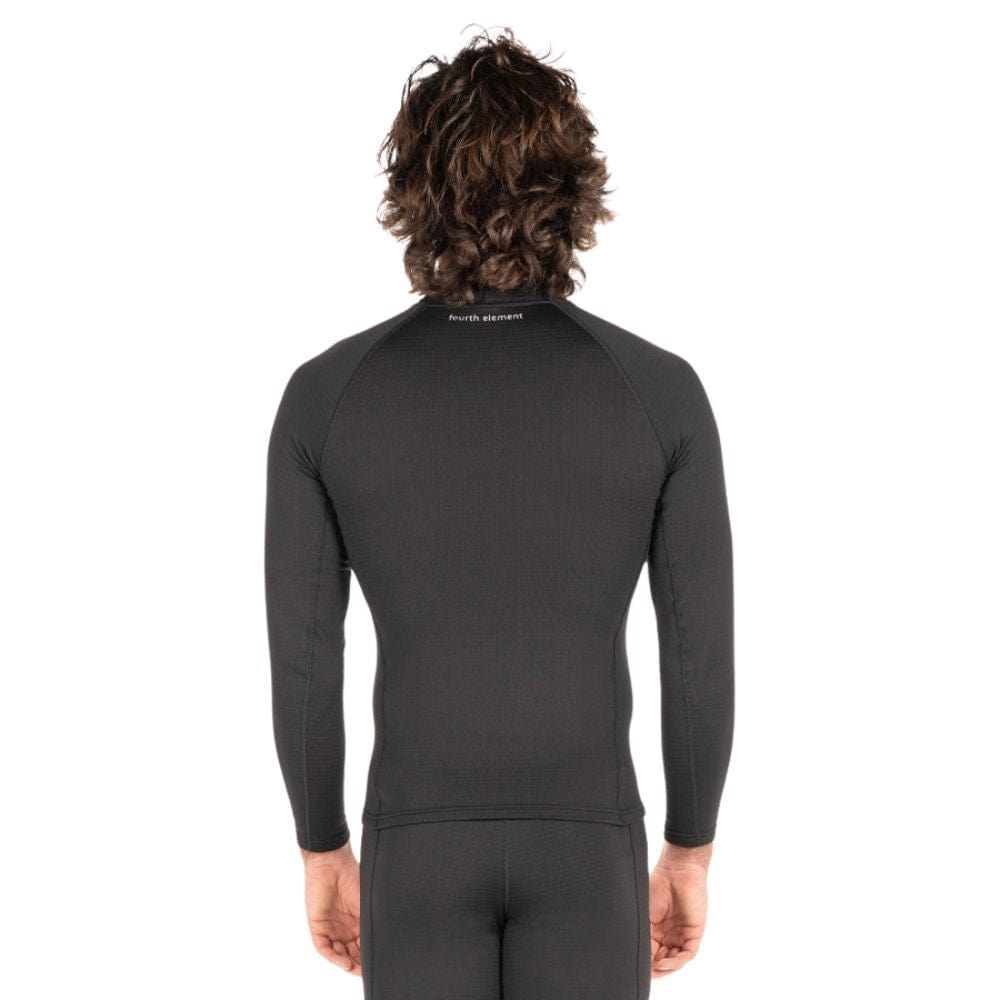
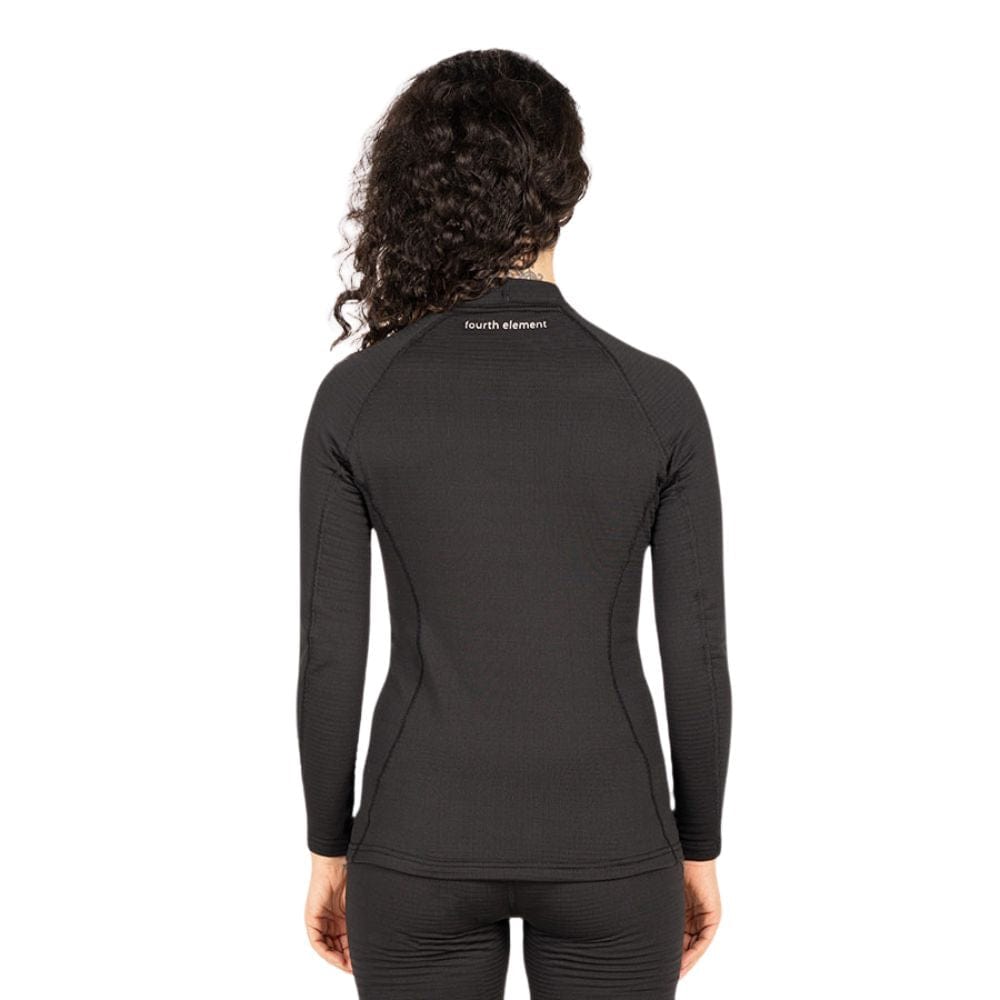
The broadest span here. Arctic is the workhorse, sold as a one piece or as a separate Arctic Top and Arctic Leggings if you would rather vary the layers, in men's and women's cuts. The Halo A°R uses A°RGON aerogel insulation, a technology first developed for space and cryogenics, to get warmth without the usual bulk, and it is cut for horizontal trim with an offset chest zip. Underneath, Xerotherm carries on insulating when it is wet, while J2 is the lighter, faster-wicking baselayer, with long and short sleeve tops, leggings, shorts and a bra top.

Santi

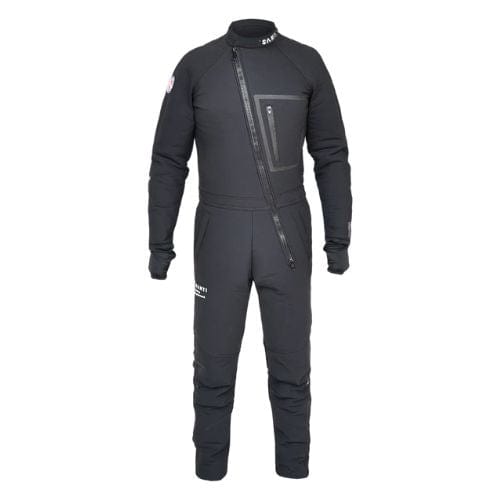
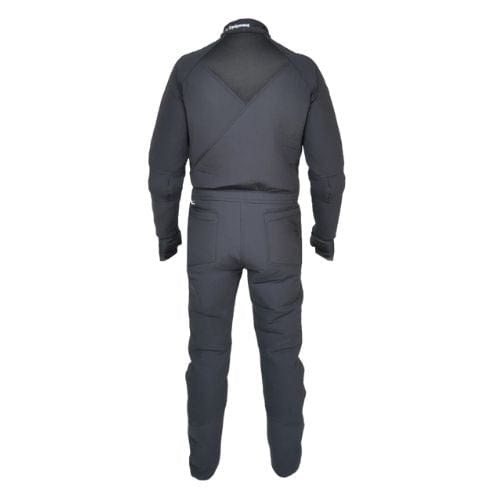
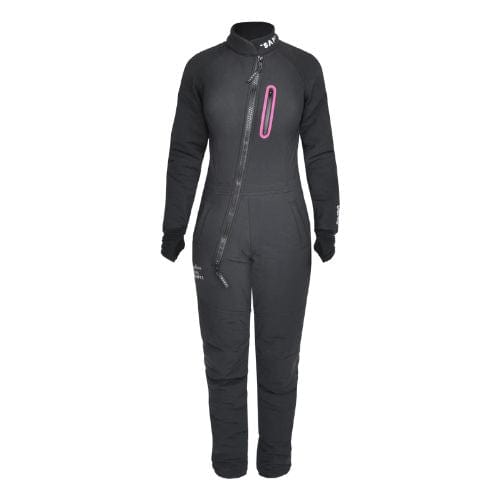
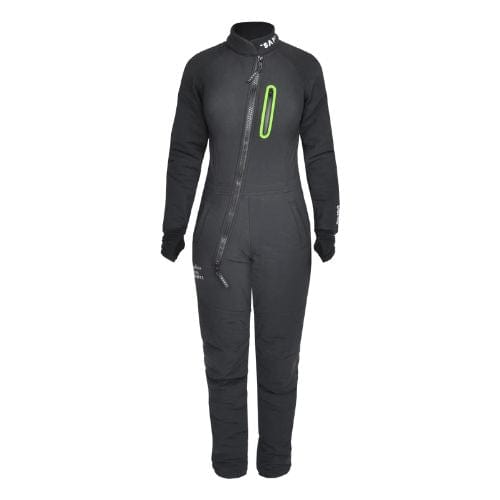
Santi is where most of our cold-water and technical divers end up. The Flex 190 and Flex 2.0 use Climashield Contour insulation with four-way stretch, so the suit moves with you instead of bunching under the drysuit. The BZ420X is the Thinsulate-based suit for genuinely cold, long dives, with reflective tape, rubber thumb loops for dry glove systems and openings for P-valves and a heating feedthrough. The Kango is in the range too, in men's and ladies' cuts. Ladies First versions are cut for women, and Santi will make to measure when nothing standard fits properly.

Avatar

The Avatar Undersuit 901, in men's and lady cuts, is made from SHERPA fleece spun from recycled plastic bottles. It is light, washes and dries easily, and comes with side pockets, laminated cuffs with elastic thumb loops and an opening for a heating cable. A straightforward, well-made suit with nothing wasted on it.

Choosing for the diving you actually do

Warmth without bulk

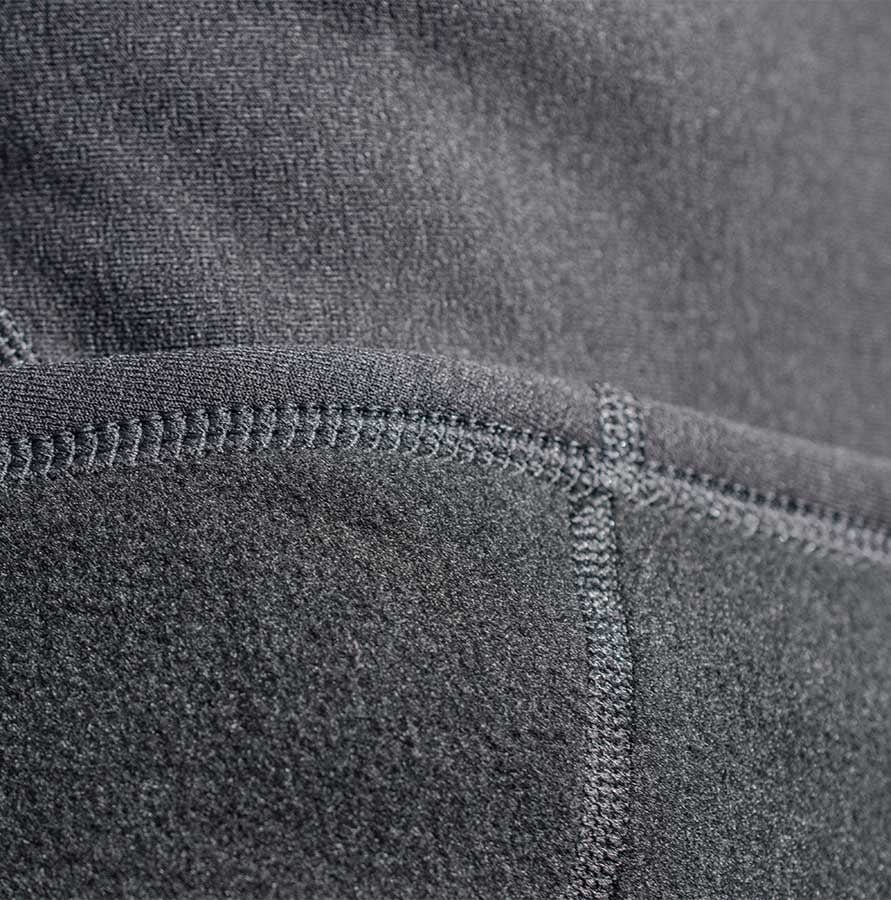
More insulation is not automatically better. Bulk costs you mobility inside the suit, needs more lead on the belt, and adds air you then have to manage. The Halo A°R and the Santi Flex suits are both built around that trade-off, using insulation that resists being squashed so it keeps working at depth rather than making you wear more of it.

When to go heated

The Santi Flex 2.0 Heated undersuit and the Santi Heated vest Flex 2.0 add electric heat for the dives where passive insulation simply runs out — winter, long decompression, repeat dives where you never properly warm up in between. The battery and the drysuit valve are bought separately. Several of the unheated suits here already have an opening for a heating cable, so heat can be a decision you make later rather than one you make now.

Fit, care and getting it right

Try an undersuit on over the baselayer you actually dive in, and with your drysuit if you can. Kneel, reach overhead, find your valves. If it pulls anywhere on land it will pull harder at depth. Thumb loops at the cuffs and wide elastic at the ankles stop the suit dragging up as you climb into the drysuit — a small detail that matters a great deal on a cold shore entry.

Nearly everything here is machine washable, and washing it properly is not optional. Undersuits insulate by holding air in the fibres, and salt, grit and body oils clog those fibres over a season. Rinse your baselayers after every trip, wash the undersuit to the label at the end of the season, and dry it fully before it goes into storage.

If you would rather try before you buy, come into the shop. We dive this kit in British water year-round, and we would far sooner get you into the suit that fits your diving than the warmest one on the rail.

Frequently asked questions

What is the difference between an undersuit and a baselayer?

An undersuit is the main insulating garment you wear inside your drysuit — the Fourth Element Arctic range, the Santi Flex 190, the Avatar Undersuit 901. A baselayer is the thin layer that goes next to your skin underneath it, such as Fourth Element Xerotherm or J2. The baselayer moves sweat away from your skin; the undersuit does the insulating. Most people diving British water wear both, and you will find both in this collection.

Which drysuit undersuit brands does Oyster Diving stock?

Three: Fourth Element, Santi and Avatar. Fourth Element spans the widest range here, from the Xerotherm and J2 baselayers and the X-Core Vest through to the Arctic undersuits and the Halo A°R. Santi covers the technical and cold-water end with the Flex 190, the Kango, the BZ420X, the Ladies First suits and the Flex 2.0 heated undersuit. Avatar sits alongside them with the Undersuit 901, made from SHERPA fleece spun from recycled plastic bottles.

Should I buy a one-piece undersuit or a two-piece?

Both work, and the choice is mostly about how varied your diving is. A one piece — the Fourth Element Arctic One Piece, or any of the Santi suits — has no gap at the waist and is quicker to get into. A two piece, such as the Arctic Top with matching Arctic Leggings, lets you dress for the day: leggings and a baselayer when it is mild, both halves when it is not. You can also wash and dry the two parts separately, which matters if you are diving on consecutive days.

How should a drysuit undersuit fit?

Snug, but never tight. Try it over the baselayer you actually dive in, then kneel, reach overhead and find your valves — if the suit pulls anywhere, size up. Thumb loops at the cuffs and wide elastic ankle bands, which you get across the Santi and Avatar suits, stop sleeves and legs riding up as you climb into the drysuit. Women's-specific cuts are made for most of what we stock, including the Fourth Element Arctic and Halo A°R and the Santi Ladies First suits. Santi also offer made-to-measure — ring the shop and we will arrange a fitting.

Do I need a heated undersuit?

Only if passive insulation has stopped being enough — winter diving, long decompression, or several dives in a day where you never really warm up in between. The Santi Flex 2.0 Heated undersuit and the Santi Heated vest Flex 2.0 both run from a battery, which is bought separately along with the drysuit valve that carries the cable through. Plenty of the suits here are heat-ready without being heated: the Santi Flex 190, the BZ420X and the Avatar Undersuit 901 all have an opening for a heating cable. If you are undecided, start passive and add heat later.