Diving Hoods

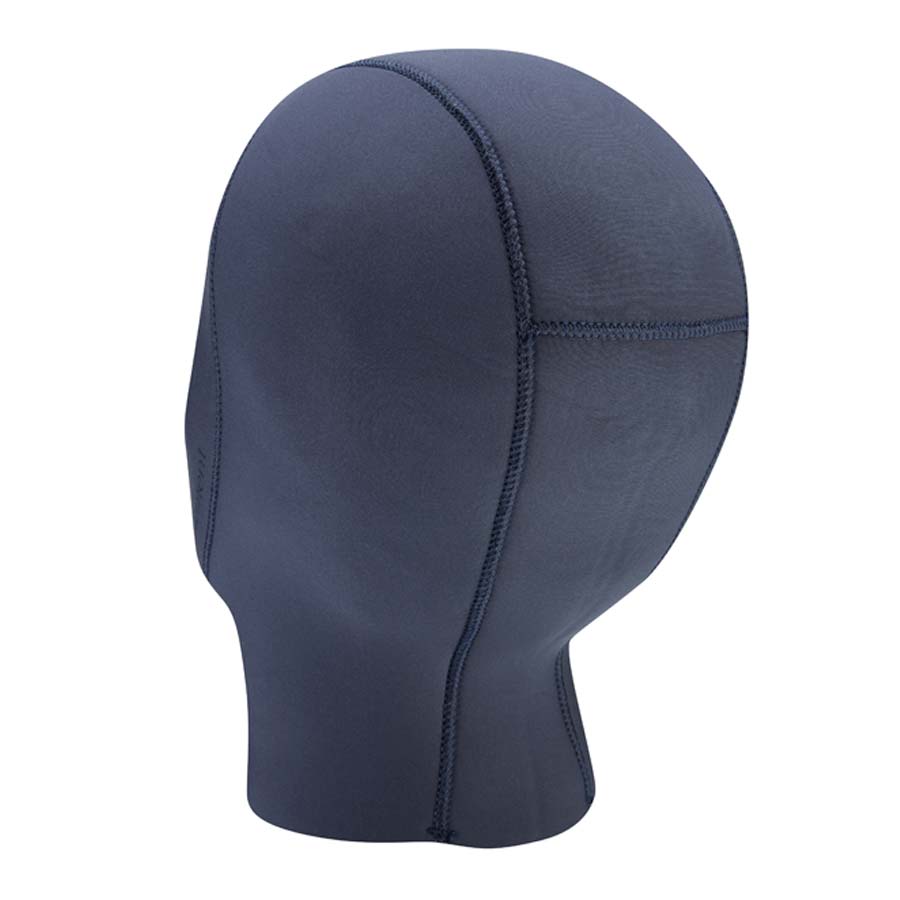
You lose a lot of heat through your head and neck, which is why a hood is usually the first thing divers add when the water turns cold. This range covers thin surface hoods for warm water, mid-weight bibbed and bibless neoprene for UK diving, and 5/10mm Polar hoods for the coldest work. Brands stocked are Waterproof, Fourth Element, Beuchat, Santi, Bare and Sharkskin. Oyster Diving is a UK dive school as well as a shop, so this kit gets used in the water it is sold for.

  • Expert diving advice
  • UK delivery
  • Multi-award-winning PADI dive centre
  • Secure checkout
23 products
Read the full buying guide

What's in this range

Waterproof makes up the bulk of the hoods here, in two families. The H1 is the long-standing line: a 2mm Ice Hood at one end, 3/5mm and 5/7mm bibbed and bibless versions through the middle, and 5/10mm Polar hoods at the top. The H2 is the newer line and covers similar ground in 3/5mm and 5/7mm, bibbed and bibless, plus a Polar Evoluted version.

Warm water and surface use

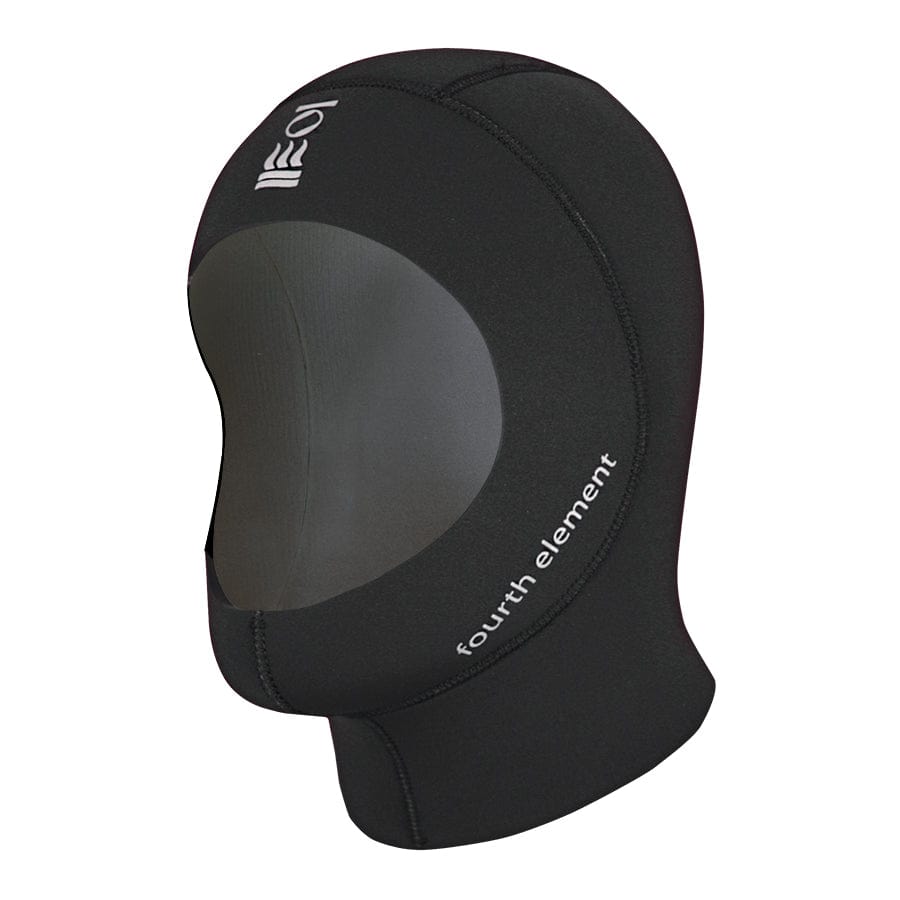
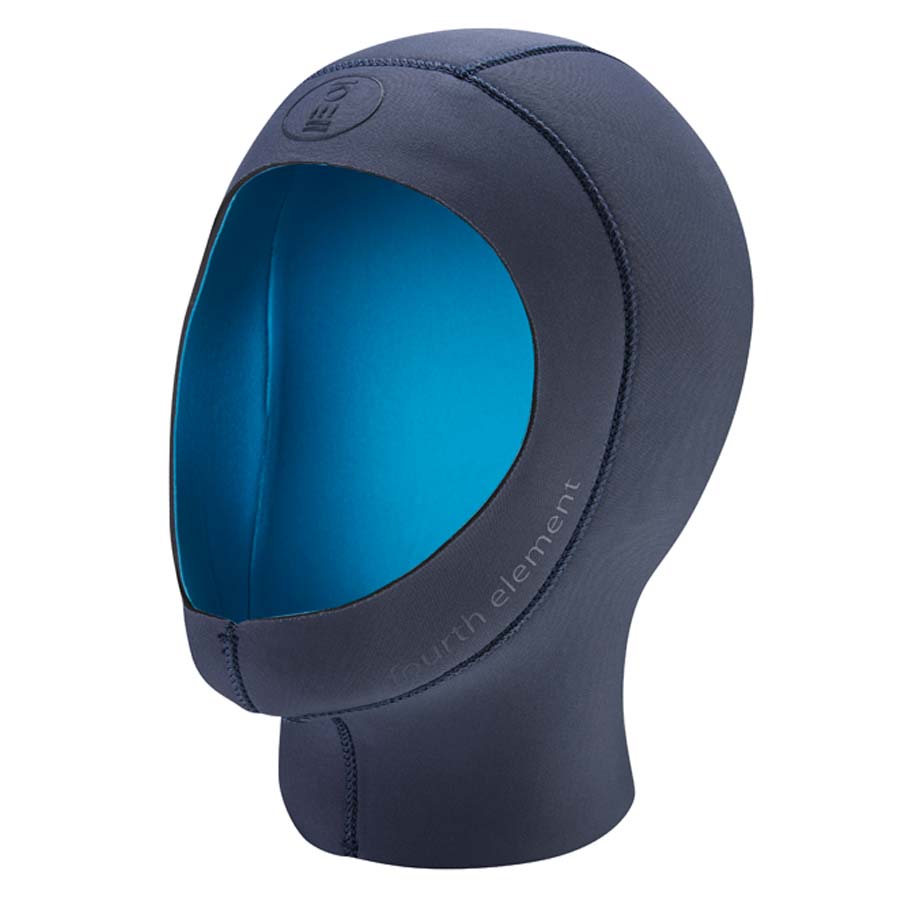
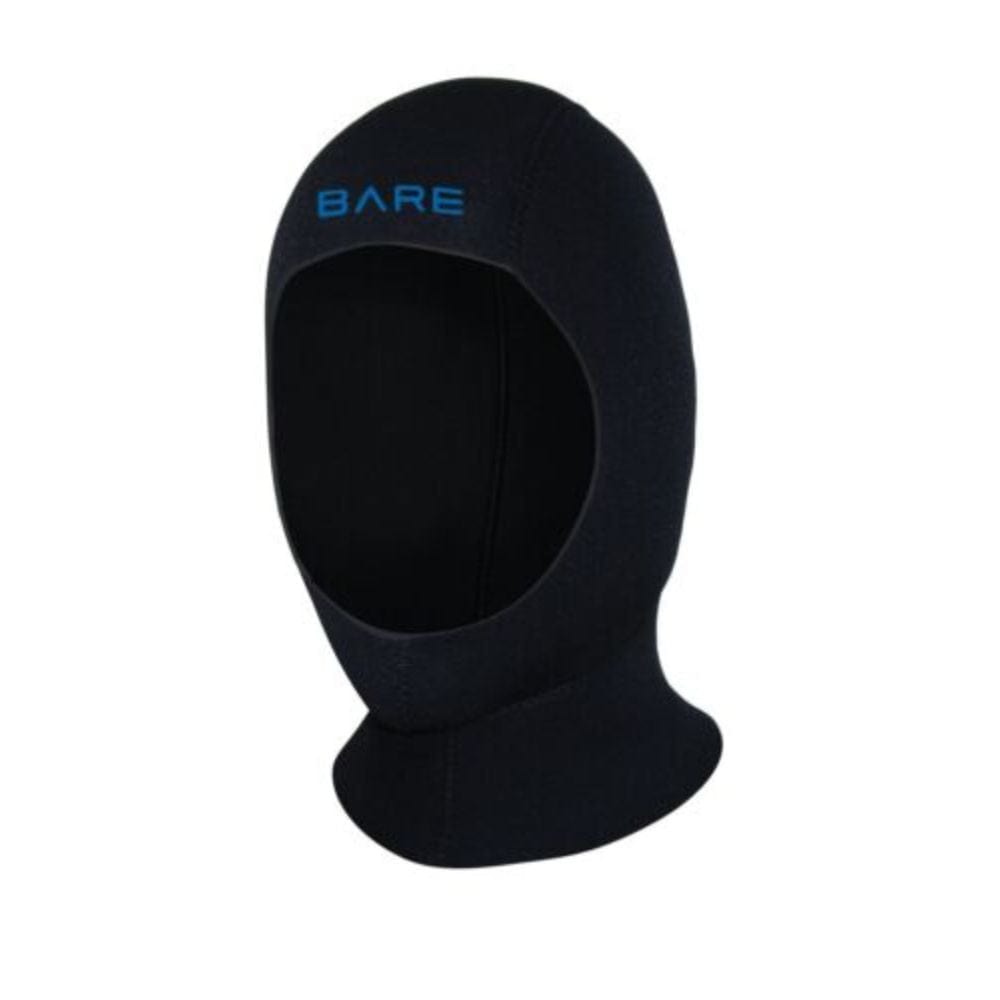
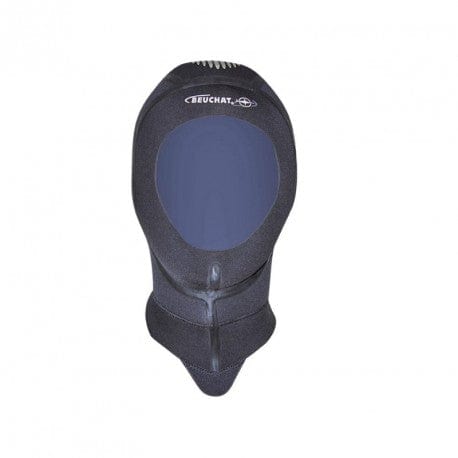
Not every dive needs thick neoprene. The Waterproof H30 2mm, the Fourth Element Surface Hood 3mm and the Bare 3mm Neo Hood are thin enough to wear on the surface or under a warm-water suit without feeling like a helmet. Beuchat sits a step up, with the Cagoule Standard Hood 5mm and the Semi-Dry X-Trem Hood.

Fabric hoods instead of neoprene

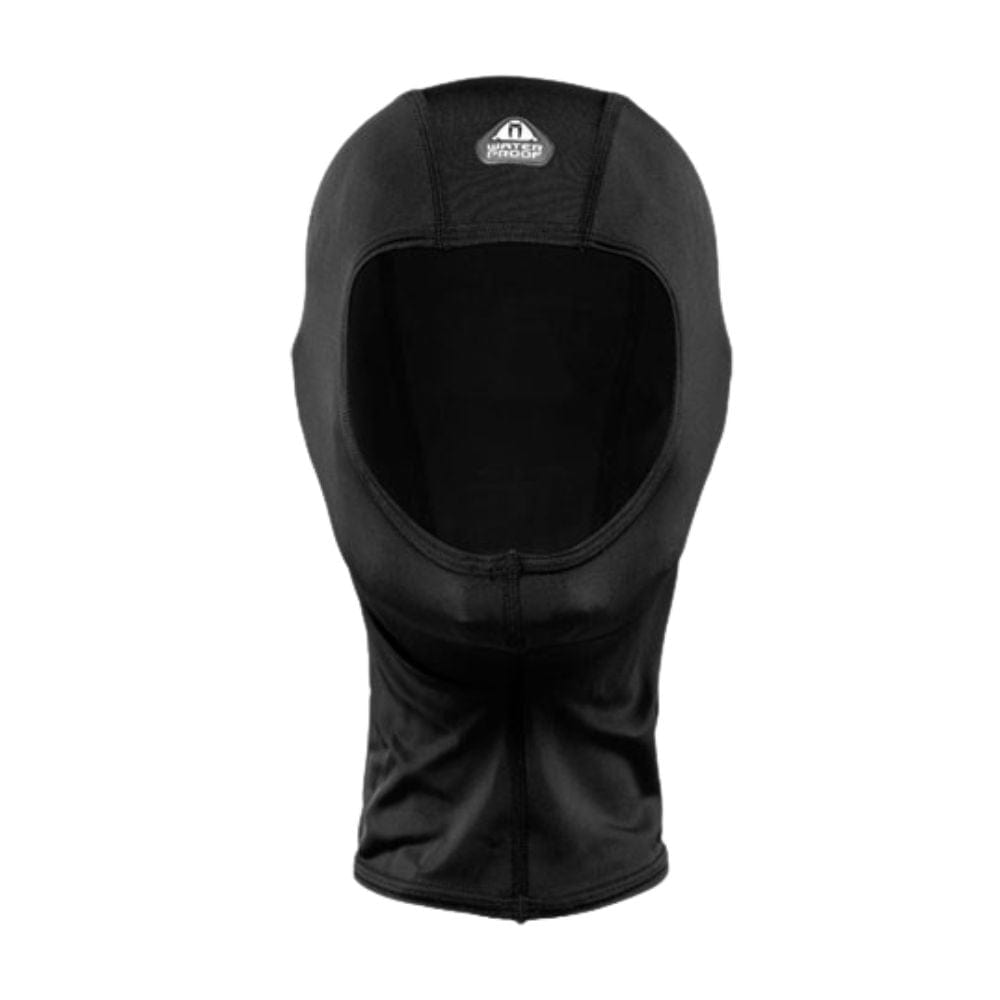
The Fourth Element Thermocline Hood and the Sharkskin Chillproof Hood use fabric-based thermal materials rather than neoprene. They pull on more easily than thick neoprene, pack down smaller for travel, and layer under a drysuit hood without adding much bulk.

Drysuit divers

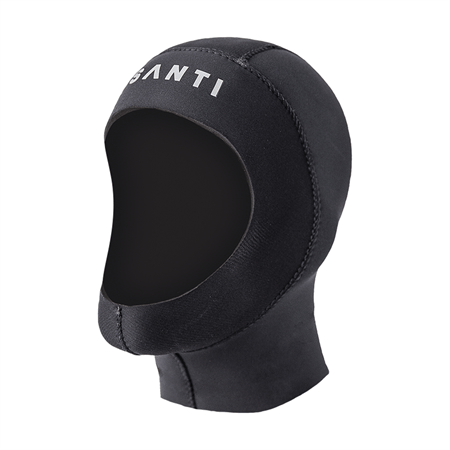
Santi is a drysuit brand, and the Santi Hood is here for divers already working in that system rather than as a general-purpose wetsuit hood.

Bibbed, bibless and high visibility

A bib is a skirt of neoprene that extends over the shoulders and chest and tucks inside your suit. It cuts down the cold water washing in and out at the neck, which is the main route by which a hood loses you warmth. For UK water that is usually the version you want.

A bibless hood finishes at the neck. It is faster on and off, less bulky in a kit bag, and more comfortable in warm water where flushing matters less. Because Waterproof sell the H1 and H2 in both cuts, picking one over the other does not force you into a different brand or thickness.

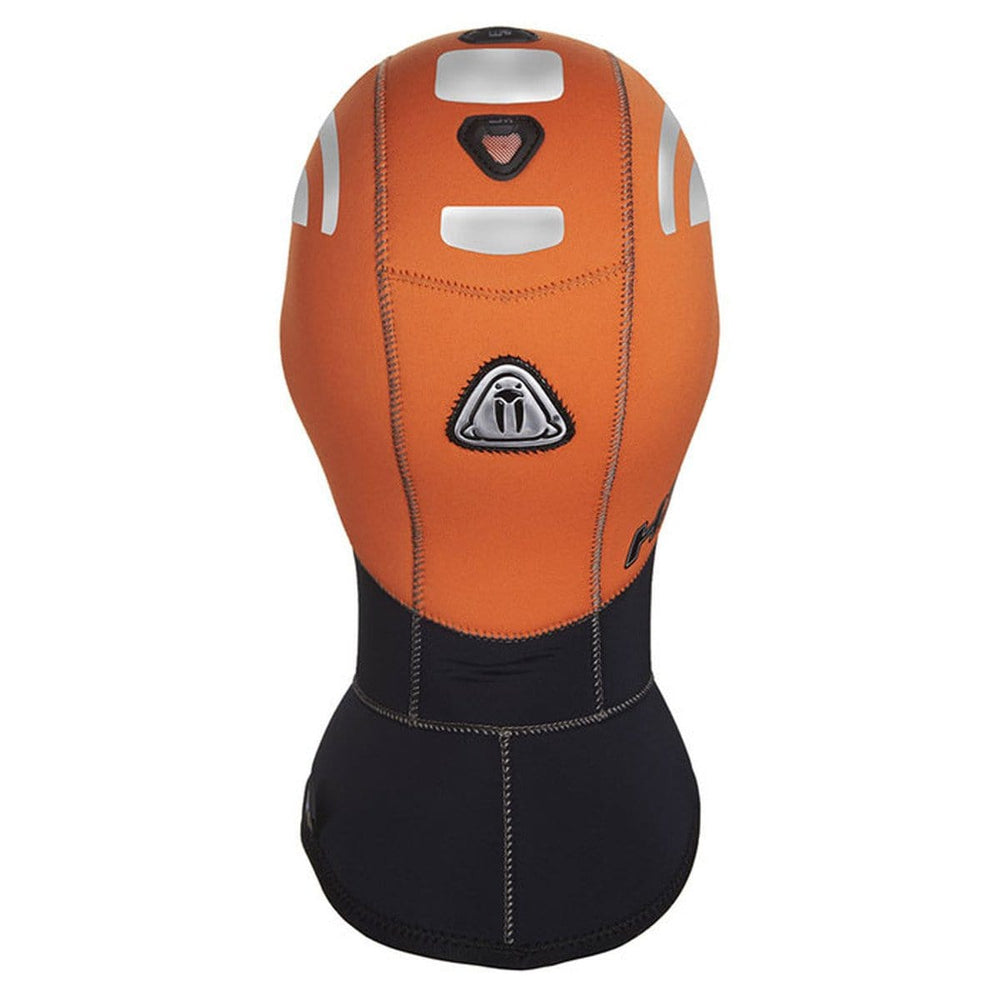
Several hoods come in high-visibility versions, including the H1 High Visibility Polar 5/10mm and 5/7mm bibbed hoods and the H2 High Visibility bibbed hoods. Bright panels on the crown make a diver easier to spot from the boat and easier to keep track of when the viz drops.

Matching the hood to your suit

With a wetsuit

A bibbed hood is meant to be tucked under the collar of the suit, not worn over it. Put the hood on first, then pull the suit up over the bib. Done the other way round you leave an open channel straight down your back.

With a drysuit

If your drysuit has an attached hood you may not need a separate one at all. If it has a neck seal and a loose hood, you want something that sits over the seal without pressing on it, and a thinner hood or one of the fabric options usually does that better than thick bibbed neoprene.

Fit, sizing and care

Buy snug. Water trapped in a gap around the ears or under the chin keeps circulating and keeps taking heat with it, so a hood that feels slightly firm when new is normally the right one. You should still be able to swallow and turn your head without effort.

Two habits worth keeping. Air can collect under the crown of a hood as you descend, so tilt your head to one side to let it out. And check the hood edge is clear of your mask skirt before you go down: neoprene trapped under the skirt is one of the most common causes of a leaking mask, and it is entirely avoidable.

Rinse hoods in fresh water after every dive and dry them inside out, out of direct sunlight. Neoprene left salty and folded away wet is what ends up cracked at the seams.

Frequently asked questions

Which diving hood brands does Oyster Diving stock?

Waterproof, Fourth Element, Beuchat, Santi, Bare and Sharkskin. Waterproof accounts for the largest part of the range, with the H1 and H2 families in bibbed and bibless cuts and several high-visibility versions. Fourth Element covers both neoprene hoods and the Thermocline. Beuchat and Bare sit at the warmer-water end, Santi comes from the drysuit side, and Sharkskin brings the Chillproof.

Should I choose a bibbed or a bibless hood?

A bibbed hood has a skirt of neoprene that extends over the shoulders and tucks inside your suit, so less cold water washes in and out at the neck. That is usually what you want for UK diving. A bibless hood finishes at the neck: quicker on and off, less bulky in a bag, and more comfortable in warm water where flushing matters less. Waterproof sell the H1 and H2 in both cuts, so choosing one does not mean changing brand or thickness.

How should a diving hood fit?

Snug, with no loose pockets around the ears, temples or under the chin. Water sitting in a gap keeps moving and keeps taking heat with it. You should still be able to swallow and turn your head comfortably, though, so if the neck feels tight standing on the shore it will not improve in the water. Neoprene gives a little as it is used, so a hood that feels slightly firm when new is usually the right one.

What thickness of hood do I need?

Work back from the water you actually dive rather than picking a number in isolation. The range starts with thin surface and warm-water hoods such as the Waterproof H30 2mm and the Fourth Element Surface Hood 3mm, runs through the 3/5mm and 5/7mm options in the Waterproof H1 and H2 families, and finishes with the 5/10mm Polar hoods for genuinely cold diving. The thickness printed on each product page is the one to go by.

Is there an alternative to a neoprene hood?

Yes. The Fourth Element Thermocline Hood and the Sharkskin Chillproof Hood use fabric-based thermal materials rather than neoprene. They pull on more easily than thick neoprene, pack smaller for travel, and layer well under a drysuit hood or work on their own in warmer water. They behave differently to neoprene once you are wet, so treat them as a separate choice rather than a straight swap.