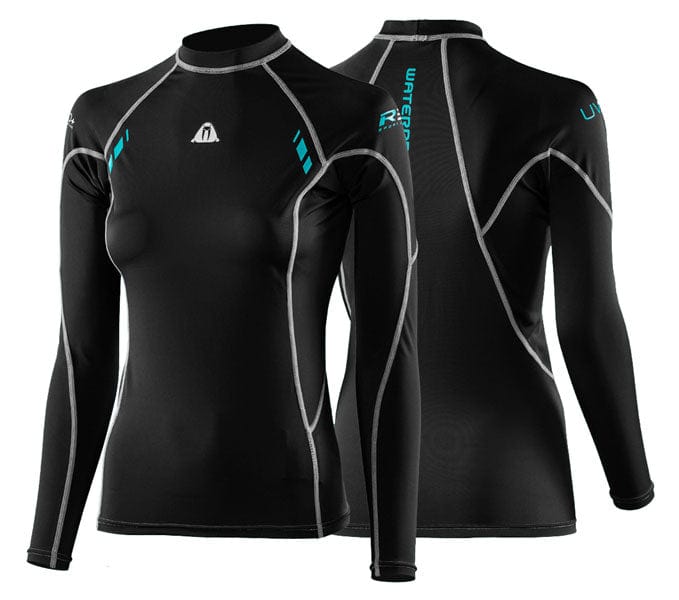
Rash guards

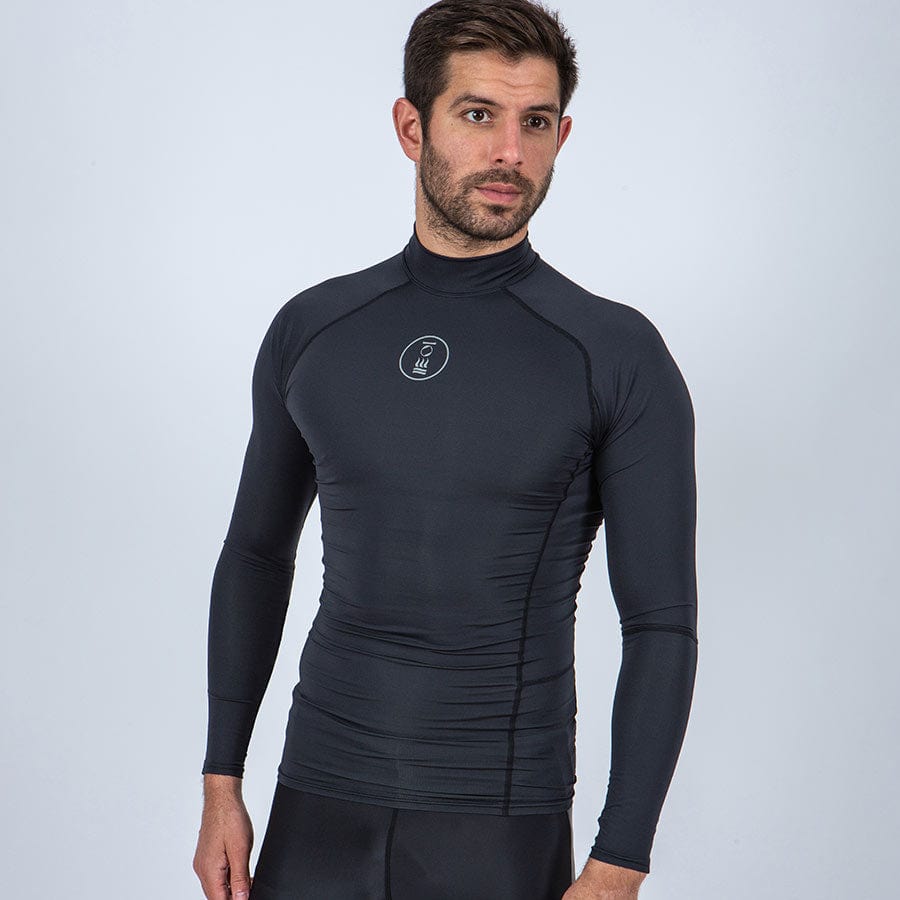
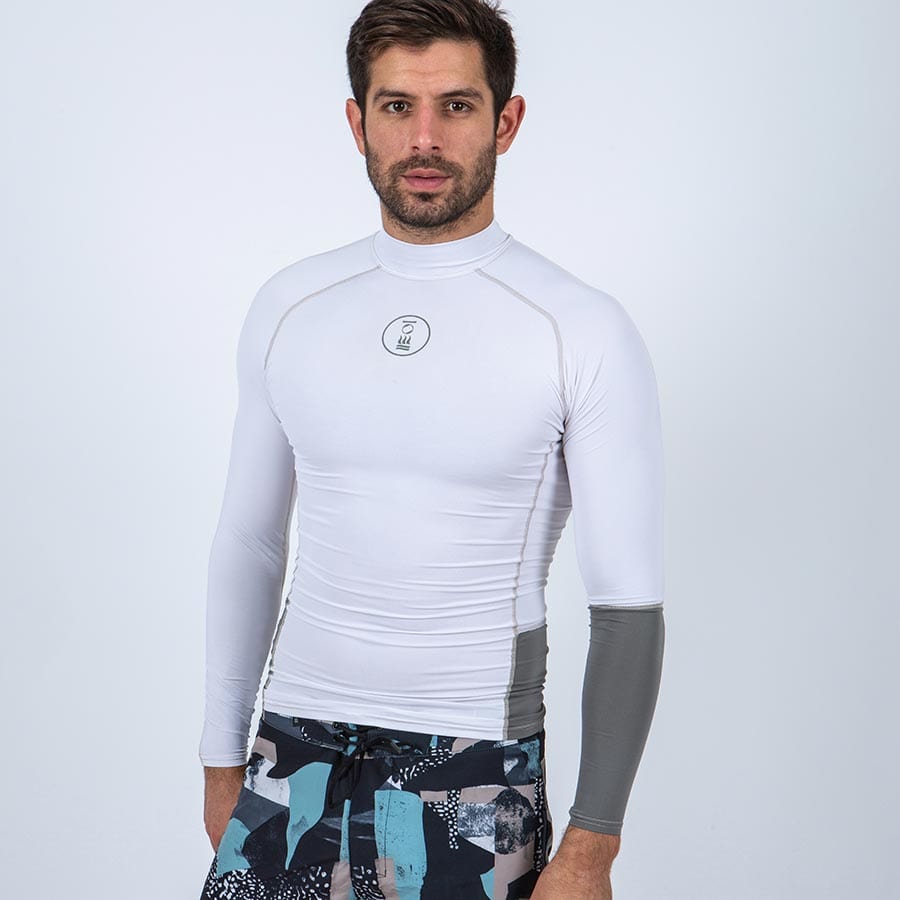
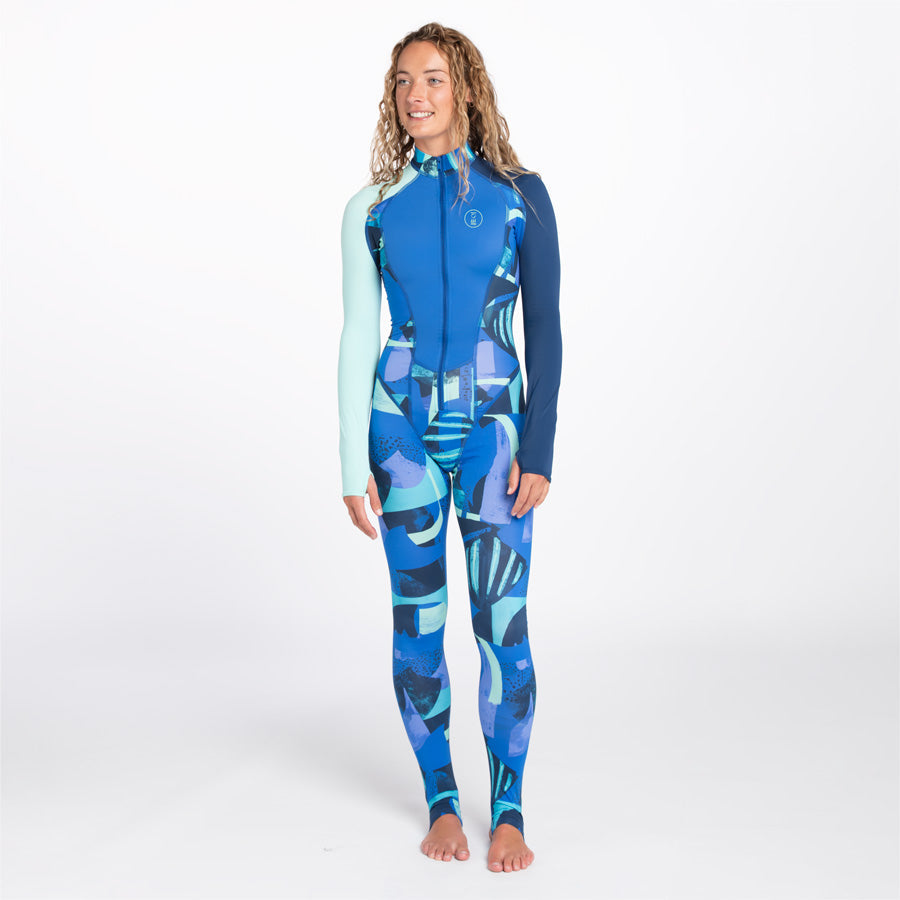
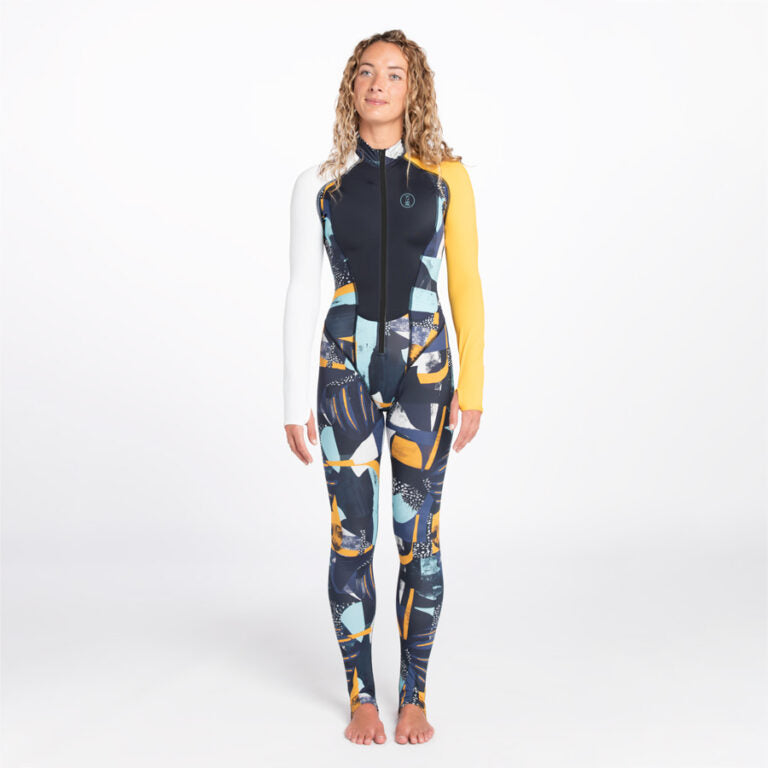
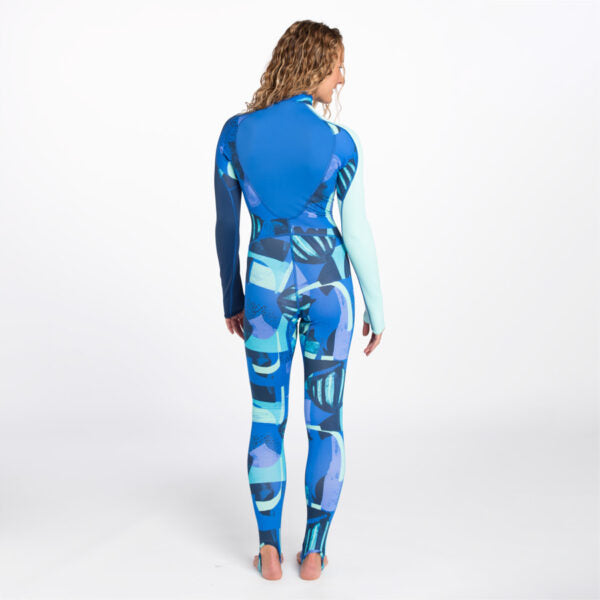
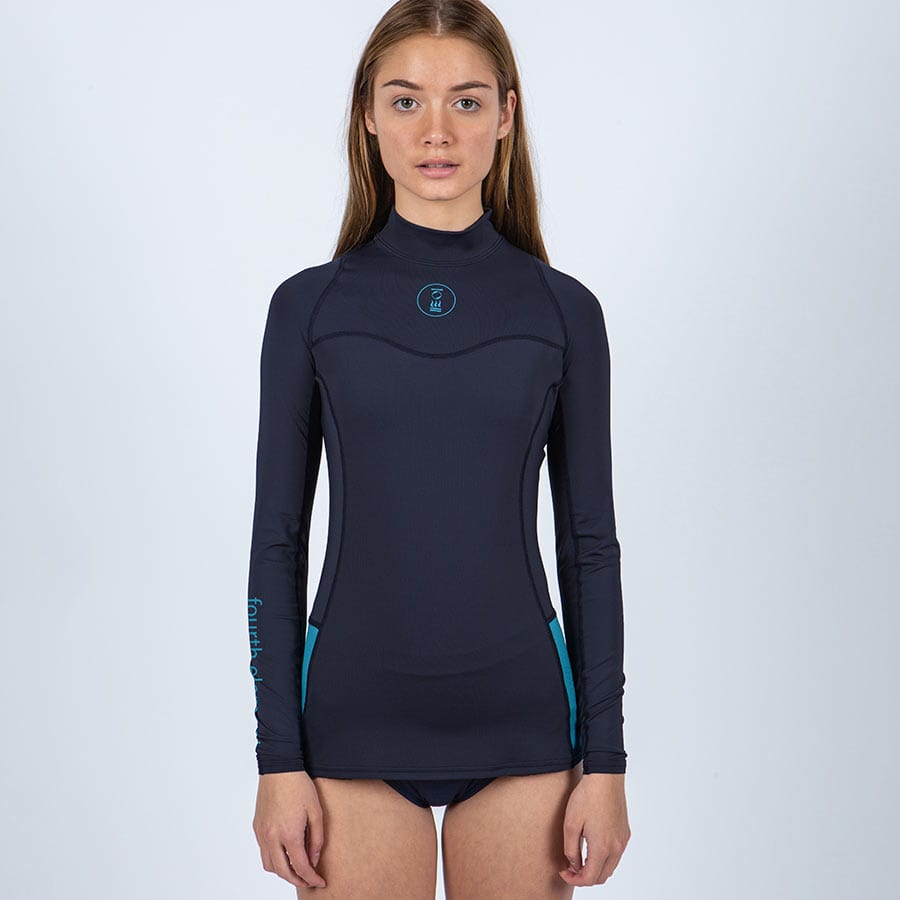
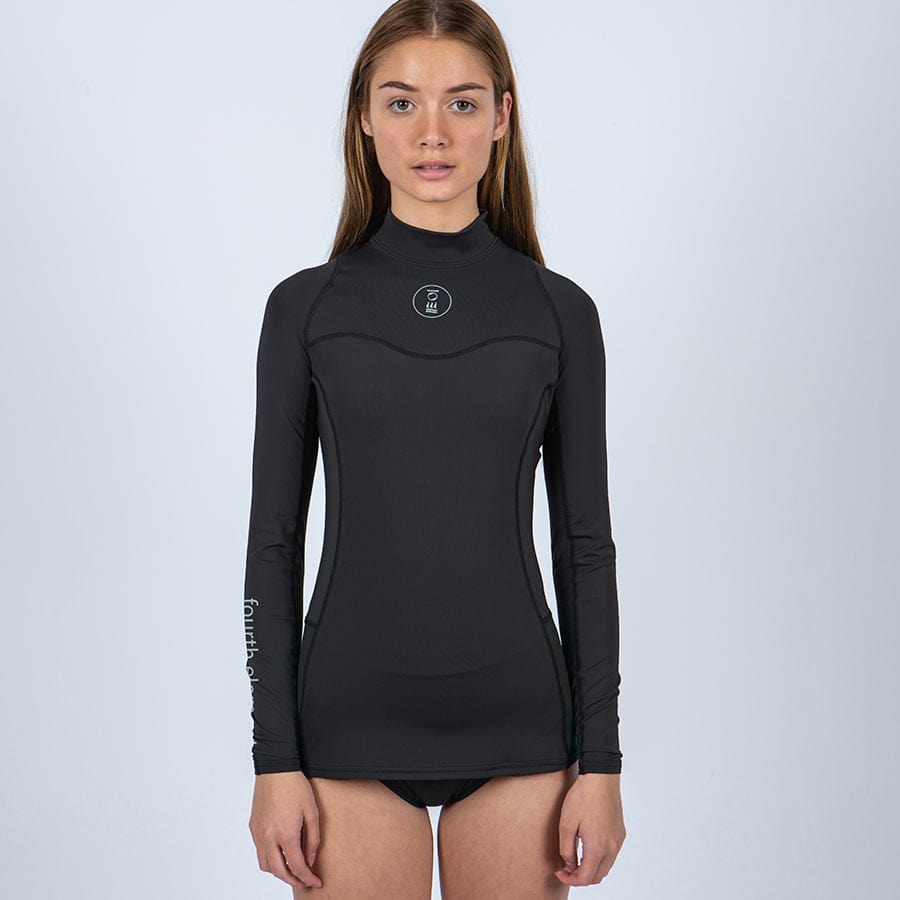
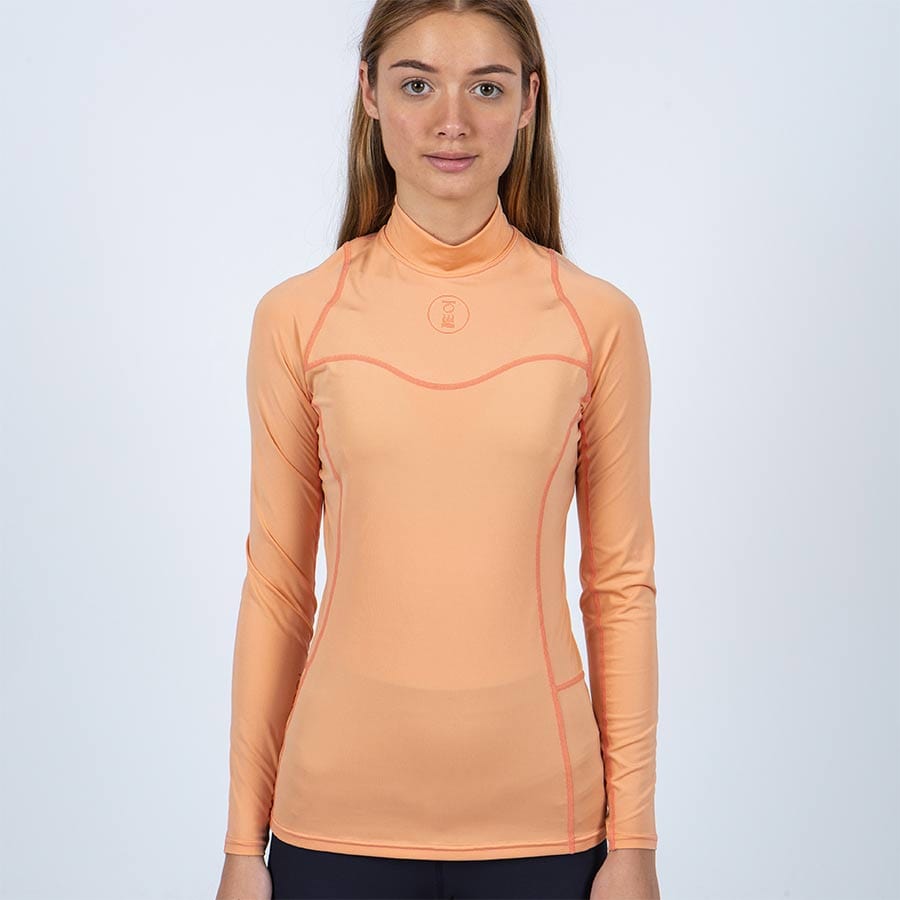
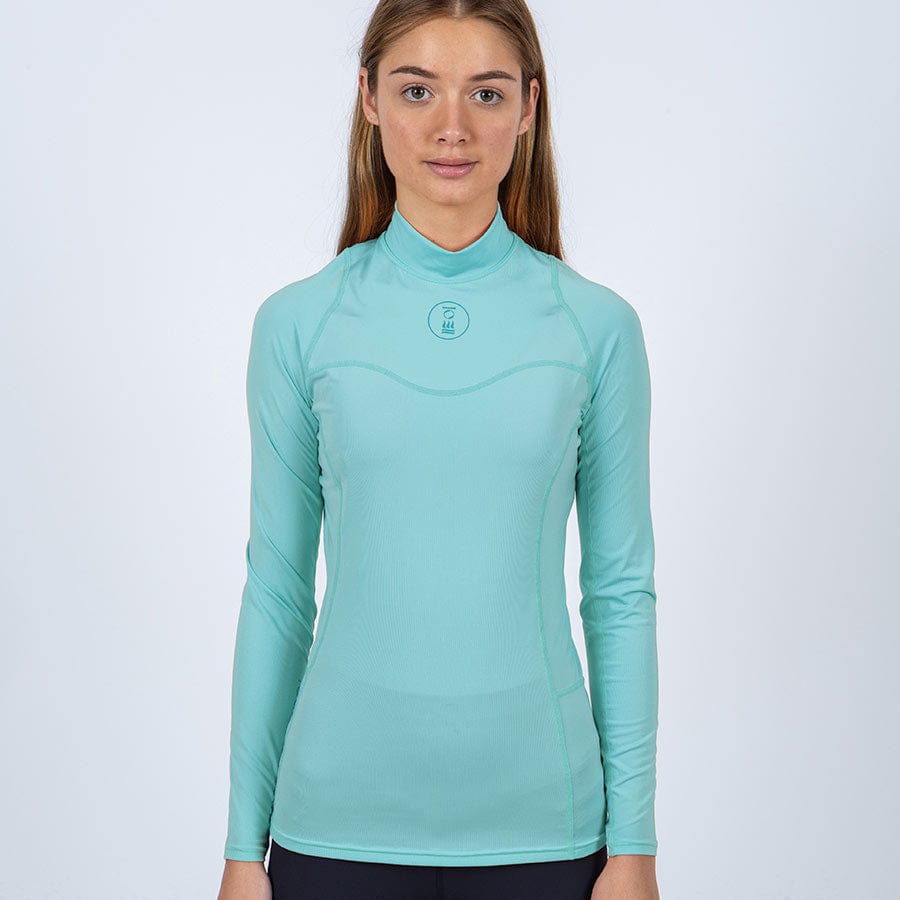
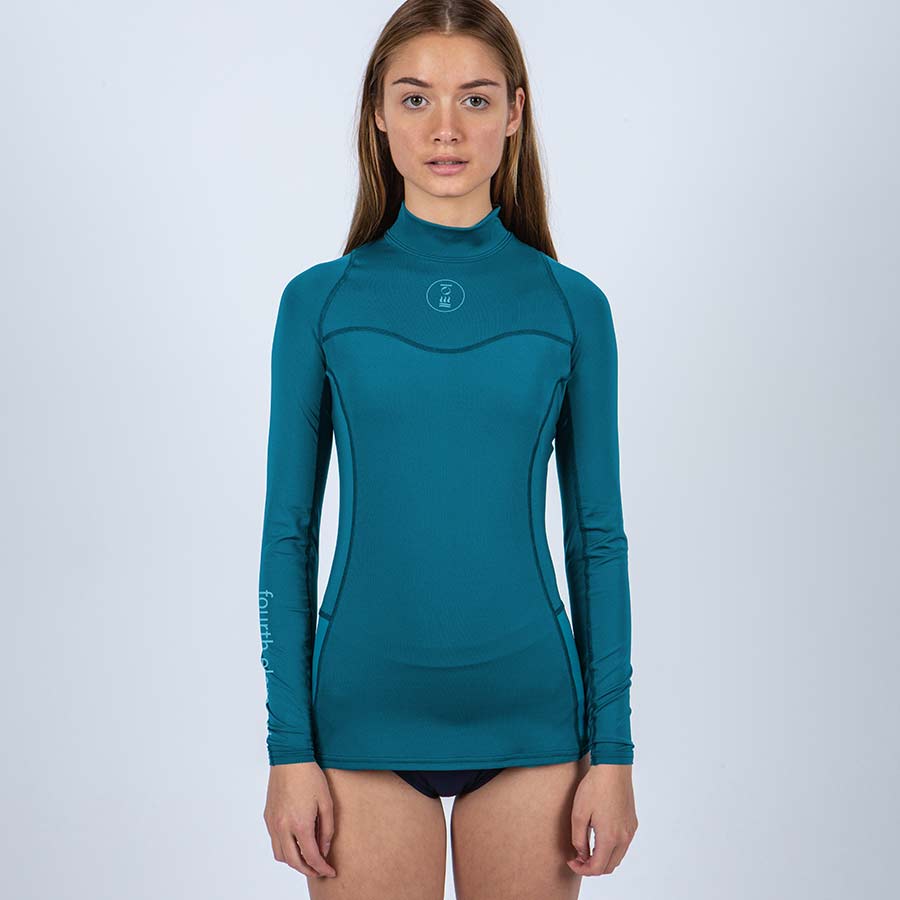
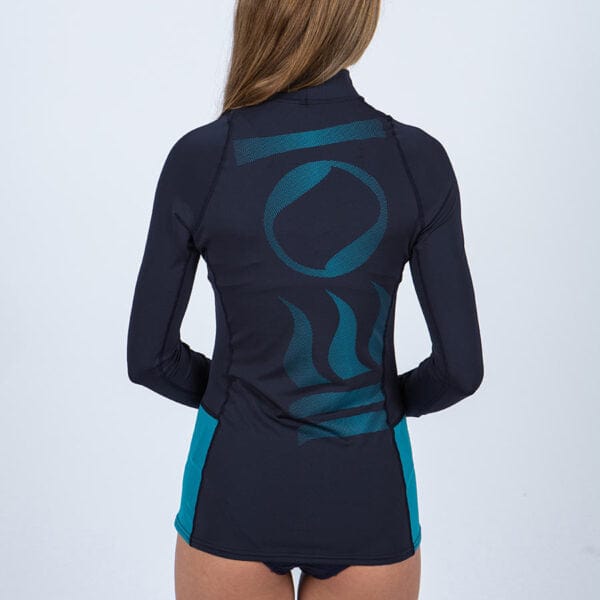
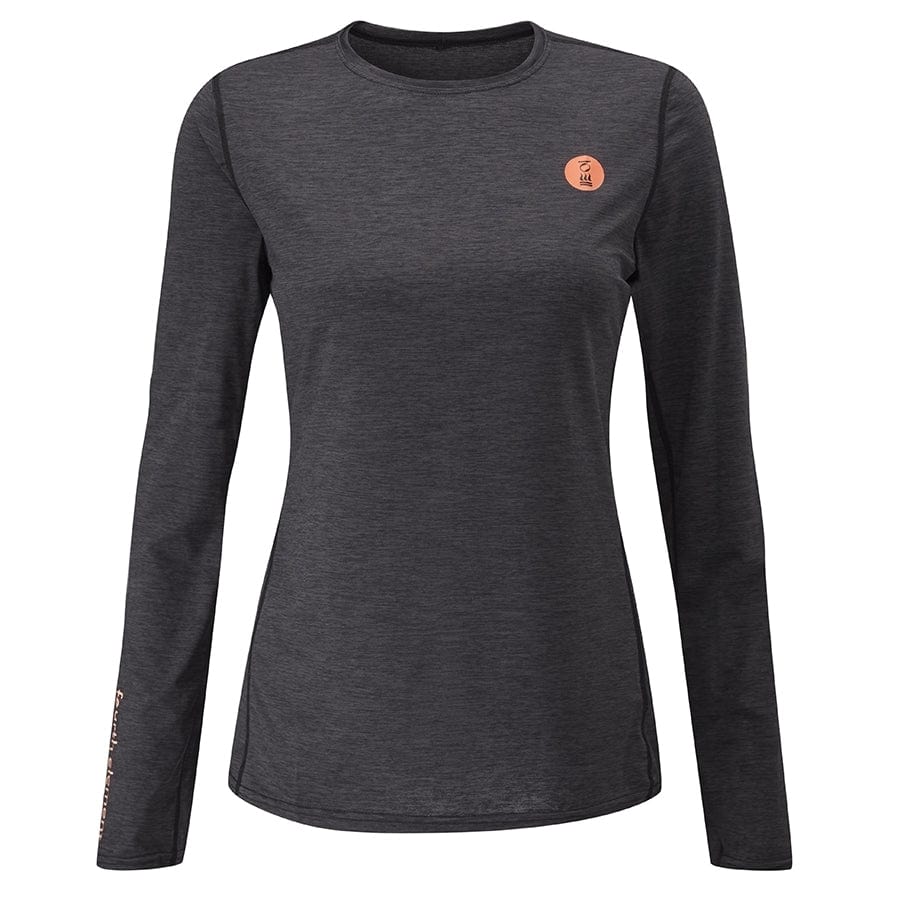
Rash guards sit closest to your skin, and they do more than one job: sun and abrasion cover on the surface, a slip layer under a wetsuit, and some warmth when the water turns. Our range runs from light rash vests to thermal tops, from Fourth Element, Waterproof, Sharkskin, Apeks and Aqualung, in separate men's and women's cuts. We are a dive school as well as a shop, and we wear this kit ourselves.

  • Expert diving advice
  • UK delivery
  • Multi-award-winning PADI dive centre
  • Secure checkout
13 products
Read the full buying guide

What a rash guard actually does

The name comes from surfing, where a thin top stopped board rash. Diving borrowed it for the same reason: a smooth layer between you and everything that chafes, whether that is tank straps, the edge of a BCD, or a wetsuit collar on a long day.

On the surface and in warm water

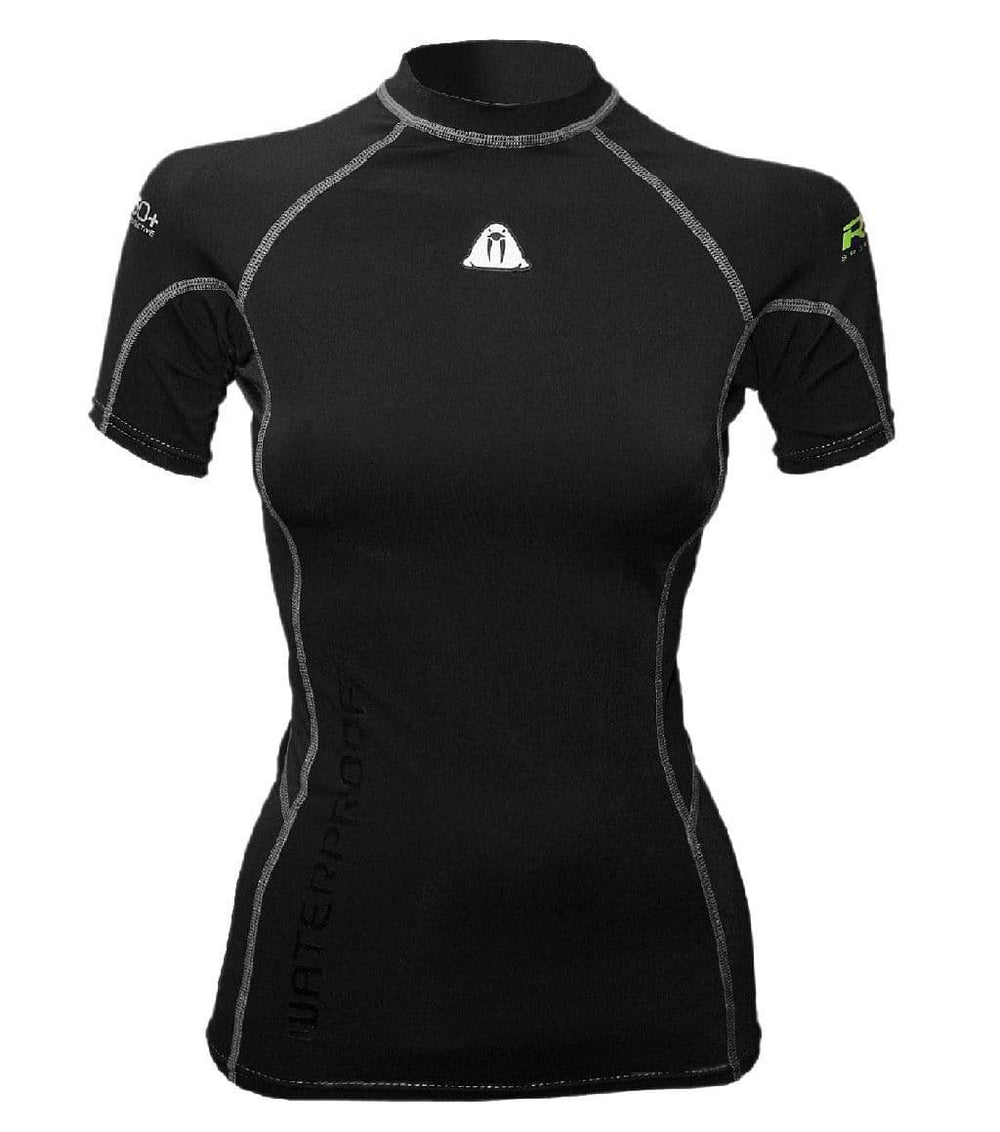
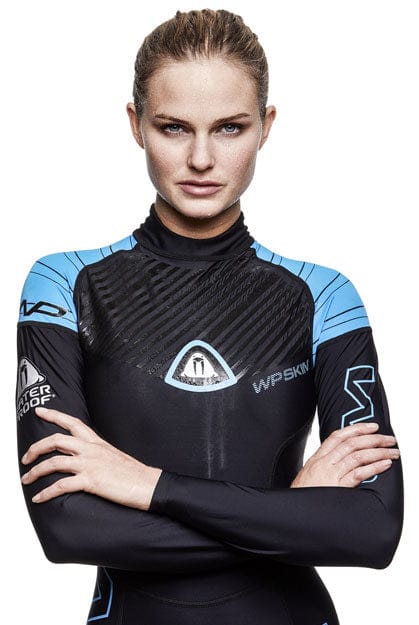
On a hot boat deck or a shallow snorkelling site, a rash vest is often all you want. It covers your shoulders and back against the sun, and it takes the sting out of brushing past coral or drifting through a patch of jellyfish. The Waterproof R30 rash vests and the Waterproof WPSkin rashguards are cut for exactly that, in men's and women's versions.

Under a wetsuit

A rash guard also makes a wetsuit far less of a fight to get into, because neoprene grips bare skin and slides over a smooth top. Long-sleeve options such as the Aqualung Ceramiqskin and the Fourth Element Hydro-T are worn that way as often as they are worn alone.

The range on this page

Rash vests and rashguards

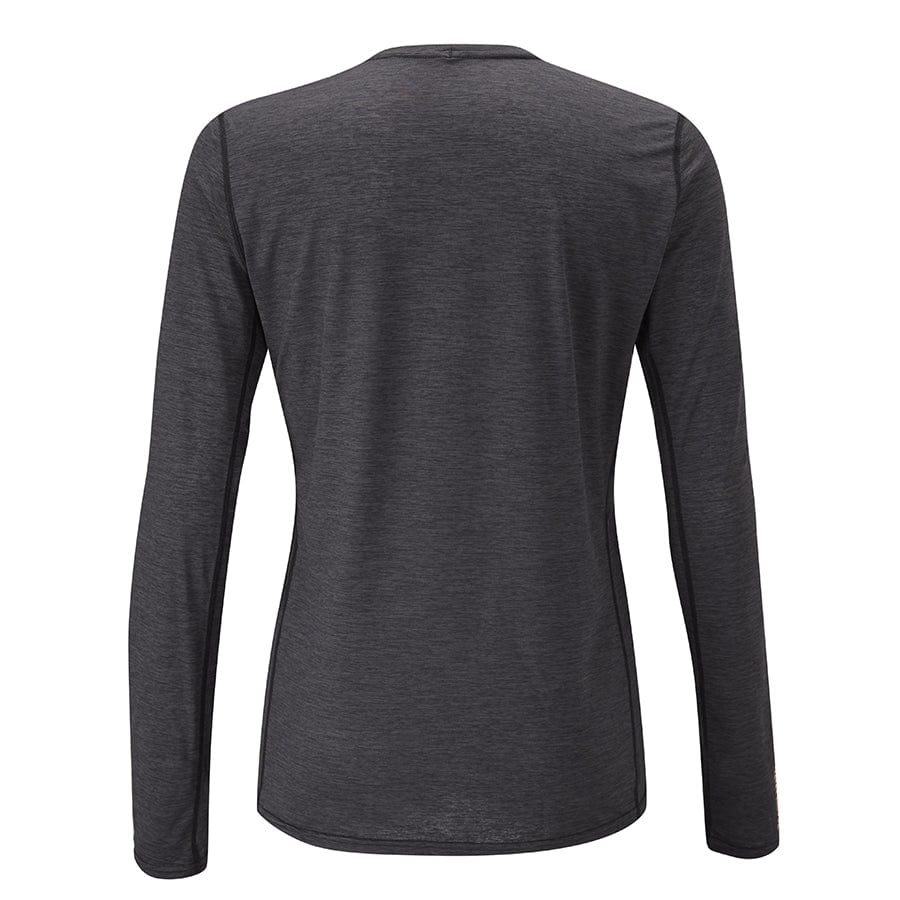
This is the lighter end. Waterproof's R30 comes as a short sleeved vest and a long sleeve rashvest, alongside the WPSkin rashguards. Aqualung's Ceramiqskin and Fourth Element's Hydro-T fill out the long-sleeve options. These are thin tops, bought for cover and comfort rather than for warmth.

Thermal tops and undervests

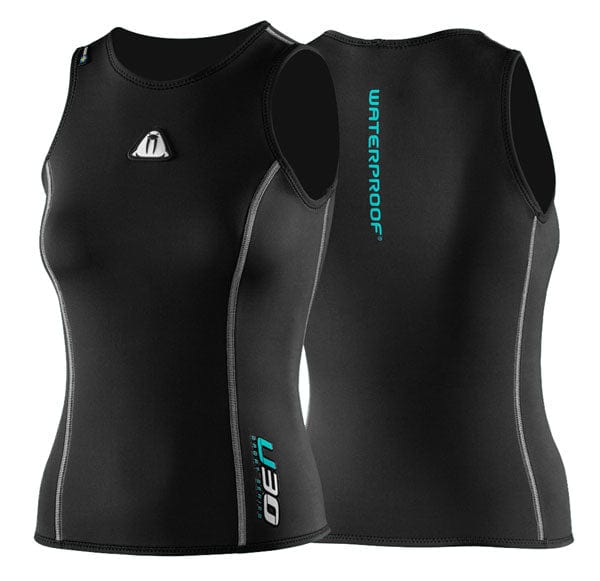
When the water starts to bite, the range steps up. The Apeks Thermiq Carbon Core Top, the Sharkskin Chillproof short sleeve, Fourth Element's Hydroskin, and Waterproof's U30 Undervest and T30 Neoprene Top are all built to hold warmth, whether under a wetsuit or as a top layer when a warm-water dive has gone long. The Fourth Element Fin Hydrosuit is grouped here too, and is worth a look if you want more coverage than a vest gives.

Choosing sleeve length and cut

Short sleeve or long sleeve

Short sleeve is cooler and easier to peel off between dives. Long sleeve gives you sun and abrasion cover right down to the wrist, which is where kit tends to rub. Several models here come both ways, so you can choose by trip rather than by brand.

Men's and women's fits

Nearly everything in this collection is cut separately for men and women, and that matters more than it looks. A rash guard only works if it stays put against your skin. A loose one rides up under a BCD, bunches at the shoulders and chafes in the exact place you bought it to protect. Use the size guide on the product page and buy snug.

Care, and asking us first

Looking after it

Rinse it in fresh water after every dive, salt or not, and dry it out of direct sun. Salt and chlorine are both hard on stretch fabric, and a rash guard left screwed up wet in the bottom of a kit bag will not last the season.

Ask before you buy

Oyster Diving is a dive school as well as a shop, and the people who choose this range are working divers and instructors. If you are not sure whether you need a light rash vest or a thermal top, tell us where you are diving and what you already own, and we will point you at the right one.

Frequently asked questions

Which rash guard brands does Oyster Diving stock?

Five: Apeks, Aqualung, Fourth Element, Sharkskin and Waterproof. Waterproof covers the widest spread here, from the R30 rash vests and WPSkin rashguards through to the U30 Undervest and T30 Neoprene Top. Fourth Element brings the Hydro-T, Hydroskin and Fin Hydrosuit, Aqualung the Ceramiqskin, Apeks the Thermiq Carbon Core Top, and Sharkskin the Chillproof short sleeve.

Do I wear a rash guard under a wetsuit or on its own?

Both, and most divers do both across a season. Worn alone it is your sun and abrasion layer for snorkelling, warm-water dives and time on the boat. Worn underneath, it gives neoprene something smooth to slide over, which makes a wetsuit far less of a fight to get into, and it stops seams and collars rubbing on a long day.

What is the difference between a rash vest and a thermal top?

A rash vest is the thin end of the range. It is there for cover and comfort: sun on your shoulders, abrasion from kit, stings from anything you brush past. The Waterproof R30 and WPSkin, Aqualung Ceramiqskin and Fourth Element Hydro-T sit in that group. A thermal top is built to hold warmth as well, which is what you want under a wetsuit in cooler water. That group includes the Apeks Thermiq Carbon Core Top, Sharkskin Chillproof, Fourth Element Hydroskin and Waterproof's U30 Undervest and T30 Neoprene Top.

Should I choose short or long sleeves?

Long sleeve if sun and abrasion cover matter most, because it protects you to the wrist and that is where kit tends to rub. Short sleeve if you want to stay cooler between dives and get it off easily. You do not always have to choose by brand: the Waterproof R30 is stocked as both a short sleeved rash vest and a long sleeve rashvest, in men's and women's cuts.

How should a rash guard fit?

Snug. A rash guard only works if it stays put against your skin; a loose one rides up under a BCD, bunches at the shoulders and chafes in exactly the place you bought it to protect. Nearly everything in this collection is cut separately for men and women, so start with the right cut, then use the size guide on the product page rather than your usual t-shirt size.