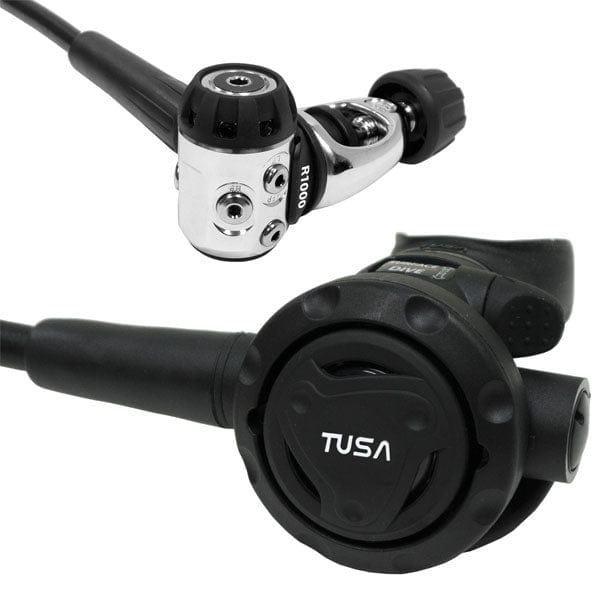
Scuba Diving Regulators

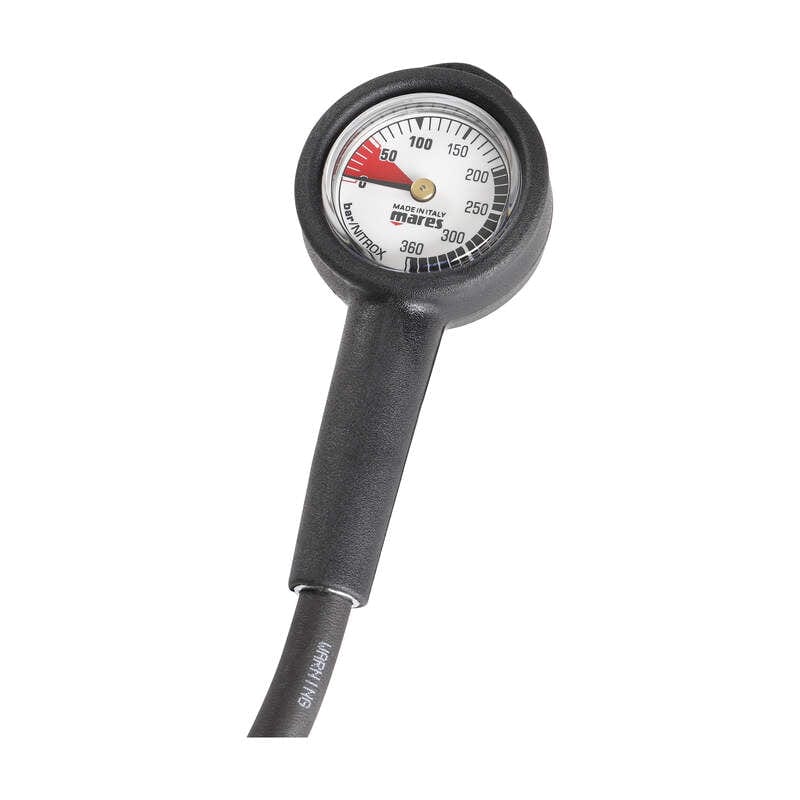
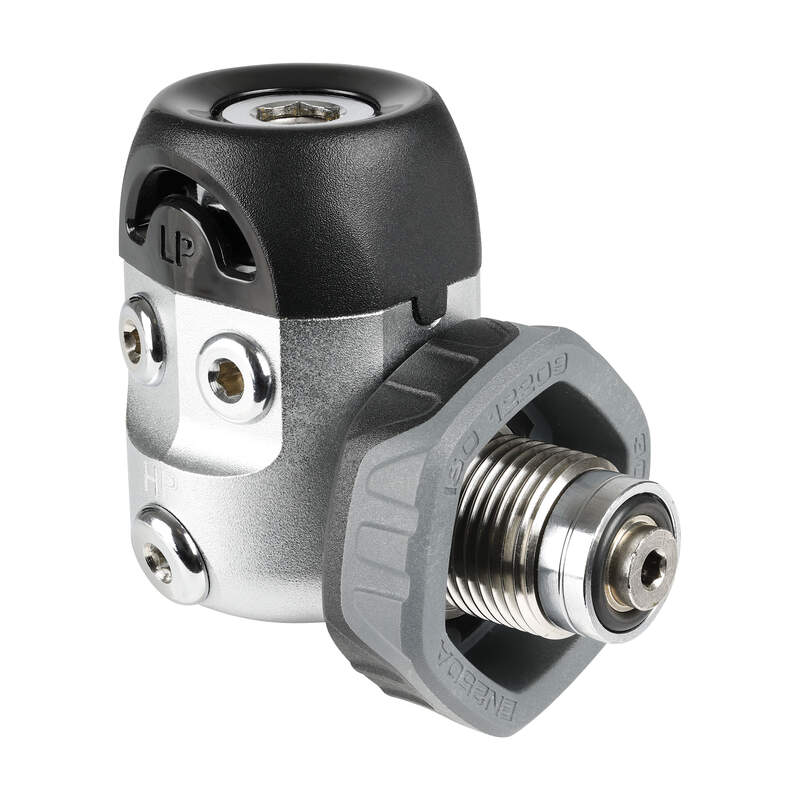
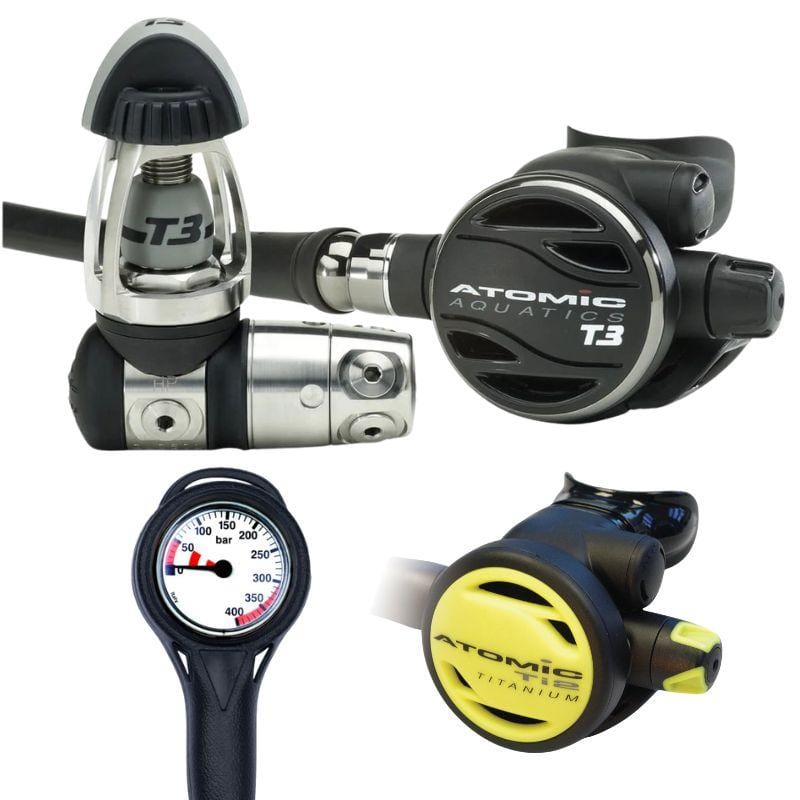
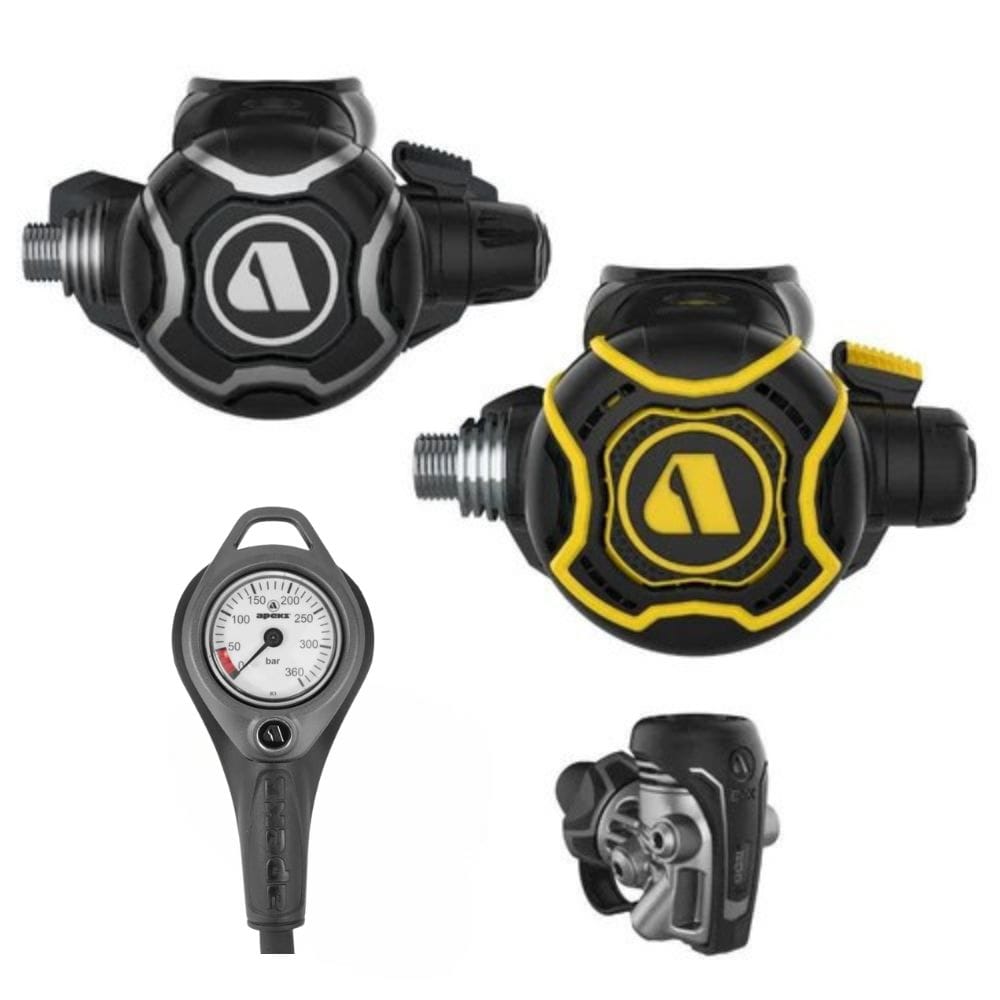
Your regulator delivers every breath you take underwater, so it is the one piece of kit worth buying properly. We stock Apeks, Aqualung, Mares and Atomic Aquatics: compact sets for travel, sealed first stages for cold UK water, and sidemount and stage configurations for technical diving. Everything we sell is serviced in-house at our Hove centre by our own technicians, and our instructors dive the same regulators they sell you.

  • Expert diving advice
  • UK delivery
  • Multi-award-winning PADI dive centre
  • Secure checkout
23 products
Read the full buying guide

How to choose a scuba regulator

A regulator is two pieces working together. The first stage attaches to the cylinder valve and drops tank pressure to something usable; the second stage is the part in your mouth, delivering air on demand. What separates one set from the next is how consistently it does that as depth increases, as the cylinder empties, and as the water gets colder. Start from where you actually dive rather than from the spec sheet.

Recreational and travel diving

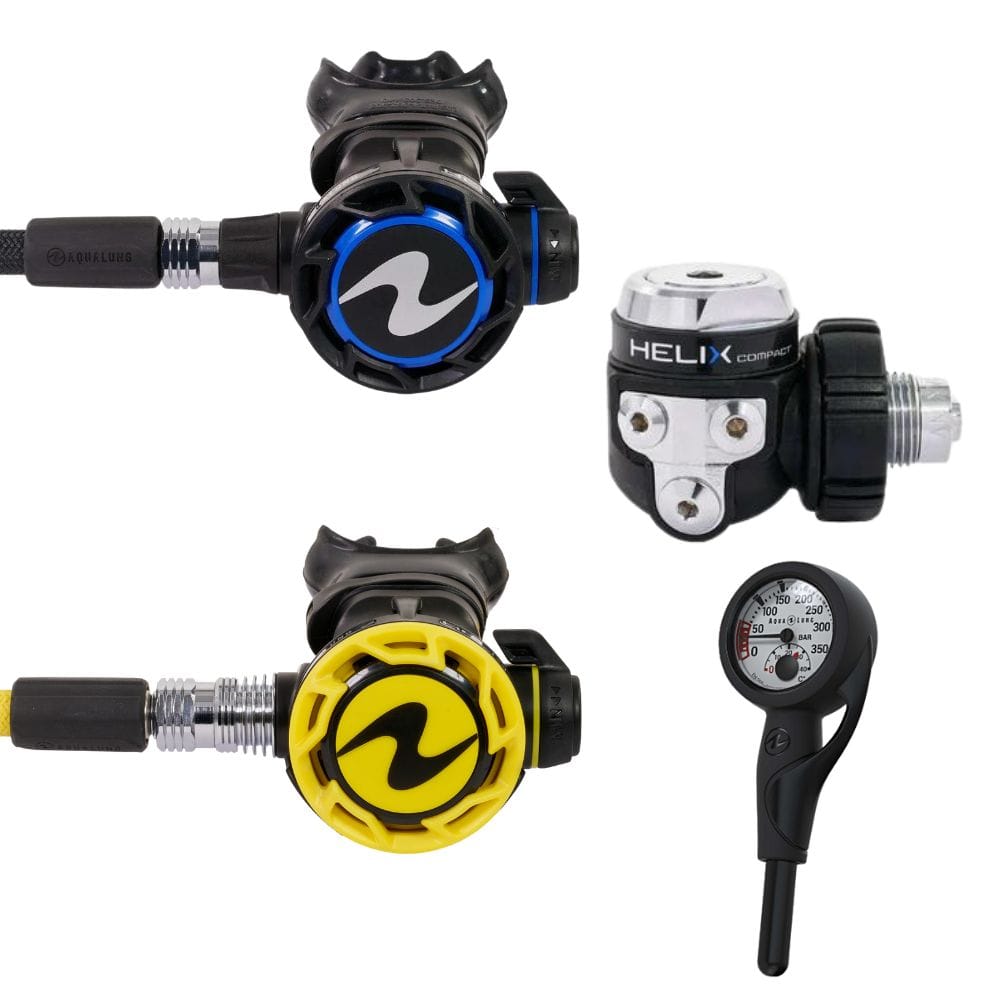
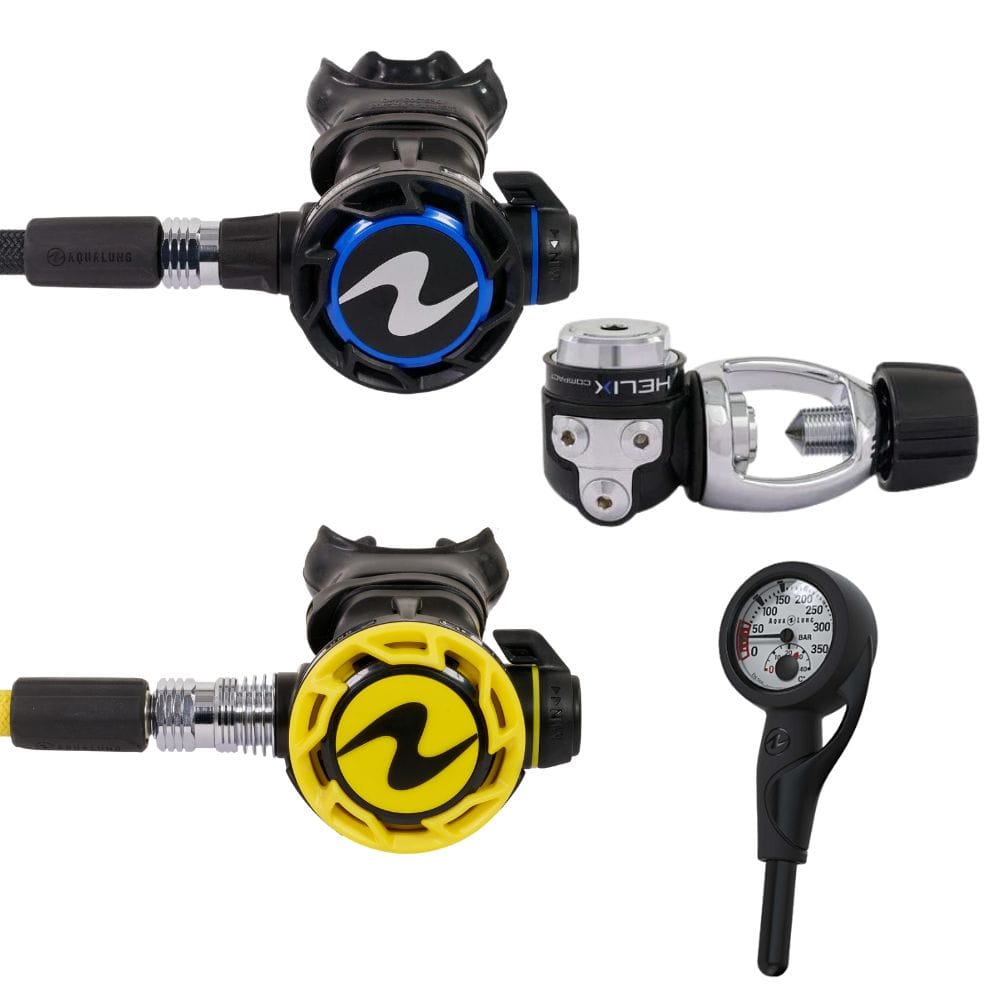
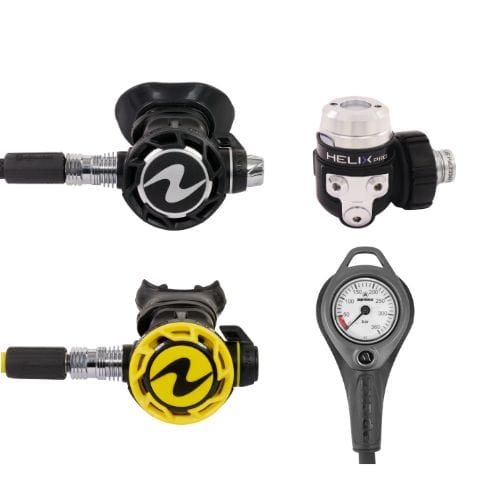
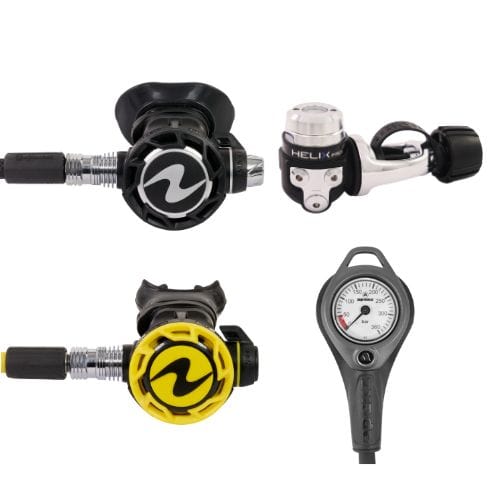
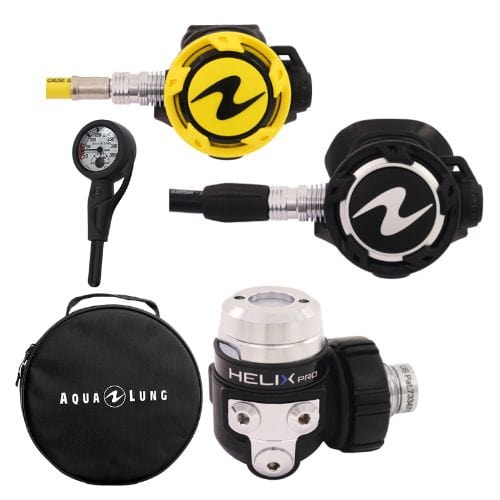
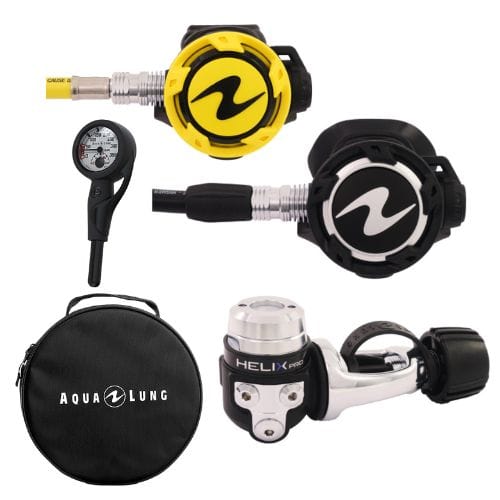
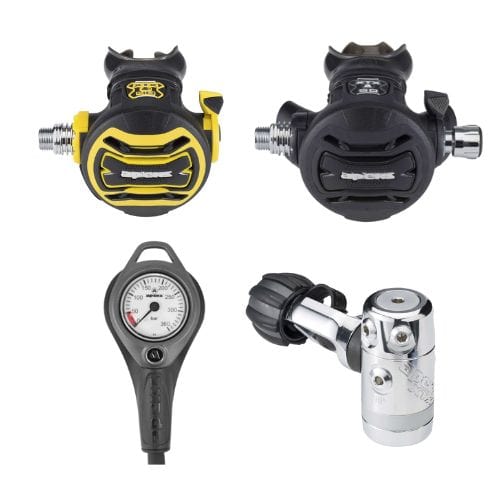
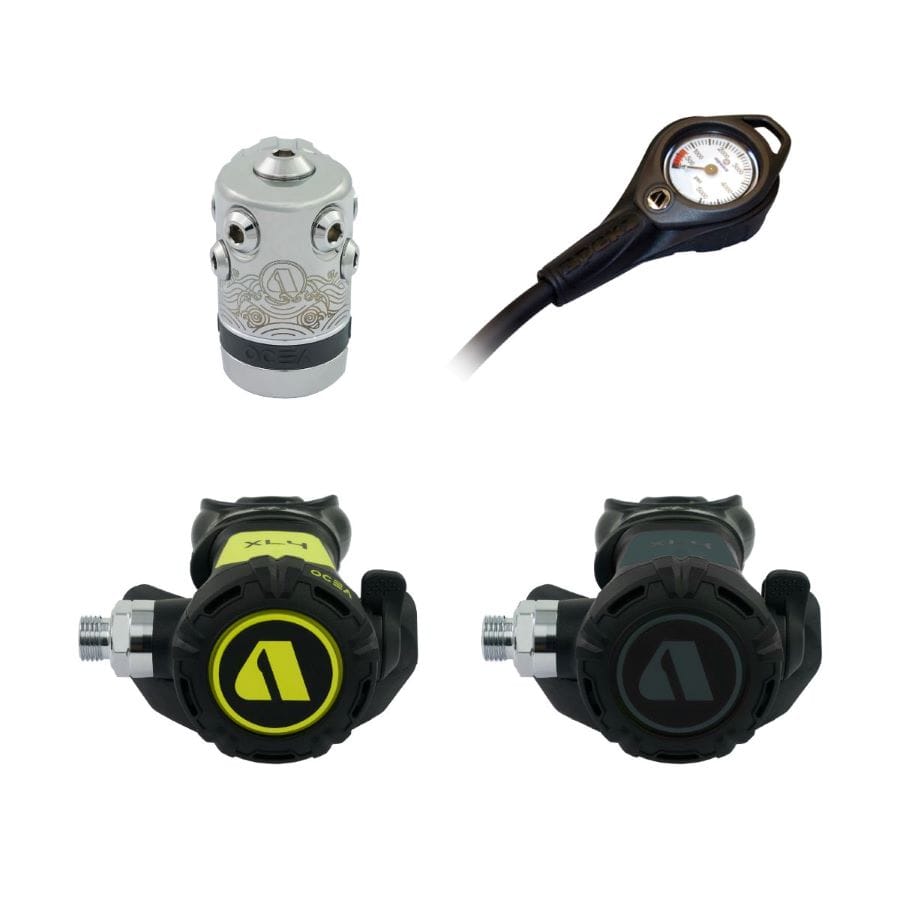
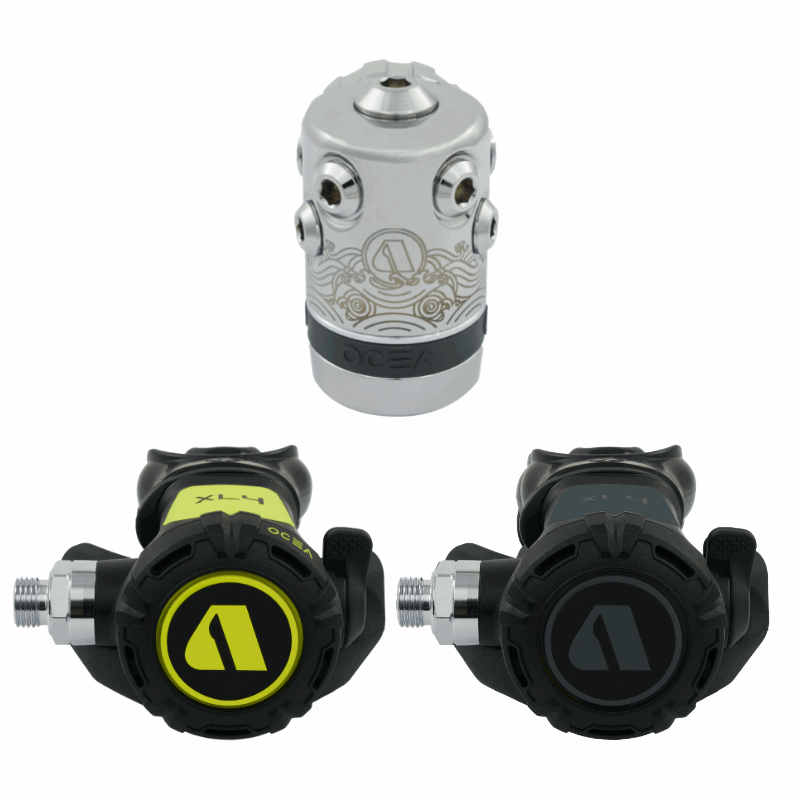
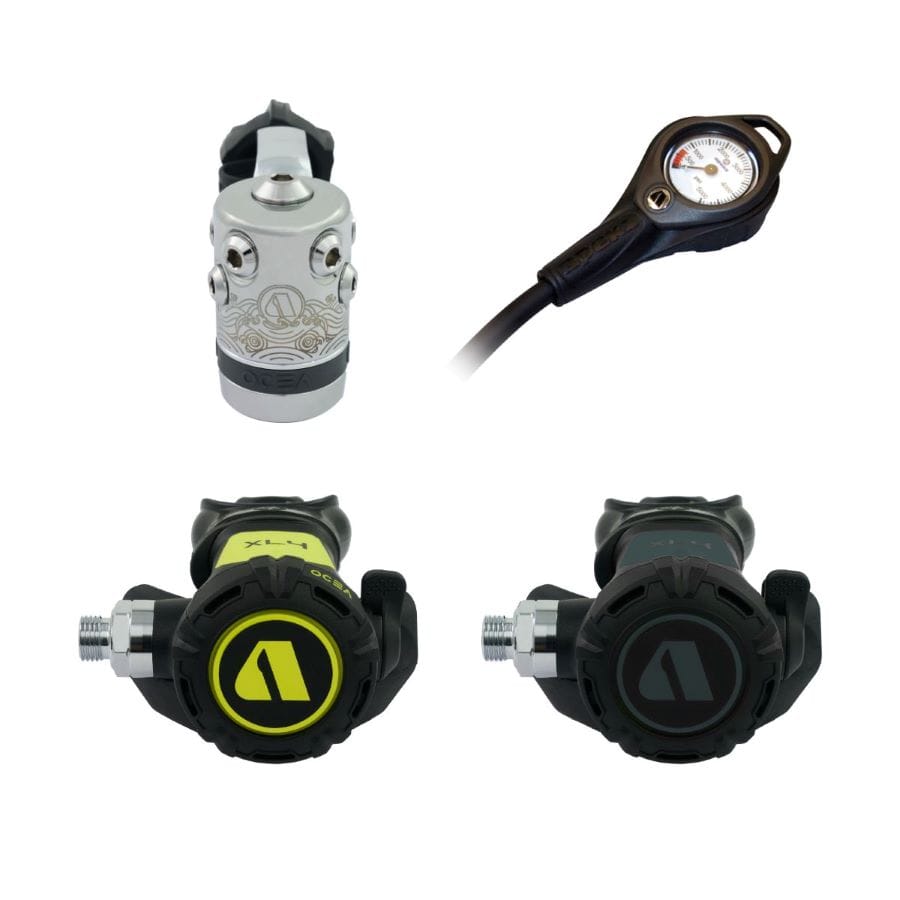
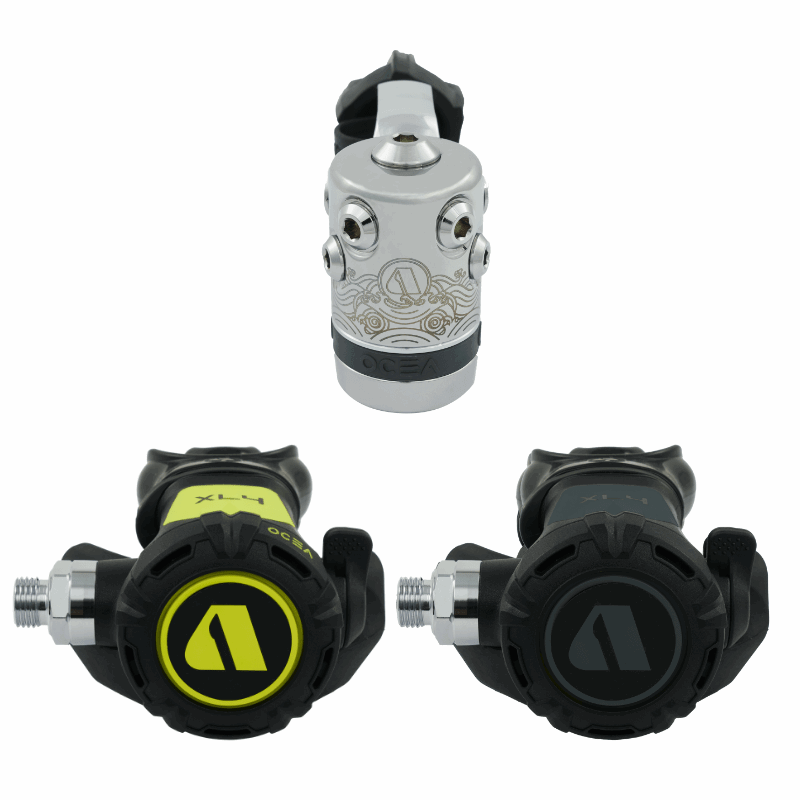
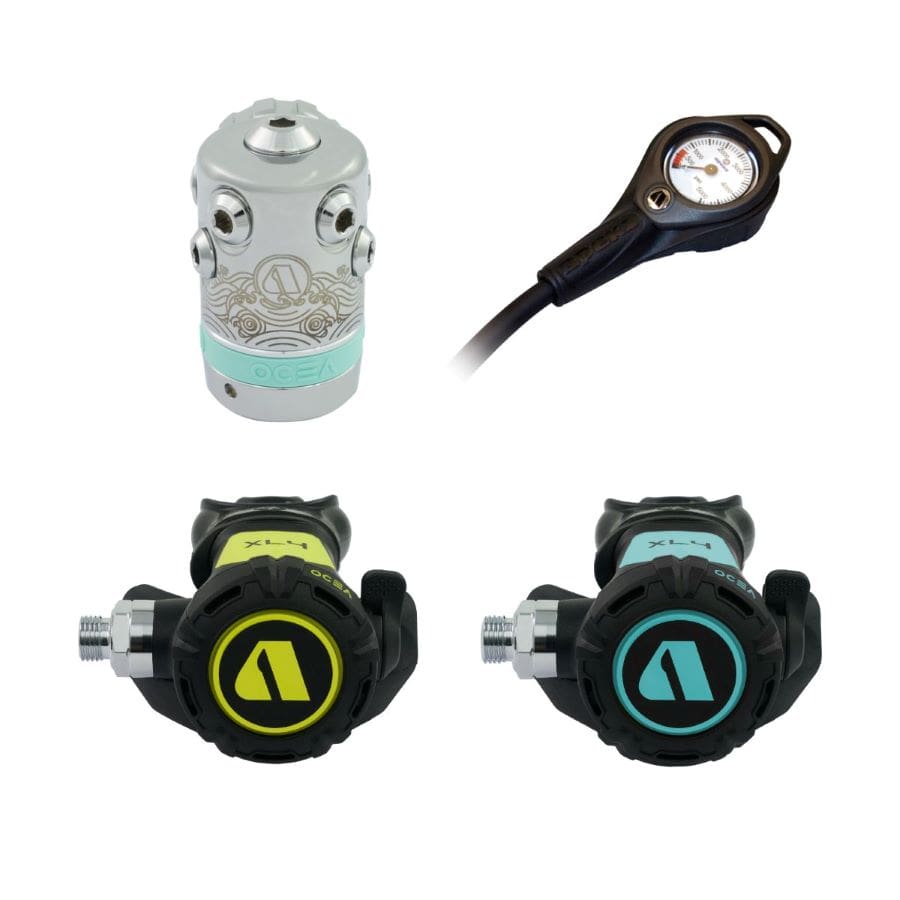
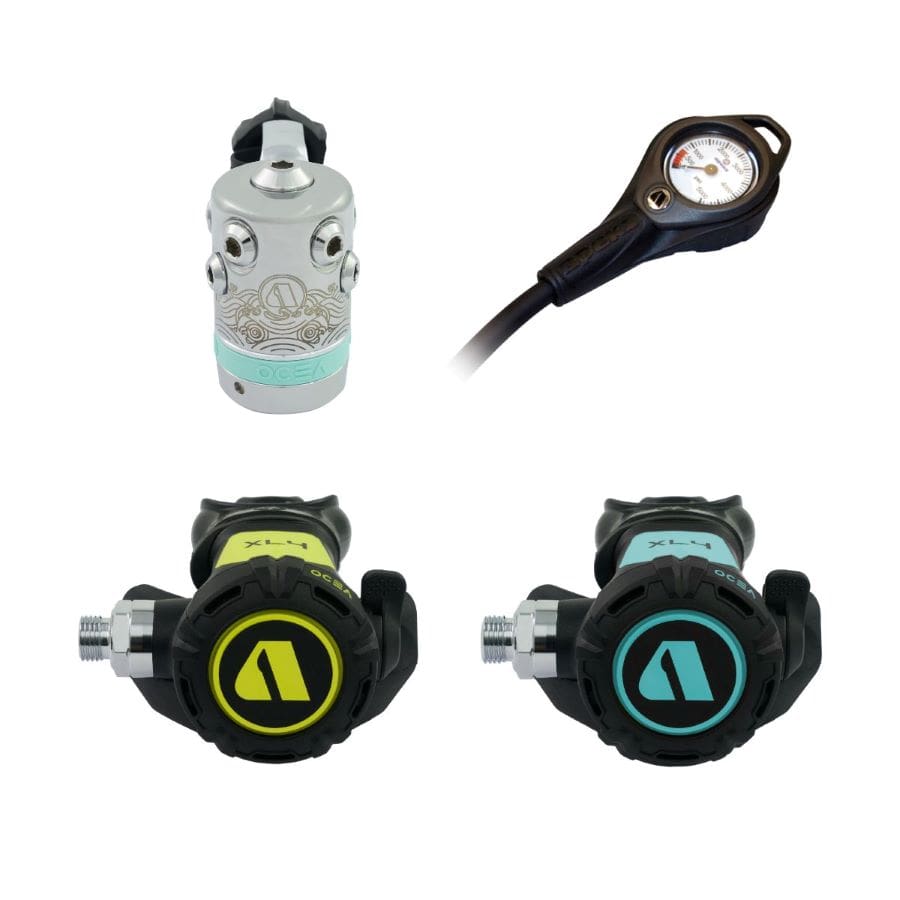
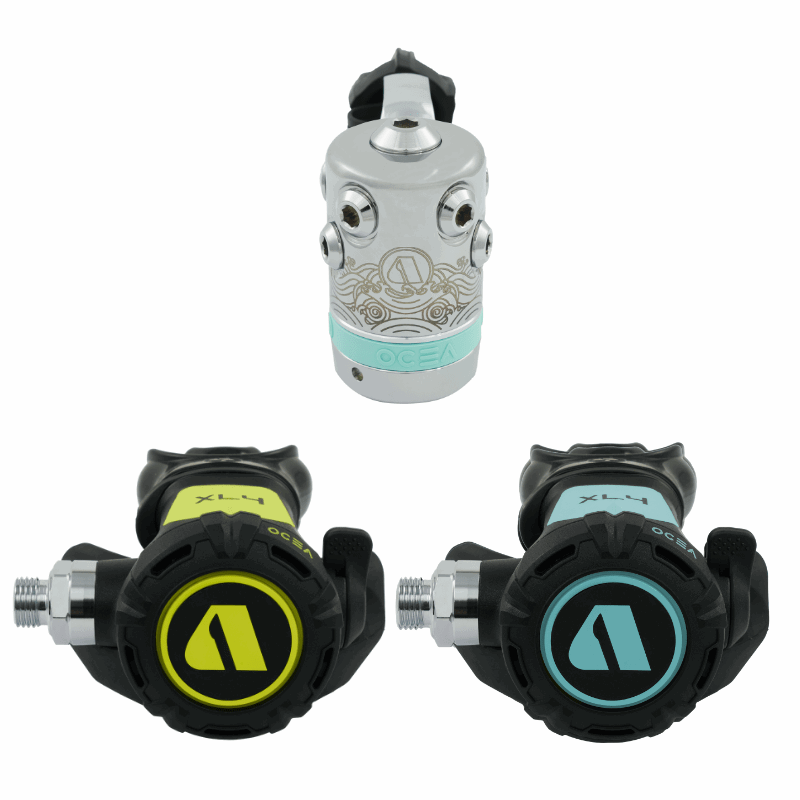
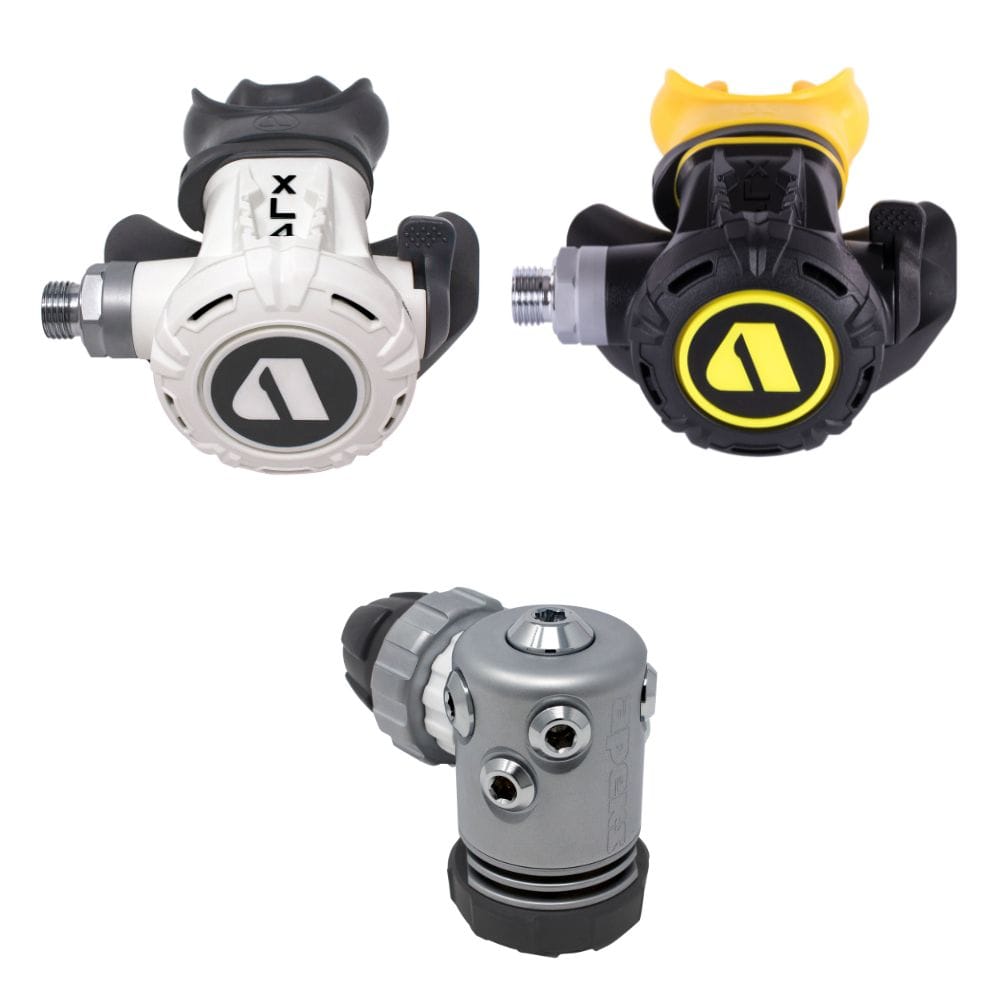
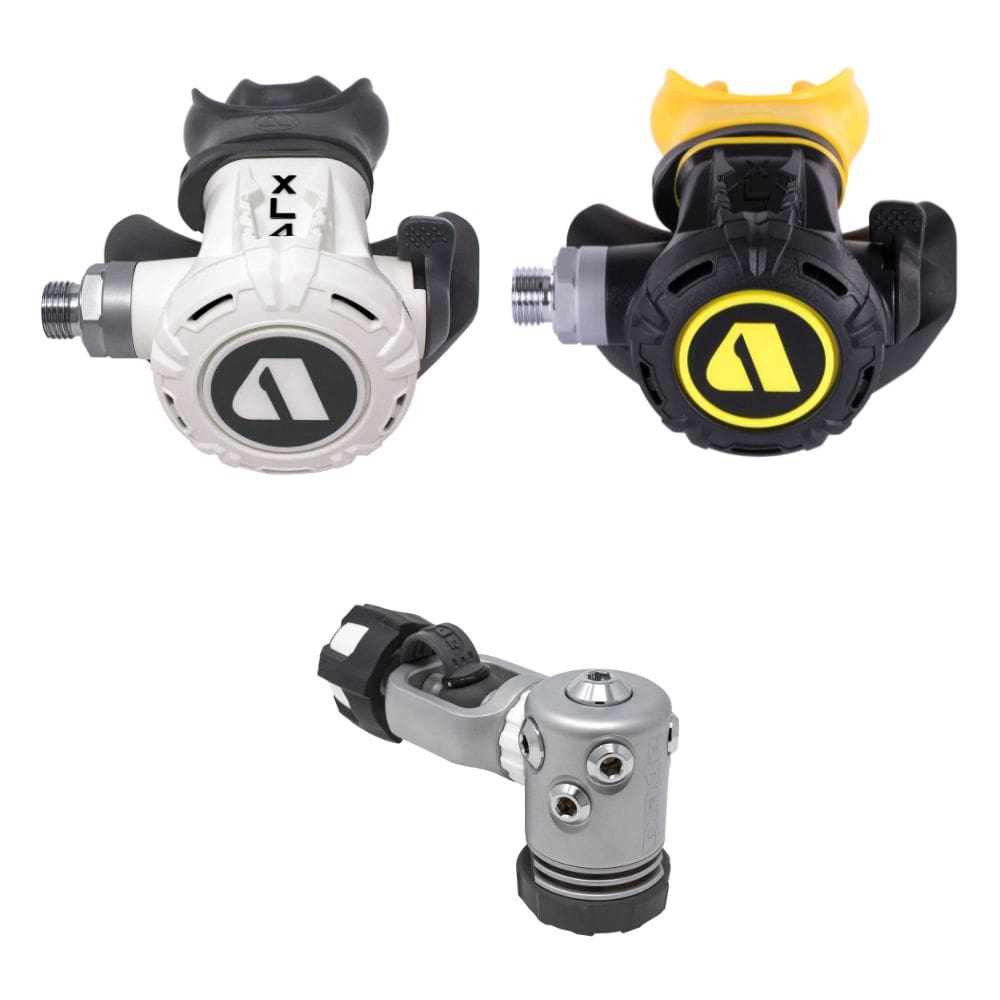
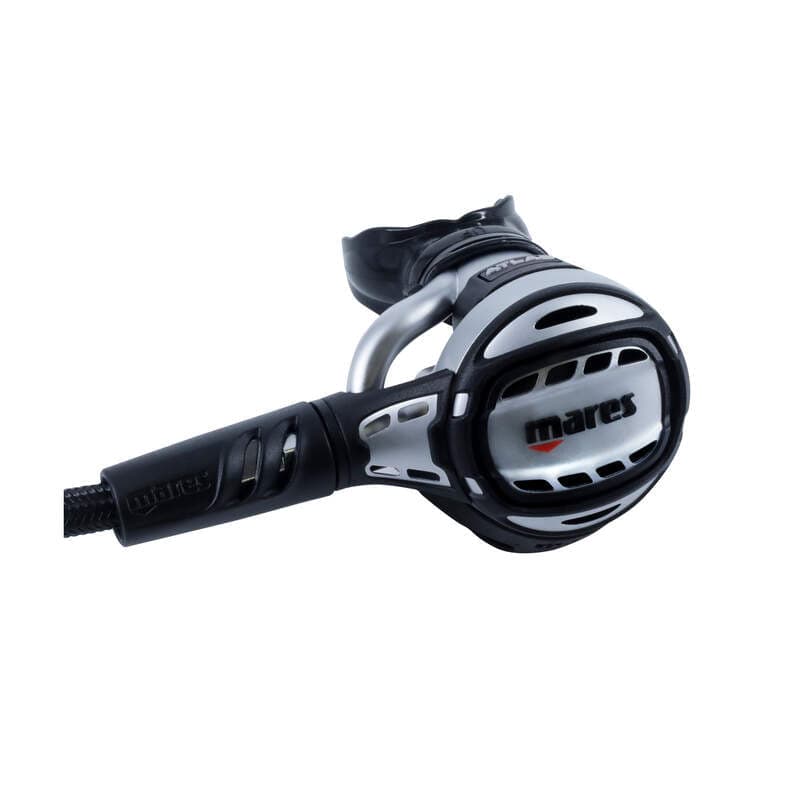
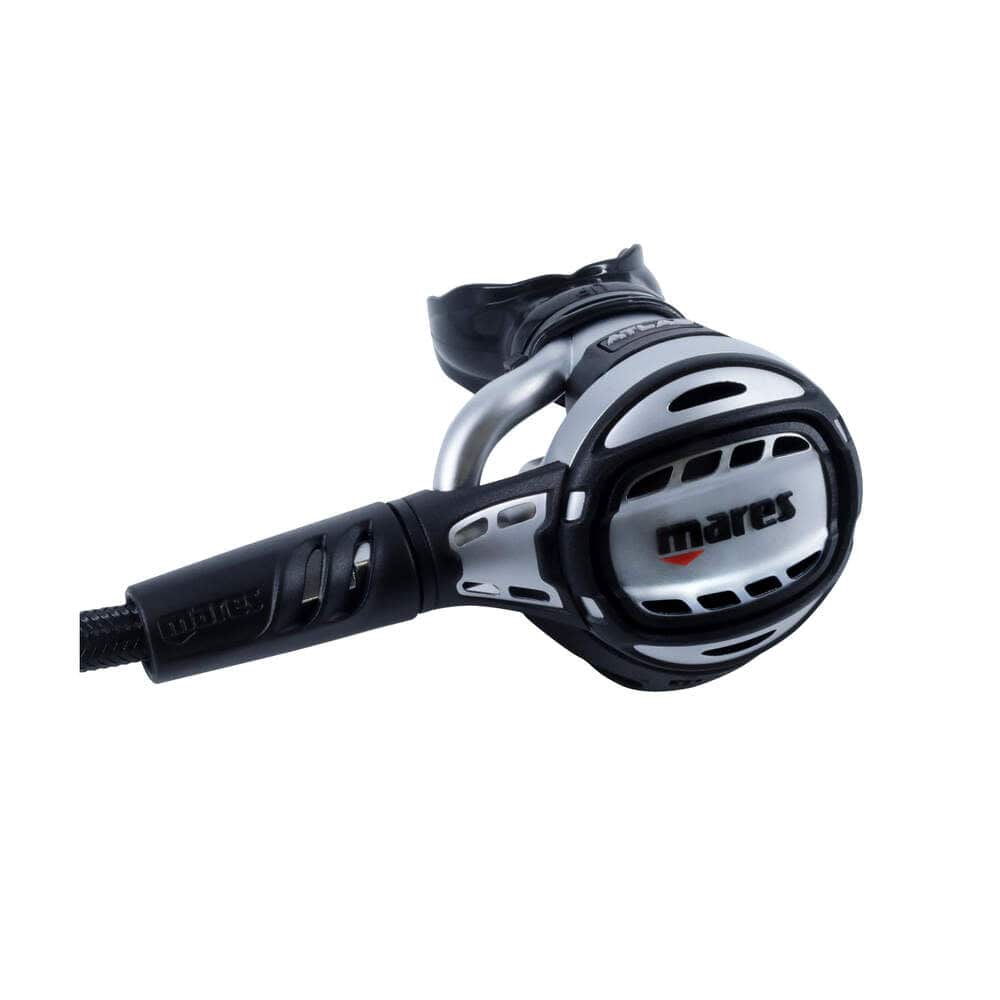
If most of your diving is recreational, and particularly if you fly with your kit, weight and bulk matter. The Aqualung Helix and Helix Compact, the Apeks XL4 and XL4+, and the Mares Atlas 62X sets all sit in this space. They are straightforward to travel with and simple to live with, and any of them will comfortably cover normal recreational depths.

Cold water and UK diving

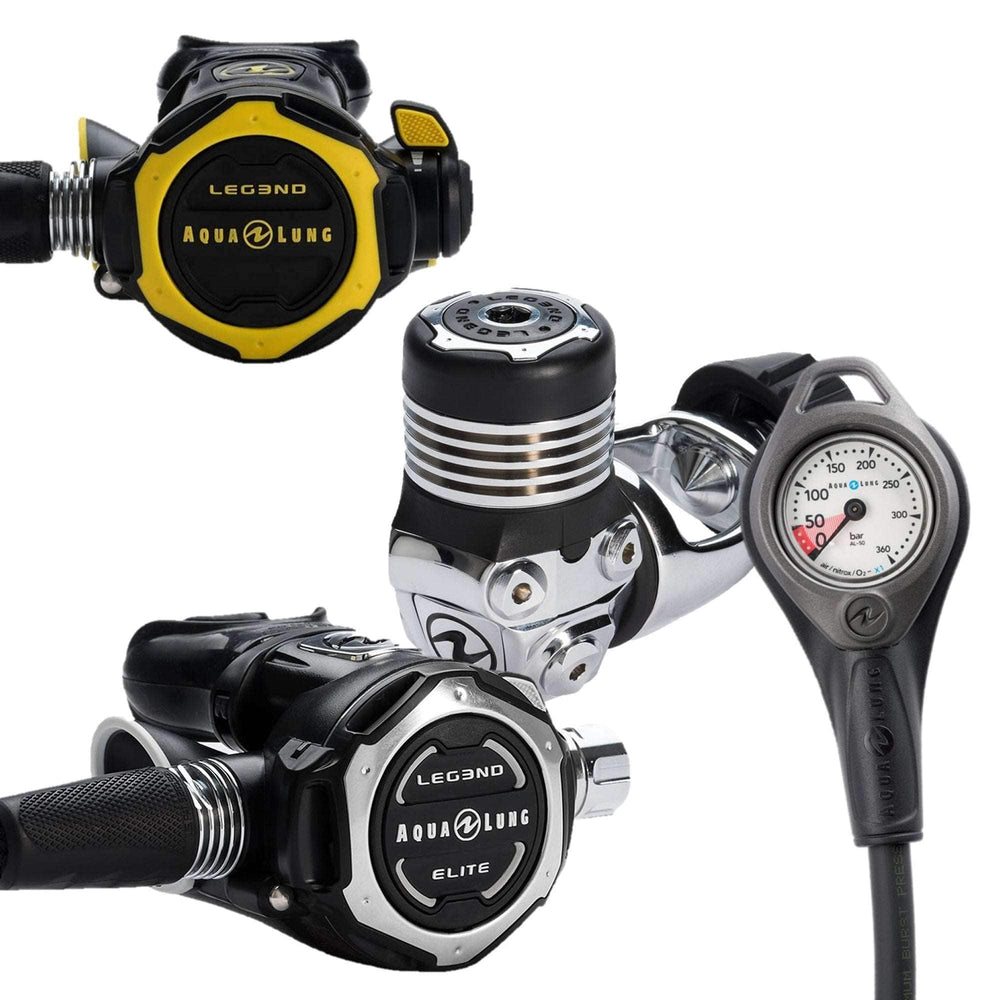
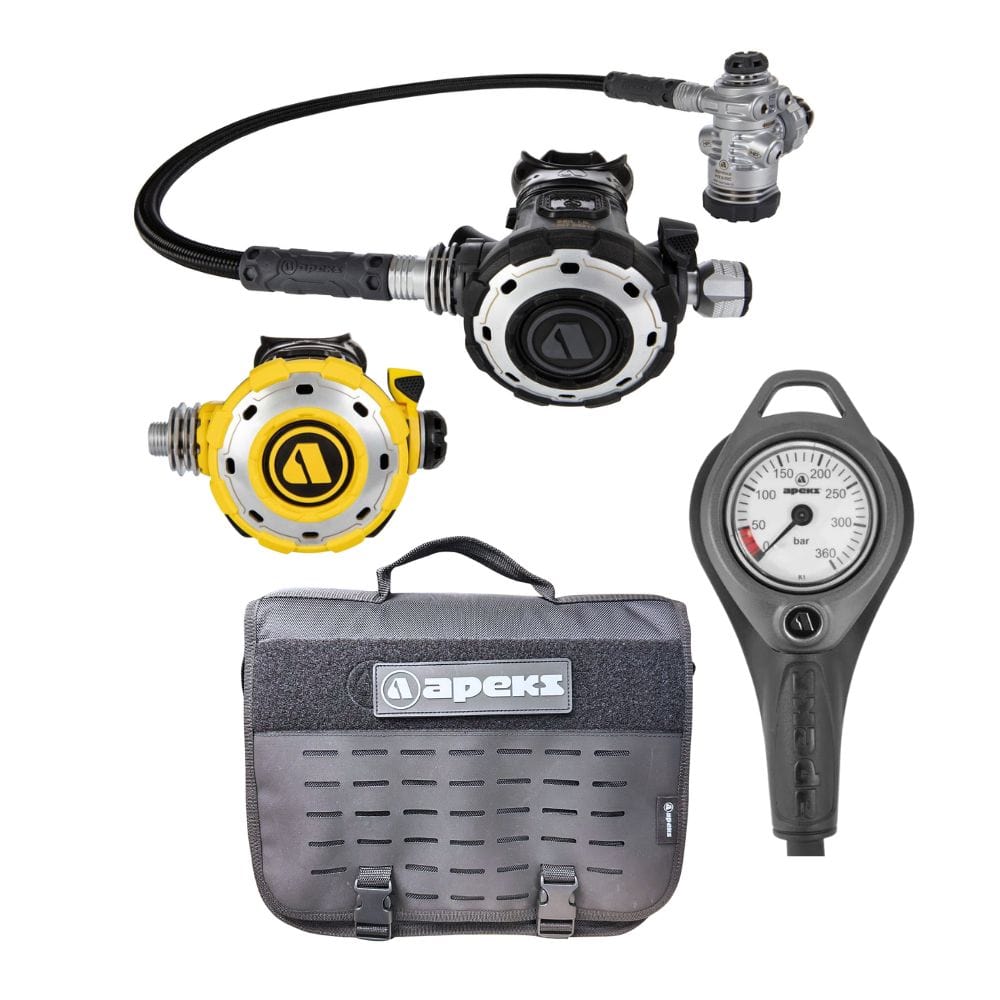
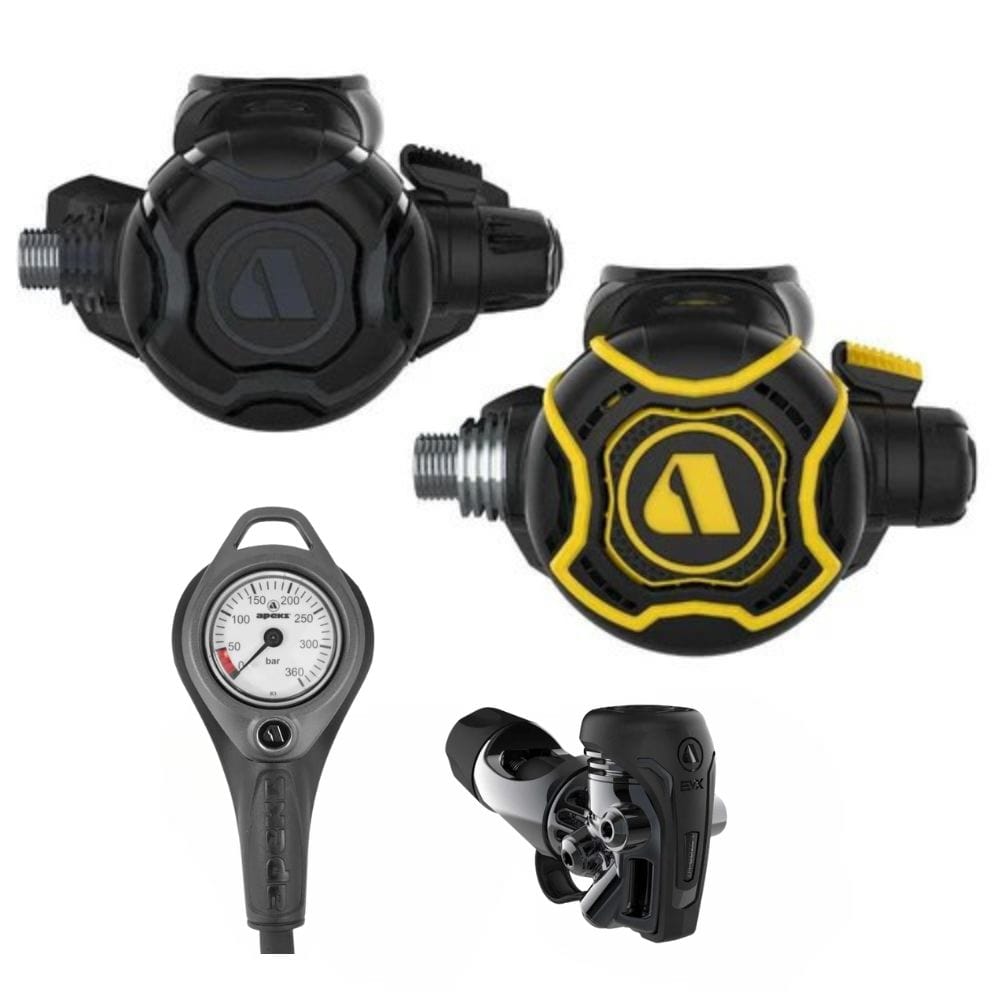
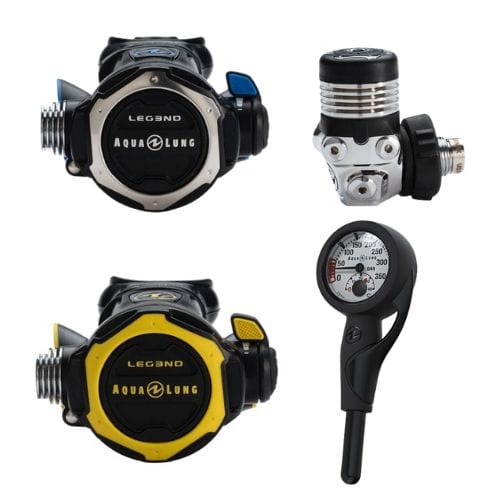
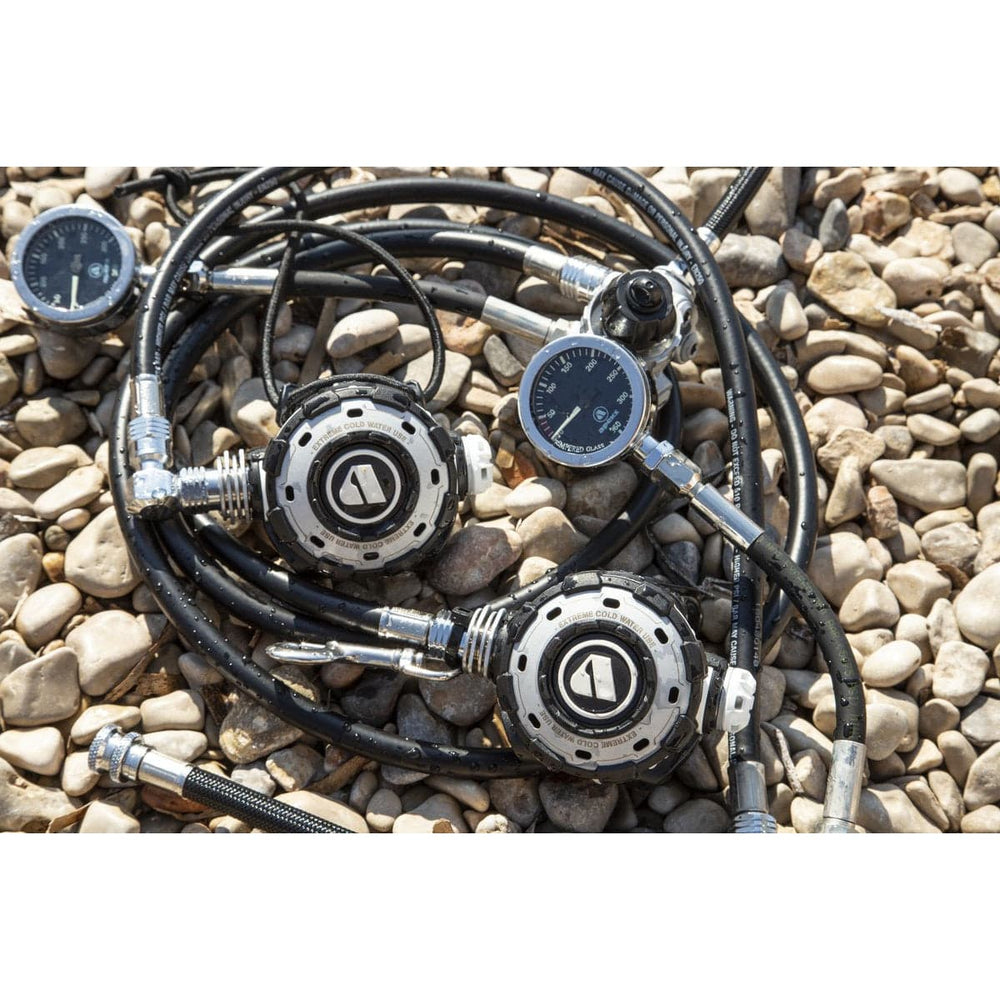
For year-round UK diving, look at an environmentally sealed first stage. Sealing keeps water out of the mechanism, which matters both in cold water and in silty or sandy conditions where contamination does the damage. The Apeks MTX-RC and the XTX family are the sets our own team dive most in British water, and Aqualung's LEGEND and LEGEND Elite cover the same ground.

Technical and sidemount

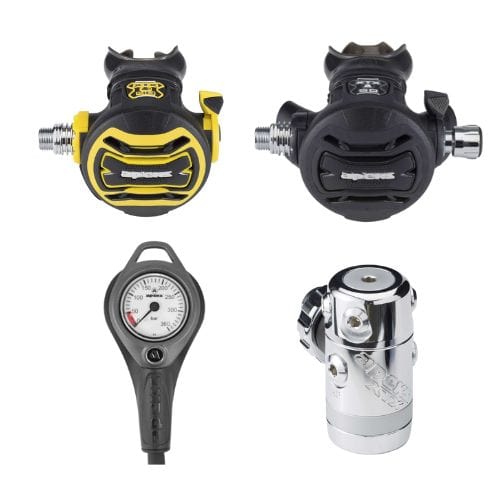
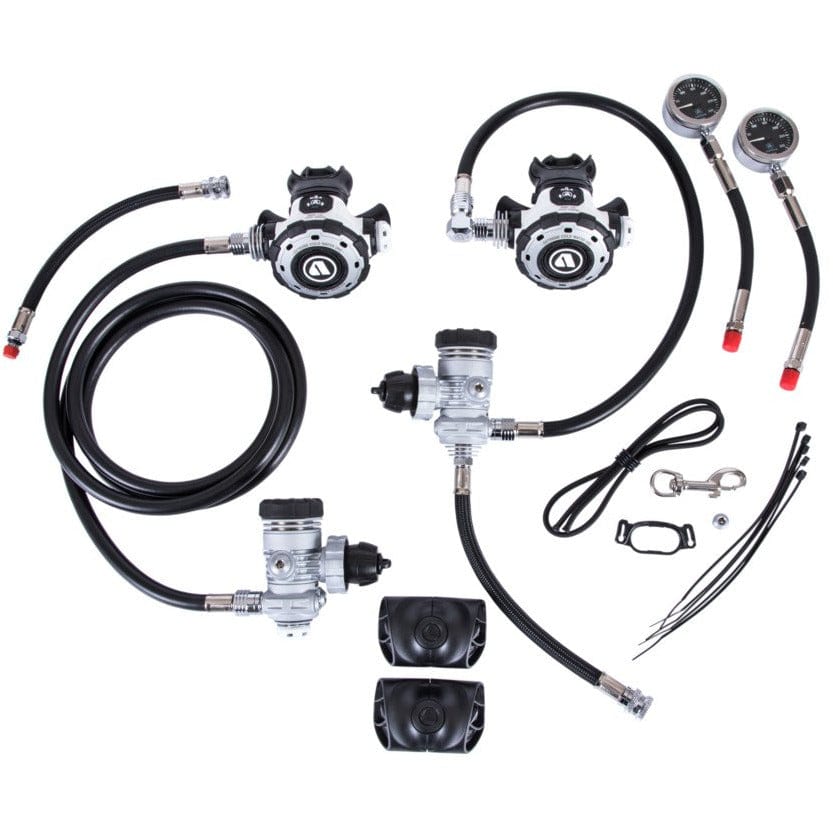
Technical diving needs configuration rather than just performance. We stock the Apeks TEK3 for stage and decompression use, the XTX50 Sidemount Set and MTX-R Sidemount for sidemount divers, and the Single Cylinder MTX-RC Set for back-mount technical diving. If you expect to move in this direction, buying into a range that already has these options saves replacing the lot later.

DIN or A-clamp?

A-clamp, also called yoke or INT, is what you will meet on most rental cylinders in warm-water destinations. DIN screws directly into the valve and is standard for technical diving and common on UK and European cylinders. Neither is inherently better. Adaptors exist in both directions, and many of the regulators here are available either way, so the practical question is simply where you dive most and what you will be renting.

Servicing is part of the purchase, not an afterthought

Regulators need servicing on a schedule, and most manufacturers tie the warranty to it. That is worth factoring in when you choose a brand, because where the work gets done affects how long you are without your kit. We are an authorised dealer for what we sell and we service it in-house at Hove rather than posting it away, which is faster and means you can speak to the technician who did the work.

Not sure which regulator? Ask us

Tell us the depth, the water and the kind of diving you are doing now, and we will tell you honestly which of these will still suit you in a few years rather than pointing you at the most expensive one. Call 0800 699 0243, or come and see us in Hove and handle them.

Frequently asked questions

How often should a scuba regulator be serviced?

Most manufacturers ask for an annual service, and several require it to keep the warranty valid. If you dive infrequently the interval may still be time-based rather than dive-based, because seals and lubricants age whether or not the regulator gets wet. We service regulators in-house at our Hove centre, so you are not posting your kit away and waiting. If you are unsure when yours was last done, bring it in and we will check the service history before you dive it.

Should I choose DIN or A-clamp?

A-clamp, also called yoke or INT, is the fitting you will meet on most recreational cylinders in warm-water destinations. DIN screws into the valve and is the standard for technical diving and for much of European and UK cylinder stock. Neither is better in isolation, it depends where you dive and what you will be renting. Many of the regulators we stock are available in both, and adaptors exist in both directions, so tell us where you dive most and we will point you at the right fitting.

Do I need an environmentally sealed regulator for UK diving?

It is worth considering. Sealing keeps water out of the first stage, which helps in cold water and in silty or sandy conditions where contamination is the bigger risk. Plenty of UK divers dive unsealed regulators without trouble, but if you are diving through the British winter, or planning cold or overhead-environment diving, a sealed first stage is the sensible choice. Our team dive UK water year-round and can tell you what they actually use.

Can I use one regulator for both recreational and technical diving?

Up to a point. A good recreational regulator will handle deeper recreational diving perfectly well, but technical configurations usually need something specific: a sidemount set such as the Apeks XTX50 Sidemount or MTX-R Sidemount, or a stage and deco arrangement like the Apeks TEK3. If you expect to move into technical diving, it is worth buying into a range that has those options rather than replacing everything later.

Which regulator brands does Oyster Diving stock?

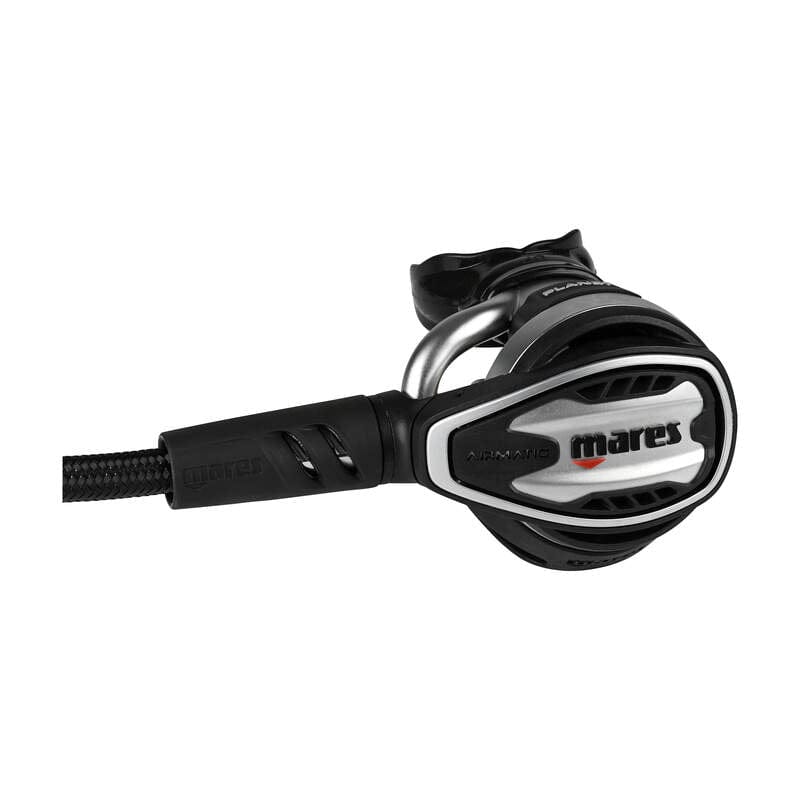
Apeks, Aqualung, Mares and Atomic Aquatics. Apeks is the broadest range we carry, covering the XL4 and XTX families through to the MTX and TEK3 for technical and cold-water use. Aqualung covers the Helix and LEGEND families, Mares the Atlas, DUAL and Planet sets, and Atomic Aquatics the M1 and T3. We are an authorised dealer for the brands we sell, which is what allows us to service them in-house.