Underwater Cameras

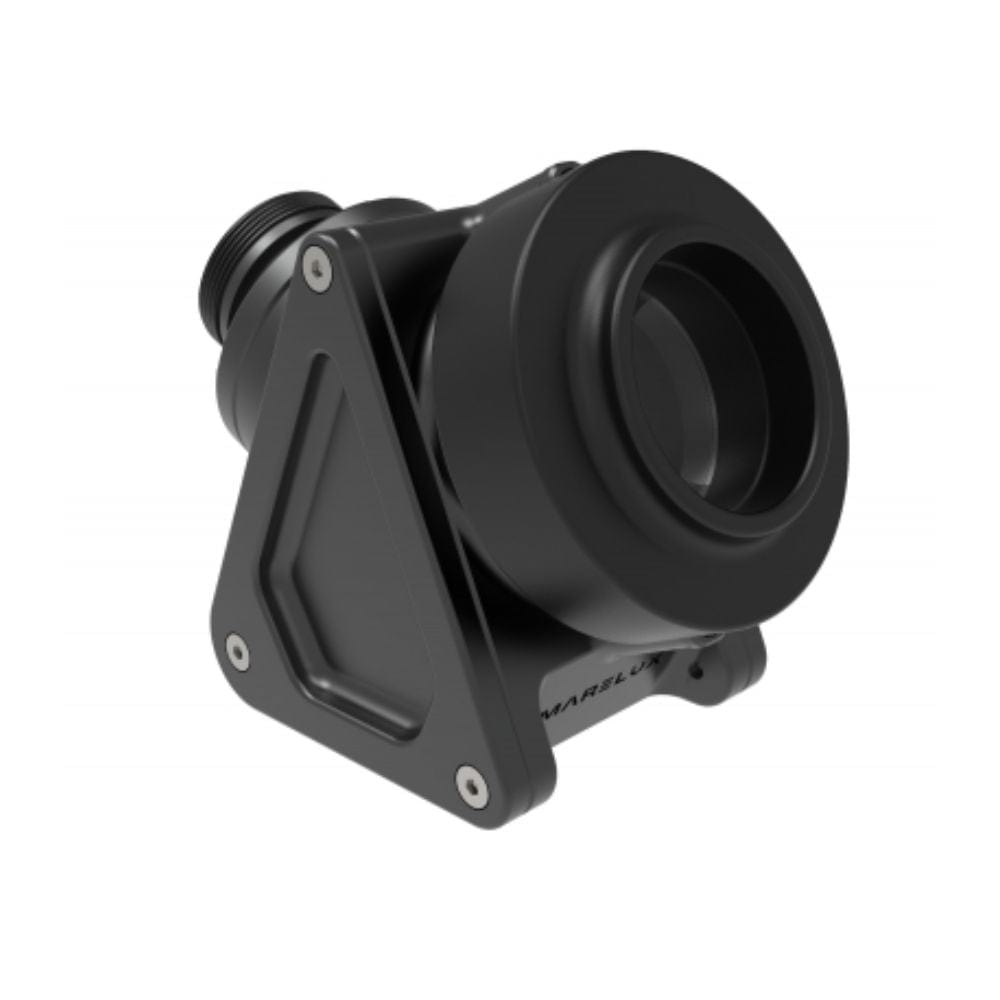
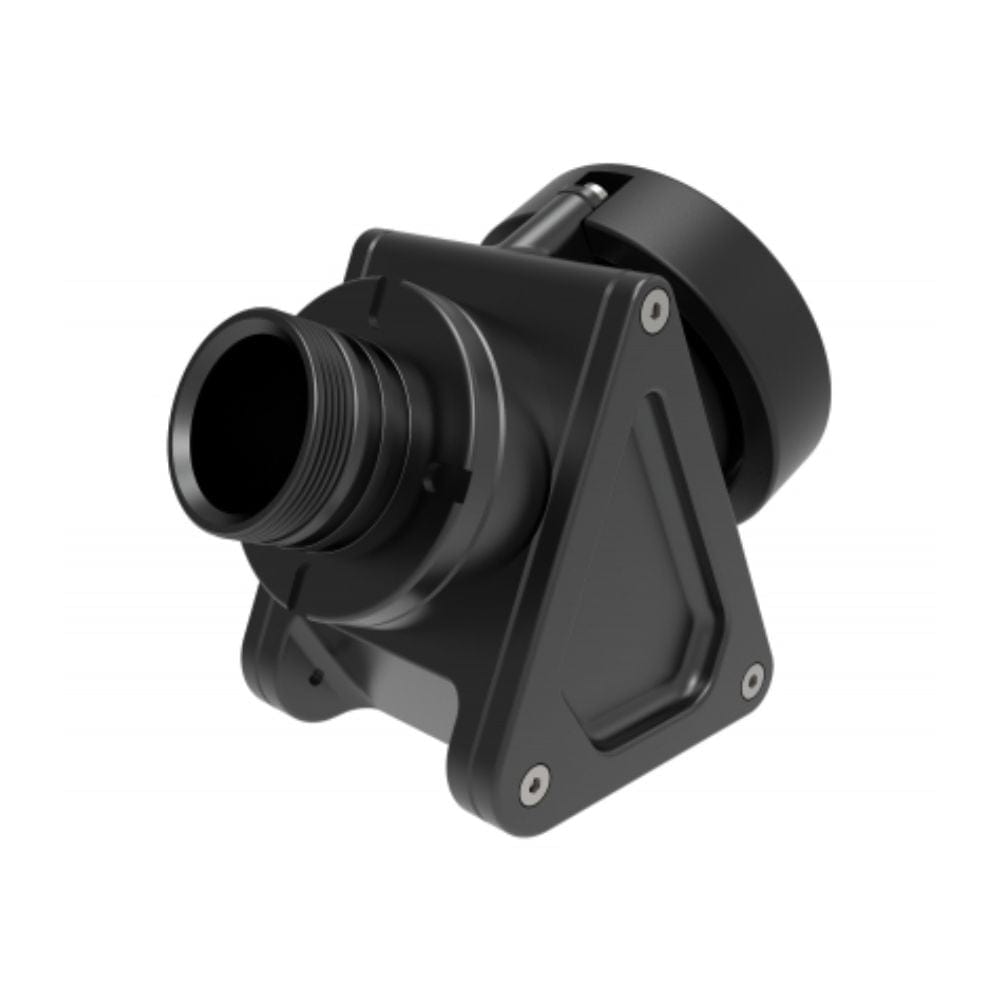
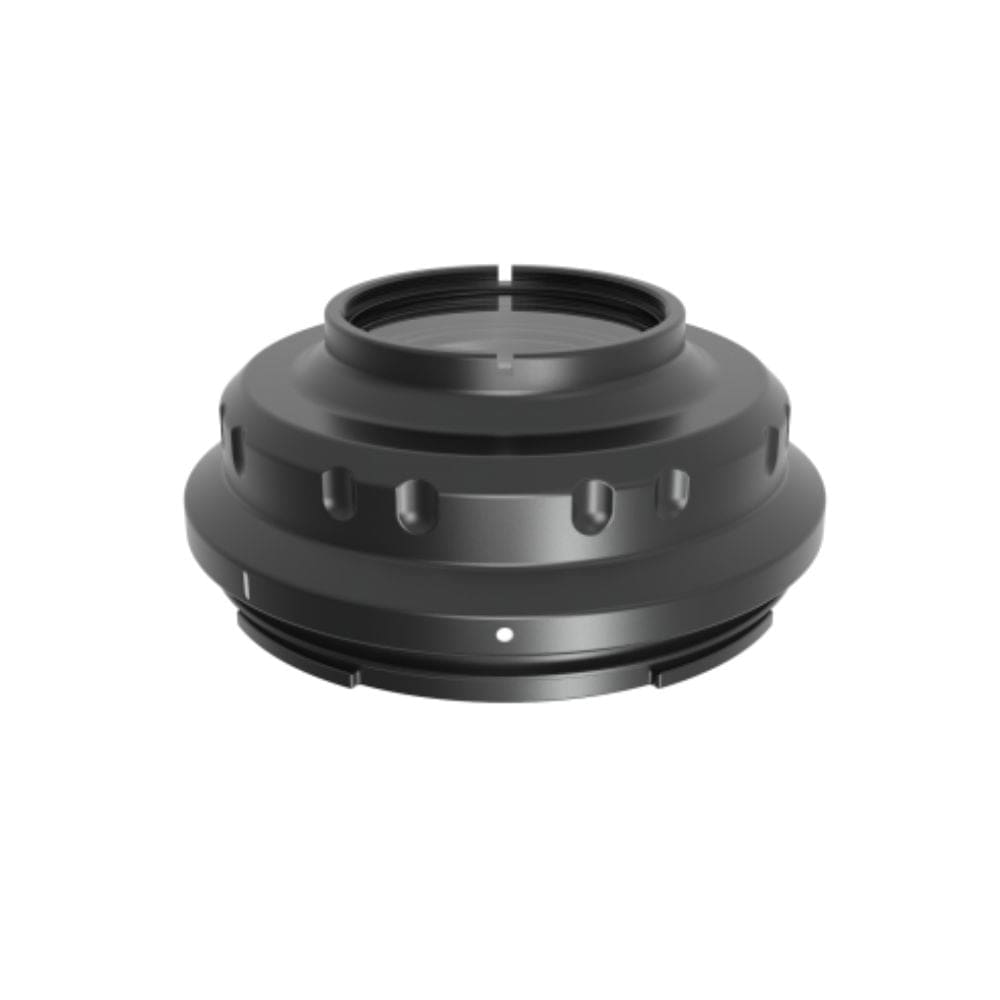
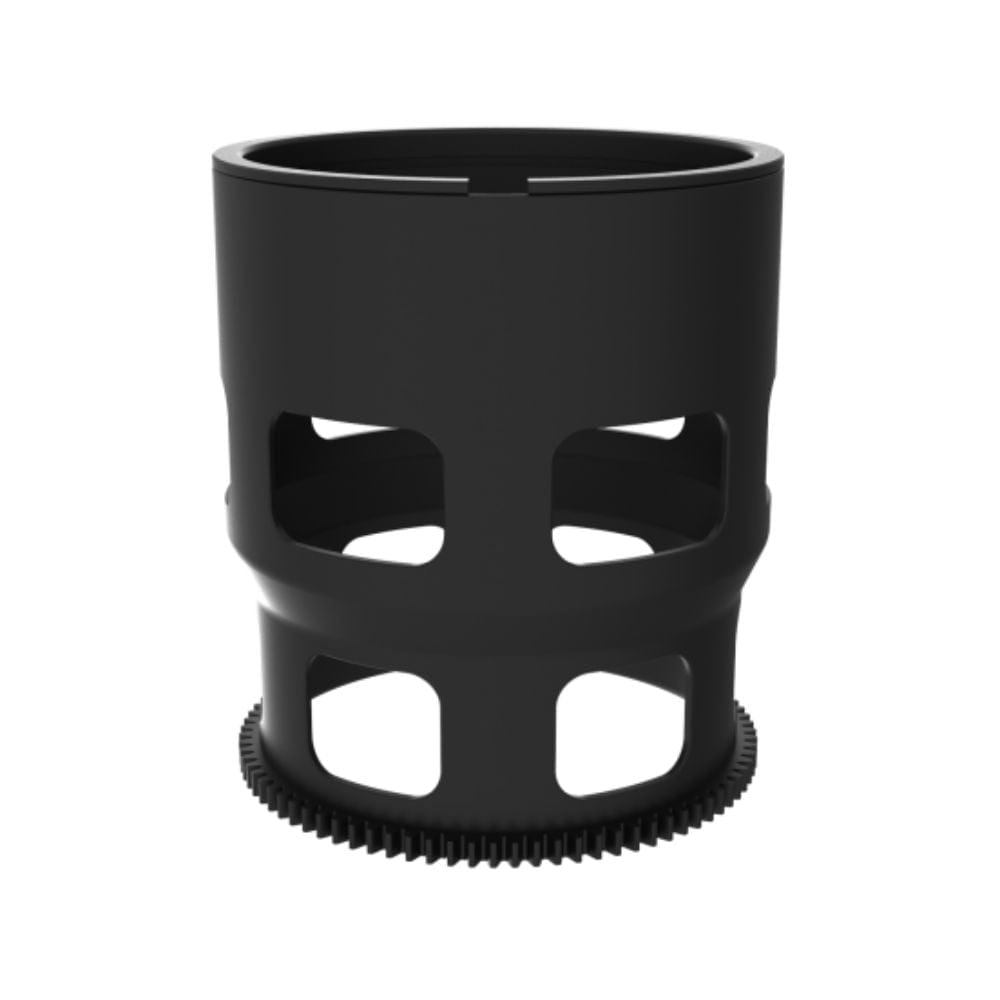
Explore underwater camera equipment chosen by divers who shoot in UK conditions, including action cameras, housings for mirrorless and DSLR bodies, wet lenses, focus gears, video lights and accessories. Cold, green water asks more of a lighting setup than a tropical reef, and we are always happy to advise on what actually works here. Shop trusted brands with UK delivery and support from the Oyster Diving team.

Underwater camera housings, lenses and video lights from Oyster Diving
  • Expert diving advice
  • UK delivery
  • Multi-award-winning PADI dive centre
  • Secure checkout
65 products
Read the full buying guide

Choosing underwater camera equipment

Underwater photography asks more of your kit than shooting on the surface. Water absorbs light and colour with depth, and UK conditions add reduced visibility and particles in the water. The right setup depends on what you shoot, how deep you go and how much you want to carry.

Starting out: action cameras

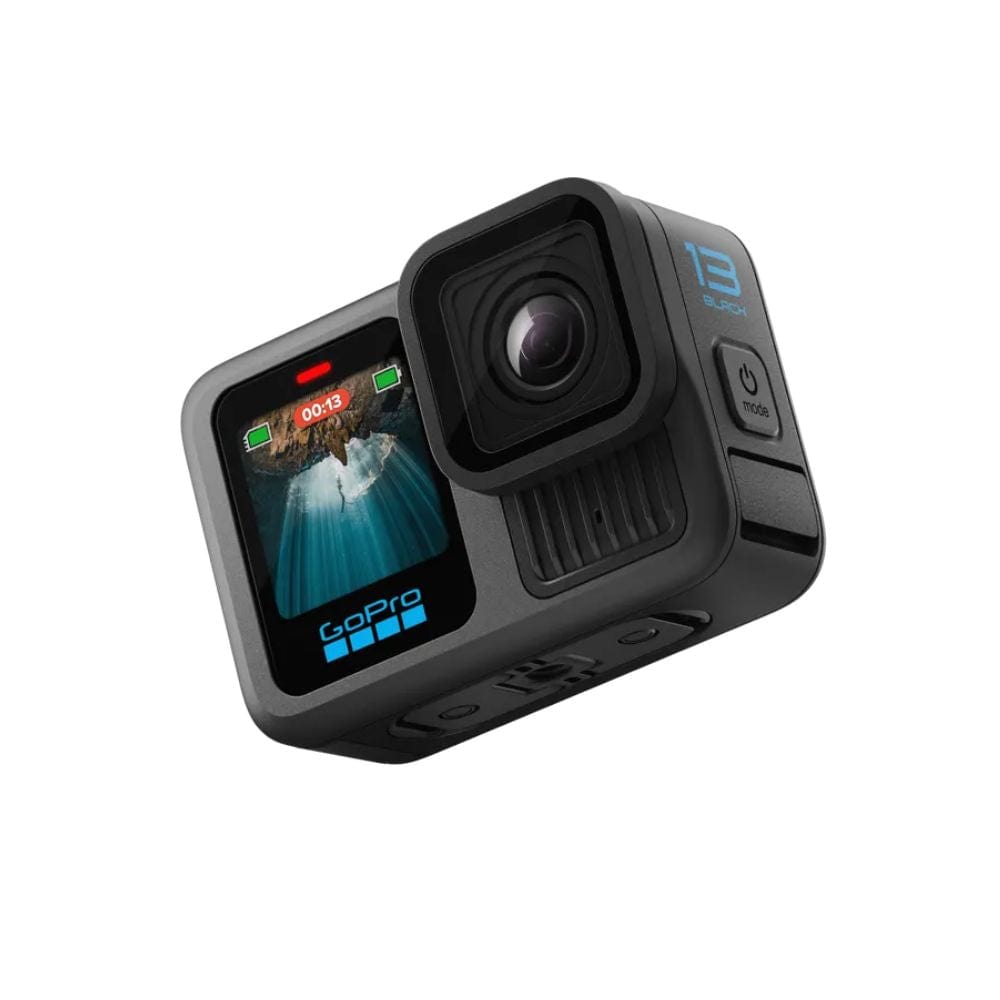
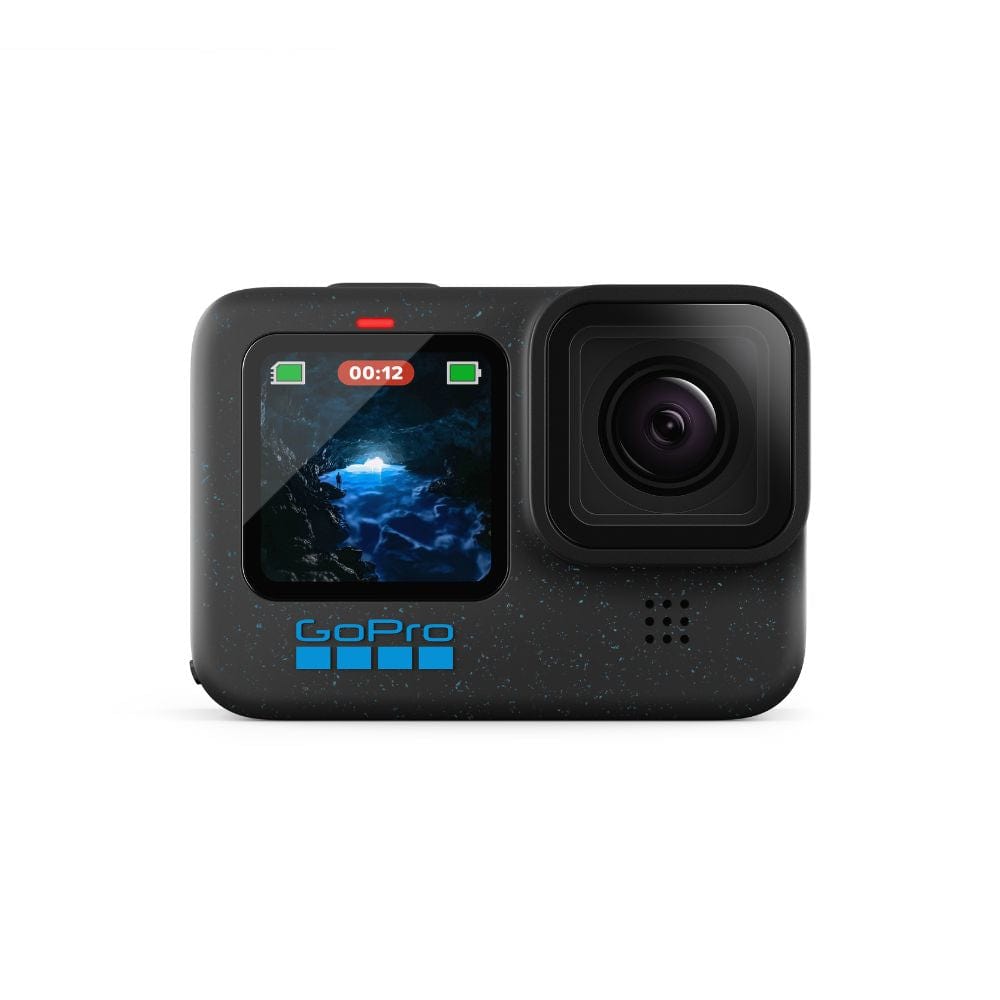
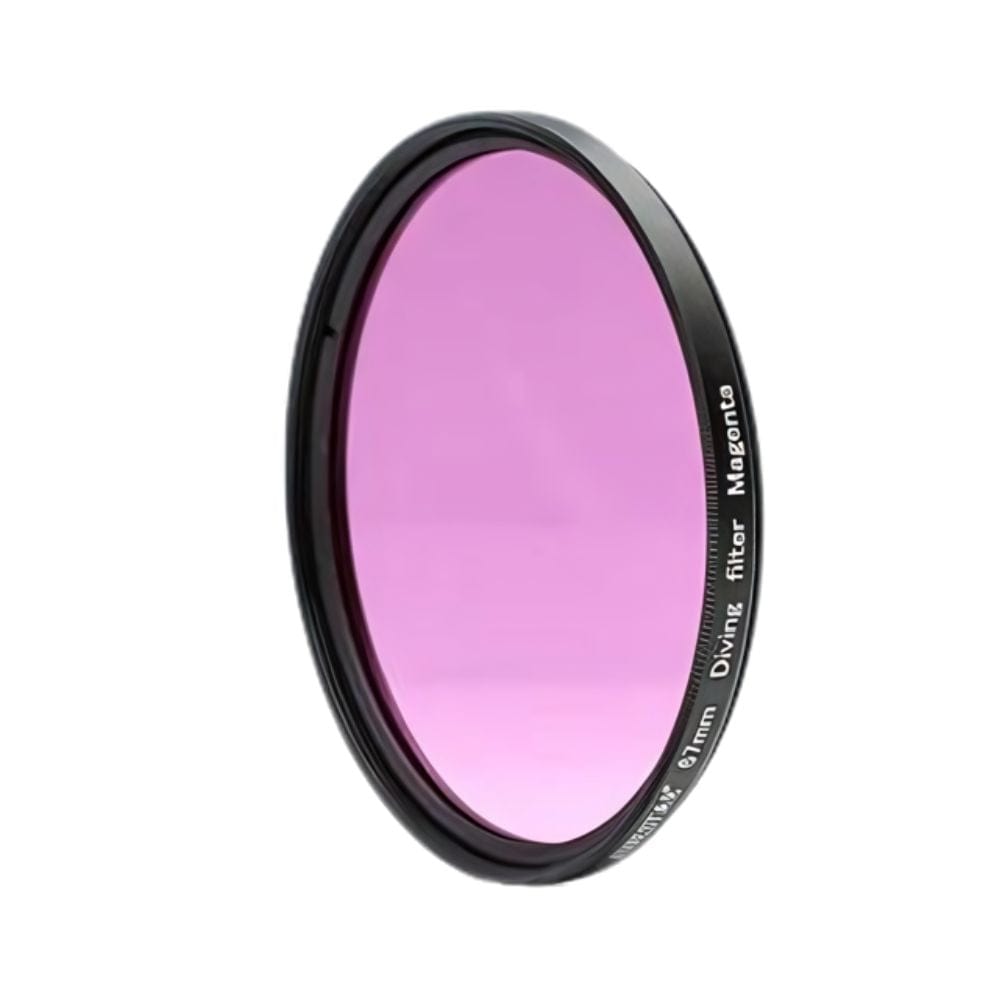
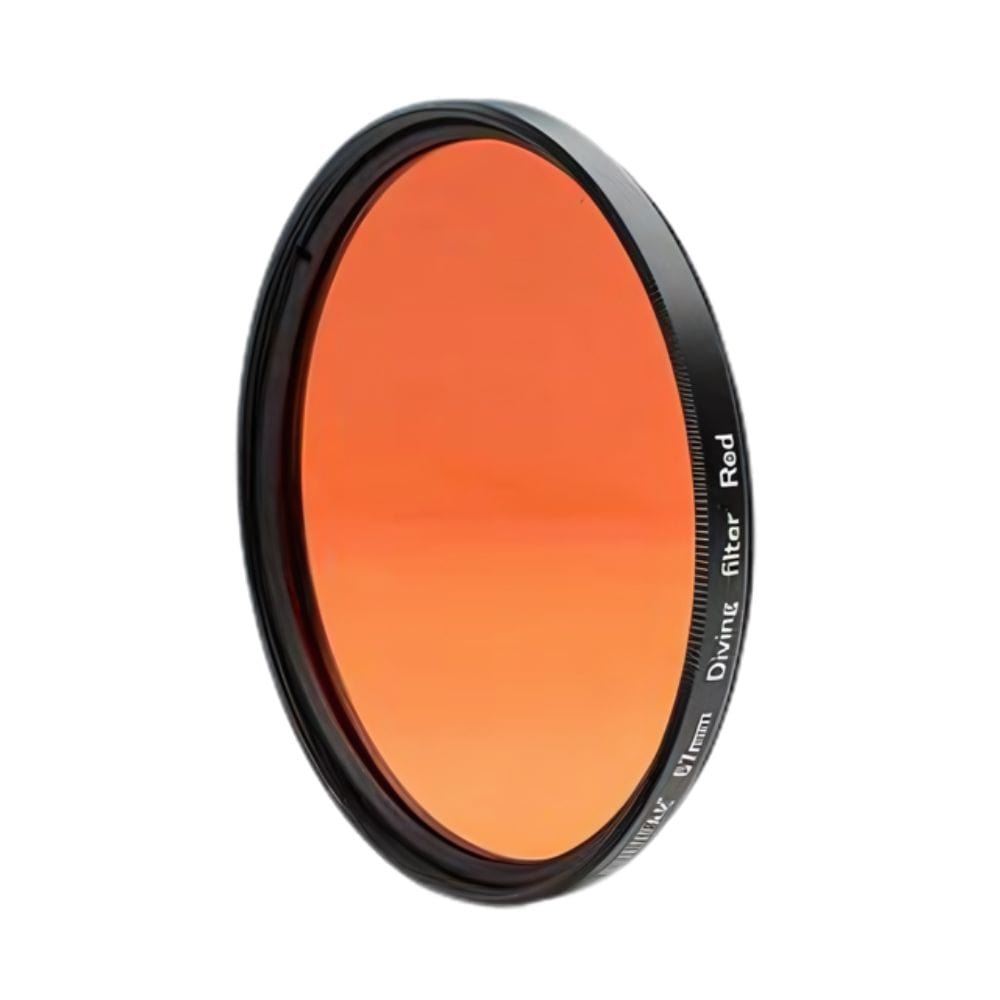
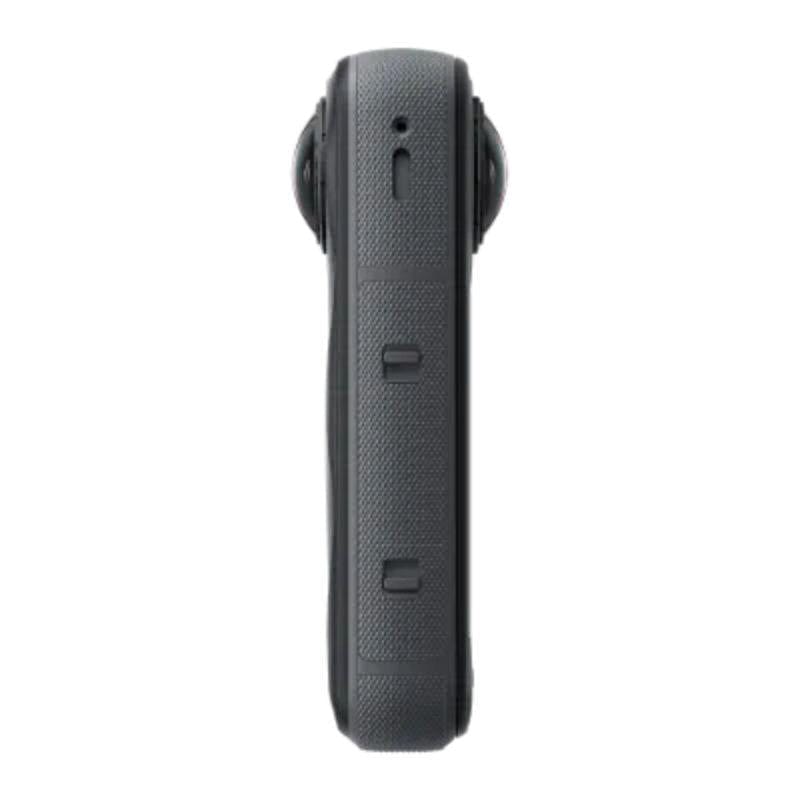
An action camera in a dive housing is the simplest way to begin. It is compact, forgiving and far cheaper than a full system, and it teaches the habits that matter most: get close, stay steady and shoot slightly upward. Add a red filter or a light before you add anything else.

Housings, ports and compatibility

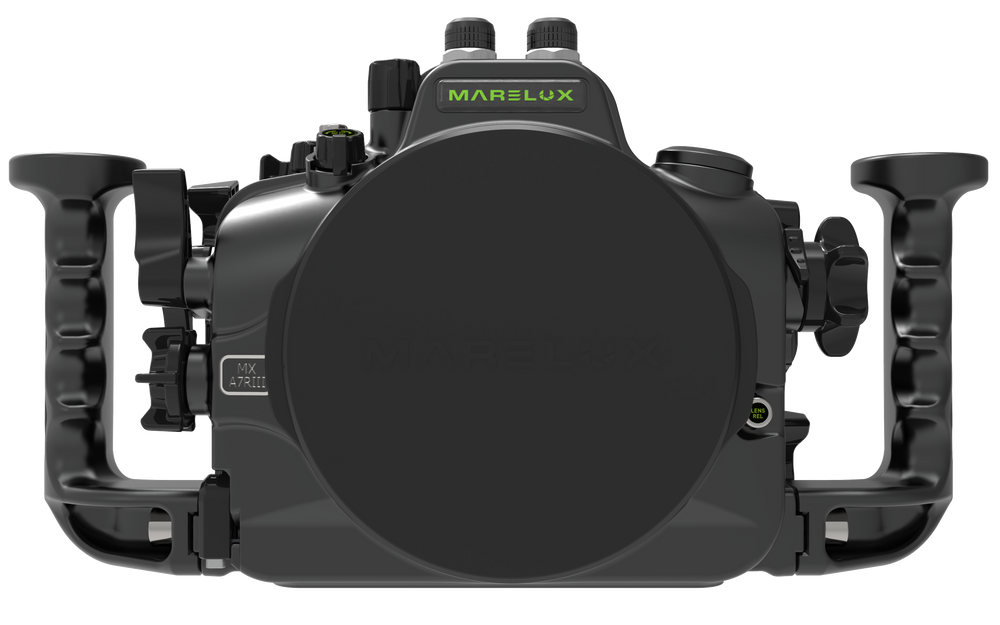
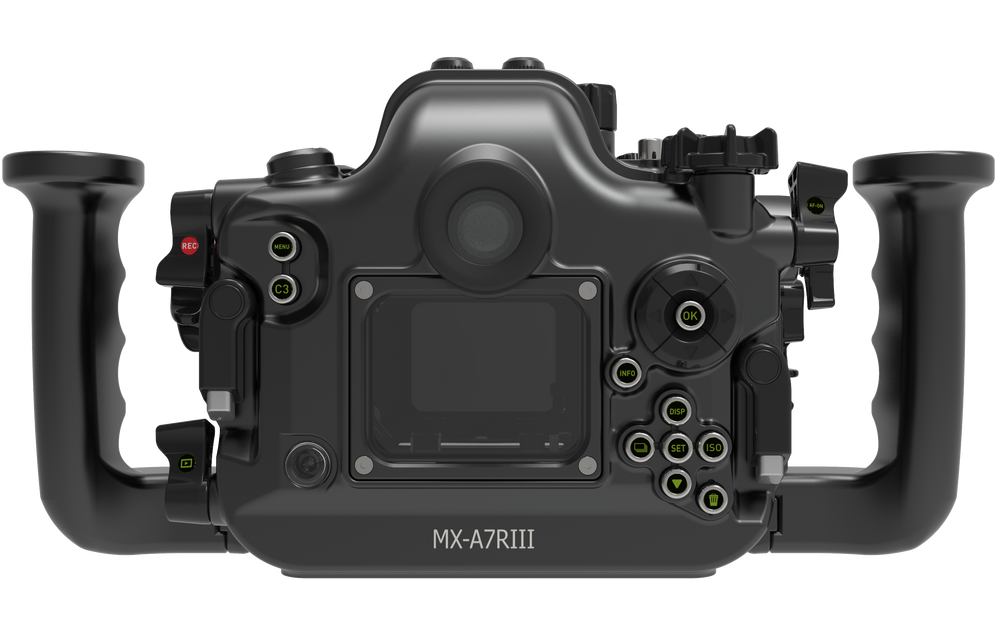
A housing is matched to a specific camera body, not to a brand. Check the exact model and variant before ordering, and confirm which port or lens combination suits the lens you plan to use. If you are unsure, send us your camera and lens details and we will confirm the right pairing before you buy.

Lighting, and why it matters more here

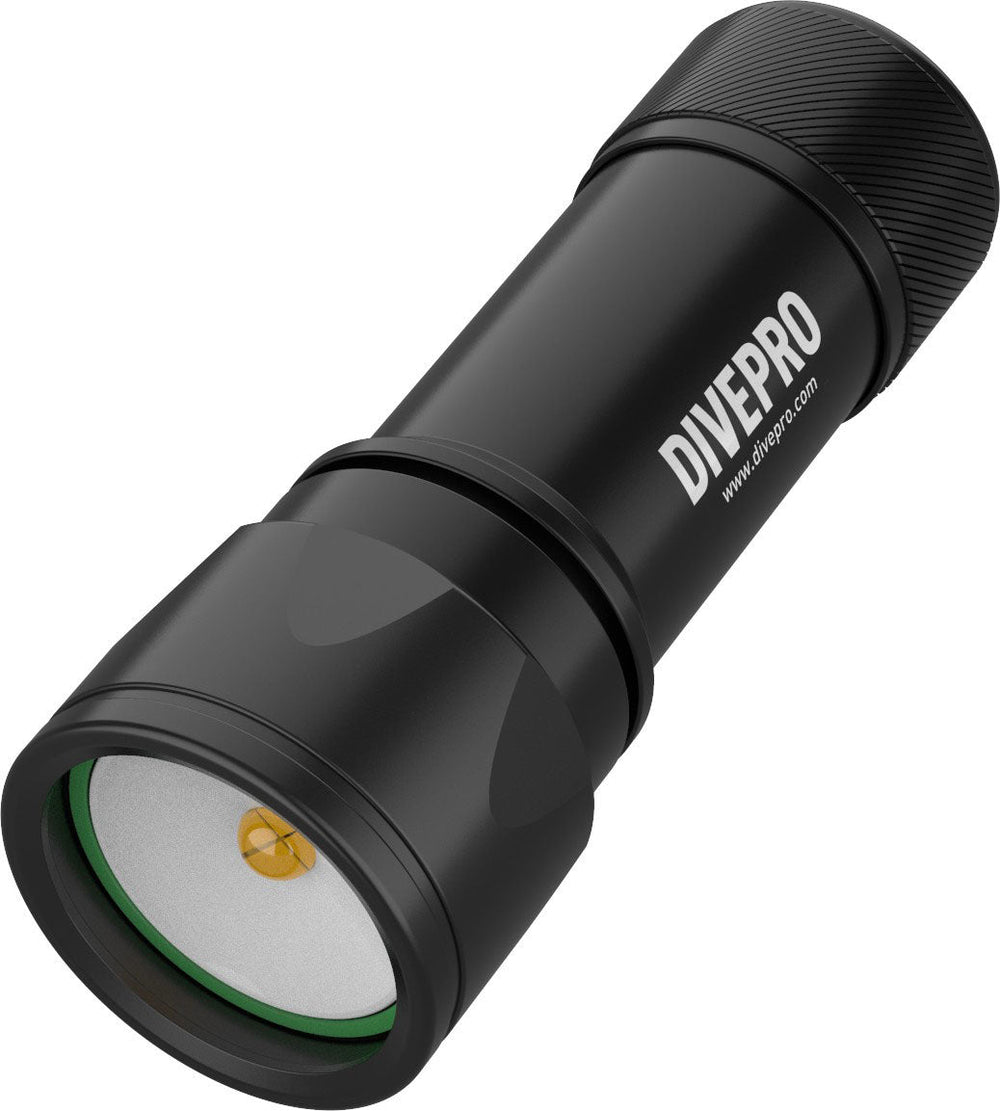
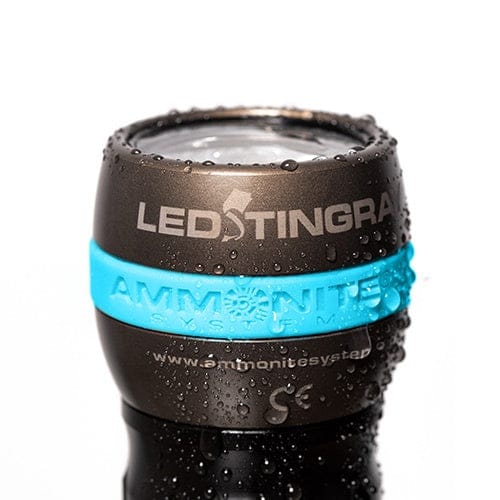
Colour disappears quickly underwater, red first. In UK water you will usually want artificial light sooner than you would on a tropical reef. Video lights give continuous output for filming; strobes fire a burst for stills. Position them wide and slightly back so the beam does not light up the particles in front of your lens.

Which brands do Oyster Diving stock?

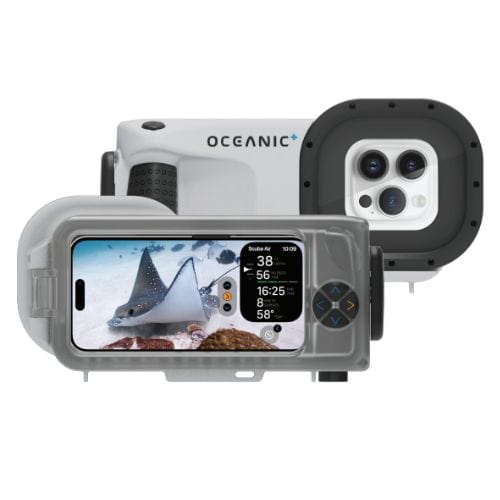
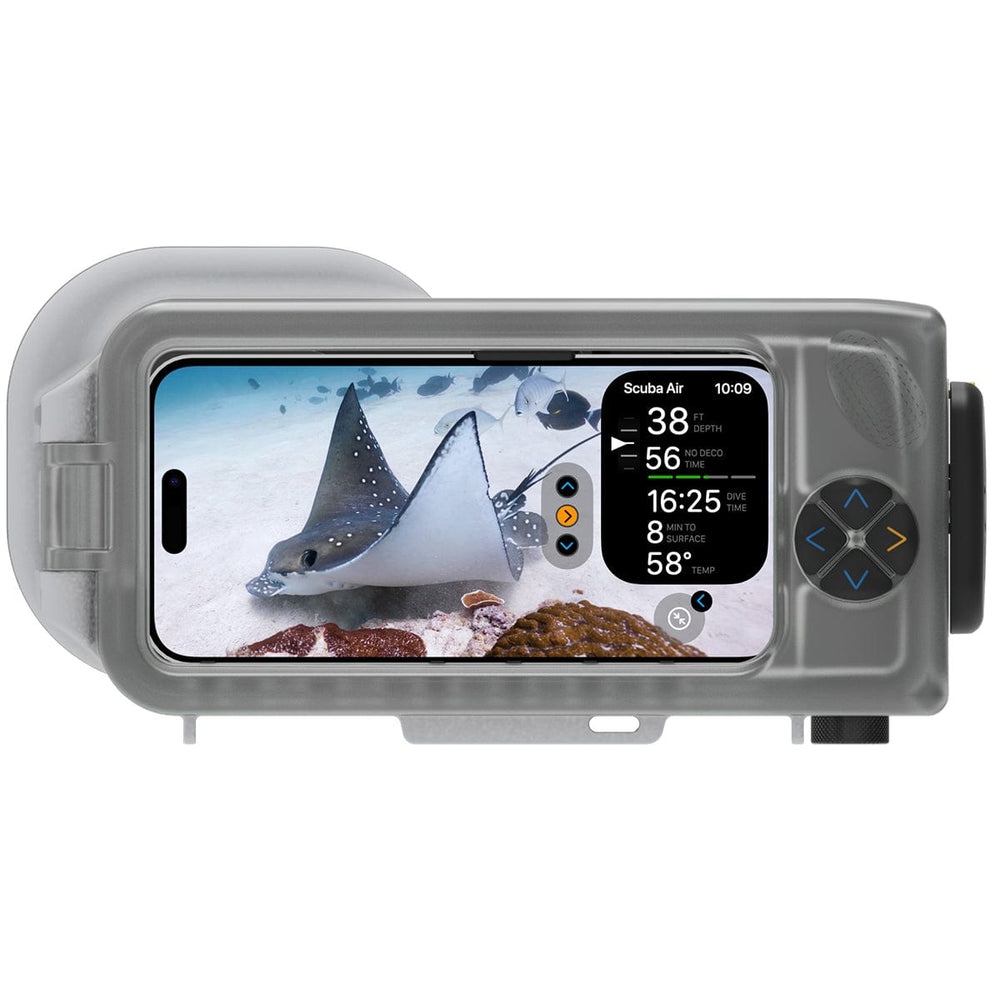
We stock GoPro, Insta360, Marelux, Fantasea, Divevolk, Oceanic+ and Divepro, covering everything from a first dive housing to a full mirrorless setup with wet lenses and lighting. If you want a recommendation for the kind of diving you actually do, ask. We will point you to the right tool rather than the most expensive one.

Care and maintenance

Rinse everything in fresh water after every dive and let it dry fully before you open it. Inspect and grease O-rings to the manufacturer's schedule, keep sand and hair away from sealing surfaces, and store housings with the seals relaxed. Most floods come from a seal that was never checked, not from a housing that failed.

Learning to shoot underwater

Good kit will not compose the shot for you. If you want to get more out of your setup, we run a PADI Underwater Photography speciality course alongside the full range of PADI courses, in London, Hertfordshire, Brighton, Surrey, Berkshire, Kent, Gloucestershire and Oxfordshire.

Frequently asked questions

Which underwater camera should I start with?

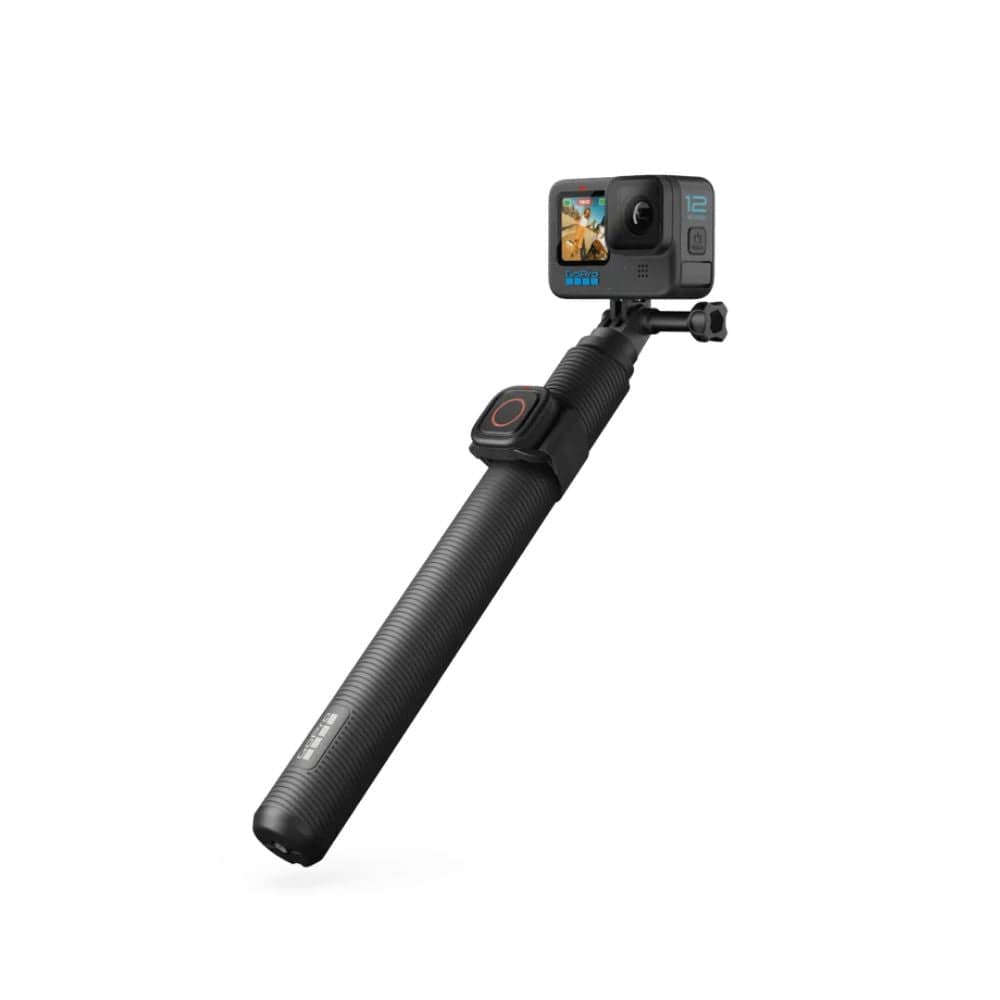
An action camera such as a GoPro or Insta360 with a dive housing and a video light is the simplest way to start. If you already own a camera you love, a dedicated housing for that model is the natural next step up.

How deep can I take an underwater housing?

Every housing has its own depth rating, typically 40 to 60 metres for recreational models and deeper for aluminium housings. Action cameras such as GoPro are waterproof on their own to around 10 metres and need a dive housing beyond that.

Can I use any housing with my camera?

No. Housings are built for specific camera models so the controls and ports line up exactly. Check the housing's compatibility list against your exact camera model before you order, or ask us to confirm it for you.

Do I need a separate housing for a GoPro underwater?

Not for shallower dives. Current GoPro models are waterproof on their own to the depth stated by the manufacturer for that model. To go deeper than that, GoPro's Protective Housing raises the rating substantially. Insta360 cameras work the same way, with the limit varying by model. Check the rating for your exact model before you dive it, and ask us if you are unsure.

What is the difference between an action camera and a camera housing?

An action camera such as a GoPro or Insta360 is a self-contained waterproof camera. A camera housing is a waterproof enclosure that lets you take a standard camera, usually a mirrorless or DSLR body, underwater. Housings give you a larger sensor, interchangeable lenses and manual controls, but they cost significantly more and need more setup before each dive.

Can I get advice on which underwater camera to buy?

Yes. Call us on 0800 699 0243 or visit us in Hove. Our team are active PADI instructors and can advise based on the diving you actually do, your camera experience and your budget. We stock most of what we recommend, so you can usually leave the same day.