Filter by

From
£
To
£

Filter by

From
£
To
£
35 products

Best Dive Computers 2026

Oyster Diving has created a list of our favourite scuba diving computers of 2026

Dive Computers

We stock dive computers from Garmin, Shearwater, Aqualung, Suunto, Mares and TUSA, from entry-level wrist computers at £178 up to the Garmin Descent MK3i at £1,379. Free UK delivery on all orders. Spend over £100 and you can book a free pool familiarisation session at one of our PADI-staffed pool sites across London and Brighton.

How to choose a dive computer

The most important question isn't which brand. It's how you dive. A recreational diver doing 20–30m in UK waters has very different needs to someone doing technical dives on mixed gas. Get that wrong and you'll either buy more computer than you need, or outgrow it within a year.

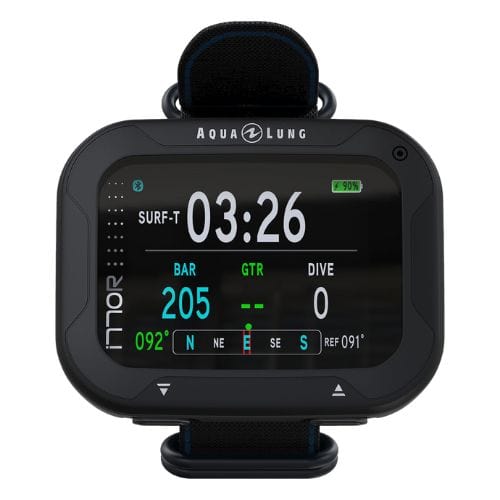
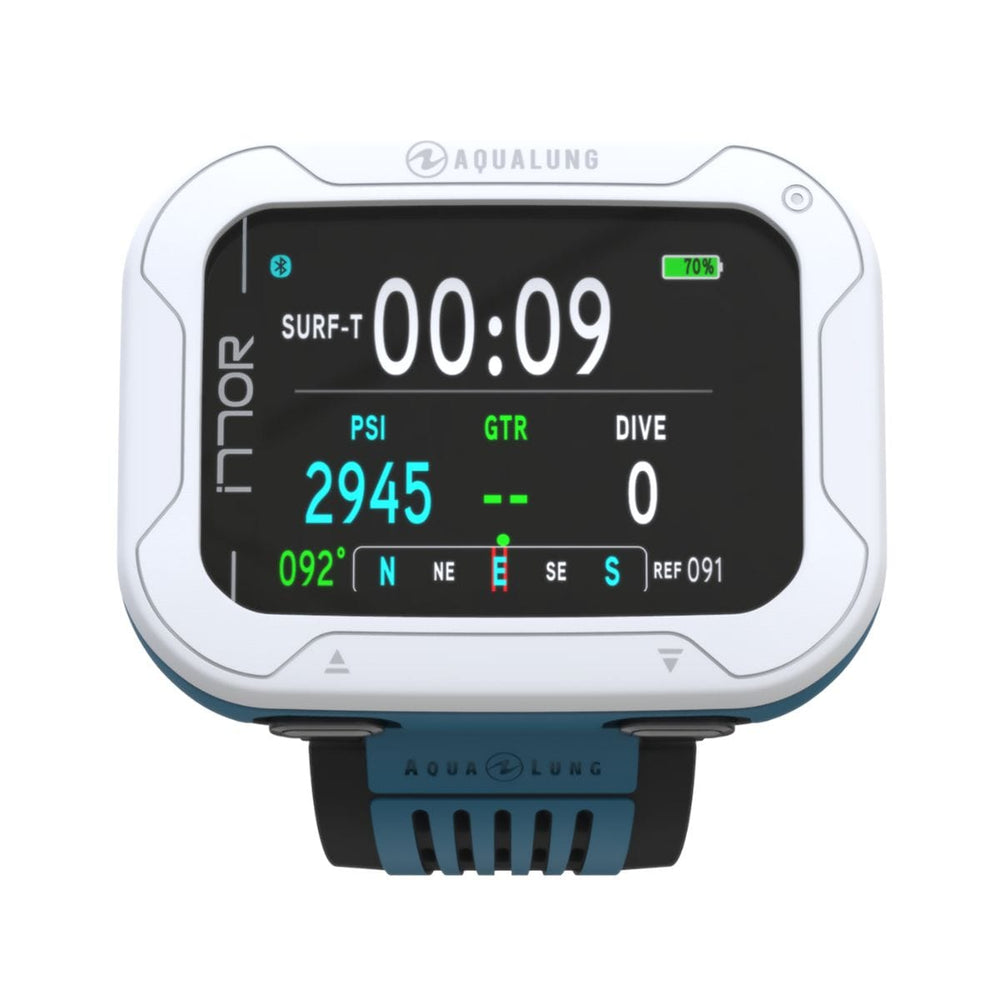
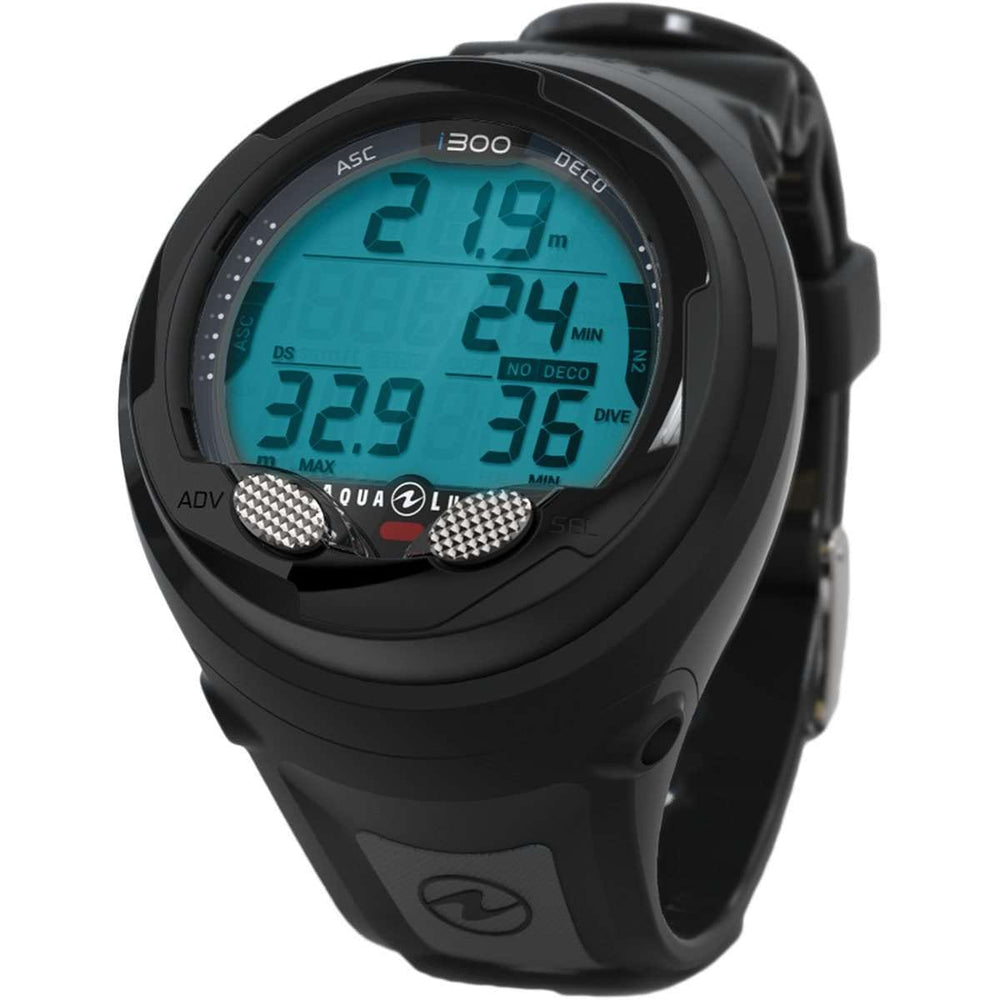
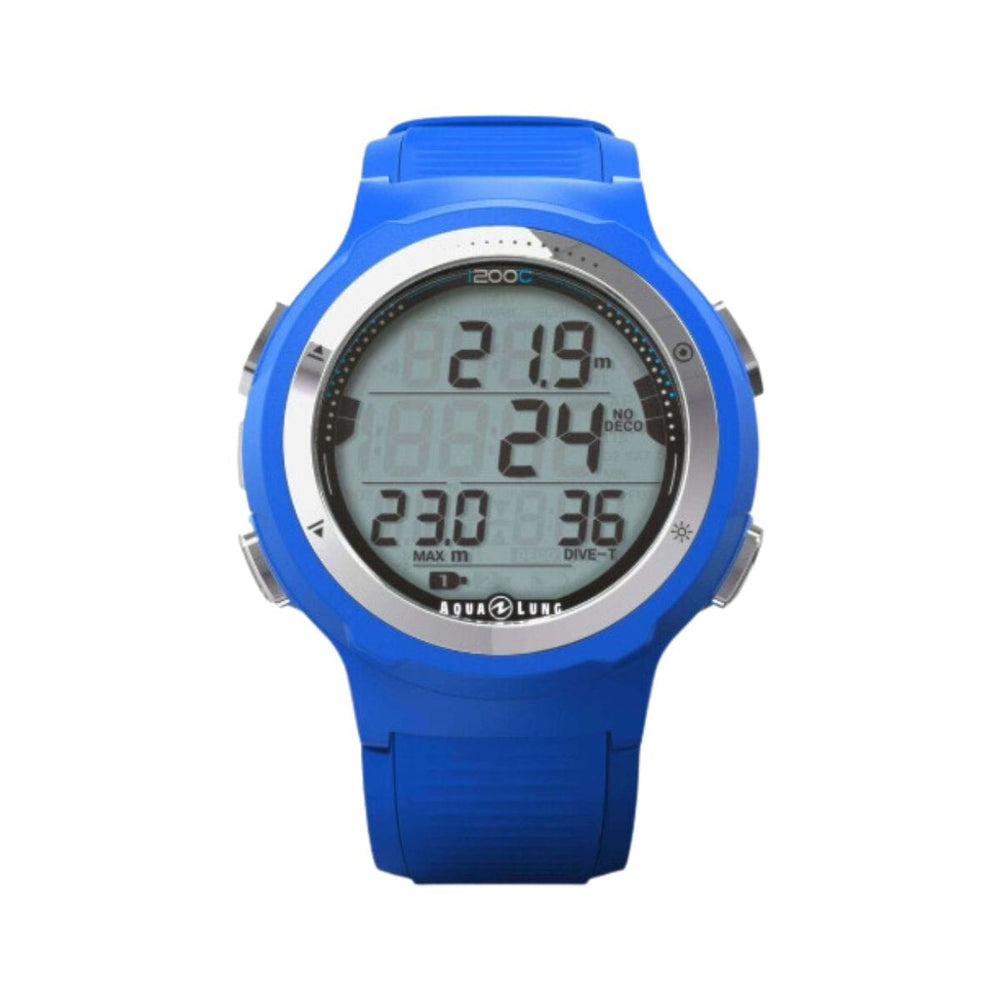
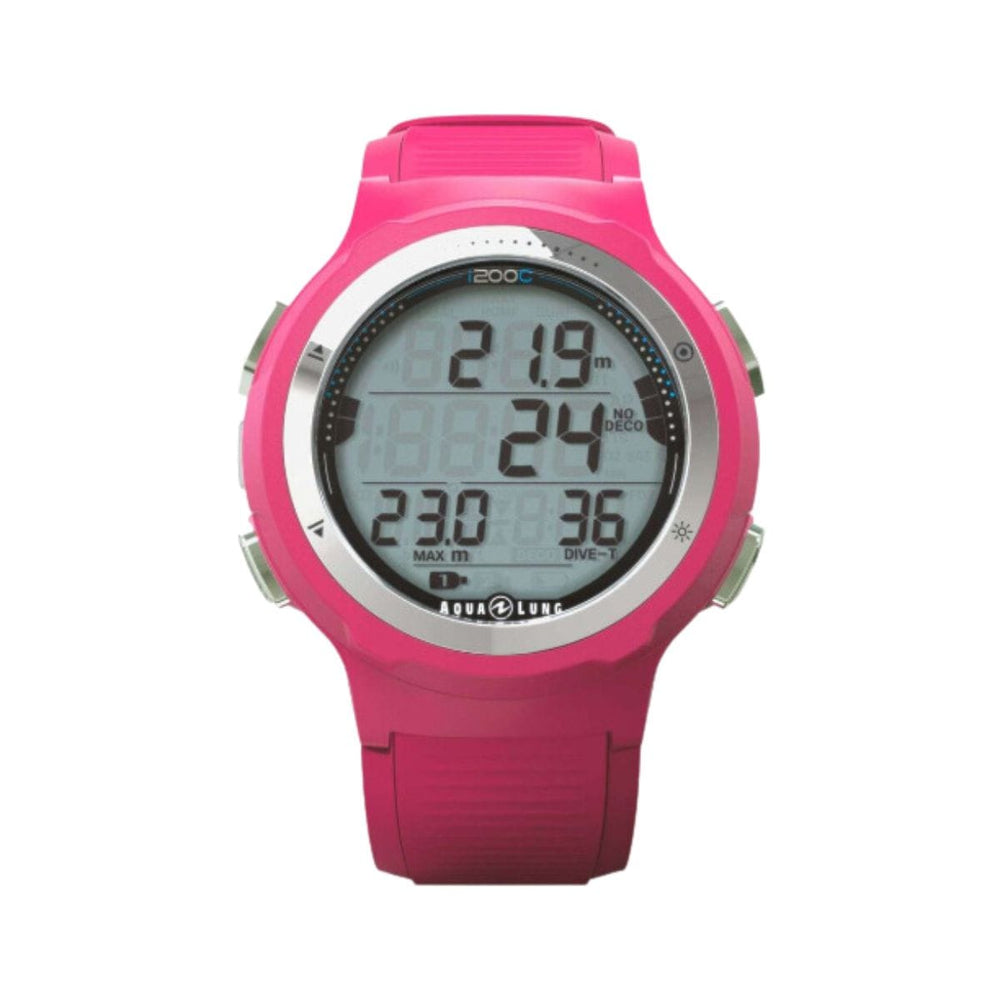
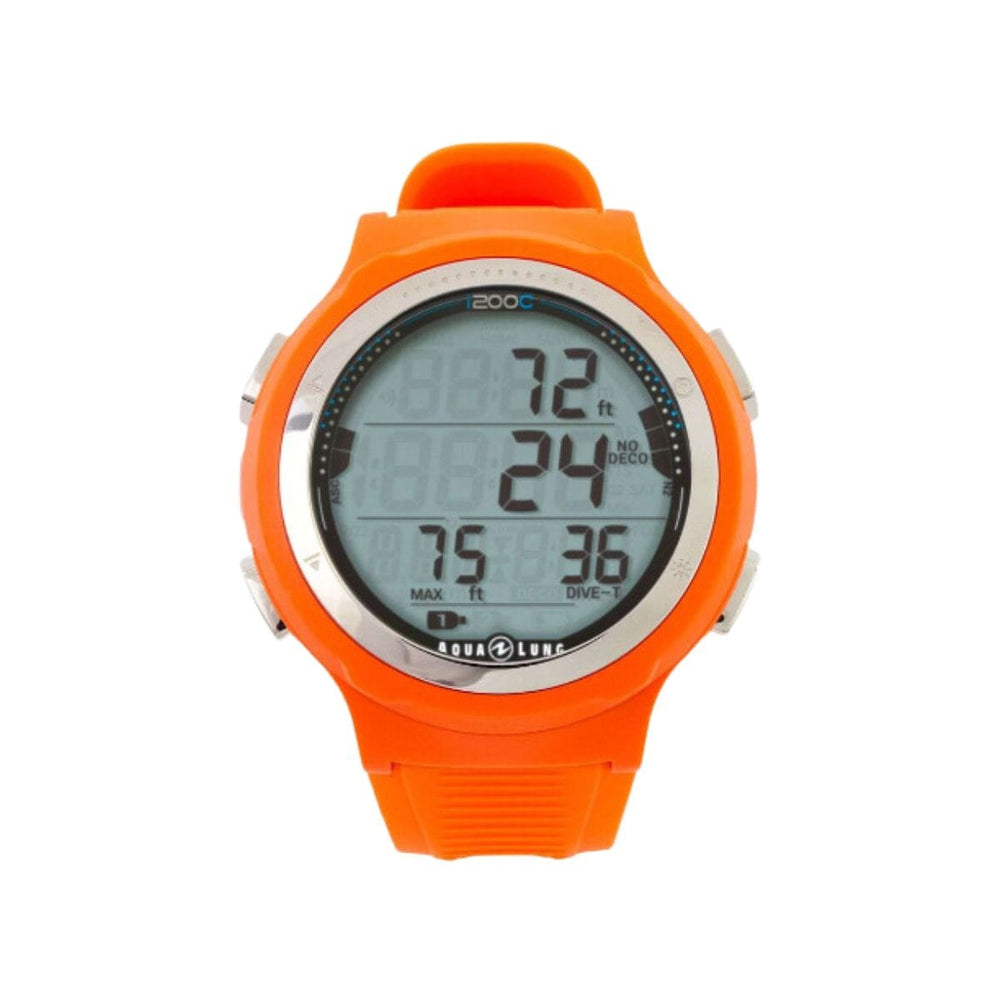
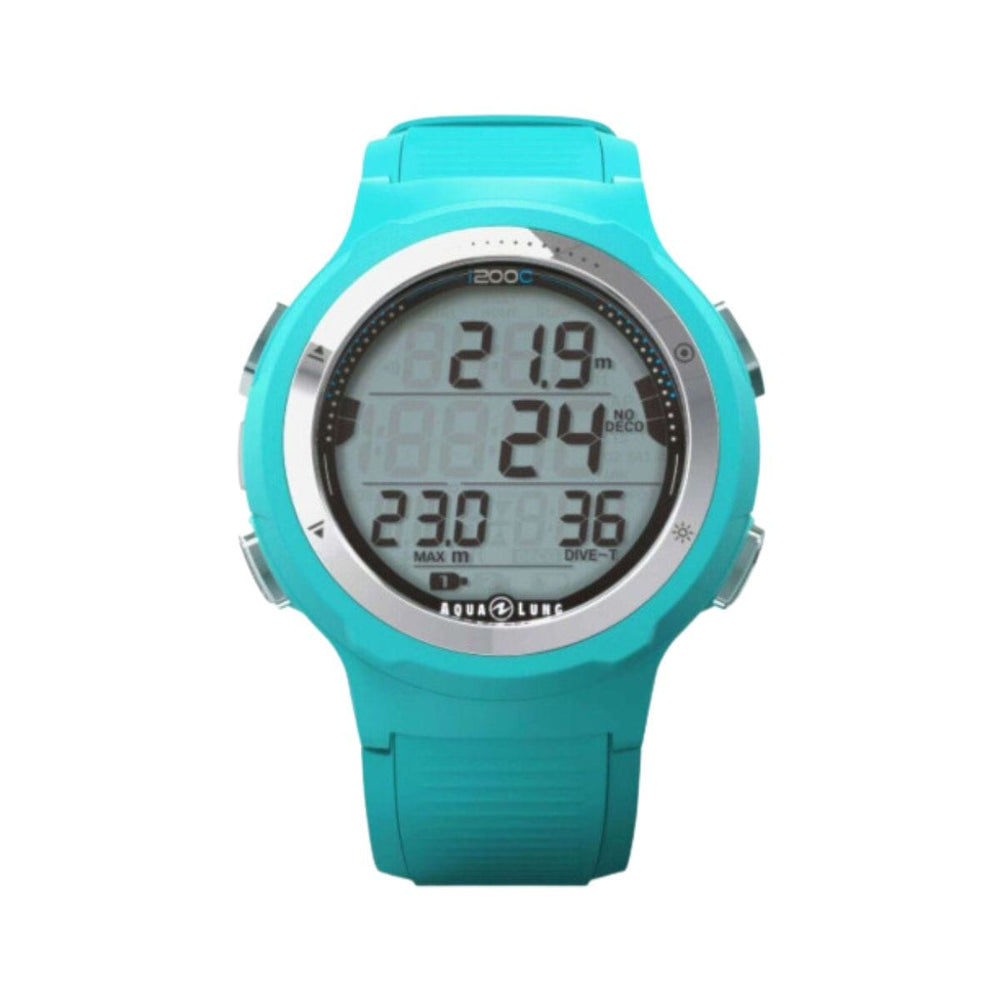
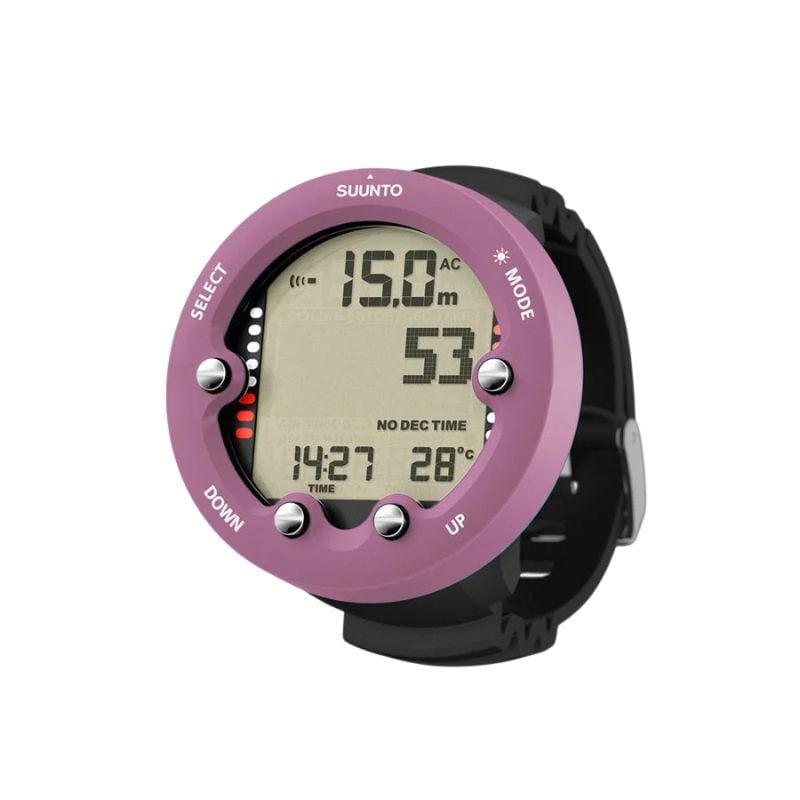
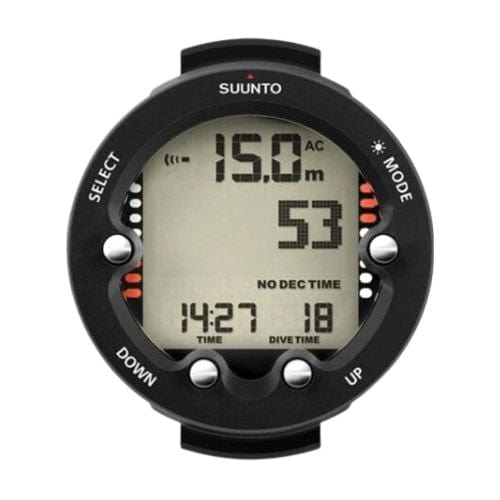
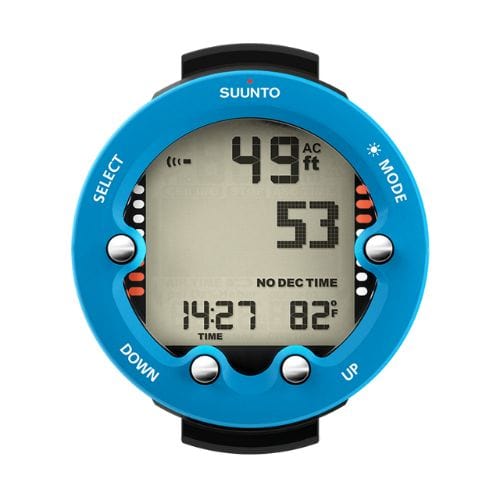
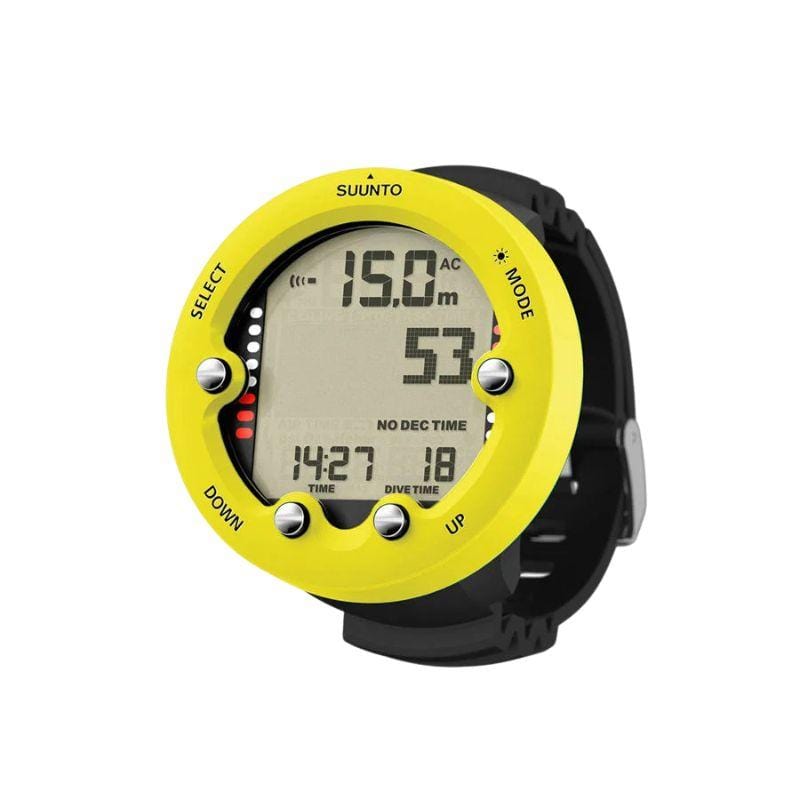
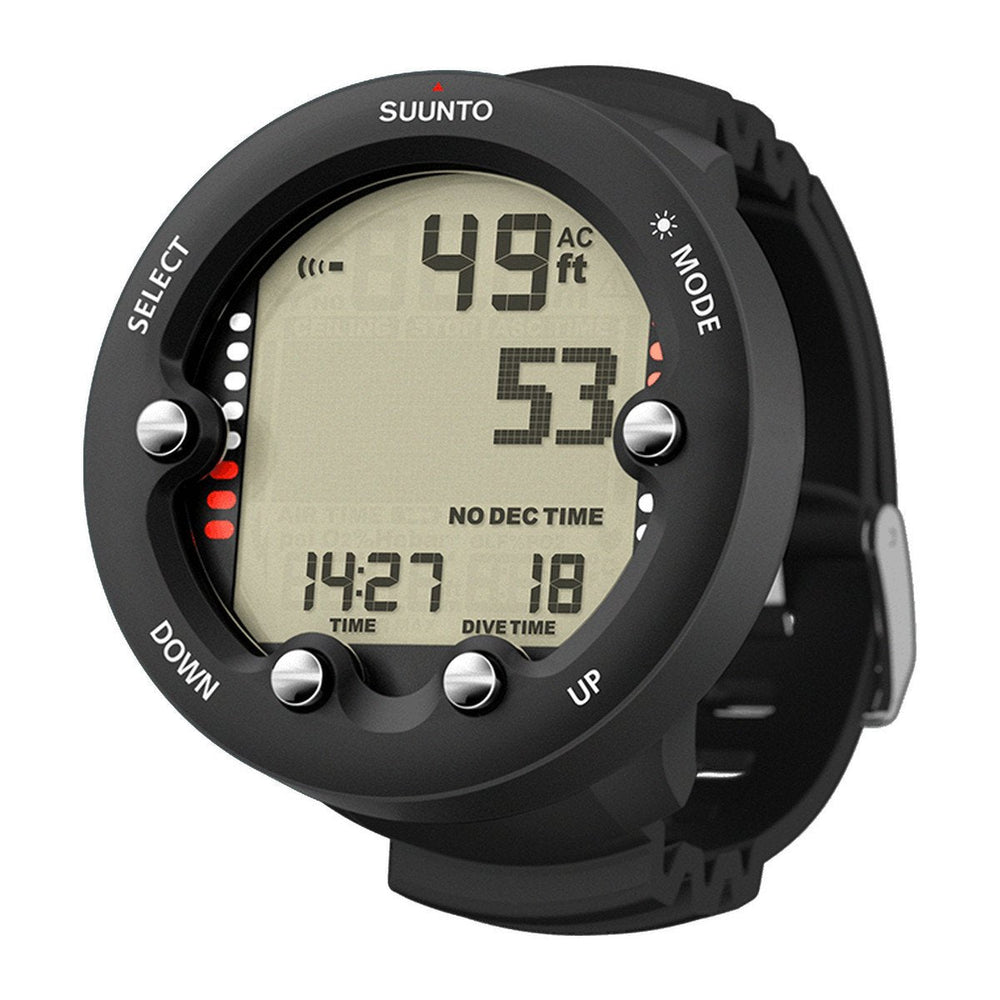
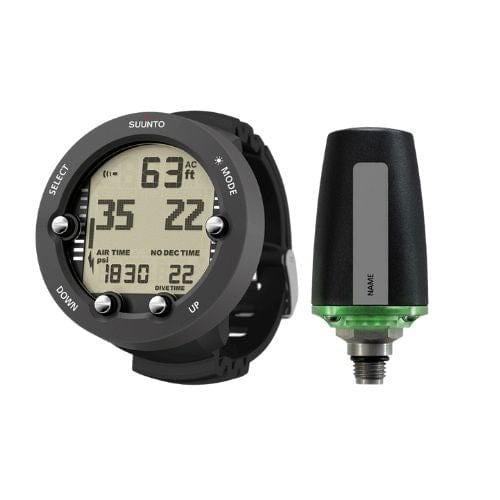
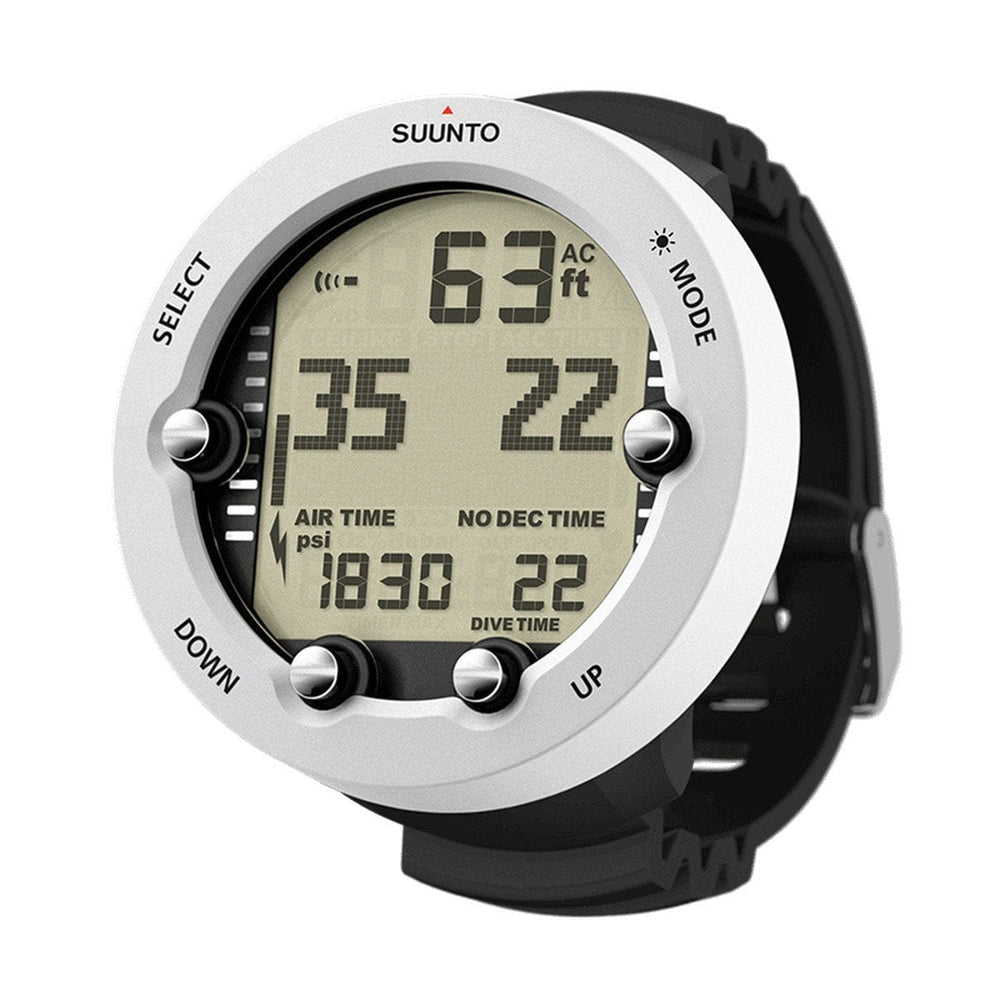
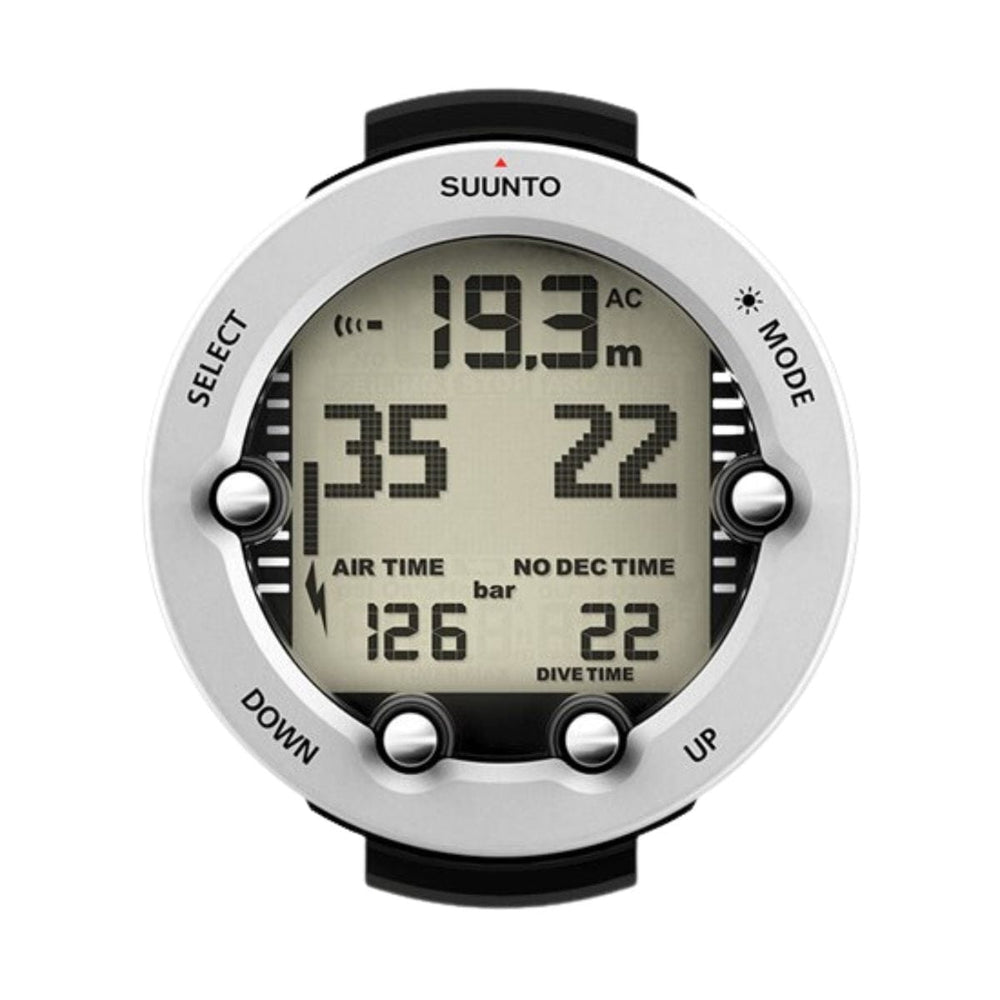
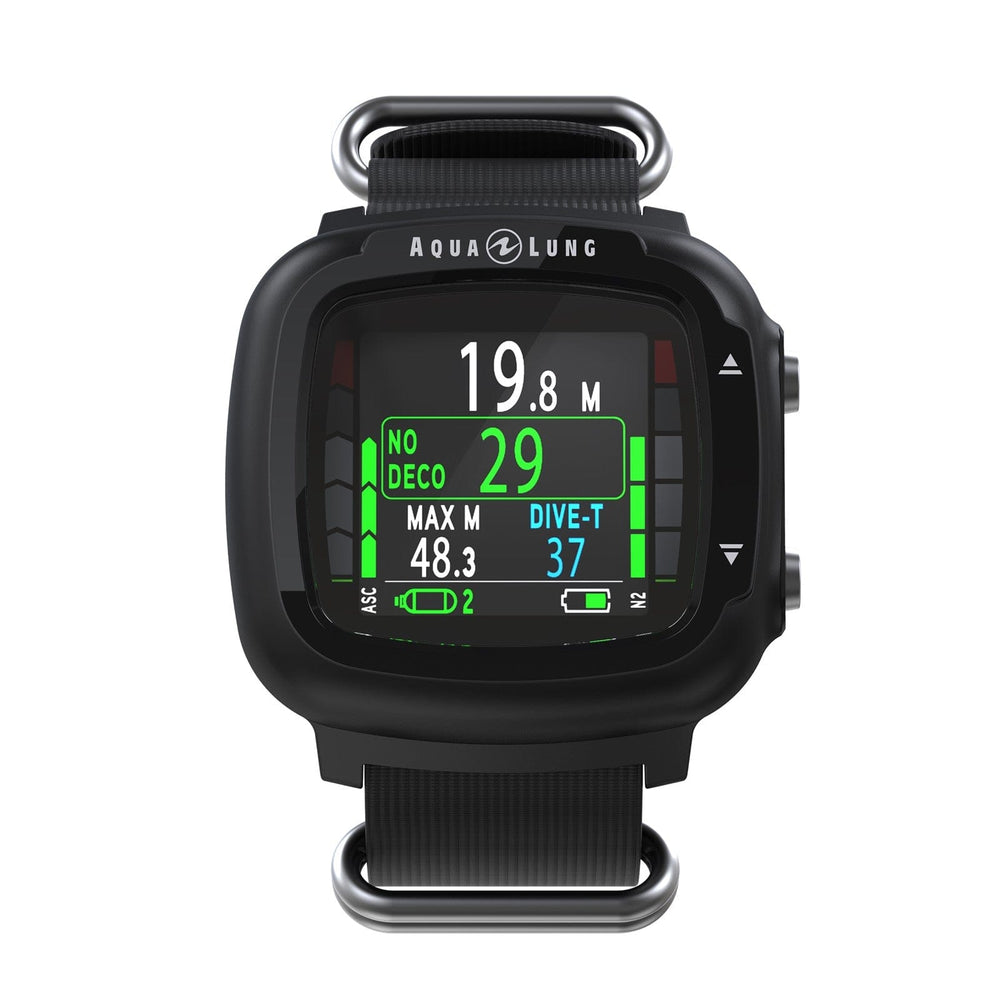
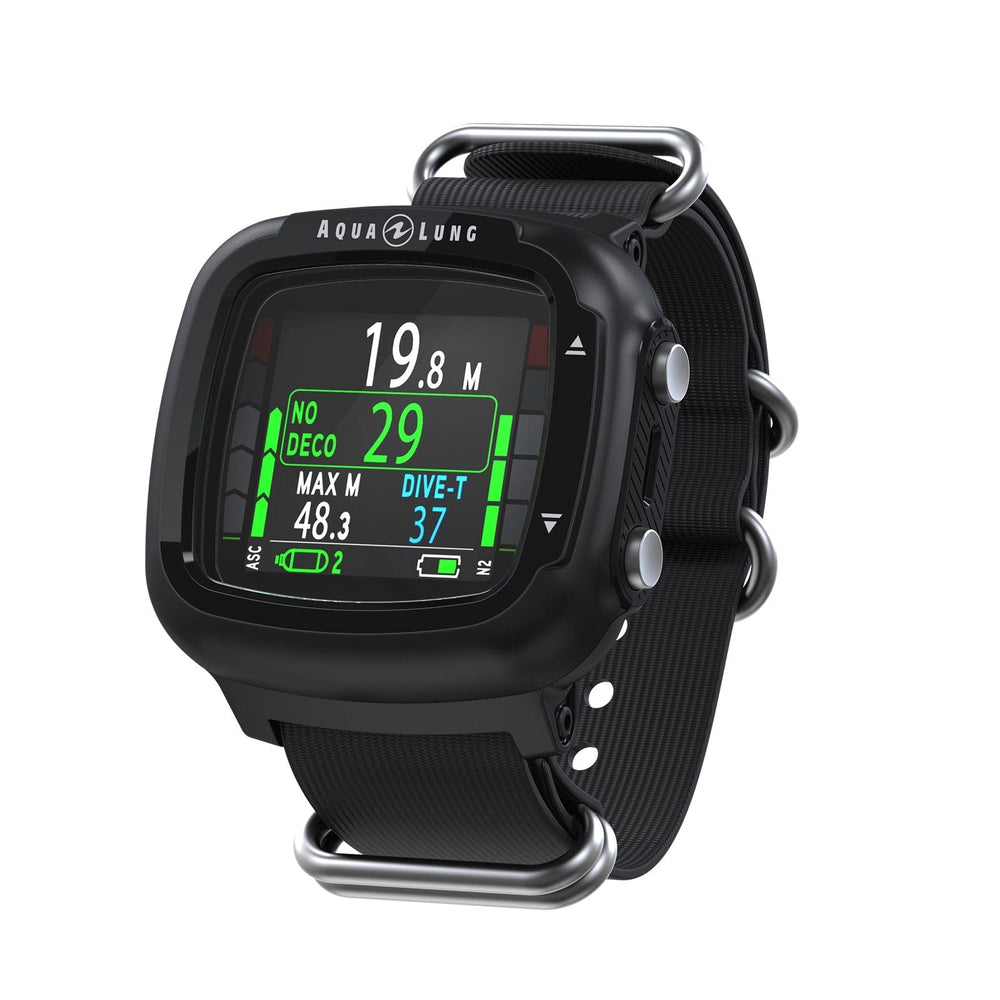
For new divers on a tight budget, the Suunto Zoop Novo at £225 is the most straightforward entry point. It does what a first dive computer needs to do, nothing more. The Aqualung i330R (£347) is what we recommend as the best all-round beginner option though. It has a colour screen, is genuinely easy to read in UK visibility, and has enough capability to grow with you as your diving develops.

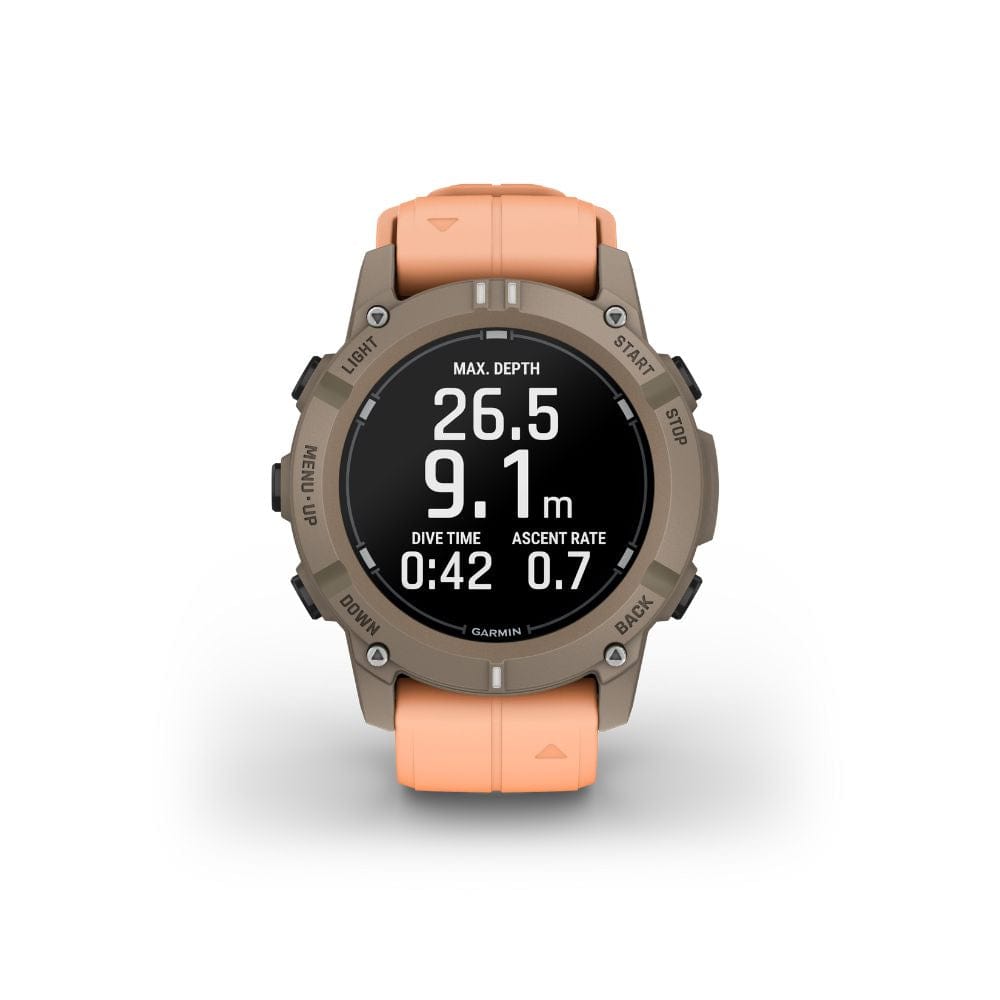
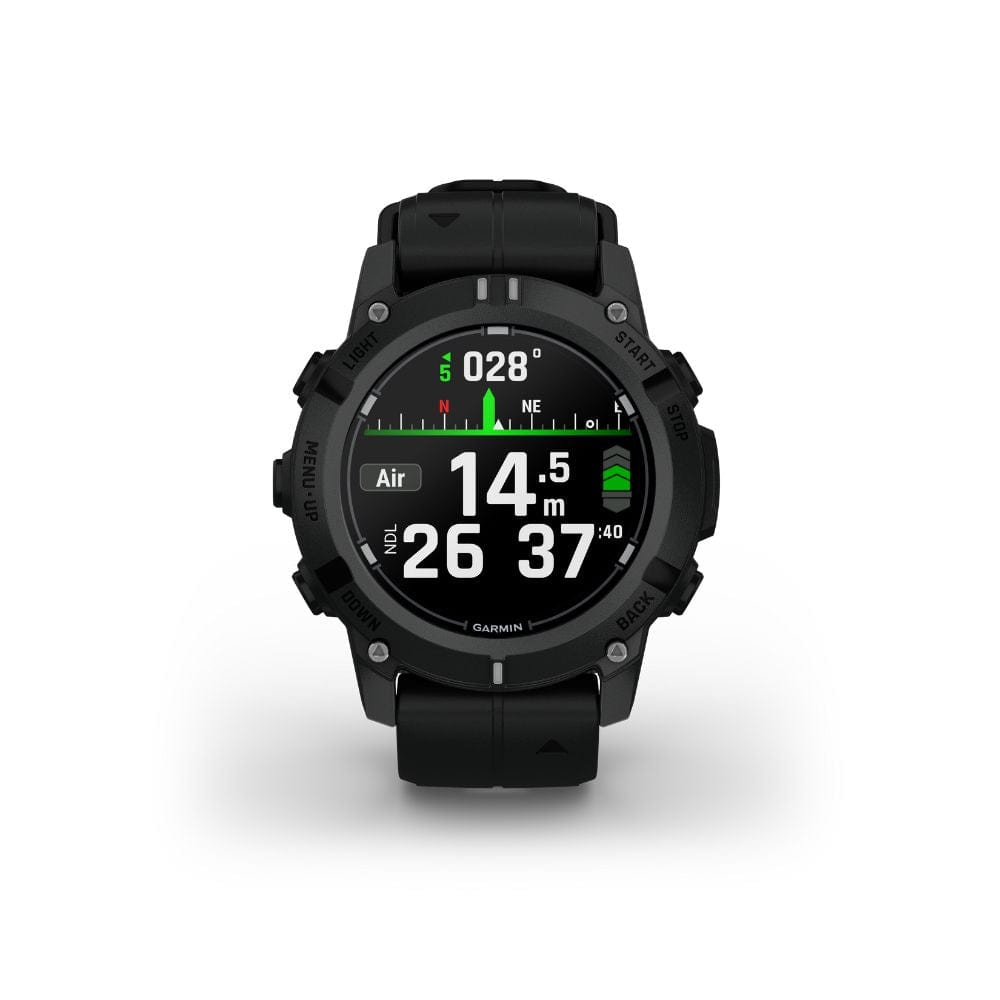
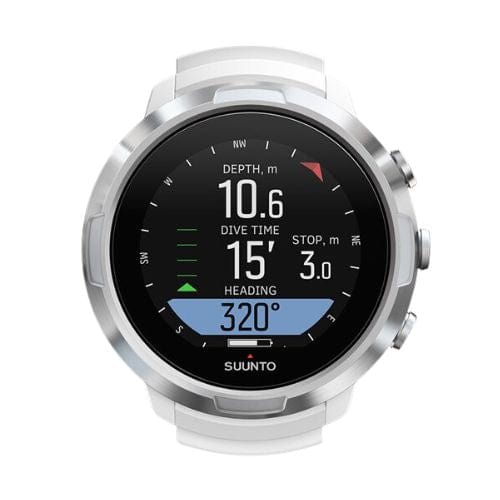
The next step up is the Suunto Nautic S (£479) or the Garmin Descent G2 (£589). Both are watch-style computers you can wear every day, and both represent a meaningful jump in build quality and features over the entry-level options. If you're planning to dive regularly and want something that doubles as a smartwatch, either of these is worth the extra spend.

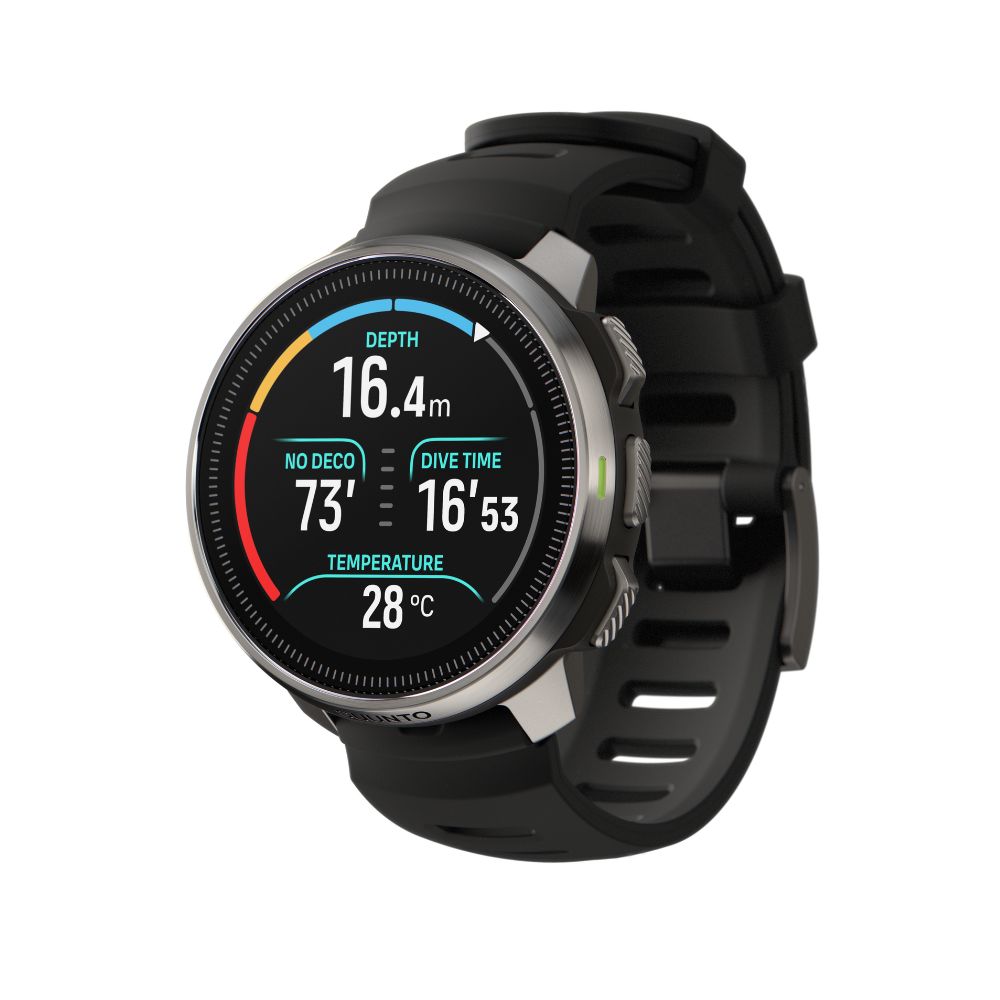
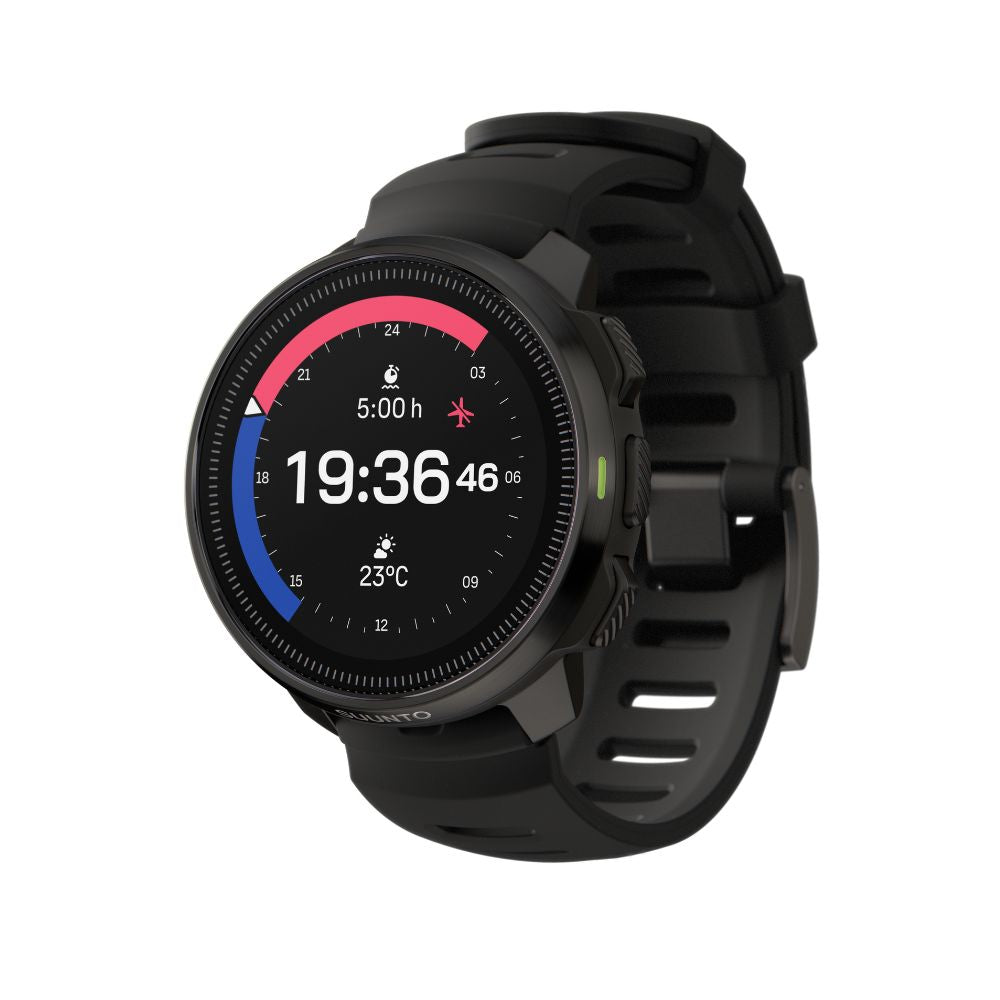
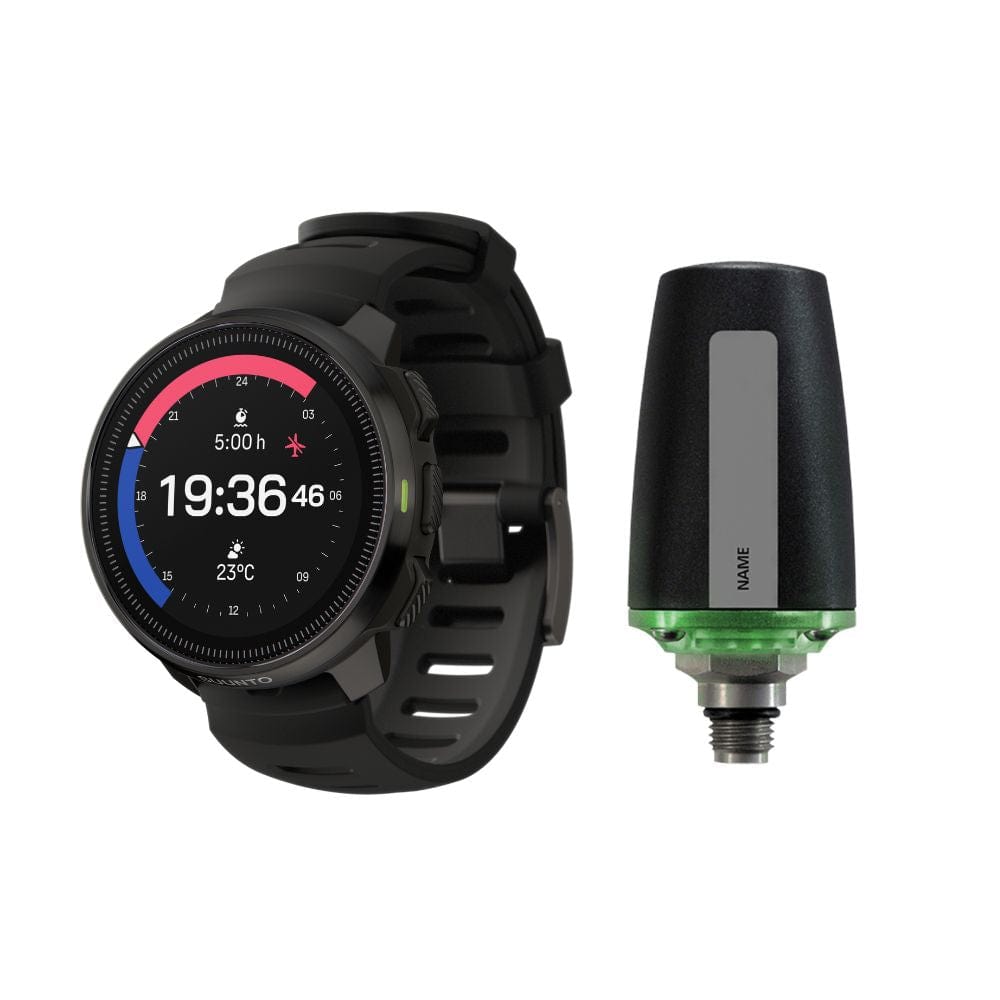
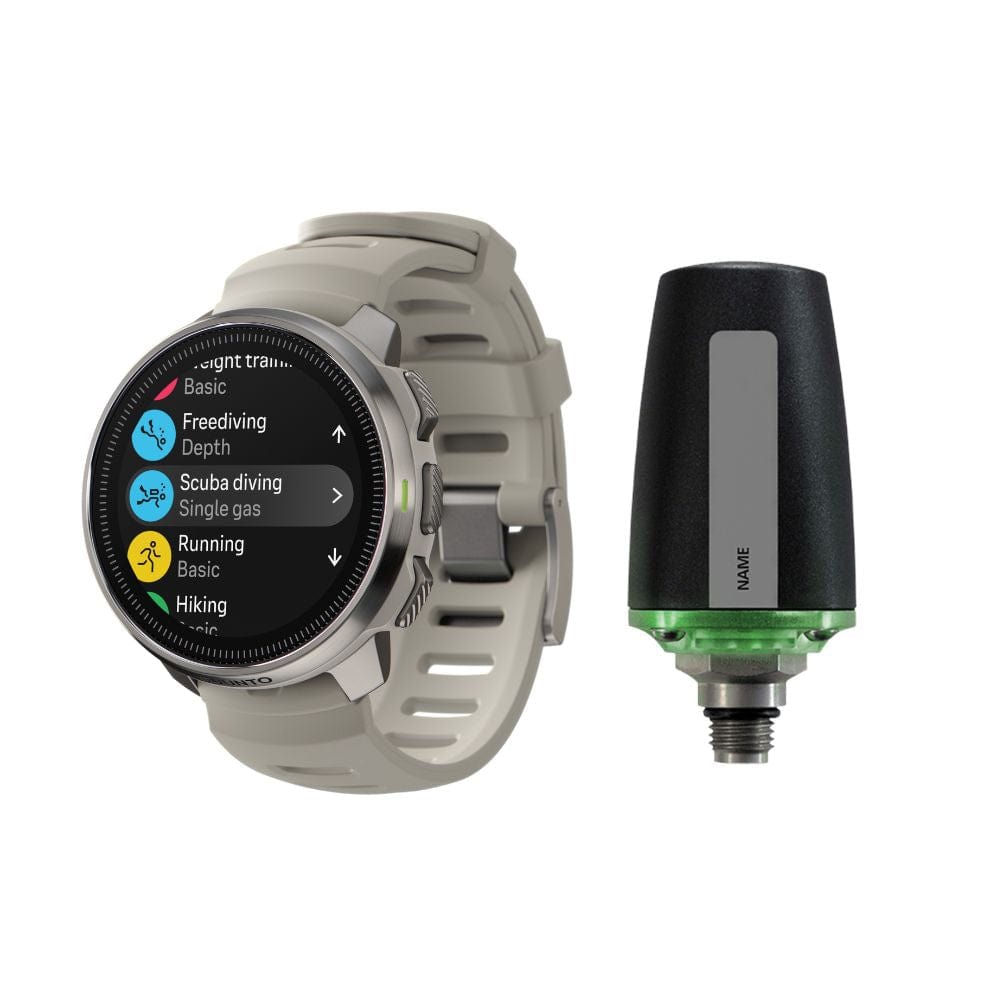
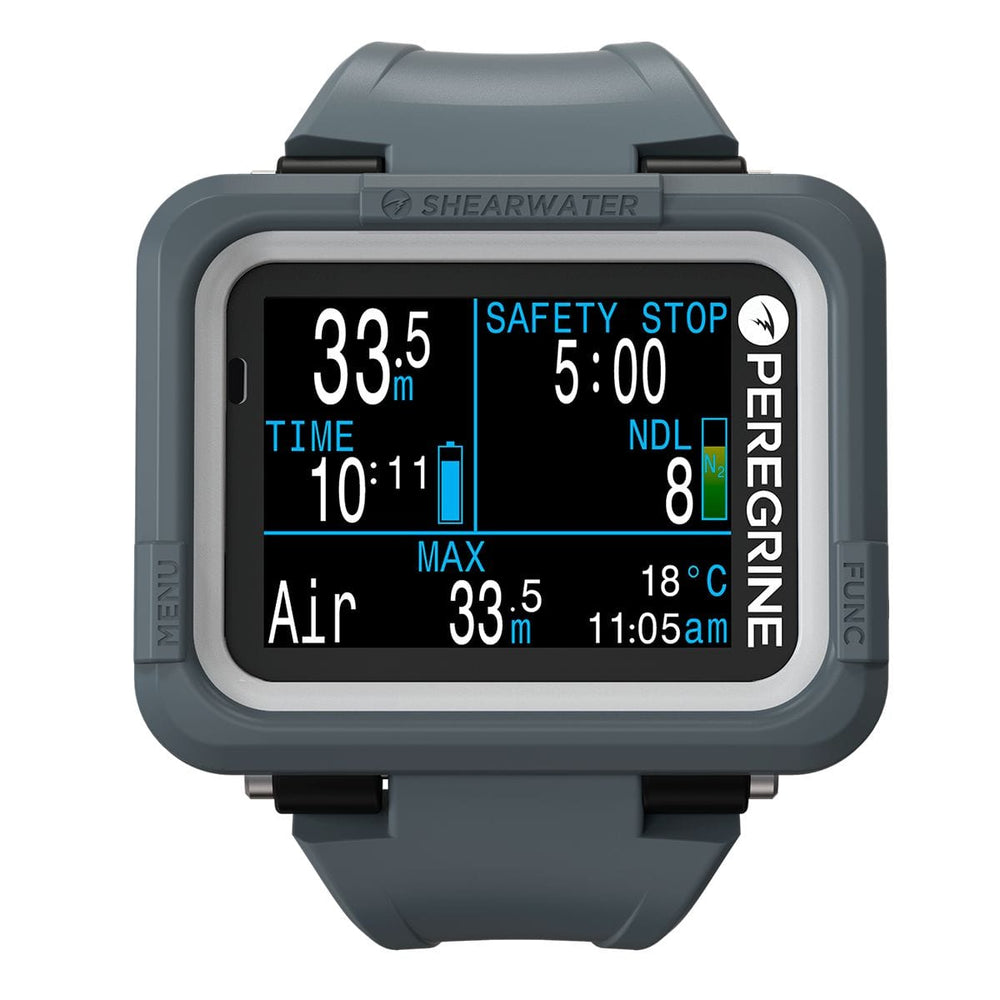
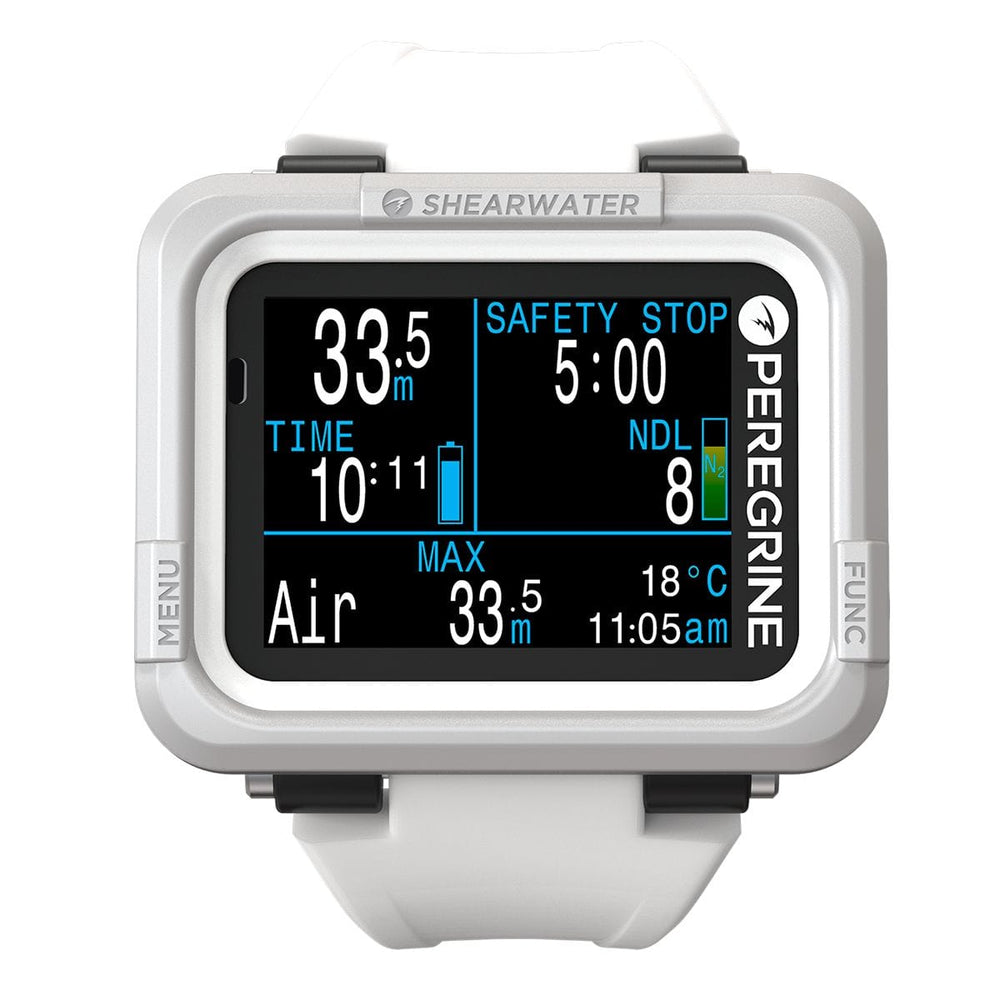
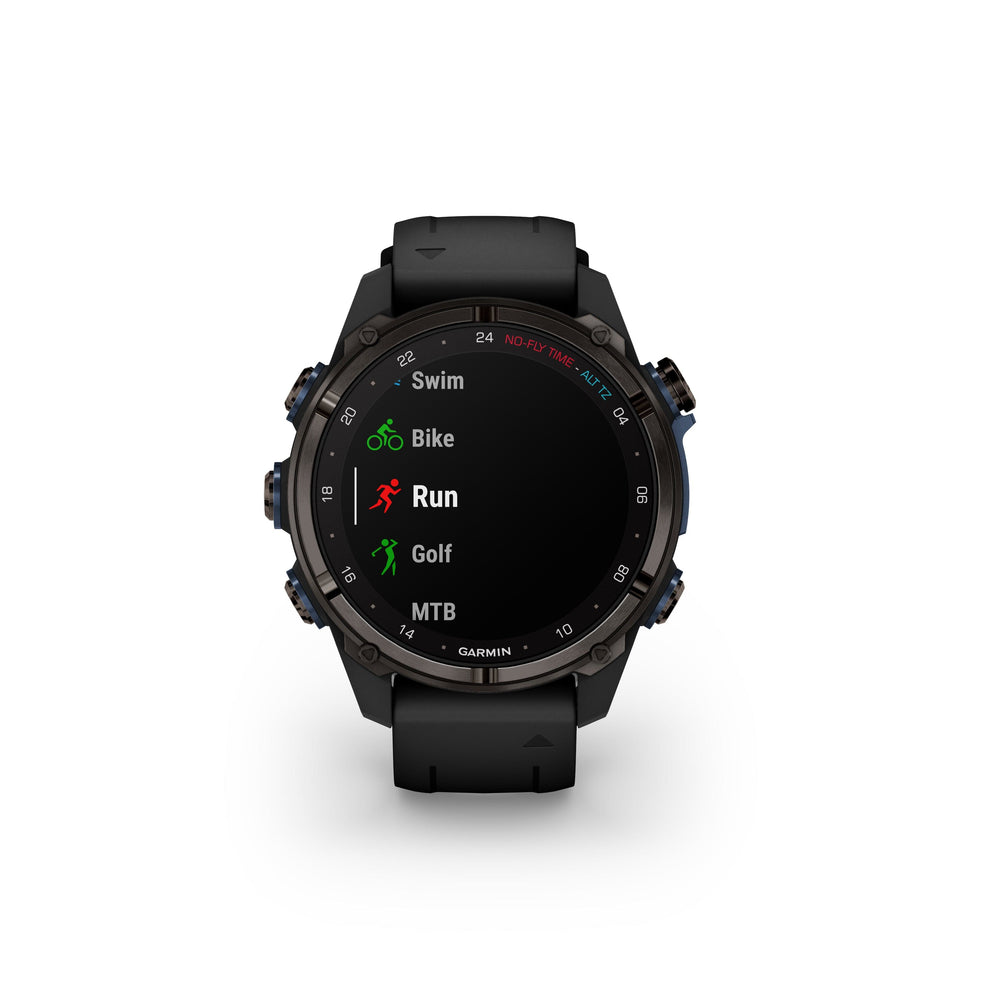
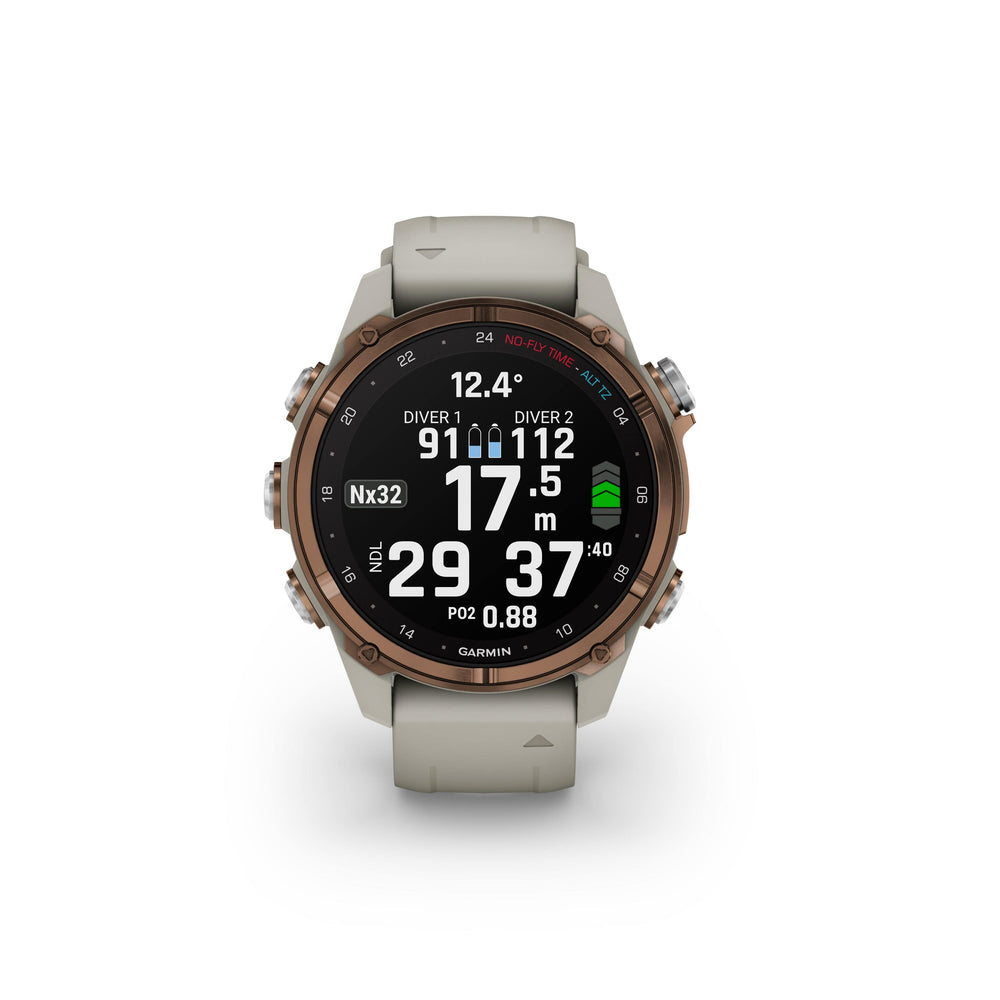
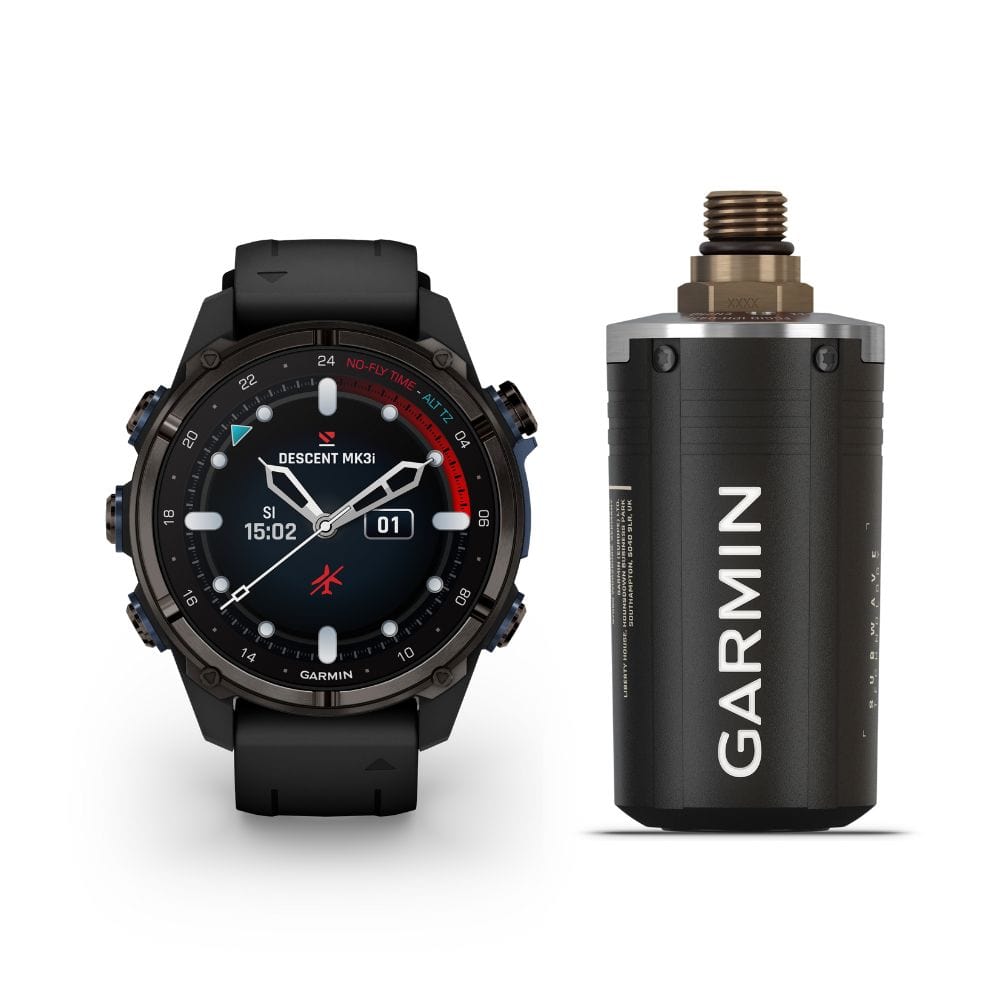
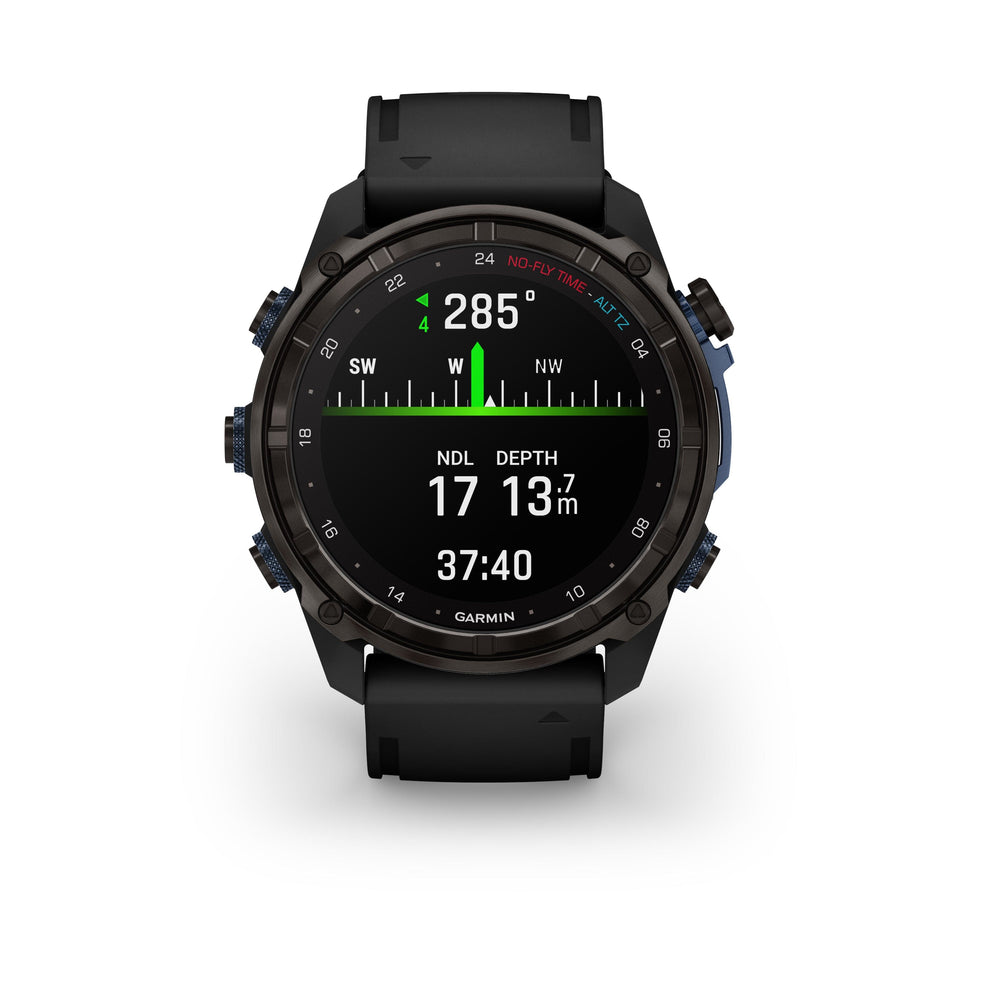
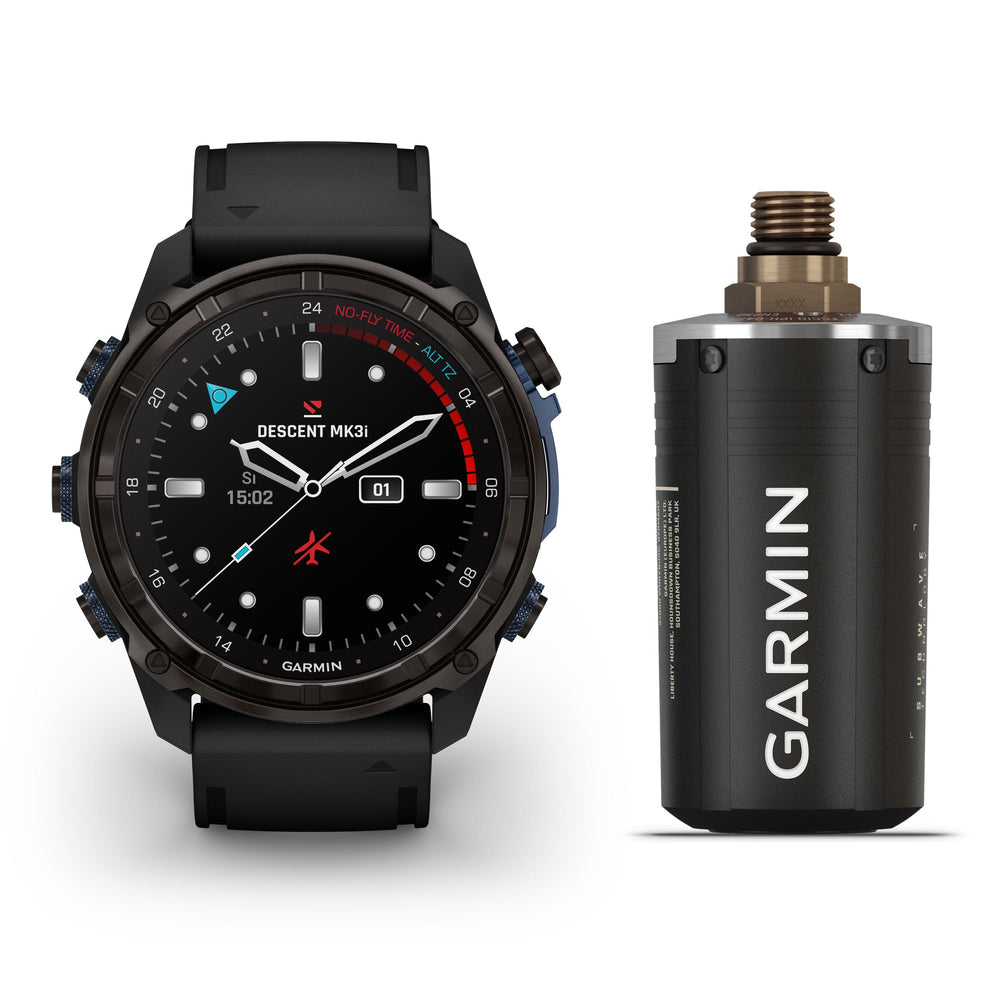
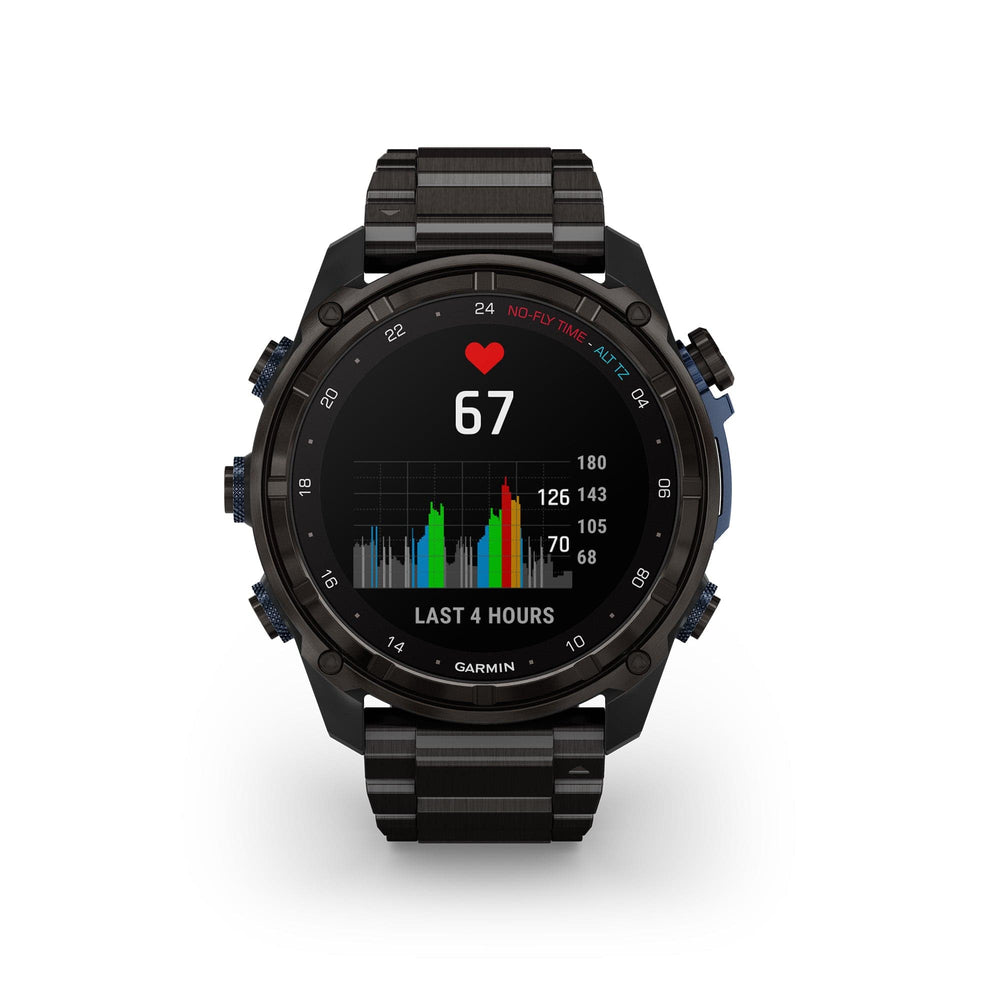
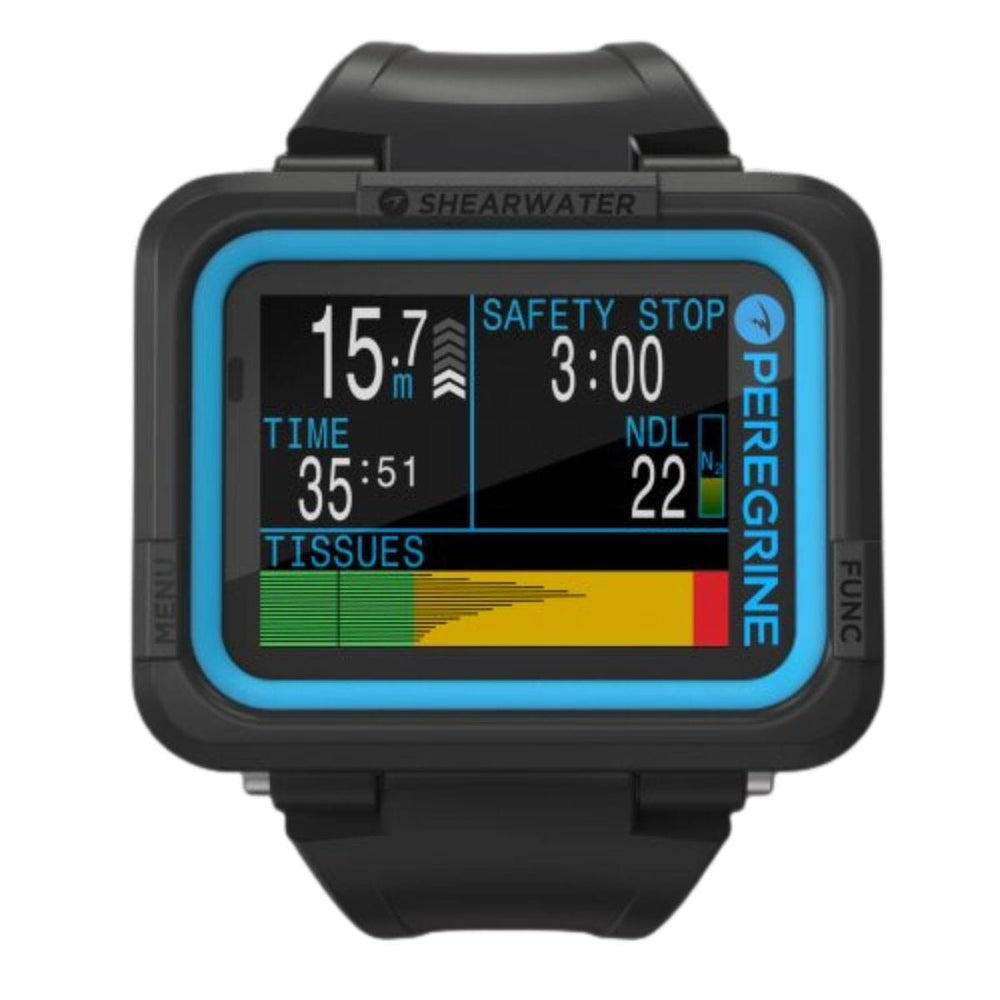
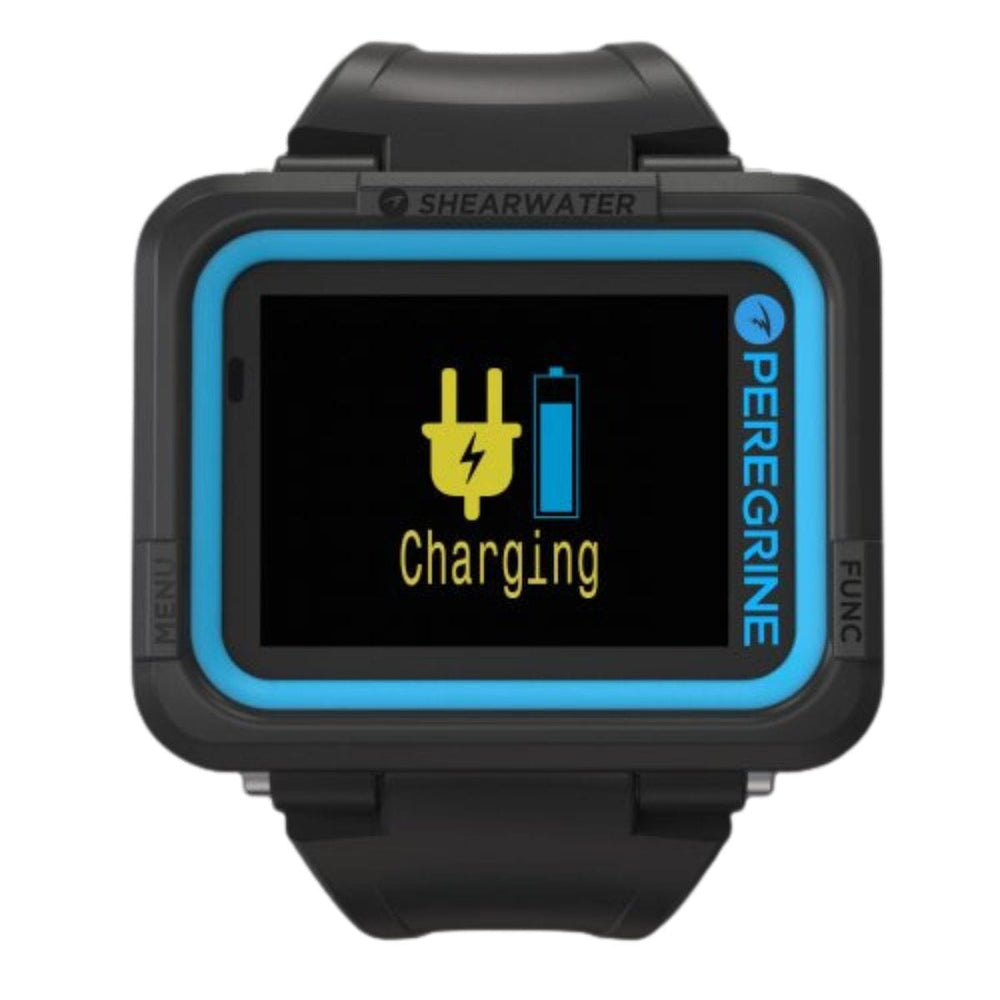
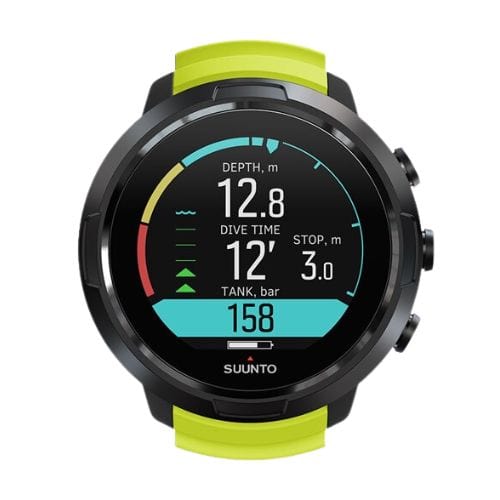
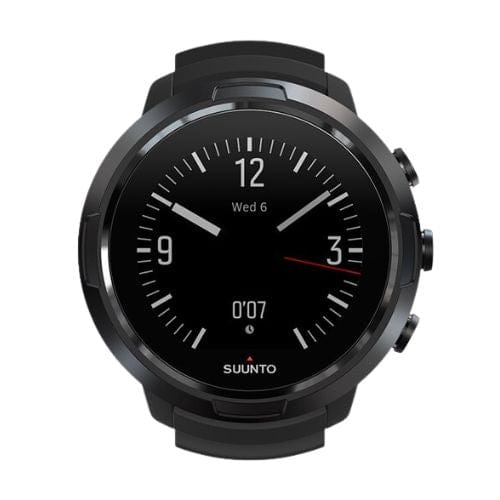
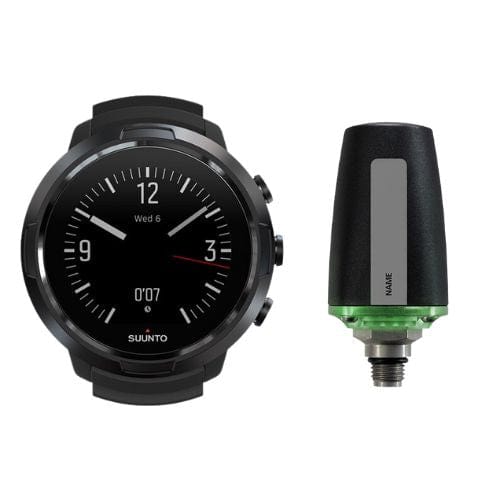
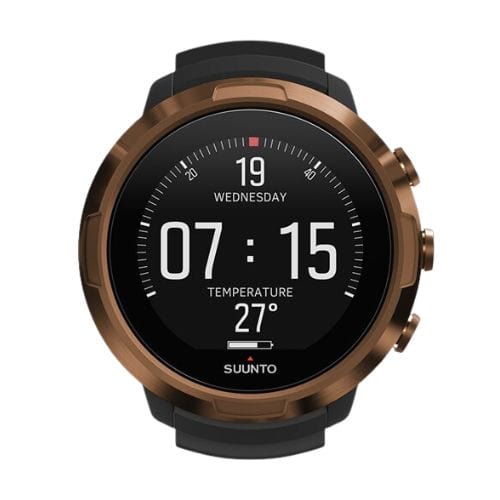
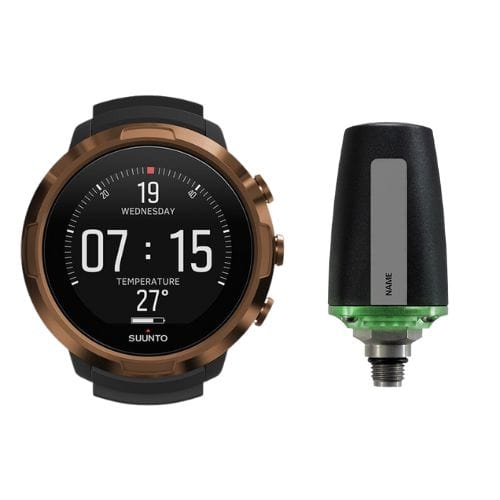
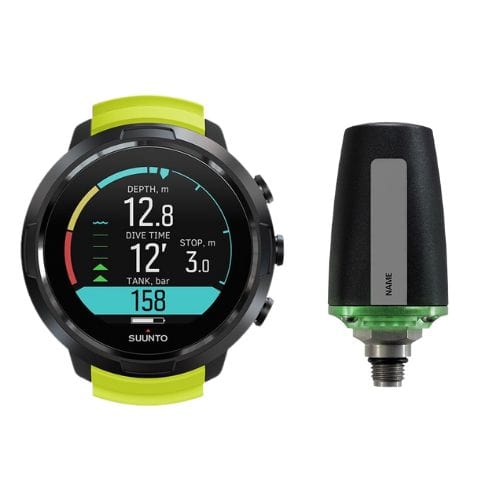
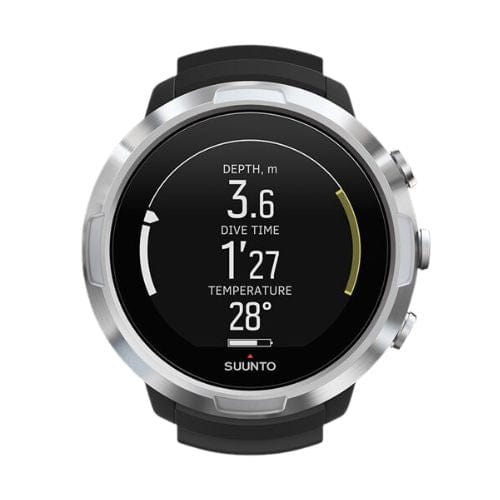
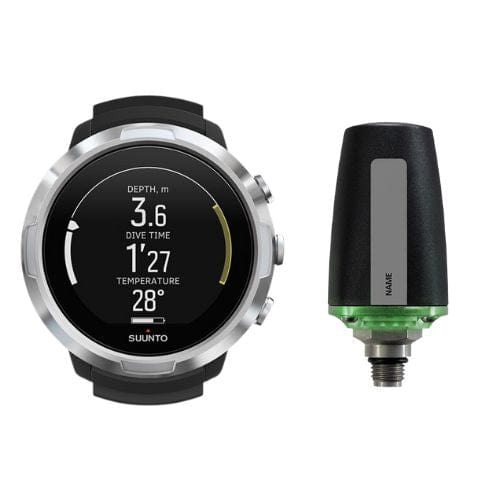
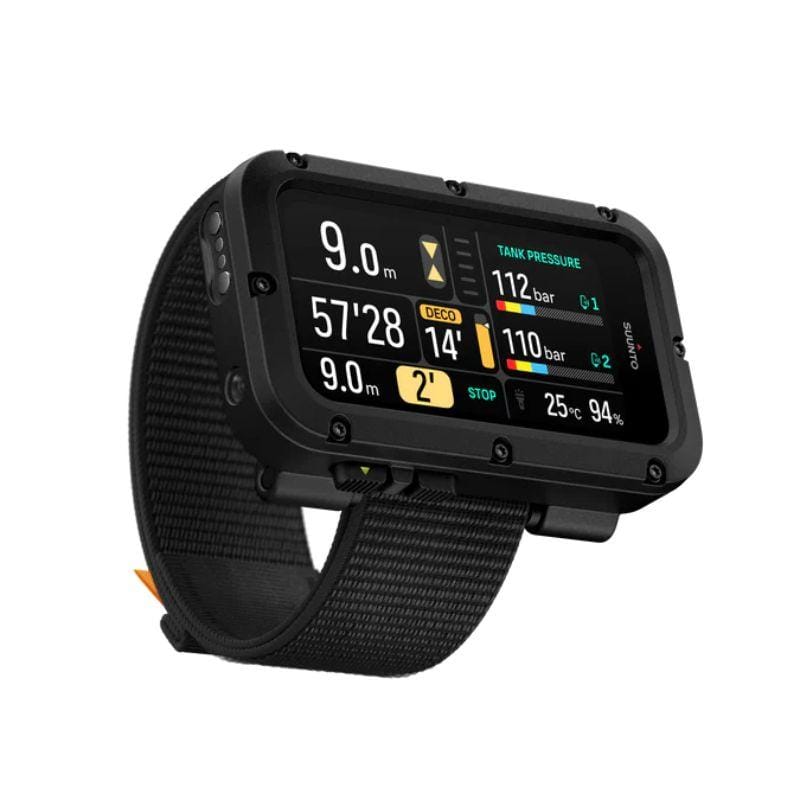
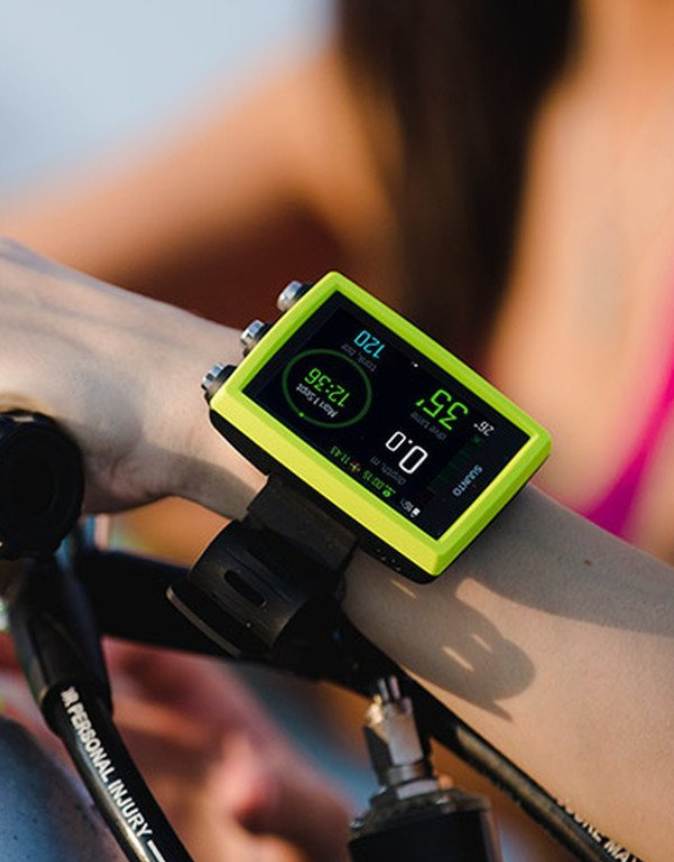
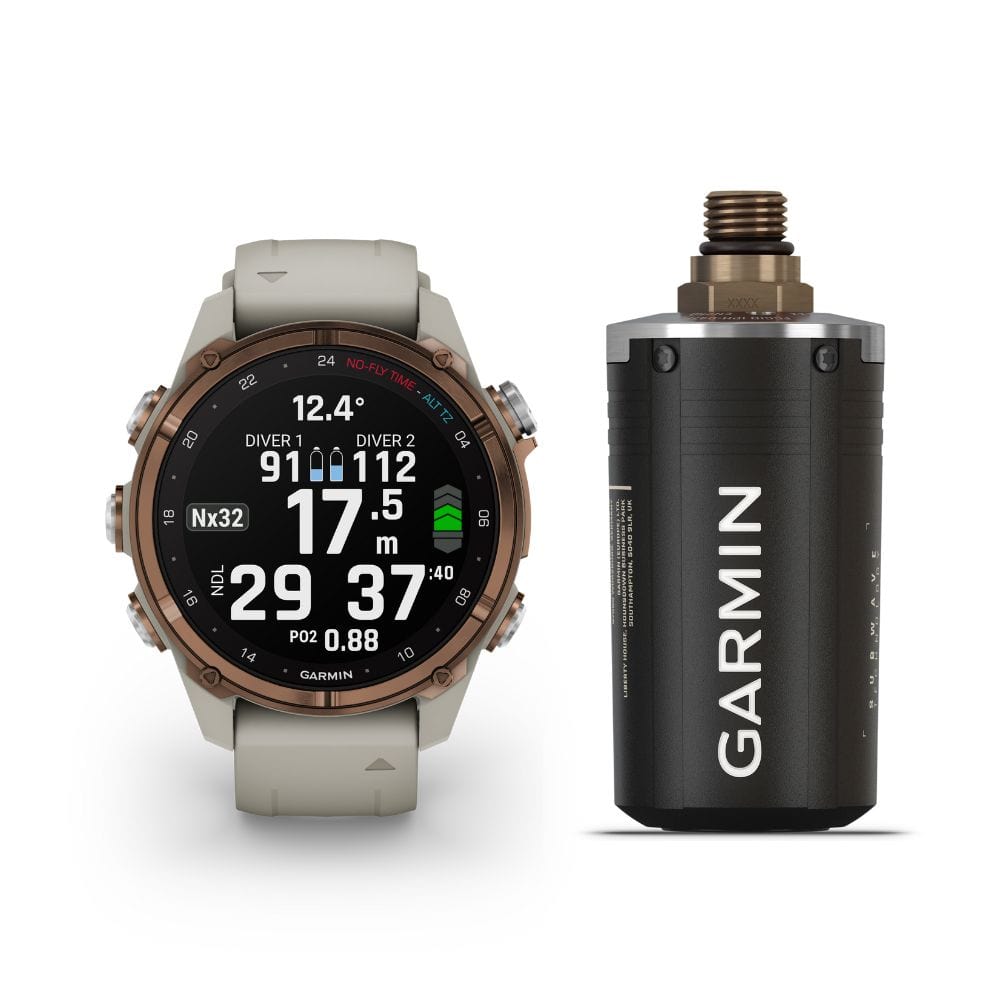
The Suunto Nautic (£625) is the one that surprises people most when they see it in person. The screen is the best on the market right now. It's large, exceptionally bright, and readable in any conditions. It covers everything you need including technical diving, sidemount and multi-tank setups via tank pods. If screen readability is your priority, nothing else at this price touches it. At the top end, the Garmin Descent MK3i (from £1,249) is our all-time best-selling product for good reason. It's a premium smartwatch and a fully capable technical dive computer in one. The Shearwater Perdix 3 (£1,200) is the endgame for divers who want a computer built purely for underwater performance.

Air integration: do you need it?

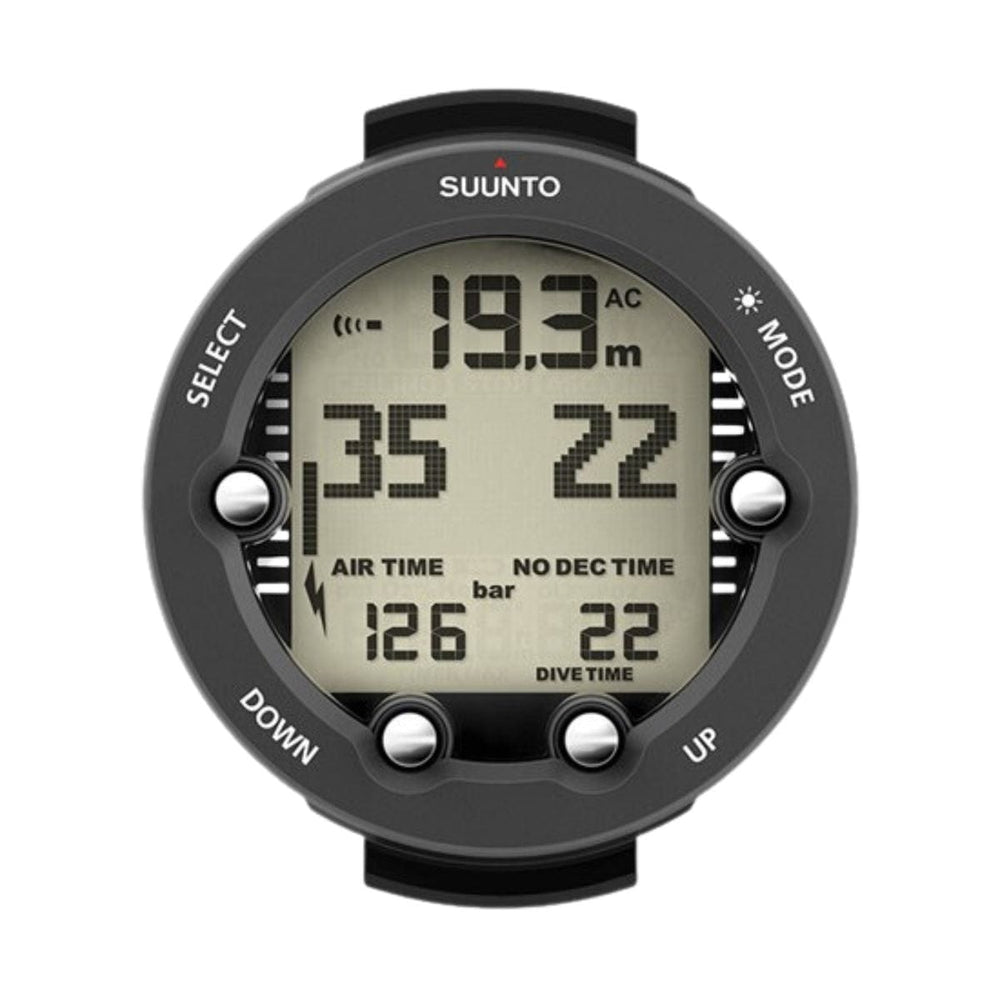
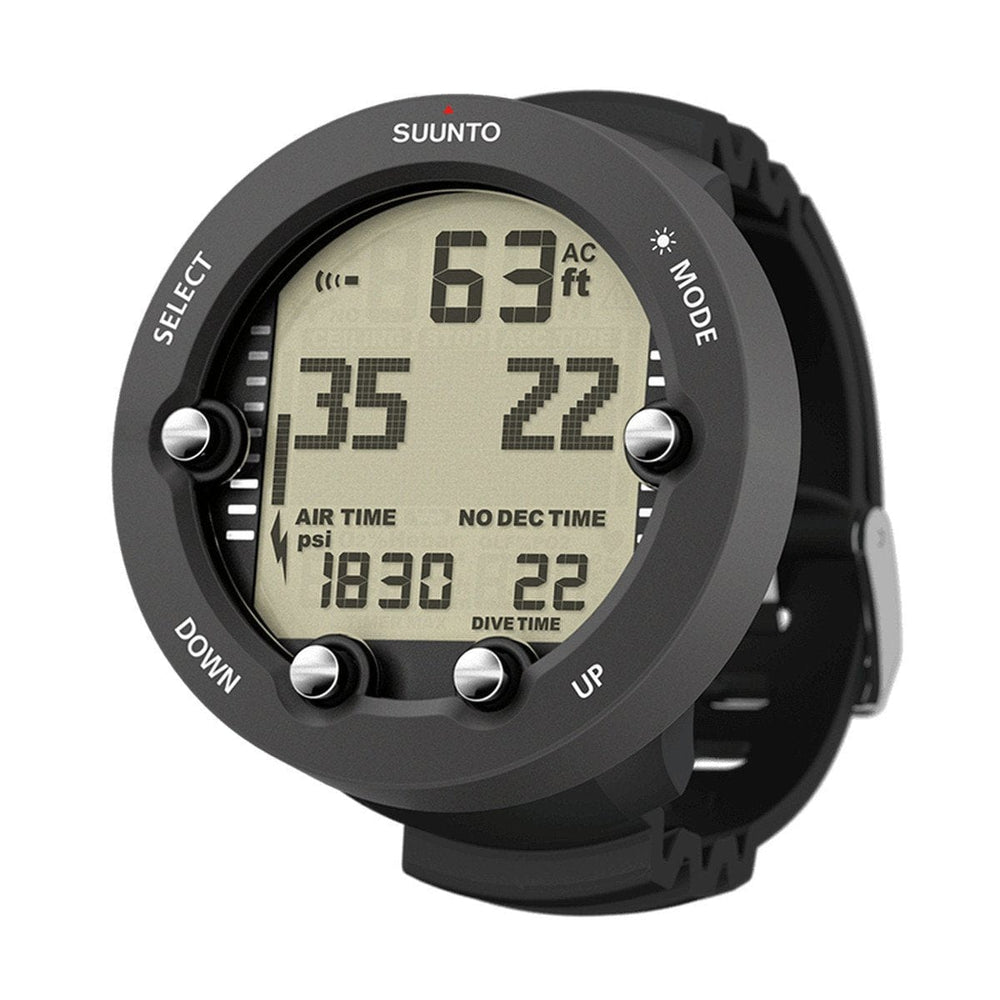
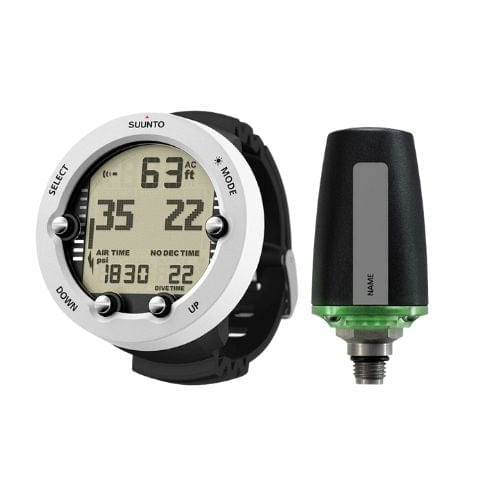
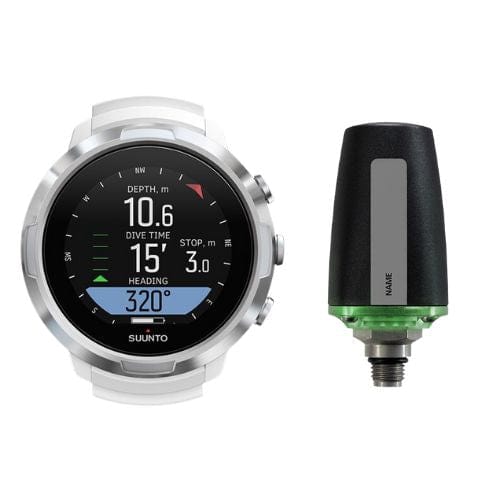
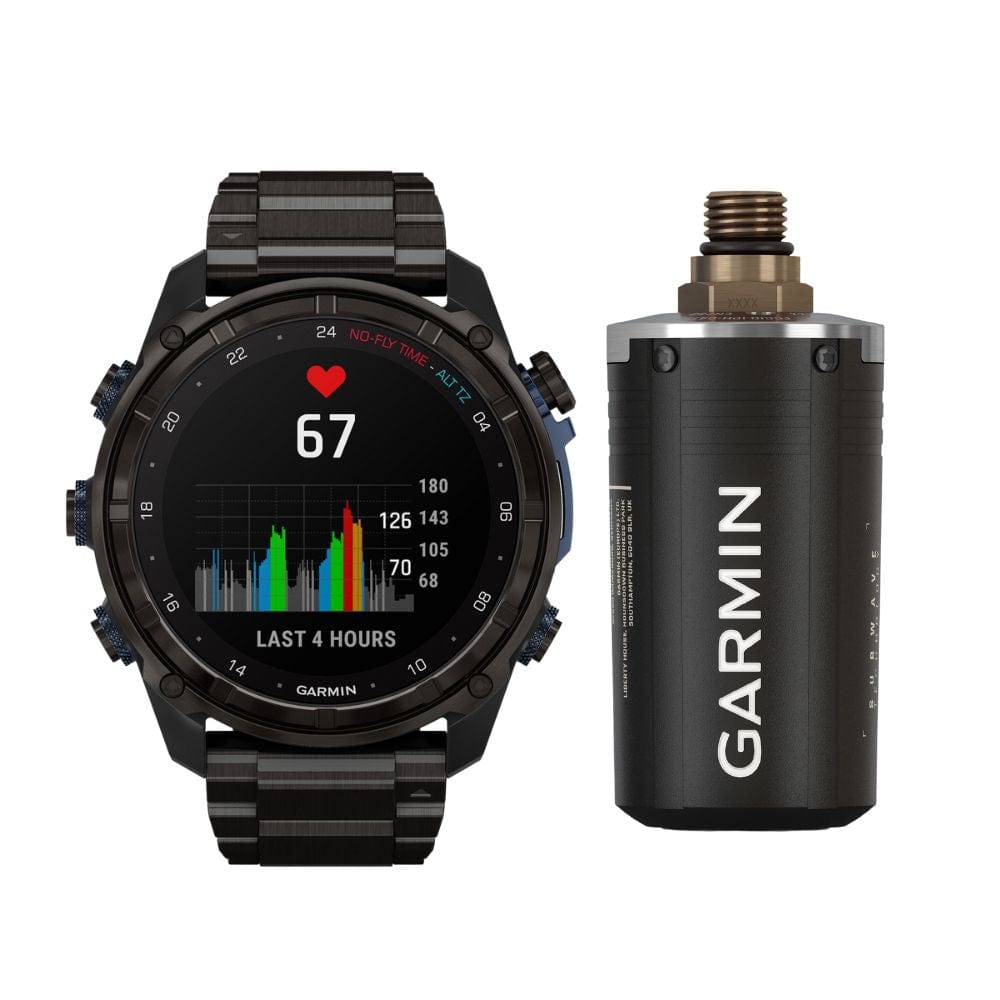
Air integration means a wireless transmitter on your first stage sends tank pressure to your computer, so you can see remaining gas on your wrist without glancing at your SPG. It's genuinely useful, particularly on drift dives or when you're focused on a subject and don't want to interrupt the dive to check your gauge. Most Shearwater models support it, as does the Garmin MK3i and the Aqualung i770R. If you're buying a computer you plan to keep for five-plus years, it's worth considering, even if you don't add the transmitter immediately.

Watch-style vs traditional dive computer

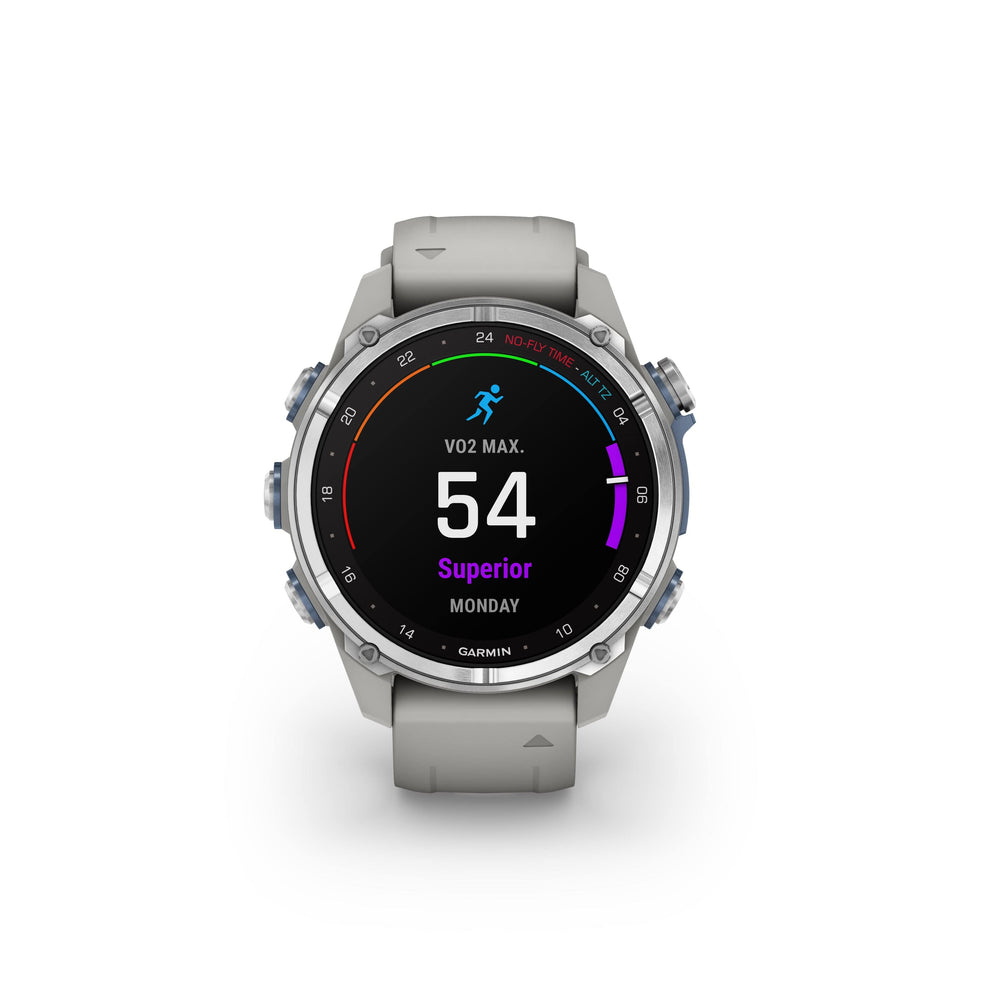
Watch-style computers like the Garmin Descent MK3i, Suunto Ocean and Shearwater Teric sit on your wrist and are worn between dives as a normal watch or smartwatch. Traditional dive computers like the Shearwater Perdix 3 or Aqualung i770R have larger screens optimised purely for reading underwater data, which makes them easier to read on a decompression stop but bulkier on the surface. Both work equally well for diving; the choice usually comes down to whether you want to wear it out of the water.
Free pool session with your purchase

Spend over £100 and you can book a free familiarisation session at one of our pool sites across London and Brighton. It's run by our PADI instructors and gives you the chance to try your new computer in the water before you take it on an open water dive. We also offer in-house servicing for regulators and BCDs, and our team are available by phone or email to help with setup, firmware updates, or any questions after your order arrives. Call us on 0800 699 0243.

Frequently asked questions

What is the best dive computer for beginners?

The Aqualung i330R (£347) is our top recommendation for most new divers. It has a clear colour screen, is intuitive to set up, and has enough capability to last through your first few years of diving. If budget is the priority, the Suunto Zoop Novo at £225 is a reliable, no-frills option that covers everything a recreational diver needs. Avoid buying a technical computer for recreational diving. You'll pay for features you won't use for years.

What is the best dive computer for UK cold-water diving?

Any of the computers we stock will handle UK temperatures. The ones our instructors are currently diving on are the Suunto Nautic, the Garmin Descent MK3i and the Aqualung i330R. Screen readability in low visibility is where the Nautic stands out above everything else. The MK3i holds its own on UK wrecks and reefs, and the i330R proves you don't need to spend four figures to have a clear, readable display underwater.
How much should I spend on a dive computer?

A solid entry-level wrist computer starts from around £225 (Suunto Zoop Novo). The best all-round beginner option is the Aqualung i330R at £347. Watch-style computers with smartwatch capability sit between £479–£625. Premium models with full technical dive support and smartwatch features run from £1,200 to £1,400+. Buy the computer that matches how you dive now, not the one you might need in five years. You can always upgrade.

What is the difference between a Garmin and a Shearwater dive computer?

It depends which models you're comparing. For watch-style computers, the Garmin Descent MK3i and the Shearwater Teric are the two most common options at the premium end. The MK3i is a full smartwatch first and a dive computer second, but don't let that undersell it. It handles multi-gas, technical diving and decompression dives properly. We've done tech dives on it. The Teric has a slightly more dive-focused interface and a loyal following among divers who want Shearwater's firmware and don't want to wear a puck-style computer. Both are genuinely capable technical dive computers; the MK3i just does more on the surface.

For dedicated technical computers, the comparison shifts to the Shearwater Perdix 3 and the Garmin Descent X50i. The Perdix 3 is the endgame choice for technical divers who want a full-size wrist computer built around nothing but underwater performance. The X50i is Garmin's answer to that market. If you're doing serious technical or cave diving and want a computer that is entirely optimised for that environment, these are the two to consider.
Do I need air integration on my dive computer?

No, but it's a useful feature once you've been diving for a while. Air integration shows your remaining tank pressure on your wrist computer display, removing the need to check a separate SPG during the dive. It requires a wireless transmitter on your first stage, which adds to the cost. Most recreational divers manage fine without it; technical divers and those doing overhead environments tend to find it genuinely valuable.

Can I get in the water with my new dive computer before my next trip?

Yes. Spend over £100 on any order and you can book a free pool session at one of our sites across London and Brighton. It's a chance to get in the water with your new computer before you take it on a trip. Our PADI instructors will be on hand to run through the setup and make sure you're comfortable with it. Call us on 0800 699 0243 if you have any questions before ordering.

  • Why Choose Us?
    Spend over £100 and you can have a FREE familiarisation session to try out your new kit in one of our pools.

  • Expert Support
    Run by active professional PADI scuba instructors. We provide the best value, highest quality service and support.

  • Free 1:1 With A Pro
    We are open for appointments for training and equipment consultations to help you find right course and gear.
Dive Computer

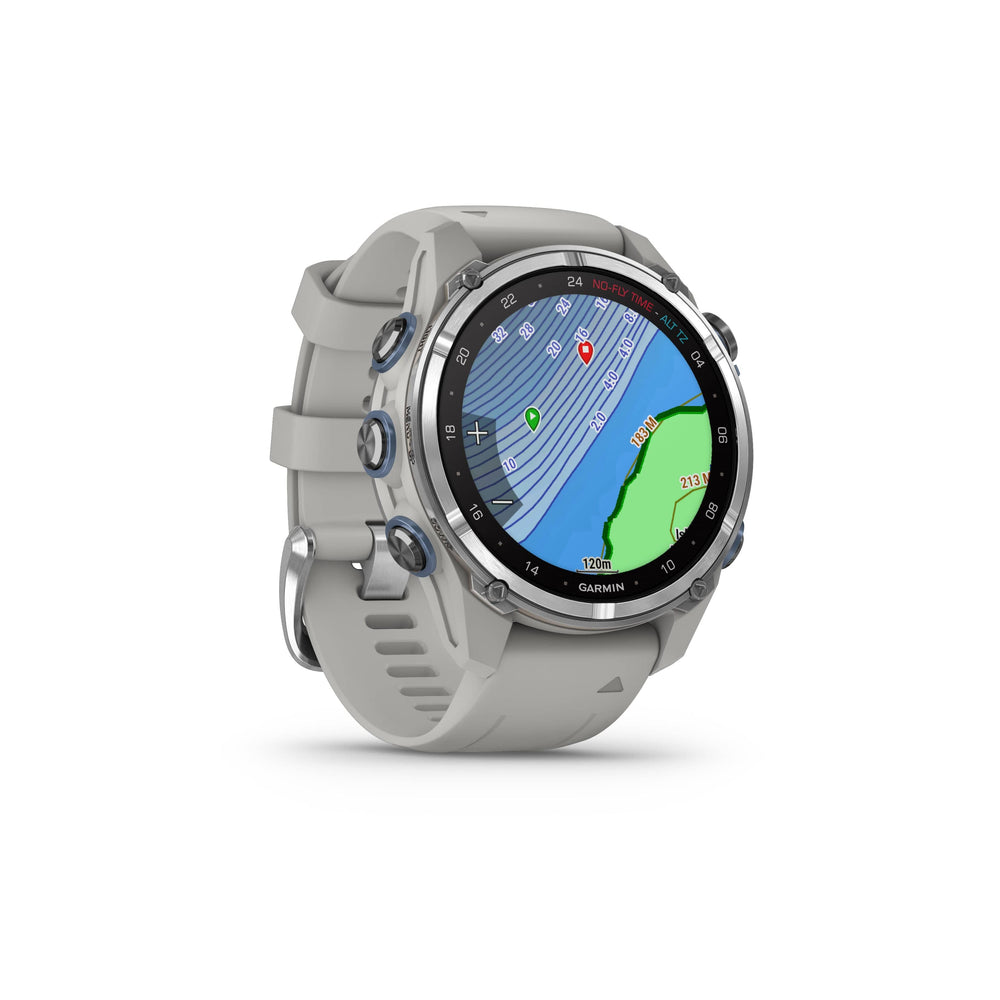
A dive computer is essential for safe and efficient diving, providing real-time data on depth, time, and decompression limits. As experienced divers and instructors, we've tested many models and can confidently recommend the ones on this list. We personally use these reliable computers ourselves.
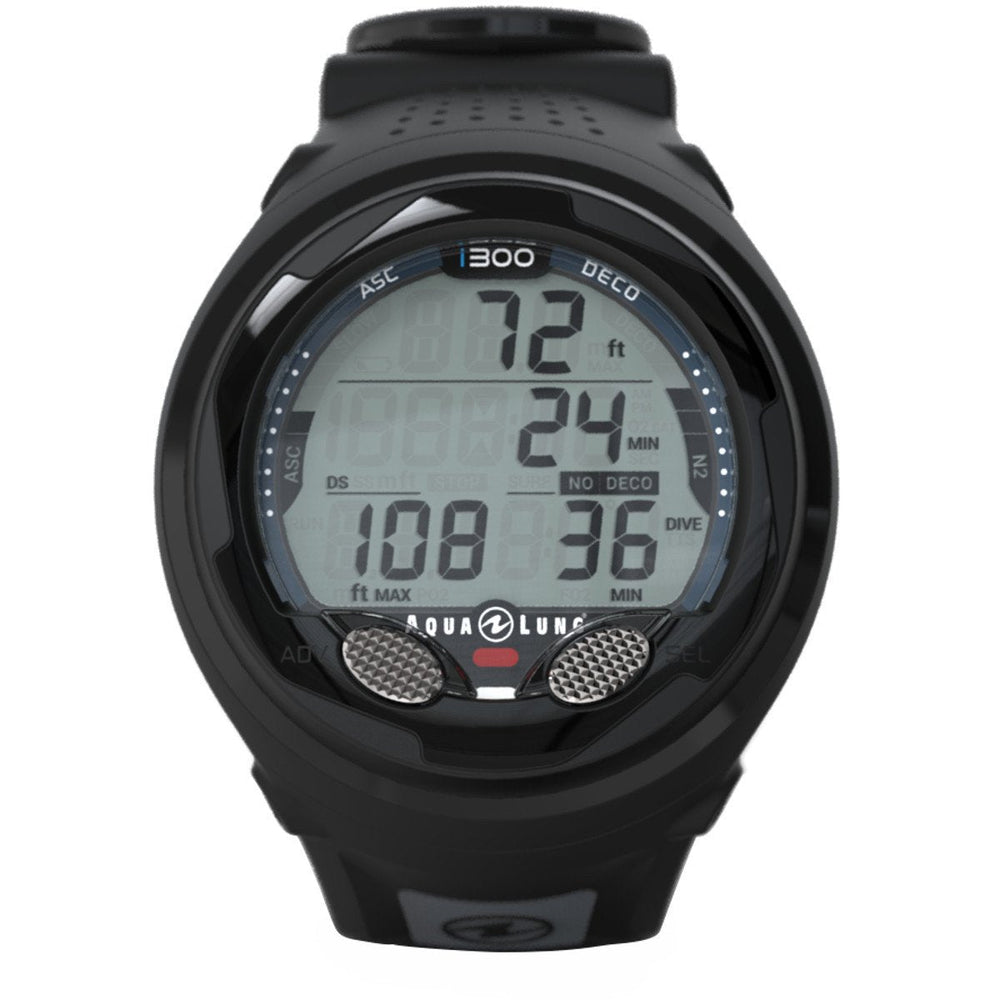
TRY A DIVE COMPUTER FOR FREE! Once you purchase from us, meet us at one of our pools to learn the basics and get familiar with it in one of our six heated pools. Contact us to book your session.

Did you know?

Why are dive computers important for scuba diving?

Dive computers have become an essential tool for scuba diving, providing critical information about the dive, including depth, time, and decompression limits. These devices have revolutionized the sport of scuba diving, allowing divers to dive more safely and efficiently.

One of the primary reasons dive computers are so important is because they provide real-time information about the dive. This information includes the depth of the dive, the duration of the dive, and the remaining time before the diver needs to begin decompression. By continuously monitoring this information, dive computers help divers plan and execute safe and efficient dives.

In the past, divers relied on dive tables to calculate their decompression limits and determine when it was safe to ascend to the surface. Dive tables are still used today, but they are often complemented by dive computers, which provide more accurate and personalized information. Dive computers use complex algorithms to calculate decompression limits based on the dive profile, including the depth and duration of the dive.

Another important benefit of dive computers is that they can help divers avoid decompression sickness, a potentially life-threatening condition that can occur when a diver ascends too quickly and does not allow enough time for nitrogen to safely exit the body. Dive computers help divers avoid decompression sickness by providing real-time information about the remaining dive time, allowing divers to plan a safe ascent.

Finally, dive computers can also be helpful in logging dive data, including the depth, duration, and gas mix used during the dive. This information can be useful for analyzing the dive and identifying areas for improvement or further exploration. Additionally, many dive computers have features that allow divers to download and analyze their dive data, providing an even more comprehensive understanding of the dive.

Overall, dive computers are an essential piece of equipment for scuba diving, providing critical information that helps divers plan and execute safe and efficient dives, avoid decompression sickness, and analyze dive data.

Dive Computers For Beginners

Do I need to use a dive computer?

Scuba diving is an exciting and thrilling activity that allows you to explore the underwater world. However, it's important to remember that diving also comes with potential risks, especially when it comes to decompression sickness. To ensure a safe and enjoyable dive, it's essential to have an accurate understanding of your dive profile and to monitor it throughout the dive. This is where a dive computer comes in and one of the reasons we teach you how to use them when you learn to scuba dive.

What Does A Dive Computer Do?

A dive computer tracks dive information such as depth, time, and nitrogen loading. This is provided in real-time on your diving computer's display. They also monitor your ascent speed and required safety stop times. Top-of-the-range scuba diving computers also monitor your gas supply.  These are just a few features that make dive computers a must for all divers.

One analogy that comes to mind is driving a car without a fuel gauge. Without it, you'd have to estimate how much fuel is left in the tank and make it to a gas station before running out. If you guess incorrectly, you could be driving at a high speed and suddenly come to a stop in the outside lane, which is not an ideal situation.

Dive Computers Are Required In Certain Dive Destinations

Many countries, including the Maldives, require scuba divers to wear a dive computer as a mandatory safety measure. Most reputable dive centers also mandate the use of a dive computer, particularly for dives deeper than 18 meters. Some of the most popular and trusted dive computer brands are Suunto dive computers and Shearwater dive computers, which are widely used and recognized for their accuracy, reliability, and ease of use. Whether you are a novice or experienced diver, using a Suunto or Shearwater dive computer can help ensure a safe and enjoyable dive.

Not wearing a dive computer can significantly increase your risk of decompression illness (DCI). While traditional dive tables may seem like a viable alternative, they are rarely used nowadays, with many divers opting to follow their guide or relying on guesswork, leaving their safety to chance. Additionally, dive tables are often unable to account for multilevel diving or provide accurate information, resulting in shorter dive times. A dive computer, on the other hand, offers a more reliable and precise calculation of dive parameters, allowing for longer and safer dives. This is why investing in a dive computer, such as those offered by Aqualung, Garmin or Shearwater, is essential for any scuba diver looking to maximize their safety and dive experience.

Is It Better To Buy Or Rent A Dive Computer?

Despite its potential life-saving benefits, a dive computer doesn't have to be a costly investment. In fact, you can purchase a reliable and functional dive computer for under £200. While renting a dive computer may seem like a cost-effective option at around £10 - £15 a day, if you plan on diving more than once a year, it may be worthwhile to invest in your own device. Owning your own dive computer not only saves you rental costs in the long run, but also allows you to become familiar with the device's features and settings, ensuring that you can use it to its full potential. Whether you choose any of the best diving computer brands on the market, investing in your own device can help you stay safe and informed during your dives.

Dive computers generally come in two types: wrist style computers and watch-sized computers. Wrist style computers are larger, more affordable, and offer a larger display screen, while watch-sized computers can be worn like a watch, making them more compact and convenient.

So the answer to the question, do I need a dive computer is YES!!!!